Color recognition Easy Worksheets for Ages 4-6 - Page 2
34 filtered results
-
From - To
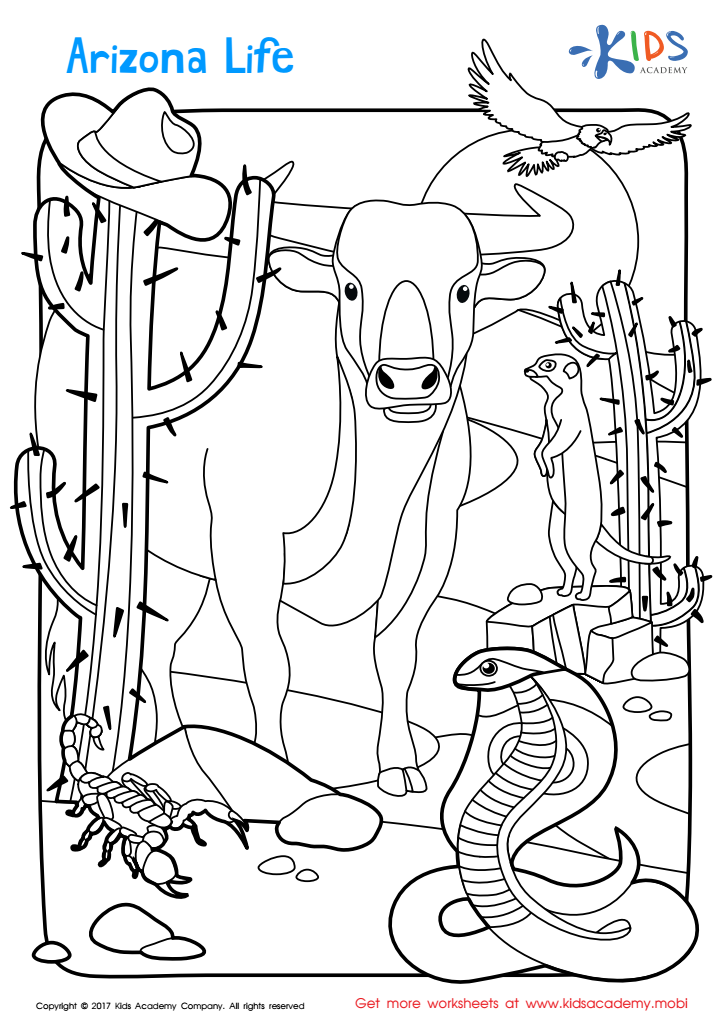
Arizona Coloring Page Worksheet
 Assign to My Students
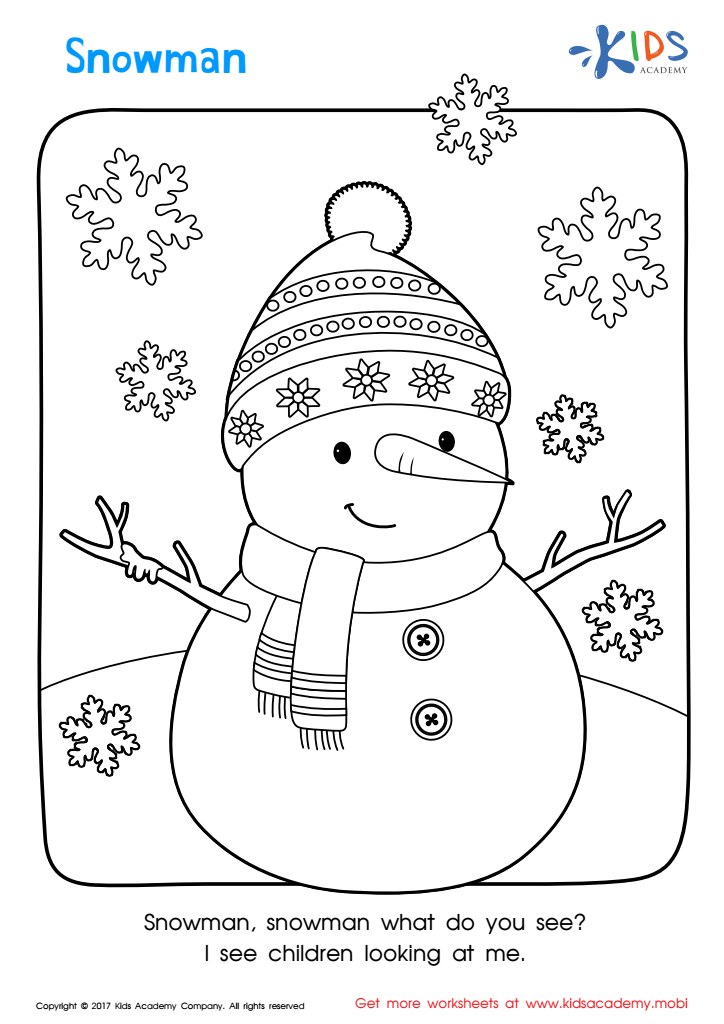
Christmas: Snowman Printable
Assign to My Students
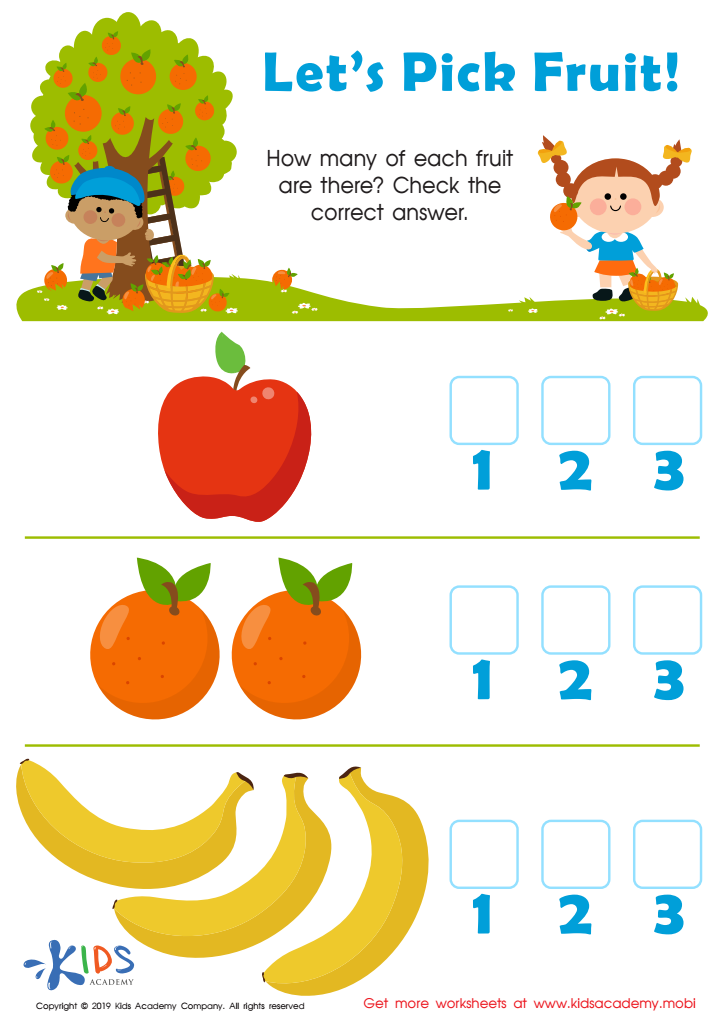
Let's Pick Fruit Worksheet
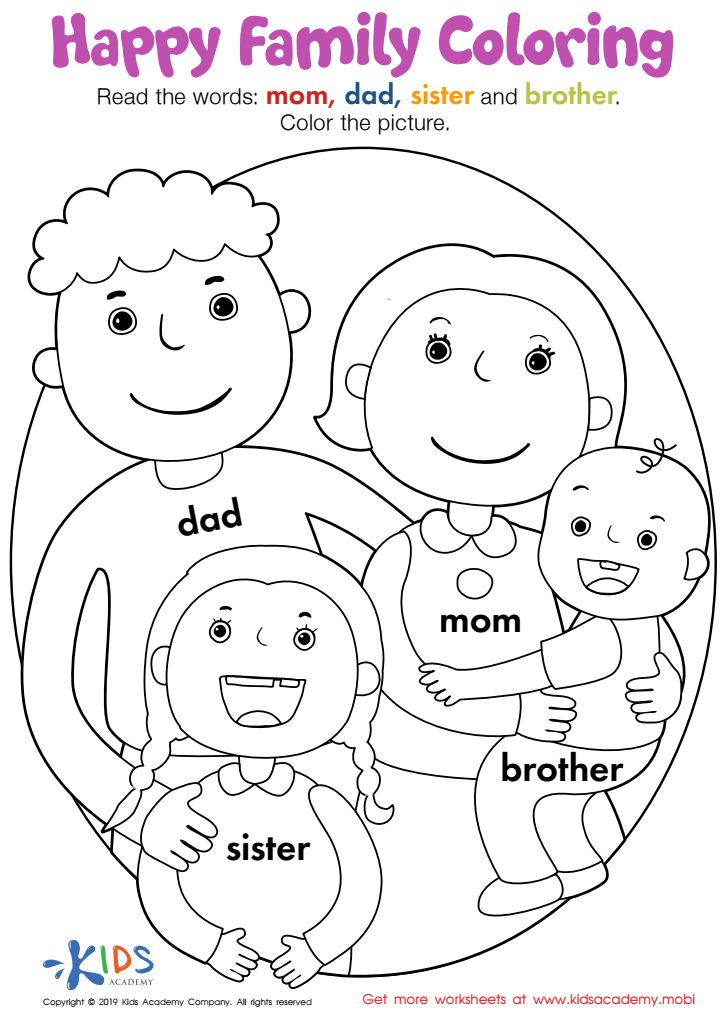
Happy Family Coloring Worksheet
Assign to My Students

Globe Coloring Page Worksheet
Assign to My Students
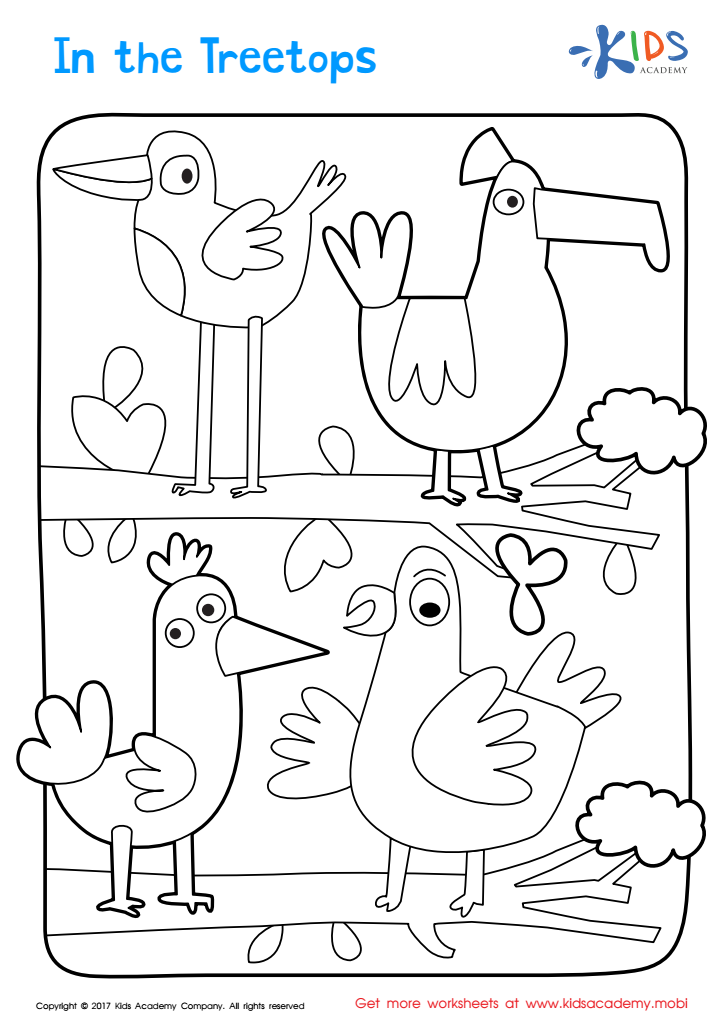
In the Treetops Coloring Page
Assign to My Students
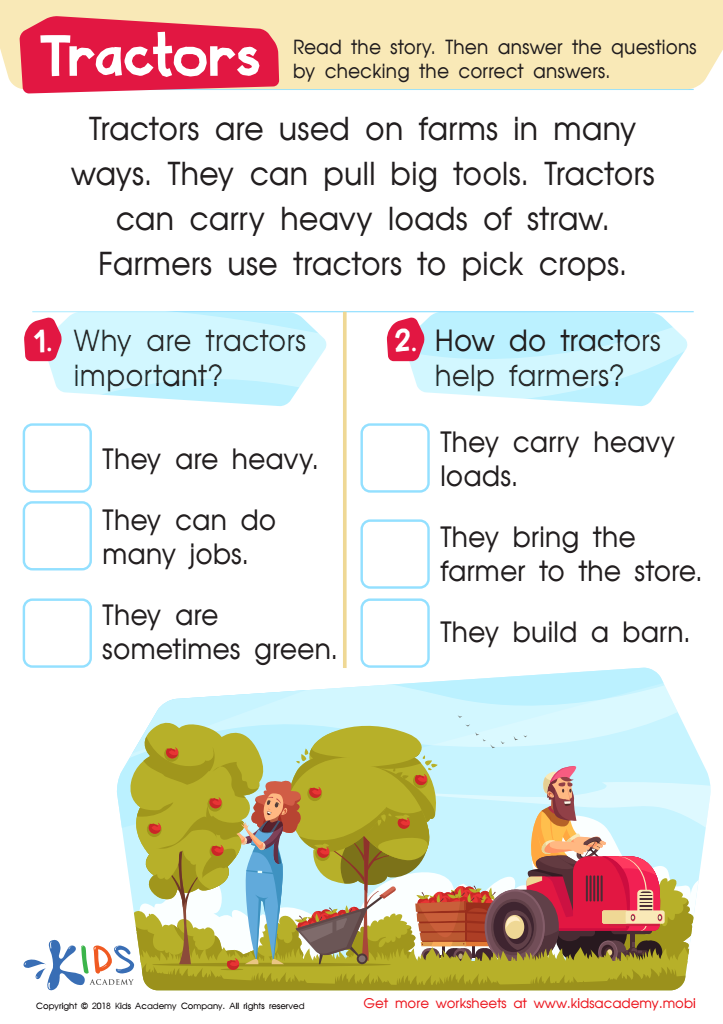
Tractors Worksheet
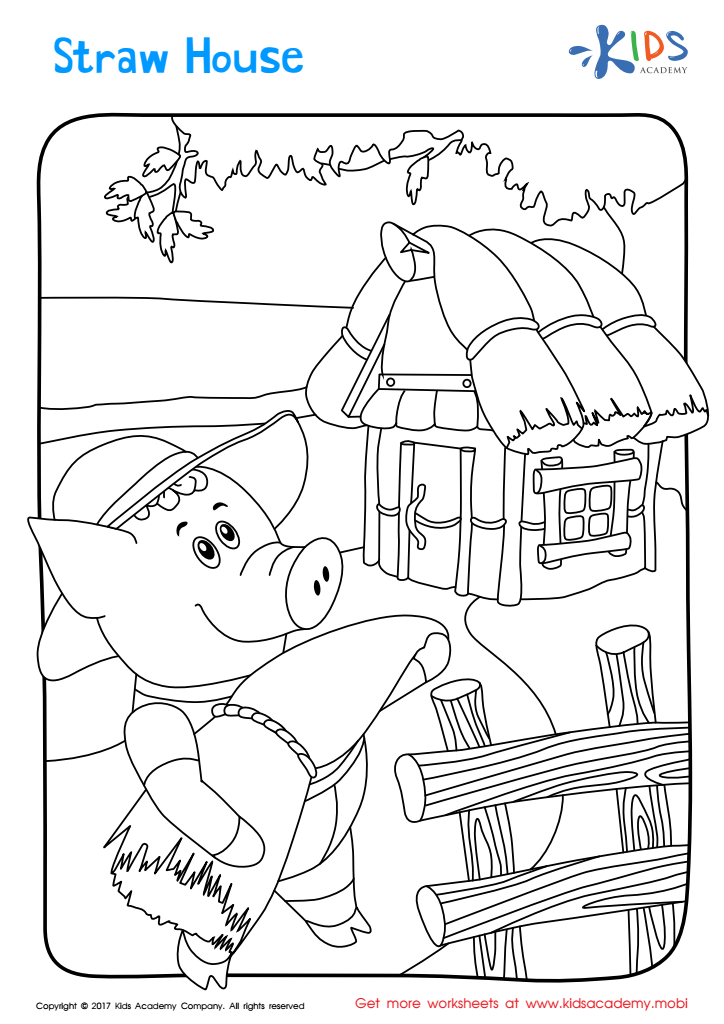
Straw House Printable Coloring Page
Assign to My Students
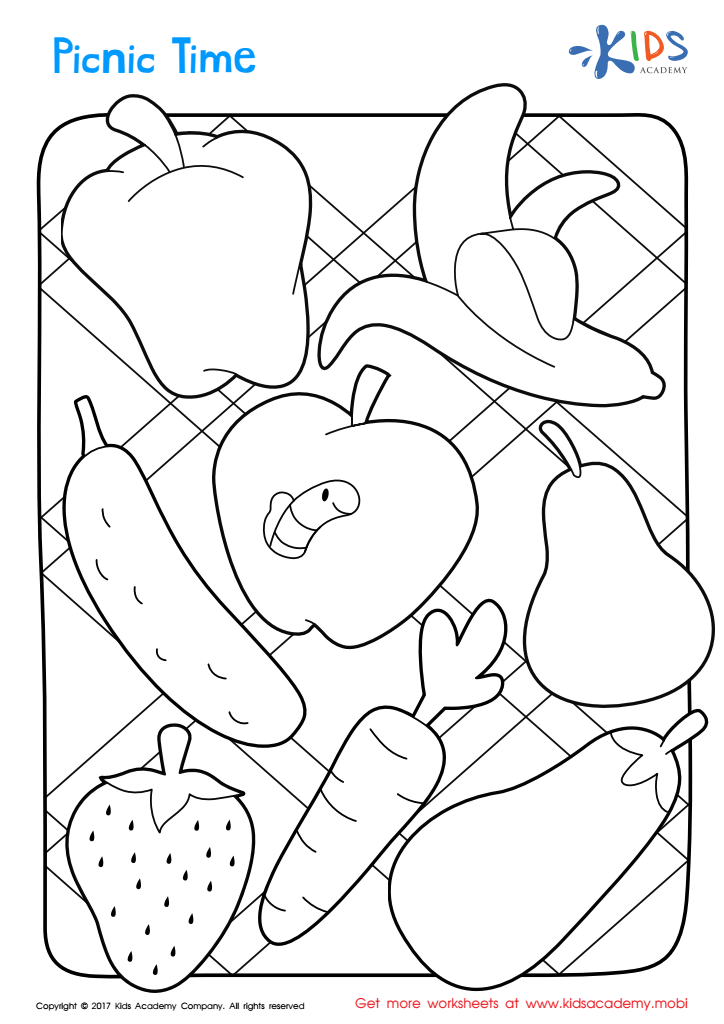
Picnic Time Coloring Page
Assign to My Students
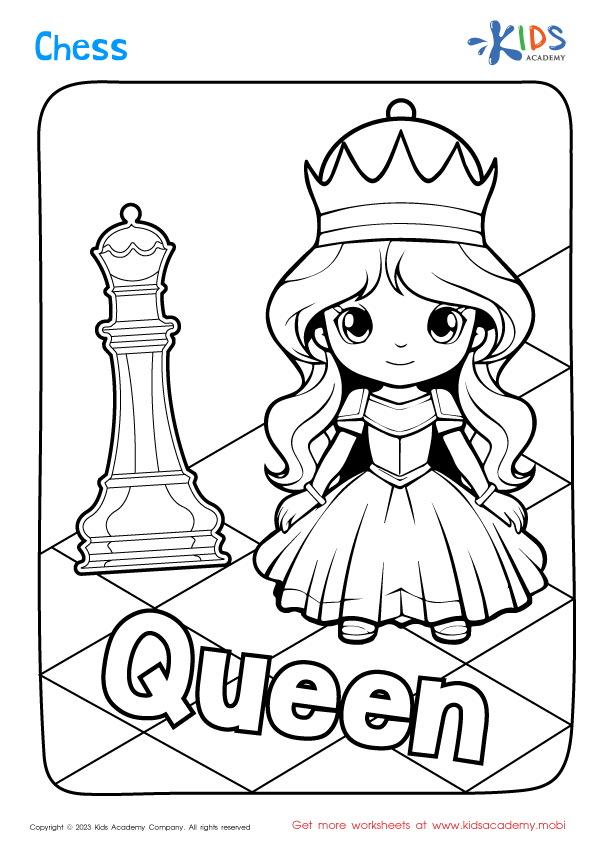






Color recognition is a fundamental skill for children ages 4-6, undergoing crucial developmentars and is essential for early childhood education. Understanding colors not only aids in cognitive development but also enhances children's ability to communicate effectively and make sense of their surroundings.
Firstly, identifying colors boosts vocabulary as children learn to describe objects and express their preferences, laying the groundwork for language arts and literacy. Secondly, color recognition fosters critical thinking and categorization skills. When children sort and group objects by color, they develop logical reasoning essential for mathematics and scientific exploration.
Moreover, learning colors aids in social interaction and imaginative play. Children often use colors in games, art projects, and storytelling, promoting creativity and cooperative skills. Additionally, recognizing colors helps children identify objects in their environment, making them feel more confident and aware of their surroundings.
Parents and teachers should prioritize color recognition because it plays a vital role in a child’s overall growth and learning foundation. Incorporating colorful activities, teaching through songs, or using everyday experiences reinforces these skills, ensuring that children not only succeed academically but lead enriching, creative lives as they grow.








