Basic Math Skills Easy Worksheets for Ages 4-7 - Page 2
29 filtered results
-
From - To
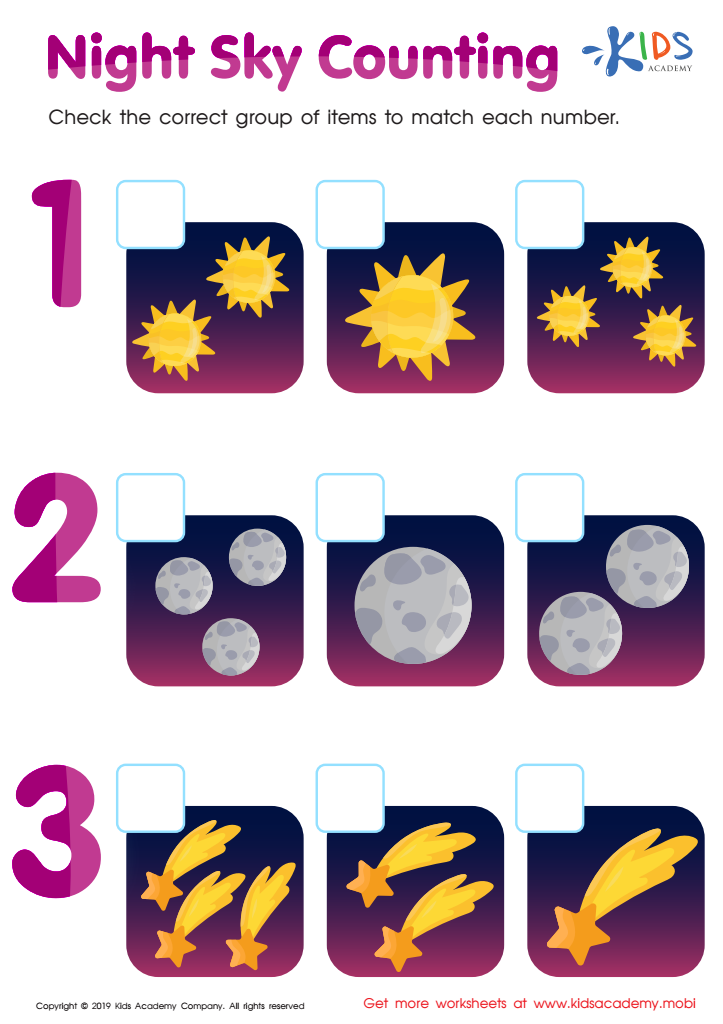
Night Sky Counting Worksheet
 Assign to My Students
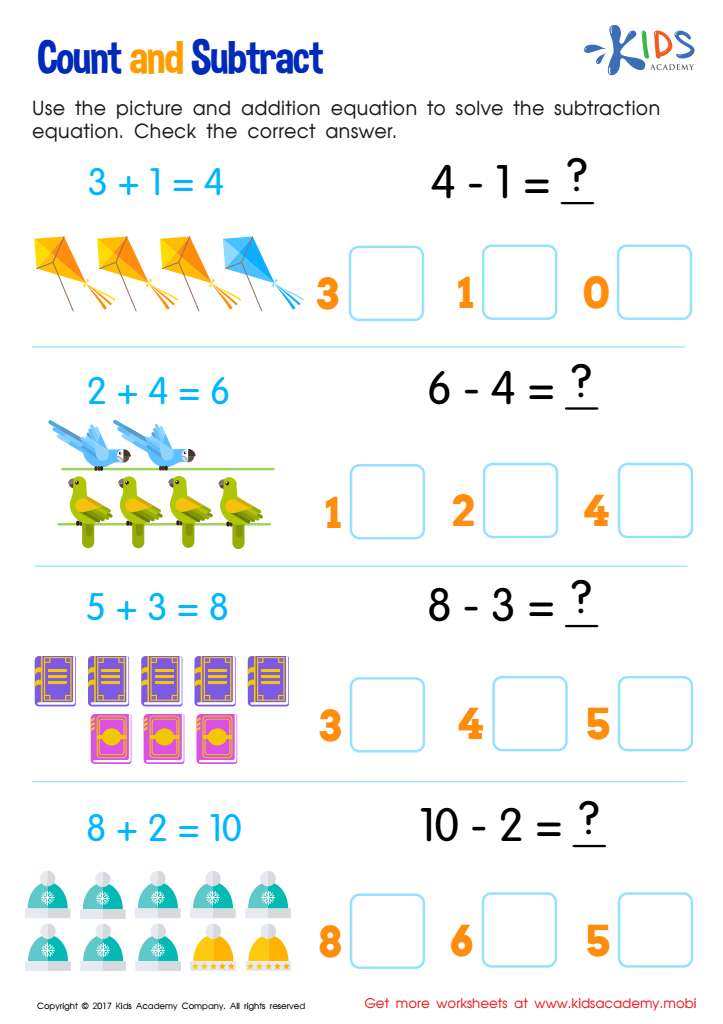
Count and Subtract Worksheet
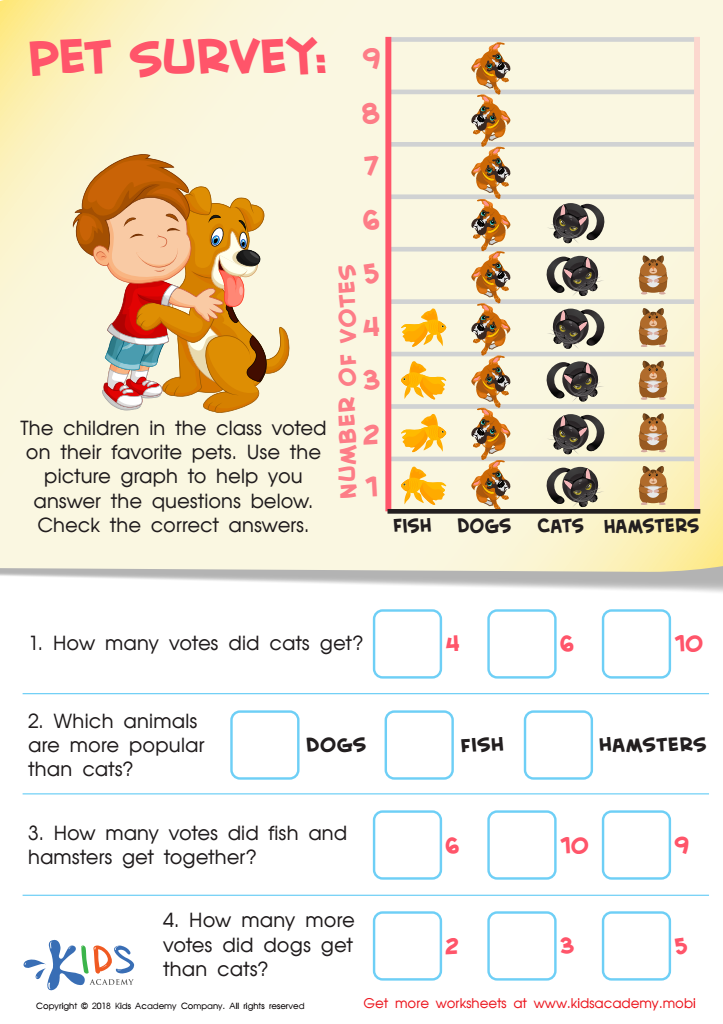
Pet Survey Worksheet
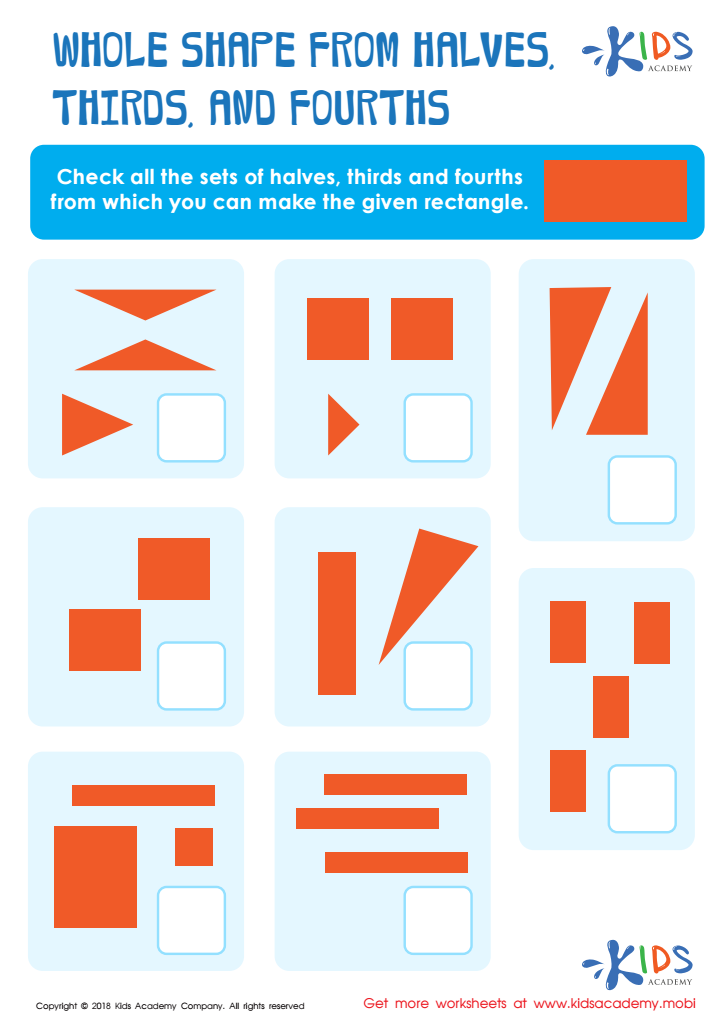
Whole Shape from Halves, Thirds and Fourths Worksheet
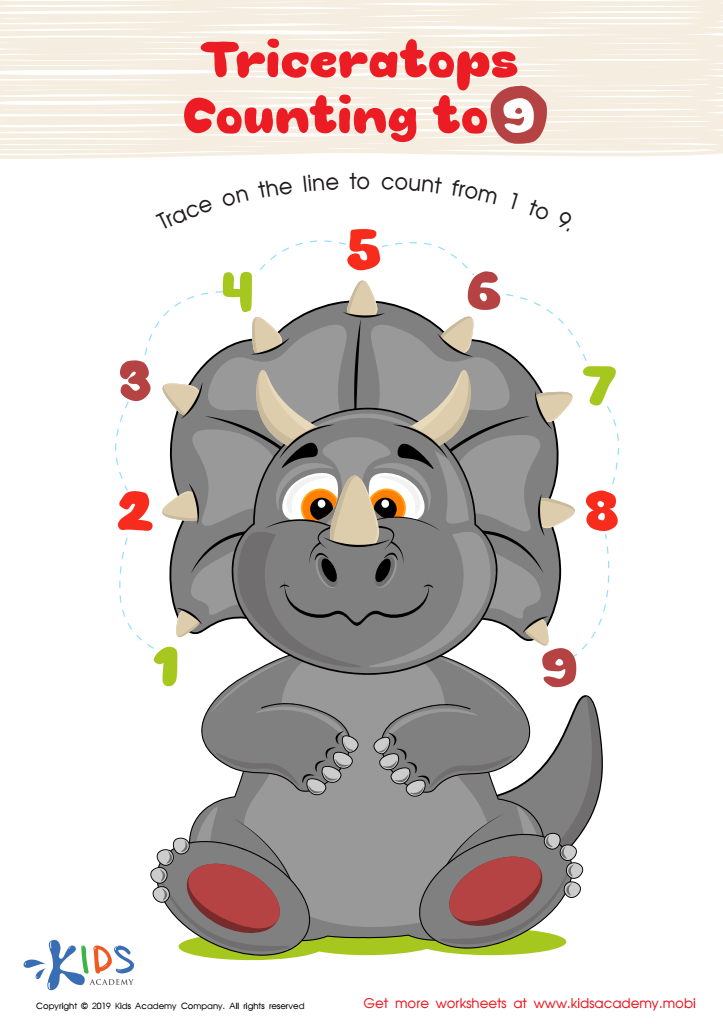
Triceratops Counting to 9 Worksheet







Parents and teachers should prioritize basic math skills for children aged 4-7 because these foundational skills shape a child’s future academic success and overall cognitive development. During these early years, children are particularly receptive to learning basic concepts such as counting, number recognition, and simple addition and subtraction.
Developing early math skills enhances critical thinking and problem-solving abilities. Math is not just about numbers; it fosters logical reasoning and analytical skills that are essential across all subjects, including science and literacy. Engaging children in fun math-related activities can stimulate curiosity and encourage a love for learning.
Moreover, these skills play a vital role in everyday life. From counting toys to measuring ingredients in cooking, early math is present in daily routines. This practical application helps children recognize the relevance of math, promoting confidence and enthusiasm.
Understanding basic math skills can significantly reduce future learning challenges. Children who grasp foundational concepts are more likely to succeed as the complexity of math increases in higher grades. By investing time in teaching basic math skills from an early age, parents and teachers provide children with the tools they need to thrive in school and beyond.








