Color recognition Easy Worksheets for Ages 4-7
38 filtered results
-
From - To
Discover a treasure trove of engaging color recognition worksheets tailored for kids ages 4-7! Our easy-to-use materials are designed to make learning fun and interactive, helping young learners identify and differentiate colors through vibrant illustrations and engaging activities. Each worksheet focuses on enhancing visual perception while developing fine motor skills, ensuring a holistic approach to early education. Whether in the classroom or at home, these printable resources provide endless opportunities for creativity and exploration. Perfect for reinforcing essential color concepts, our worksheets foster a love for learning that will last a lifetime. Download now and watch your child’s color skills blossom!
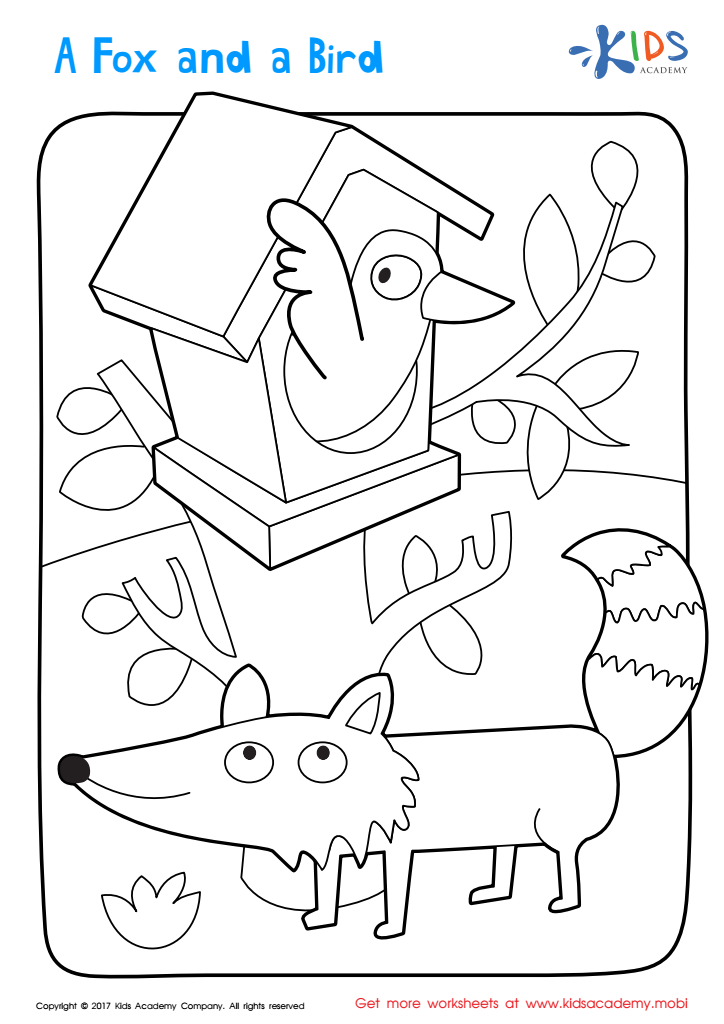
A Fox and Bird Coloring Page
 Assign to My Students
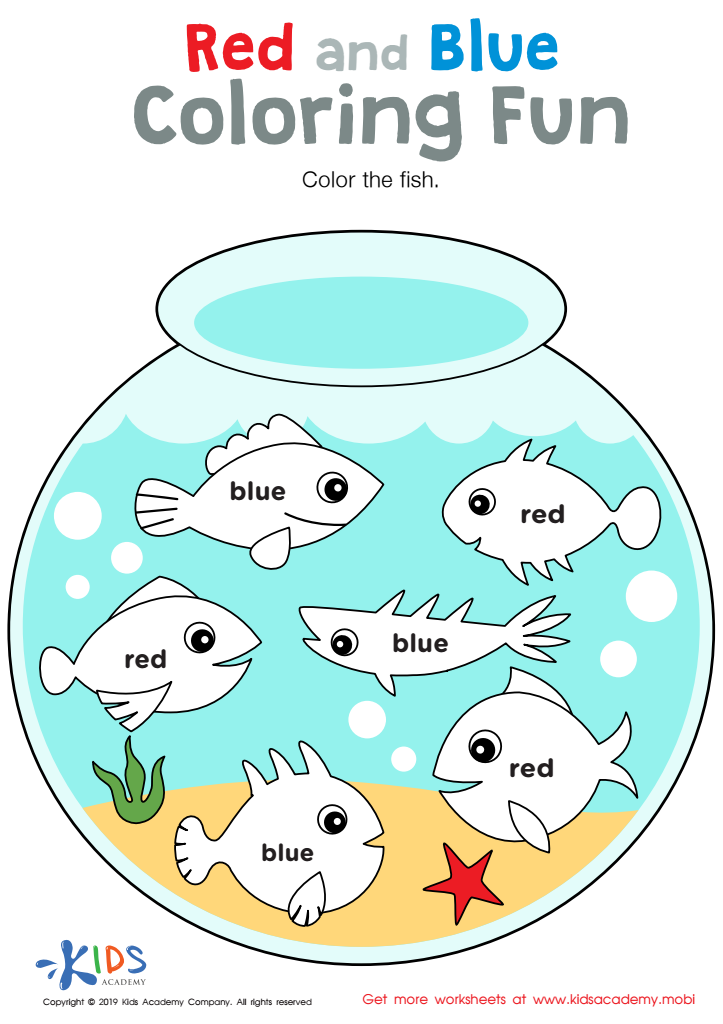
Red and Blue Coloring Fun Worksheet
Assign to My Students

Happy Diwali Printable
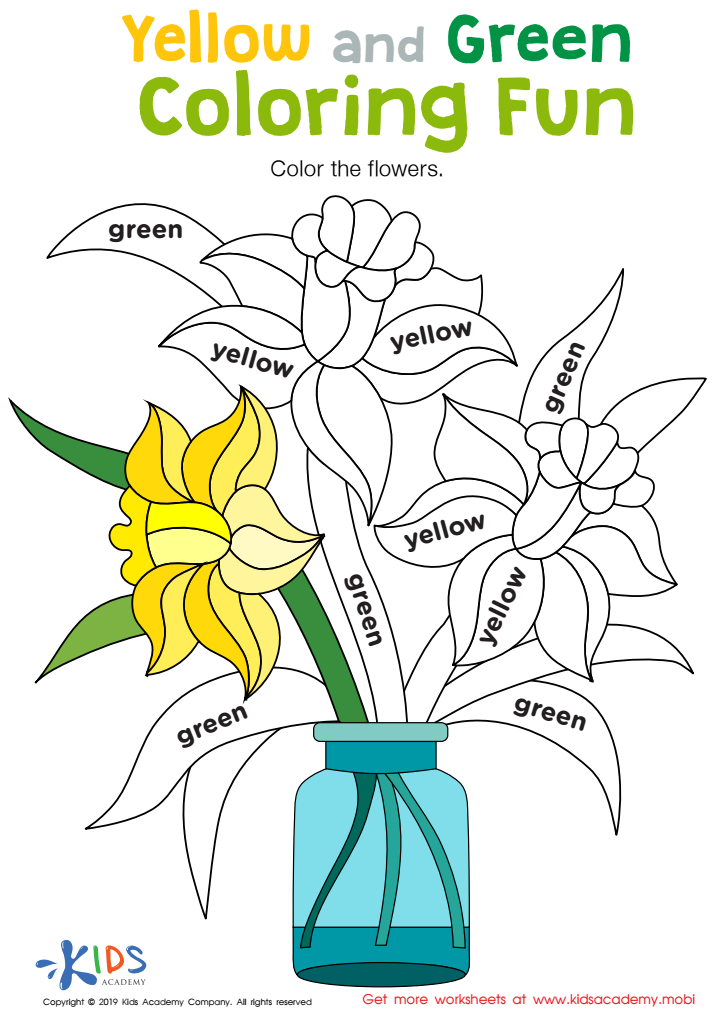
Yellow and Green Coloring Fun Worksheet
Assign to My Students

Pegasus Printable
Assign to My Students
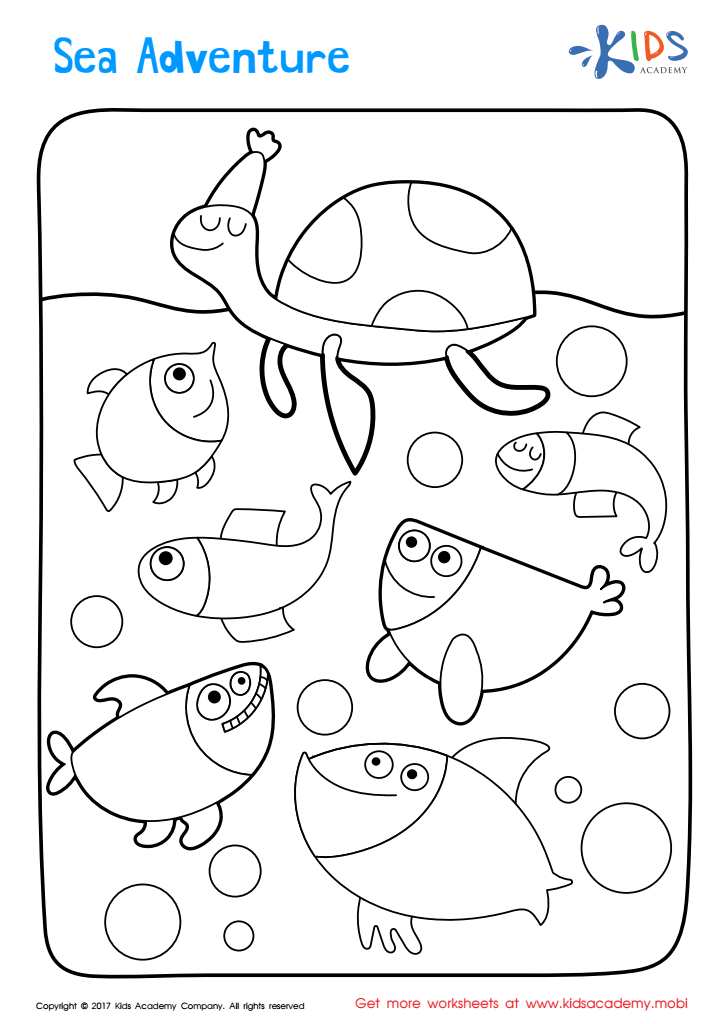
Sea Adventure Coloring Page
Assign to My Students
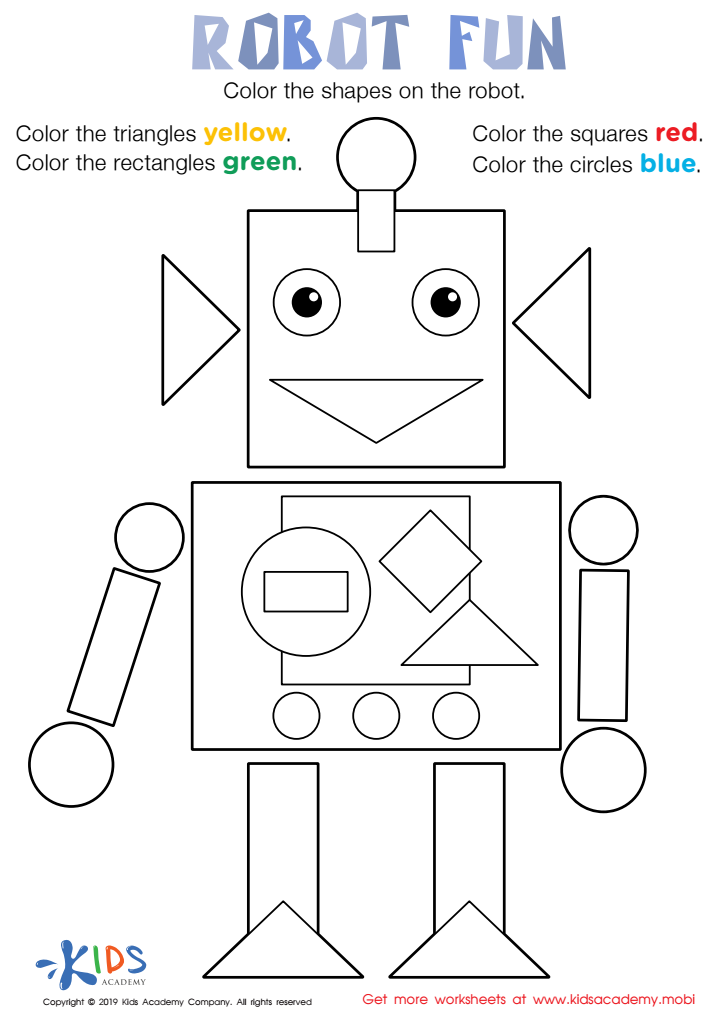
Robot Fun Worksheet
Assign to My Students
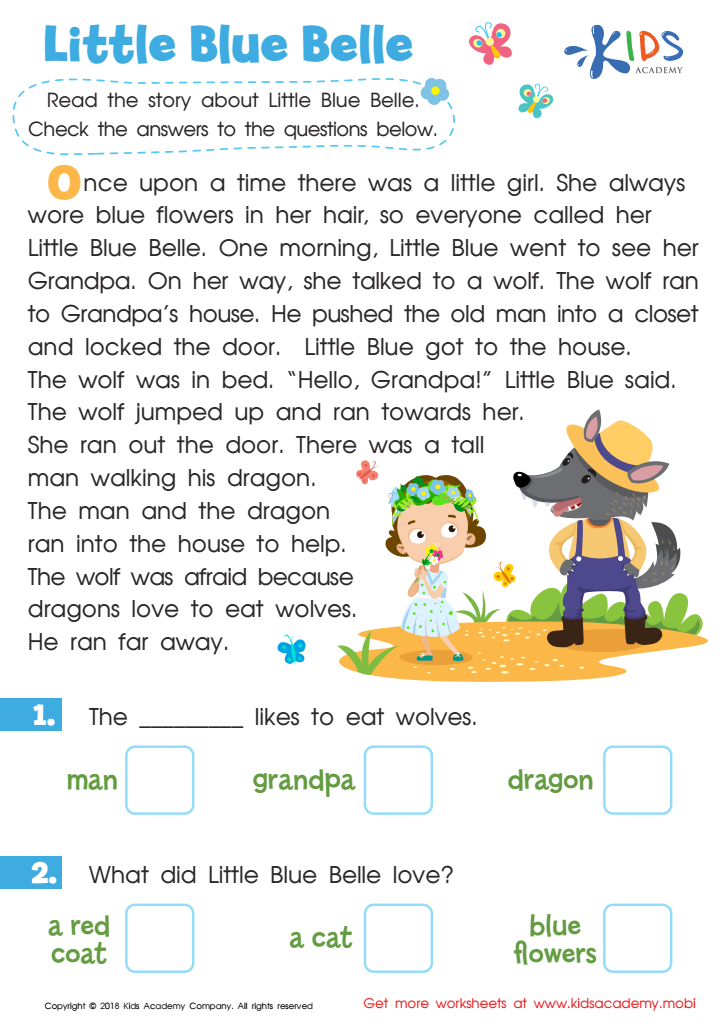
Little Blue Belle Worksheet
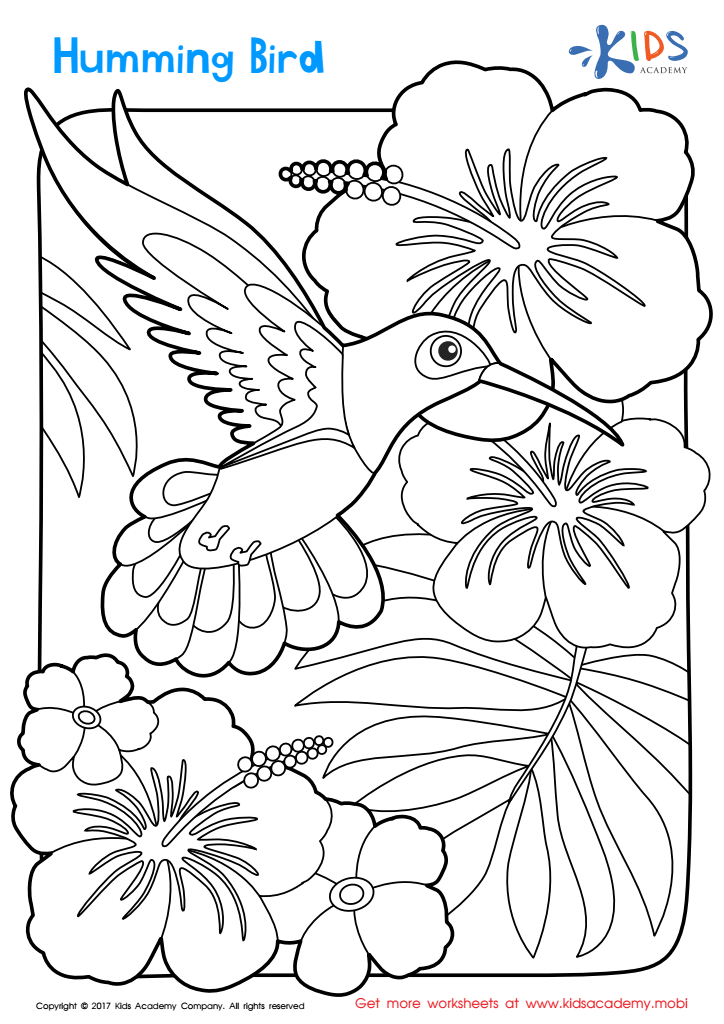
Humming Bird Worksheet
Assign to My Students
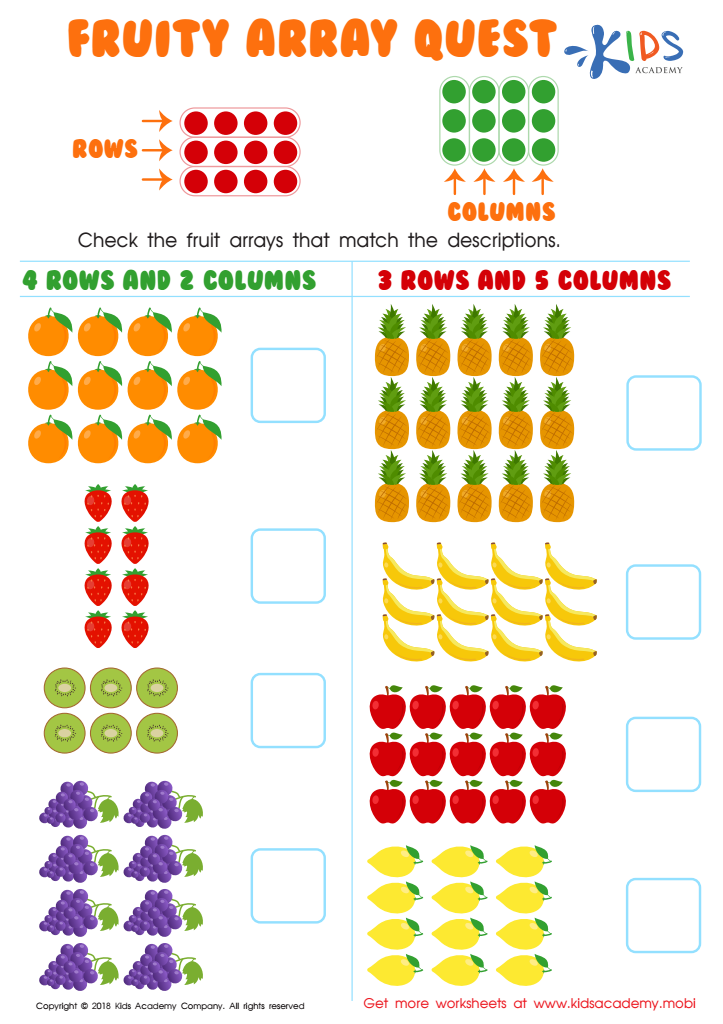
Fruity Array Quest Worksheet
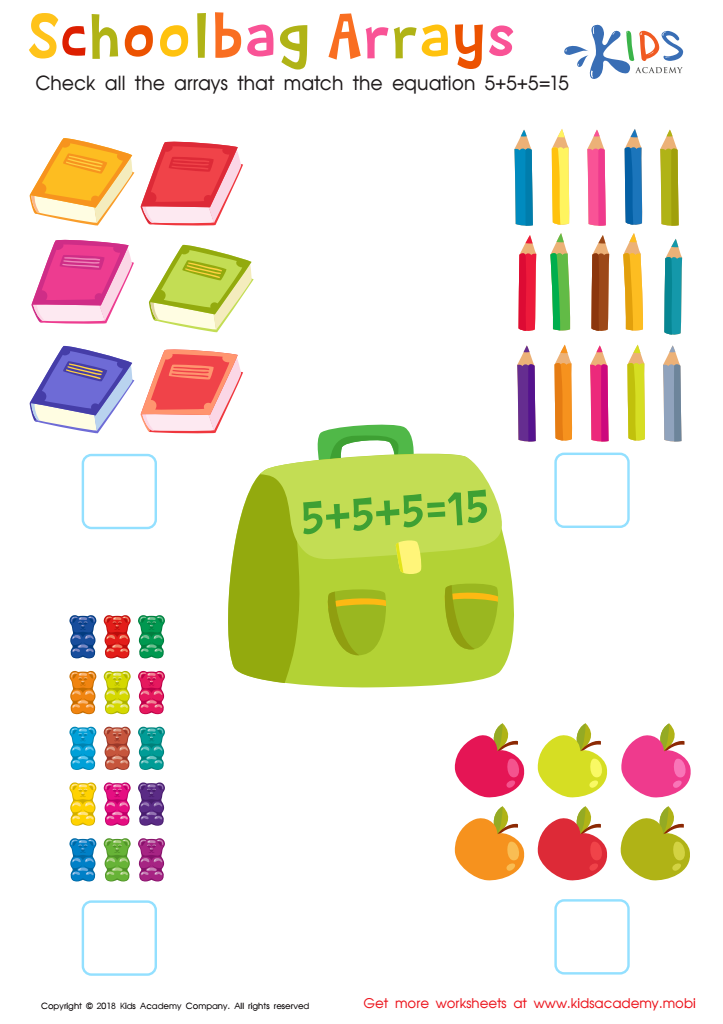
Schoolbag Arrays Worksheet
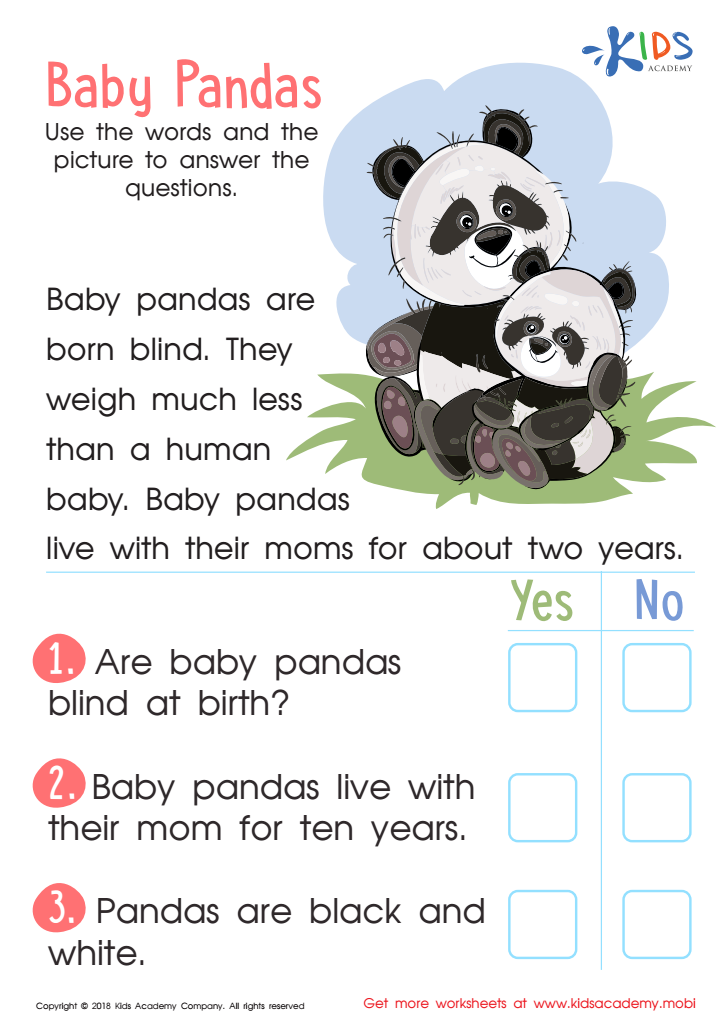
Baby Pandas Worksheet

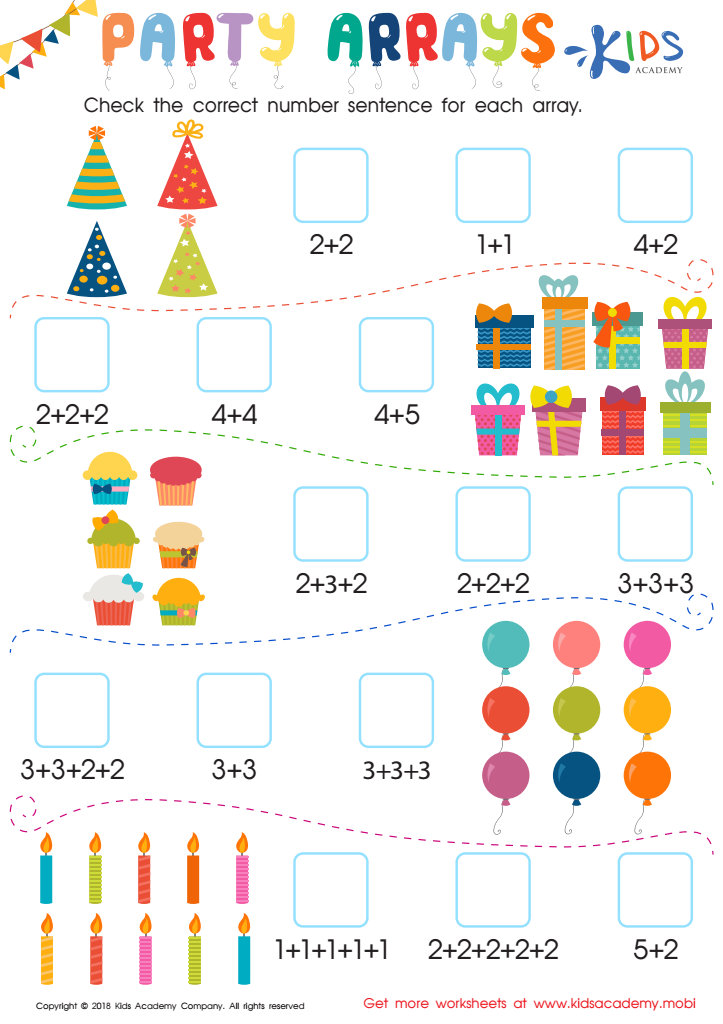
Party Arrays Worksheet
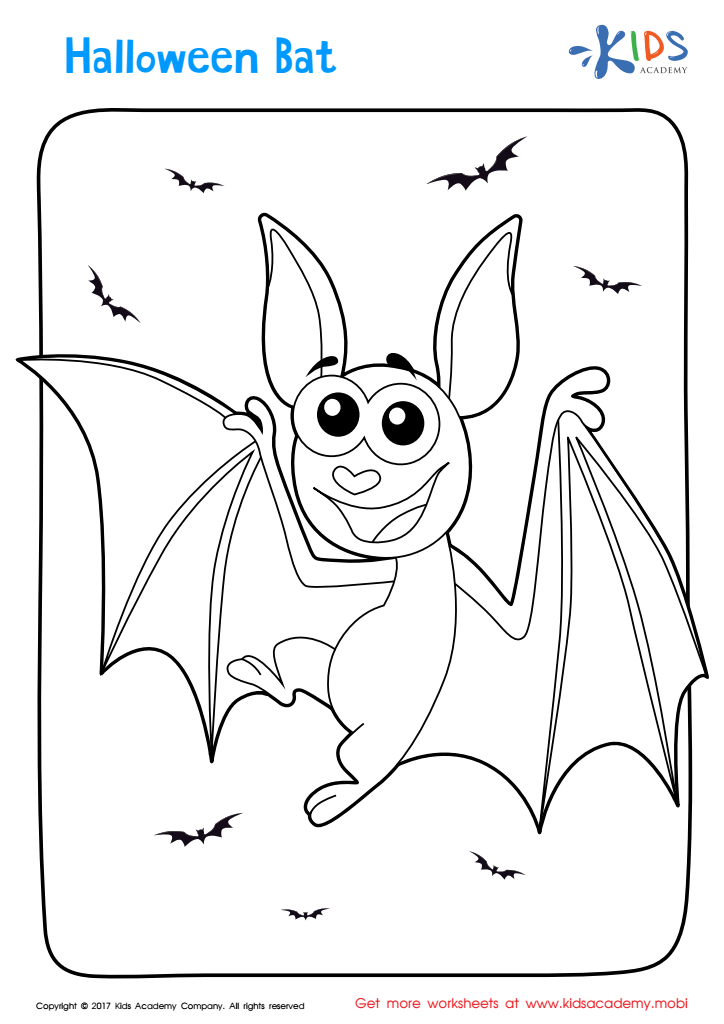
Halloween: A Bat Printable
Assign to My Students
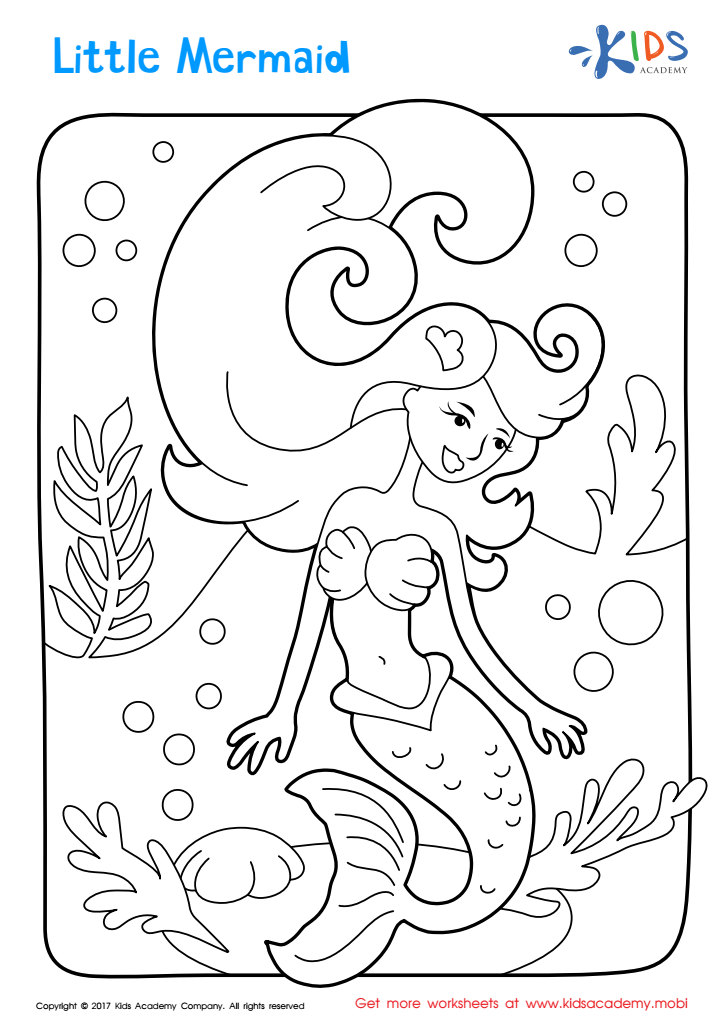
Little Mermaid Coloring Page
Assign to My Students
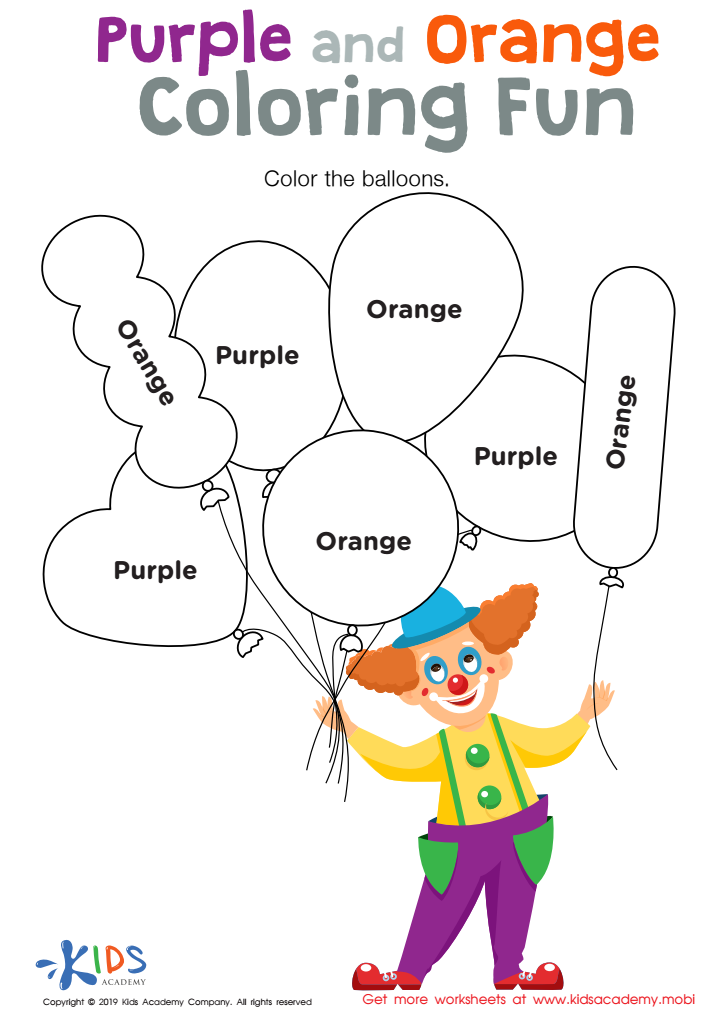
Purple and Orange Coloring Fun Worksheet
Assign to My Students
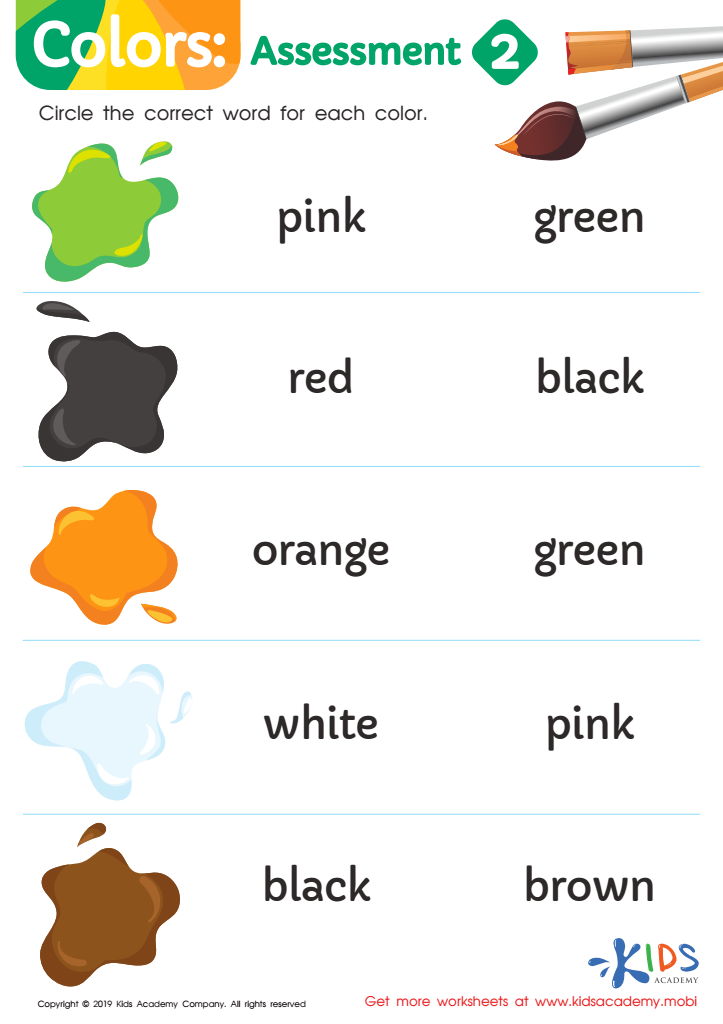
Colors: Assessment 2 Worksheet
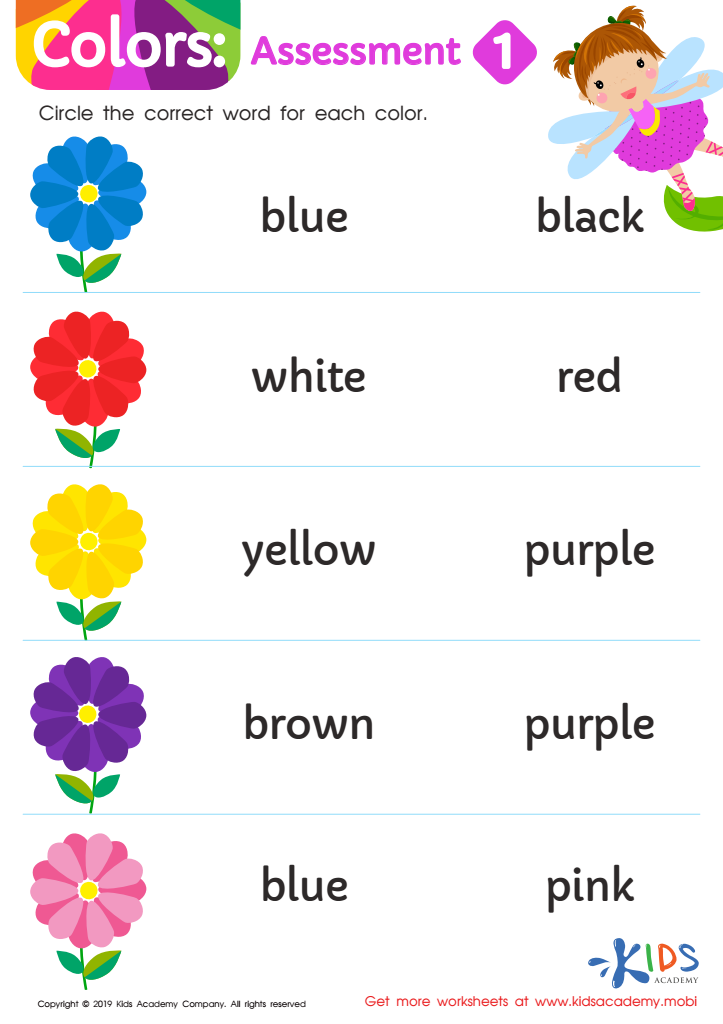
Colors: Assessment 1 Worksheet
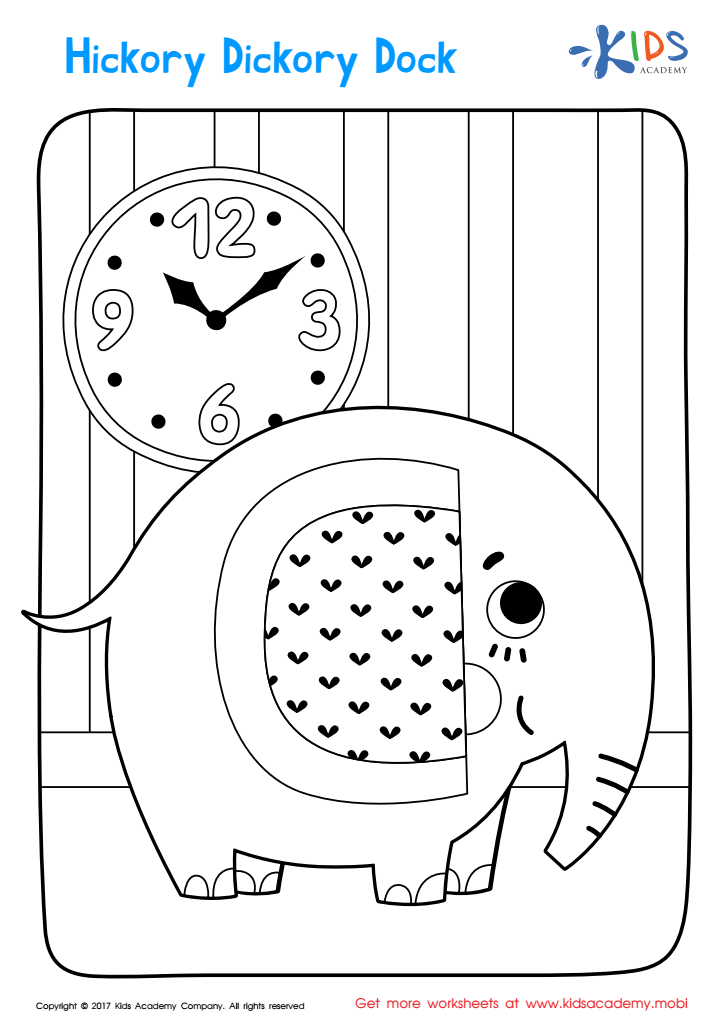
Hickory Dickory Dock Coloring Page
Assign to My Students
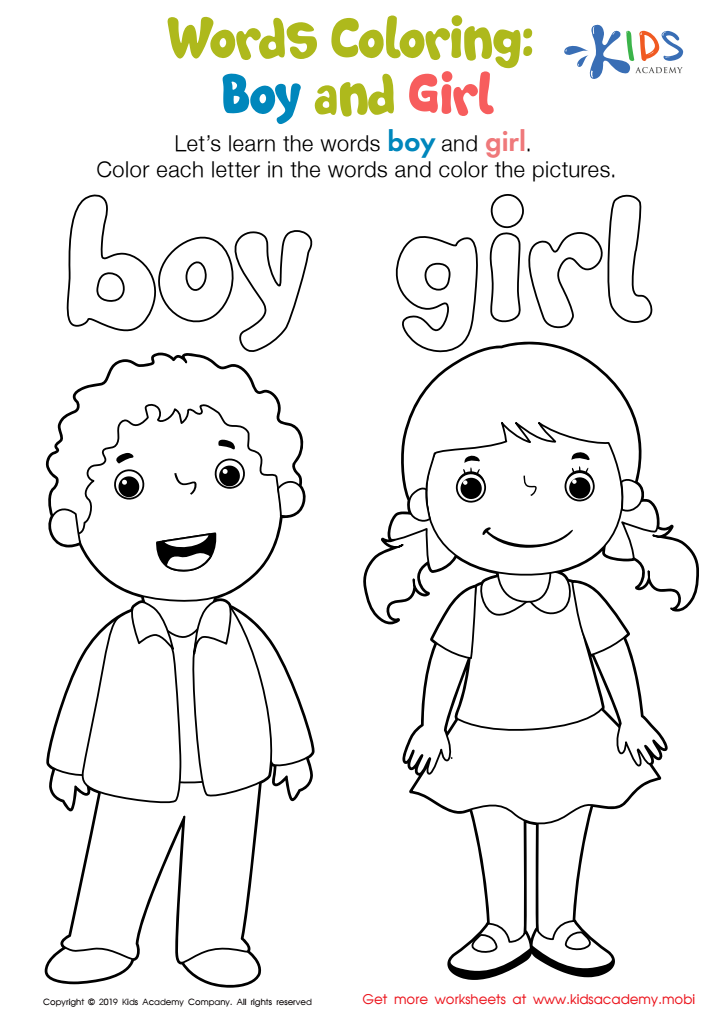
Boy and Girl Words Coloring Worksheet
Assign to My Students
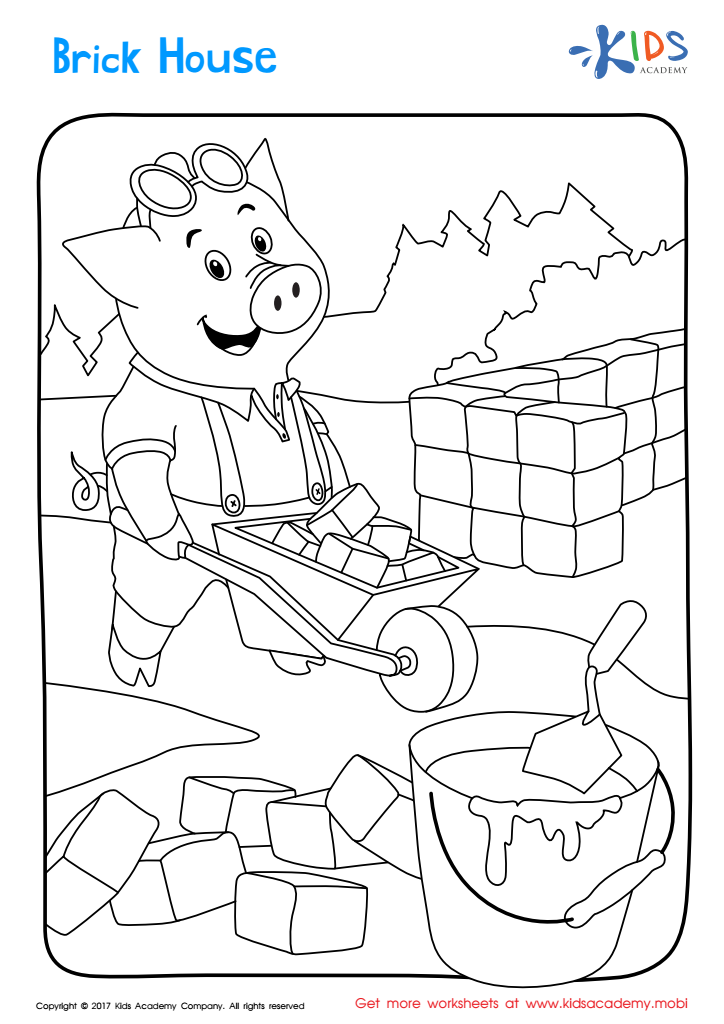
Brick House Printable Coloring Page
Assign to My Students
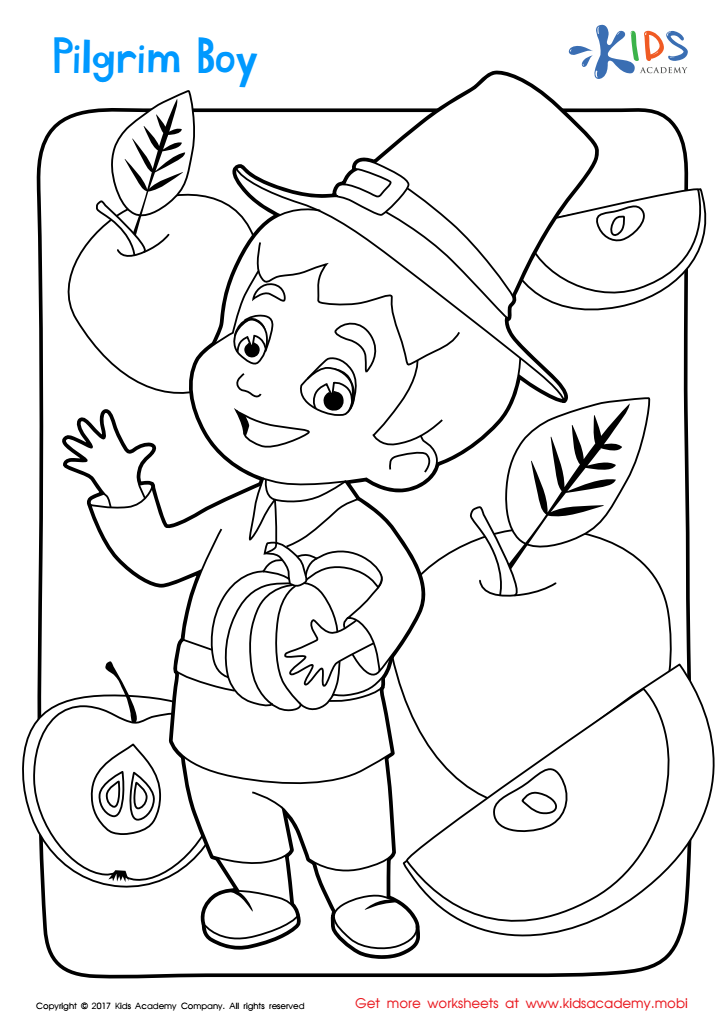
Pilgrim Boy Printable
Assign to My Students
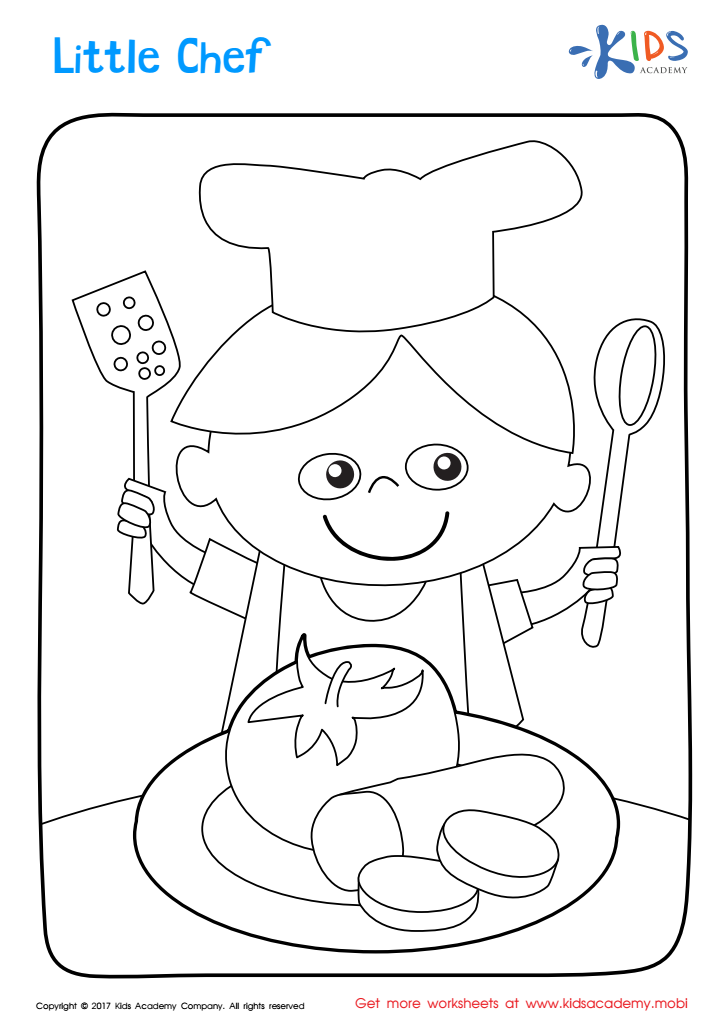
Little Chef Coloring Page
Assign to My Students







Color recognition is a fundamental skill for children aged 4-7 that lays the groundwork for numerous cognitive, social, and emotional developments. Parents and teachers should care about fostering this skill because it enhances a child's ability to observe and interpret the world around them. Recognizing colors helps improve critical thinking skills as children categorize and differentiate objects based on colors, thereby strengthening their cognitive processing.
Moreover, color recognition plays a crucial role in language development. When children learn color names, they expand their vocabulary and functionality in communication. This is instrumental in expressive language skills, allowing kids to describe and share their experiences effectively.
Additionally, engaging with colors can enhance children's creativity. Through various art and sensory activities, children make choices about color combinations, stimulating imaginative thought and self-expression. Learning about colors can also aid in emotional development; colors can evoke feelings and moods, giving children a language to express their emotions.
Lastly, color recognition supports everyday tasks and independence, as children learn to associate colors with objects, routines, and safety signs. By fostering color recognition, parents and teachers provide children with essential tools for learning, communication, and emotional understanding.








