Data interpretation Easy Worksheets for Ages 4-7
10 filtered results
-
From - To
Discover our "Data Interpretation Easy Worksheets" designed specifically for children aged 4-7! These engaging resources help young learners develop essential analytical skills through colorful charts, simple graphs, and real-world data scenarios. Each worksheet encourages exploration and understanding of basic concepts like sorting, comparing, and finding patterns, all while making learning fun and interactive. Ideal for parents and teachers alike, these worksheets provide a solid foundation in data interpretation, fostering critical thinking and problem-solving abilities. Enhance your child’s learning experience with our carefully crafted activities that turn data interpretation into an enjoyable adventure! Perfect for home or classroom use.
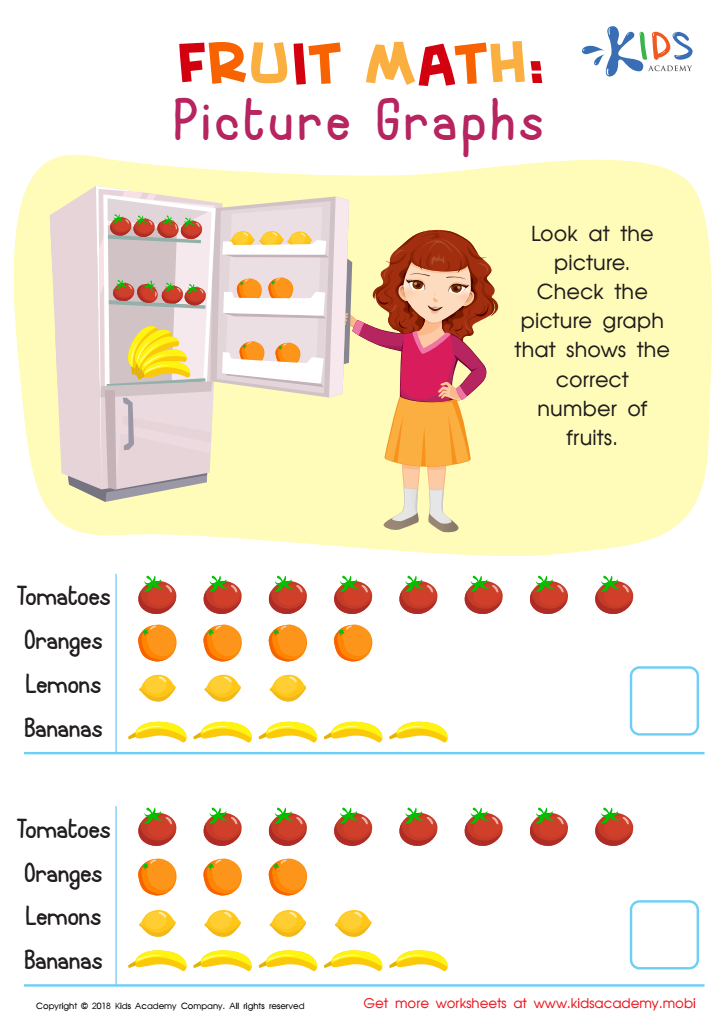
Fruit Math: Picture Graphs Worksheet
 Assign to My Students
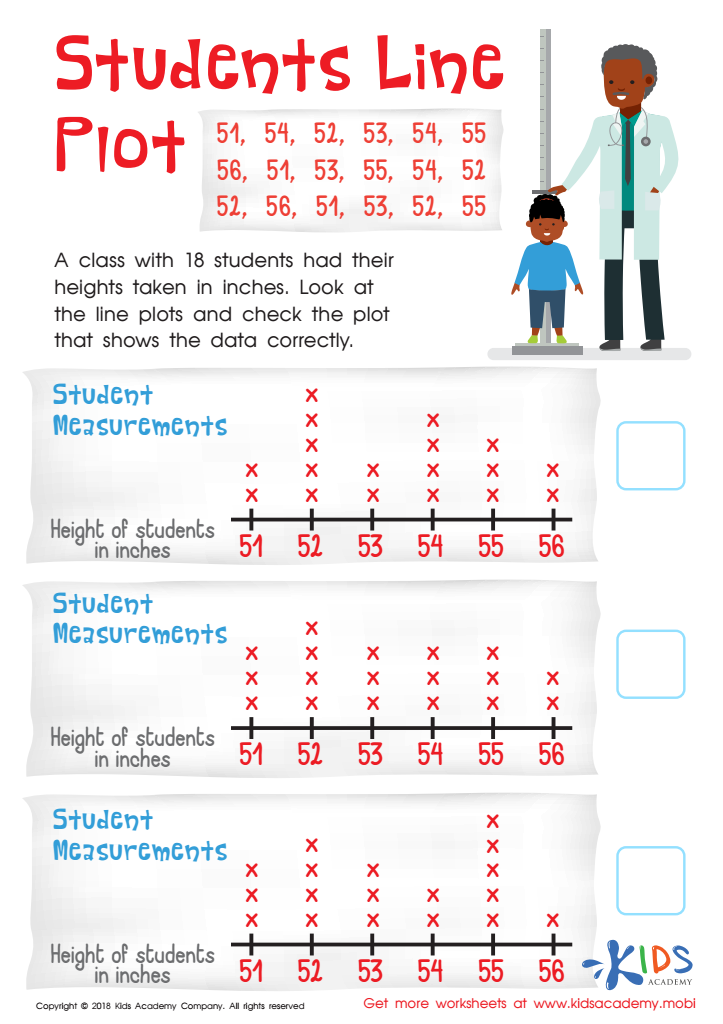
Students Line Plot Worksheet
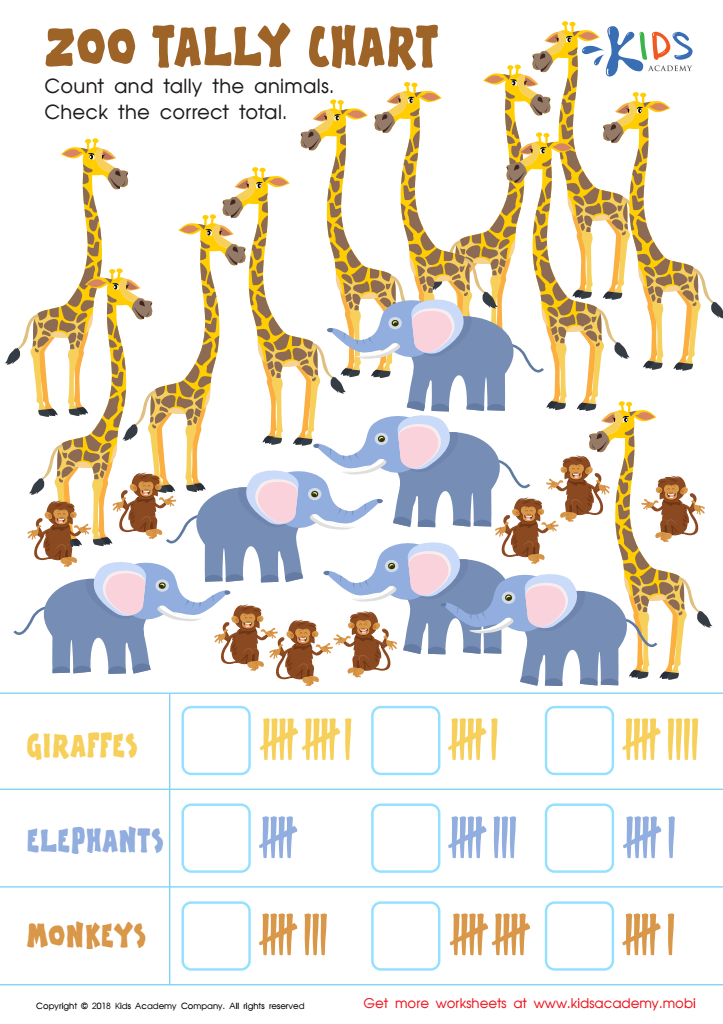
Zoo Tally Chart Worksheet
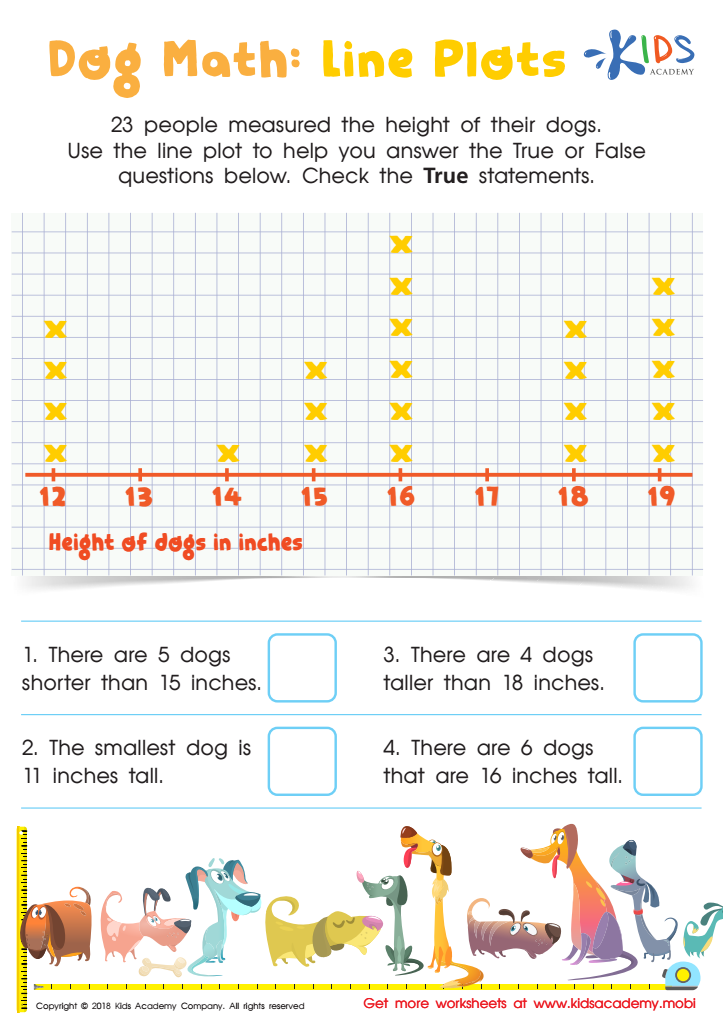
Dog Math: Line Plots Worksheet
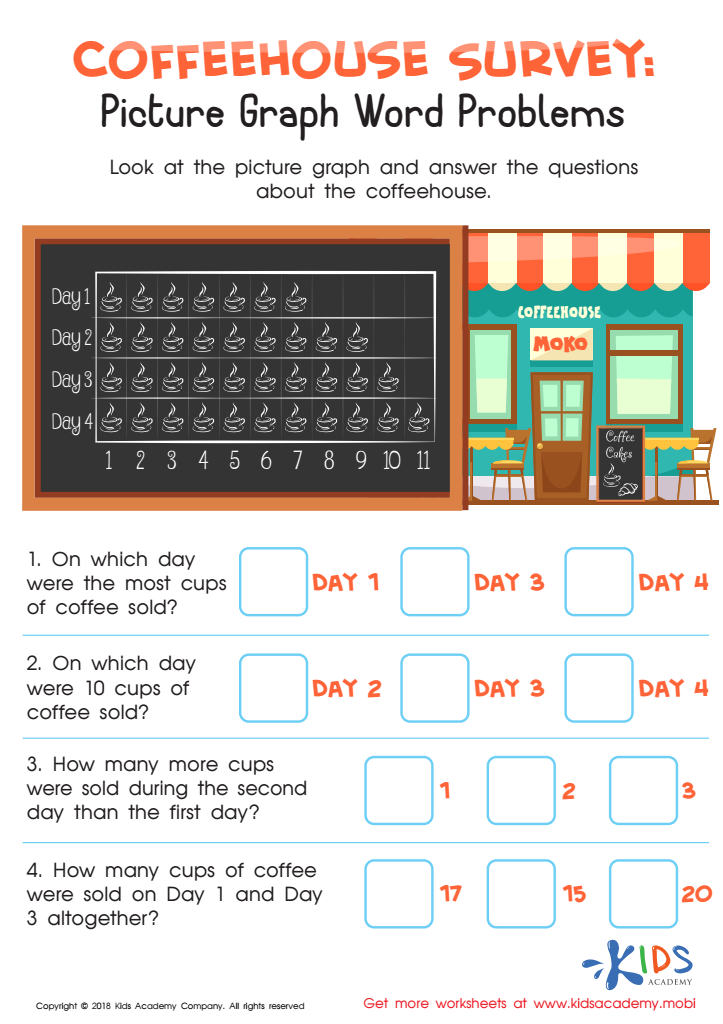
Coffeehouse Survey: Picture Graph Word Problems Worksheet
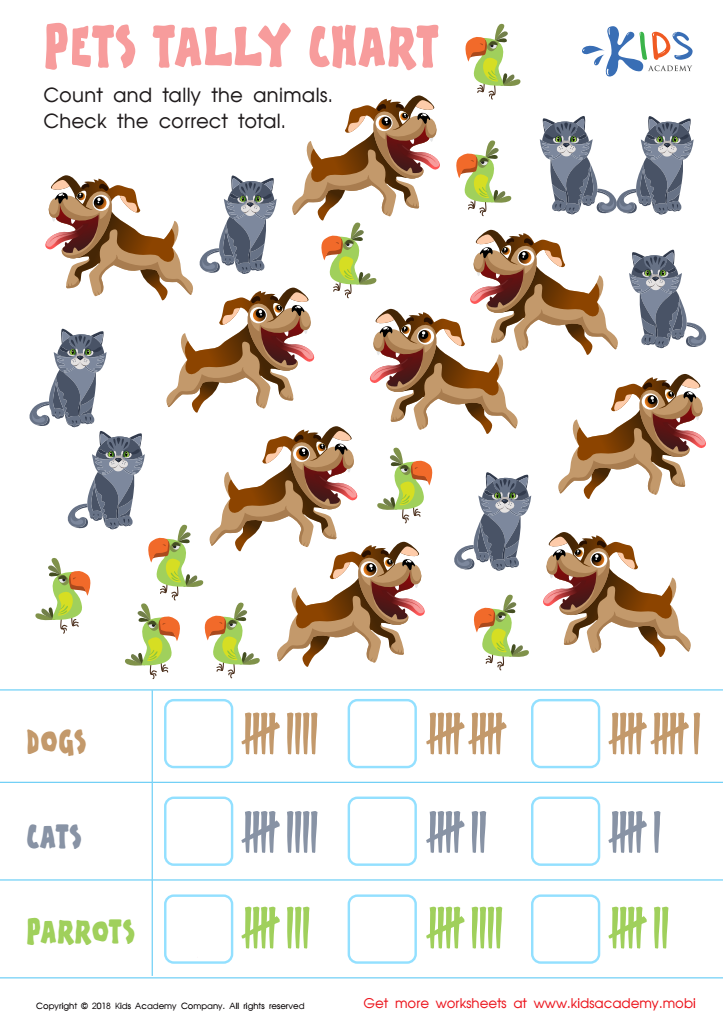
Pets Tally Chart Worksheet
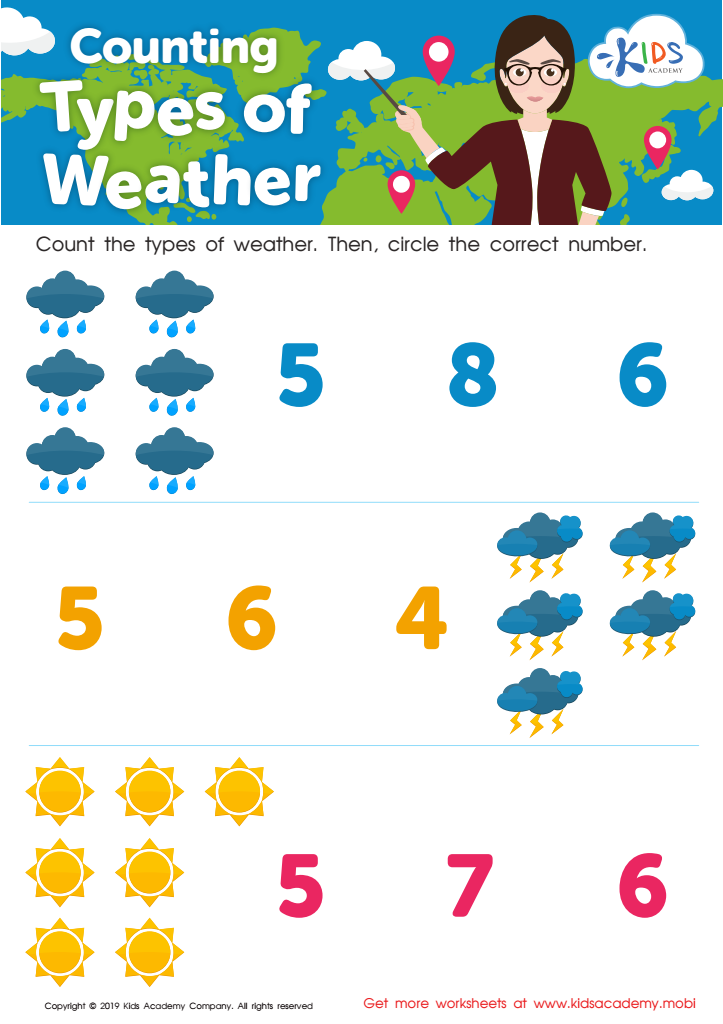
Counting Types of Weather Worksheet
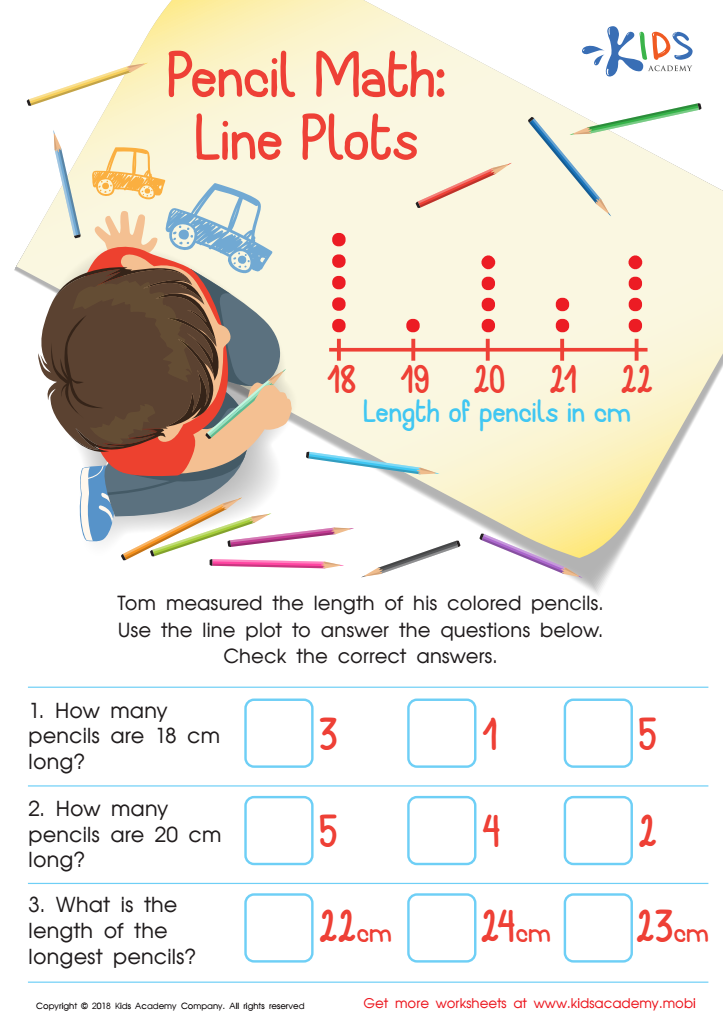
Pencil Math: Line Plots Worksheet
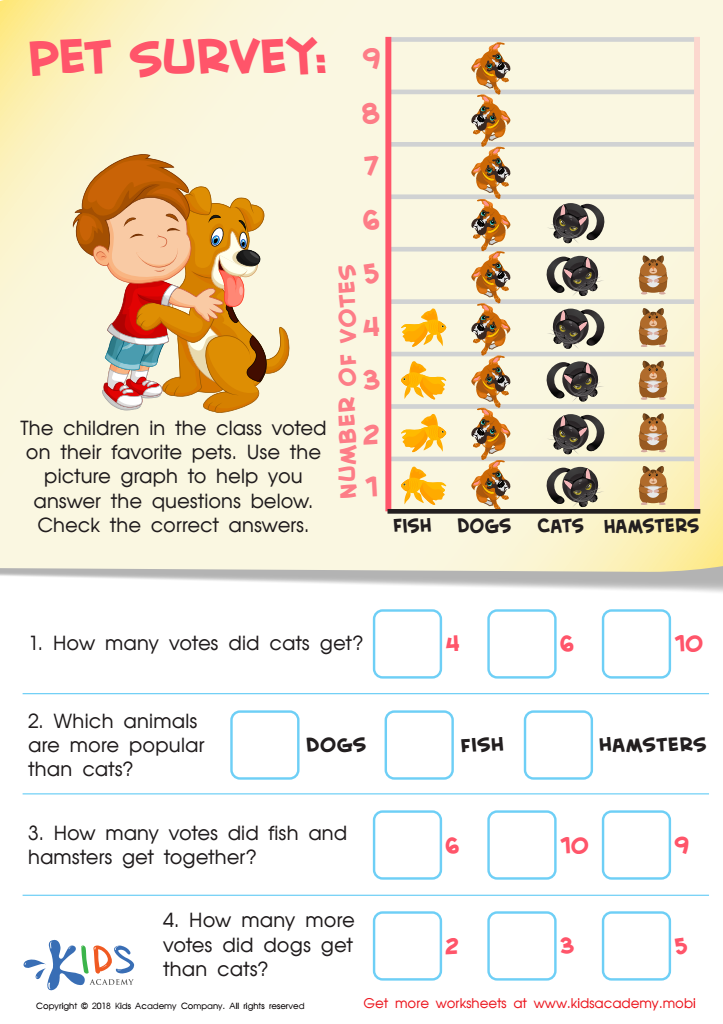
Pet Survey Worksheet
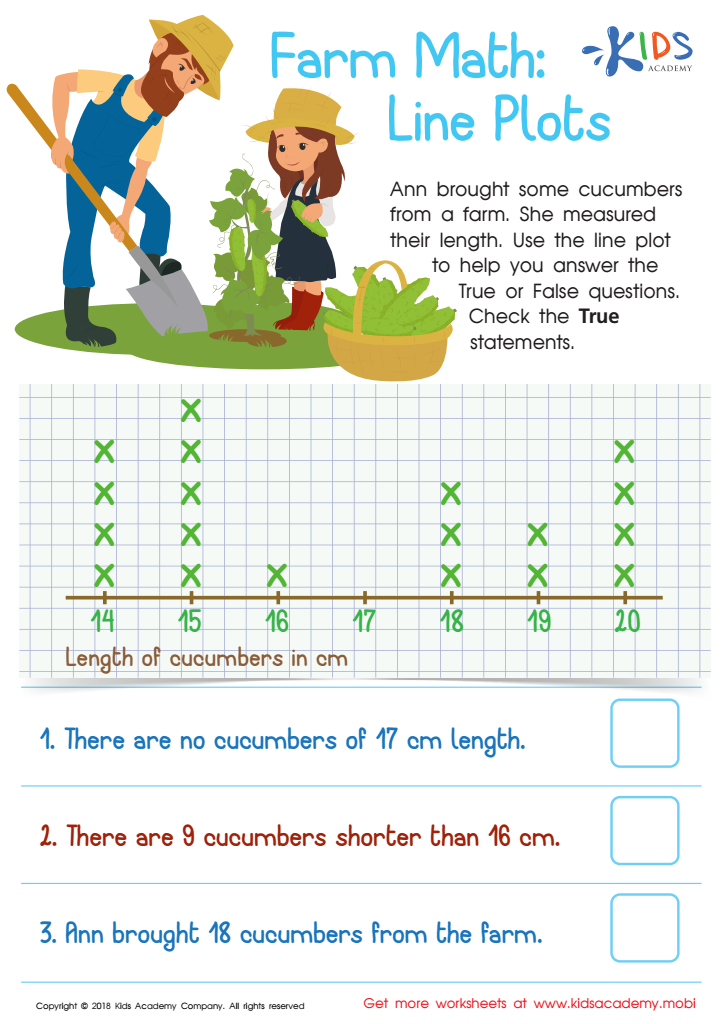
Farm Math: Line Plots Worksheet








Data interpretation is an important skill for children aged 4-7, and parents and teachers should care about it because it helps young learners develop critical thinking and problem-solving abilities. At this age, children are naturally curious and eager to explore the world around them. By introducing basic concepts of data interpretation—like sorting, counting, and graphing—they can make sense of information in a fun and engaging way.
Learning to interpret data helps children in many areas. For example, when they collect and organize information, such as favorite colors or pets, they practice math skills and learn to analyze patterns. These activities foster communication skills as children share their findings with peers.
Moreover, early exposure to data interpretation lays a strong foundation for future learning in subjects like science and math. When children understand how to gather and interpret data, they become better prepared for more complex ideas in later grades.
By integrating data interpretation into everyday activities, parents and teachers can reinforce these valuable skills while also making learning interactive and enjoyable. In summary, supporting young children in understanding and interpreting data not only promotes their academic growth but also nurtures their natural curiosity.








