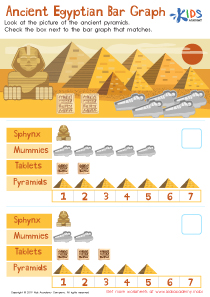
Problem-Solving Skills Easy Math Worksheets for Ages 4-7 - Page 2
43 filtered results
-
From - To
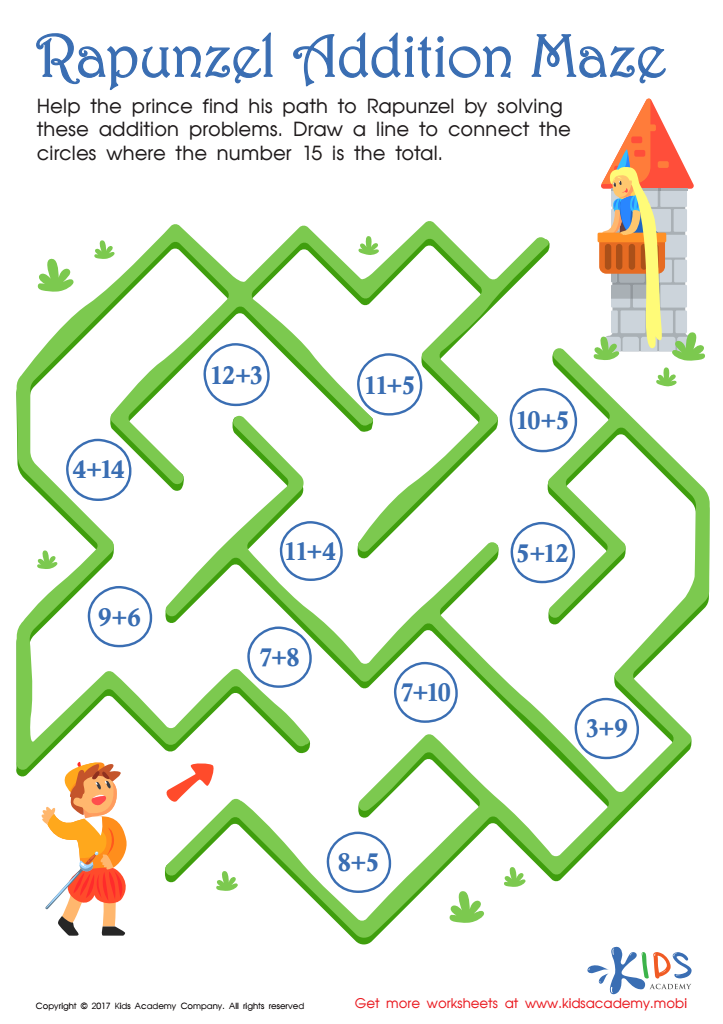
Rapunzel Addition Maze Worksheet
 Assign to My Students
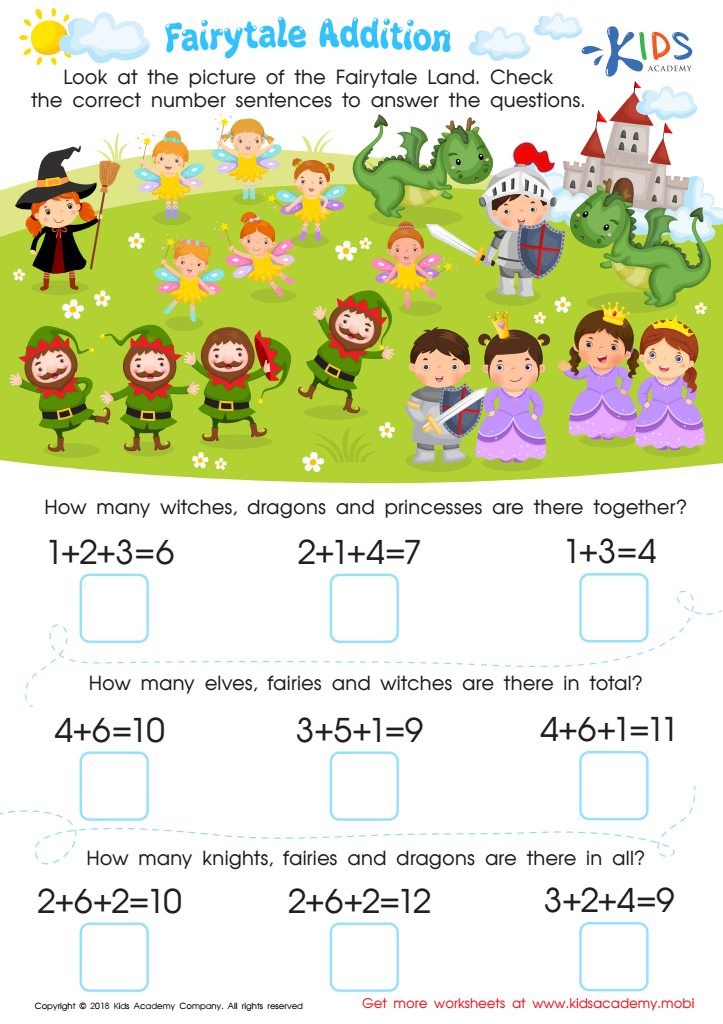
Fairytale Addition Worksheet
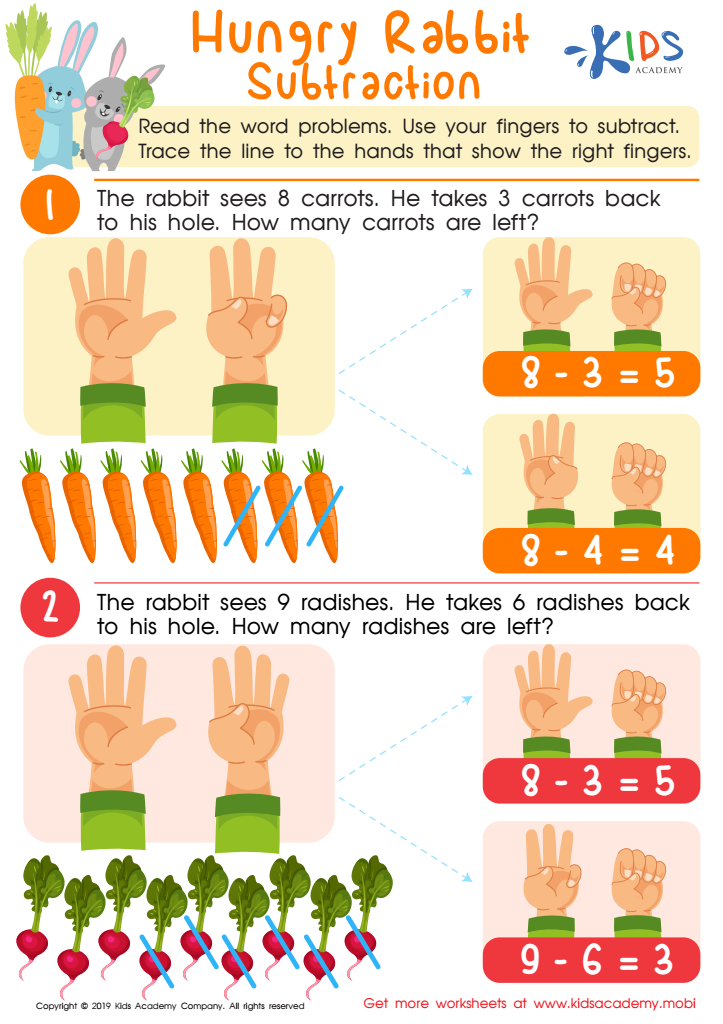
Hungry Rabbit Subtraction Worksheet
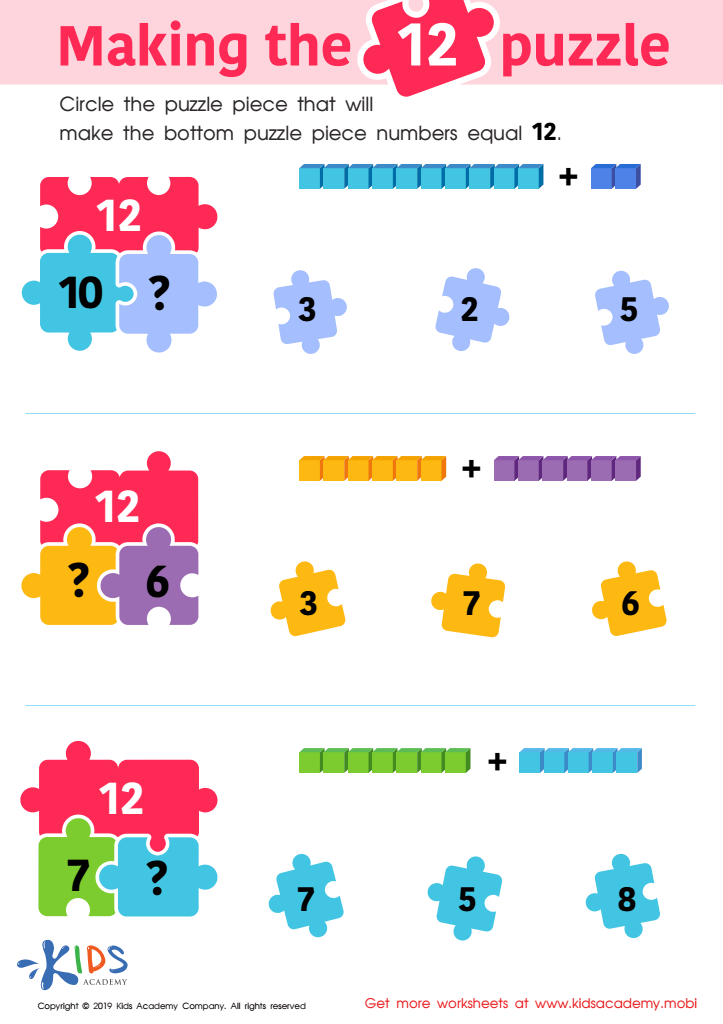
Making the 12 Puzzle Worksheet
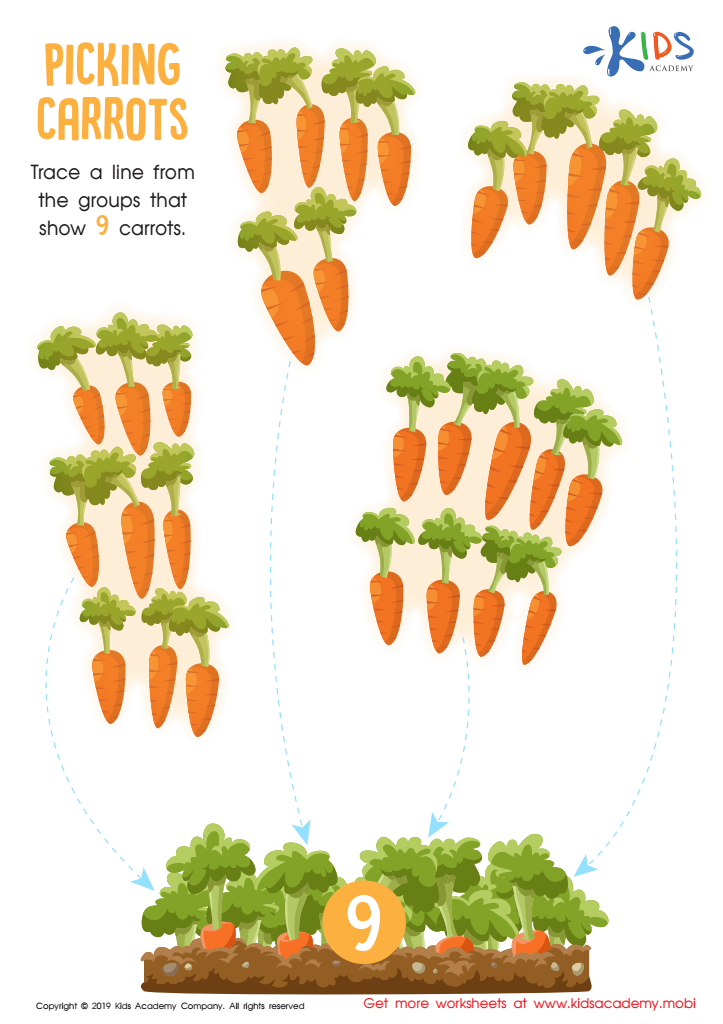
Picking Carrots Worksheet
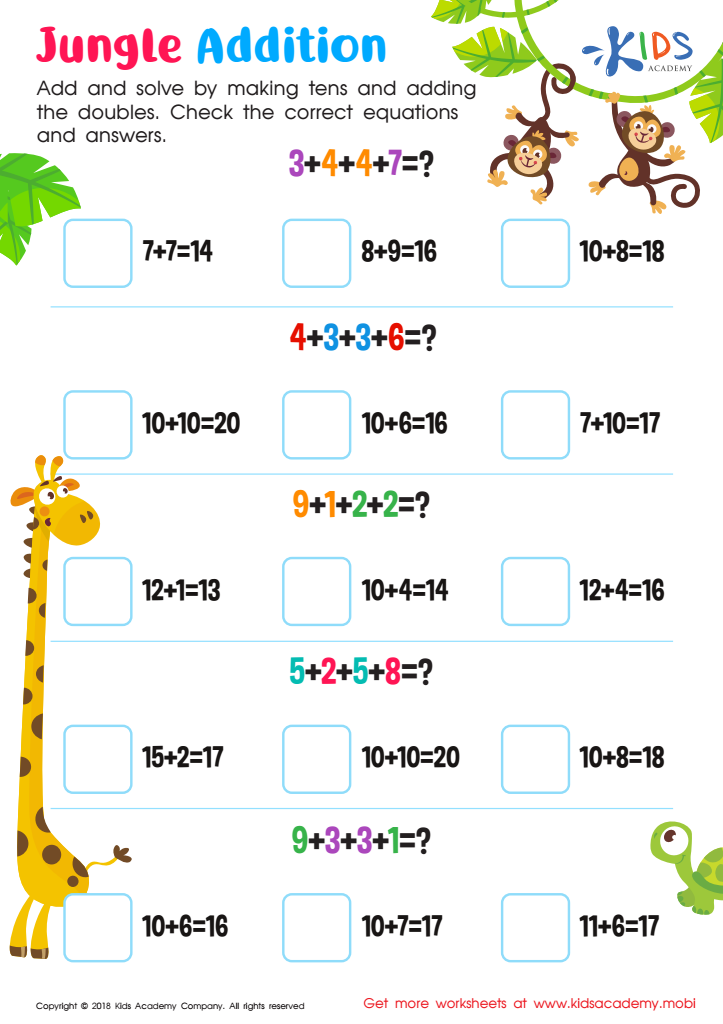
Jungle Addition Worksheet
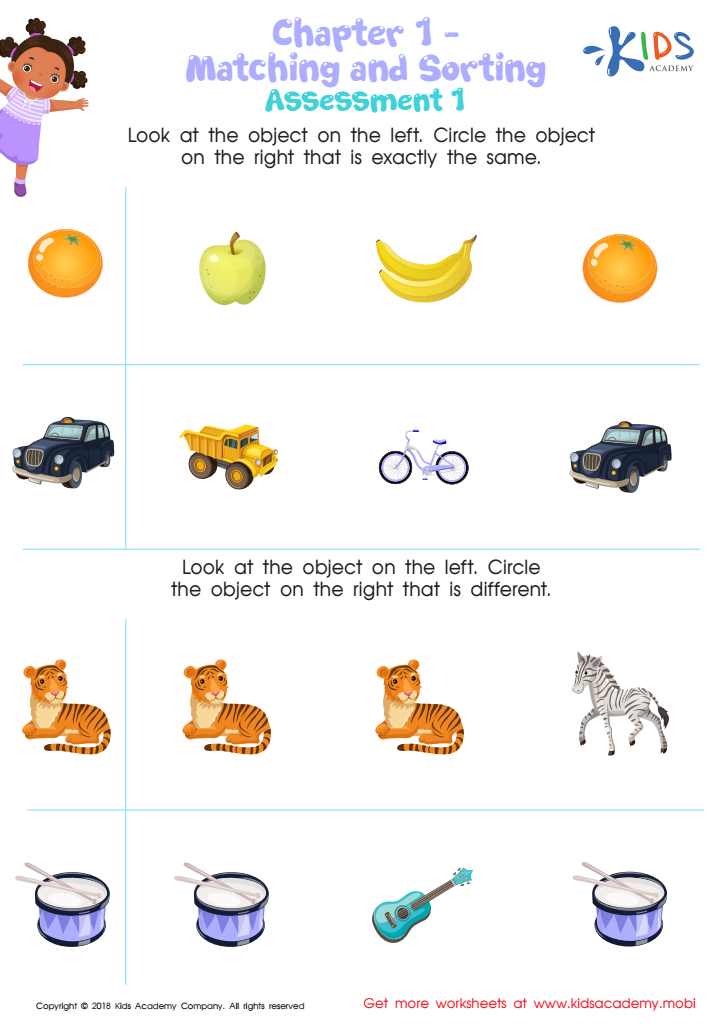
Matching and Sorting for Preschool: Assessment 1 Worksheet
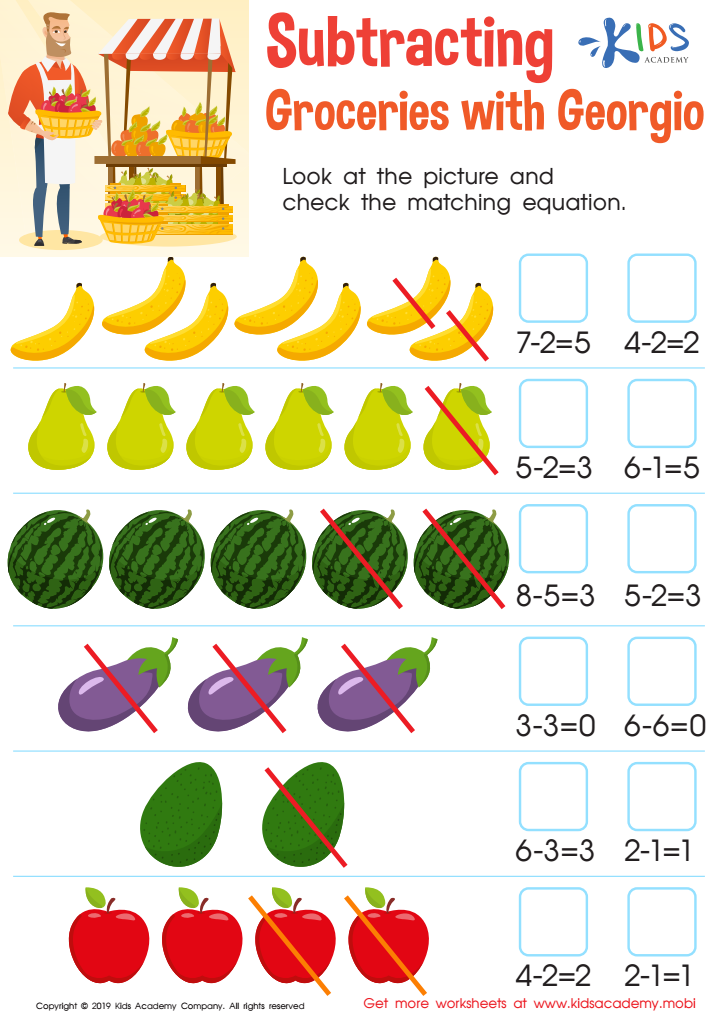
Subtracting: Groceries with Georgio Worksheet
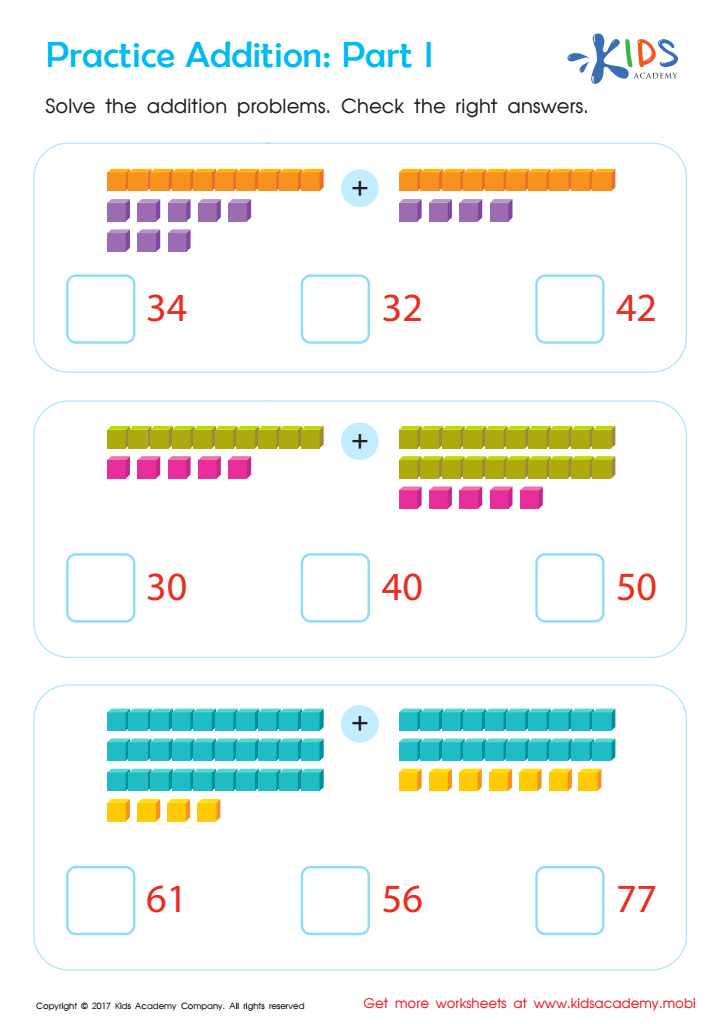
Practice Addition: Part 1 Worksheet
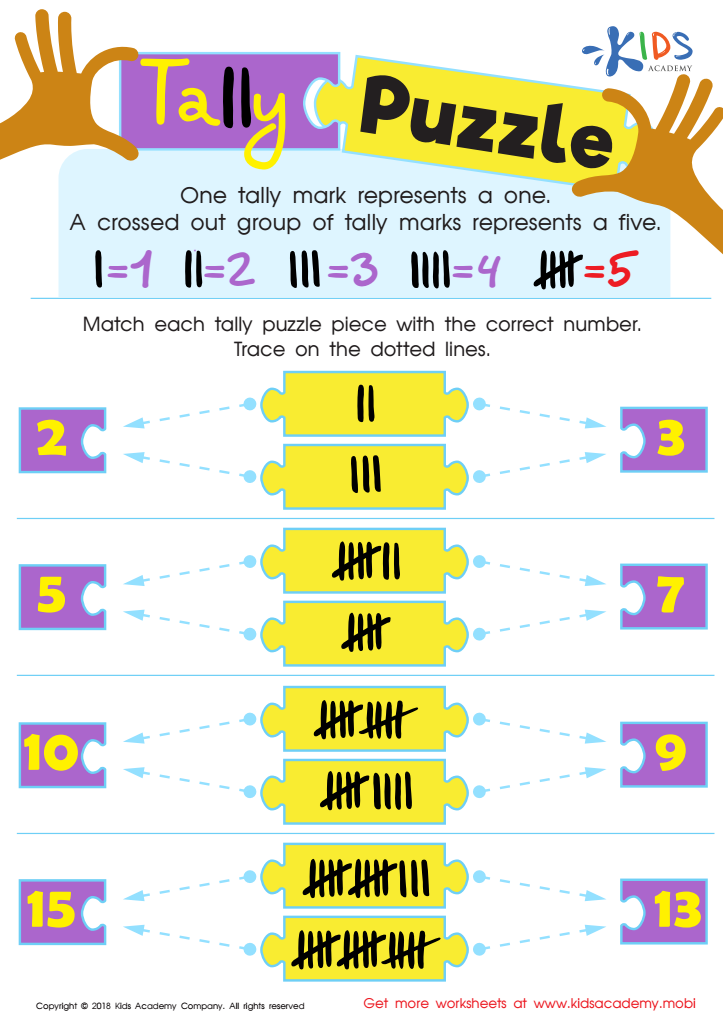
Tally Puzzle Worksheet
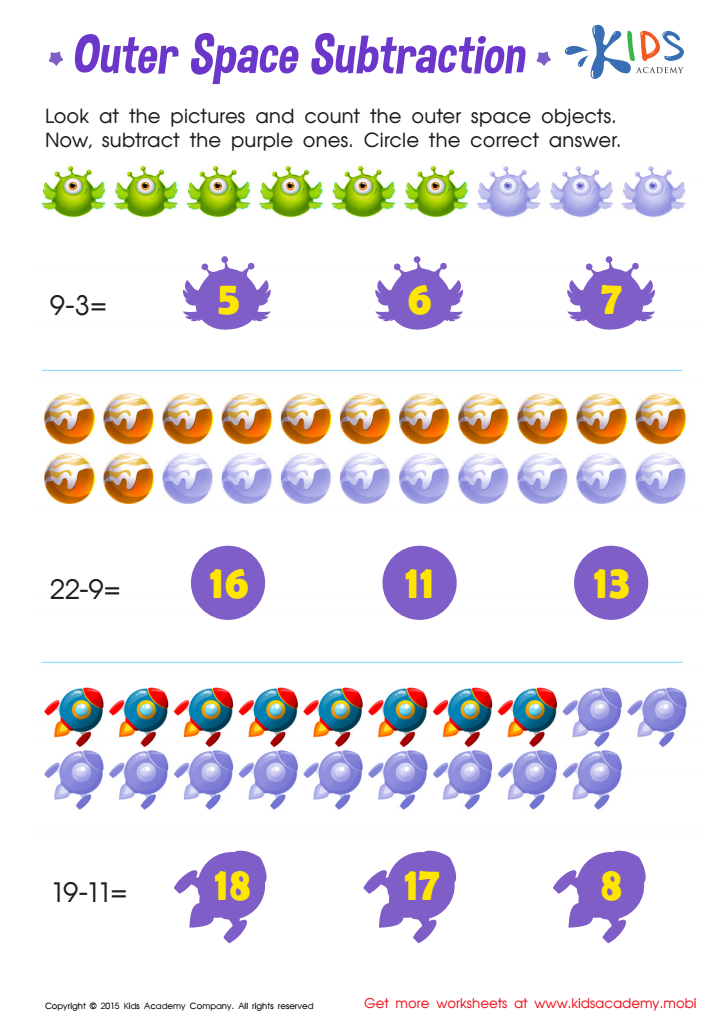
Outer Space Substraction Worksheet

Haystack Steps Worksheet
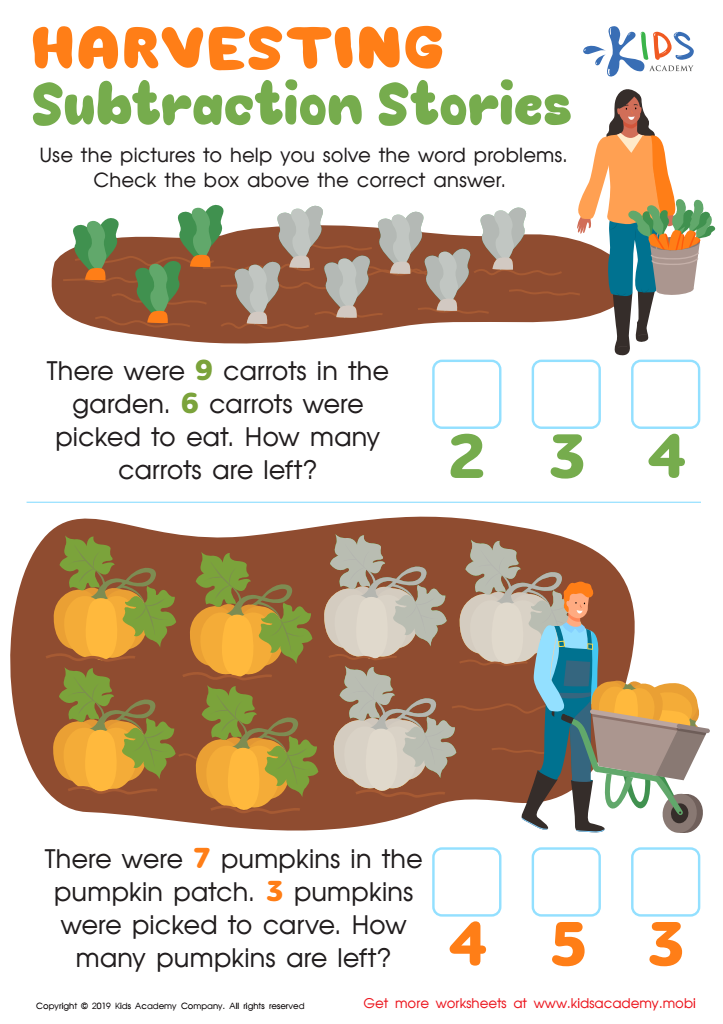
Harvesting Subtraction Stories Worksheet
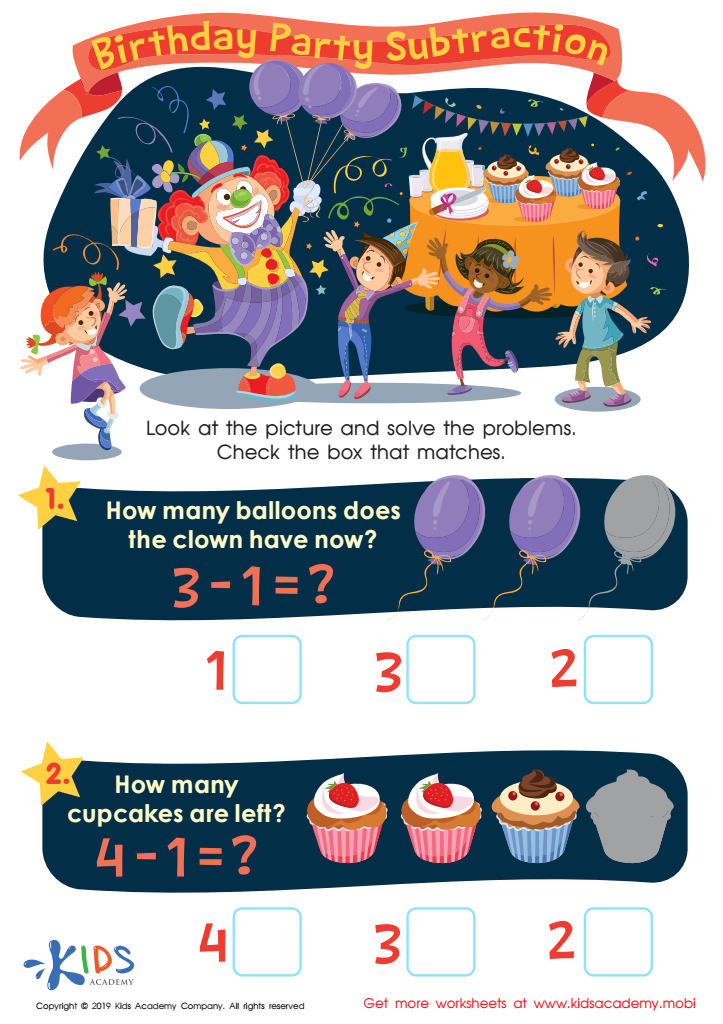
Birthday Party Subtraction Worksheet
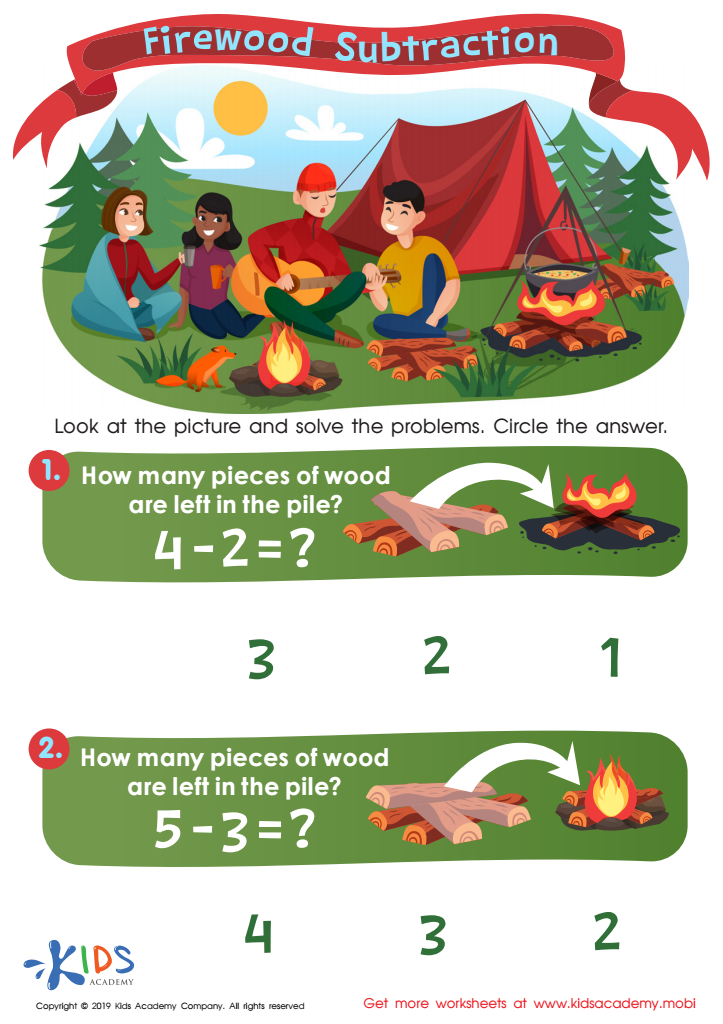
Firewood Subtraction Worksheet
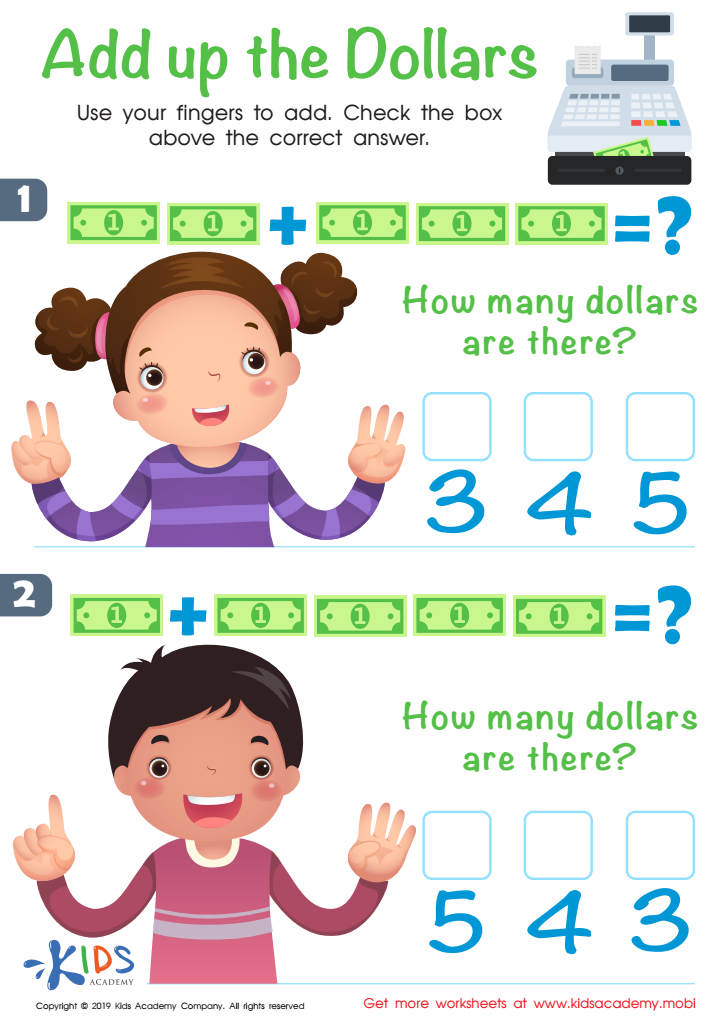
Add up the Dollars Worksheet

Enrichment: Firefighter Ladders Worksheet
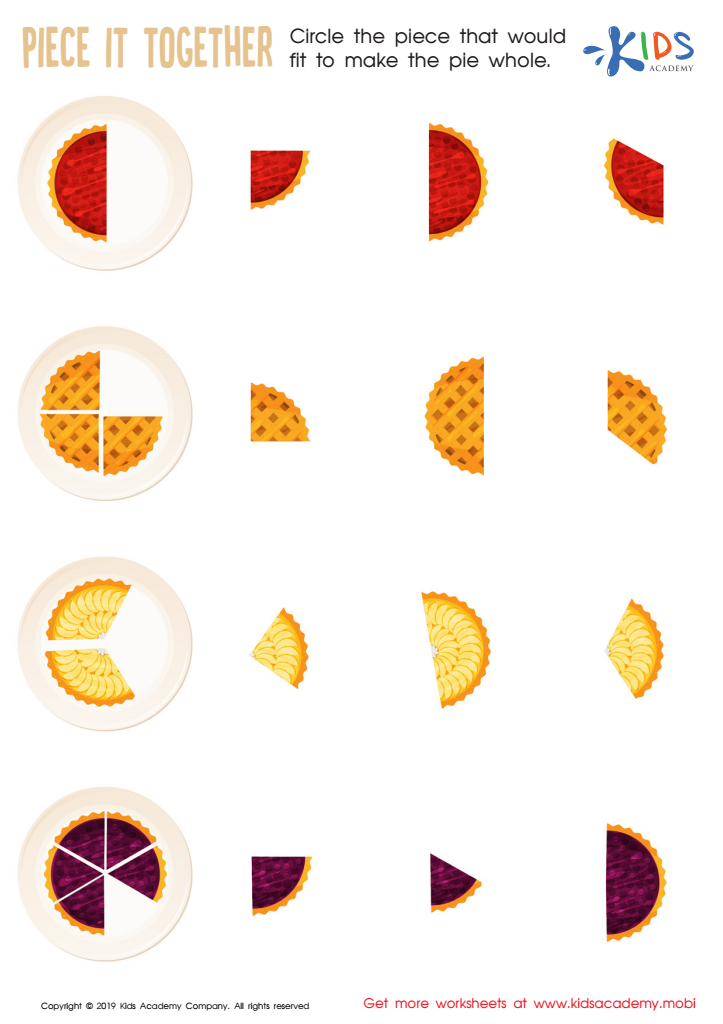
Piece it together Worksheet
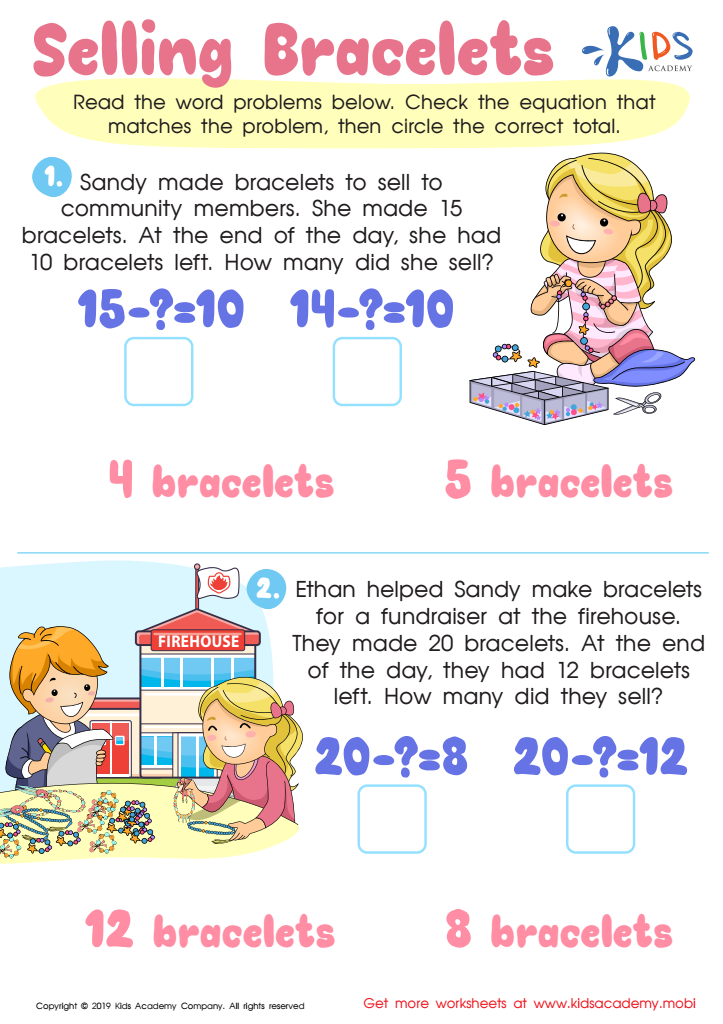
Selling the Bracelets Worksheet








Parents and teachers should prioritize Problem-Solving Skills through Easy Math for ages 4-7 because early mathematical experiences lay the foundation for future learning. At this age, children are naturally curious and eager to explore concepts around them. By fostering problem-solving skills through playful, age-appropriate math activities, we not only cultivate their mathematical abilities but also enhance critical thinking, creativity, and resilience.
Development of these skills aligns with significant cognitive growth periods in young children. Engaging in problem-solving helps them learn to analyze situations, evaluate possible solutions, and apply logic, skills that extend beyond mathematics into daily life. Furthermore, these foundational skills boost confidence, turning built-in failures into valuable learning experiences.
Additionally, math literacy has substantial implications for later academic achievement, influencing career paths and overall success. Teachers and parents can support this by creating a home or classroom environment that encourages exploration and inquiry, integrating math-related games, puzzles, and real-life scenarios that spark interest.
In summary, nurturing problem-solving skills through easy math not only strengthens children’s mathematical understanding but fosters critical life competencies essential for their overall development. Investing attention to these skills at a young age builds a roadmap for a brighter, well-rounded future.