Comprehension skills Easy Worksheets for Ages 4-8
5 filtered results
-
From - To
Welcome to our “Comprehension Skills Easy Worksheets” page, designed specifically for children ages 4-8! Our engaging and interactive worksheets help young learners develop crucial reading comprehension skills through fun activities and relatable content. Each worksheet features age-appropriate themes that capture children's imagination, encouraging them to think critically and understand the material. From simple reading passages to questions that spark discussion, our resources enhance vocabulary, inference, and analysis abilities. Perfect for home or classroom use, these worksheets make learning enjoyable and effective, laying a strong foundation for future academic success. Explore our collection today and watch your child thrive!
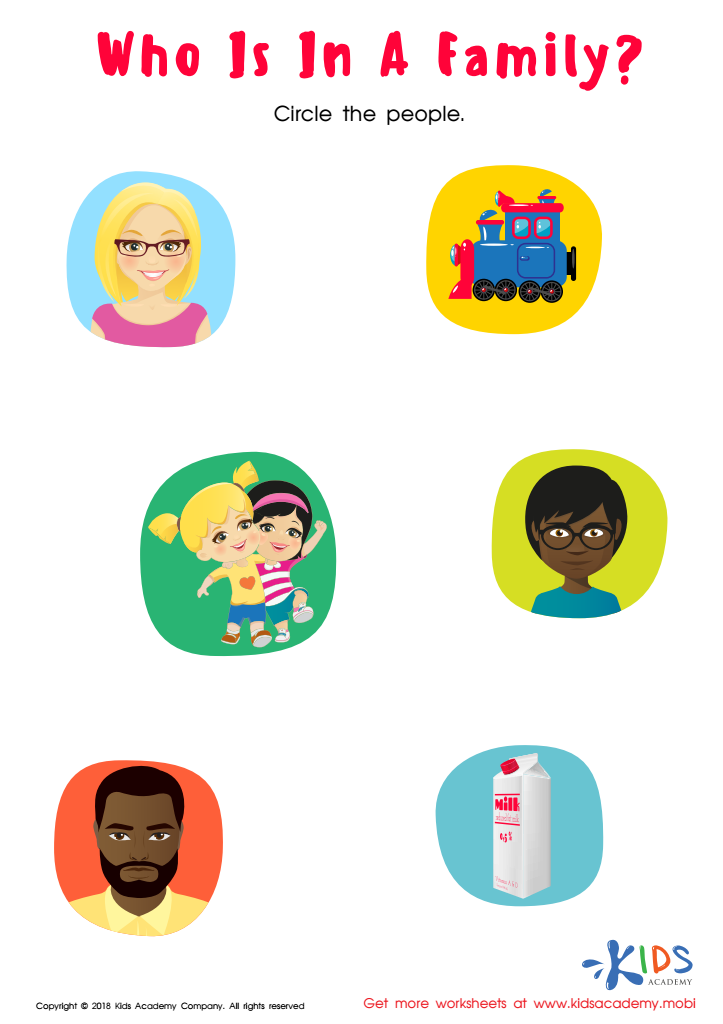
Who Is in a Family? Worksheet
 Assign to My Students
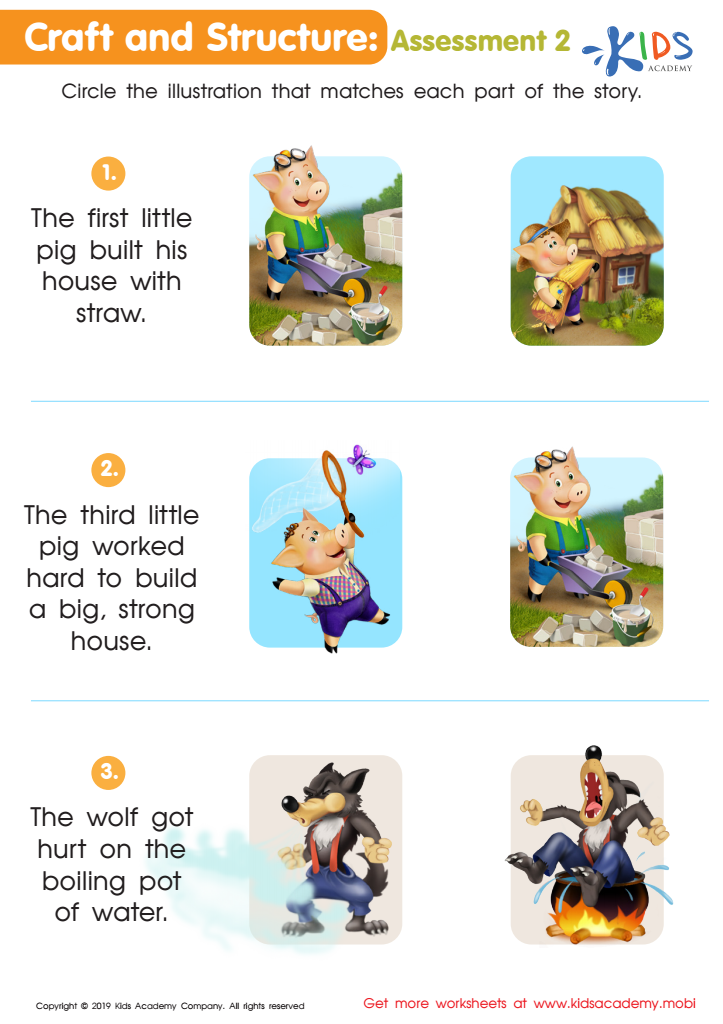
Craft and Structure: Assessment 2 Worksheet 2
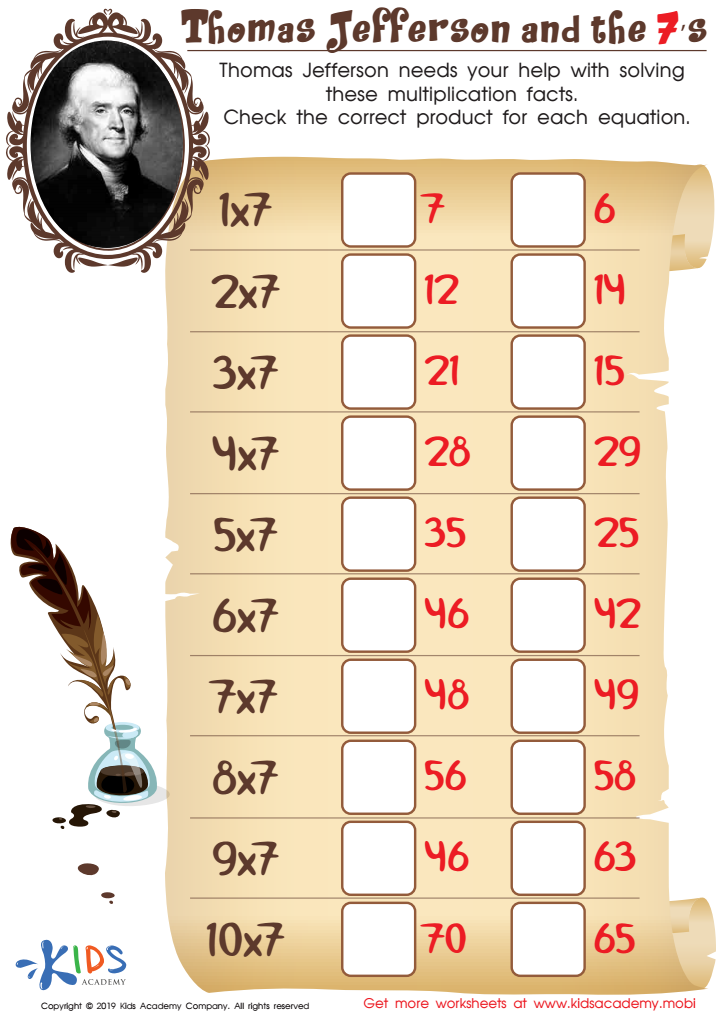
Thomas Jefferson and the 7’s Worksheet
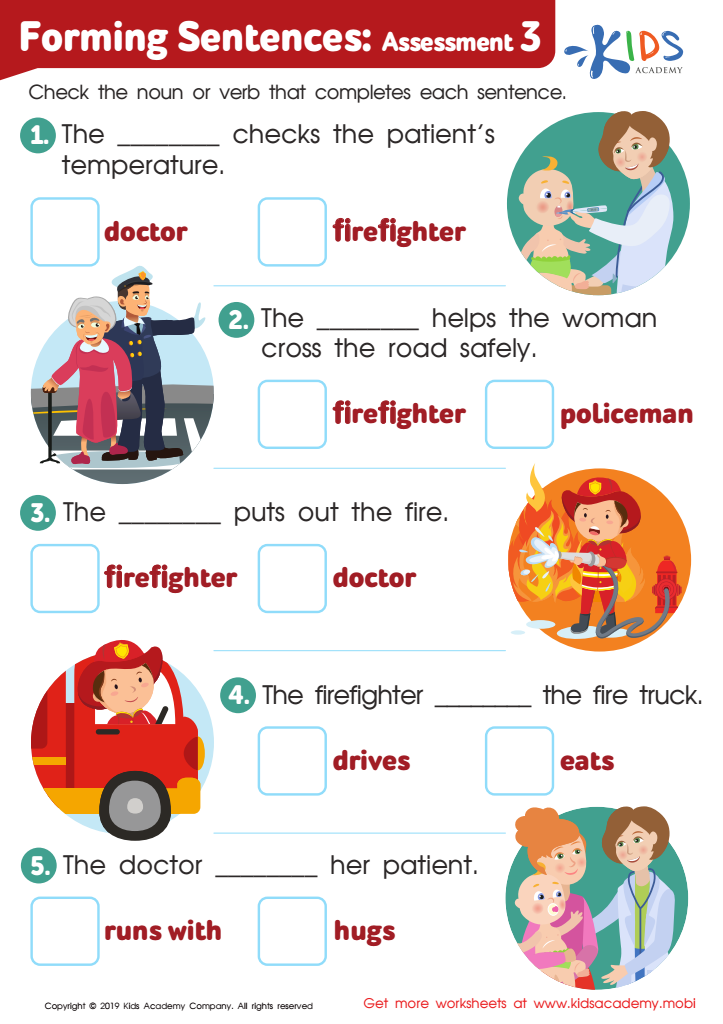
Forming Sentences: Assessment 3 Worksheet
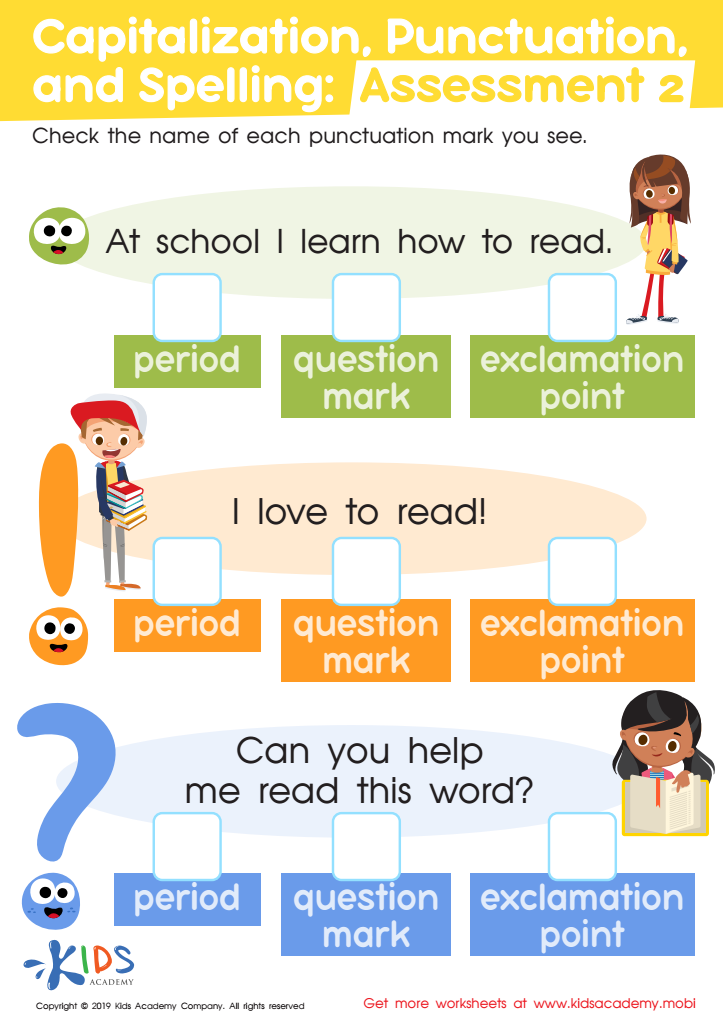
Capitalization. Punctuation. Spelling: Assessment 2 Worksheet








Comprehension skills are vital for children aged 4-8 as they form the foundation for successful reading and overall communication. At this age, children are developing their language abilities and beginning to make sense of the stories they hear and read. When parents and teachers prioritize comprehension skills, they empower children to not only decode words but also understand and interpret the meanings behind them. This leads to a greater love for reading, as children find joy in understanding stories and expressing their thoughts.
Additionally, strong comprehension skills enhance critical thinking and problem-solving abilities. Children learn to make inferences, visualize scenarios, and empathize with characters, all of which contribute to their emotional and social development. Teaching comprehension during these formative years also helps children draw connections between texts and their personal experiences, fostering a lifelong curiosity and desire to learn.
Furthermore, good comprehension skills pave the way for academic success. Children who understand what they read are more likely to perform well across subjects, as many rely on reading comprehension for understanding instructions and content in areas like science and math. Thus, cultivating comprehension skills is not just about reading—it's an essential building block for future learning and personal growth.








