Comprehension skills Easy Worksheets for Ages 4-9
5 filtered results
-
From - To
Unlock the power of reading with our "Comprehension Skills Easy Worksheets" designed specifically for ages 4-9! These engaging, age-appropriate resources improve reading comprehension in a fun and interactive way. Our thoughtfully crafted worksheets help young learners develop essential skills like understanding main ideas, making inferences, and identifying key details. Perfect for classroom use or at-home learning, these activities promote critical thinking and foster a love for reading. With colorful illustrations and relatable themes, your child will enjoy the process of learning. Dive into the world of comprehension with our easy-to-use worksheets that inspire confidence and creativity in young readers!
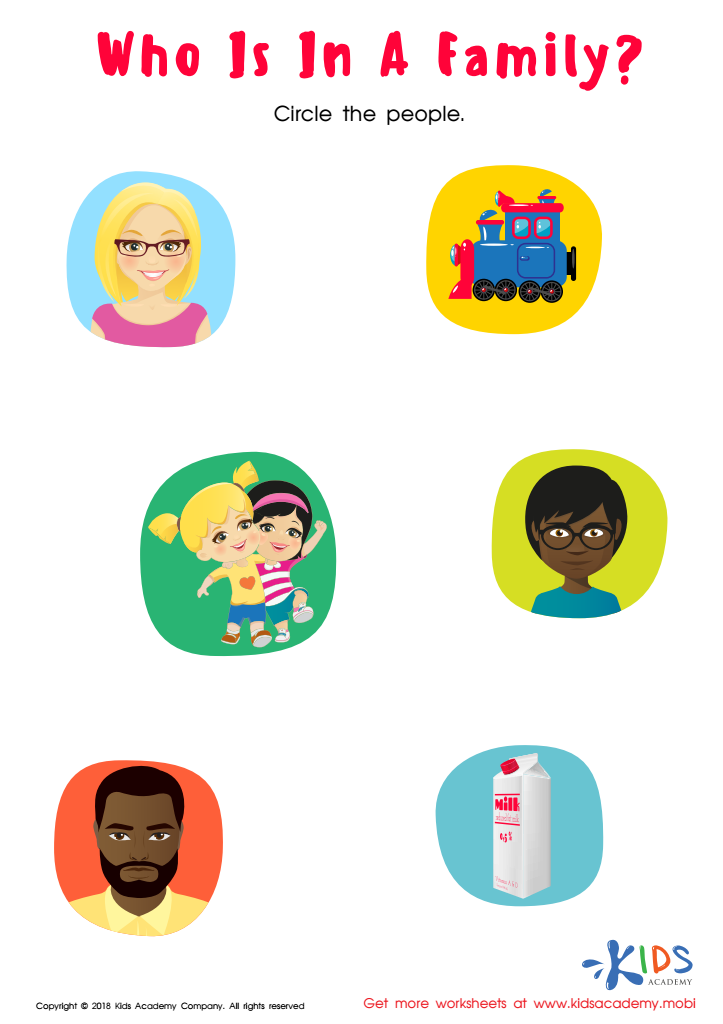
Who Is in a Family? Worksheet
 Assign to My Students
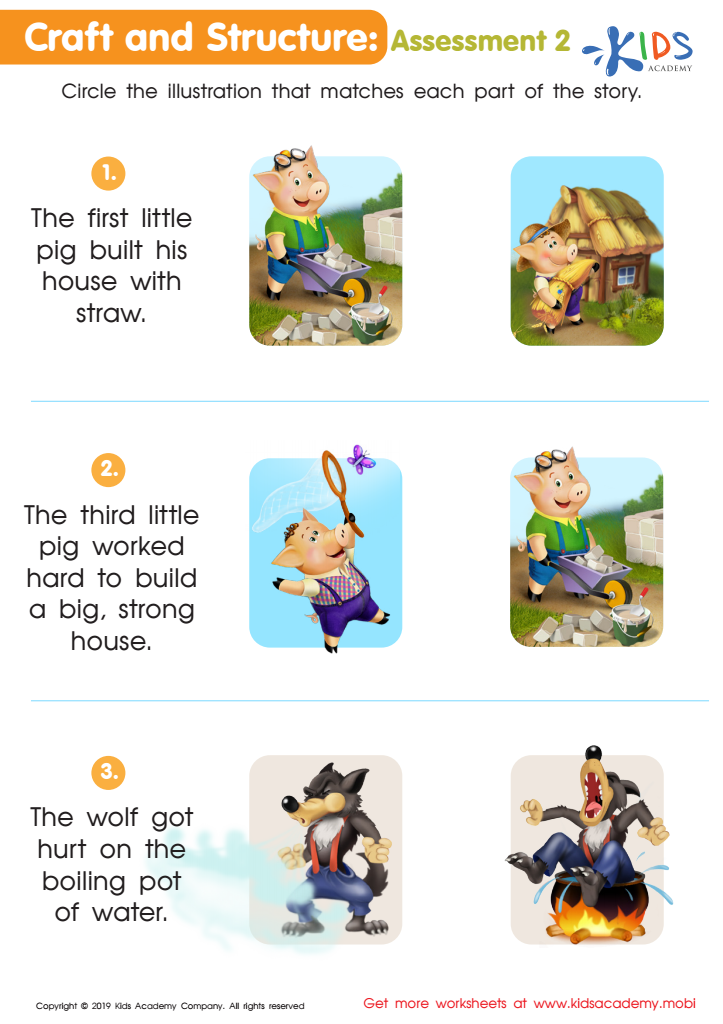
Craft and Structure: Assessment 2 Worksheet 2
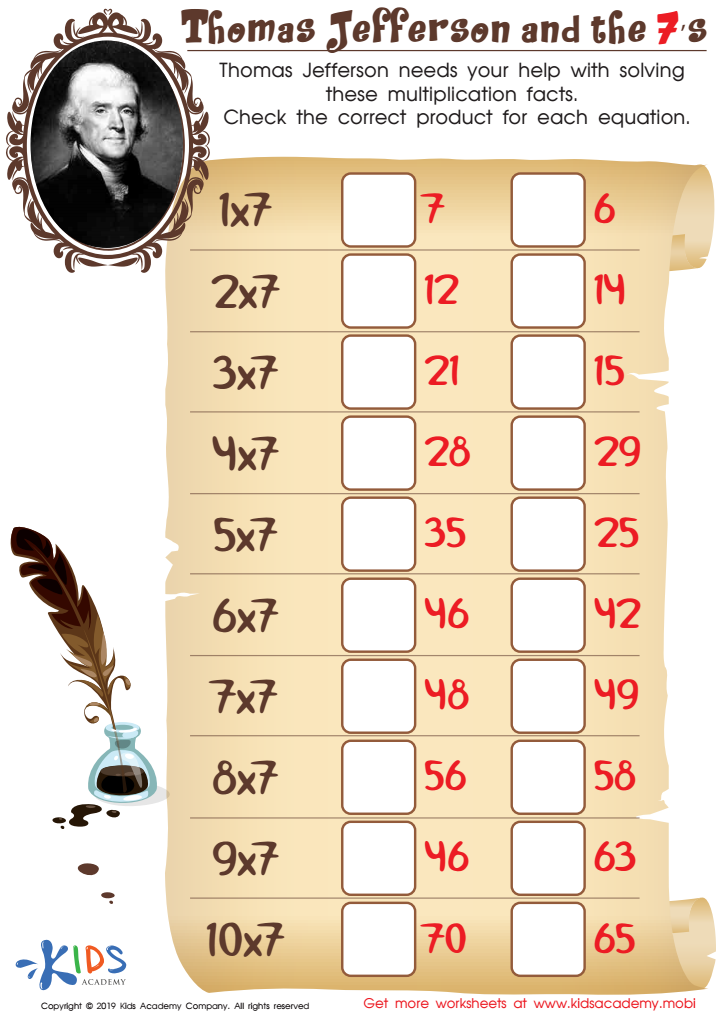
Thomas Jefferson and the 7’s Worksheet
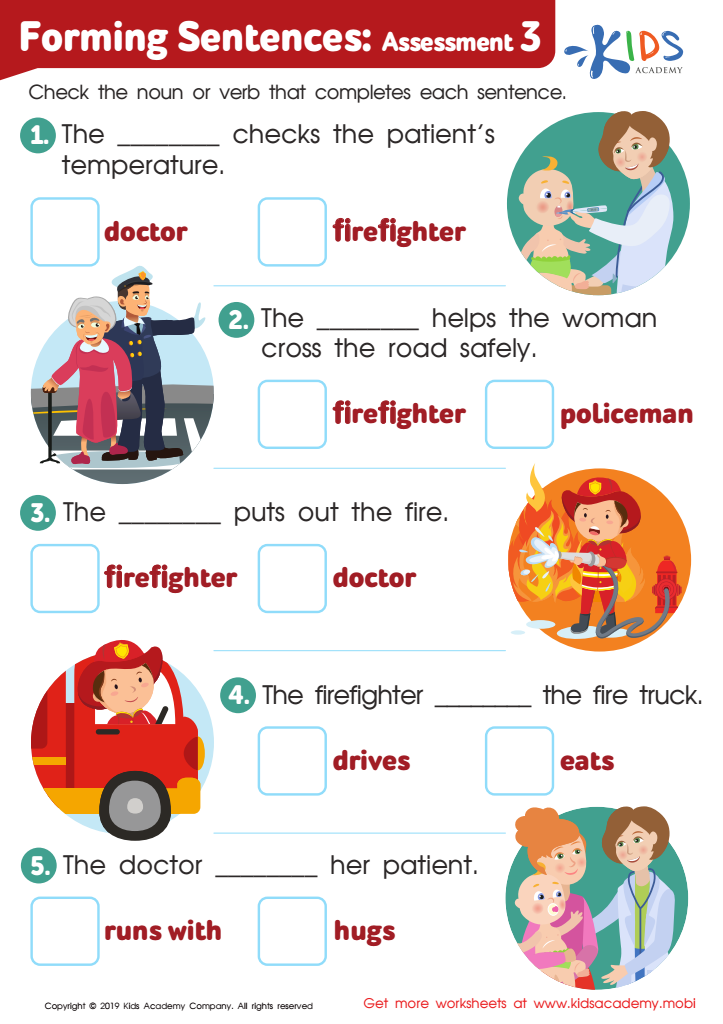
Forming Sentences: Assessment 3 Worksheet
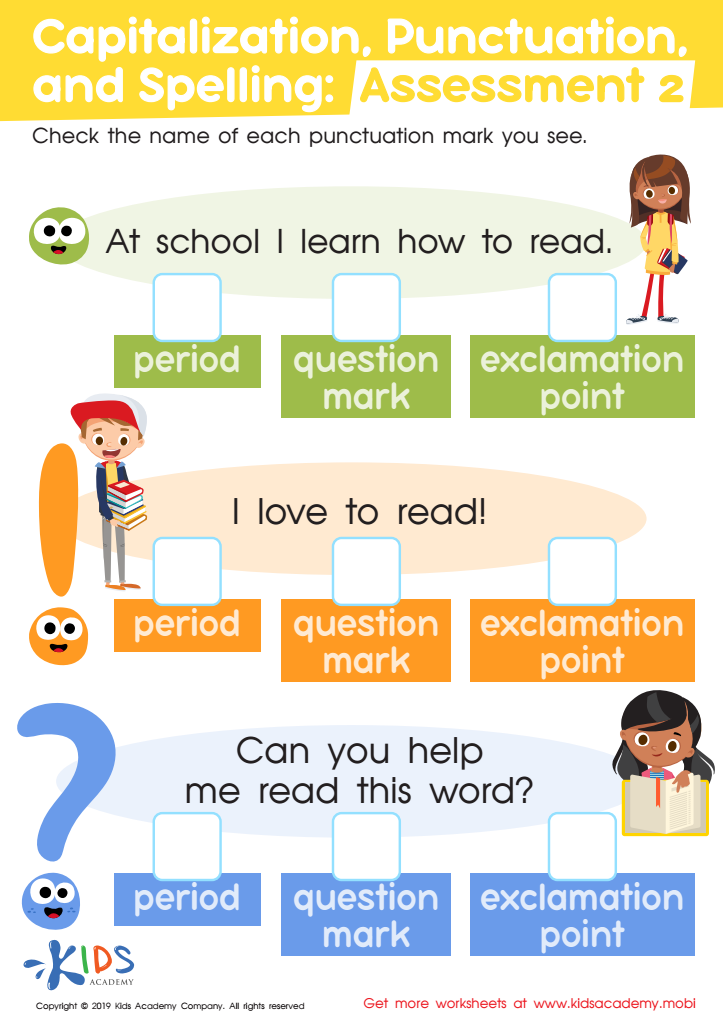
Capitalization. Punctuation. Spelling: Assessment 2 Worksheet








Comprehension skills are essential for children ages 4-9 because they form the foundation for effective learning and communication. As young learners explore stories, they not only enjoy the world of imagination but also develop critical thinking abilities. Understanding material helps them make connections between what they read and their own experiences, promoting meaningful engagement with texts.
Effective comprehension skills support overall academic success. Children who grasp content easily are more likely to excel in subjects like math and science, where reading instructions and texts is crucial. By fostering these skills early on, parents and teachers empower children to become independent learners, enhancing their confidence and enthusiasm for education.
Moreover, comprehension skills play a vital role in emotional development. When children understand narratives, they learn empathy by recognizing different perspectives and experiences. This ability to relate to others contributes to better social relationships and communication skills.
Encouraging comprehension techniques—such as asking questions, summarizing stories, and predicting outcomes—can make reading a dynamic, interactive process. Whether through engaging picture books or simple stories, nurturing this skill in young readers lays the groundwork for a lifelong appreciation of literature and learning. A focus on comprehension ultimately leads to well-rounded, capable learners.








