Easy Math Worksheets for Ages 4-9 - Page 3
396 filtered results
-
From - To
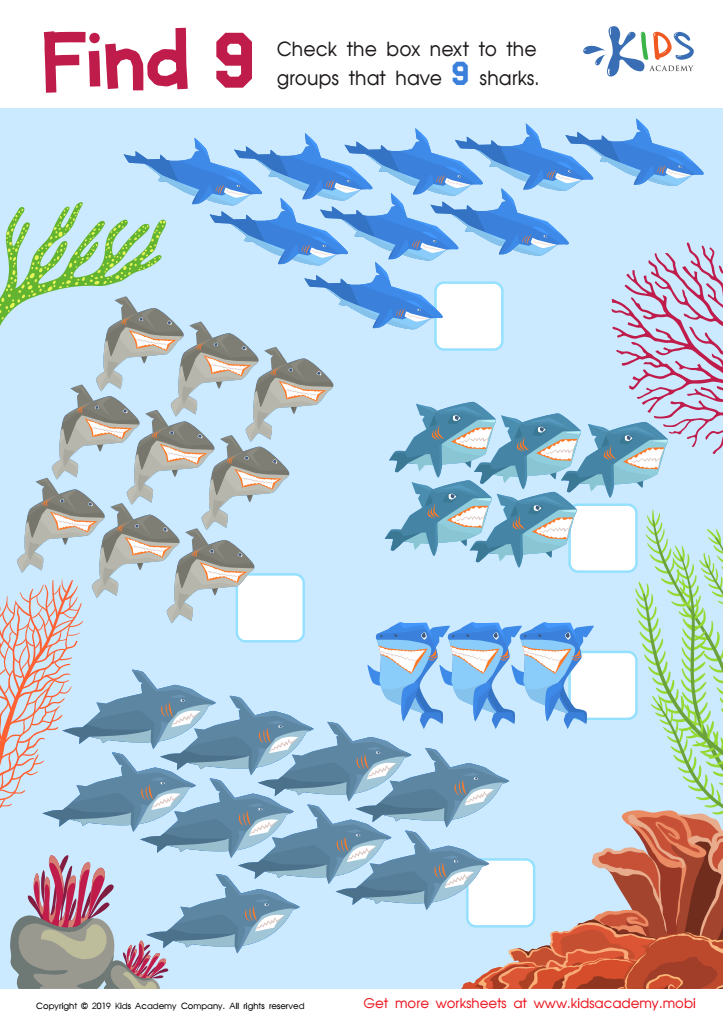
Find 9 Worksheet
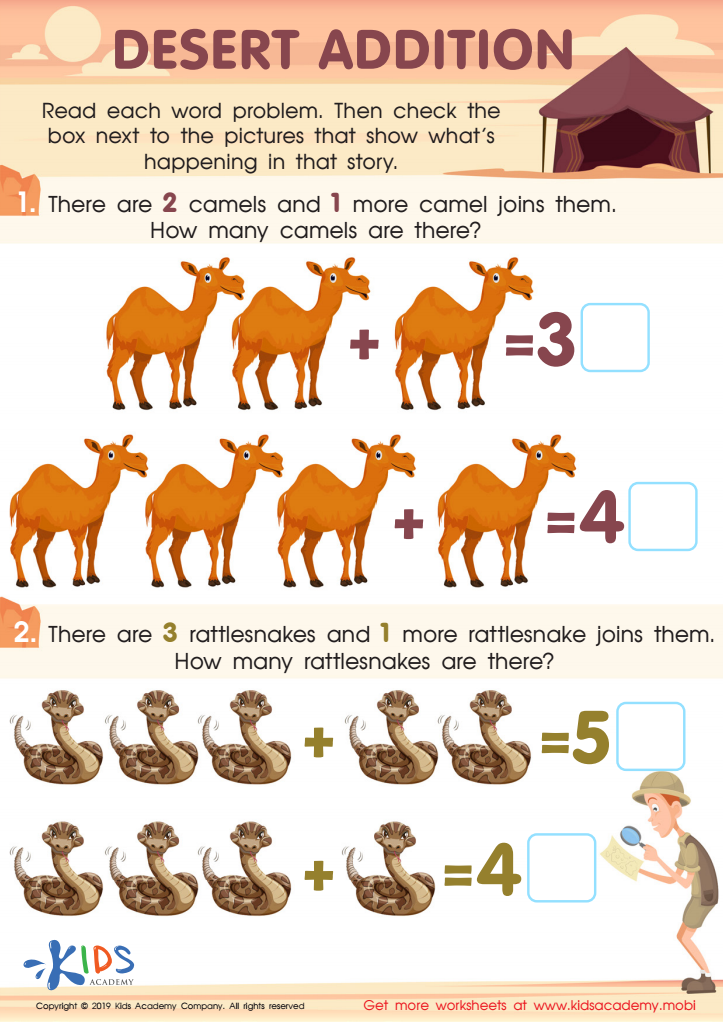
Desert Addition Worksheet
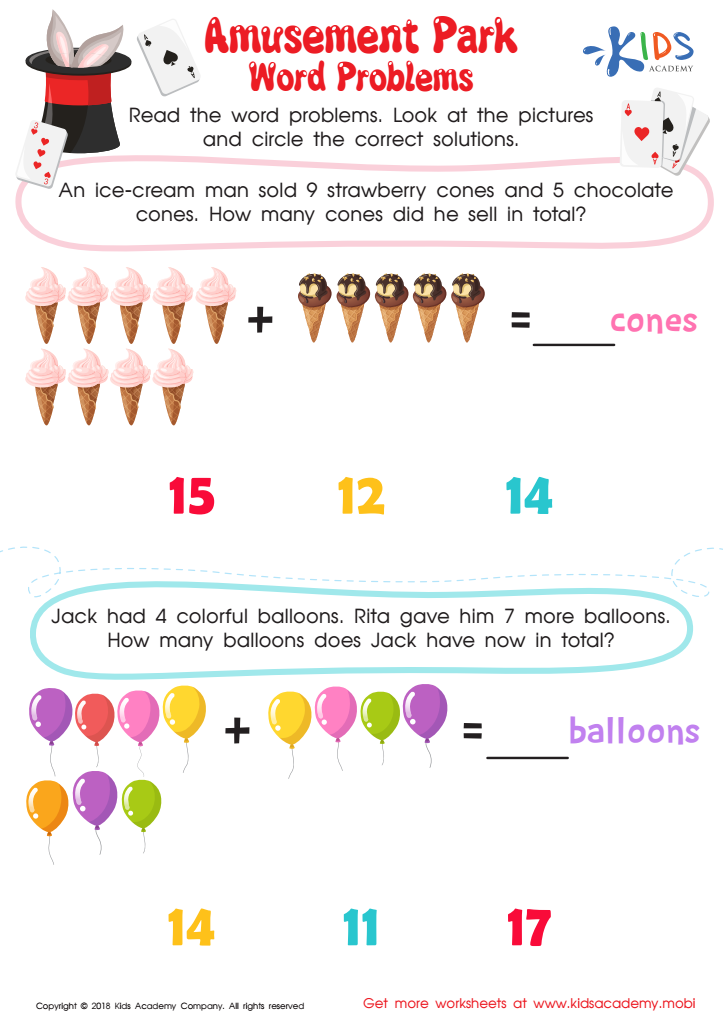
Amusement Park Word Problems Worksheet
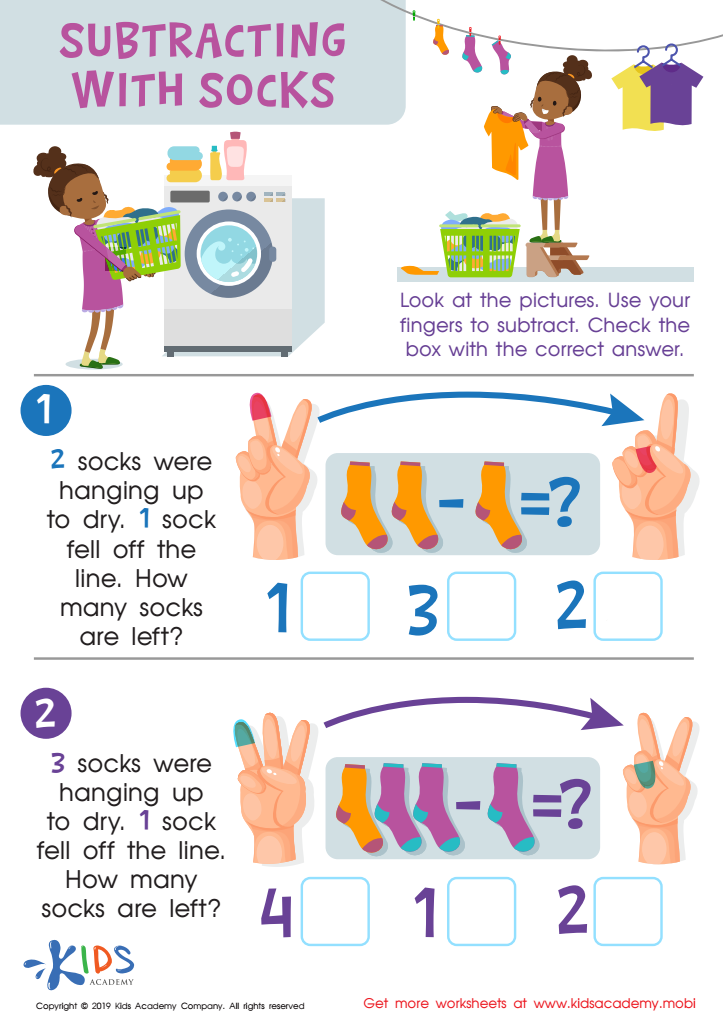
Subtracting Socks Worksheet
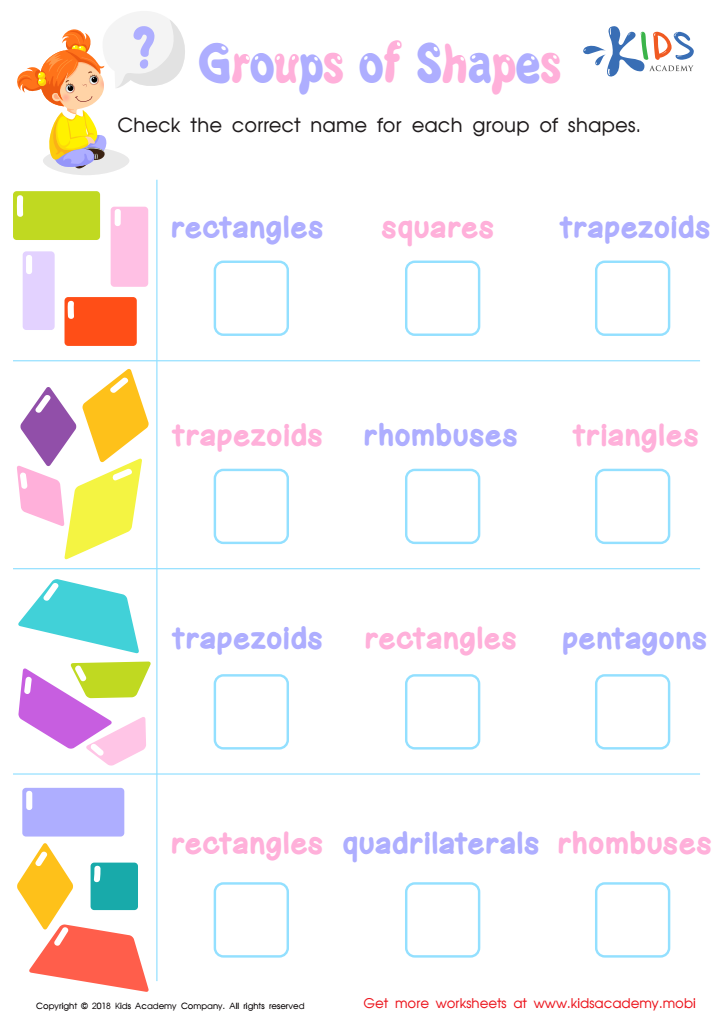
Groups of Shapes Worksheet
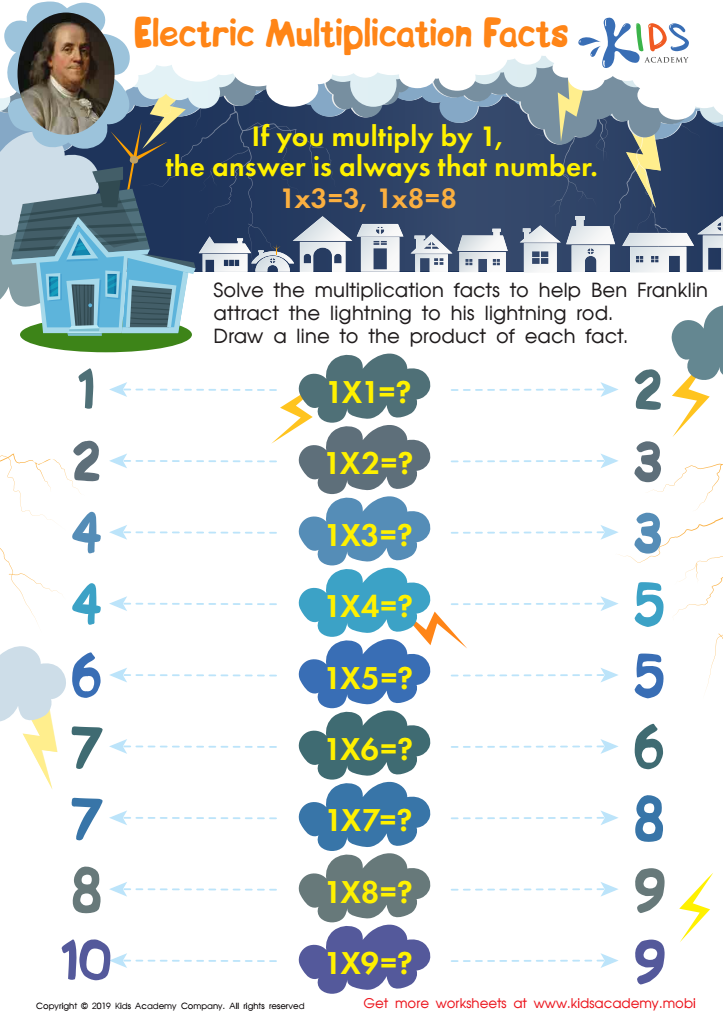
Electric Multiplication Facts Worksheet
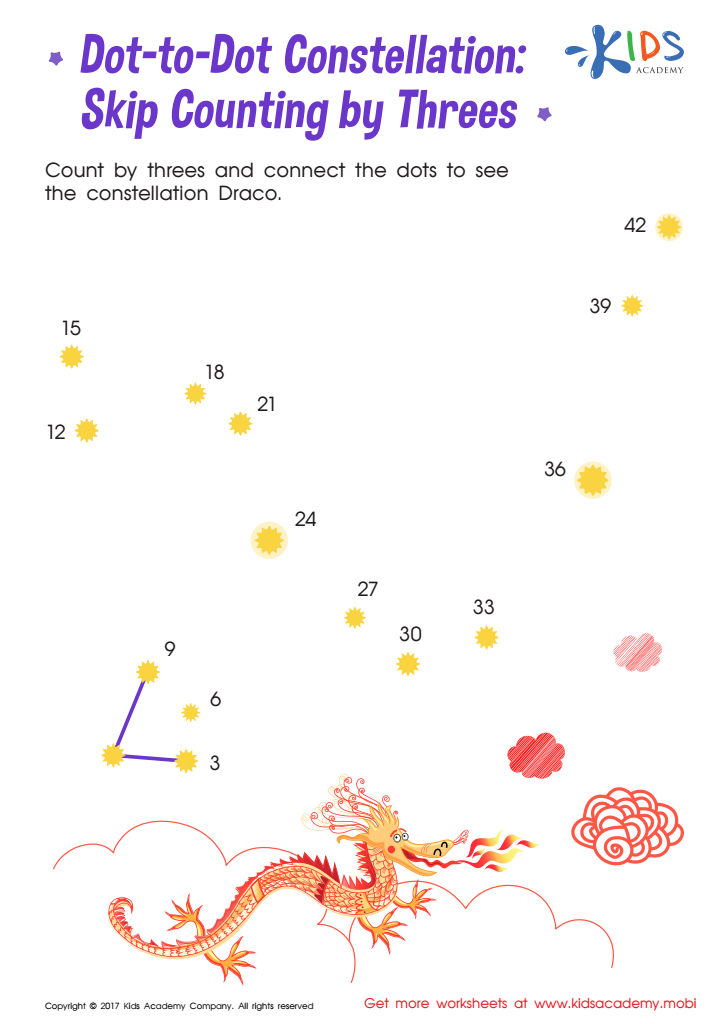
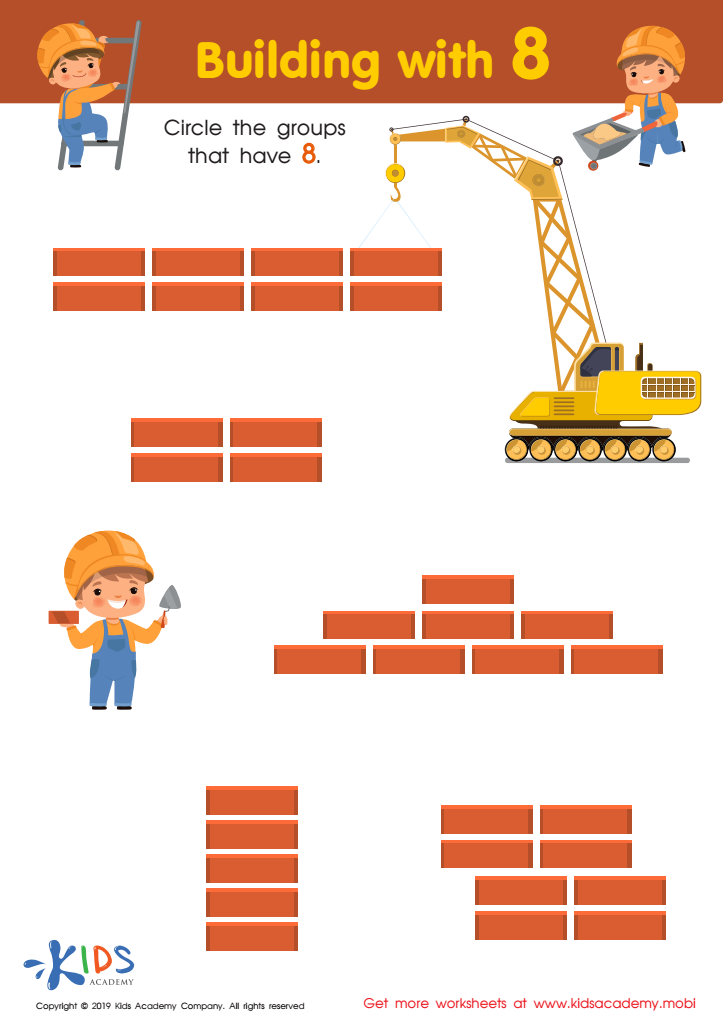
Building with 8 Worksheet
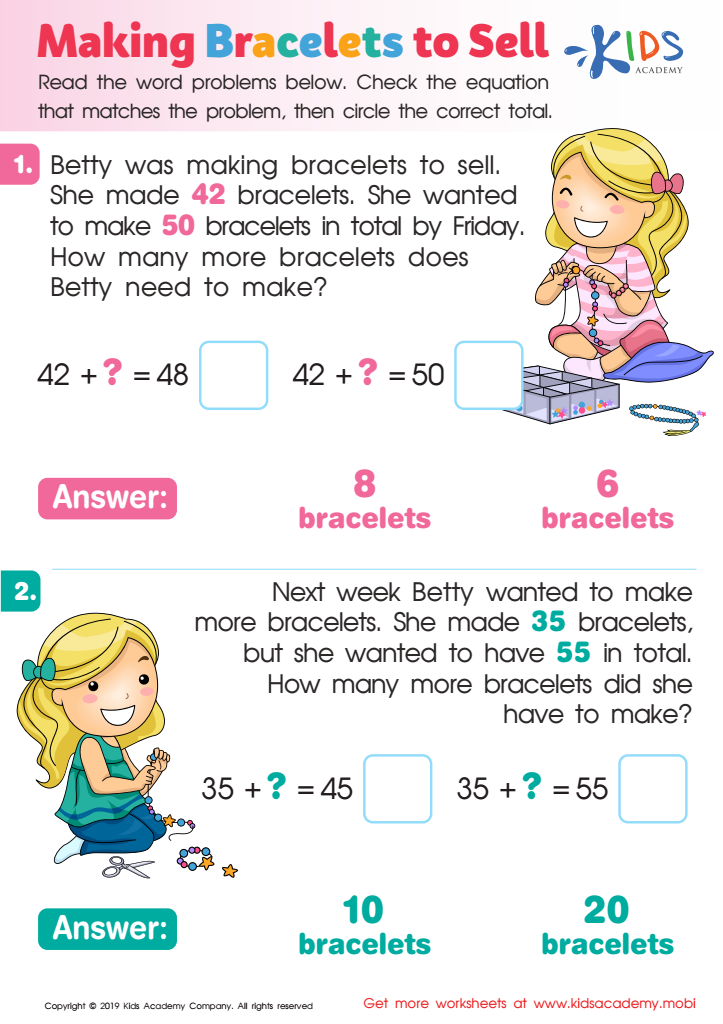
Making Bracelets to Sell Worksheet
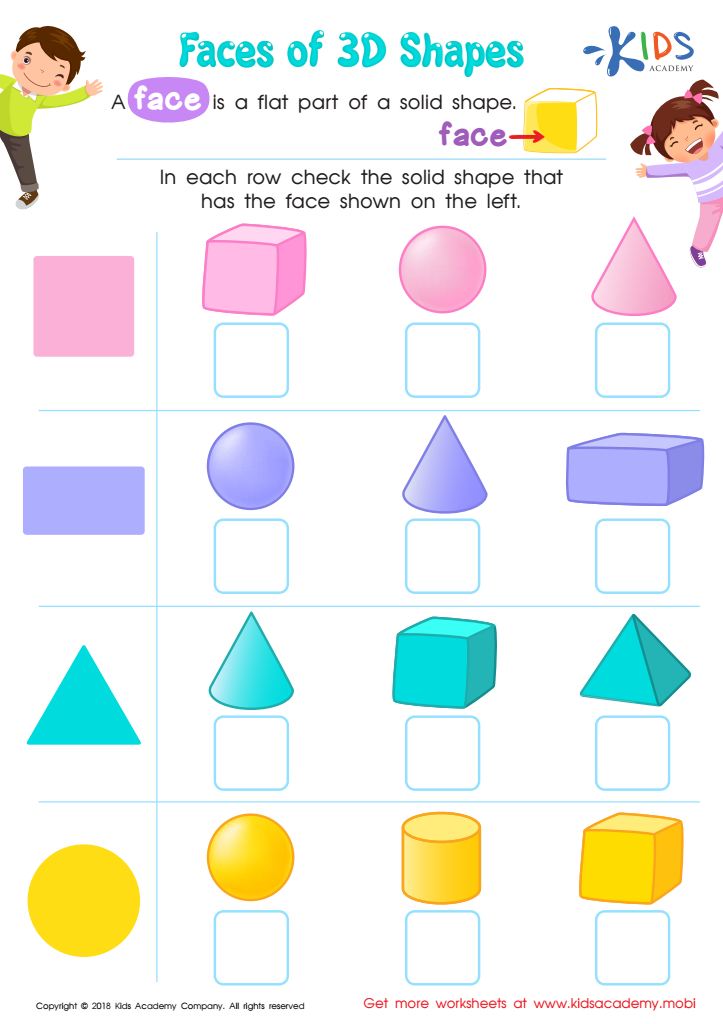
Faces of 3D Shapes Worksheet
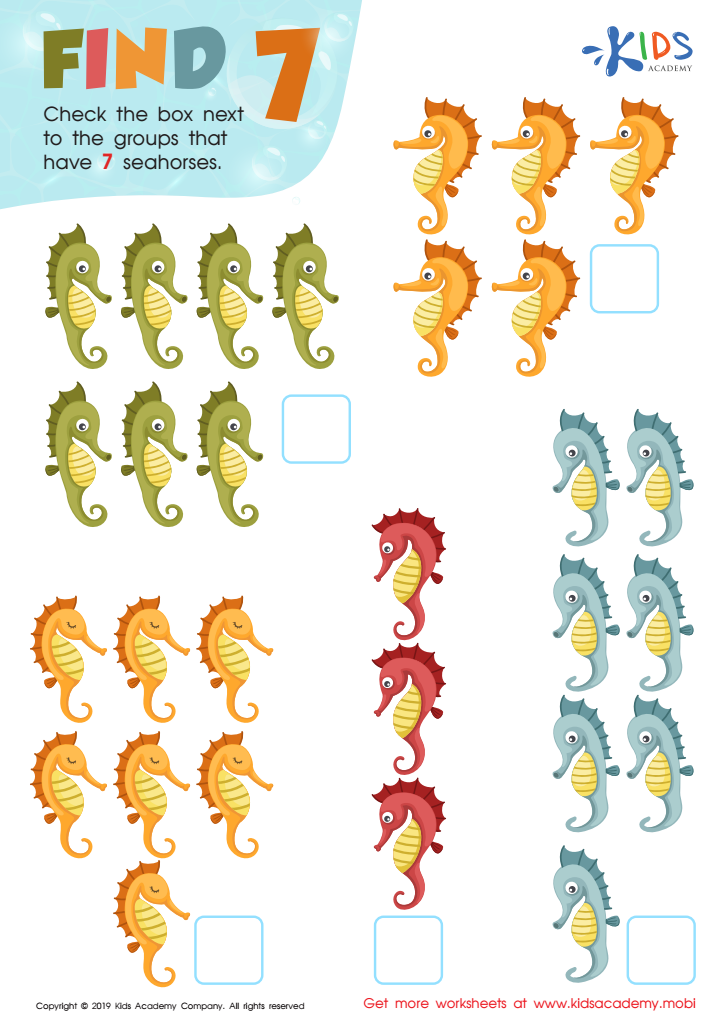
Find 7 Worksheet
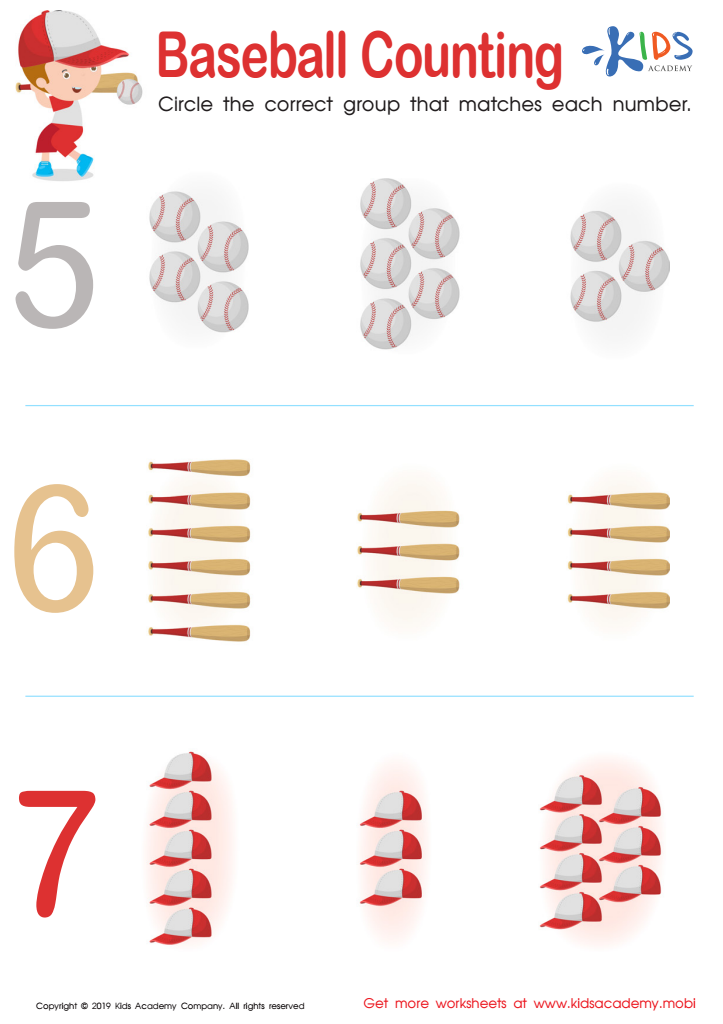
Baseball Counting Worksheet
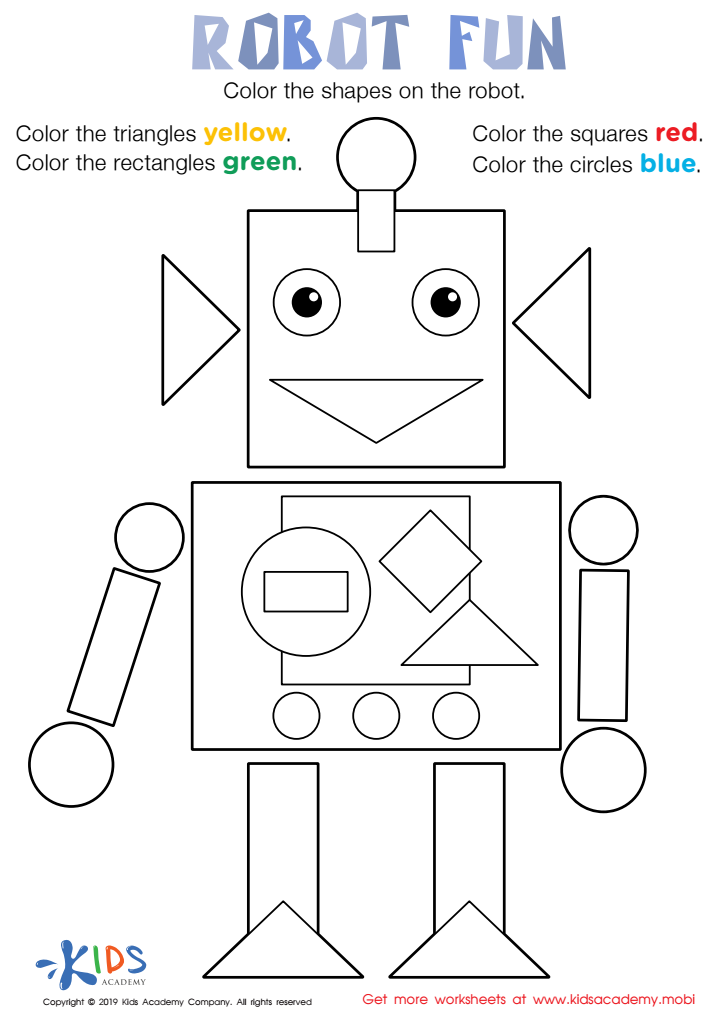
Robot Fun Worksheet
 Assign to My Students
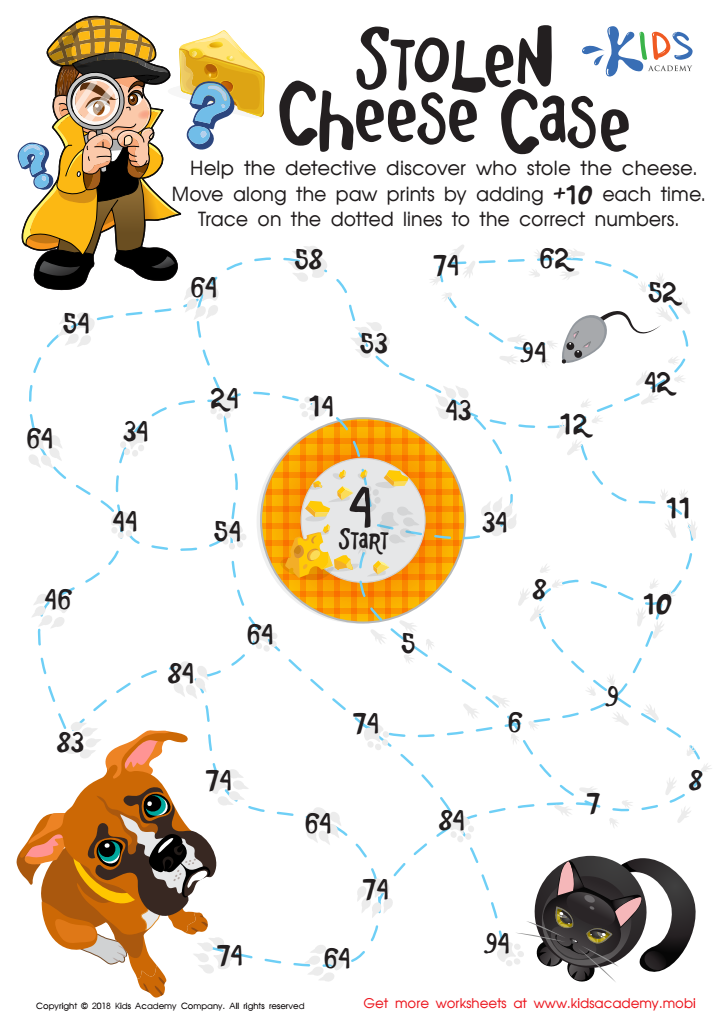
Stolen Cheese Case Maze Worksheet
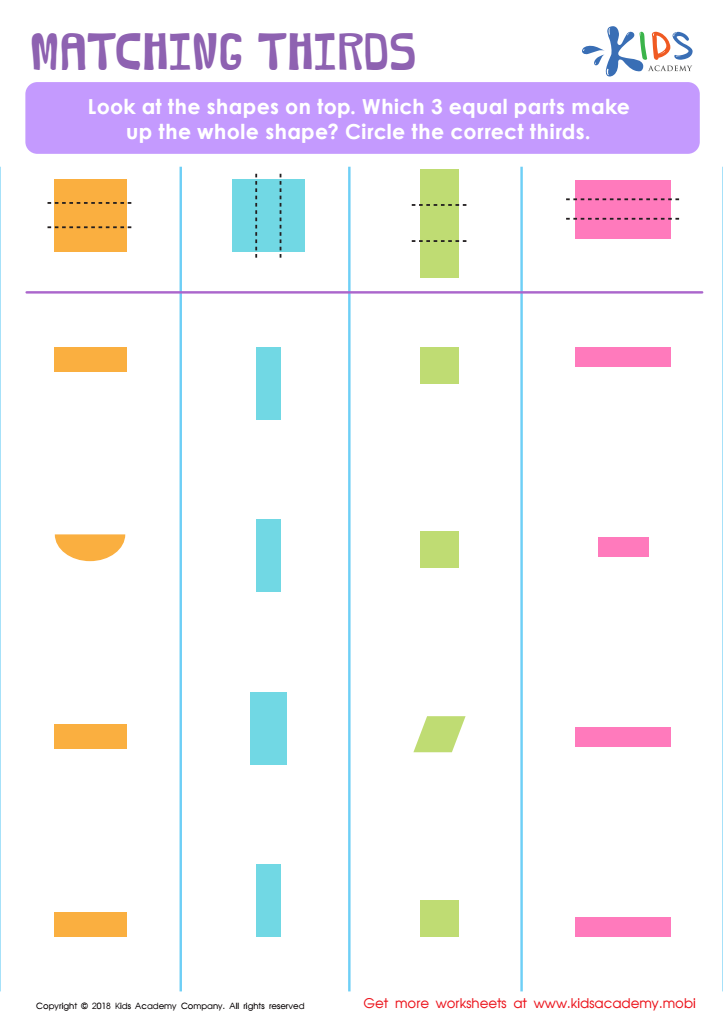
Matching Thirds Worksheet
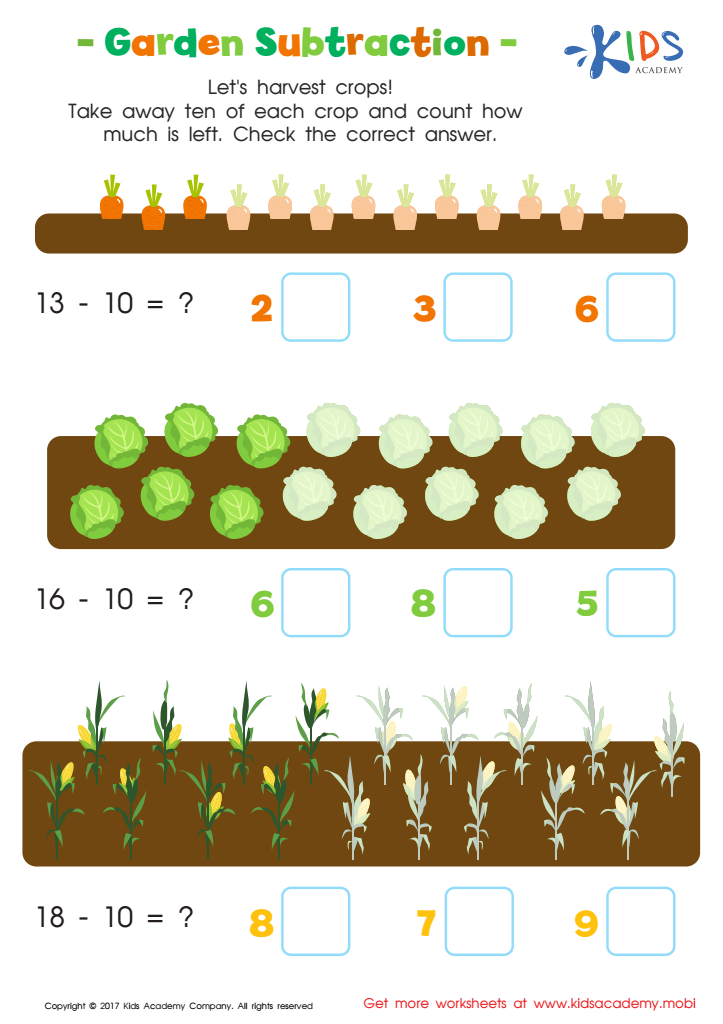
Garden Subtraction Worksheet
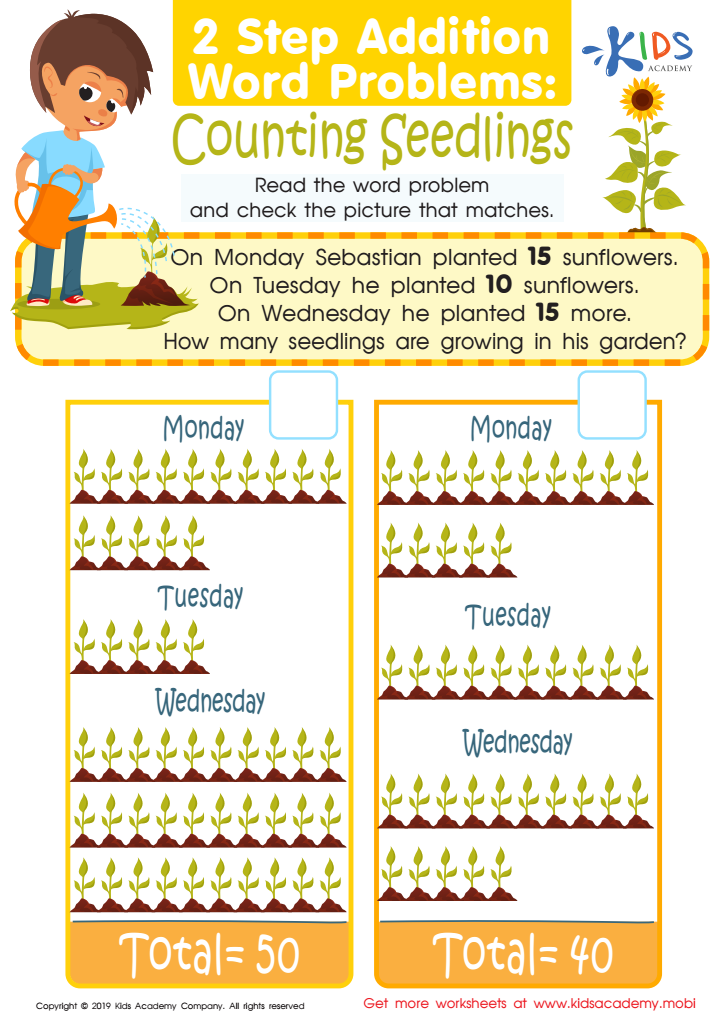
Counting Seedlings Worksheet
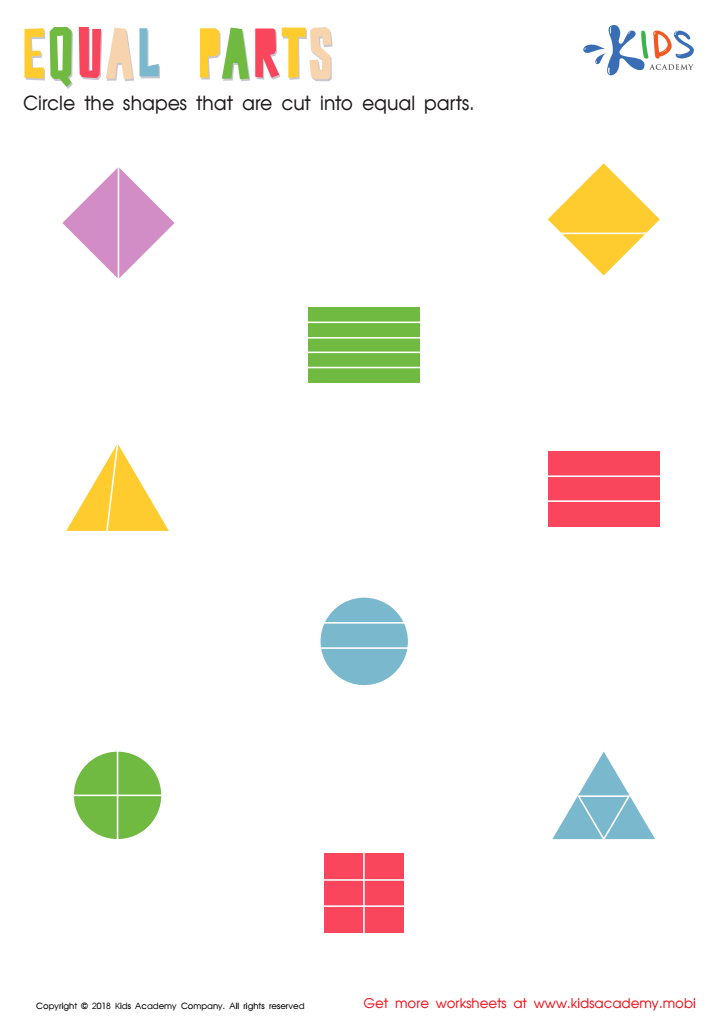
Equal Parts: Shapes Worksheet
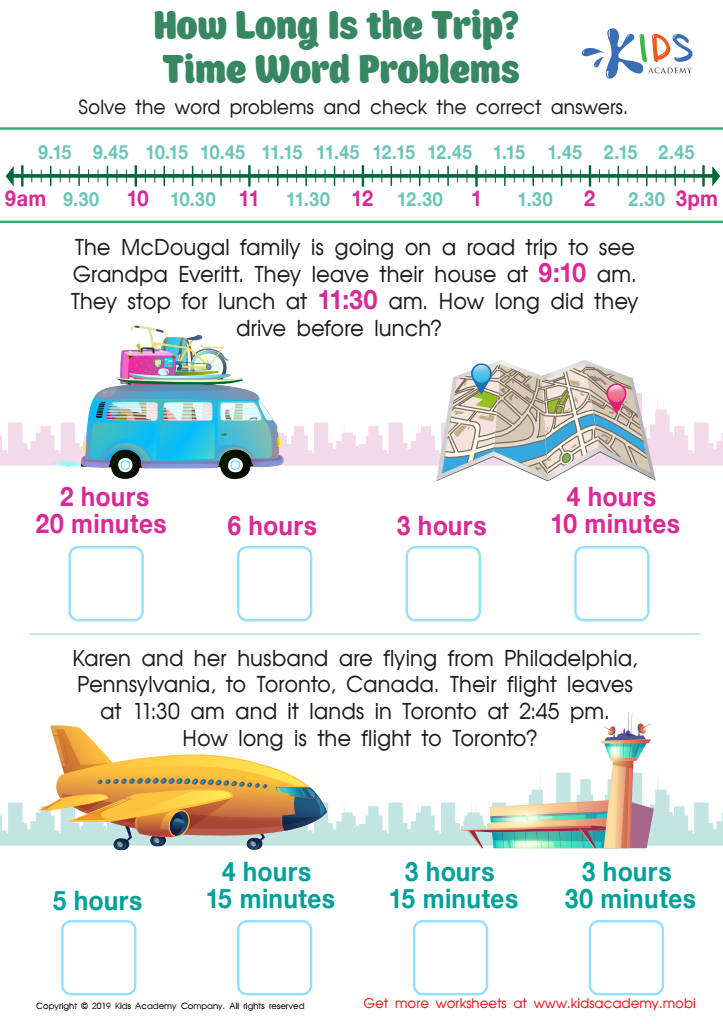
How long is the Trip? Time Word Problems Worksheet
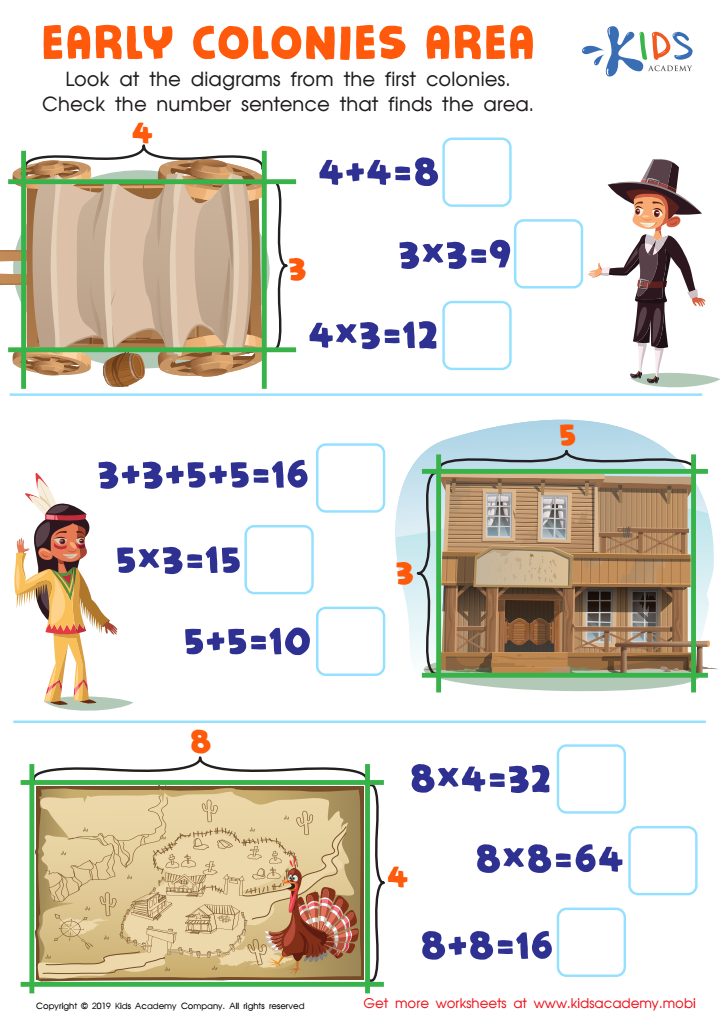
Early Colonies Area Worksheet
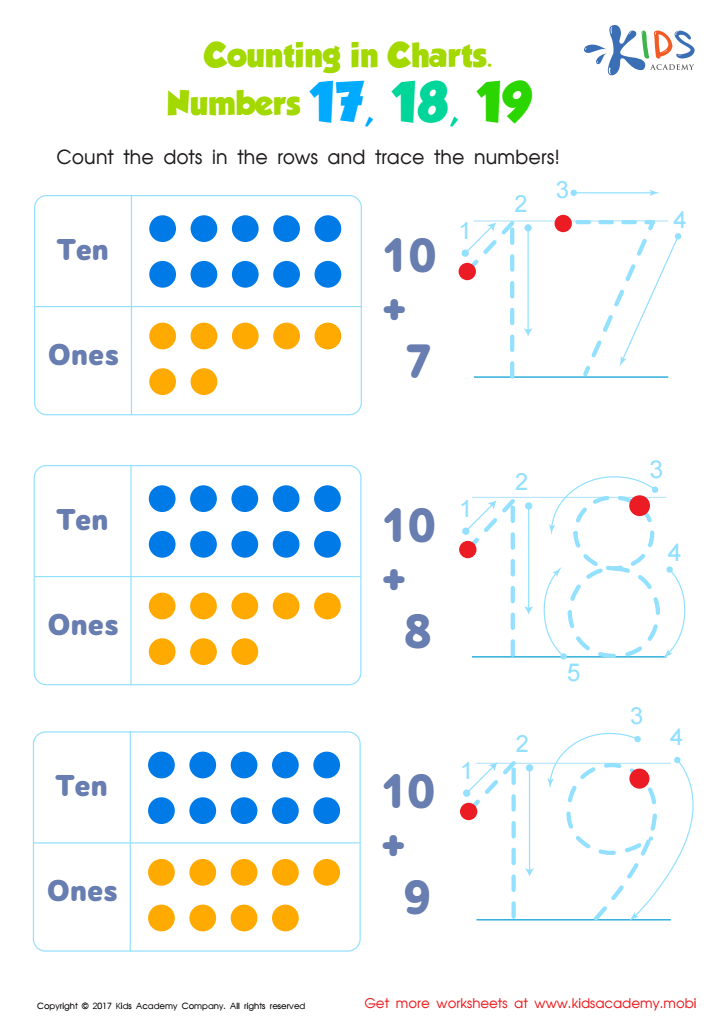
Kindergarten Number Tracing: Counting in Charts Worksheet
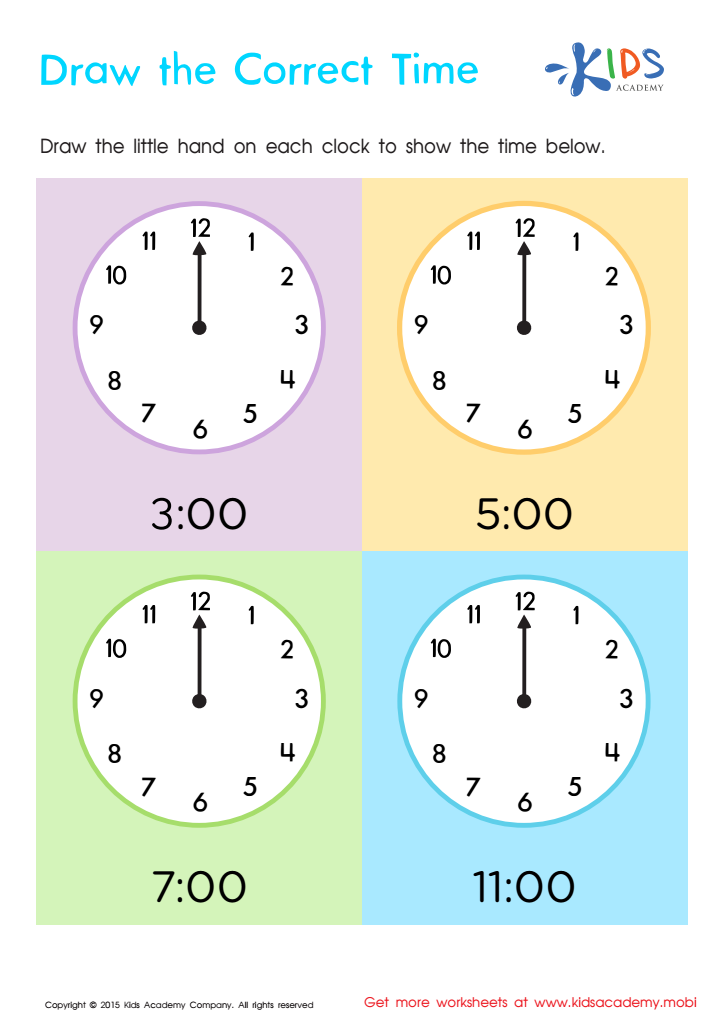
Telling The Time Worksheet: Part 1
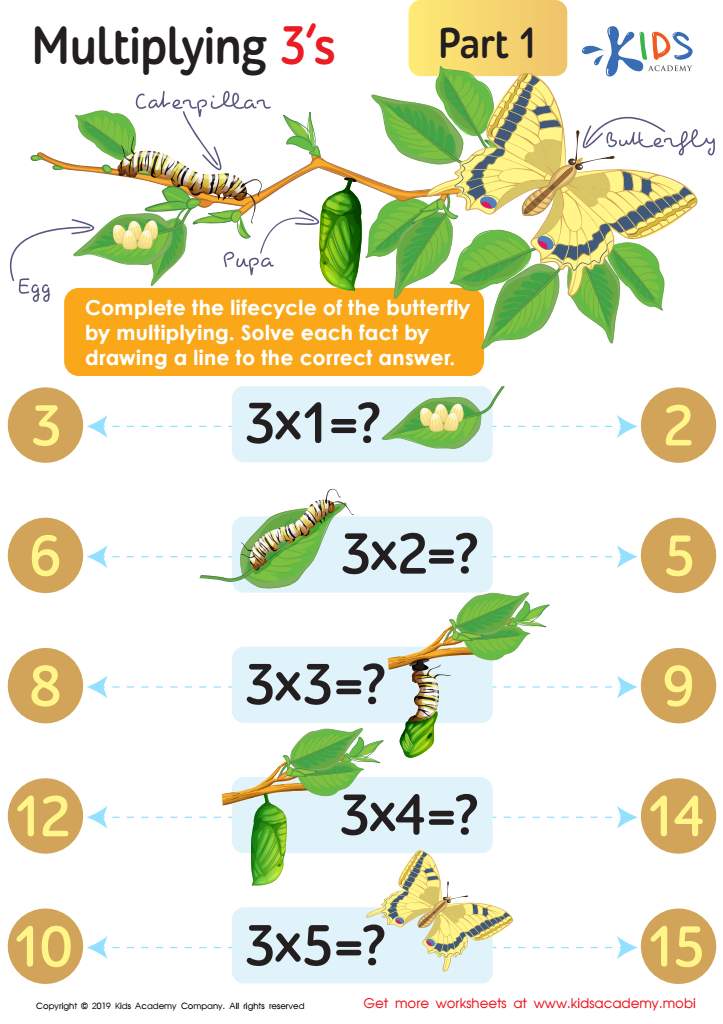
Multiplying 3’s Part 1 Worksheet
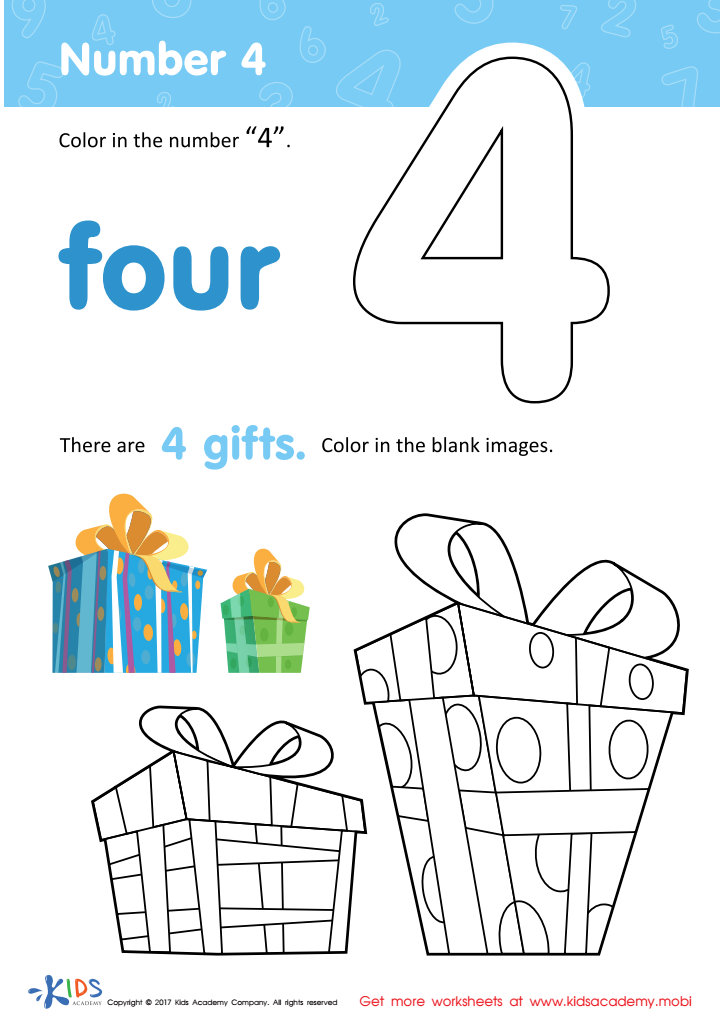
Number 4 Printable
Assign to My Students


.jpg)




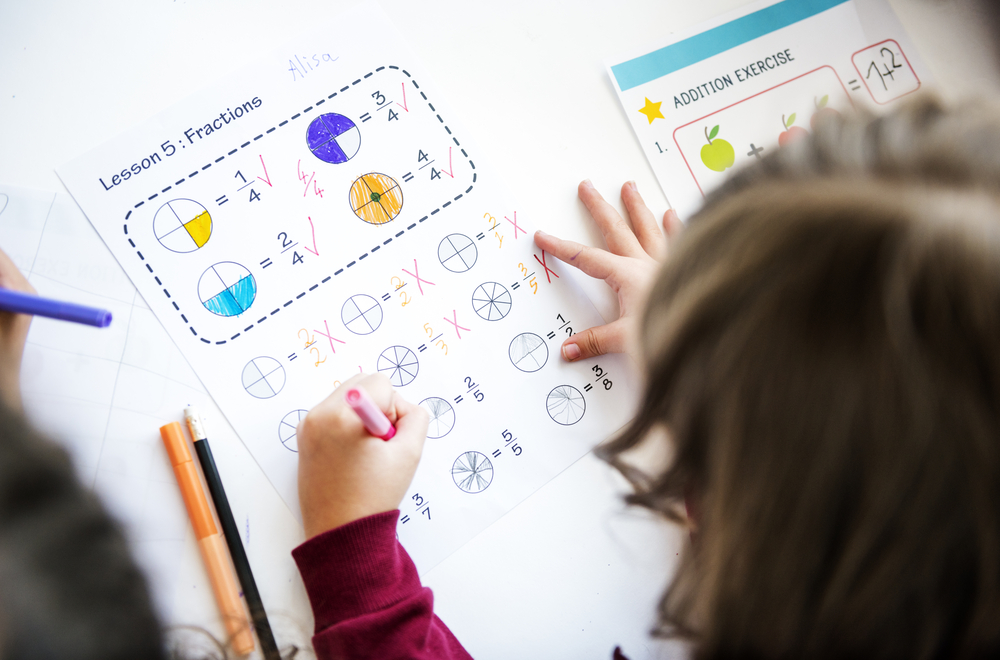
Introducing "Easy Math" for children aged 4-9 is essential because early math skills form the foundation of their future academic success and everyday problem-solving abilities. At this impressionable age, children are naturally curious and their brains are highly receptive to learning new concepts. Establishing a strong mathematical foundation helps build their confidence and promotes a positive attitude towards math.
Parents and teachers should recognize that early math instruction goes beyond just learning to count or recognize numbers. It encompasses developing critical thinking, pattern recognition, logical reasoning, and spatial awareness. These skills are integral not only in math, but across all subject areas and in real-life situations such as cooking, budgeting, or planning.
Supporting children in becoming comfortable with math at an early age reduces the likelihood of developing math anxiety. Math anxiety can hinder academic progress and limit career opportunities in STEM fields later in life. When children find math enjoyable and comprehensible, they are more likely to remain engaged and show interest in more complex concepts as they grow older.
Moreover, early math education often involves fun and interactive activities that incorporate games, storytelling, and hands-on learning, which keeps children engaged. Ensuring these foundational skills can be both an enjoyable and educational experience, paving the way for lifelong learning and curiosity.








