Number Recognition Easy Numbers up to 100 Worksheets for Ages 4-9
10 filtered results
-
From - To
Boost your child's number recognition skills with our engaging "Number Recognition Easy Numbers up to 100 Worksheets" designed specifically for ages 4-9. These worksheets provide a fun and effective way for young learners to familiarize themselves with numbers from 1 to 100 through colorful illustrations and interactive exercises. Each worksheet focuses on essential skills such as counting, number identification, and understanding number sequences, ensuring that children build a solid foundation in mathematics. Perfect for home learning or classrooms, our printable resources make learning enjoyable while promoting confidence in math. Download these worksheets today and watch your child thrive!
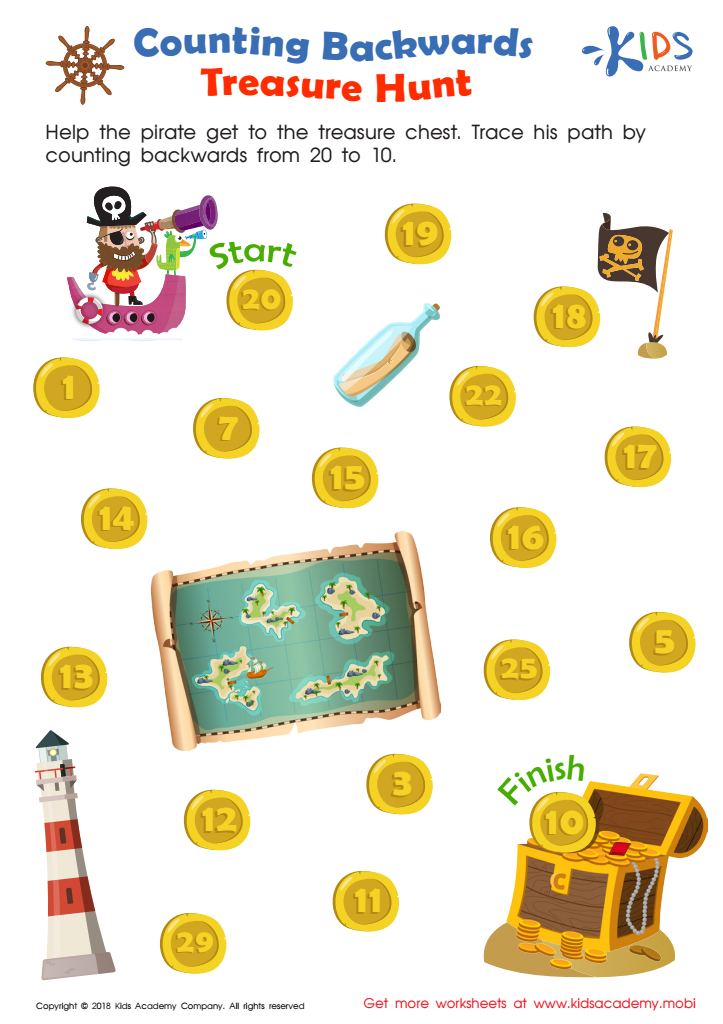
Counting Backwards: Treasure Hunt Worksheet
 Assign to My Students
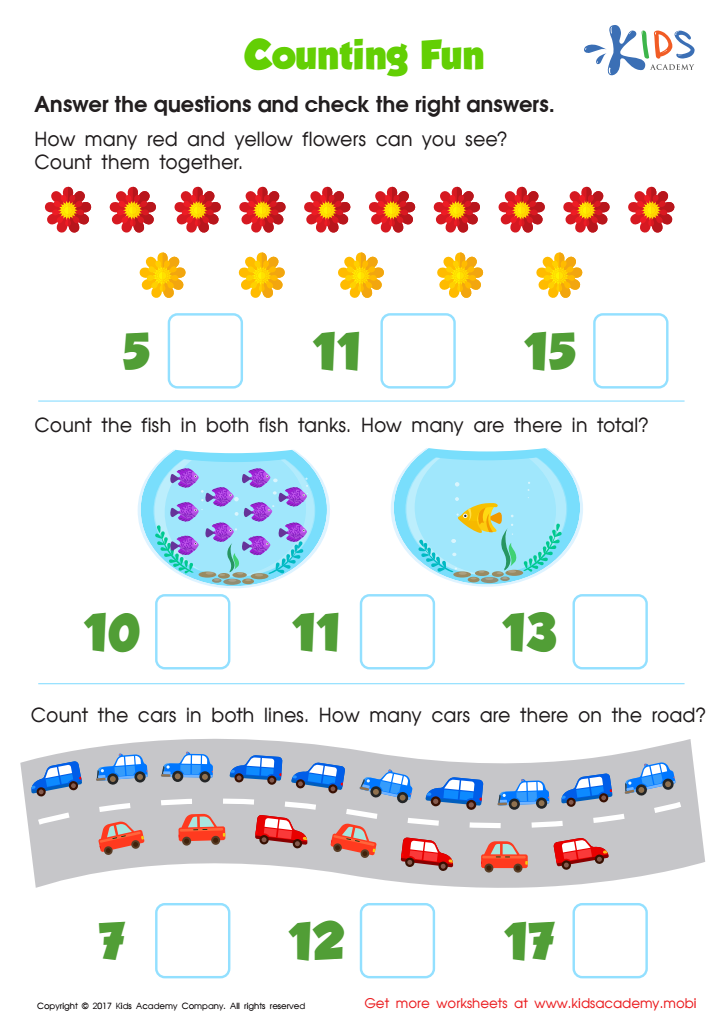
Counting Fun Worksheet
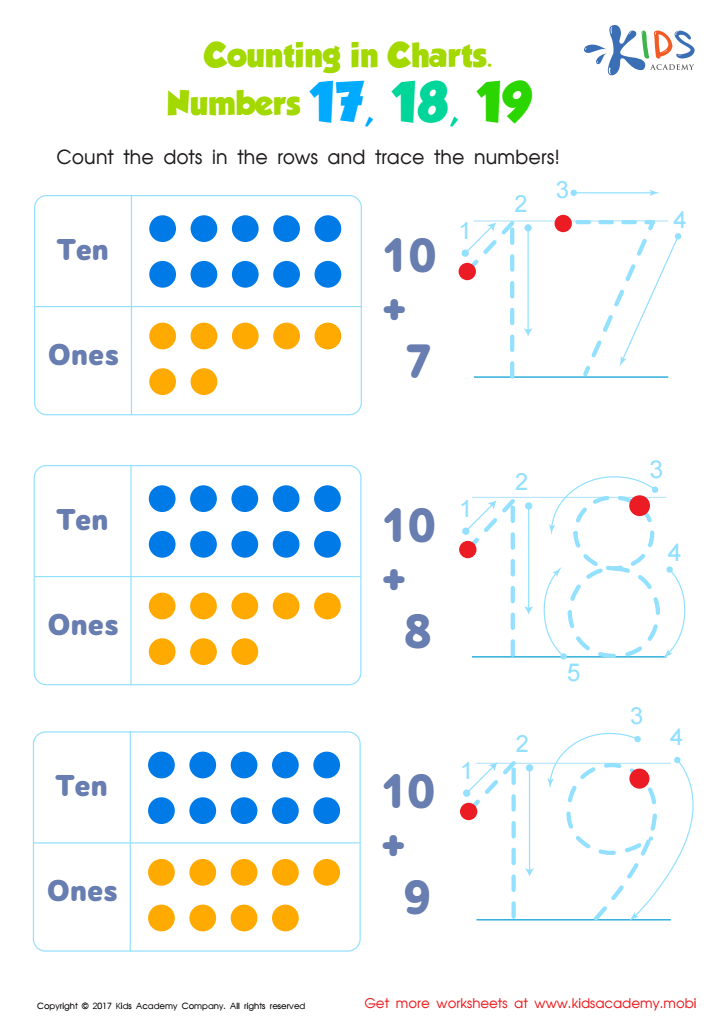
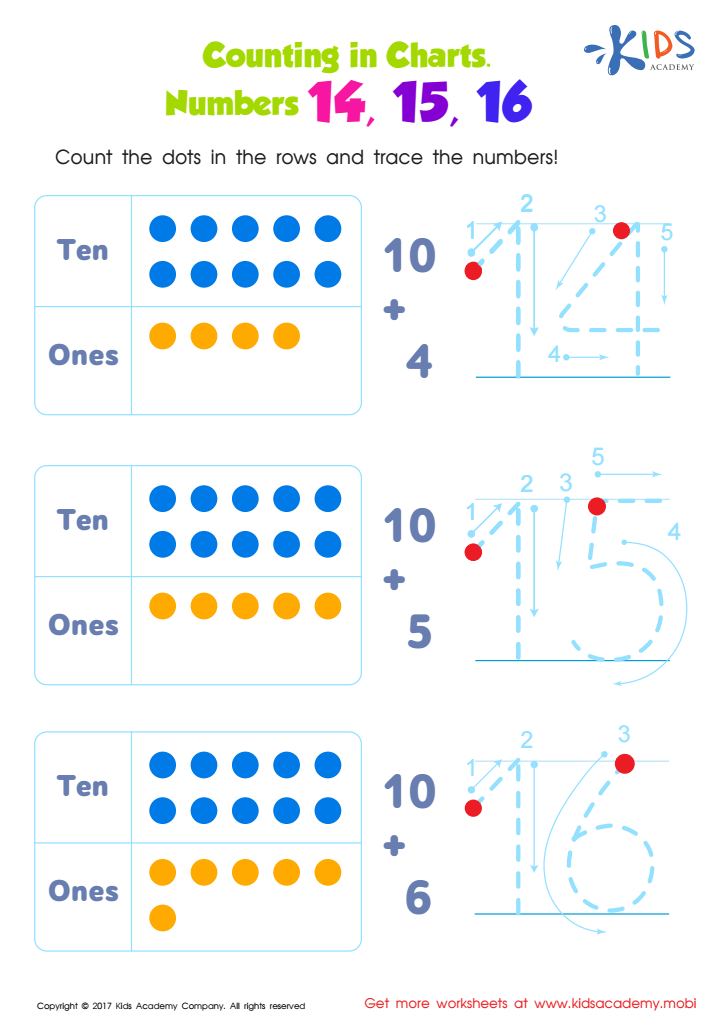
Kindergarten Number Tracing: Counting in Charts Worksheet
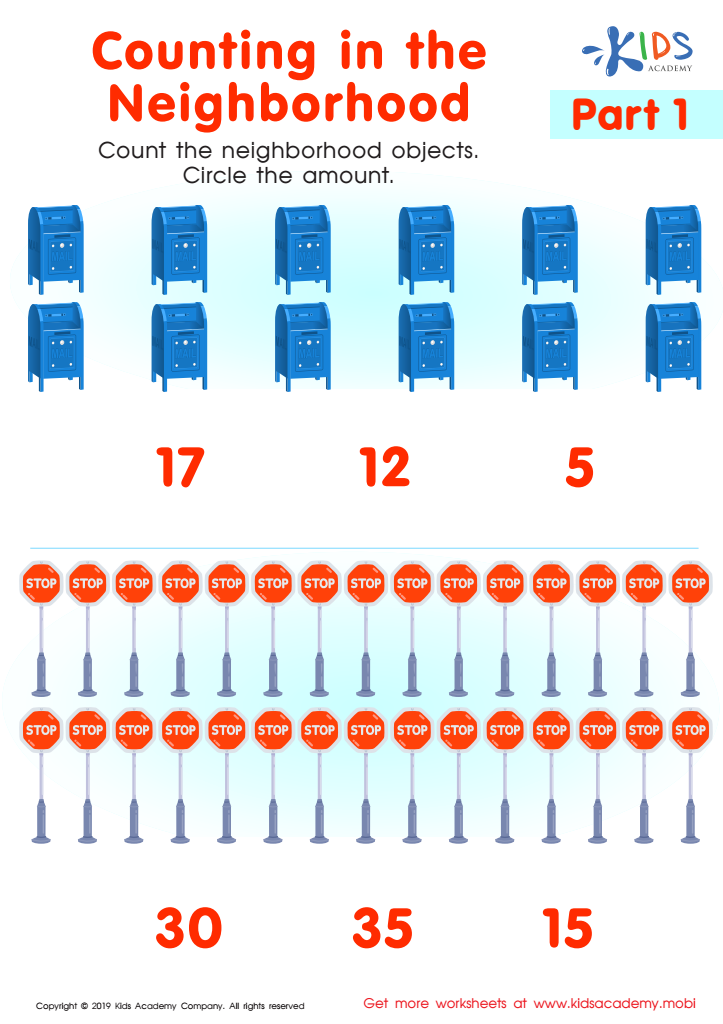
Counting in the Neighborhood Part1 Worksheet
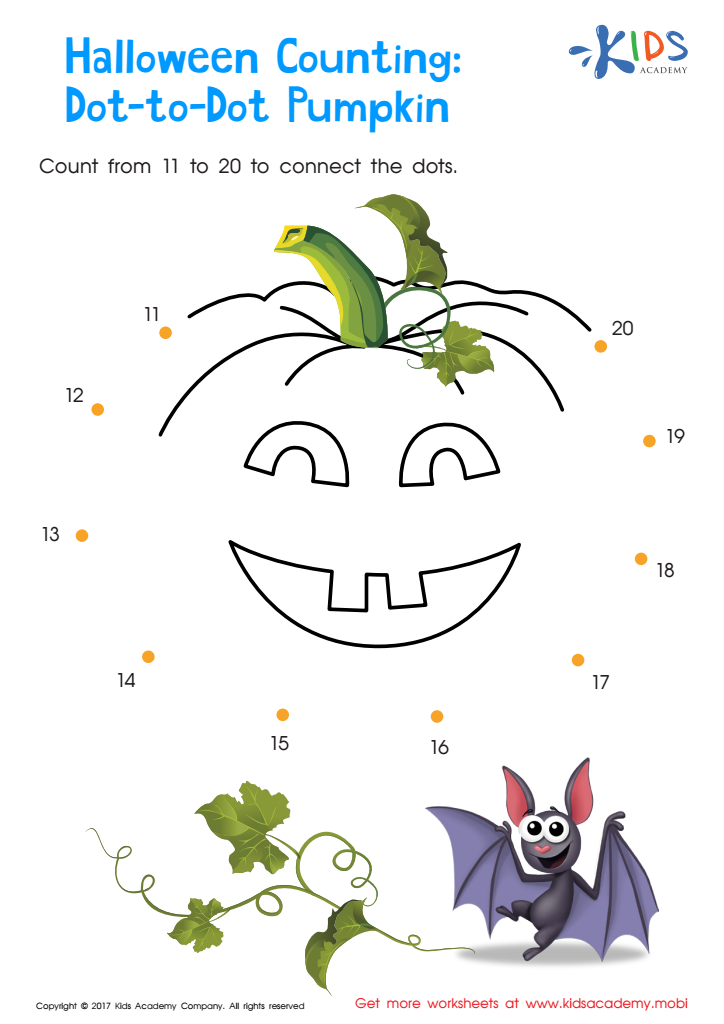
Ordering 11–20: Halloween Counting Worksheet
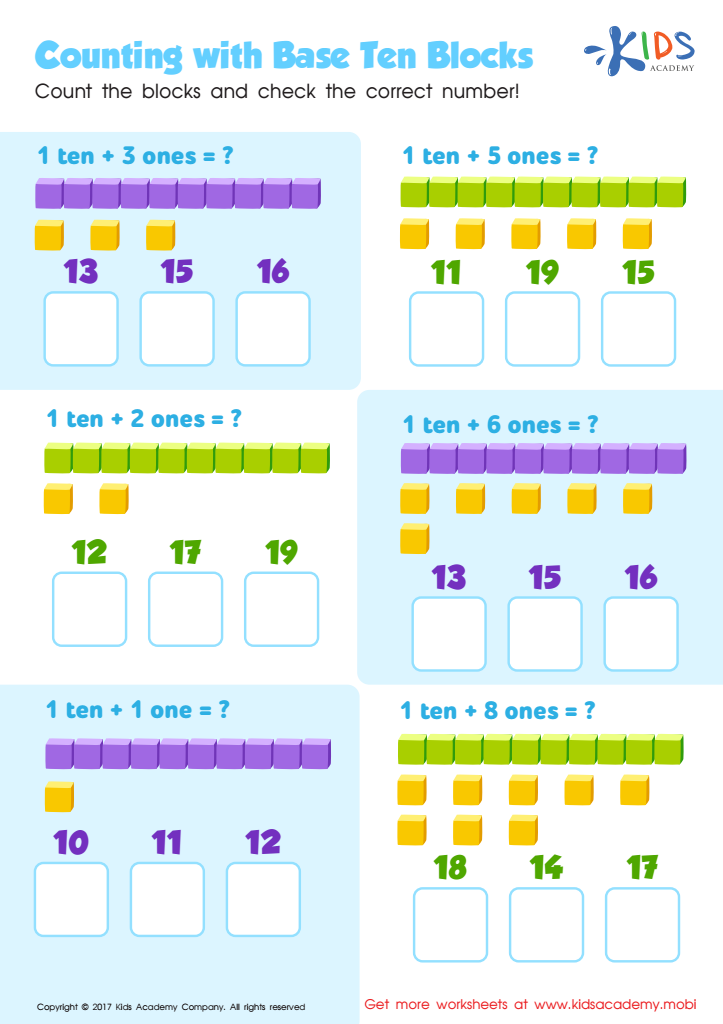
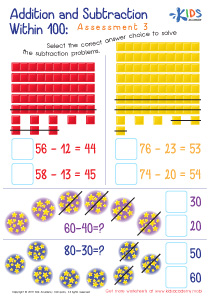
Counting with Base Ten Blocks Worksheet
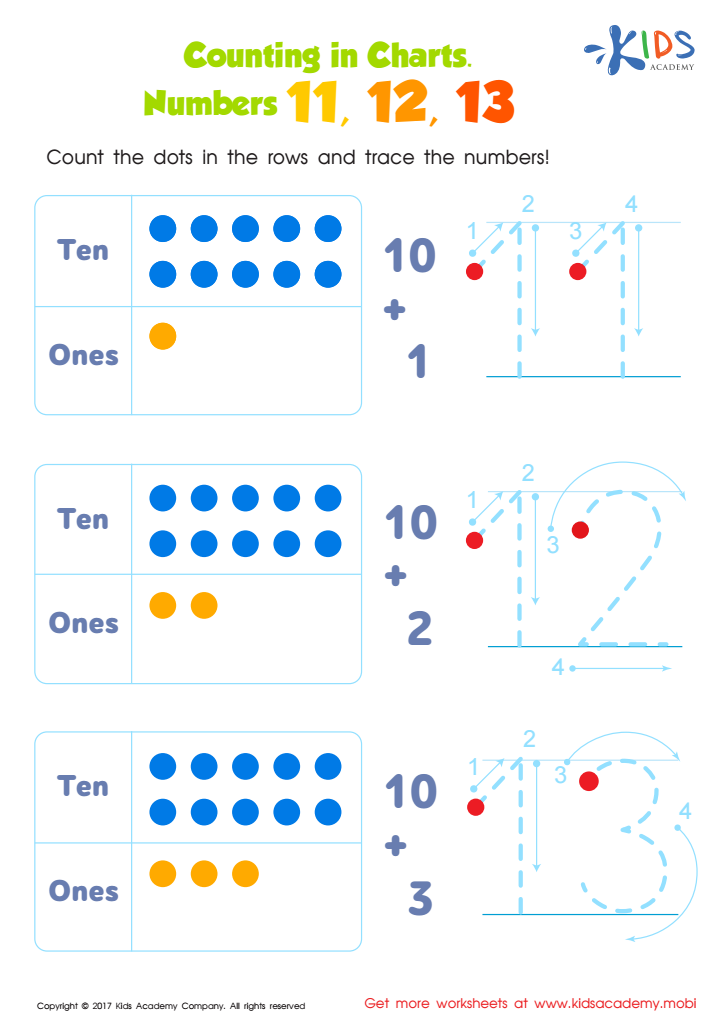
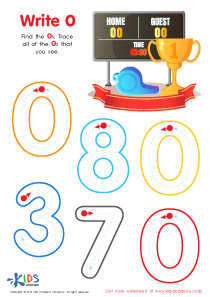
Number Tracing Worksheet For Kindergarten
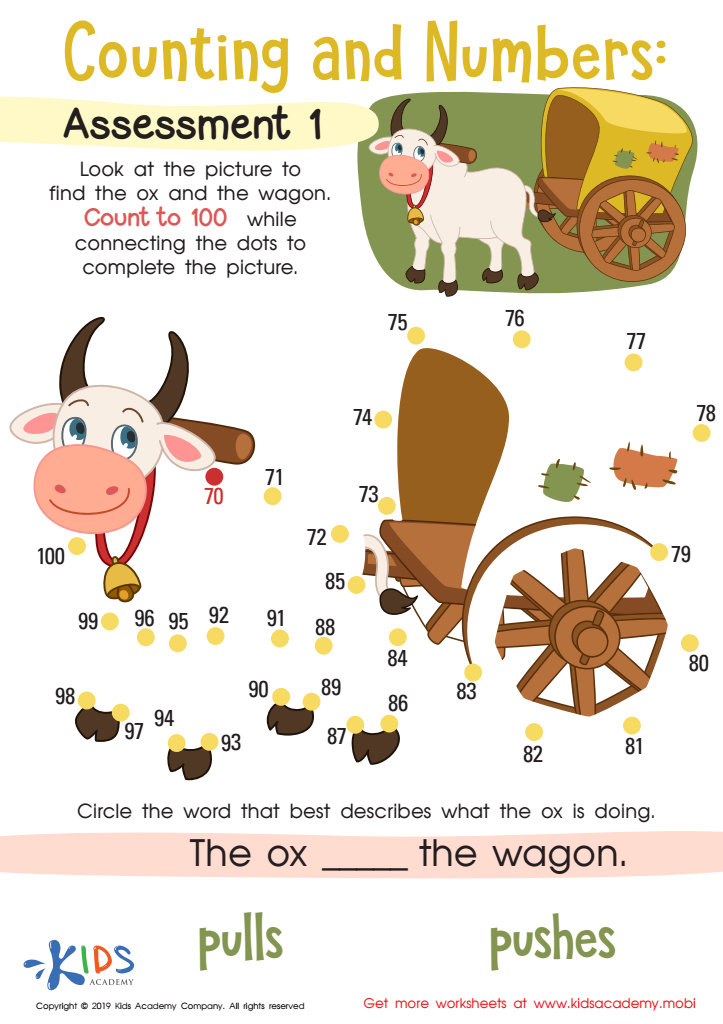
Counting and Numbers: Assessment 1 Worksheet
Number Tracing Worksheet

Counting on the City Skyline: Dot-to-Dot Worksheet




%20(1).jpg)



Number recognition is a foundational skill in early childhood education, crucial for children aged 4-9. As they begin to interact with the world of numbers, recognizing them easily activates cognitive development. This skill can directly impact their capacity to understand mathematical concepts as they grow. By developing number recognition, children can improve counting skills, engage in basic arithmetic, and make sense of more complex math operations later on.
Parents and teachers should prioritize this skill because it lays the groundwork for future learning. When children can identify numbers up to 100, they're better prepared for formal education. This recognition aids in daily life situations, such as reading prices, understanding time, and calculating basic scores in games, fostering confidence and independence.
Furthermore, focusing on number recognition also enhances vocabulary and language skills. Children learn to connect numbers with their meanings, enabling them to engage in basic problem-solving.
In an increasingly data-driven world, equipping young learners with number recognition skills means setting them up for future academic success. A solid grasp of numbers at an early age can ignite a lasting passion for math and sciences, essential literacy in today's technology-driven landscape. Thus, both parents and educators play a vital role in nurturing this essential component of early learning.