Comprehension skills Easy Worksheets for 4-Year-Olds
4 filtered results
-
From - To
Discover our engaging "Comprehension Skills Easy Worksheets for 4-Year-Olds," designed to make learning fun and effective. These worksheets aim to enhance essential reading comprehension skills through playful activities tailored for young learners. Each worksheet features colorful illustrations and simple text, encouraging children to connect ideas and improve understanding. Perfect for both home and classroom settings, these resources promote critical thinking and language development in a stress-free atmosphere. Dive into the world of reading with our easy-to-use worksheets that make comprehension a delightful experience for your little ones. Start nurturing their love for stories and learning today!
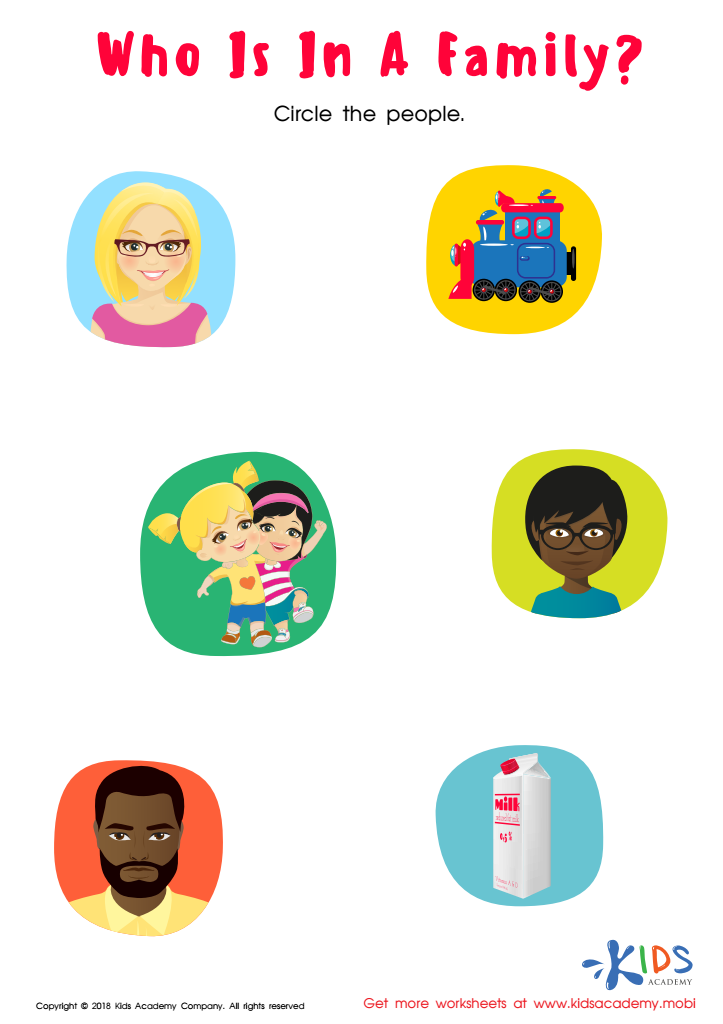
Who Is in a Family? Worksheet
 Assign to My Students
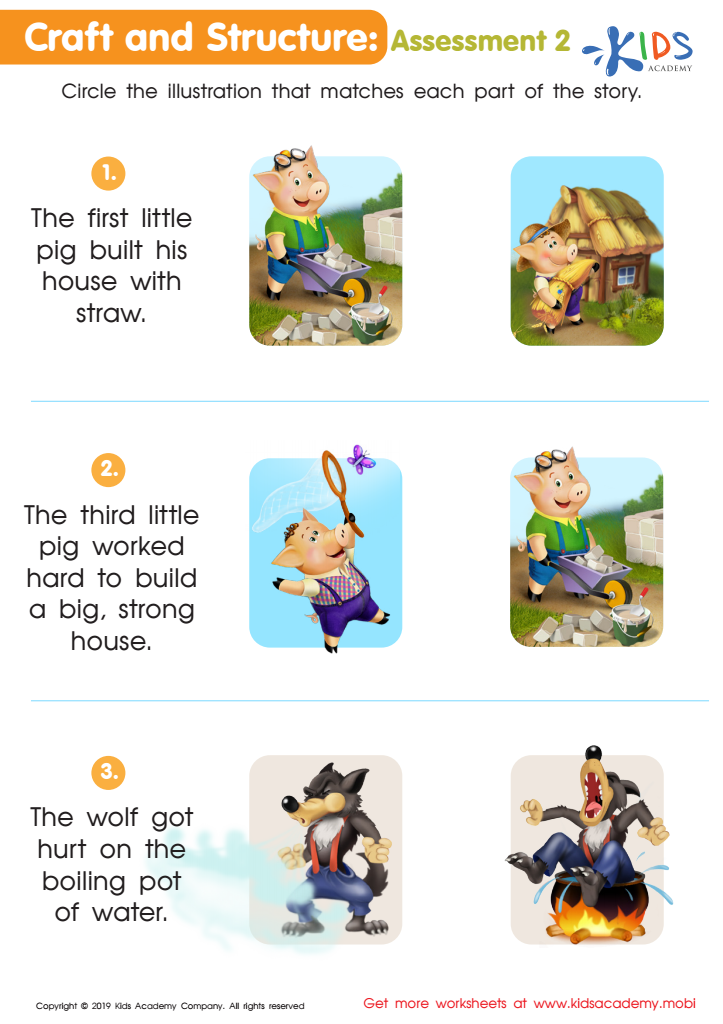
Craft and Structure: Assessment 2 Worksheet 2
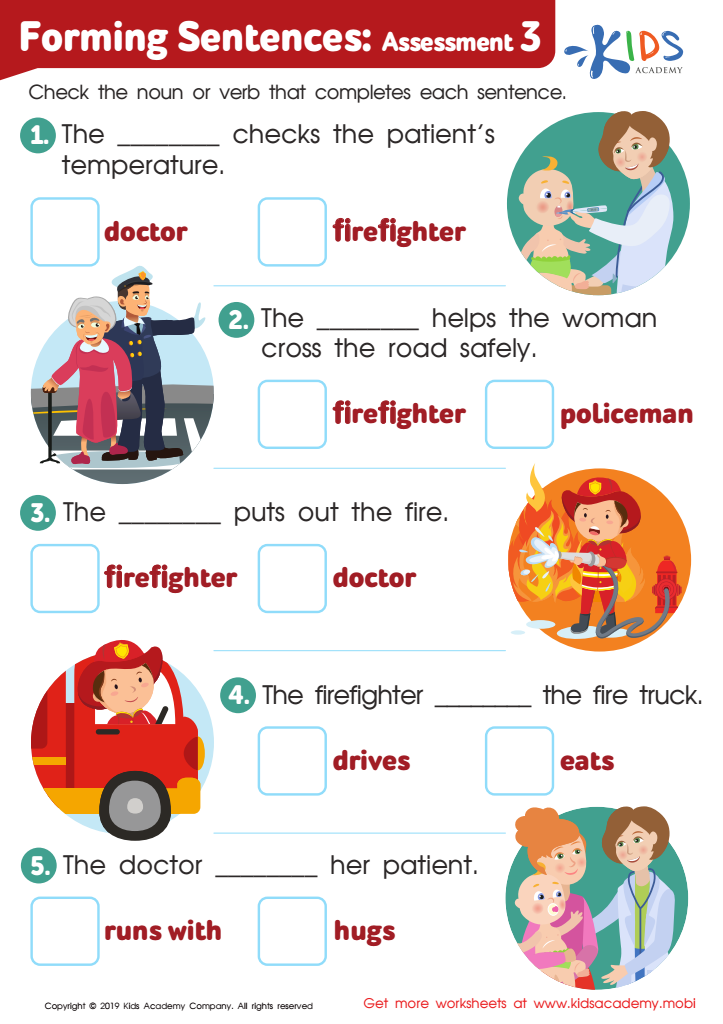
Forming Sentences: Assessment 3 Worksheet
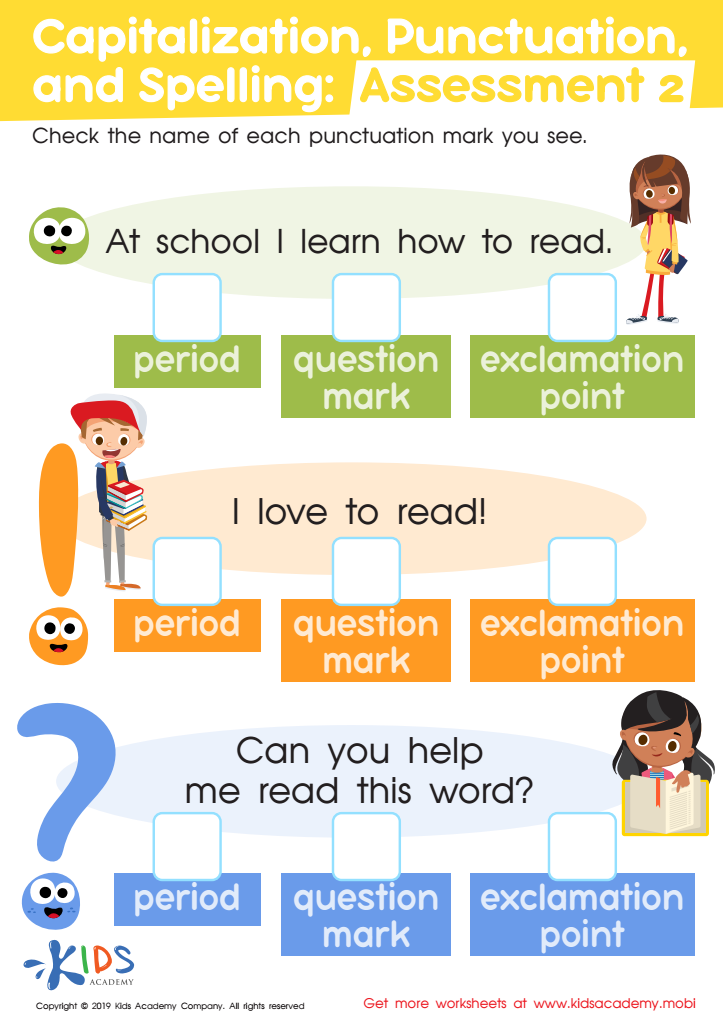
Capitalization. Punctuation. Spelling: Assessment 2 Worksheet







Comprehension skills are crucial for 4-year-olds as they lay the foundation for future learning and success. At this age, children are naturally curious and eager to understand the world around them. Enhancing their comprehension skills helps them make sense of stories, instructions, and daily experiences, fostering a love for learning and exploration.
When parents and teachers prioritize comprehension skills, they nurture children’s ability to grasp the meaning of words and concepts. This skill enables young learners to follow along during storytime, relate to characters, and predict outcomes, ultimately enhancing their enjoyment of reading. It encourages verbal expression as children articulate their thoughts and feelings about what they learn.
Additionally, strong comprehension skills promote critical thinking and problem-solving. As children learn to infer, analyze, and summarize, they become equipped to tackle challenges both academically and socially. For parents and teachers, cultivating these skills means guiding children to become confident communicators and independent thinkers.
In essence, emphasizing comprehension skills at a young age lays a strong reservoir of knowledge and understanding, setting the stage for a lifelong love of learning and achievement in school and beyond. Investing in these early skills is essential for maximizing a child’s potential.








