Cognitive Development Easy Numbers Worksheets for 4-Year-Olds
11 filtered results
-
From - To
Explore our engaging "Cognitive Development Easy Numbers Worksheets" designed specifically for 4-year-olds! These interactive worksheets promote essential cognitive skills while making learning fun. Your little ones will develop number recognition, counting, and problem-solving abilities through colorful activities and playful exercises. Each worksheet encourages critical thinking and creativity, ensuring a well-rounded educational experience. With easily understandable instructions, children can seamlessly follow along and gain confidence in their math skills. Ideal for at-home learning or classroom activities, these worksheets provide countless opportunities to reinforce cognitive development in an enjoyable way. Start your child's math journey today with our delightful and educational materials!
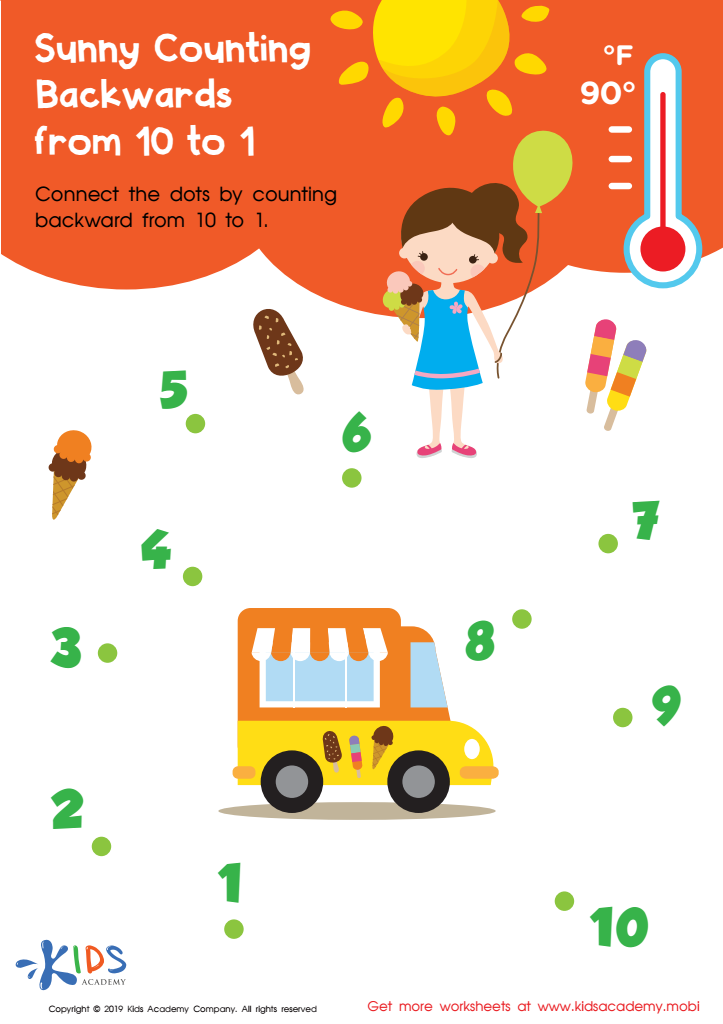
Sunny Counting Backwards from 10 to 1 Worksheet
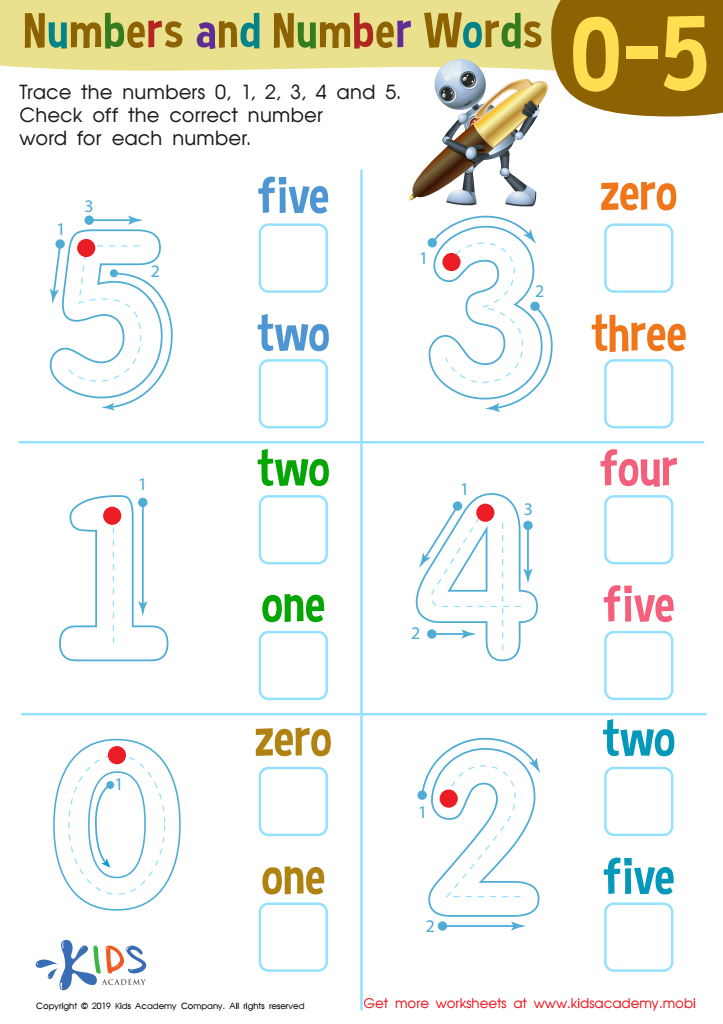
Numbers and Number Words Worksheet
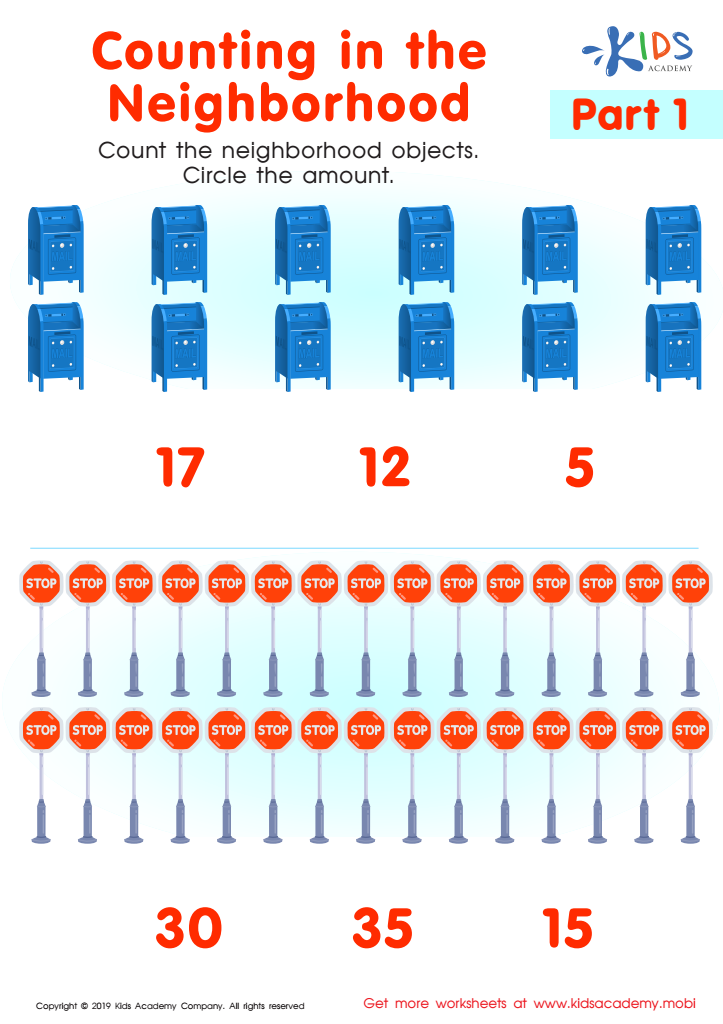
Counting in the Neighborhood Part1 Worksheet
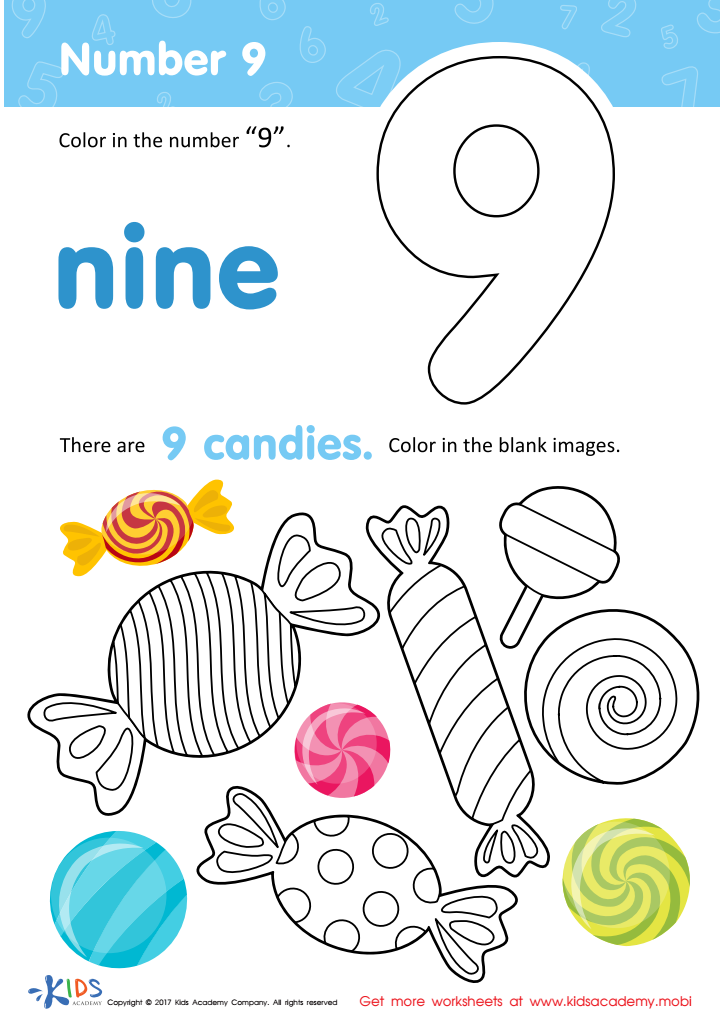
Number 9 Printable
 Assign to My Students
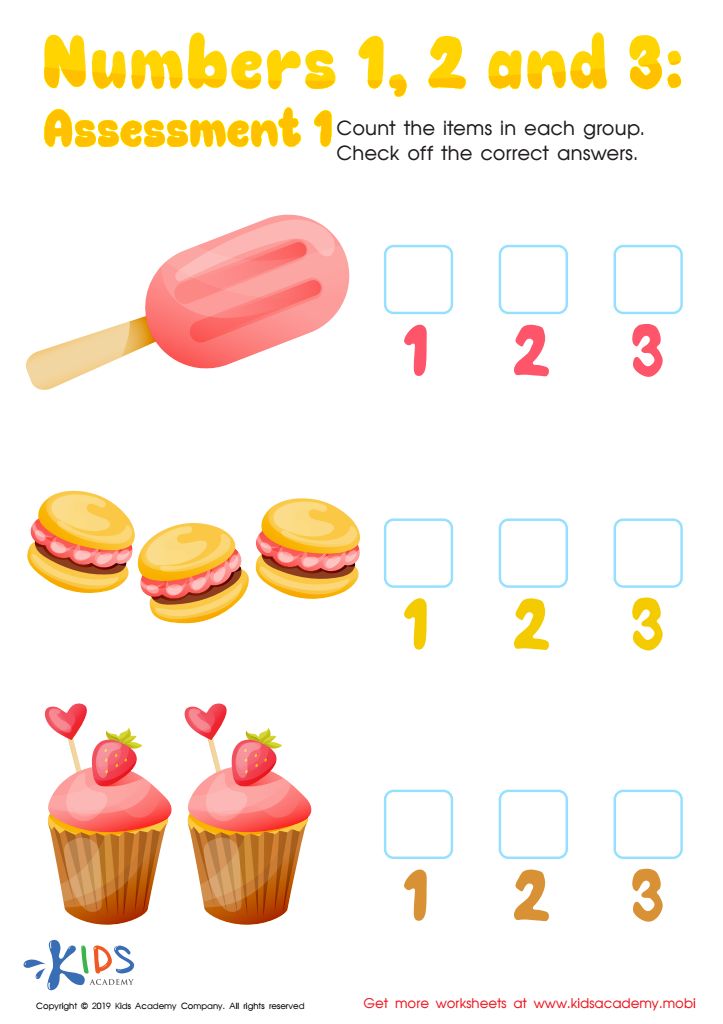
Numbers 1, 2 and 3: Assessment 1 Worksheet

Build with 9 Worksheet
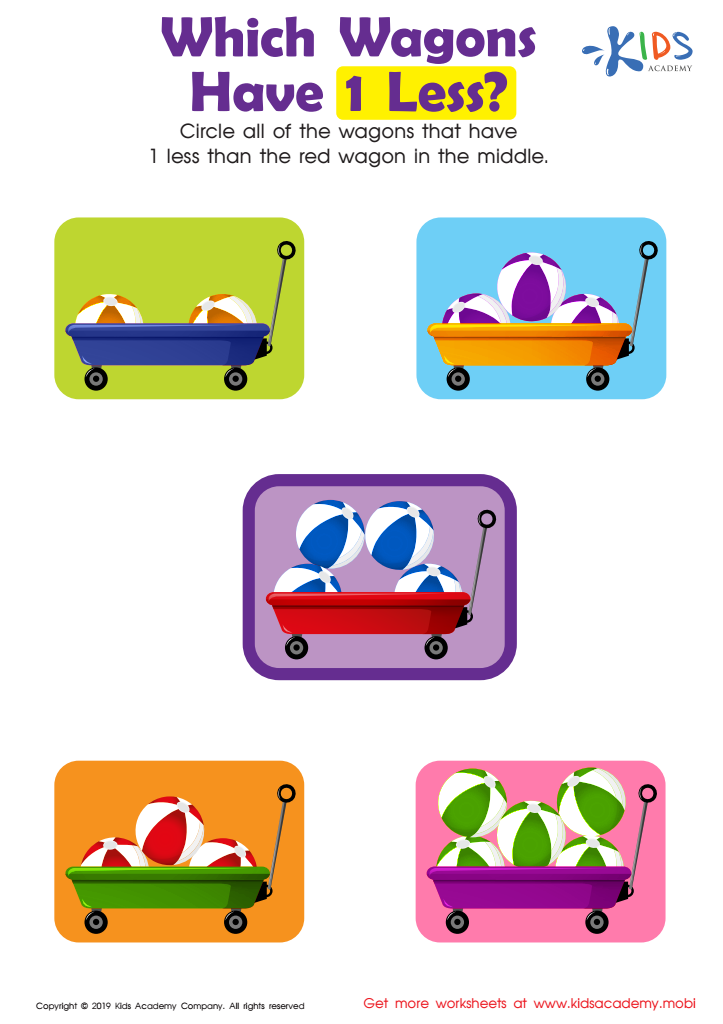
Which Wagons Have 1 Less? Worksheet
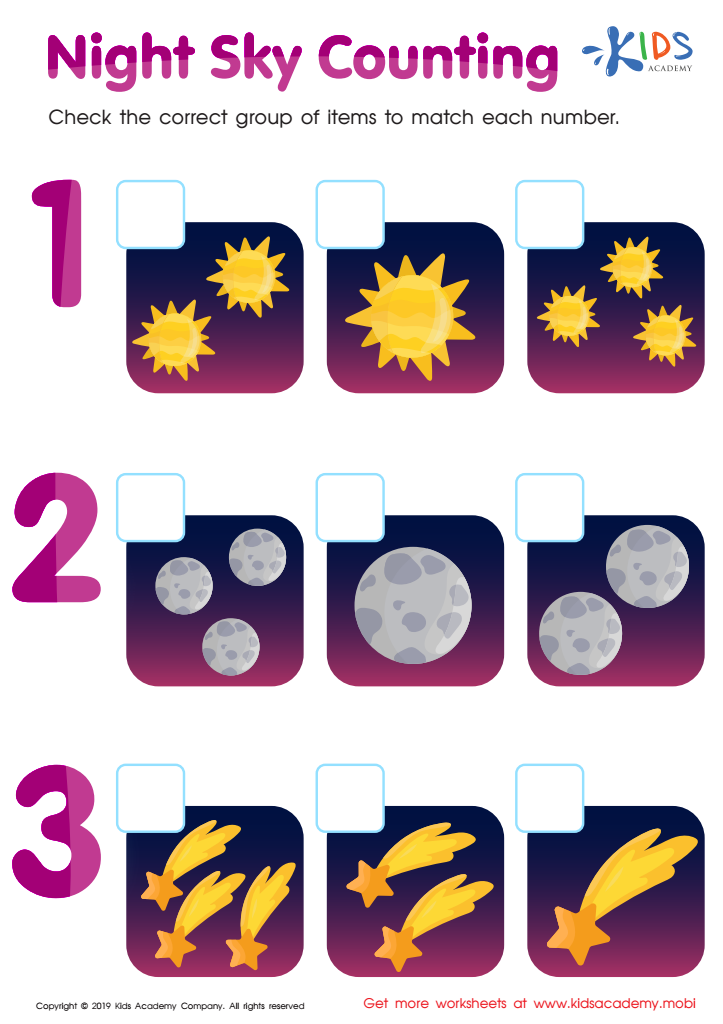
Night Sky Counting Worksheet
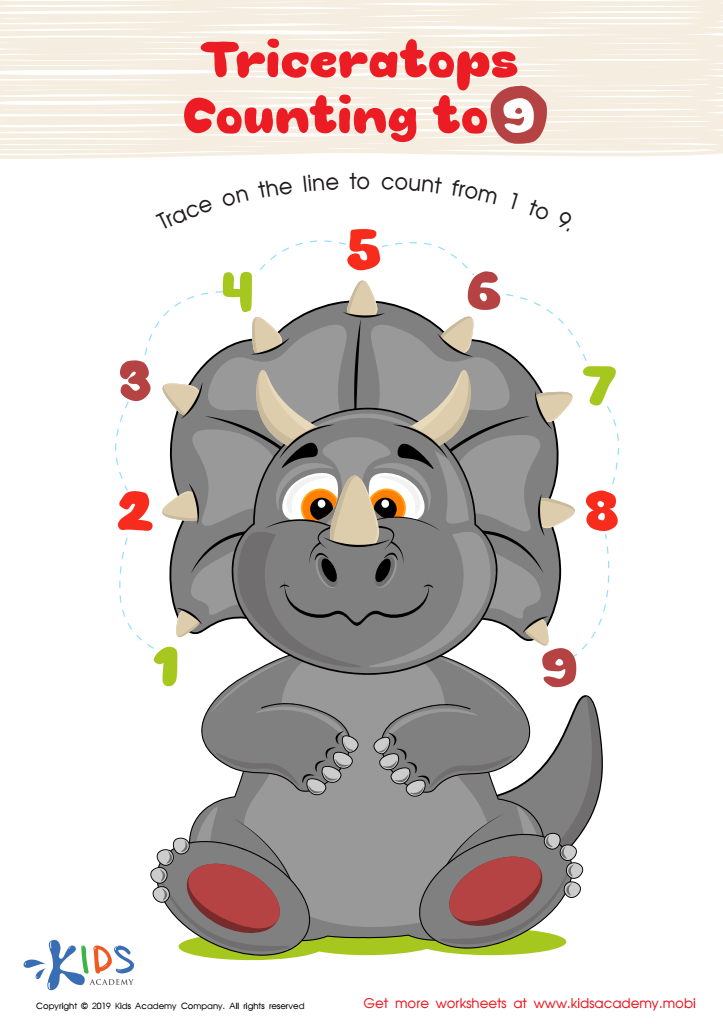
Triceratops Counting to 9 Worksheet
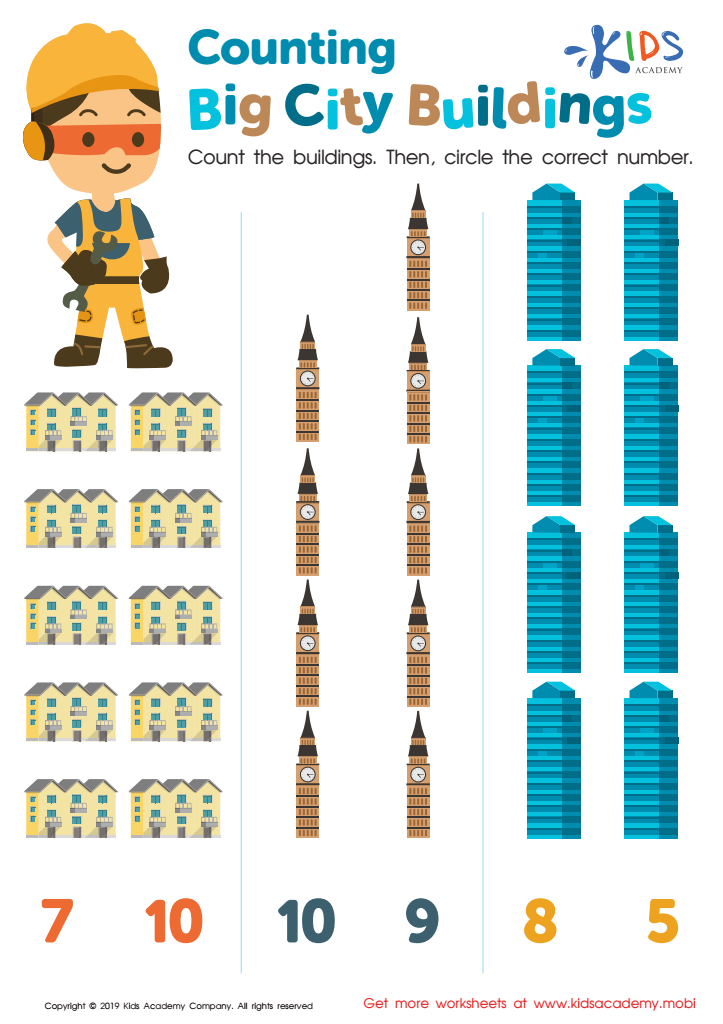
Counting Big City Buildings Worksheet

Night Sky Numbers Worksheet








Cognitive development in young children, particularly for 4-year-olds, is crucial for their overall growth and future success. At this age, children are rapidly developing essential skills such as memory, problem-solving, and language. Understanding easy numbers lays the foundation for arithmetic and mathematical concepts later on, enhancing their ability to think critically and logically.
Parents and teachers should care because early cognitive skills significantly impact a child’s self-confidence and academic performance. Engaging children with activities involving easy numbers—like counting objects, recognizing patterns, or simple addition and subtraction—can foster their curiosity and enthusiasm for learning. This interactive approach not only equips kids with vital mathematical skills but also sharpens their attention span and promotes analytical thought processes.
Furthermore, a strong foundation in numeracy helps close the achievement gap, ensuring all children, regardless of background, have the tools they need to thrive in school and beyond. Ultimately, nurturing cognitive development through easy numbers allows children to grow into well-rounded individuals who confidently navigate challenges, sets a lifelong learning trajectory, and prepares them for more complex subjects later in their educational journey. Investing time and attention in these formative years yields significant benefits in the long run.








