Hand-eye Coordination Easy Math Worksheets for 4-Year-Olds
16 filtered results
-
From - To
Boost your child's learning experience with our Hand-eye Coordination Easy Math Worksheets designed specifically for 4-year-olds. These engaging worksheets combine fun activities, colorful visuals, and simple math concepts to help little learners enhance their hand-eye coordination while practicing essential math skills. Perfect for home or classroom use, our printable worksheets encourage children to trace shapes, connect dots, and solve basic math problems, fostering both cognitive and motor skill development. Explore our creative selection of easy-to-follow exercises that make learning math enjoyable and interactive, laying a strong foundation for future academic success. Start your child’s mathematical journey today!
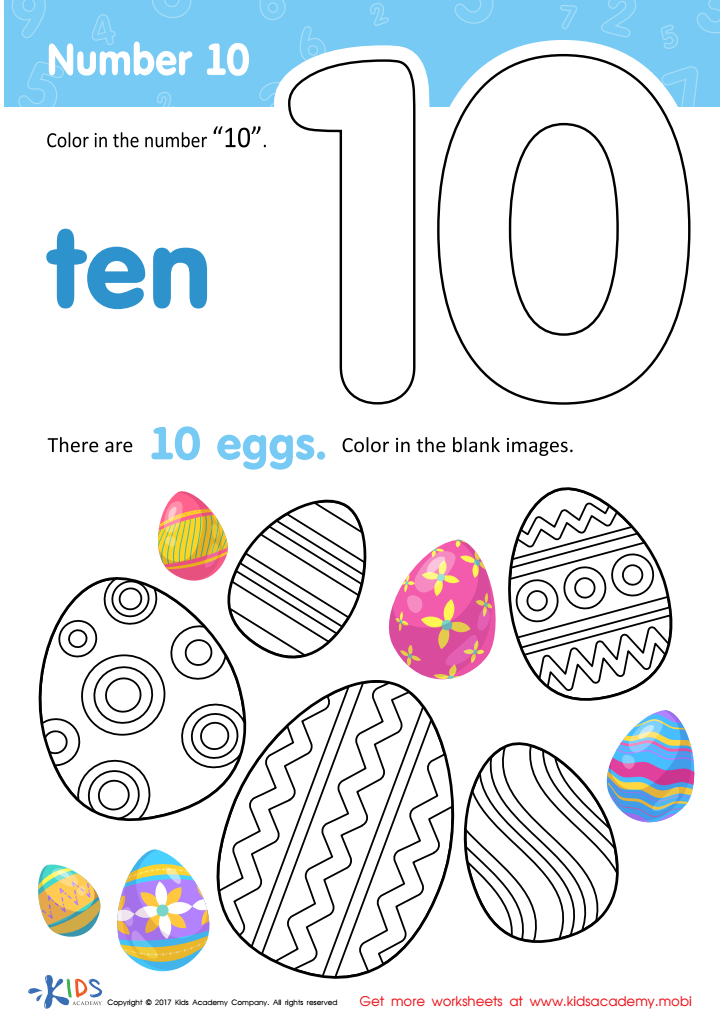
Number 10 Printable
 Assign to My Students
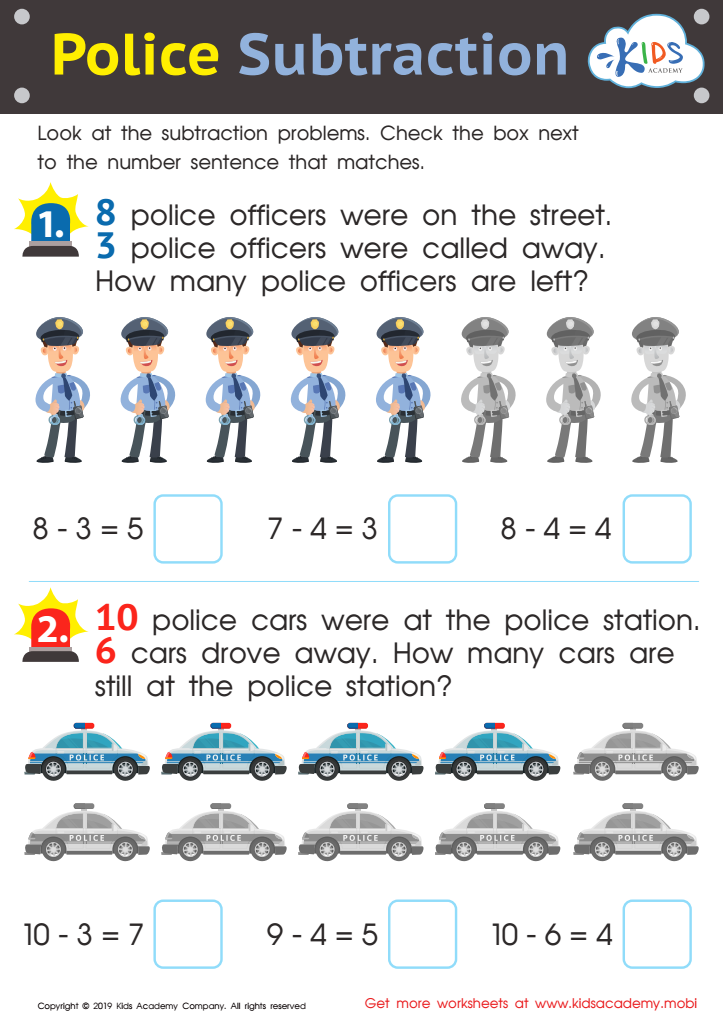
Police Subtraction Worksheet
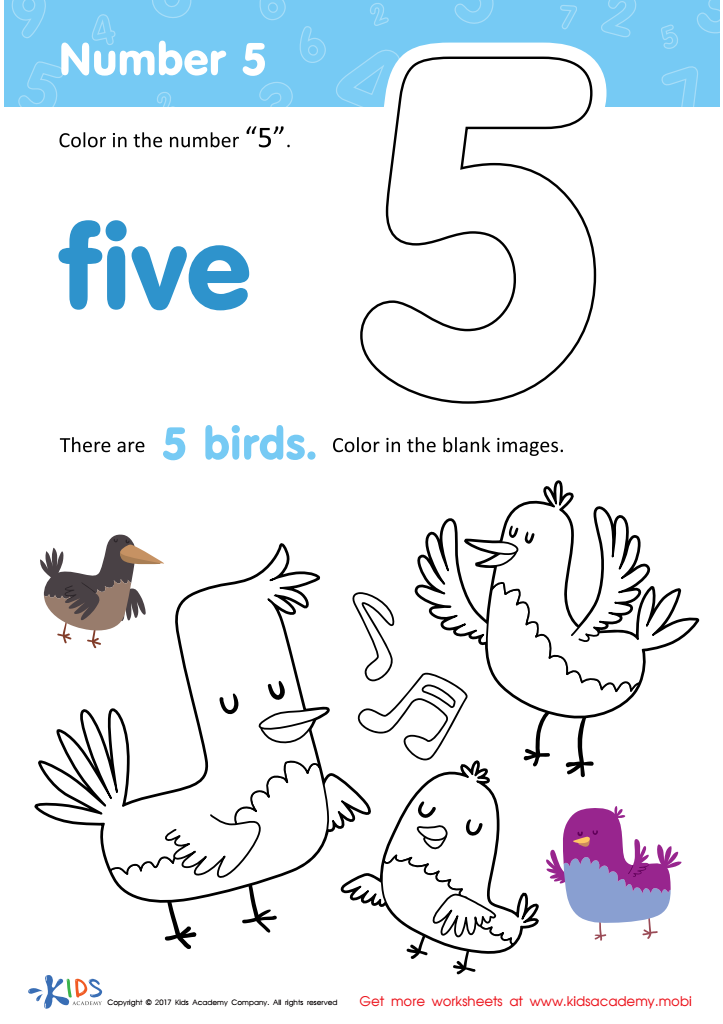
Number 5 Printable
Assign to My Students
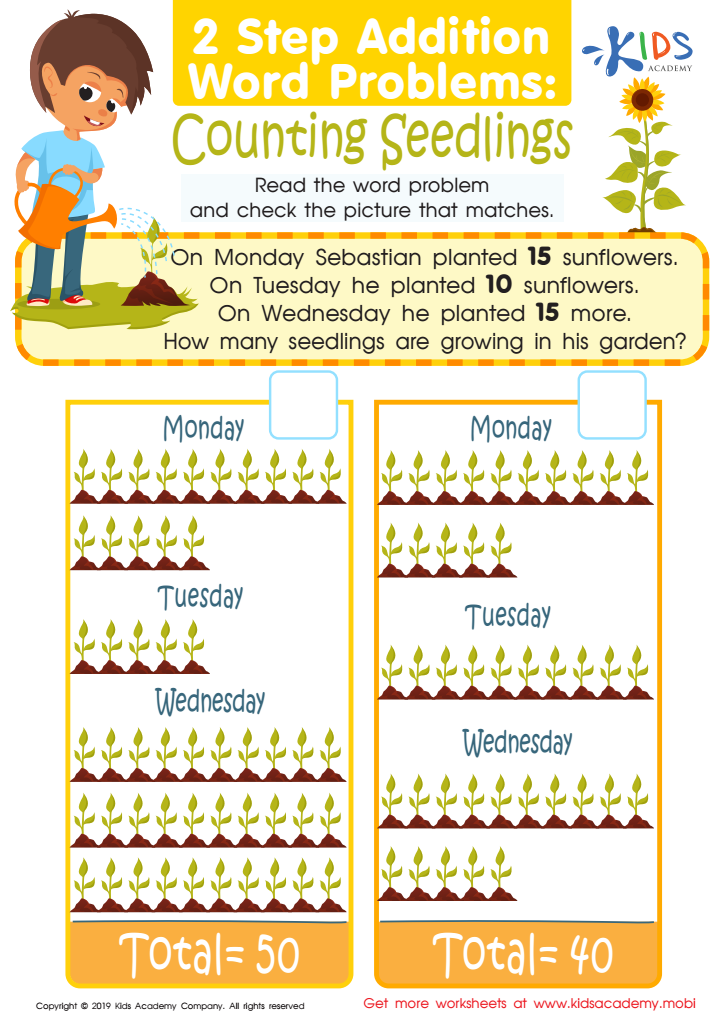
Counting Seedlings Worksheet
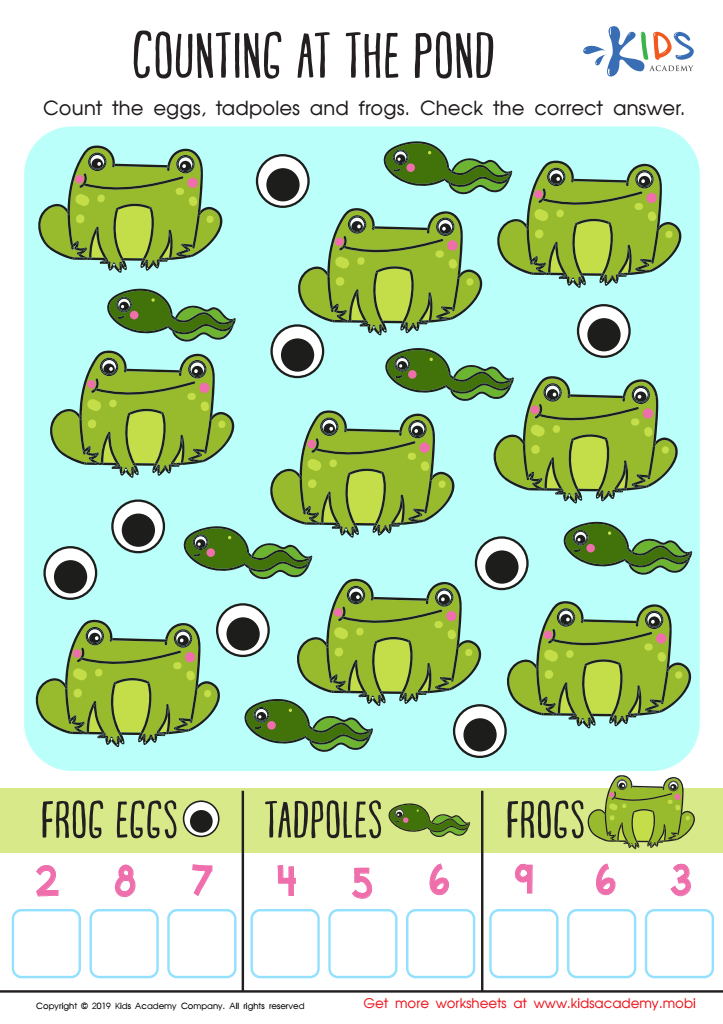
Counting at the Pond Worksheet
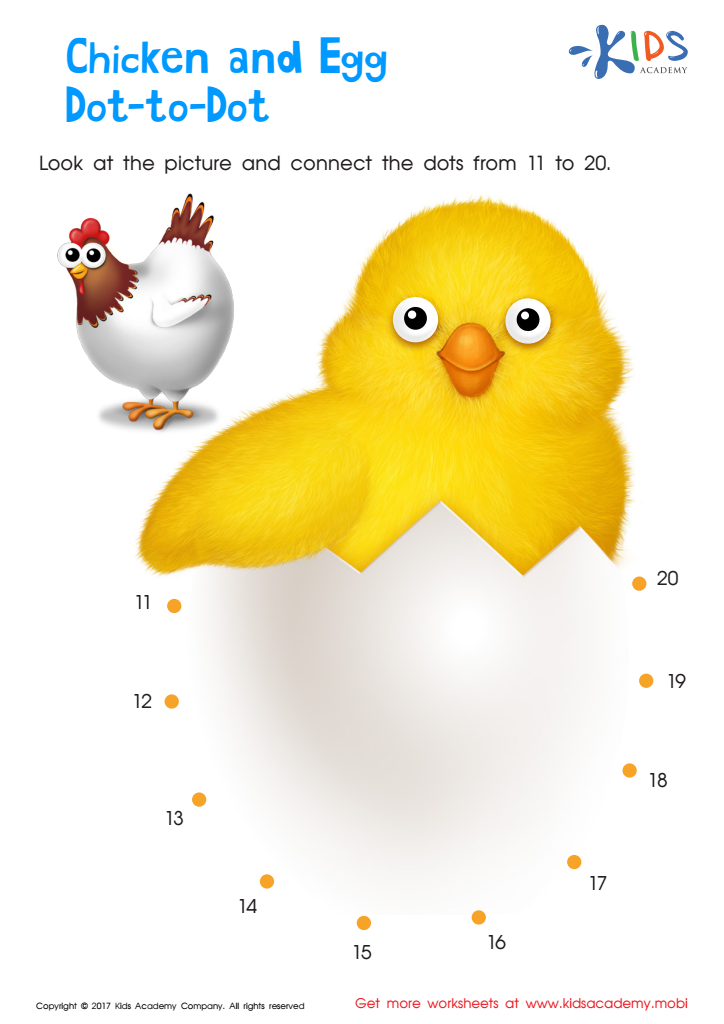
Ordering 11–20: Chicken & Egg Dot–to–dot Worksheet
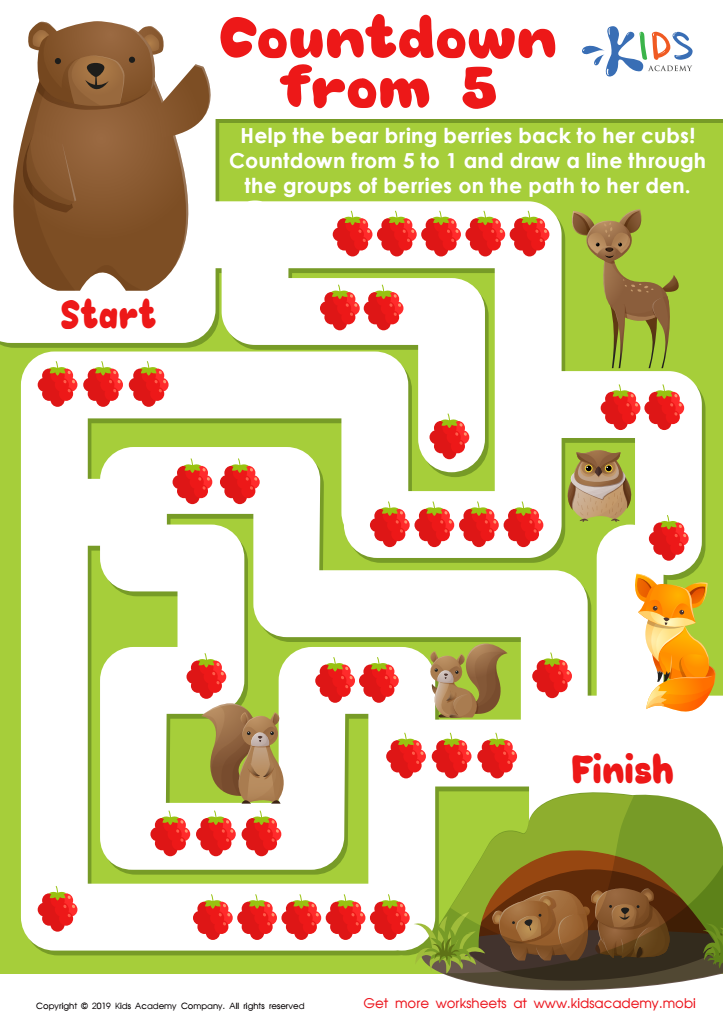
Countdown from 5 Worksheet
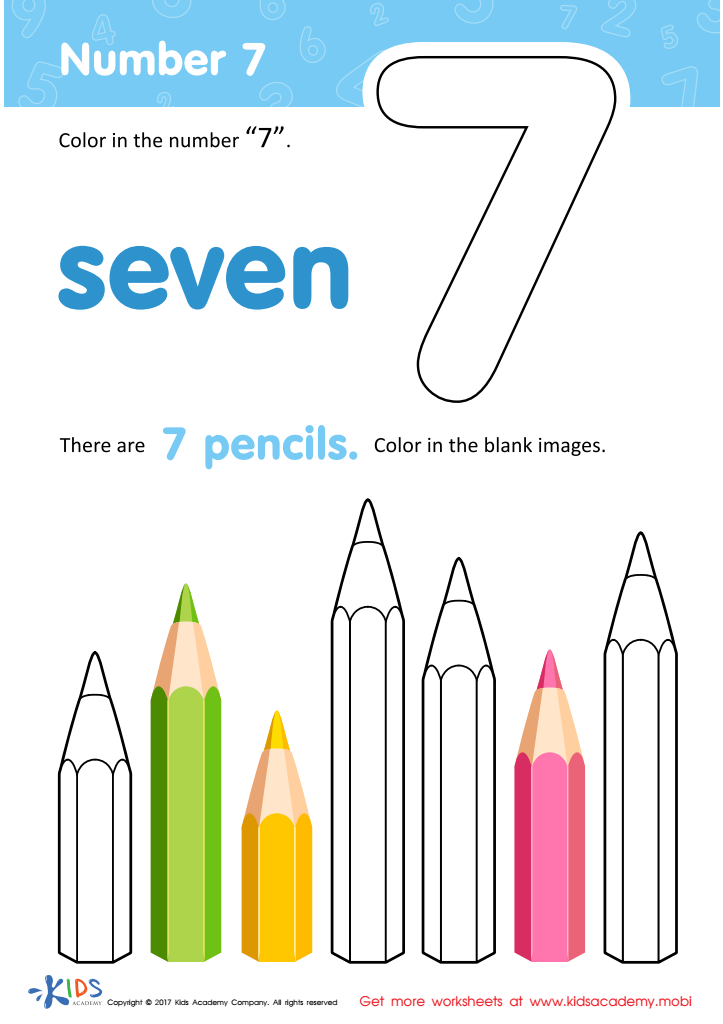
Number 7 Worksheet
Assign to My Students
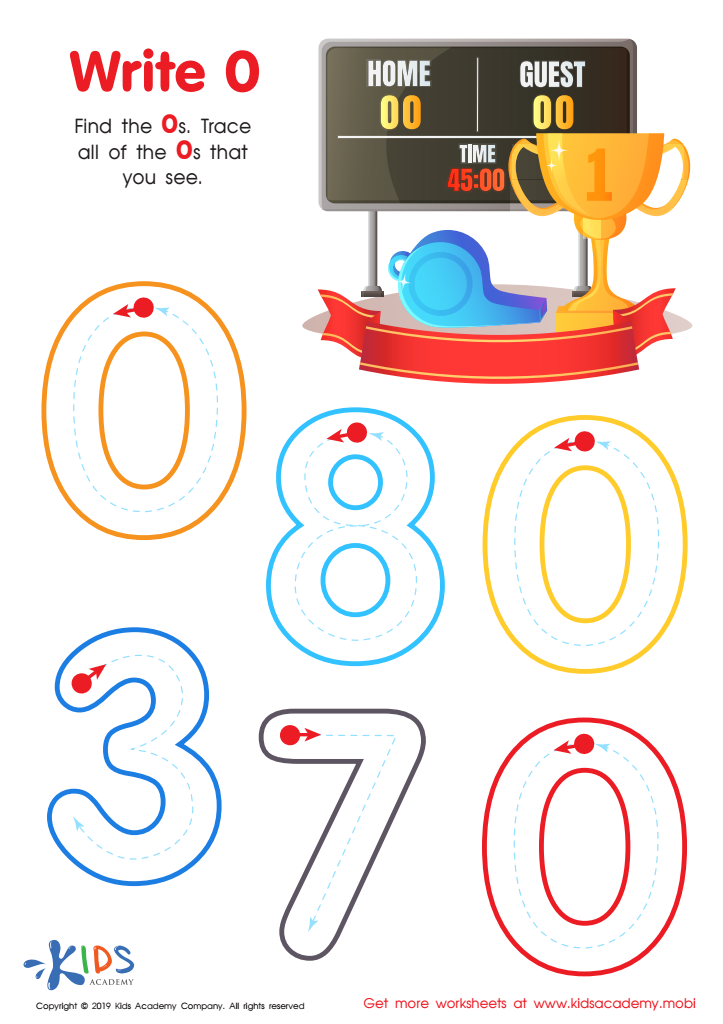
Write 0 Worksheet
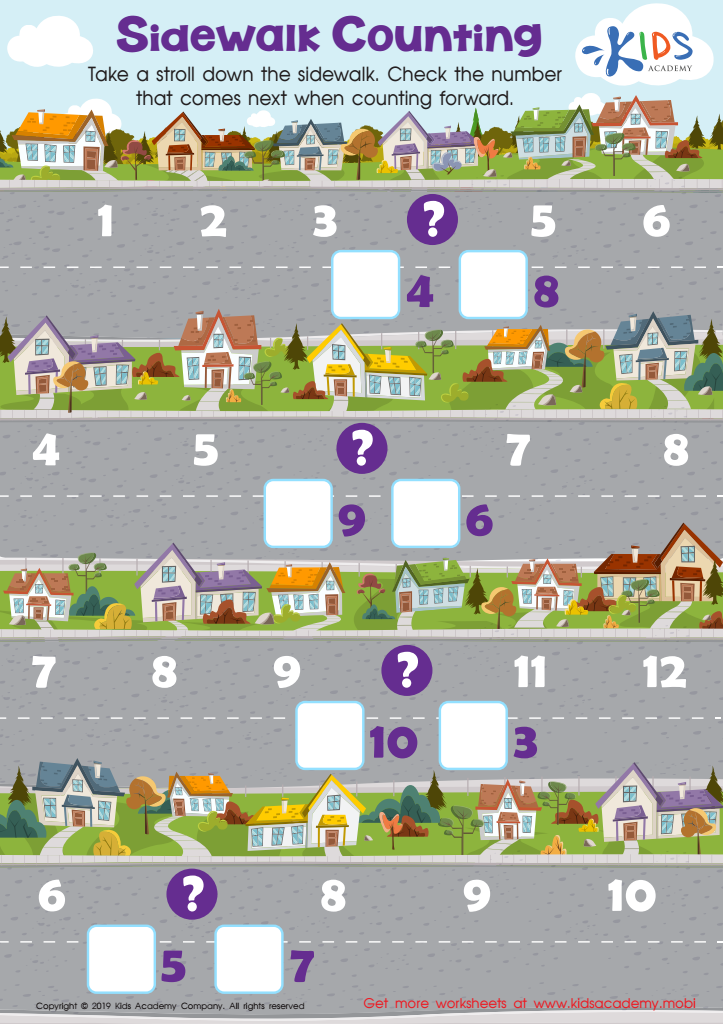
Sidewalk Counting Worksheet
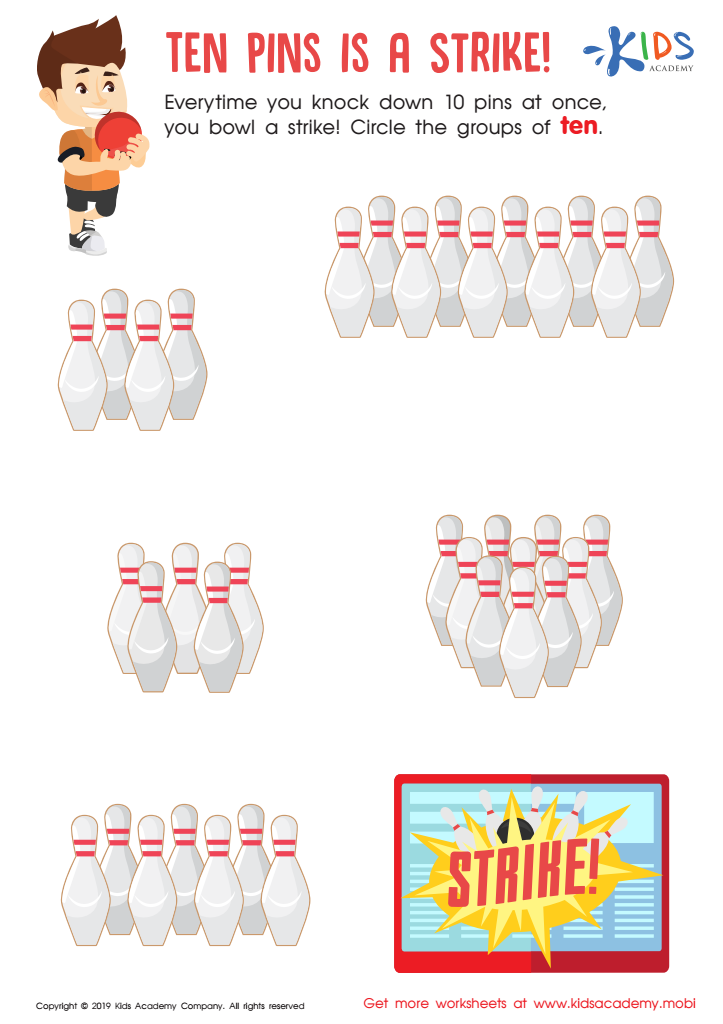
Ten Pins is a Strike Worksheet
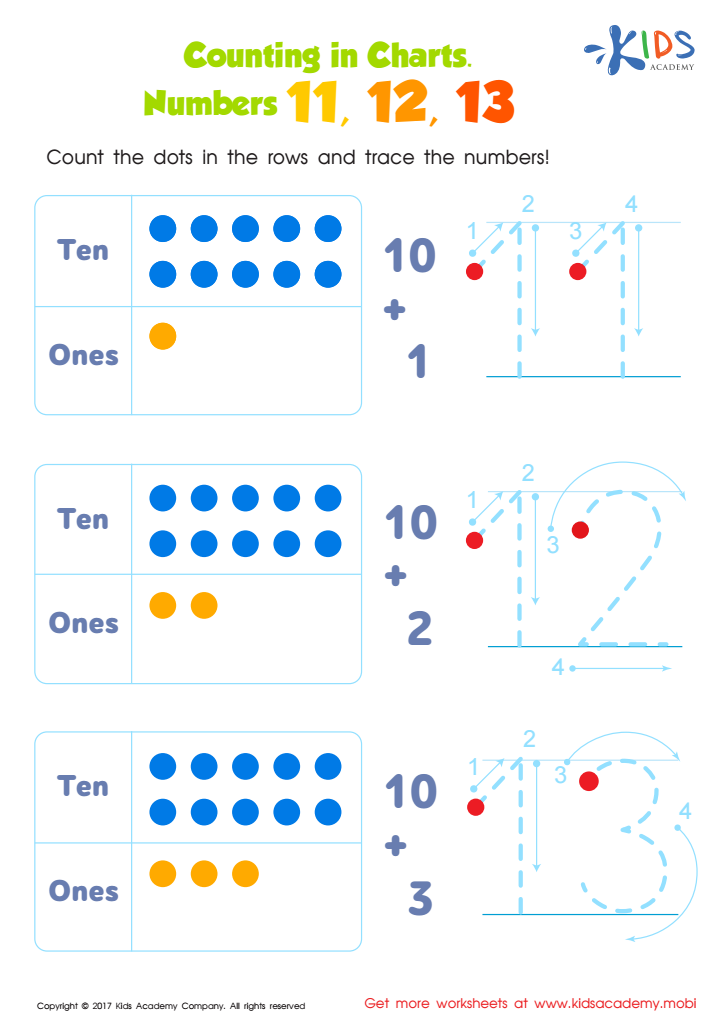
Number Tracing Worksheet For Kindergarten
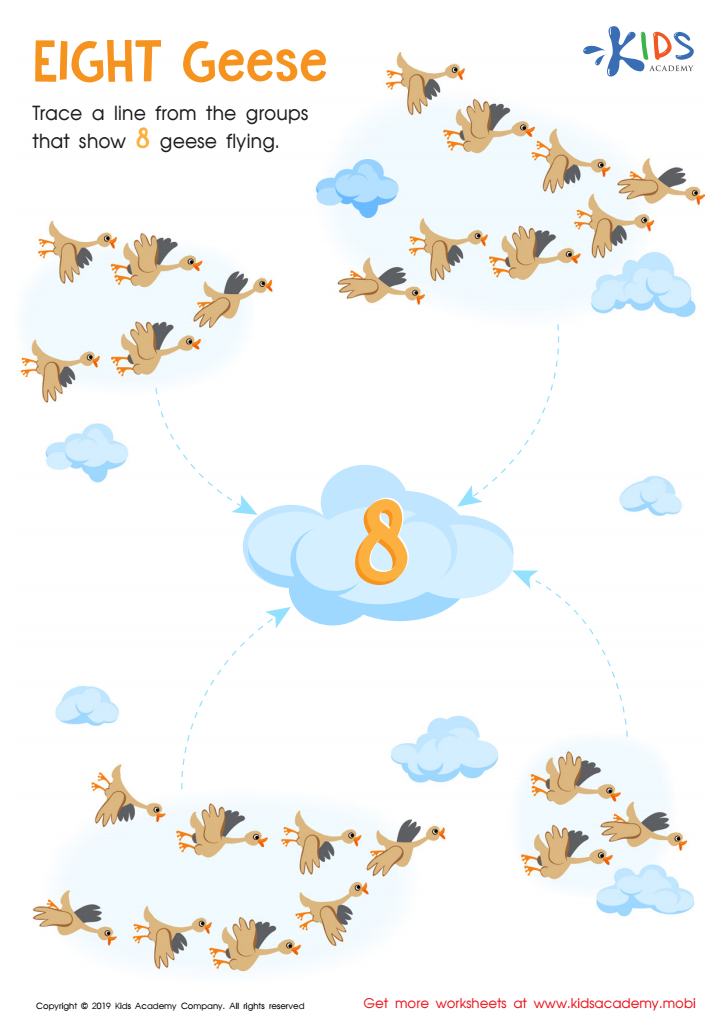
Eight Geese Worksheet
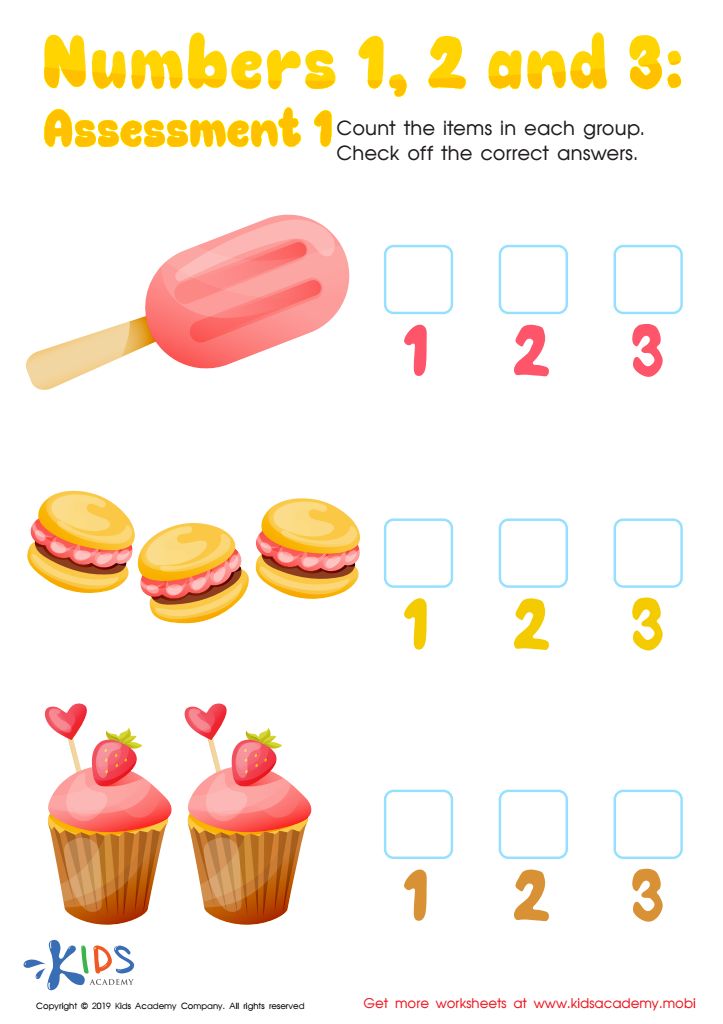
Numbers 1, 2 and 3: Assessment 1 Worksheet
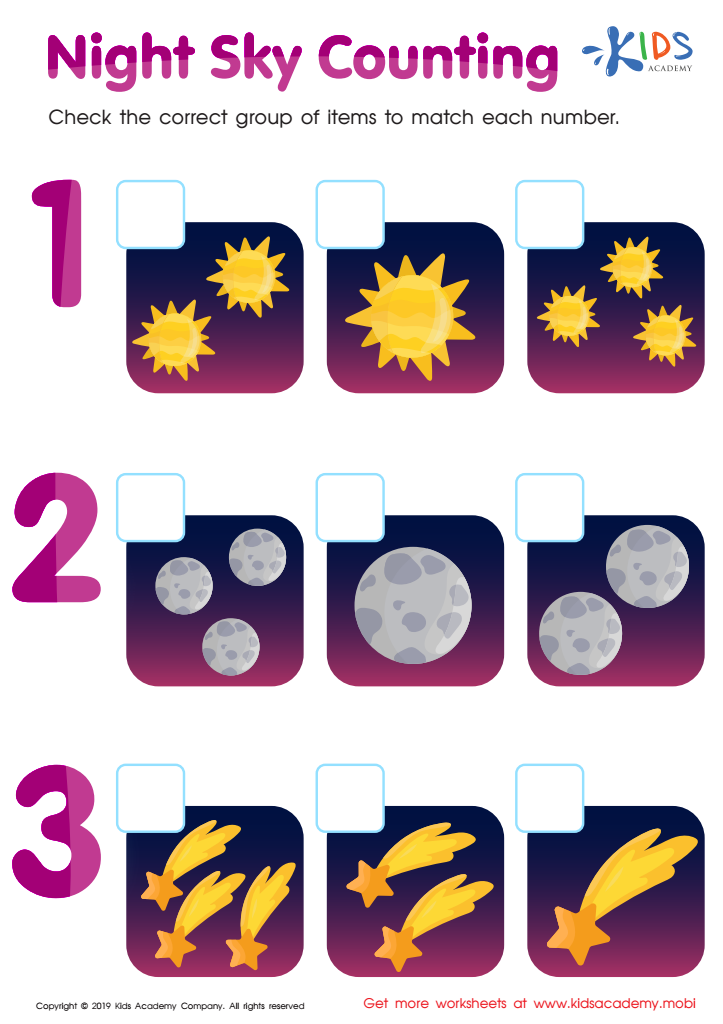
Night Sky Counting Worksheet
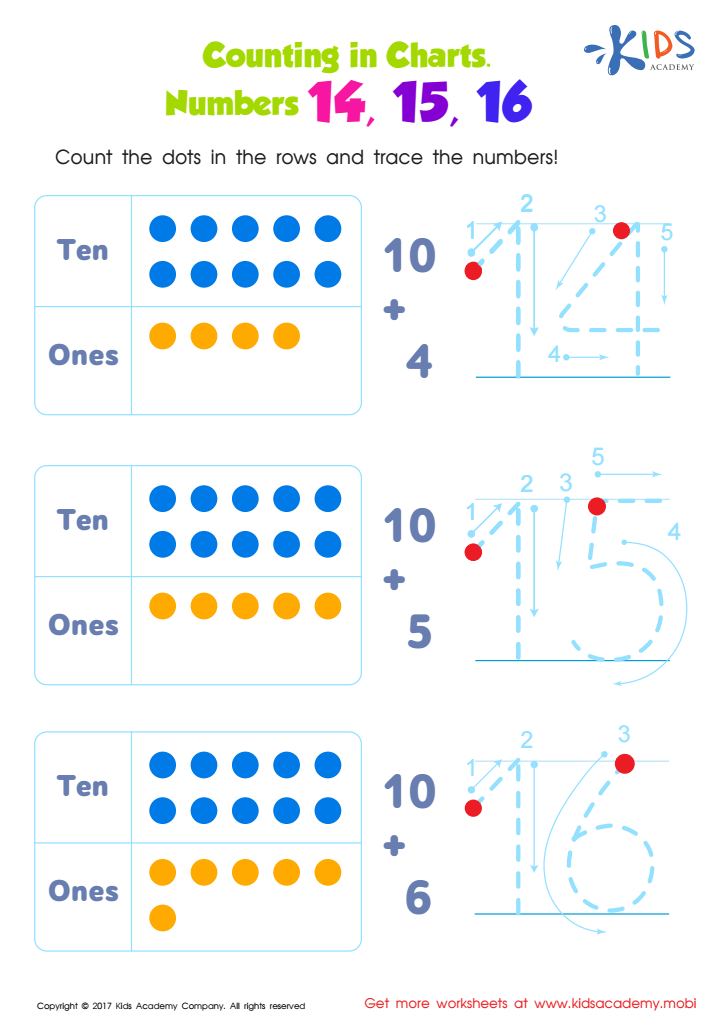
Number Tracing Worksheet








Parents and teachers should care about Hand-eye Coordination Easy Math for 4-year-olds because it plays a crucial role in the development of foundational skills that support future learning. Hand-eye coordination is essential for various activities, including writing, drawing, and performing tasks that require manipulation of objects, like cutting and pasting. Incorporating easy math activities designed to enhance this coordination not only fosters physical skills but also supports cognitive development.
Engaging children in fun, interactive math exercises that require hand-eye coordination helps to strengthen their problem-solving abilities and critical thinking. These activities often involve counting, sorting, or using manipulatives, facilitating a deeper understanding of mathematical concepts at an early age. As children practice these skills, they build confidence and a positive attitude toward learning math, which will benefit them as they advance to more complex concepts.
Moreover, early exposure to math through play can stimulate a love for mathematics, improving future academic performance. When children have stronger hand-eye coordination paired with basic math skills, they are better prepared for the transition to structured learning environments, setting the stage for ongoing success in both math and other subjects. Thus, prioritizing these activities is essential for holistic child development.








