Color recognition Easy Worksheets for Ages 5-7 - Page 2
38 filtered results
-
From - To
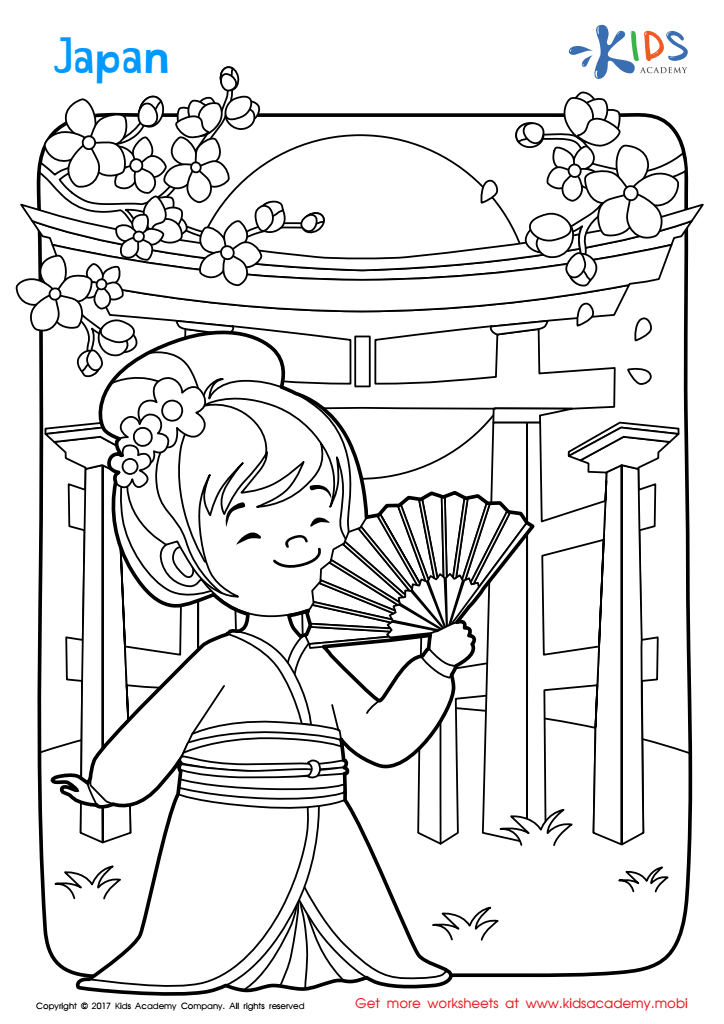
Japan Printable
 Assign to My Students

Deer Tracing Winter Words Worksheet
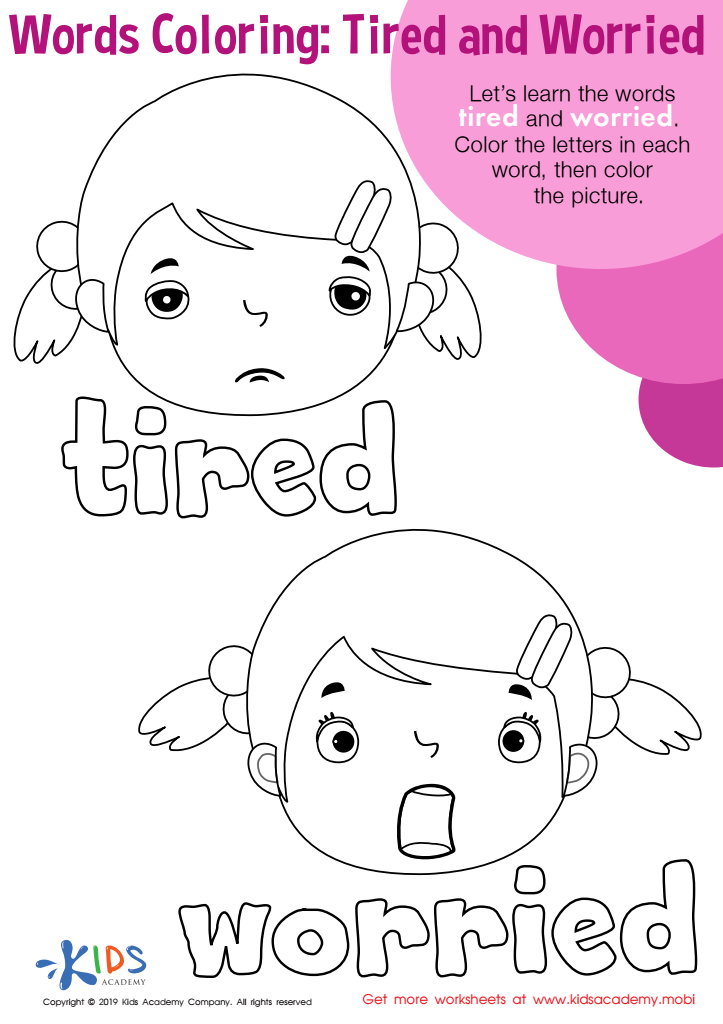
Tired and Worried Words Coloring Worksheet
Assign to My Students
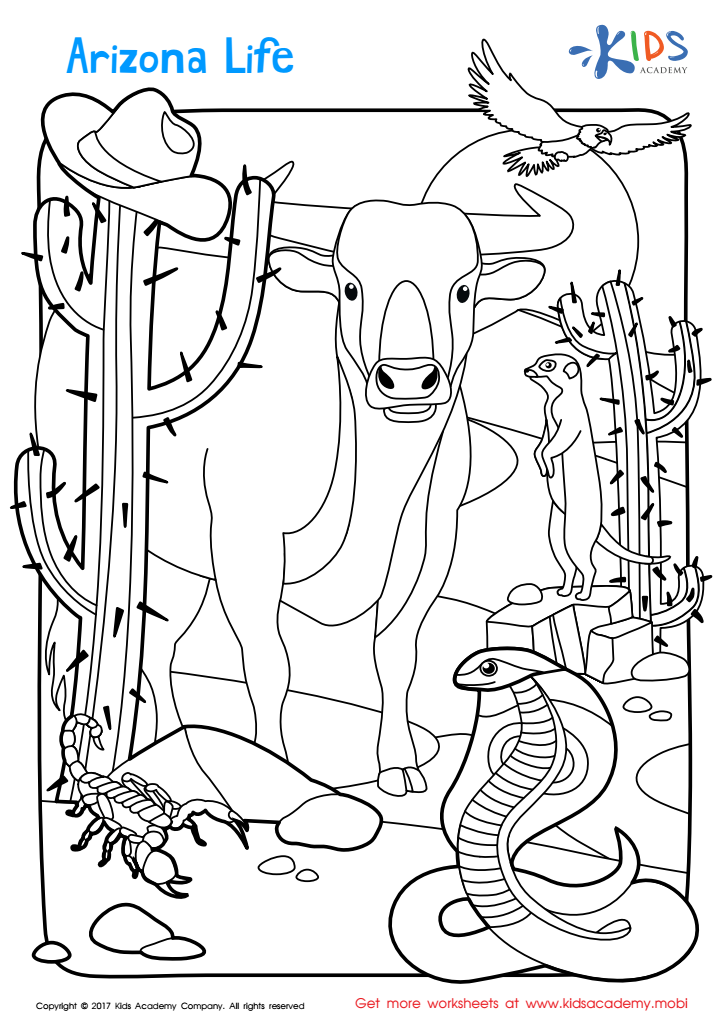
Arizona Coloring Page Worksheet
Assign to My Students

Christmas: Snowman Printable
Assign to My Students
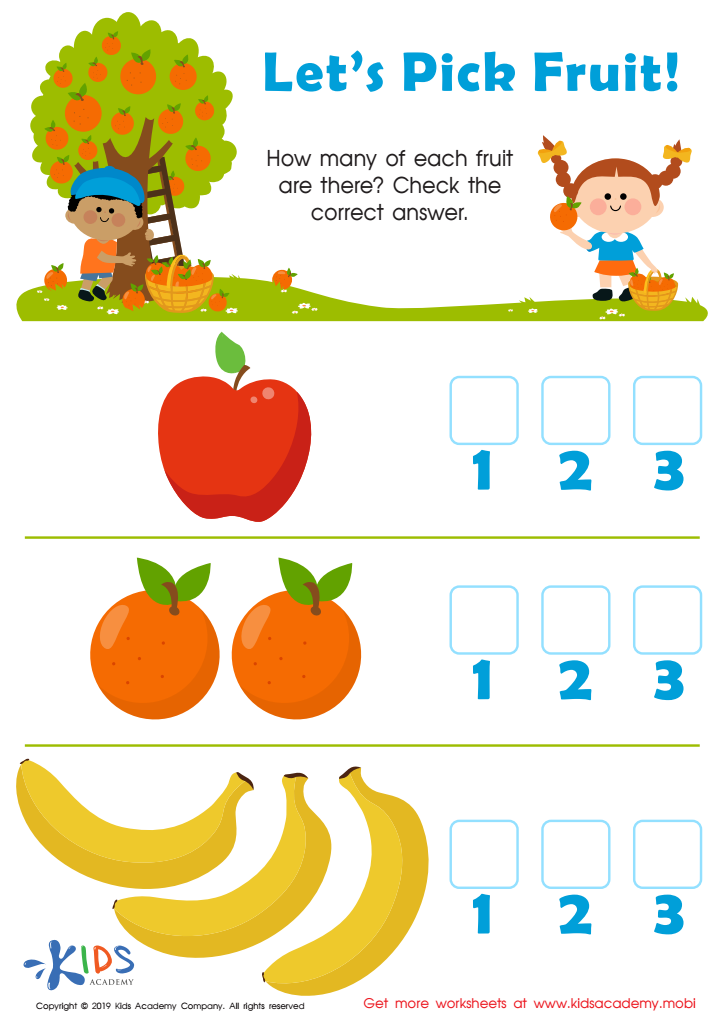
Let's Pick Fruit Worksheet
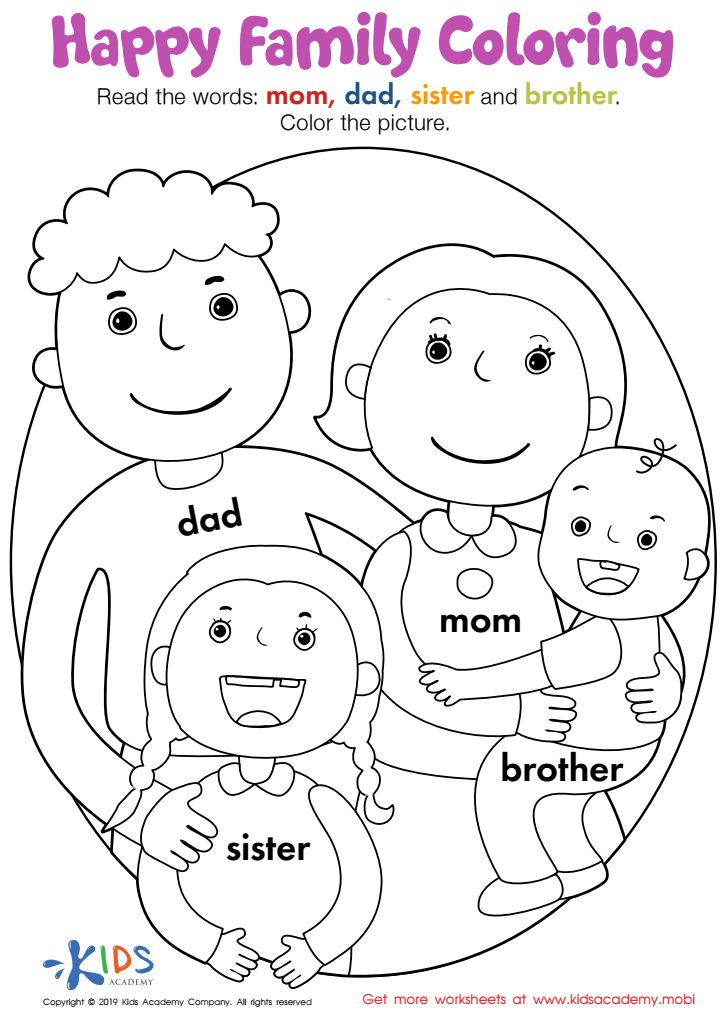
Happy Family Coloring Worksheet
Assign to My Students

Globe Coloring Page Worksheet
Assign to My Students
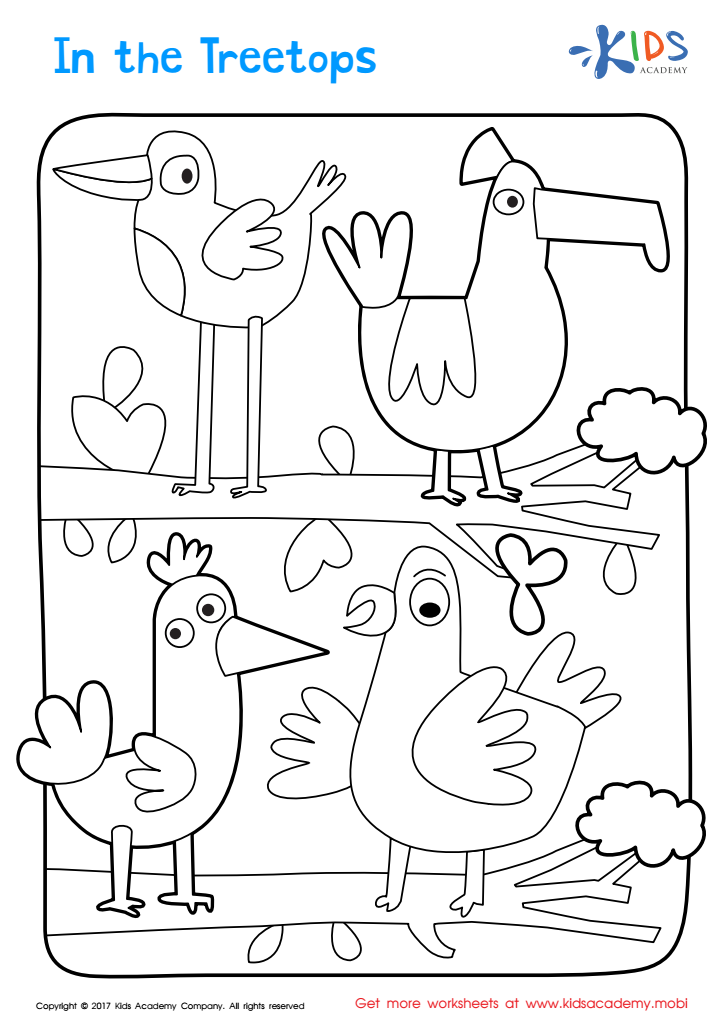
In the Treetops Coloring Page
Assign to My Students
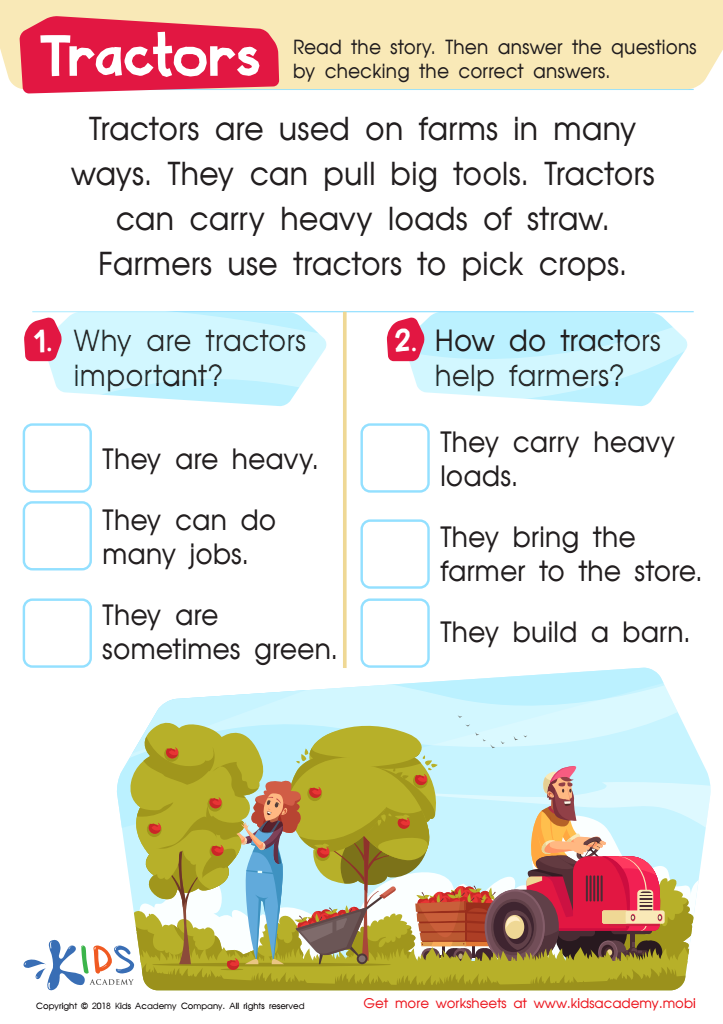
Tractors Worksheet
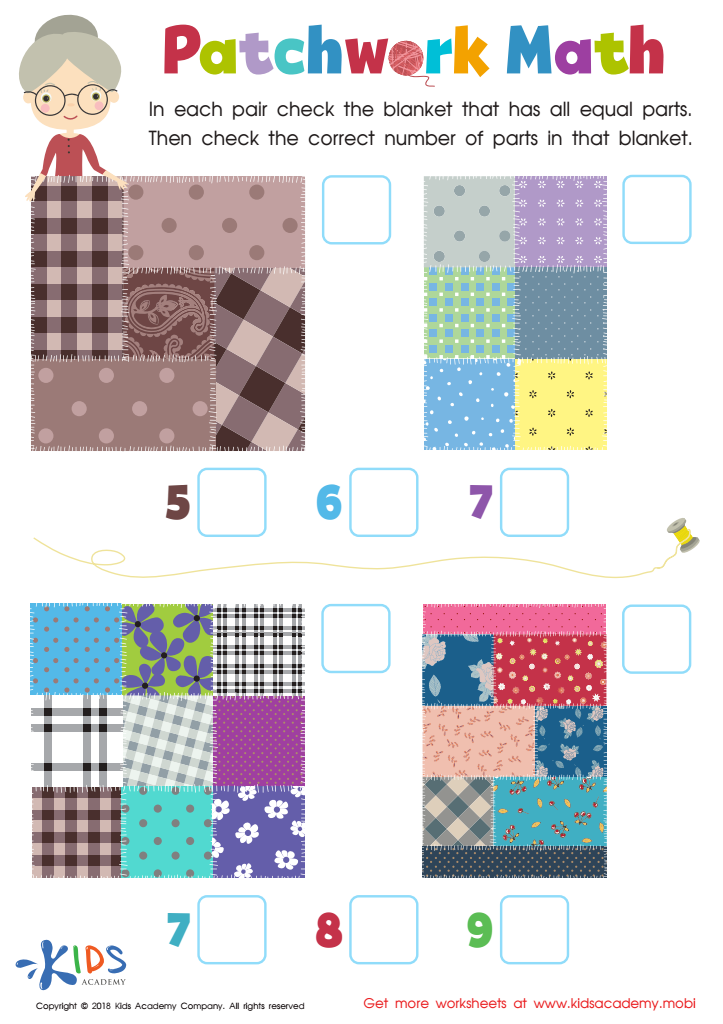
Patchwork Math Worksheet
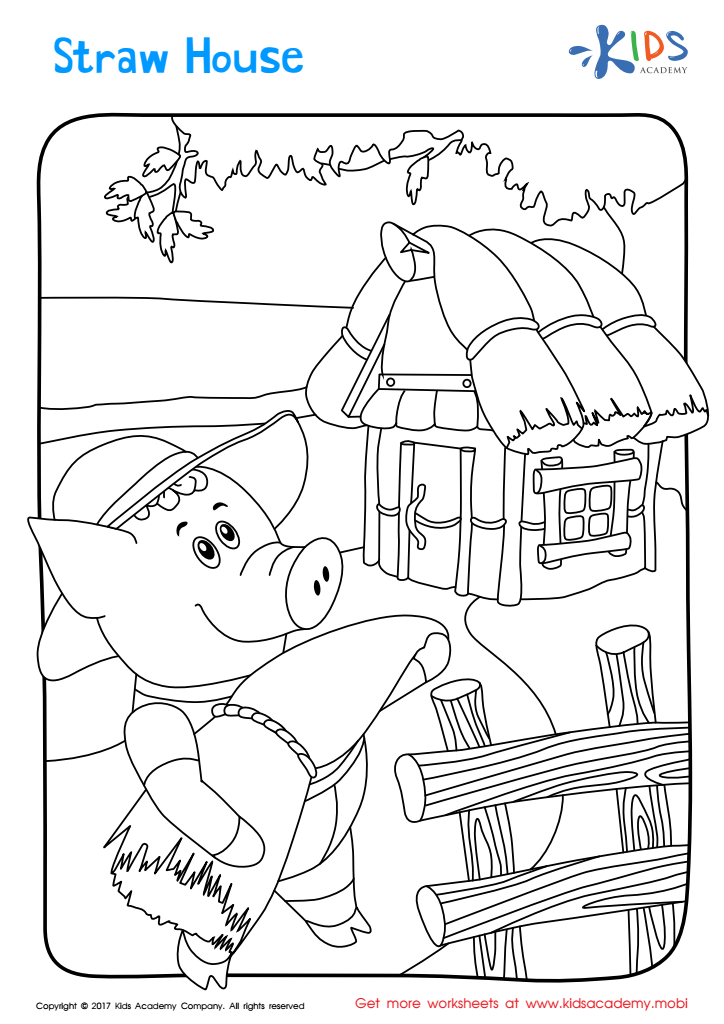
Straw House Printable Coloring Page
Assign to My Students
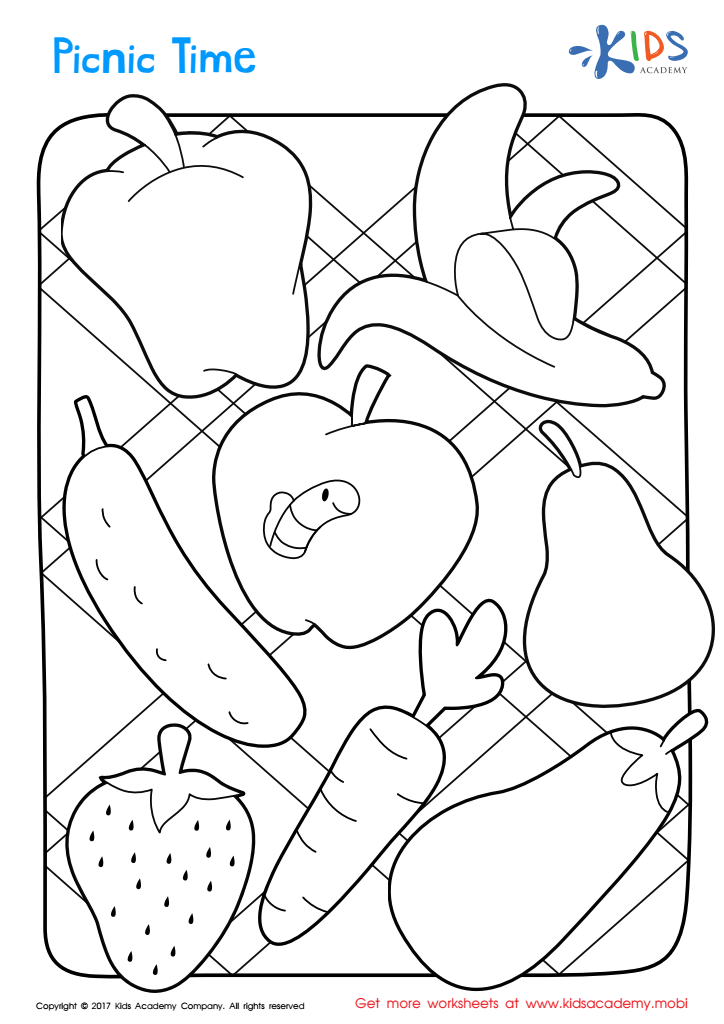
Picnic Time Coloring Page
Assign to My Students






Color recognition is a fundamental skill for children ages 5-7, and it plays a crucial role in their overall development. Firstly, recognizing colors helps children develop their language skills. When children learn to identify and name colors, they also expand their vocabulary and improve their ability to express themselves.
Additionally, color recognition enhances cognitive development. It encourages children to observe and classify objects, fostering critical thinking and problem-solving skills. Recognizing colors also aids in memory retention, as children often connect colors with specific items or experiences in their lives.
Socially and emotionally, color recognition supports creativity and self-expression. Activities involving colors, such as art projects, allow children to communicate their feelings and ideas in a vibrant way. Furthermore, colors can often evoke emotions, assisting children in understanding and expressing their moods.
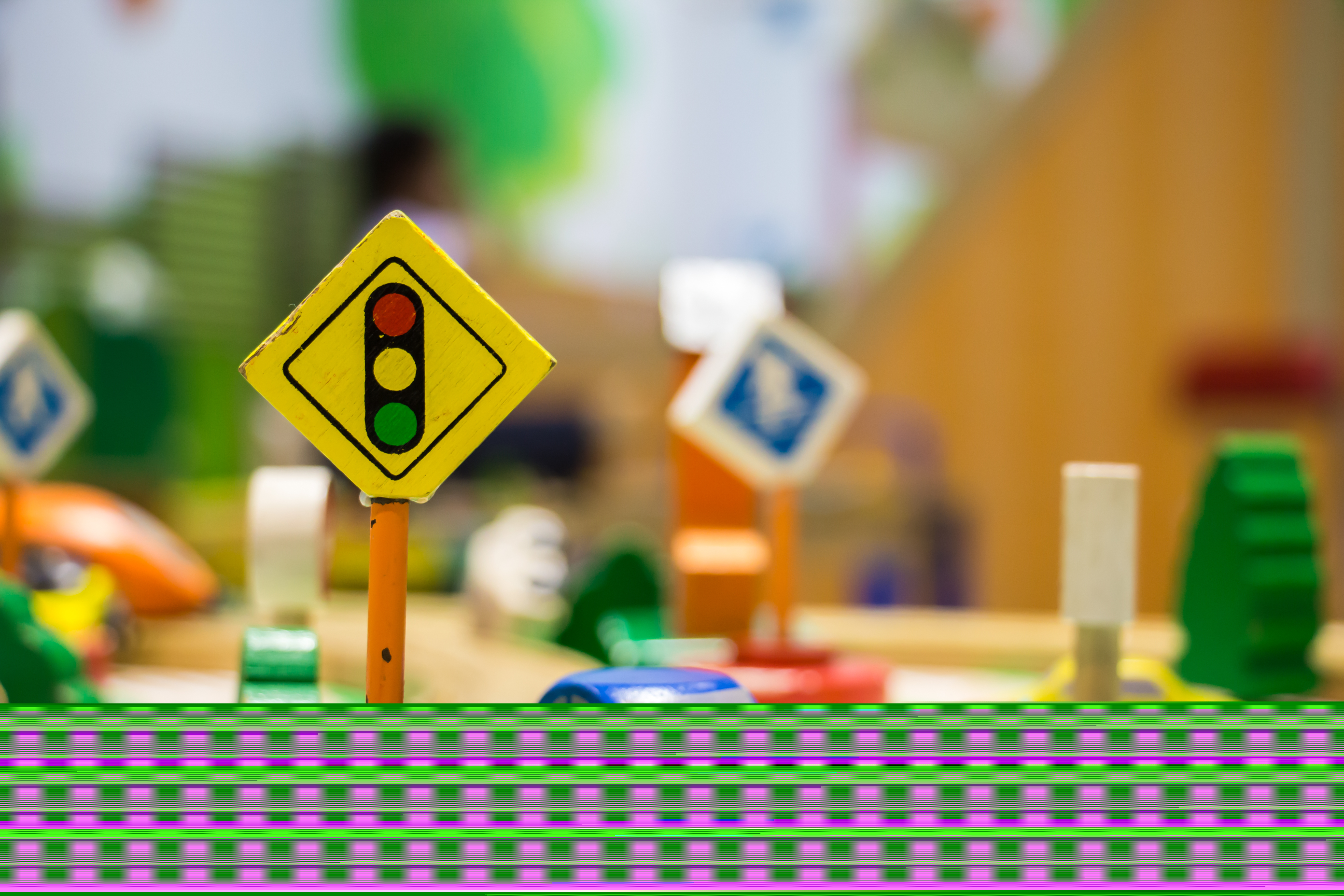
From a practical standpoint, color recognition is essential for everyday tasks, such as identifying traffic lights or sorting laundry. For teachers and parents, nurturing this skill lays the groundwork for future learning, instilling a love for discovery and encouraging exploration in various subjects, including science and art. Therefore, investing time in color recognition activities is vital for children’s growth and development.








