Number Sequencing Easy Worksheets for Ages 5-7
4 filtered results
-
From - To
Introduce your little ones to the world of numbers with our Number Sequencing Easy Worksheets, designed specifically for ages 5-7. Our printable activities build foundational math skills, enhancing children's ability to recognize, order, and understand numerical patterns. Each worksheet offers engaging and fun exercises, perfect for beginners. These resources not only reinforce counting but also promote critical thinking and problem-solving. Ideal for both classroom use and at-home practice, our worksheets cater to early learners, ensuring a smooth and rewarding early math experience. Develop confidence and enjoy learning with our expertly crafted number sequencing activities.
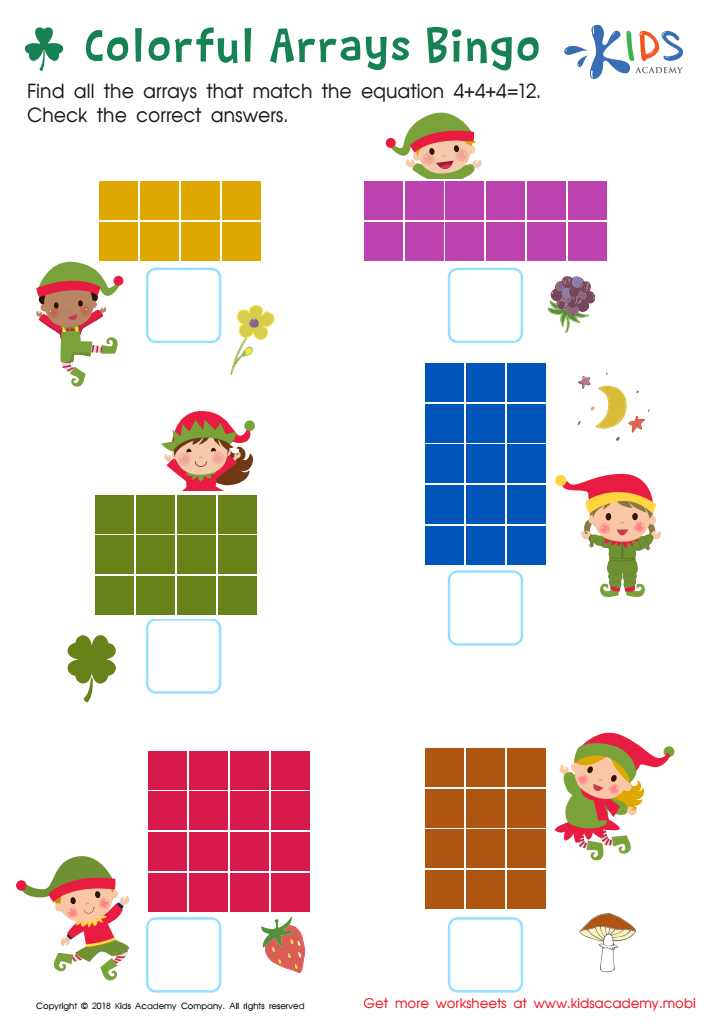
Colorful Arrays Bingo Worksheet
 Assign to My Students
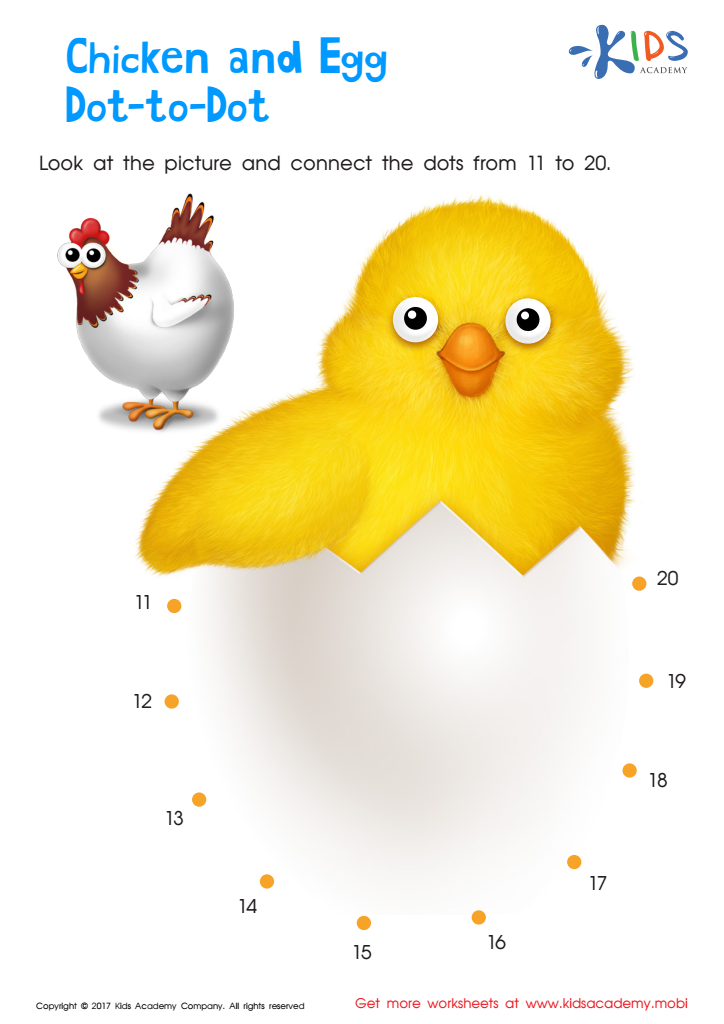
Ordering 11–20: Chicken & Egg Dot–to–dot Worksheet
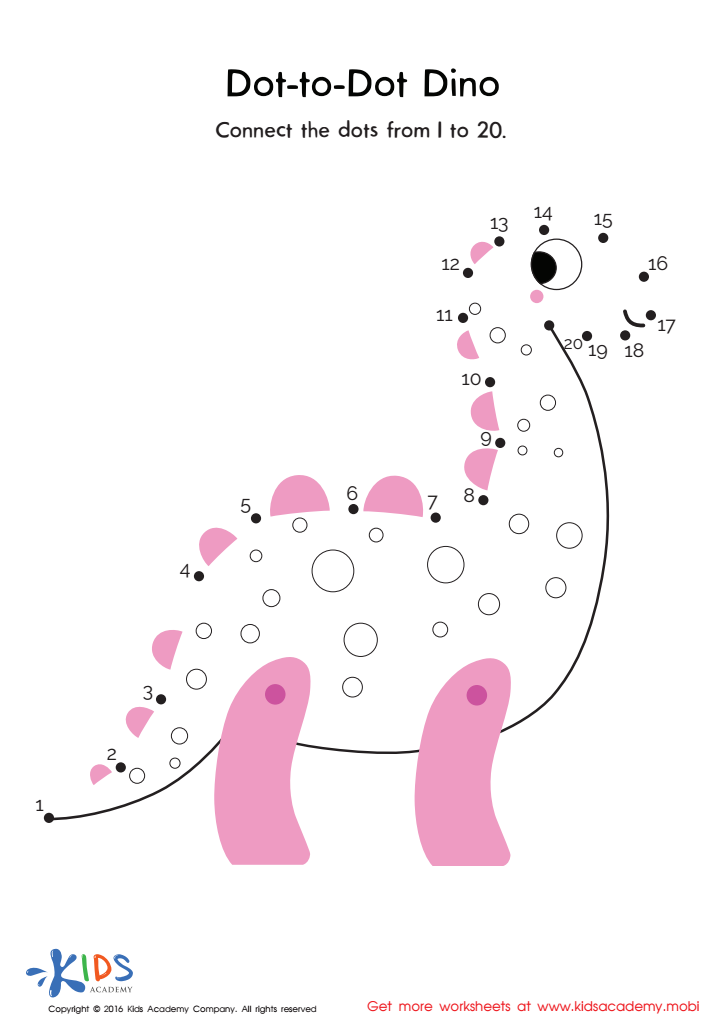
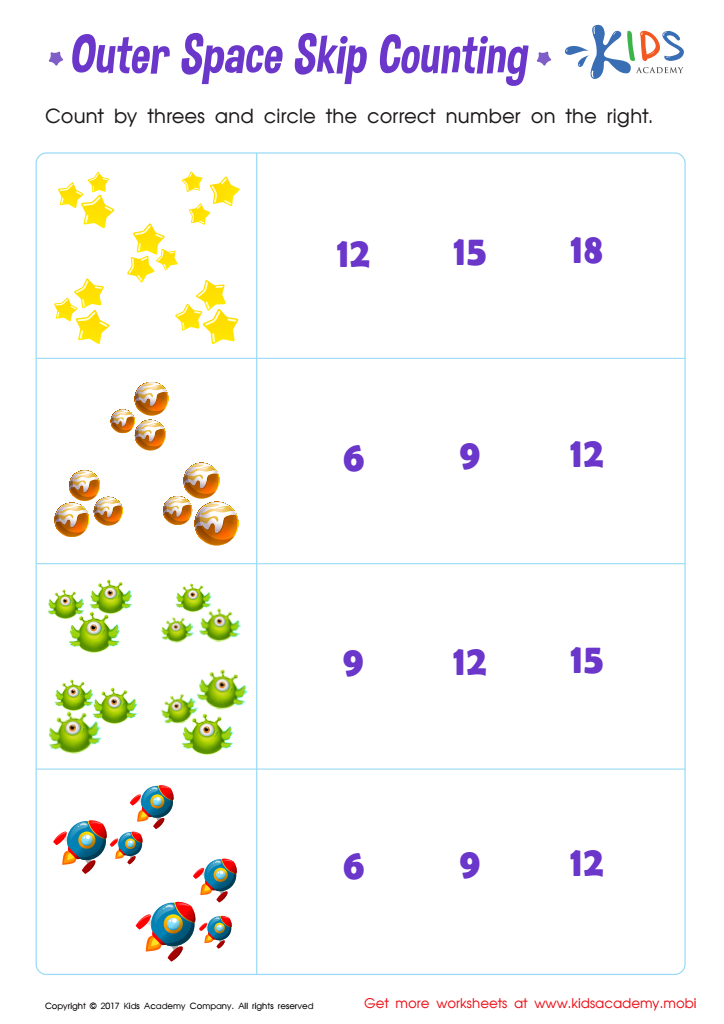
Skip Counting by 3s: Outer Space Skip Counting Printable





.jpg)
Number sequencing is foundational for young learners, aged 5-7, and essential for their future success in math. At this age, children are building the basic blocks of numerical understanding. Number sequencing, the ability to understand, identify, and create an orderly arrangement of numbers, promotes several critical cognitive skills.
Firstly, sequencing numbers fosters number sense—an intuitive understanding of numbers, their magnitude, relationships, and how they are affected by operations like addition and subtraction. A strong number sense is crucial for tackling more complex mathematical concepts later on.
Secondly, it enhances pattern recognition. Recognizing number patterns is a fundamental math skill that extends beyond mere counting, aiding in the comprehension of more advanced mathematical ideas, including algebra. Pattern recognition also contributes to problem-solving abilities, as children learn to make predictions, establish rules, and see relationships between numbers.
Furthermore, number sequencing aids in memory development and cognitive flexibility. Remembering sequences involves memorization and routine, which supports memory retention. Cognitive flexibility, the ability to switch between thinking about different concepts or consider multiple aspects simultaneously, is nurtured as children understand that numbers can be manipulated and transformed in various ways.
Educators and parents should emphasize this skill through engaging activities and games, making learning fun and intuitive, to build a solid numerical foundation and a lifelong love for math in young learners.








