Problem-Solving Skills Easy Worksheets for Ages 5-7 - Page 3
55 filtered results
-
From - To
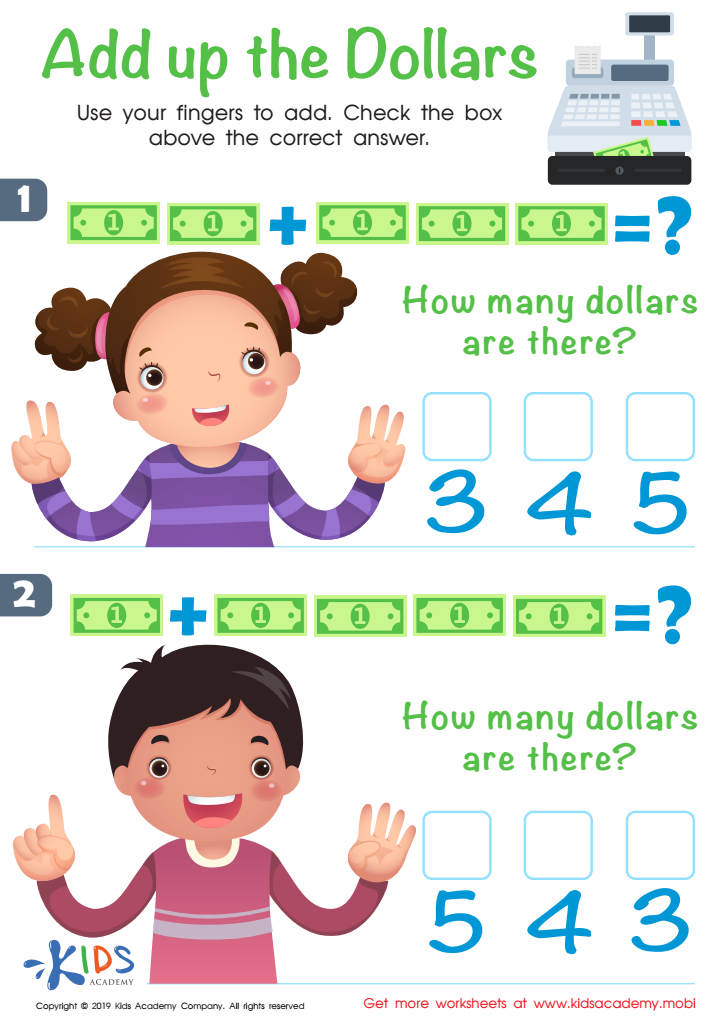
Add up the Dollars Worksheet
 Assign to My Students
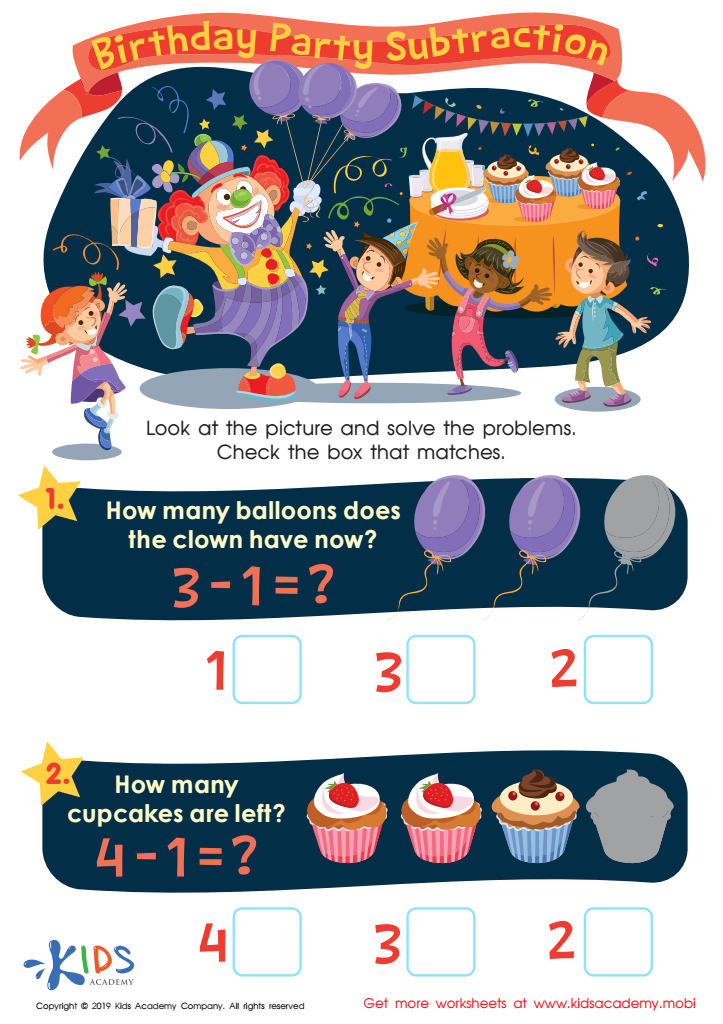
Birthday Party Subtraction Worksheet
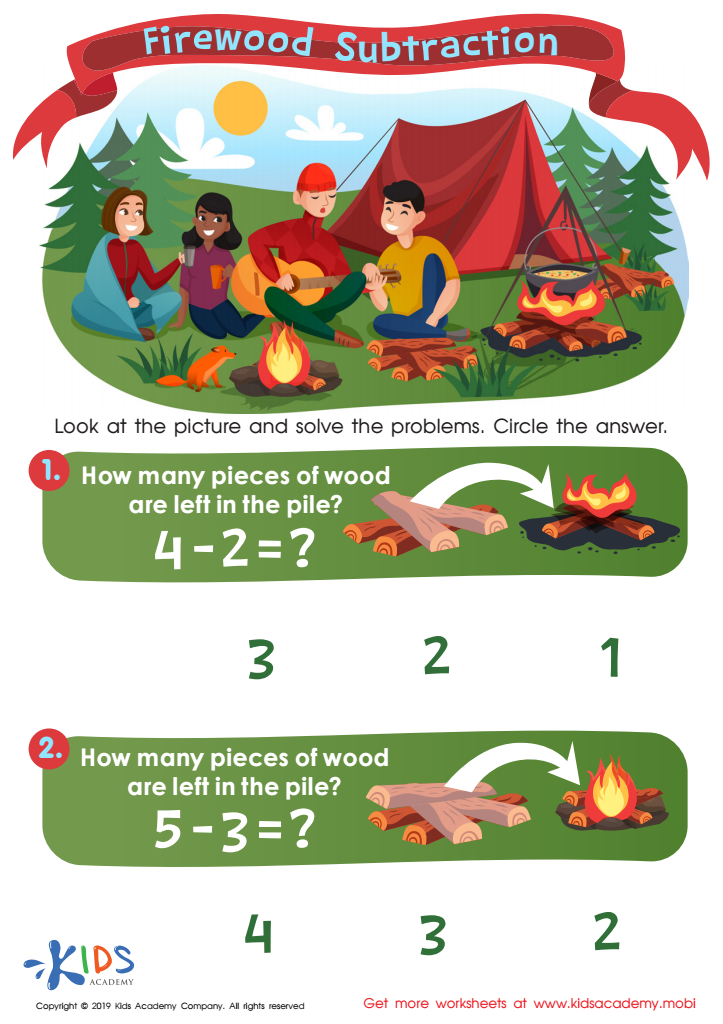
Firewood Subtraction Worksheet
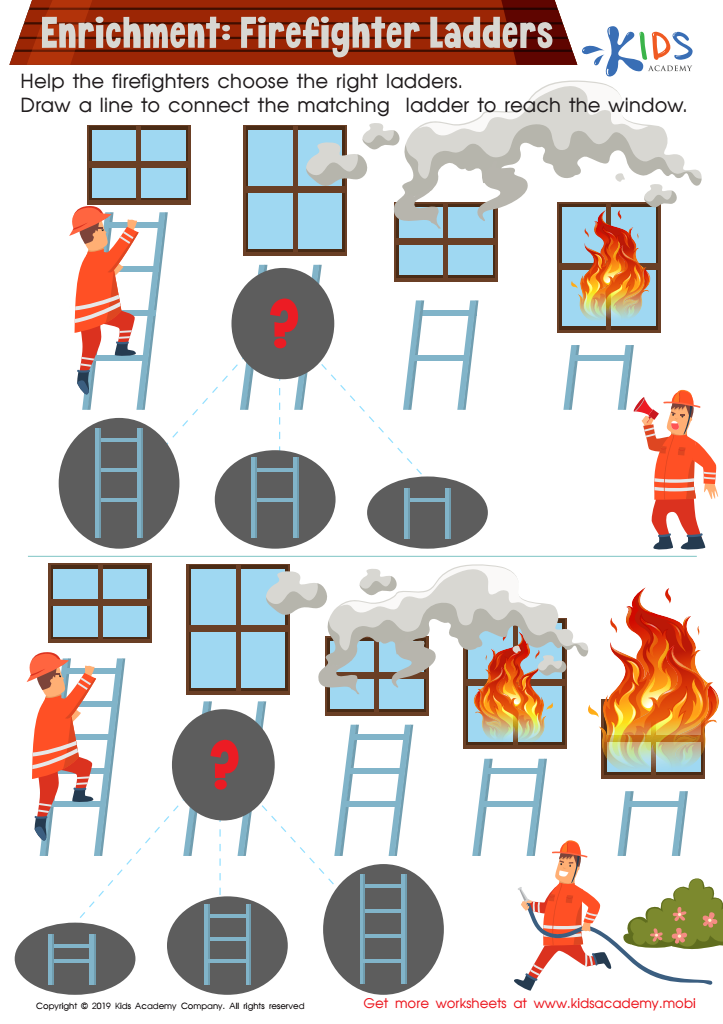
Enrichment: Firefighter Ladders Worksheet
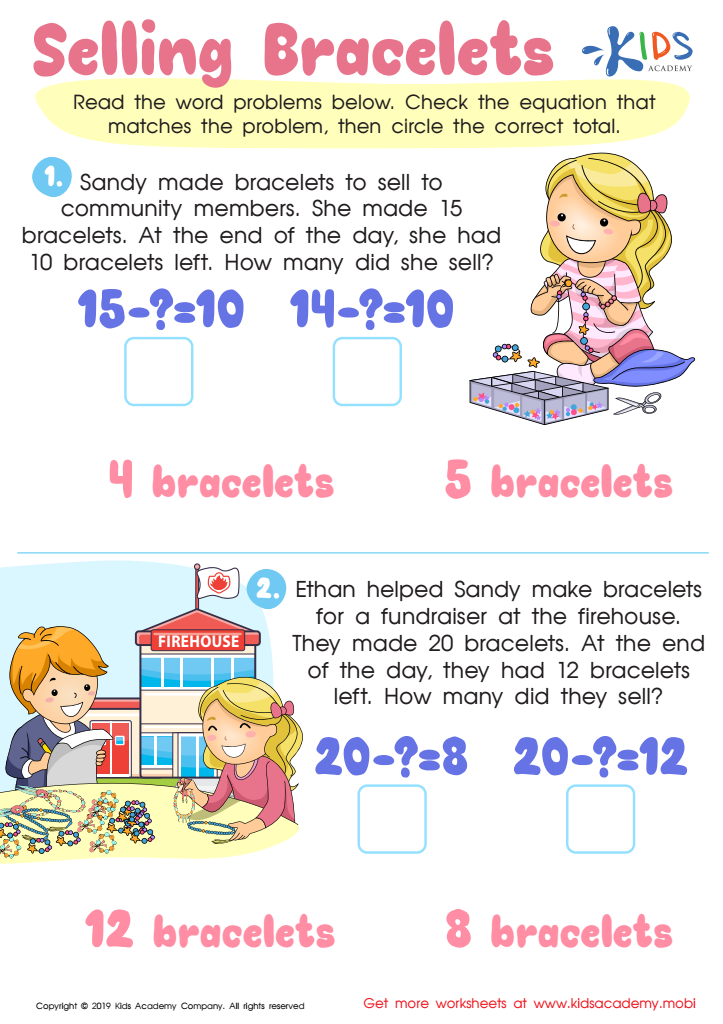
Selling the Bracelets Worksheet
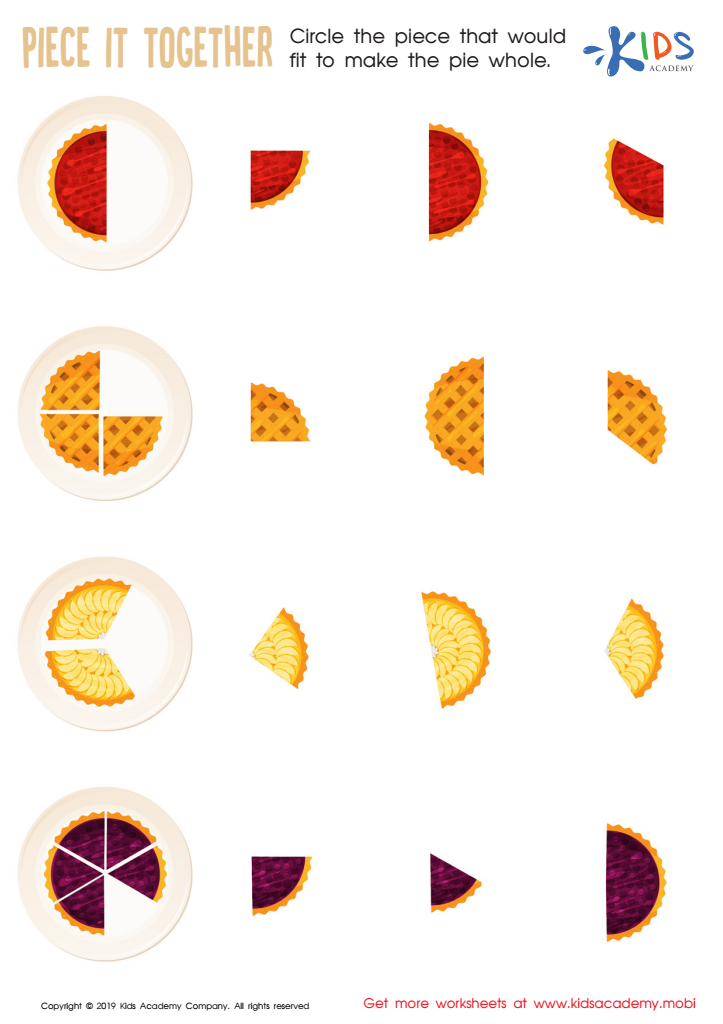
Piece it together Worksheet
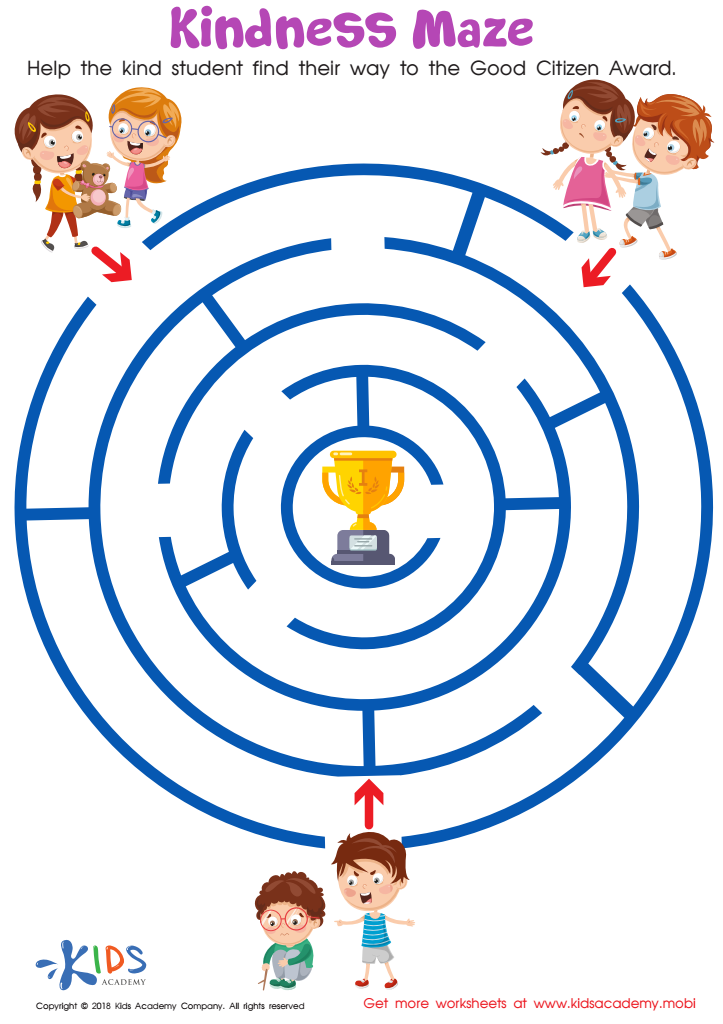
Kindness Maze Worksheet








Problem-solving skills are crucial for children aged 5-7 as they lay the foundation for future learning and development. At this age, children are naturally curious and beginning to navigate more complex social and academic environments. Teaching them to solve problems enhances their critical thinking abilities and encourages independence.
When parents and teachers emphasize problem-solving skills, they foster resilience in young learners. Children learn that challenges can be opportunities for growth rather than obstacles. This mindset helps them approach difficulties with confidence and creativity. As they encounter various situations, from collaborative group activities to individual tasks, practicing problem-solving enables them to express themselves, work with others, and ultimately learn from their experiences.
Moreover, strong problem-solving skills correlate with better academic performance, particularly in subjects like math and science, where reasoning is essential. Introducing age-appropriate problem-solving strategies engages their minds and motivates them to explore solutions actively.
By prioritizing these skills, adults equip children with essential tools for success not only in school but also in their everyday lives. Nurturing problem-solving skills in early childhood promotes lifelong learning, helps develop emotional intelligence, and prepares young minds to tackle future challenges effectively.








