
Hand-eye Coordination Easy Numbers Worksheets for Ages 5-7
15 filtered results
Difficulty Level
Grade
Age
-
From - To
Subject
Activity
Standards
Enhance your child's learning experience with our "Hand-eye Coordination Easy Numbers Worksheets" designed for ages 5-7. These engaging worksheets combine fun activities with essential number skills, helping young learners improve their hand-eye coordination while mastering numbers. Featuring colorful illustrations and simple instructions, these resources encourage children to practice tracing, connecting dots, and counting. Perfect for at-home practice or classroom use, our worksheets promote both fine motor skills and foundational math understanding. Download now to give your child the support they need to excel in both coordination and numeracy! Make learning an exciting adventure with our carefully crafted activities!
Favorites
With answer key
Interactive
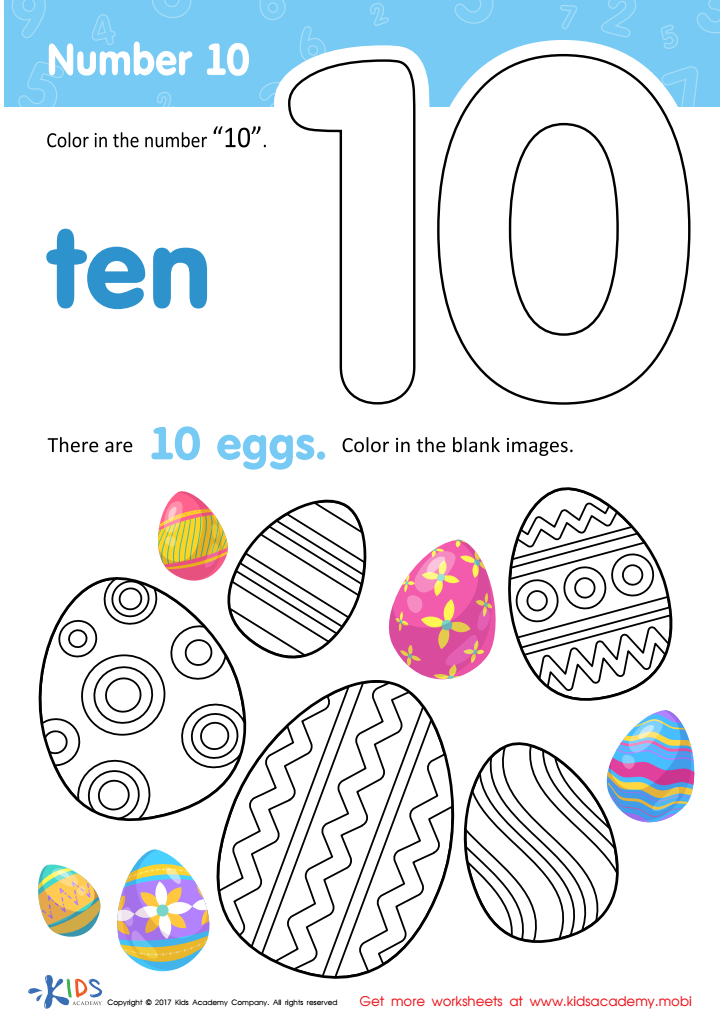
Number 10 Printable
Easter eggs are a great way to combine creativity and learning! Help your child explore the number 10 with our fun coloring page. The intricate designs will spark their imagination and fuel their artistic side, while they practice important numeracy basics. Get creative with eggs and enjoy the fun, no matter the time of year!
Download (PDF)
 Assign to My Students
Assign to My Students
Number 10 Printable
Worksheet
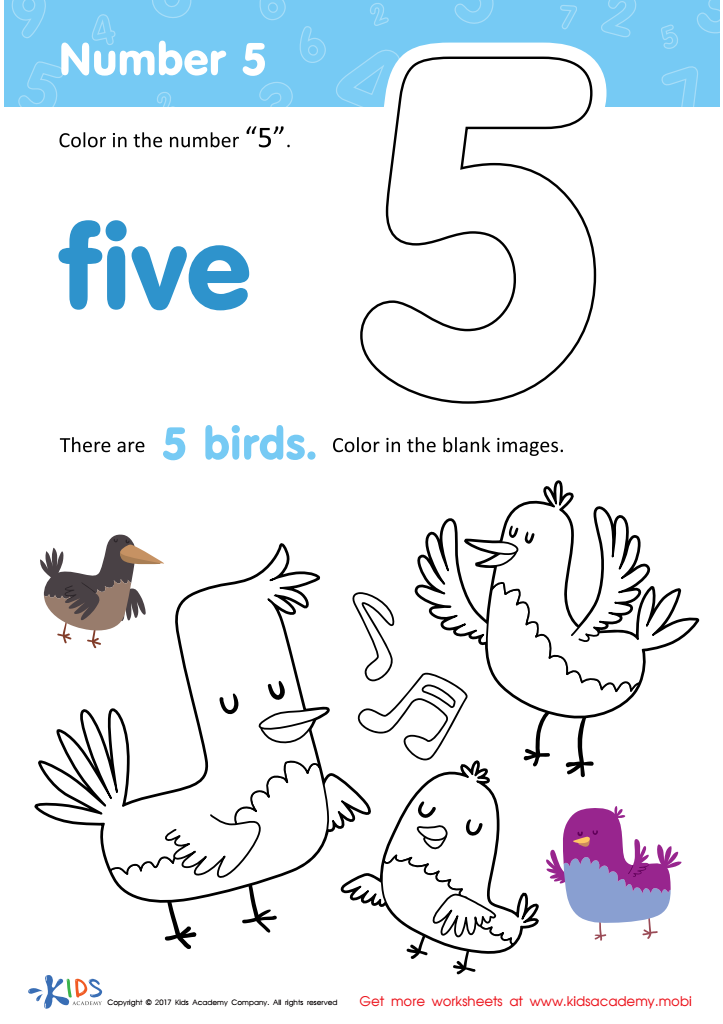
Number 5 Printable
Let your child have fun with this number 5 coloring page! They'll adore coloring the birds and music notes, while learning to recognize the number 5. Enjoy listening to the birds sing their beautiful songs!
Download (PDF)
Assign to My Students
Assign to My Students
Number 5 Printable
Worksheet
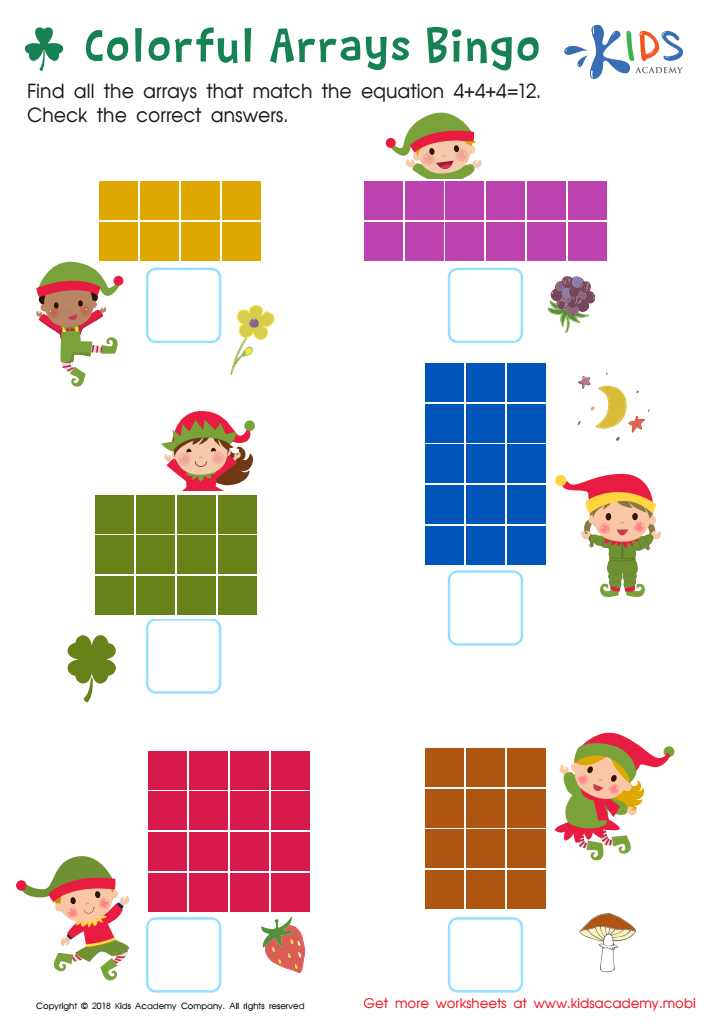
Colorful Arrays Bingo Worksheet
This worksheet stimulates thinking about arrays and how to represent them. Instruct students to count the 6 arrays and find which ones sum up to 12. Ask them to check the answers for accuracy.
Colorful Arrays Bingo Worksheet
Worksheet
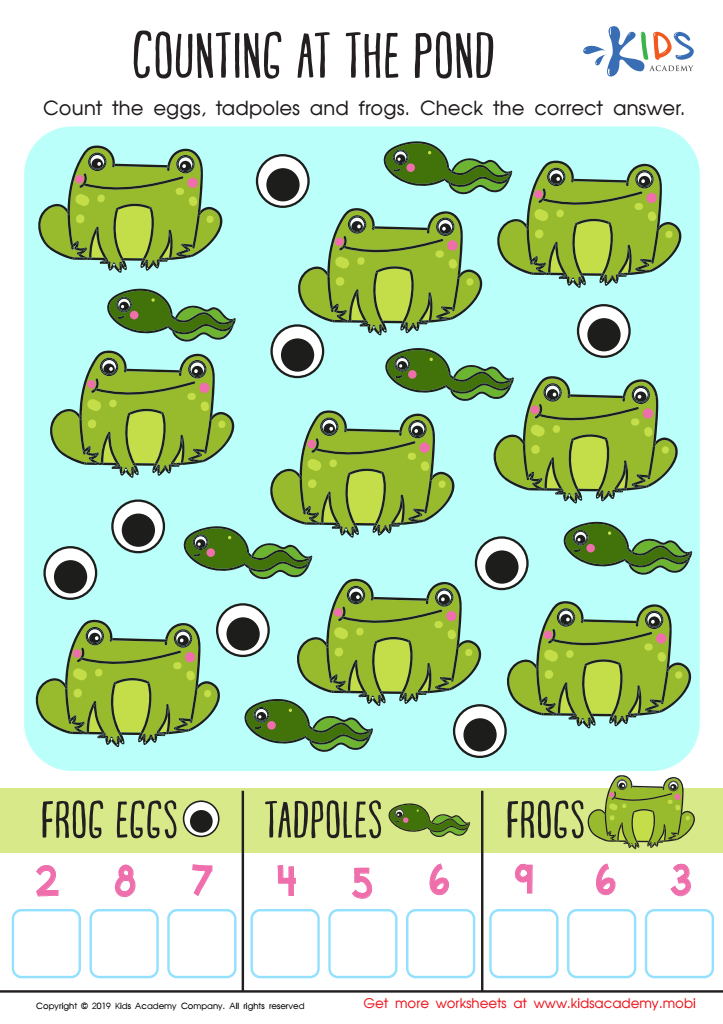
Counting at the Pond Worksheet
Ask your kids what they see in the picture. Can they identify the animal? Where does it live, what does it eat and what sound does it make? These questions will help get them in the math mood. Help them count the eggs, tadpoles and frogs, then check the answer.
Counting at the Pond Worksheet
Worksheet
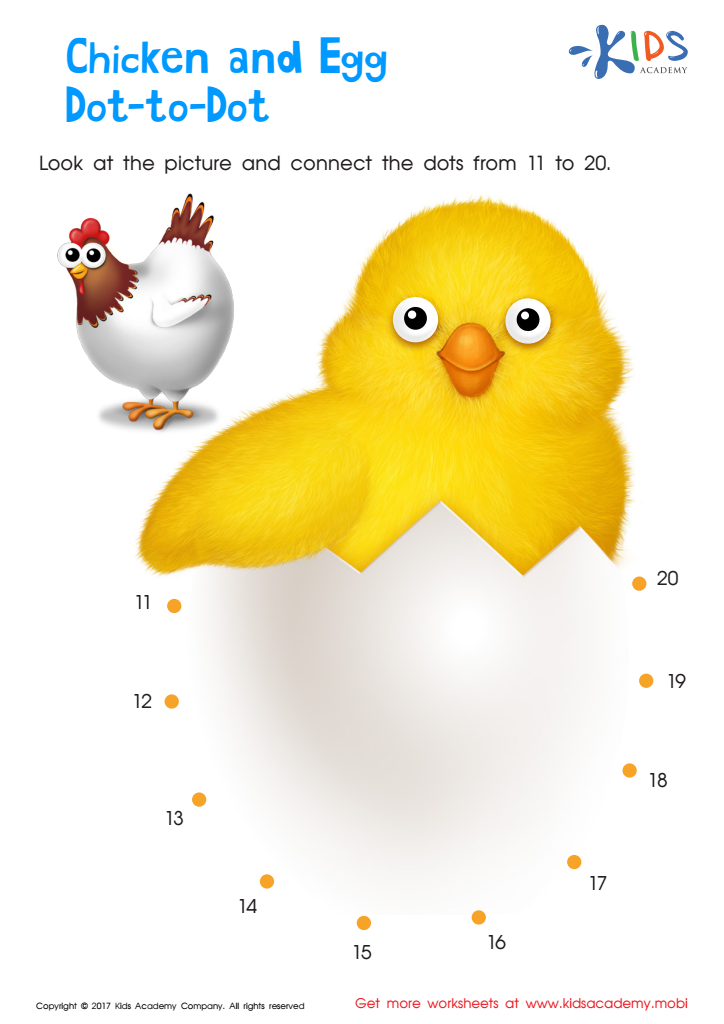
Ordering 11–20: Chicken & Egg Dot–to–dot Worksheet
Help your child hatch the chick and practice their counting skills with this dot to dot worksheet – the chicken came first! Connect the dots 11-20 to have fun and learn at the same time. Experience meaningful practice and gain confidence while drawing great pictures.
Ordering 11–20: Chicken & Egg Dot–to–dot Worksheet
Worksheet
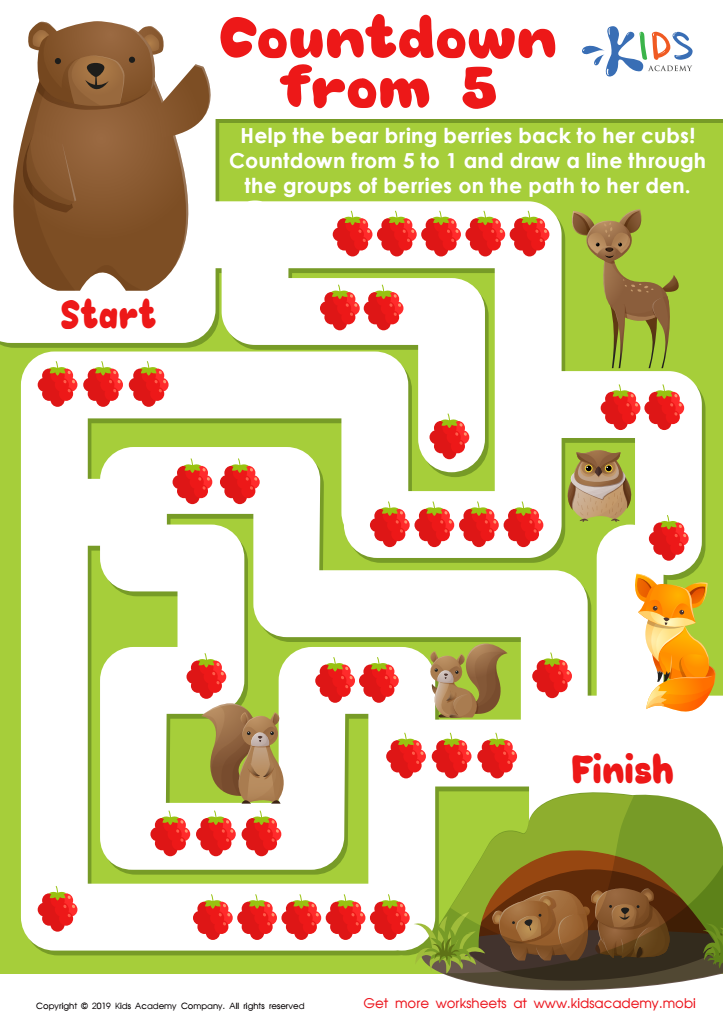
Countdown from 5 Worksheet
Encourage your kids to help Mama Bear find her way to her den! Ask them to count down from 5 to 1 and draw a line through the groups of berries on the path. Point them to the picture of the friendly bears. A fun and safe way to enjoy these cute animals!
Countdown from 5 Worksheet
Worksheet
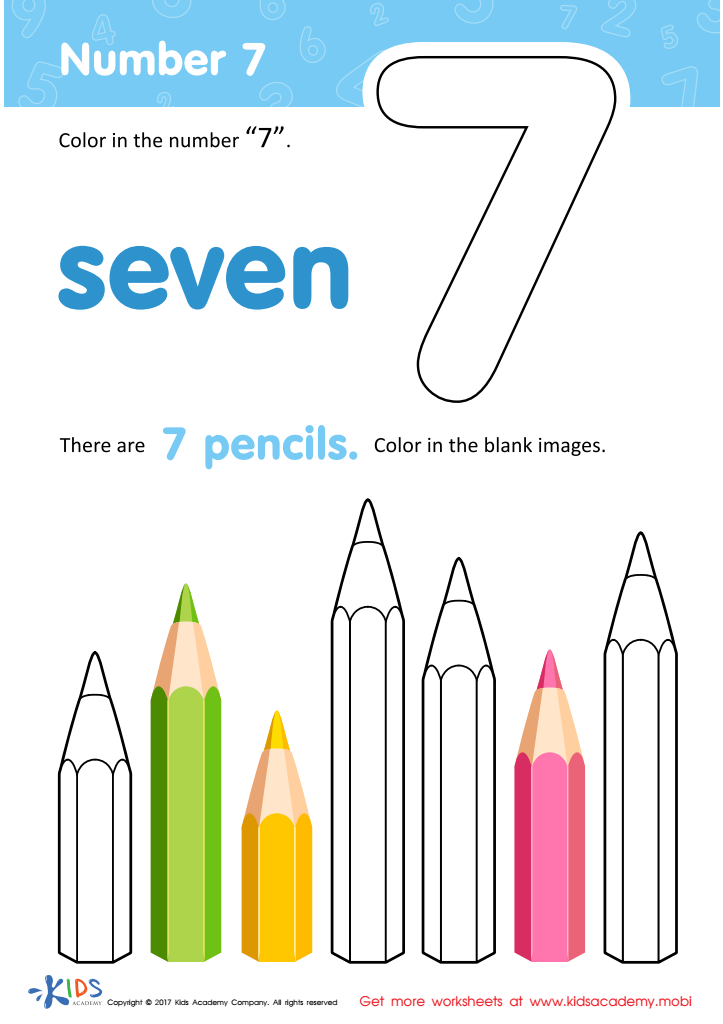
Number 7 Worksheet
Introduce beginning math to your child with this fun number 7 coloring page! Coloring the crayons and using the blank pencils for math equations will bring a creative twist to learning. Your child will love this worksheet!
Download (PDF)
Assign to My Students
Assign to My Students
Number 7 Worksheet
Worksheet
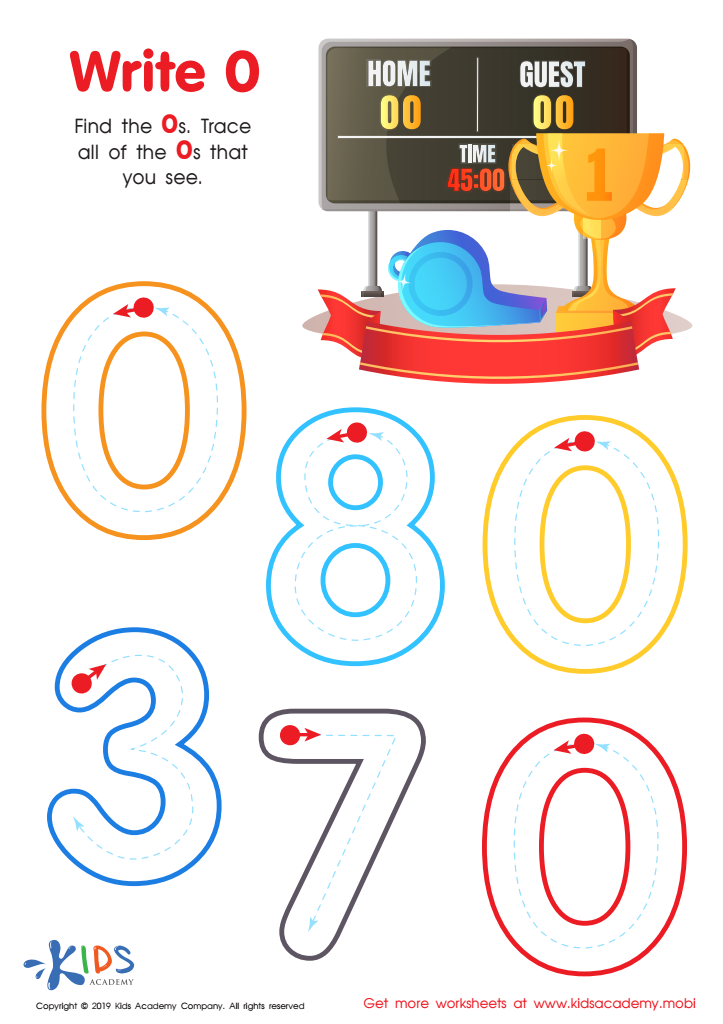
Write 0 Worksheet
Help your children become number pros! This worksheet will give them the edge they need to count, while also helping them practice writing the number 0. Have them find the 0s in the printout, then trace them. It's a great way to build a math foundation and get them ready to succeed with more advanced math concepts.
Write 0 Worksheet
Worksheet
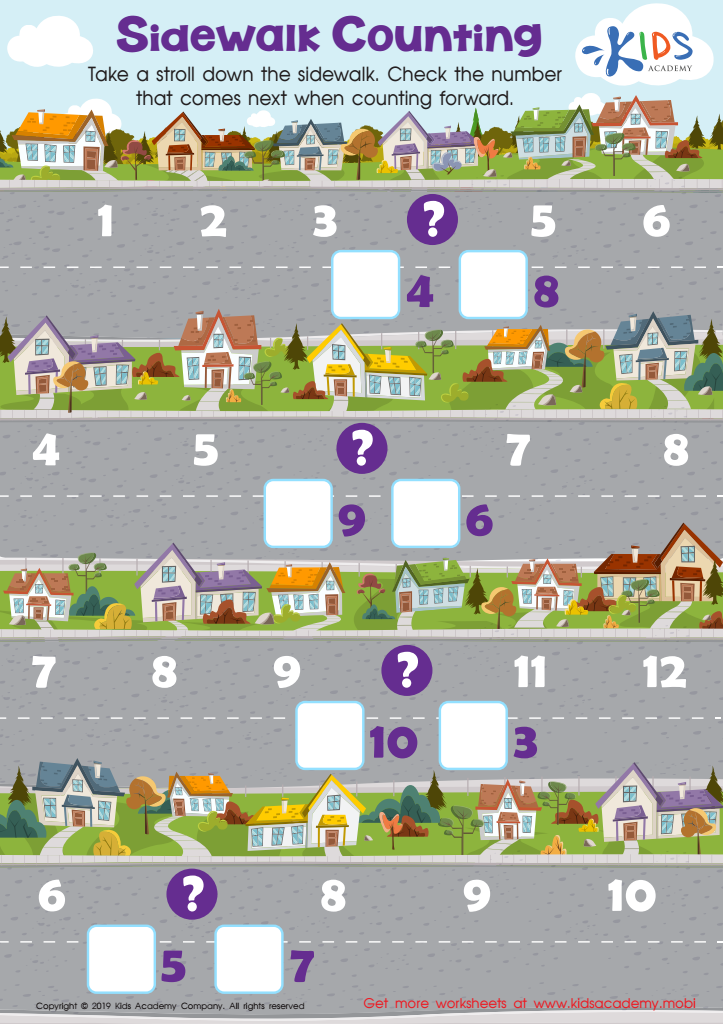
Sidewalk Counting Worksheet
Counting is a vital math skill, helping kids with addition and improving their speed when solving math problems. Let them practice with this fun sidewalk counting worksheet: have them take a walk and fill in the next number in the sequence as they count.
Sidewalk Counting Worksheet
Worksheet
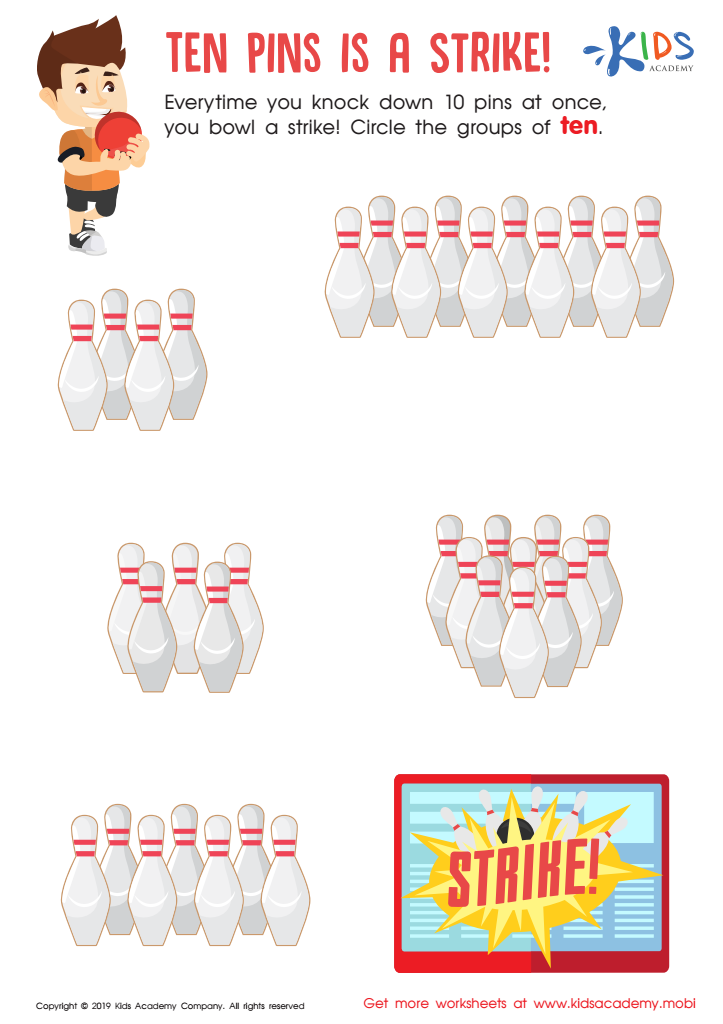
Ten Pins is a Strike Worksheet
Show your kids the picture and ask them to identify the objects. Explain that bowling is a leisure game played with a ball and pins. Count the pins and have them circle groups of ten. This worksheet will make learning fun and easy, as your children already know the objects.
Ten Pins is a Strike Worksheet
Worksheet
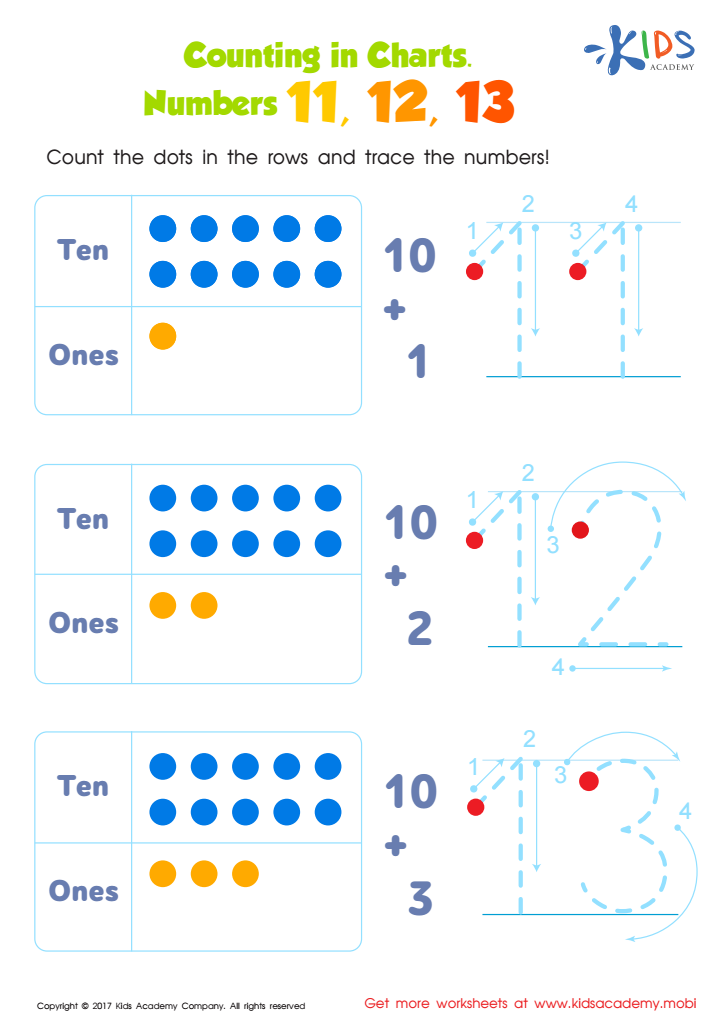
Number Tracing Worksheet For Kindergarten
Help your child develop addition skills and improve number recognition with this easy-to-use worksheet. Have them count the dots and add to solve each problem. Then, trace over the number to complete each row! It's a fun and simple way for kindergarteners to practice their math skills.
Number Tracing Worksheet For Kindergarten
Worksheet
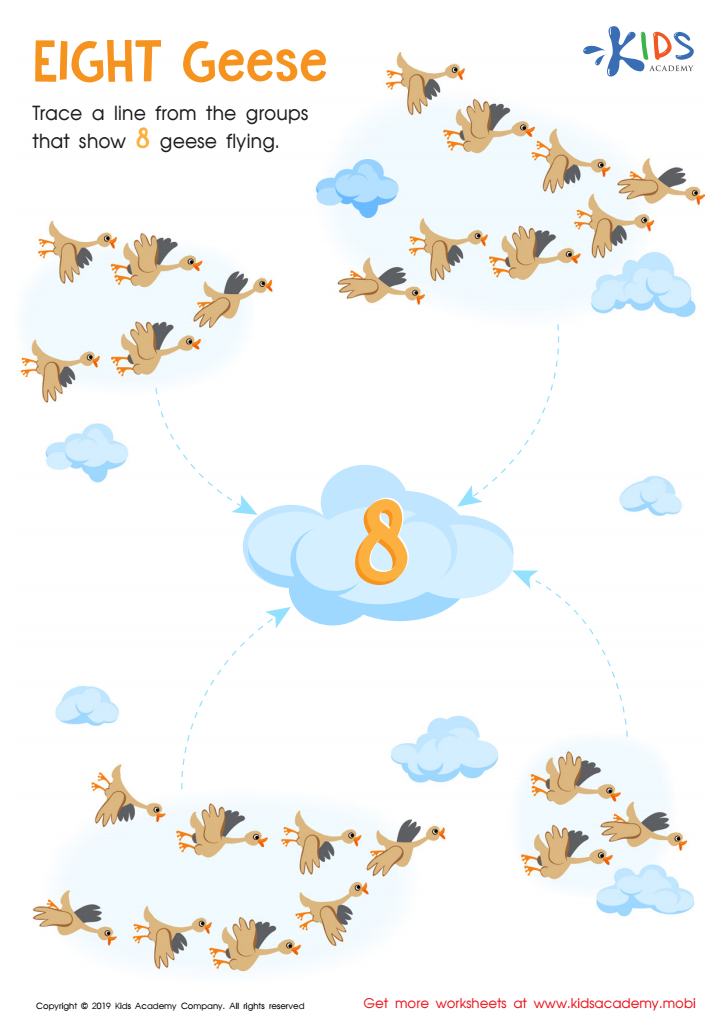
Eight Geese Worksheet
Assess your child's counting skills with this worksheet. Help them count the geese in each group, then trace a line from the groups showing 8. Give your kids a boost by providing lots of exercises and learning aids to help with counting. They likely count objects they come across, like spoons and stones. Use this opportunity to give them practice and help them learn.
Eight Geese Worksheet
Worksheet
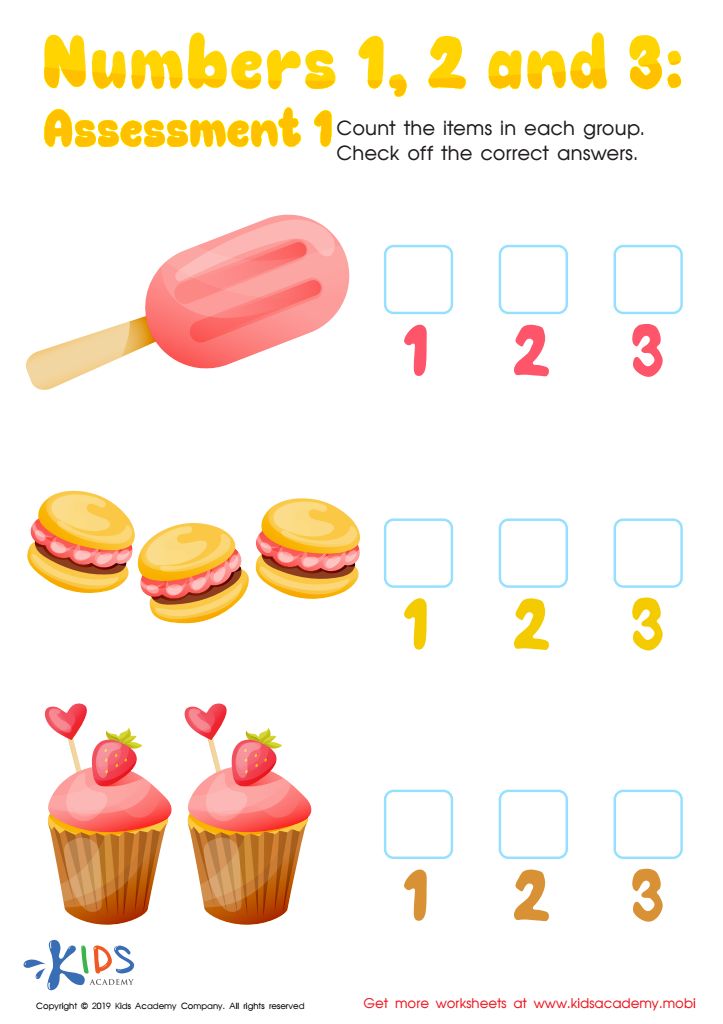
Numbers 1, 2 and 3: Assessment 1 Worksheet
This bright and colorful numbers assessment worksheet is a great way to assess your child's numeracy skills. It provides a sweet treat for them, and helps them recognise 1, 2 or 3 objects. One-to-one representation is key for foundational math skills, and this PDF helps your child build these essential skills.
Numbers 1, 2 and 3: Assessment 1 Worksheet
Worksheet
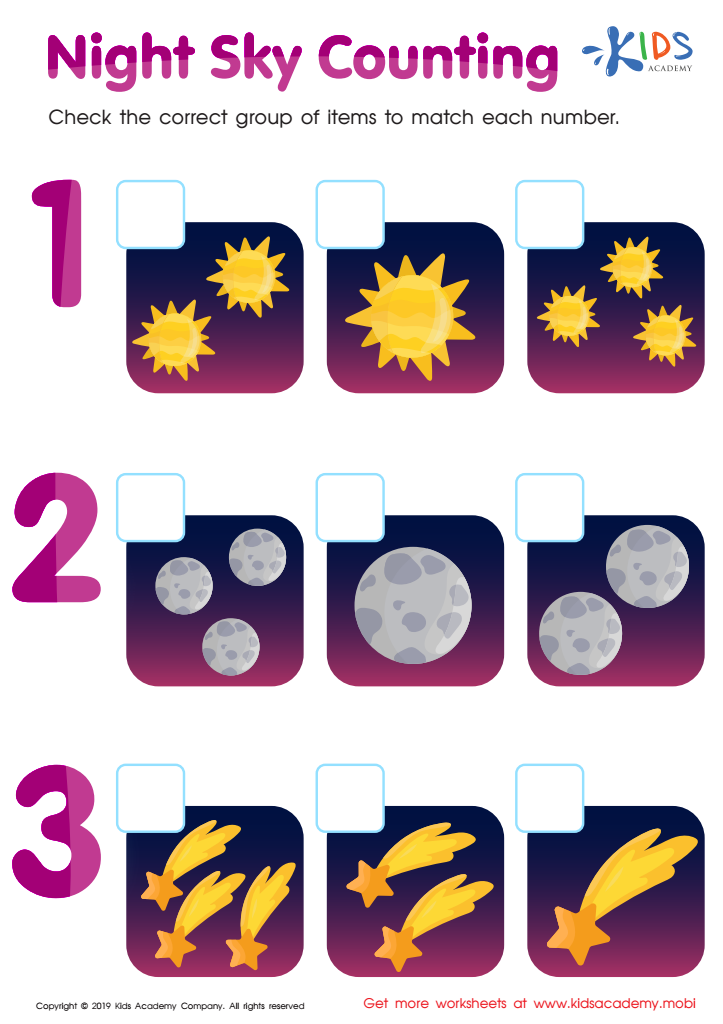
Night Sky Counting Worksheet
Twinkle, little star! Counting is fun with this Night Sky worksheet. Kids use colorful pictures and basic counting skills to match numerals with their corresponding group of items. It's a great way to let them practice number sense and one-to-one representation while having fun!
Night Sky Counting Worksheet
Worksheet
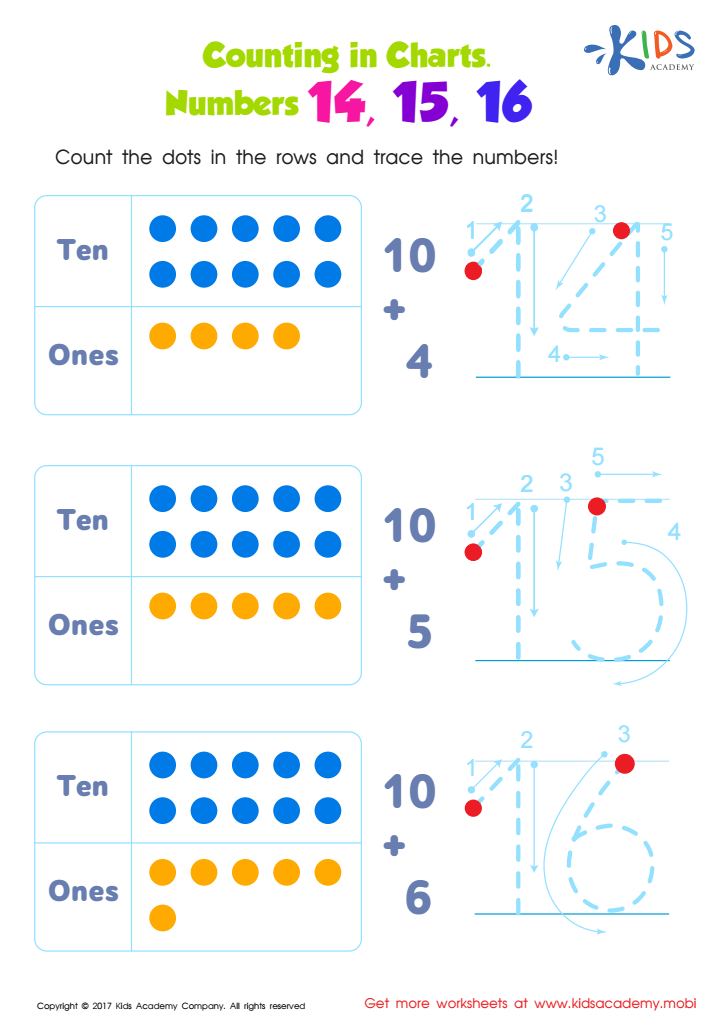
Number Tracing Worksheet
Kids learn math with counters and place value! This handy worksheet helps form a foundation for math skills and number sense! Have your child count the dots and trace the answers to the addition problems. It's a great way to support their math skills!
Number Tracing Worksheet
Worksheet
Join Kids Academy for Free
Who is primarily going to use this learning content?








Hand-eye coordination is a crucial skill that profoundly impacts a child's overall development, particularly for those aged 5 to 7. This age bracket is vital for the blossoming of motor skills, and activities involving hand-eye coordination, like “Easy Numbers,” can significantly enhance these abilities. Strengthening coordination helps children gain confidence in their physical capabilities, making them more willing to participate in various activities like sports, arts, and academic tasks.
Integrating hand-eye coordination activities into a child’s routine promotes not just fine motor skills but also cognitive skills and concentration. As children learn to perform tasks that require focus and precision, they develop better problem-solving skills and enhanced concentration abilities. These activities can create a strong foundation for later academic success, particularly in subjects like math and science, where spatial awareness is essential.
Furthermore, cultivating these skills in a supportive environment, whether at home or school, encourages social interaction and teamwork when children engage in group activities. By emphasizing the importance of hand-eye coordination through enjoyable activities like “Easy Numbers,” parents and teachers can foster holistic growth, ensuring that children are equipped with essential life skills as they progress through their formative years.








