Easy Numbers 0–10 Worksheets for Ages 5-8
74 filtered results
-
From - To
Welcome to our "Easy Numbers 0–10 Worksheets" designed specifically for ages 5-8! These engaging worksheets provide young learners with a well-rounded introduction to basic numeracy skills. Each worksheet features fun, age-appropriate activities that help children recognize, write, and understand the numbers 0 through 10 through colorful illustrations and interactive tasks. Perfect for homeschooling or classroom use, our resources support early math development, fostering confidence and enjoyment in learning. Whether it's counting, number tracing, or simple addition, these worksheets will keep kids invested and eager to explore the world of numbers. Start your child's math journey today!

Number 10 Printable
 Assign to My Students
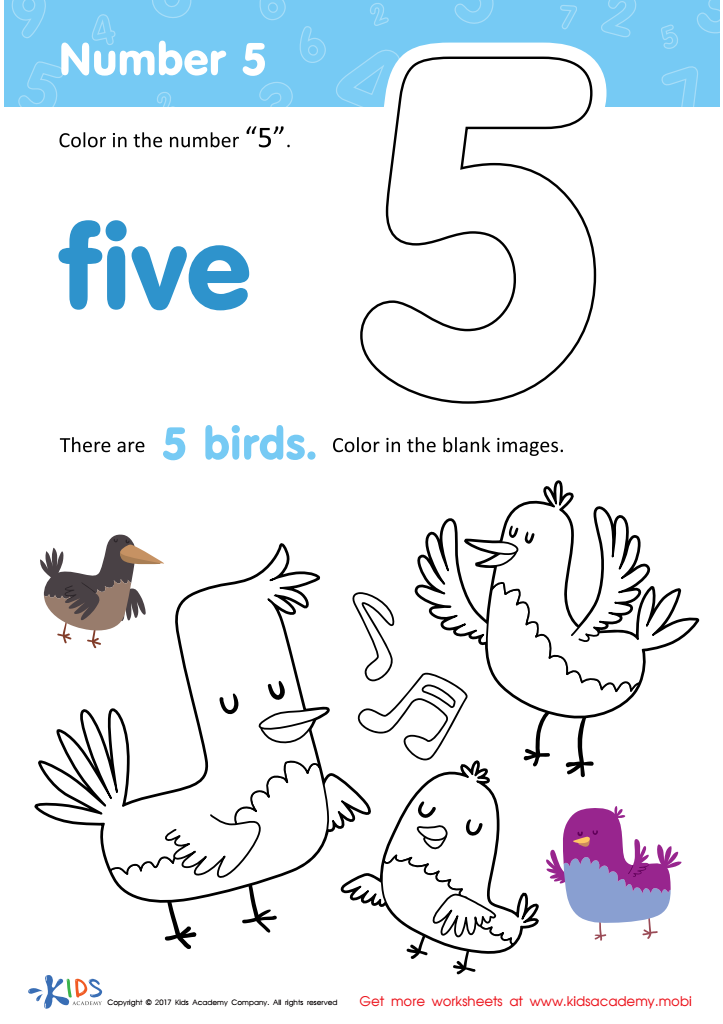
Number 5 Printable
Assign to My Students

Counting Eggs Worksheet
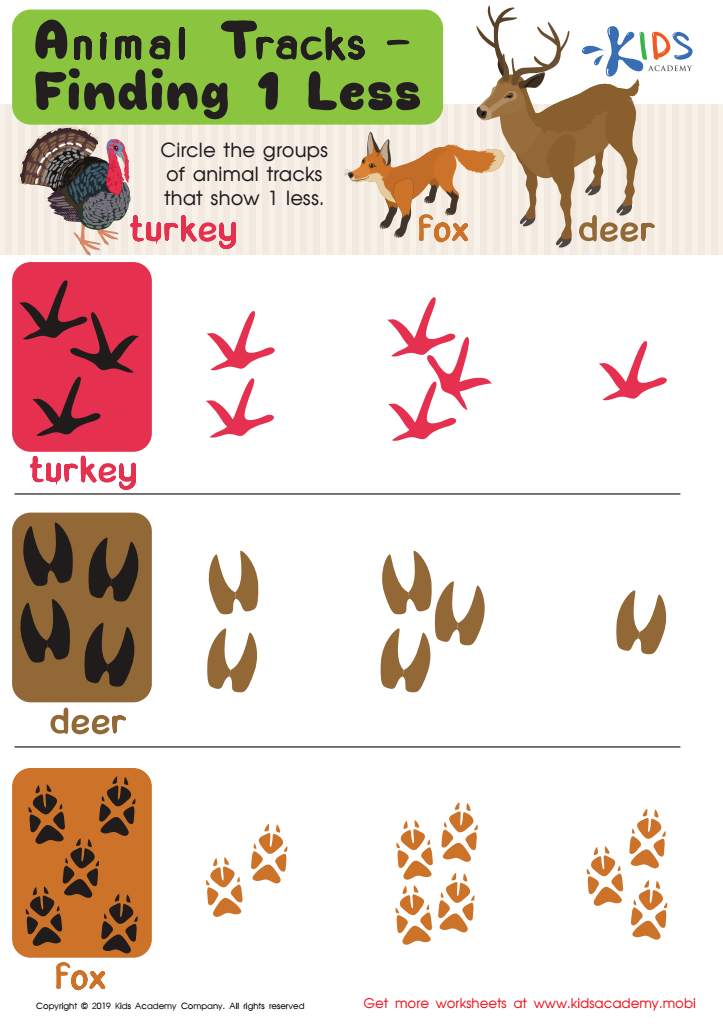
Animal Tracks: Find 1 Less Worksheet
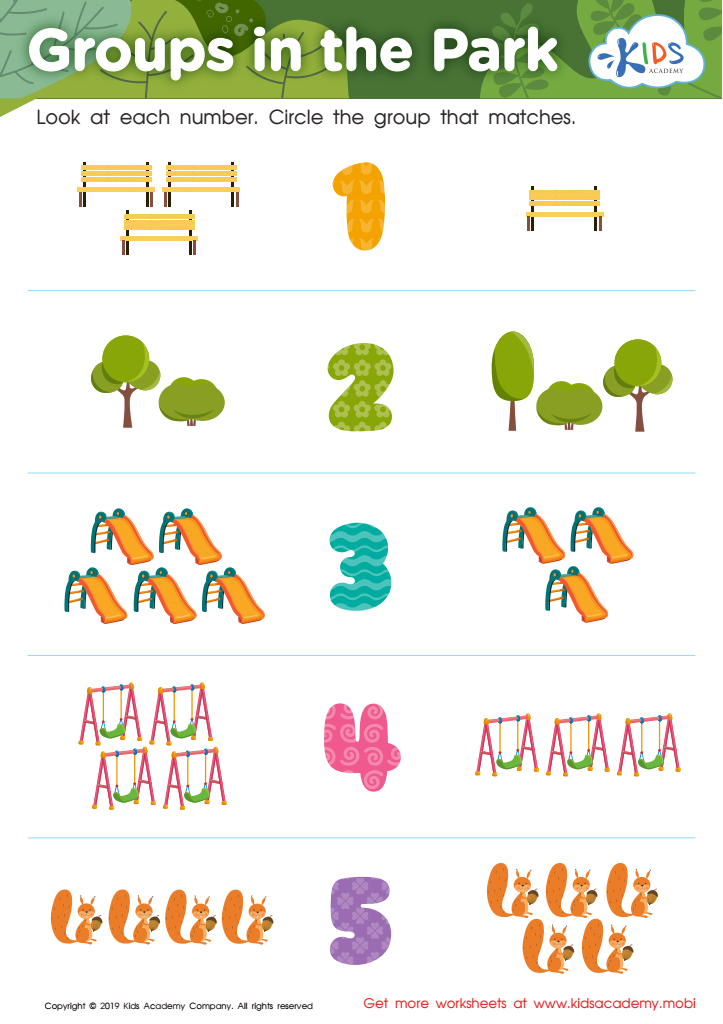
Groups in the Park Worksheet

Find 9 Worksheet
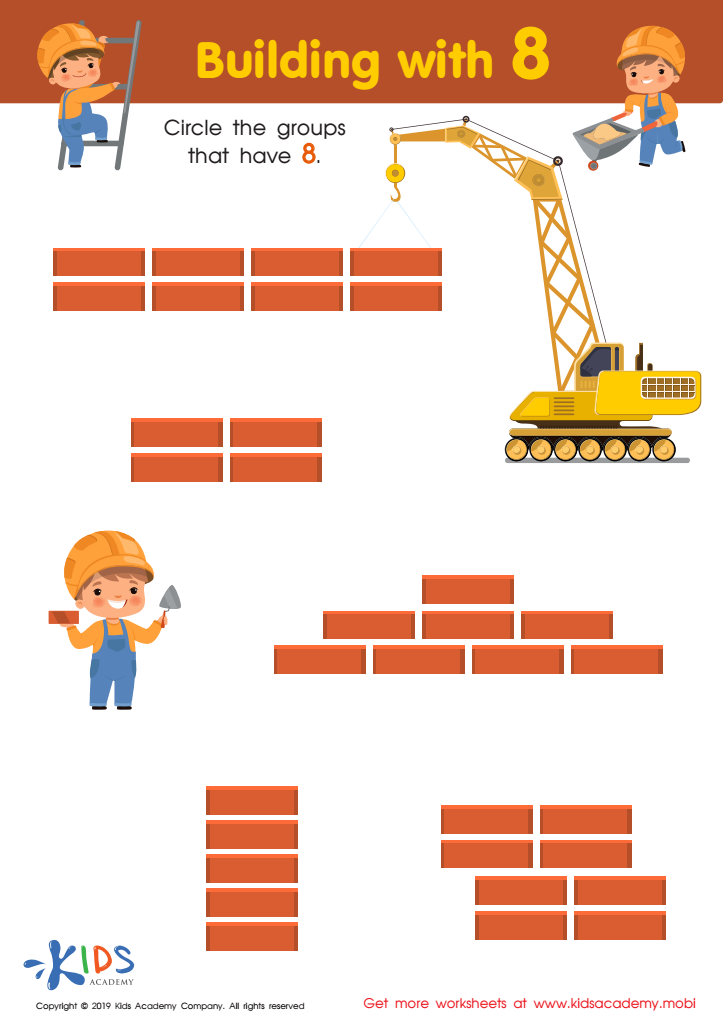
Building with 8 Worksheet
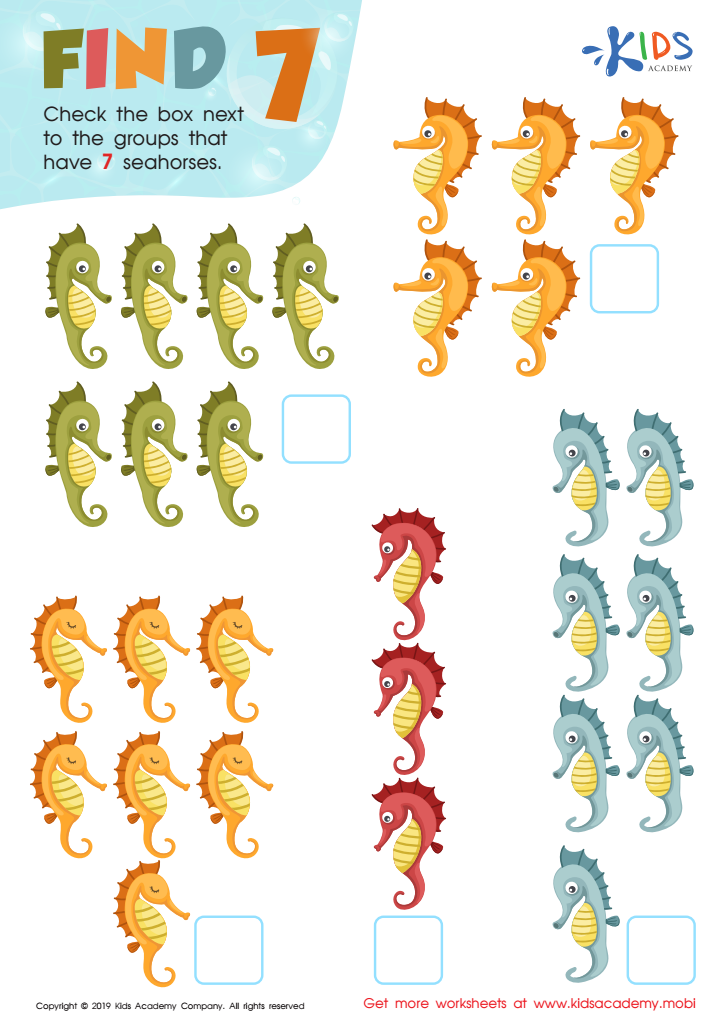
Find 7 Worksheet
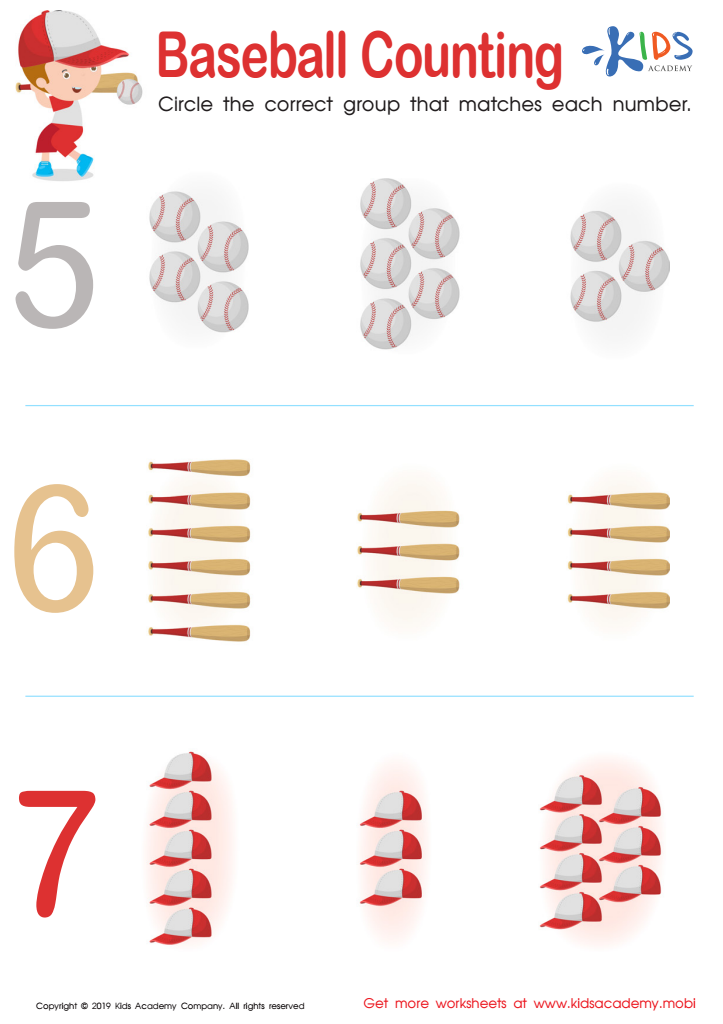
Baseball Counting Worksheet
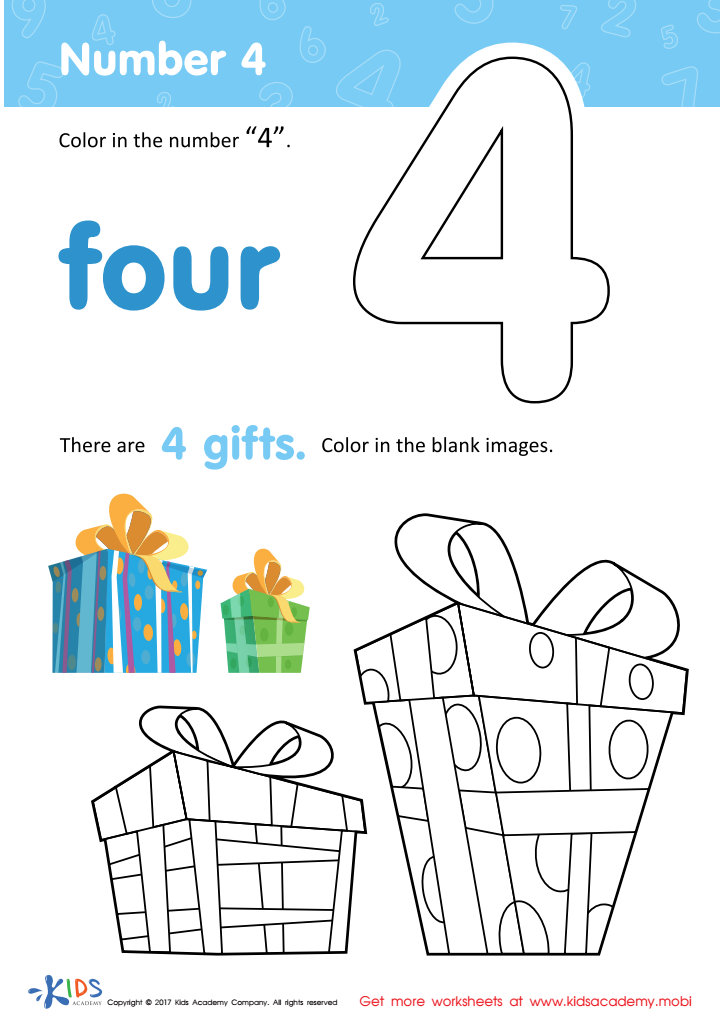
Number 4 Printable
Assign to My Students
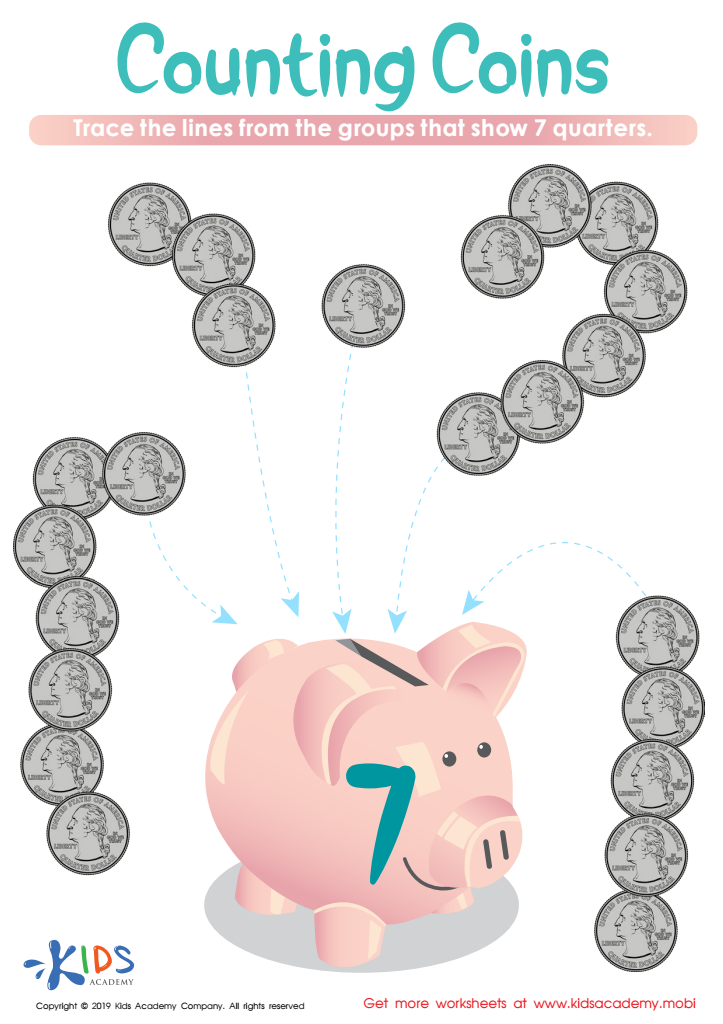
Counting Coins Worksheet

Find 7 Eggs Worksheet
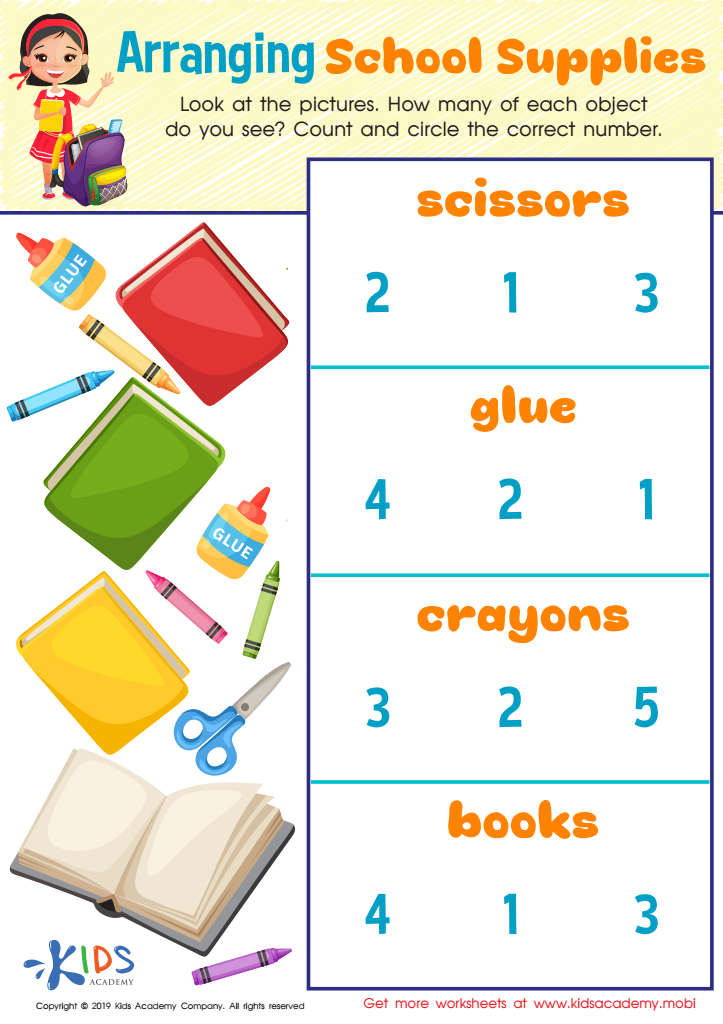
Arranging School Supplies Worksheet
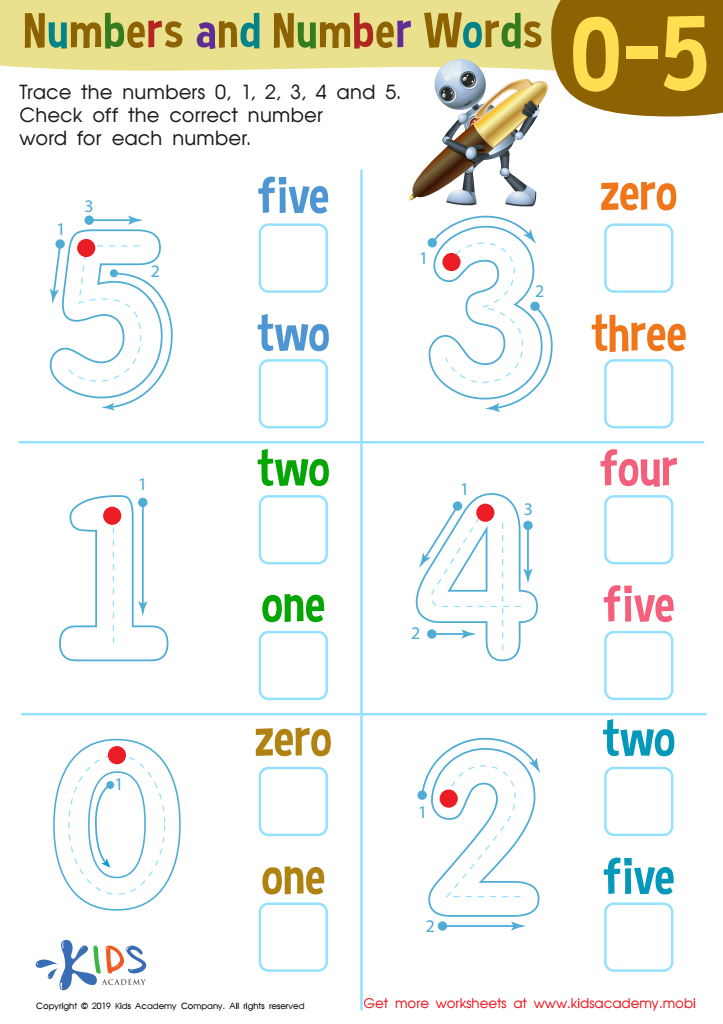
Numbers and Number Words Worksheet
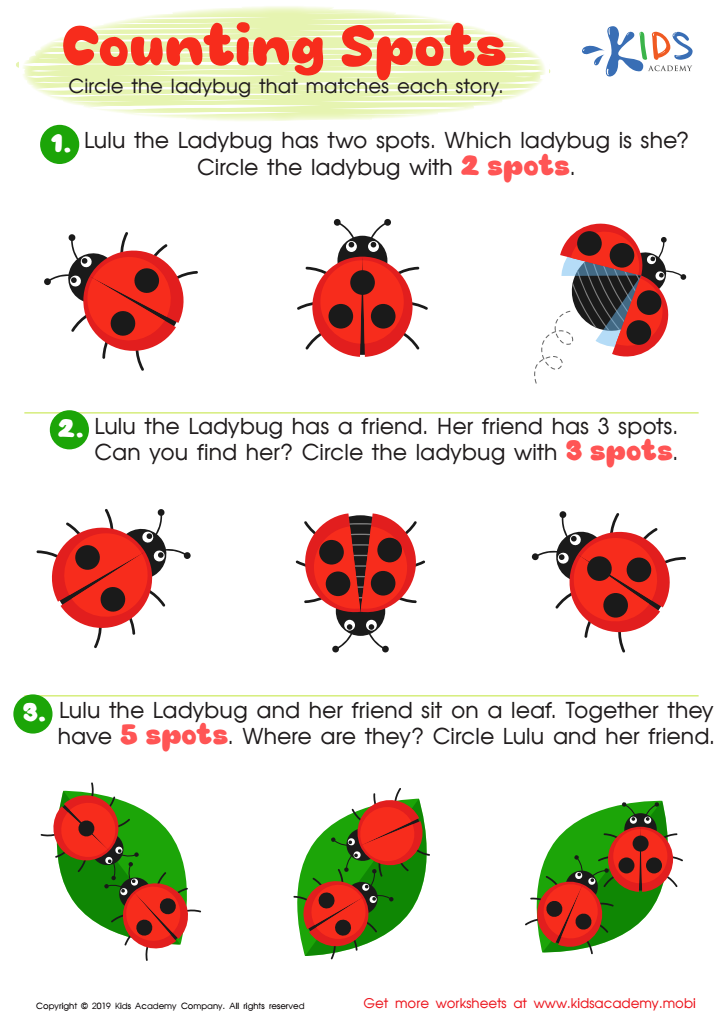
Counting Spots Worksheet
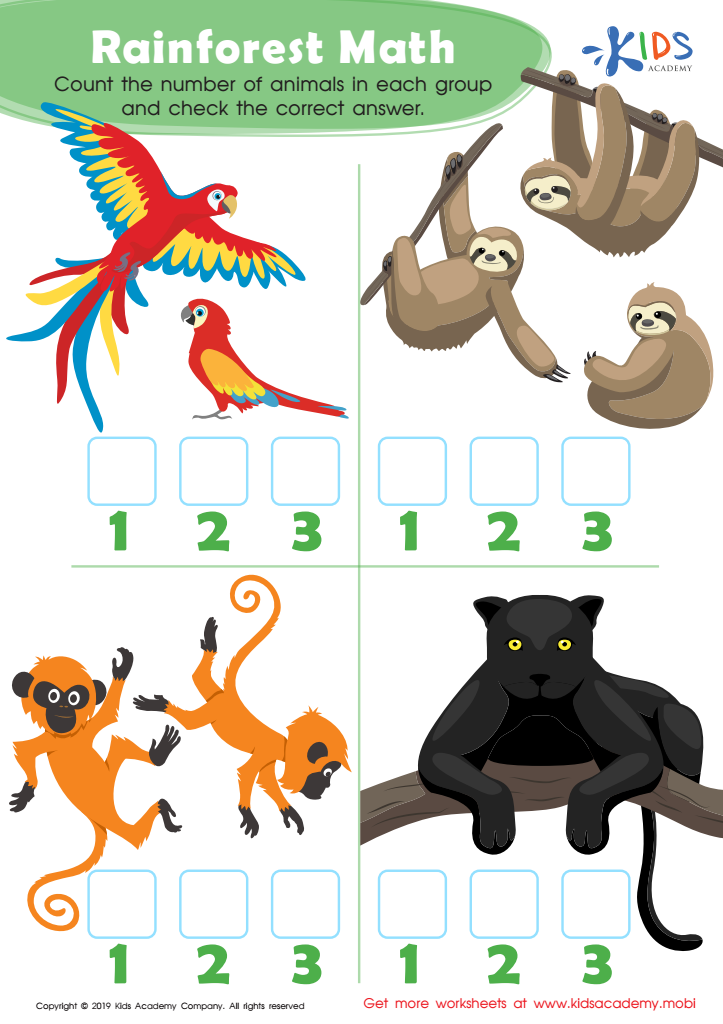
Rainforest Math Worksheet
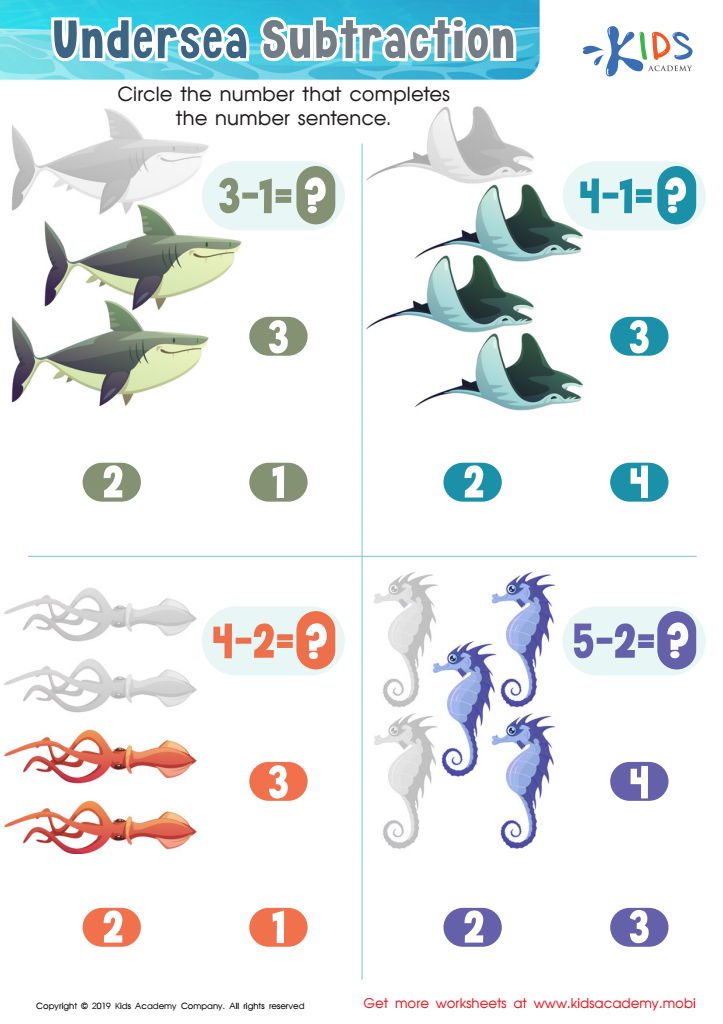
Undersea Subtraction Worksheet
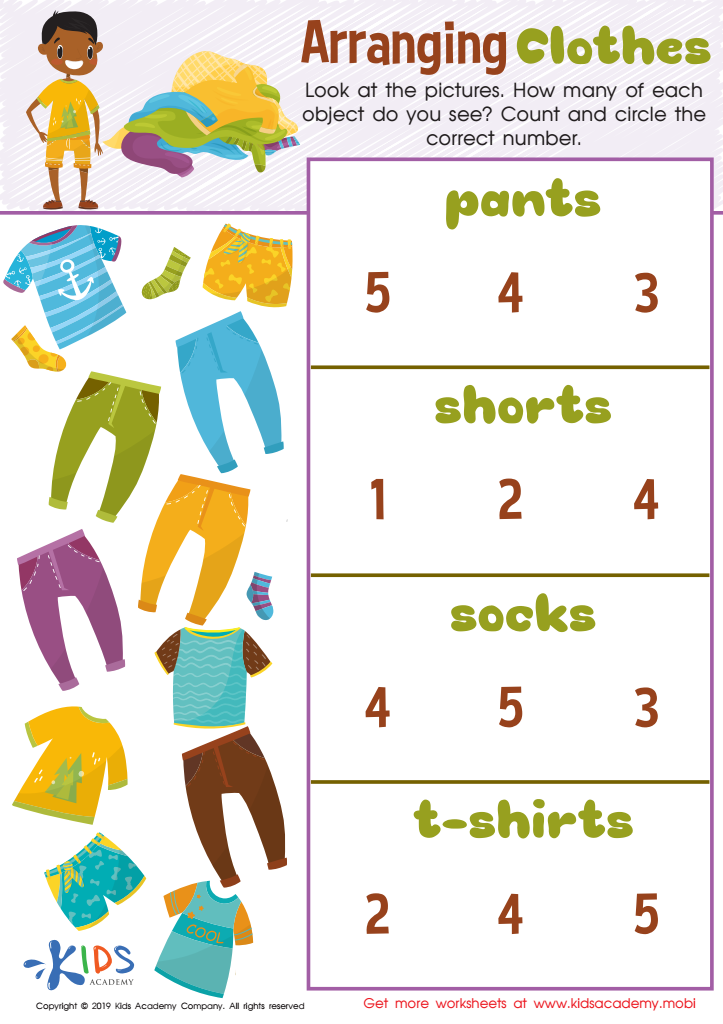
Arranging Clothes Worksheet
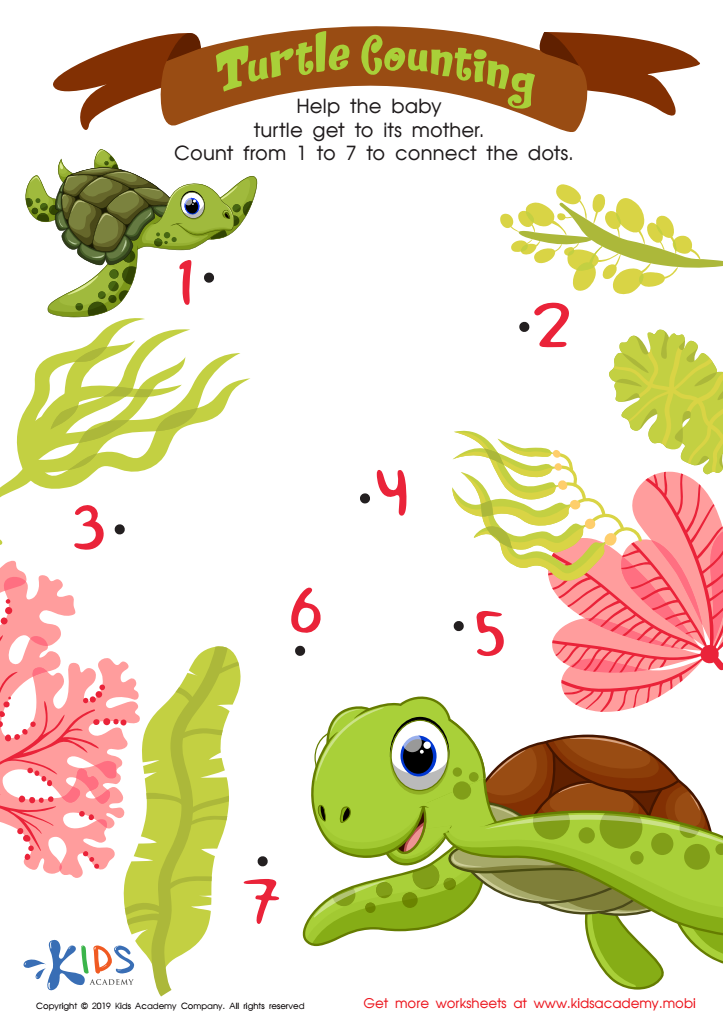
Turtle Counting Worksheet
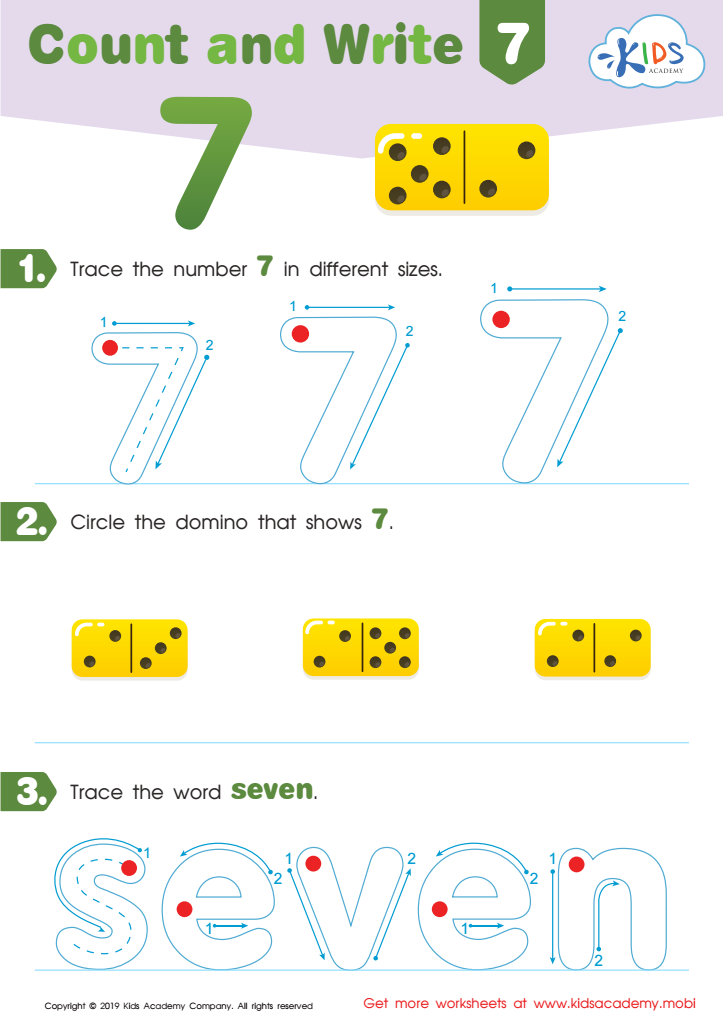
Count and Write 7 Worksheet
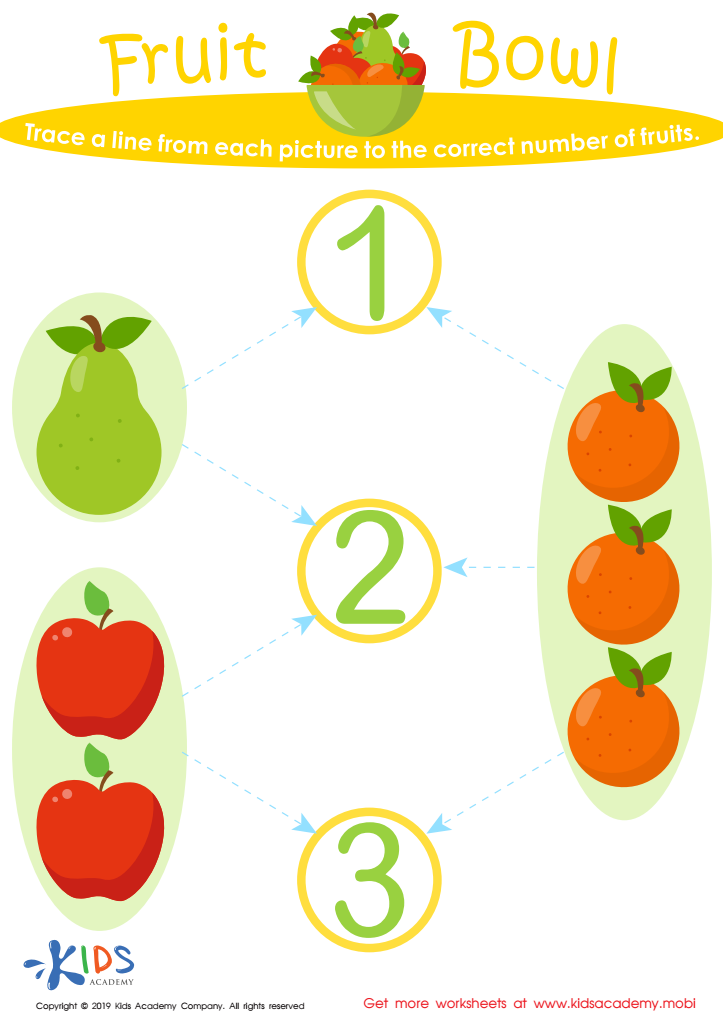
Fruit Bowl Worksheet
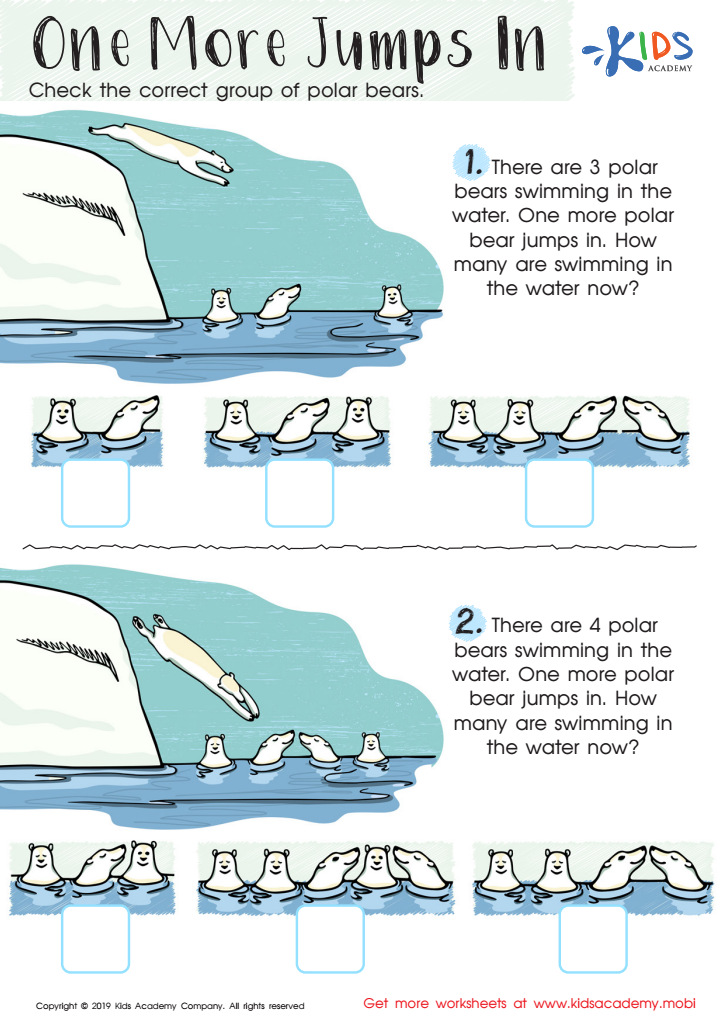
One More Jumps In Worksheet
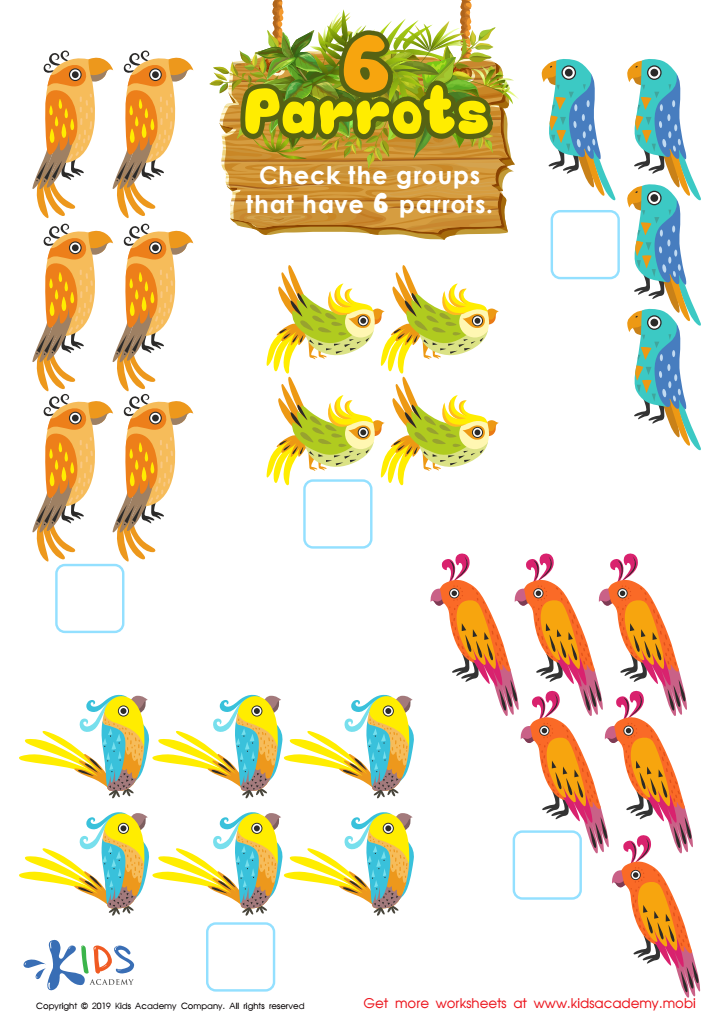
6 Parrots Worksheet
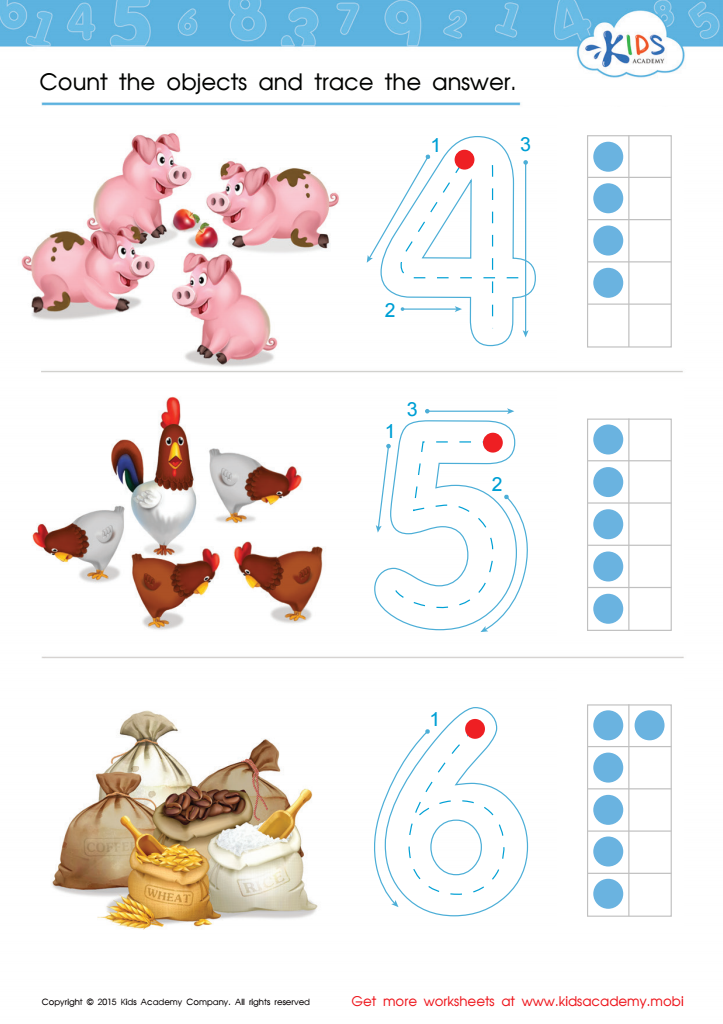
Count and Trace 4 – 6 Worksheet








Parents and teachers should prioritize familiarity with Easy Numbers 0–10 for children ages 5-8 because this foundation is crucial for early mathematical development. Understanding numbers in this range enhances children's numerical fluency, which is vital for future academic success in mathematics. At this age, learners are at a pivotal stage where they begin to comprehend basic mathematical concepts such as addition, subtraction, and pattern recognition.
Engaging with numbers 0-10 enables children to develop critical thinking and problem-solving skills. It also aids in building confidence and a positive attitude towards learning mathematics, which can have lasting effects throughout their educational journey. Furthermore, as children relate numbers to everyday contexts, they enhance their understanding of numbers and their applications in real life.
Moreover, early exposure to numbers paves the way for stronger arithmetic skills that are essential for more complex concepts encountered later in school. Collaborating with parents, teachers can create enriching learning environments where children feel supported and eager to explore. This collaborative approach builds foundational skills that are not only essential for math but also contribute to overall cognitive development. By prioritizing early number education, parents and teachers can collaboratively cultivate a strong groundwork for a child’s future success in mathematics and beyond.