Problem-Solving Skills Easy Science Worksheets for Ages 5-8
5 filtered results
-
From - To
Enhance your child's problem-solving skills with our engaging and easy science worksheets, specially designed for ages 5-8. These worksheets provide a fun and interactive way for young learners to explore scientific concepts while developing critical thinking and analytical abilities. Each activity encourages curiosity and creativity, making science enjoyable and accessible. With bright illustrations and age-appropriate challenges, children will confidently tackle problems while building a strong foundation in essential learning skills. Perfect for teachers, parents, or homeschoolers, our worksheets are a valuable resource to foster independence and problem-solving proficiency in early learners. Download now and spark a love for learning in your child!

Healthy Food Maze Printable
 Assign to My Students
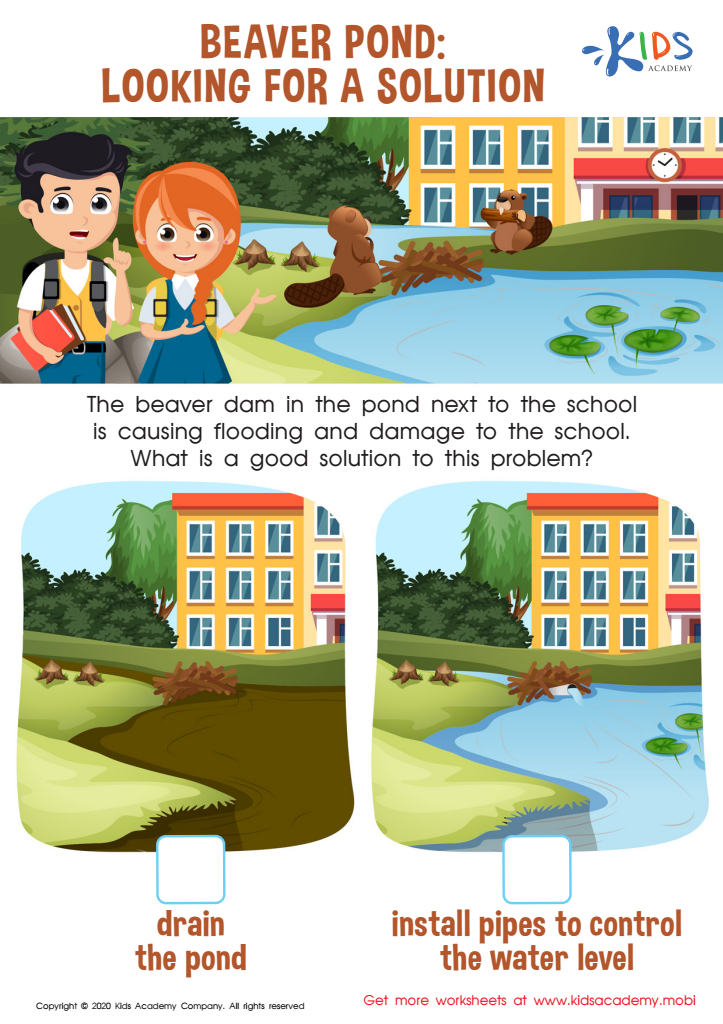
Beaver Pond: Looking for a Solution Worksheet
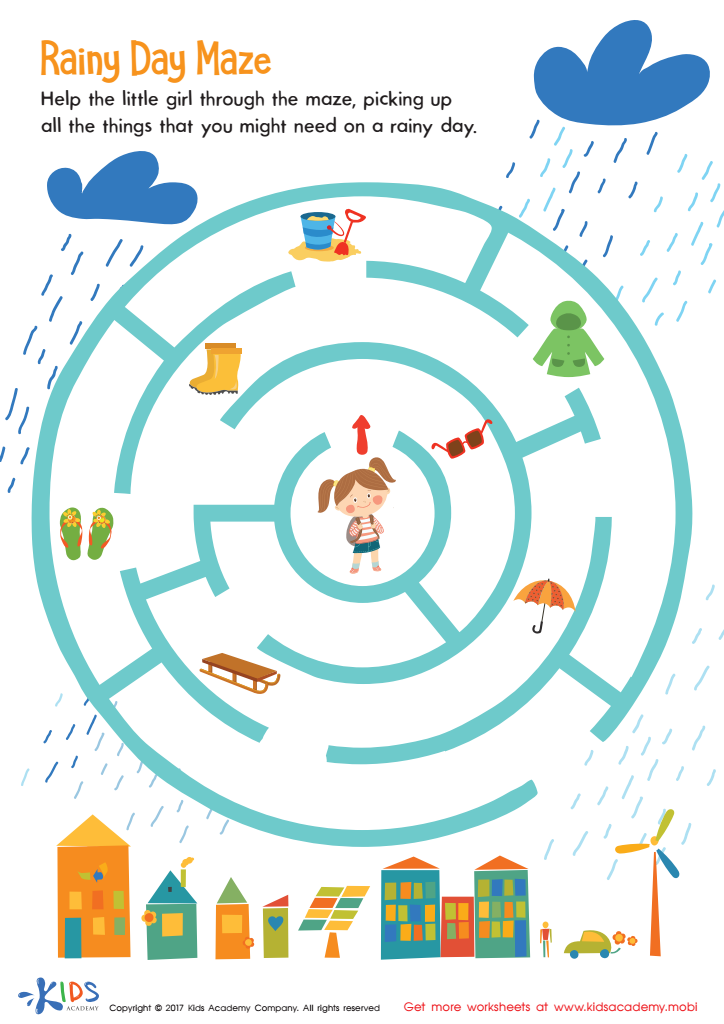
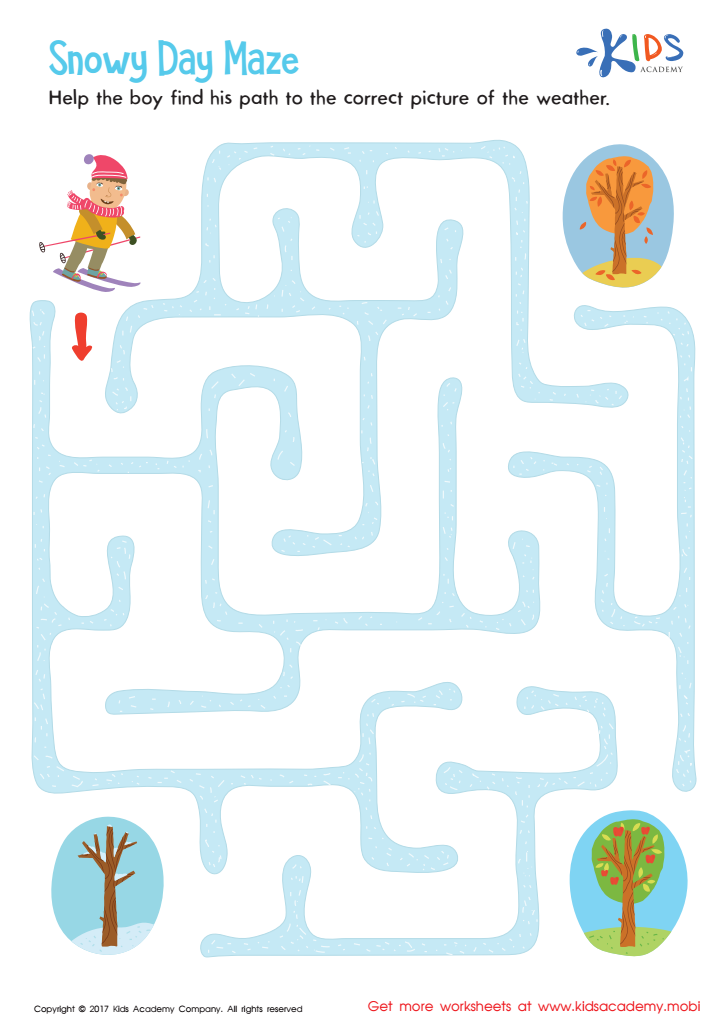
Rainy Day Maze Worksheet
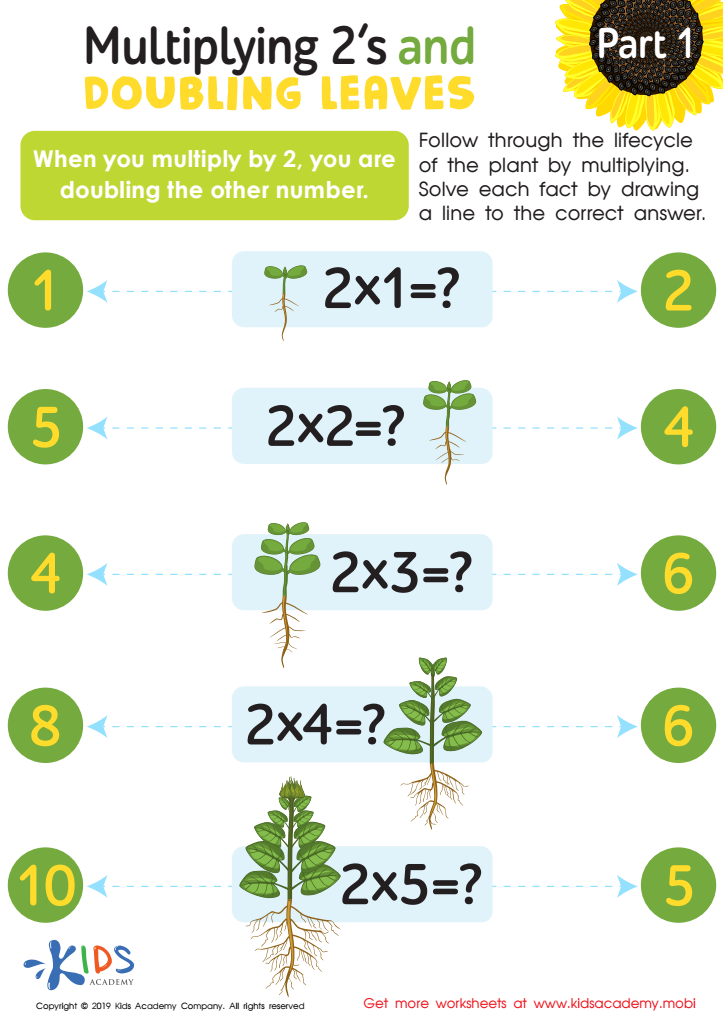
Multiplying 2’s and Doubling Leaves Part 1 Worksheet






Parents and teachers should prioritize problem-solving skills in young children, particularly in the context of easy science, for several compelling reasons. First, early problem-solving promotes critical thinking, enabling children to analyze situations, consider various outcomes, and make informed decisions. This foundation sets the stage for academic success across subjects, particularly in STEM (Science, Technology, Engineering, and Mathematics).
At ages 5-8, children are naturally curious and eager to explore. Engaging them in simple scientific problems—like predicting the outcome of a basic experiment or figuring out how to build a strong tower with blocks—stimulates their creativity and enhances their analytical skills. This hands-on approach not only makes learning enjoyable but also solidifies essential concepts in an interactive way.
Moreover, honing these skills fosters resilience. When children encounter challenges and learn strategies to overcome them, they develop confidence in their abilities. Teachers and parents play a crucial role in supporting this skill development by providing opportunities for exploration, asking thought-provoking questions, and encouraging teamwork.
Ultimately, nurturing problem-solving skills during early childhood equips children with lifelong abilities that transcend academics, shaping their capabilities as innovative thinkers and responsible decision-makers in the future.