Basic counting skills Easy Worksheets for Ages 5-9
6 filtered results
-
From - To
Explore our engaging collection of "Basic Counting Skills" worksheets designed for children ages 5-9! These easy-to-follow worksheets help young learners develop essential counting abilities through fun activities and colorful visuals. Each printable sheet focuses on foundational skills, ensuring that learning is both enjoyable and effective. From counting objects to solving simple equations, our resources promote confidence in math while enhancing fine motor skills. Ideal for home or classroom use, these worksheets are a perfect way to support your child’s early math education. Help your little ones master counting today and pave the way for future learning success!
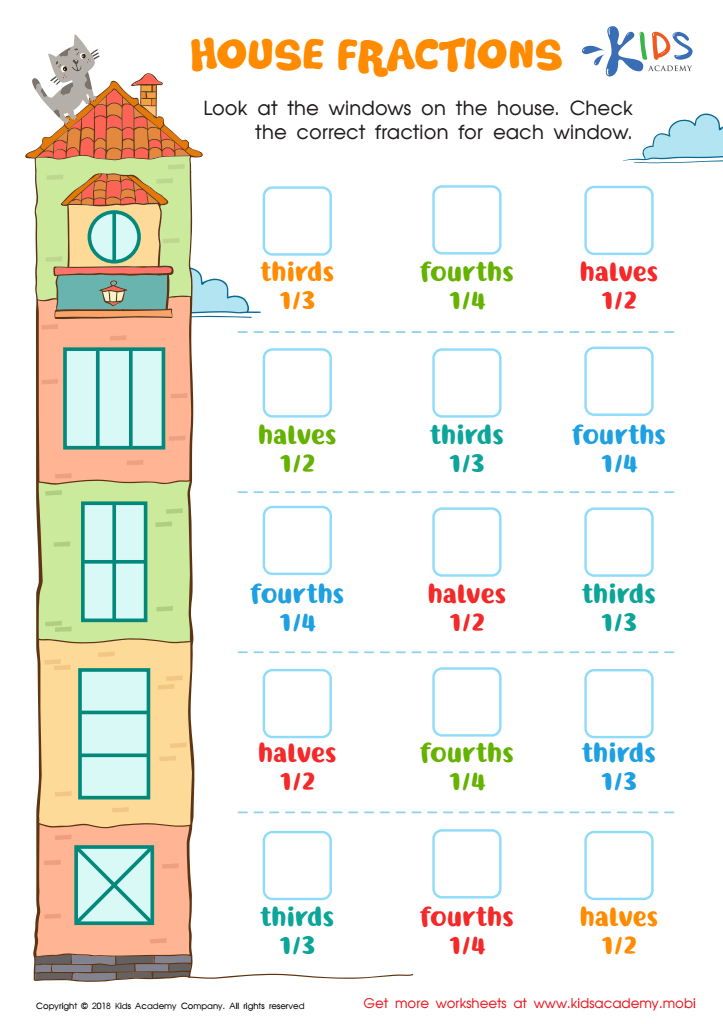
House Fractions Worksheet
 Assign to My Students
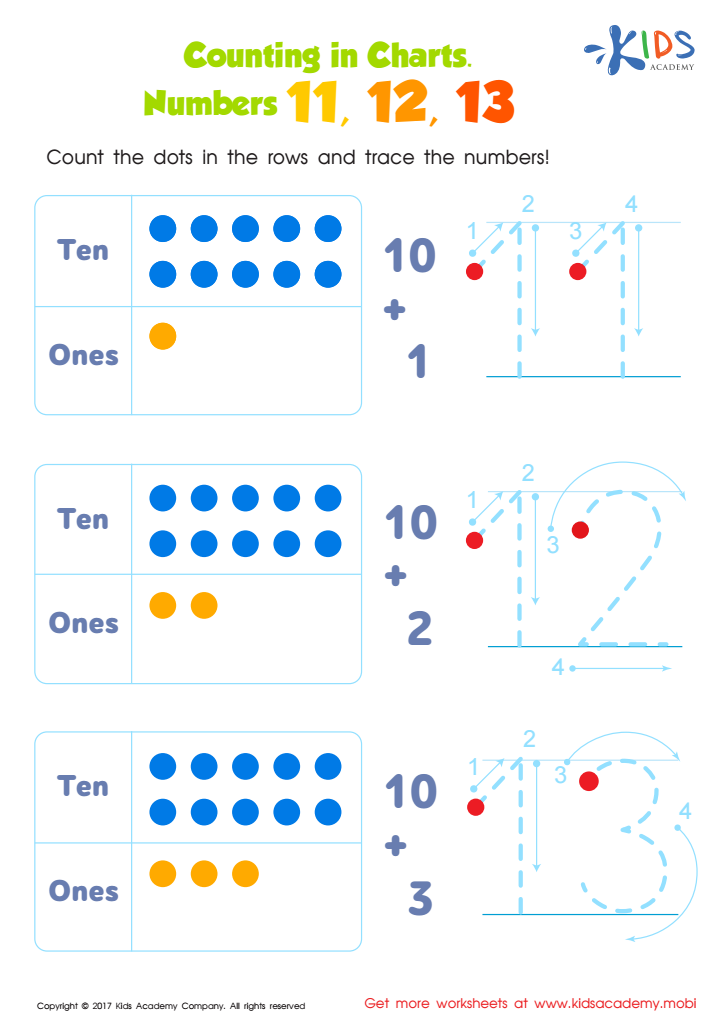
Number Tracing Worksheet For Kindergarten
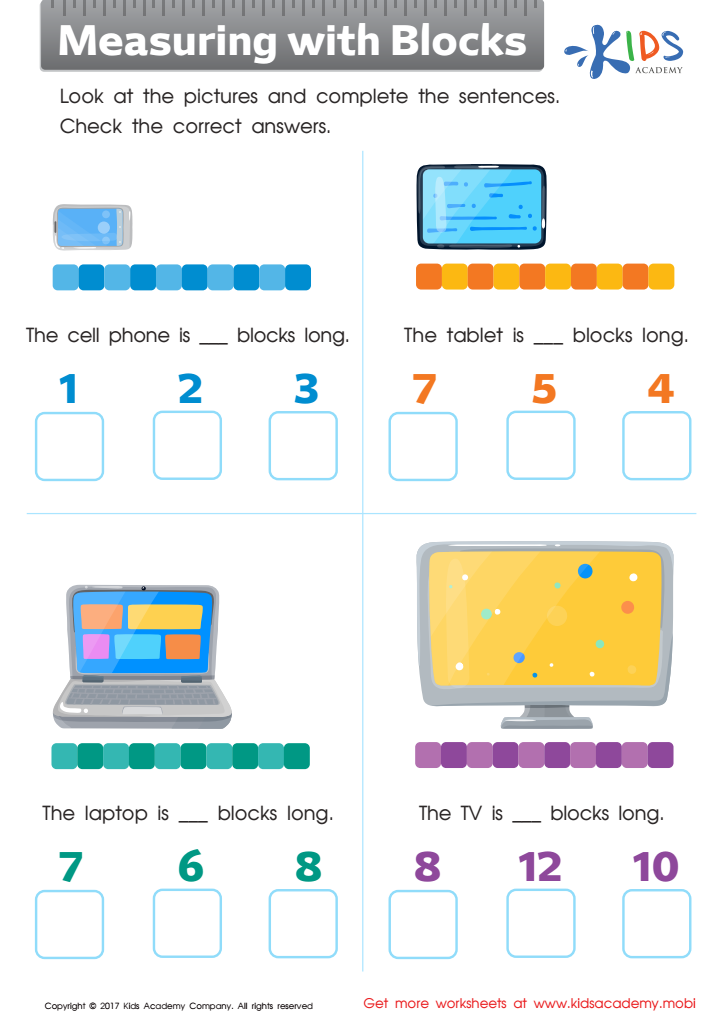
Measuring with Blocks Worksheet
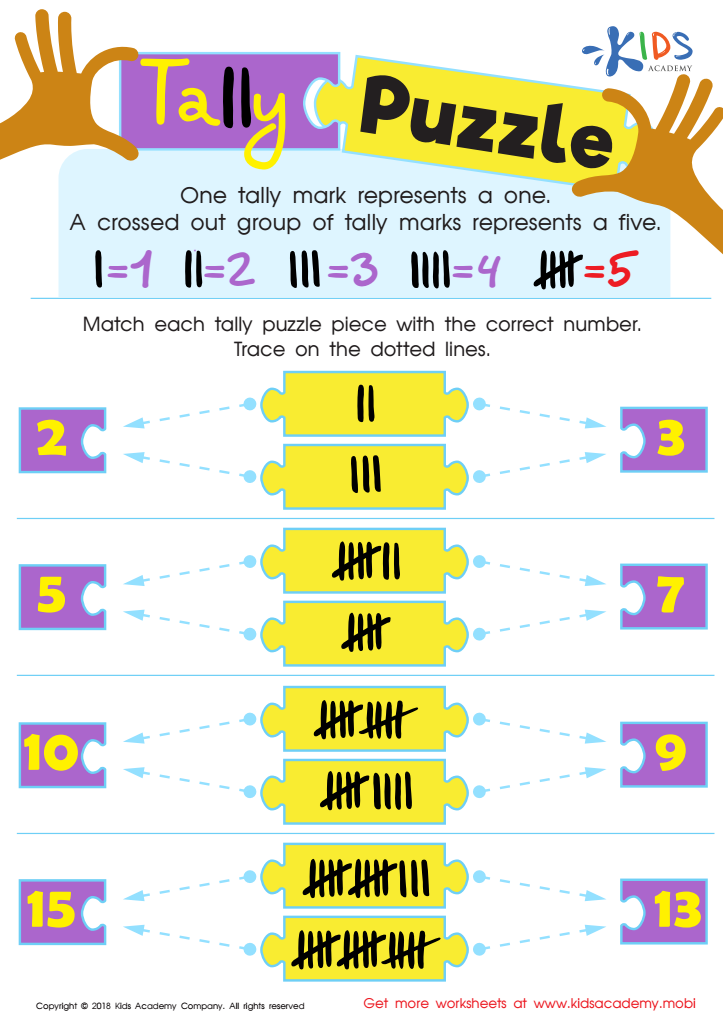
Tally Puzzle Worksheet
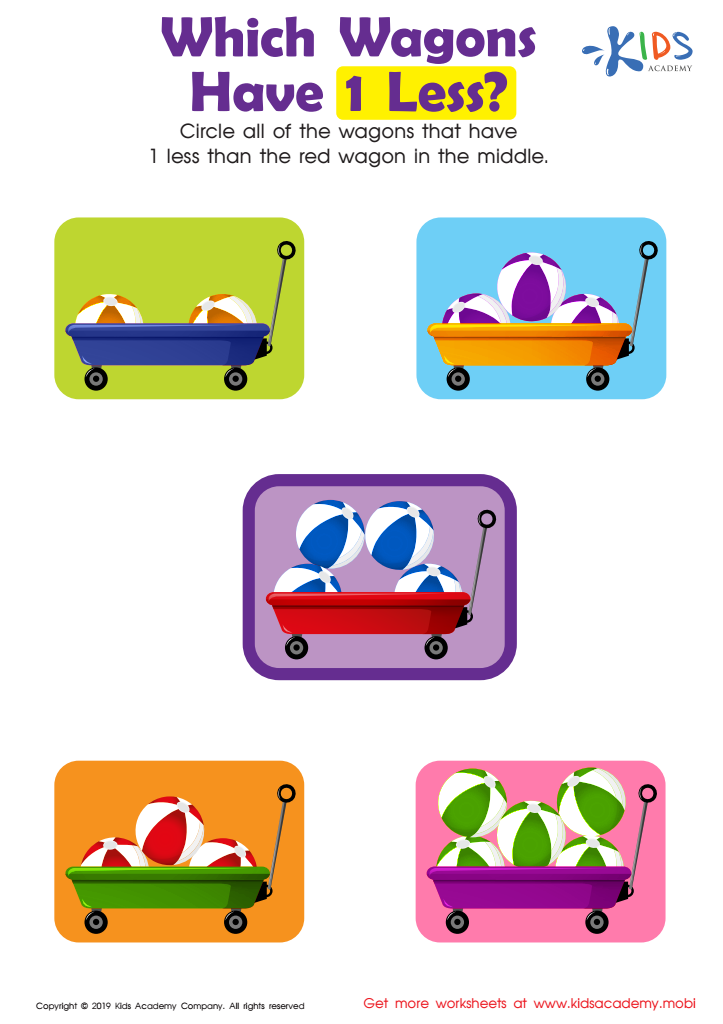
Which Wagons Have 1 Less? Worksheet








Basic counting skills are fundamental for children aged 5-9, laying the groundwork for their future academic success. These early years are crucial for cognitive development, where young learners begin to understand numbers, quantities, and their relationships. By mastering counting, children enhance their ability to problem-solve and think critically.
Parents and teachers should prioritize counting skills because they are directly linked to everyday activities and practical life scenarios. For instance, counting aids in understanding concepts such as addition and subtraction—essential skills in mathematics. Furthermore, counting fosters an understanding of sequences and patterns, which are pivotal in various subjects beyond math, including science and reading.
Early exposure to counting helps build confidence in children, encouraging a positive relationship with numbers. This confidence is essential as they transition to more complex mathematical concepts in later grades. Additionally, nurturing these skills through games and interactive activities makes learning enjoyable, enhancing their engagement and retention.
Finally, strong counting skills empower children to navigate their world, making sense of their surroundings through numbers, whether it’s counting toys, understanding time, or managing money. Investing time in developing these skills ensures a more secure educational foundation and prepares children for lifelong learning.








