Contextual understanding Easy Worksheets for Ages 5-9
5 filtered results
-
From - To
Discover our "Contextual Understanding Easy Worksheets" tailored for ages 5-9, designed to boost young learners' skills in comprehending context through fun, engaging activities. With our printable worksheets, children enhance comprehension, vocabulary, and critical thinking by analyzing texts and images, fostering a love for learning. These resources are perfect for both classroom use and at-home practice, making learning interactive and enjoyable. Ideal for diverse learning styles, our worksheets support foundational skills crucial for academic success. Empower your child's education journey with Kids Academy's expertly crafted materials, ensuring a robust understanding of various contexts. Start exploring today!
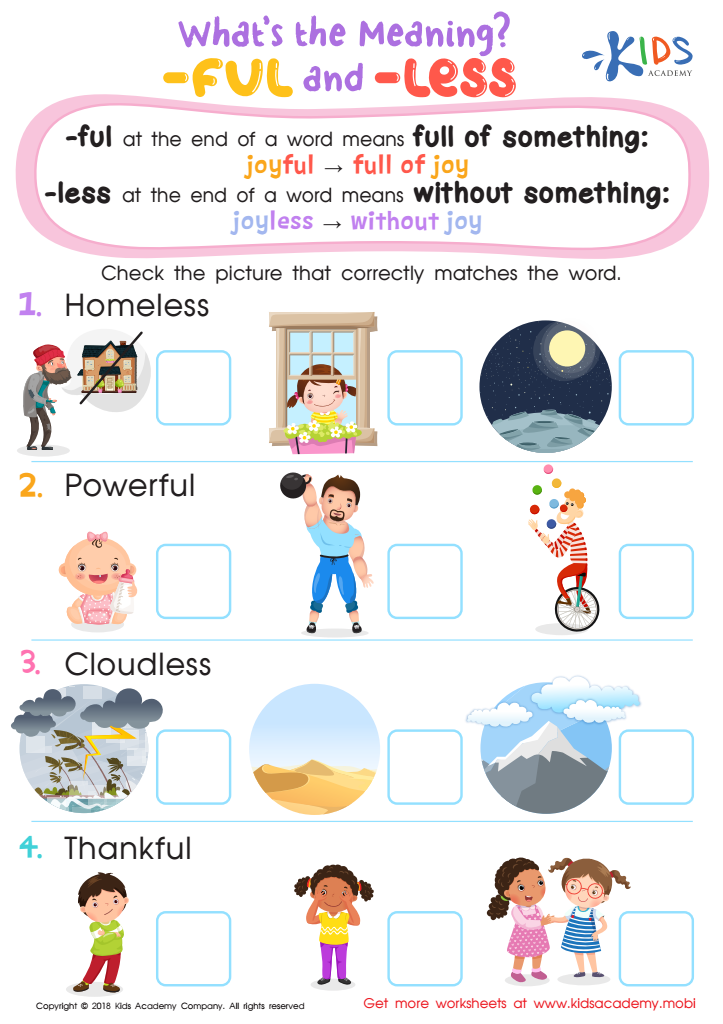
What's the Meaning? Worksheet
 Assign to My Students
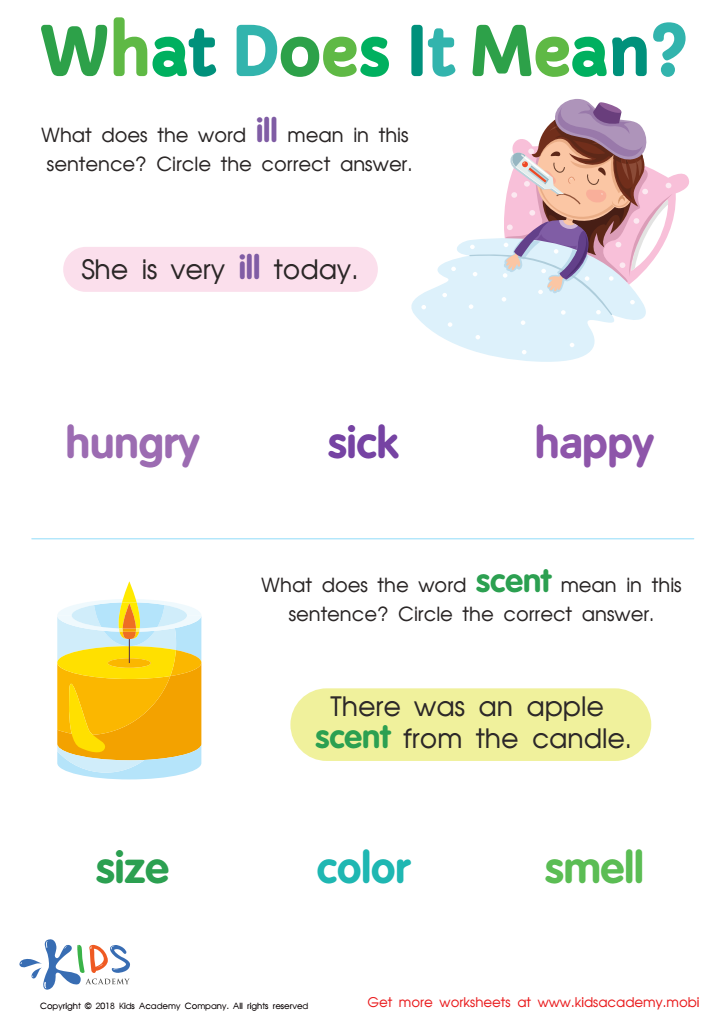
What Does It Mean? Worksheet
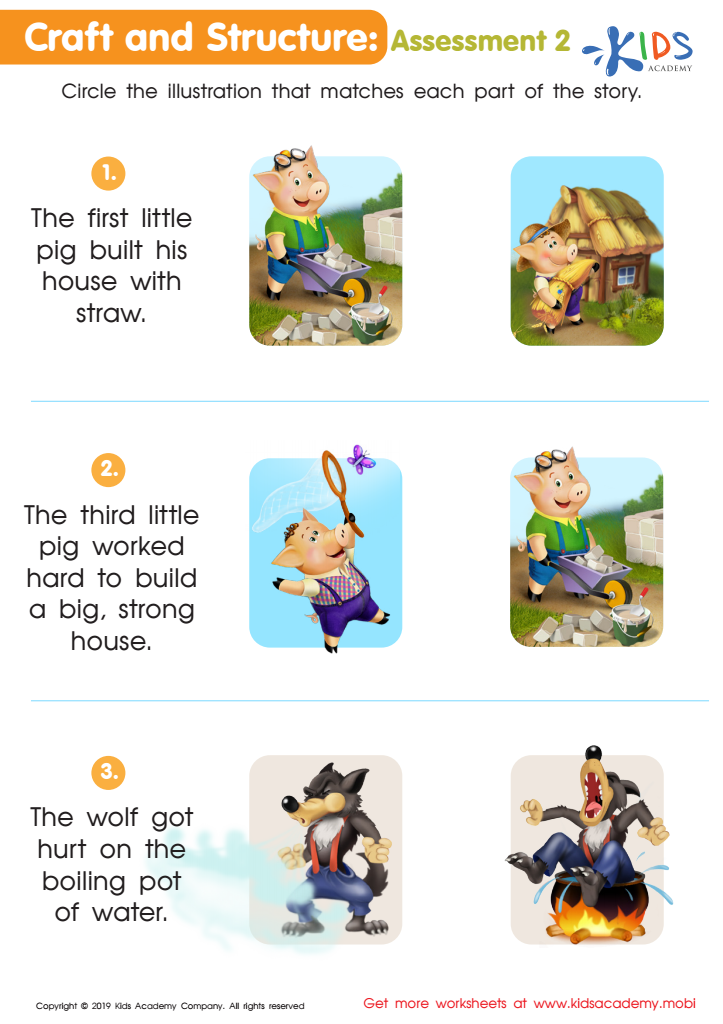
Craft and Structure: Assessment 2 Worksheet 2
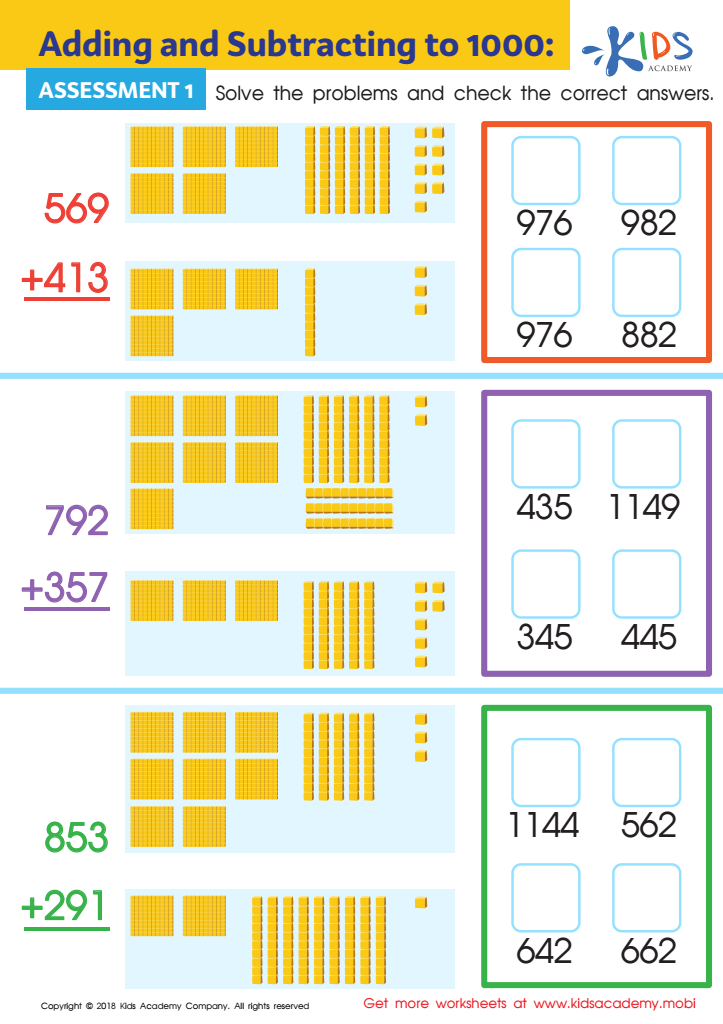
Adding and Subtracting to 1 Worksheet: Assessment 1
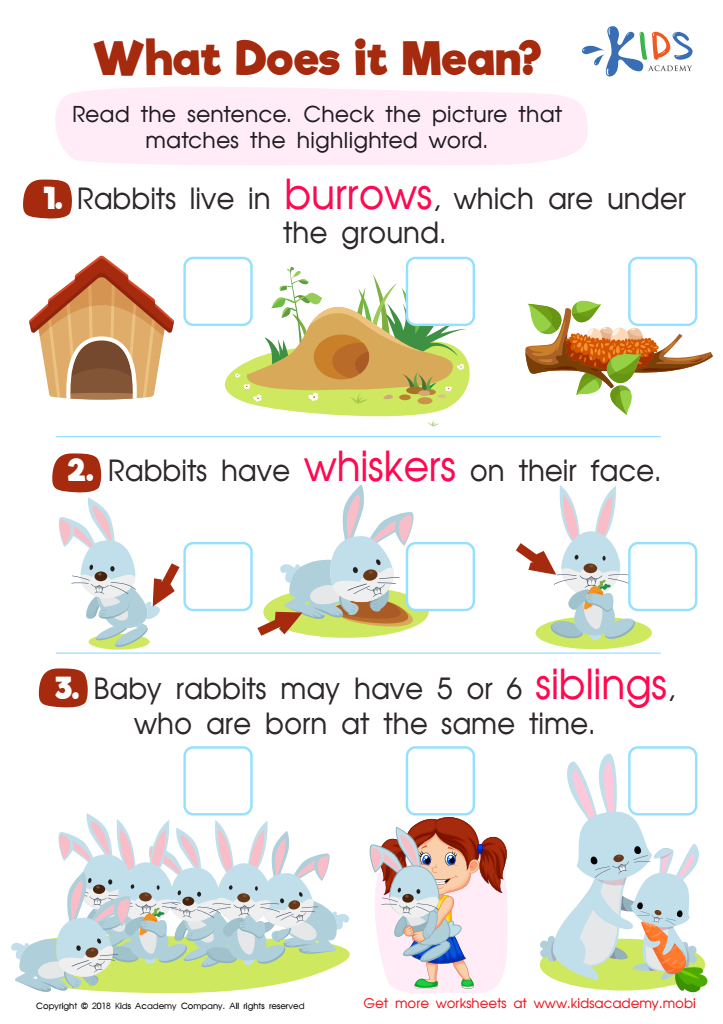
What Does It Mean? Worksheet








Parents and teachers of children ages 5-9 should prioritize contextual understanding because it is a foundational skill for deeper comprehension and learning. Contextual understanding helps young learners make sense of new information by relating it to what they already know, thereby reinforcing and expanding their knowledge base.
At this critical age, children are beginning to develop basic literacy and numeracy skills. By focusing on context, adults can help connect words and concepts to real-world experiences, making abstract ideas more concrete and understandable. For example, when children learn new vocabulary in the context of a story, they are more likely to remember and use those words correctly.
Moreover, contextual understanding fosters critical thinking. When children understand the context around a word or idea, they are better able to infer meanings, predict outcomes, and grasp nuances. This not only aids in academic success but also enhances problem-solving skills.
Additionally, a focus on context can make learning more engaging and relevant, which is crucial for maintaining the attention and interest of young children. Interactive activities that involve real-life situations or multi-sensory experiences can make learning both fun and meaningful.
In summary, fostering contextual understanding from an early age equips children with the tools they need for lifelong learning and critical thinking, ultimately nurturing more well-rounded and capable individuals.








