Understanding Sequences Easy Worksheets for Ages 5-9
5 filtered results
-
From - To
Unlock the magic of learning with our "Understanding Sequences Easy Worksheets for Ages 5-9". Designed with young minds in mind, these engaging and fun worksheets help children grasp the concept of sequences effortlessly. Perfect for ages 5 to 9, these educational tools bolster critical thinking and pattern recognition, laying a strong foundation for future math success. Each worksheet is visually appealing, interactive, and tailored to captivate your child's interest. Whether at home or in the classroom, these printable worksheets make learning sequences a delightful experience. Give your child a head start on math skills with our expertly crafted resources.
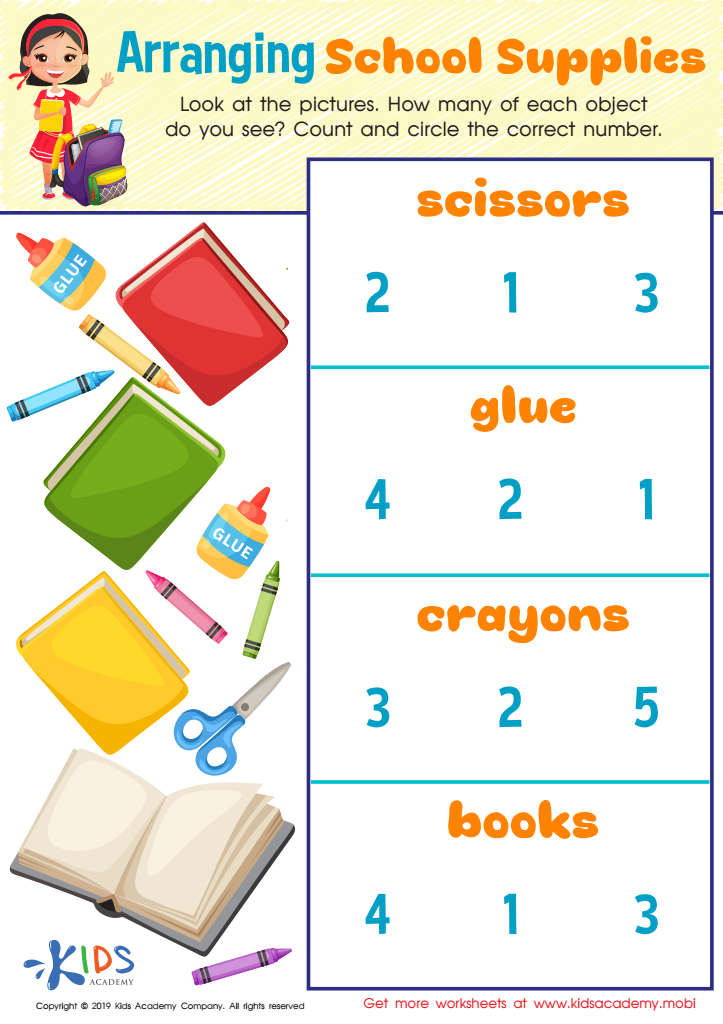
Arranging School Supplies Worksheet
 Assign to My Students
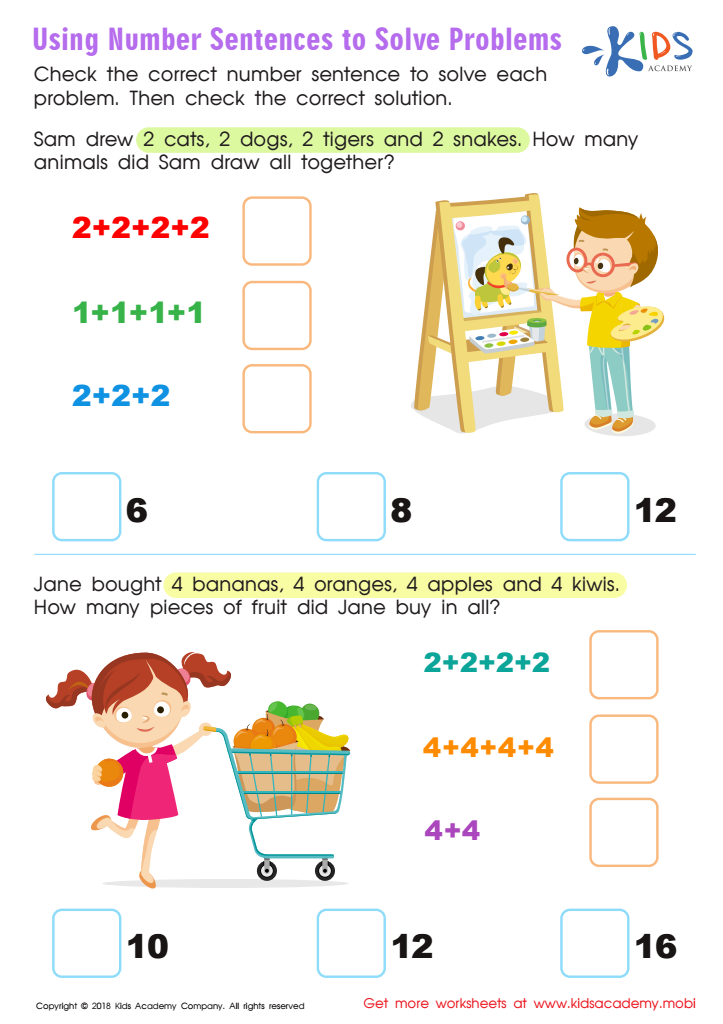
Using Number Sentences to Solve Problems Worksheet
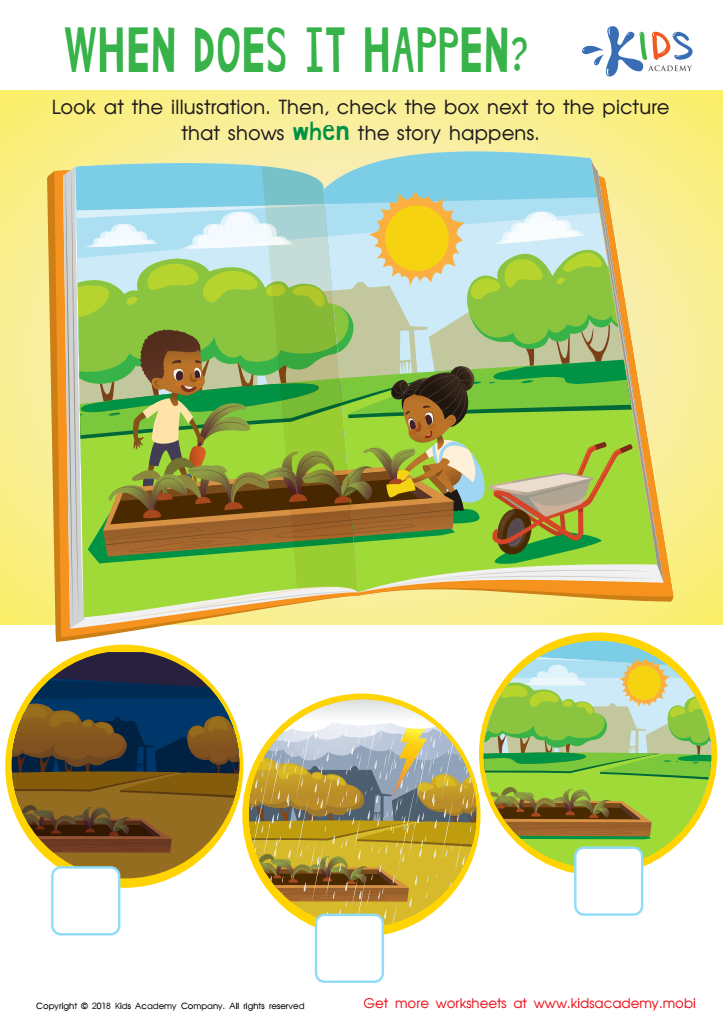
When Does It Happen? Worksheet
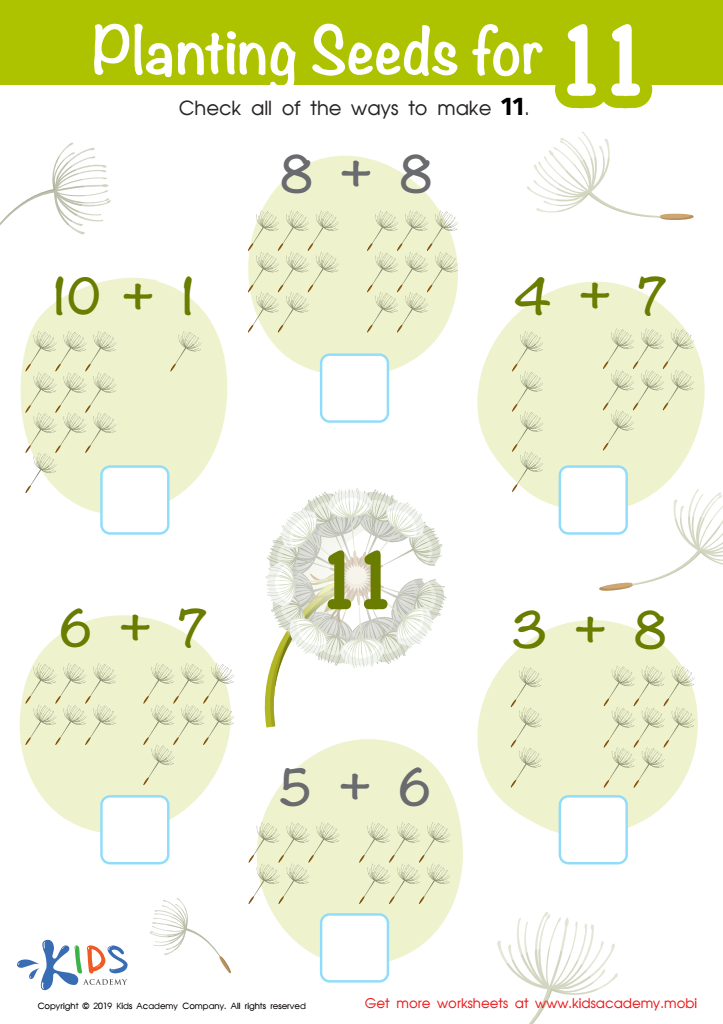
Planting Seeds for 11 Worksheet
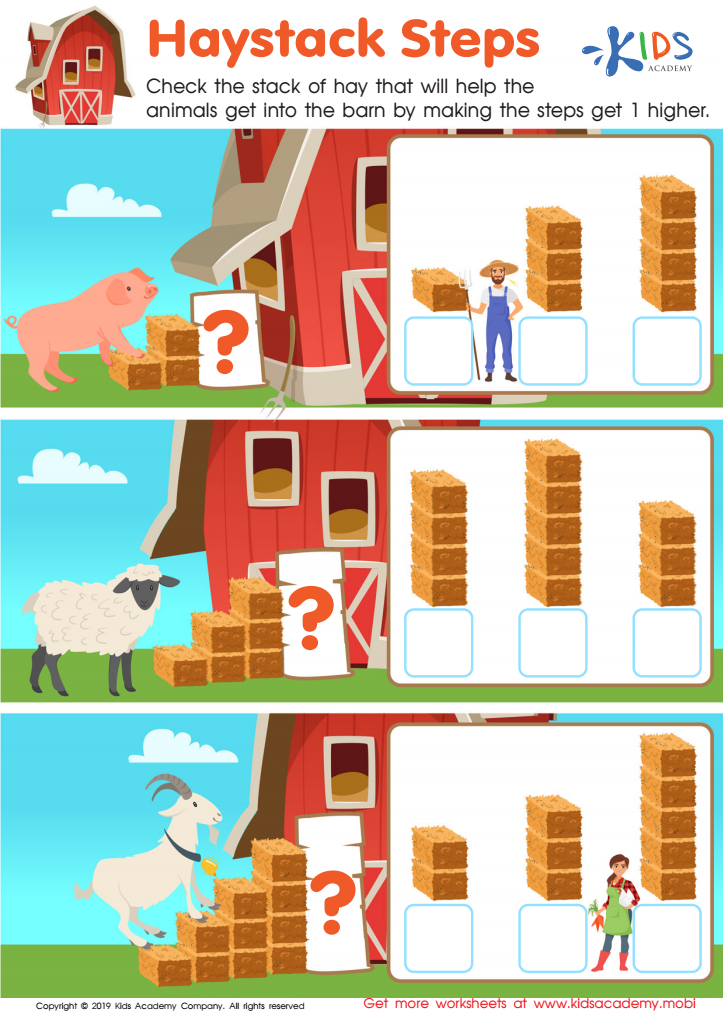
Haystack Steps Worksheet








Understanding sequences is crucial for young children, particularly ages 5-9, as it lays the foundation for critical thinking and problem-solving skills. When parents and teachers focus on this concept, they contribute significantly to a child's cognitive development. Sequences help children grasp the idea that events and actions follow a specific order, making everyday tasks easier to understand and carry out. For instance, getting dressed, brushing teeth, and tying shoelaces all involve sequential steps, and understanding this system fosters independence.
Additionally, sequences are fundamental in building early mathematical skills. Patterns and sequences introduce children to basic arithmetic and help them predict future events based on prior occurrences. Recognizing these patterns enhances their ability to understand more complex mathematical concepts later on.
Moreover, understanding sequences hones organizational skills and boosts memory. As children identify sequences in stories, they improve their narrative skills and comprehension, fostering better reading and writing abilities. Recognizing the order in a story helps them understand plot developments, make inferences, and anticipate outcomes.
In a social context, understanding sequences aids children in following classroom routines and social interactions, promoting smoother transitions and cooperation. Encouraging this understanding at an early age optimizes long-term academic and social success.








