Counting practice Easy Worksheets for 5-Year-Olds
23 filtered results
-
From - To
Introducing "Counting Practice Easy Worksheets for 5-Year-Olds", our collection of engaging exercises designed to make learning numbers fun and effective. Ideal for young learners, these worksheets help develop essential counting skills through colorful images and interactive activities. With a focus on enhancing numerical understanding, each worksheet encourages children to count objects, match numbers, and practice sequential counting. Perfect for both classroom and at-home use, our easy-to-follow worksheets promote confidence and a love for math in preschoolers. Download now to support your child's early math journey and watch them thrive in their counting abilities!
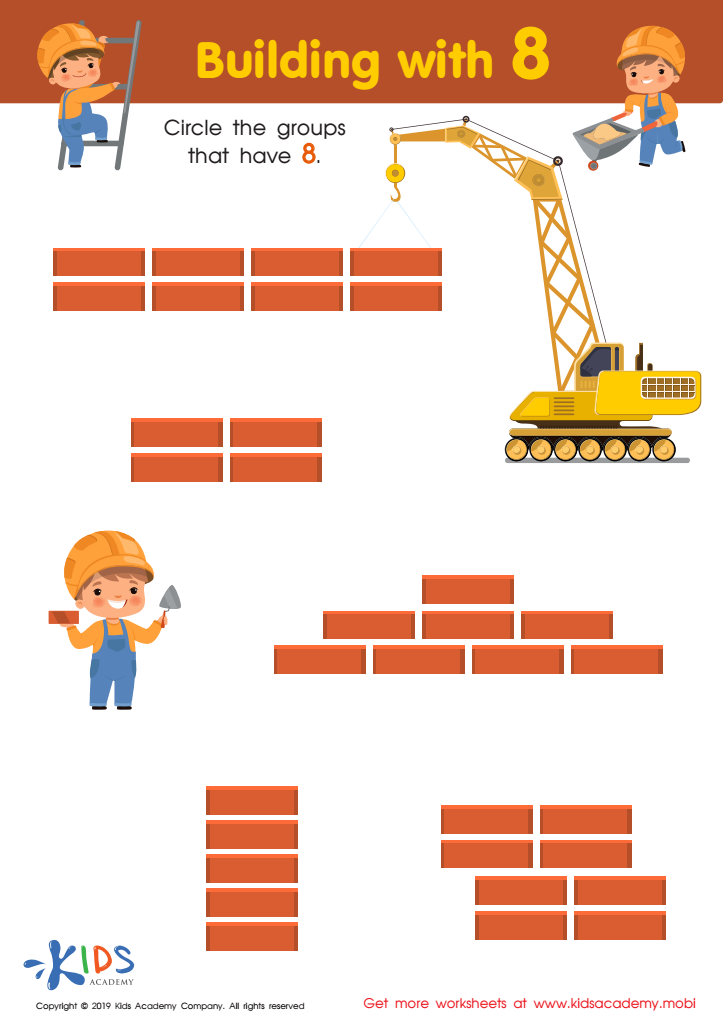
Building with 8 Worksheet
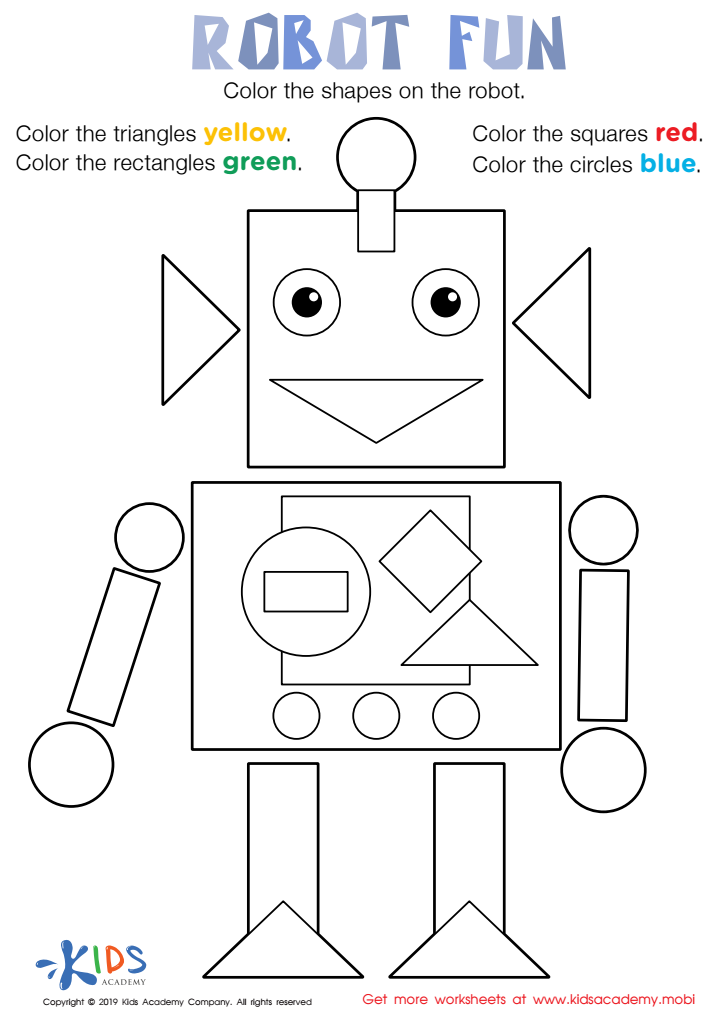
Robot Fun Worksheet
 Assign to My Students
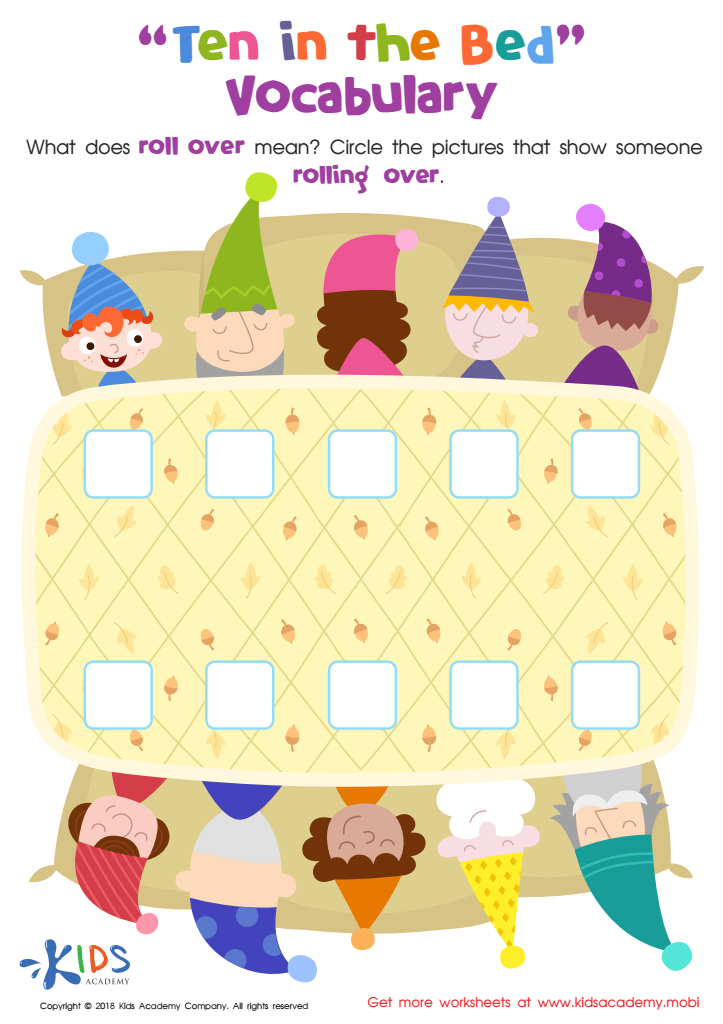
Ten in the Bed: Vocabulary Worksheet
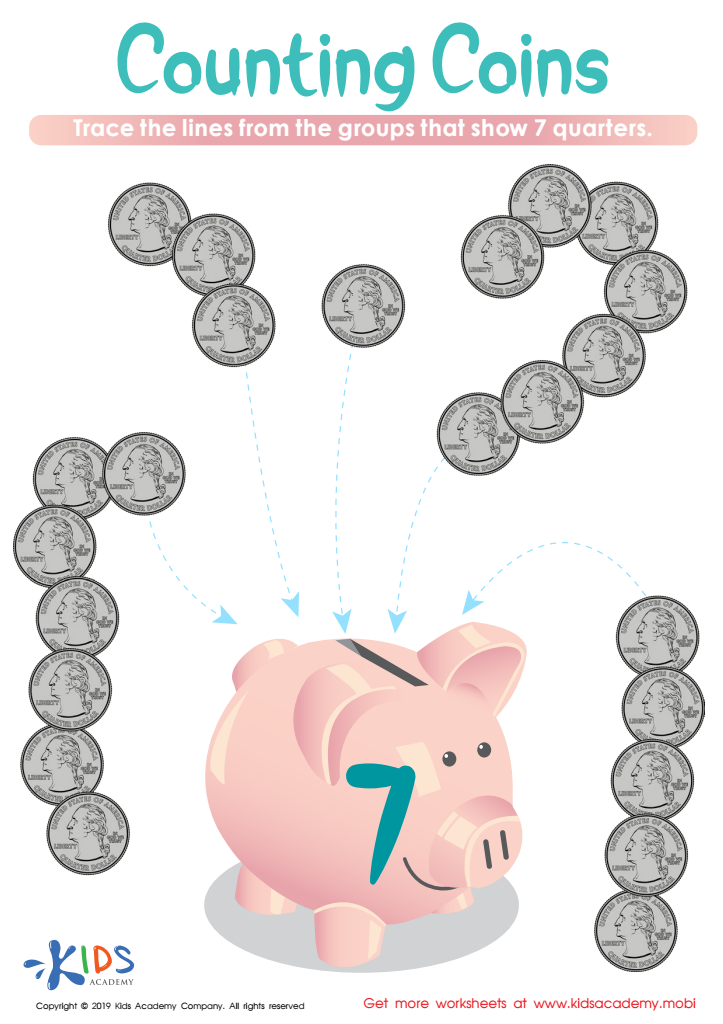
Counting Coins Worksheet
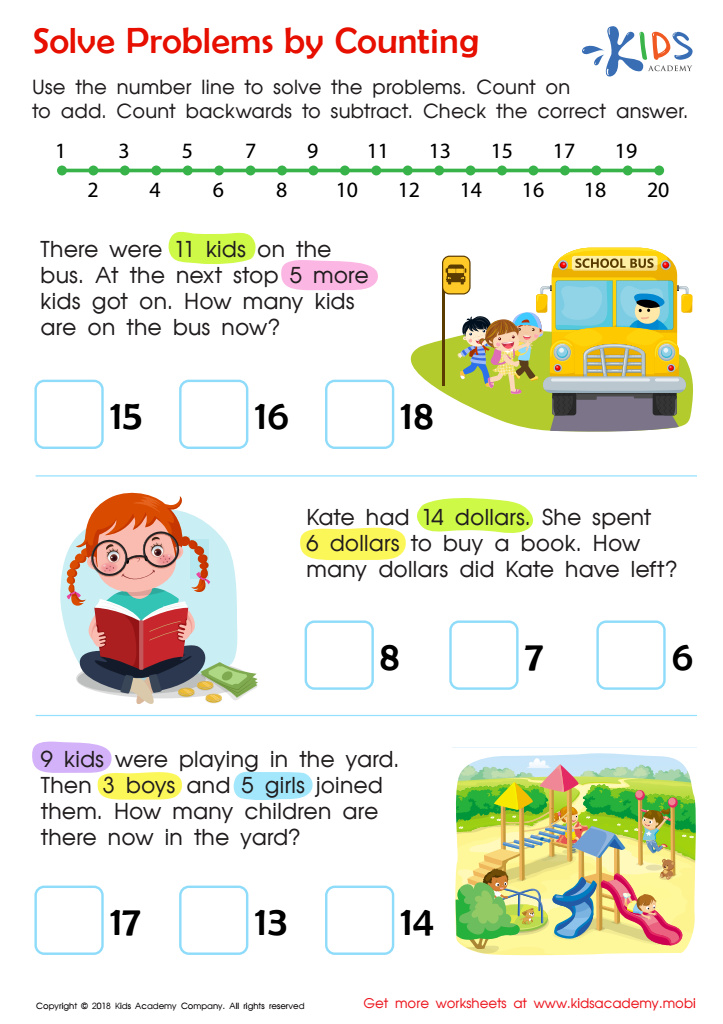
Solve Problems by Counting Worksheet
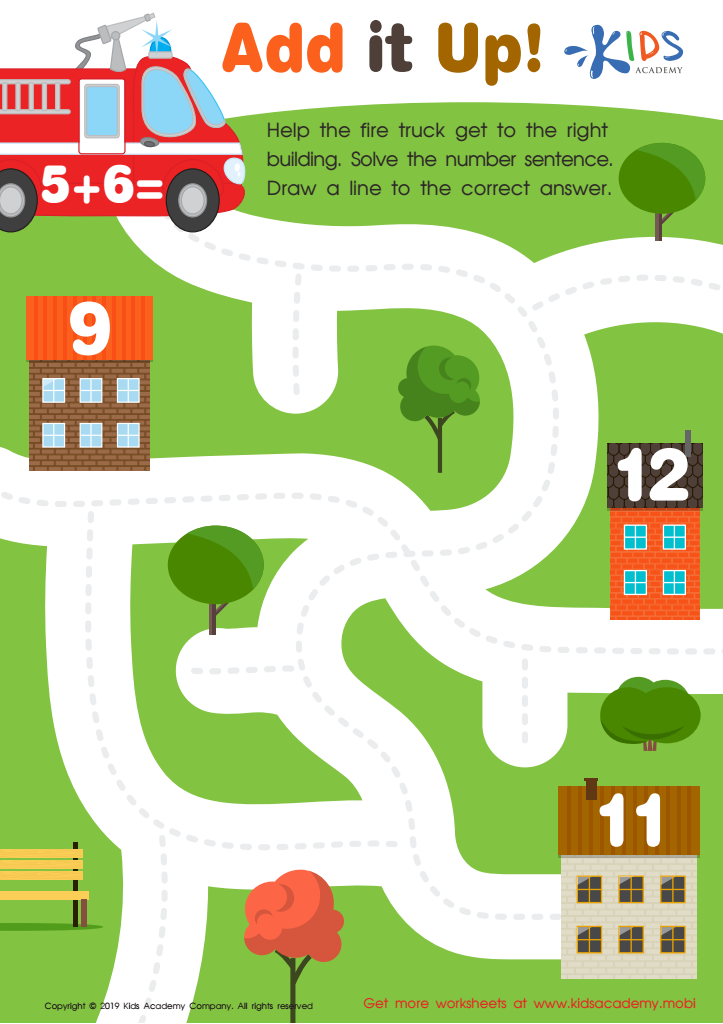
Add it Up Worksheet
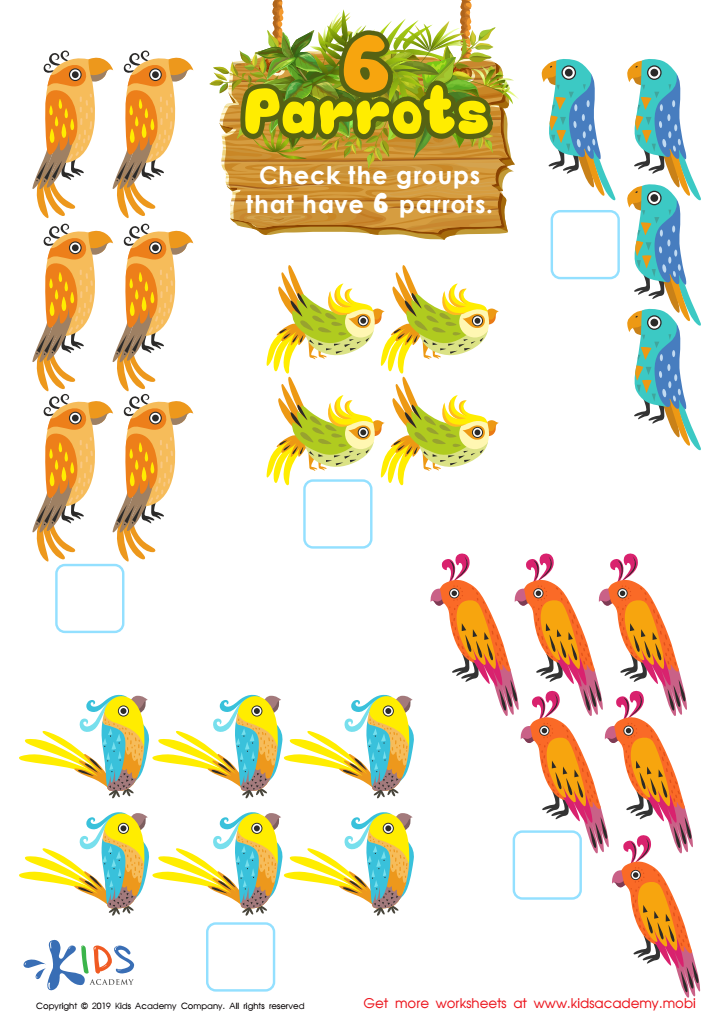
6 Parrots Worksheet
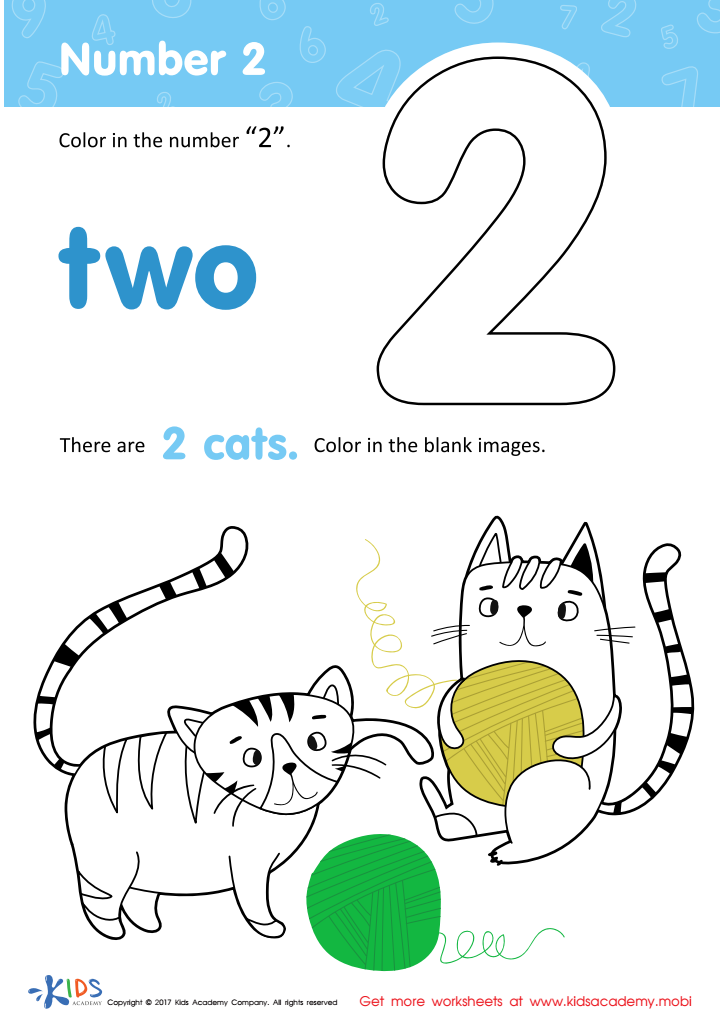
Number 2 Printable
Assign to My Students
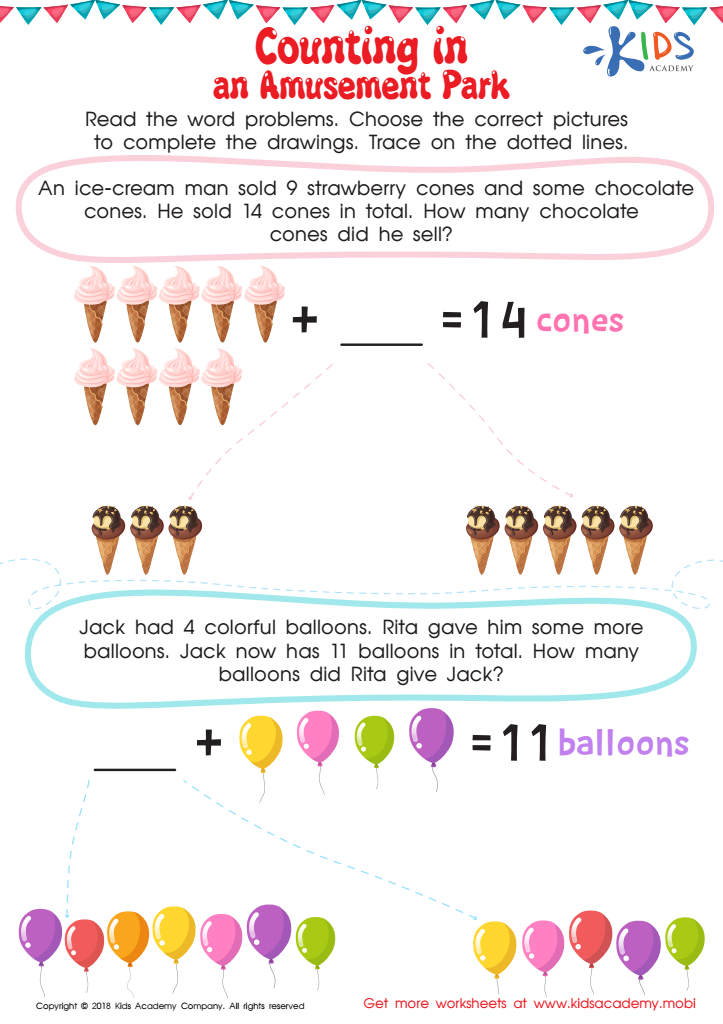
Counting in an Amusement Park Worksheet
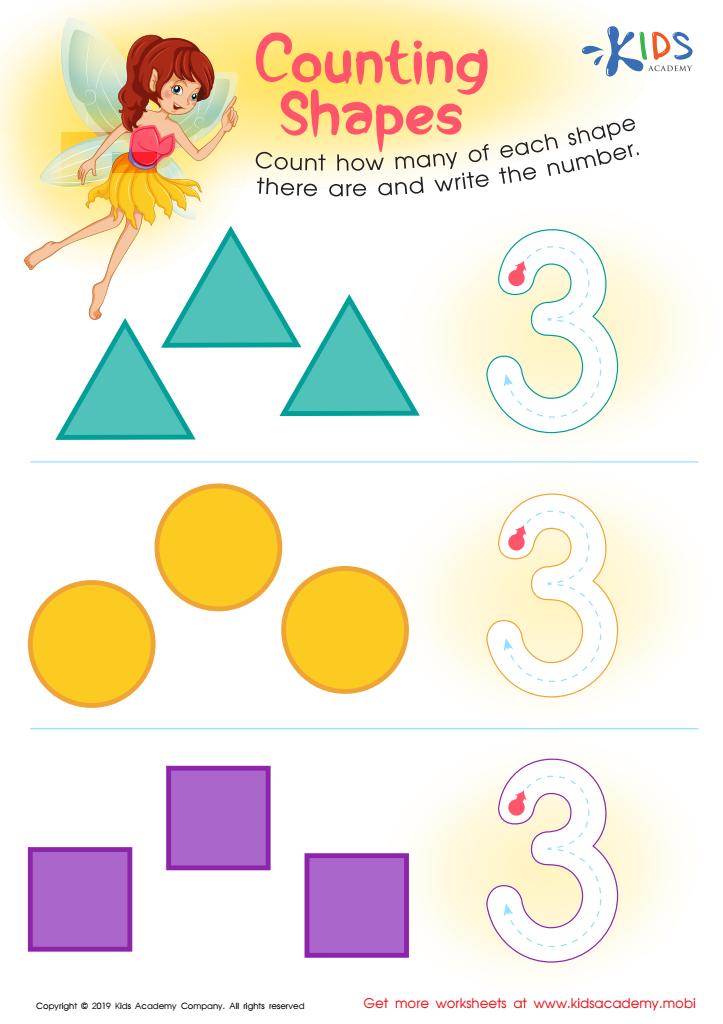
Counting Shapes Worksheet
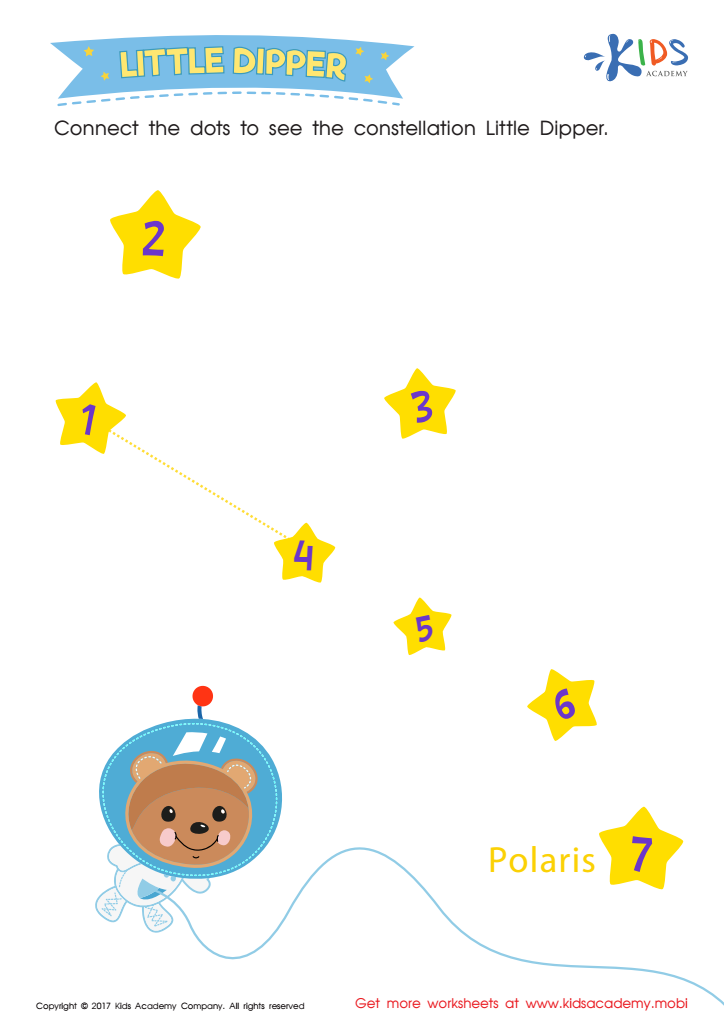
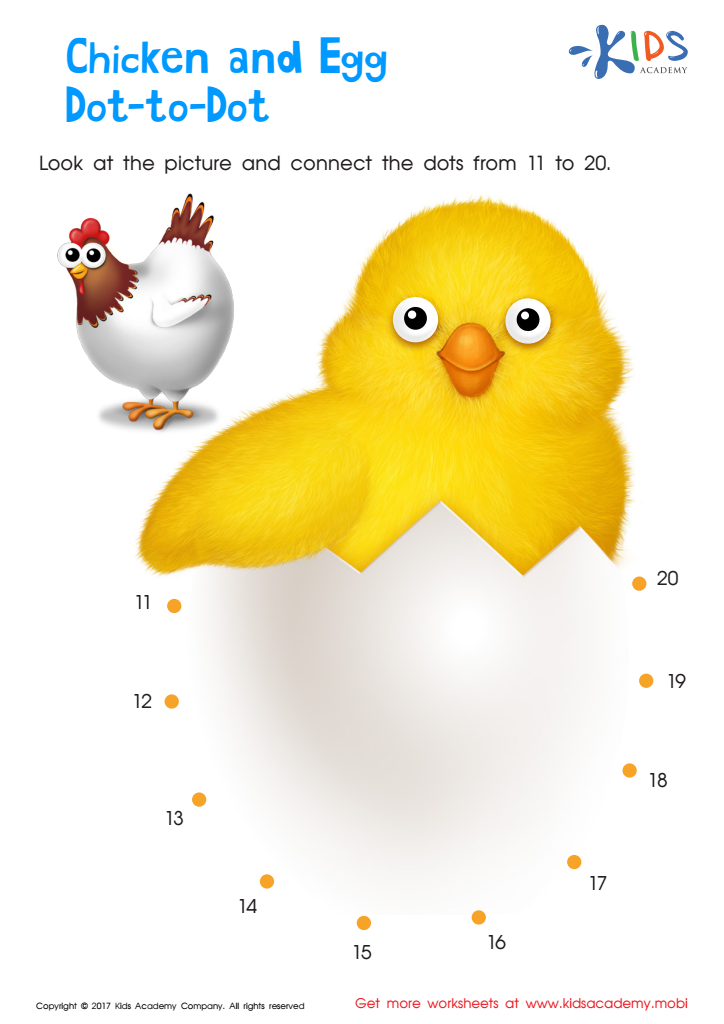
Ordering 11–20: Chicken & Egg Dot–to–dot Worksheet
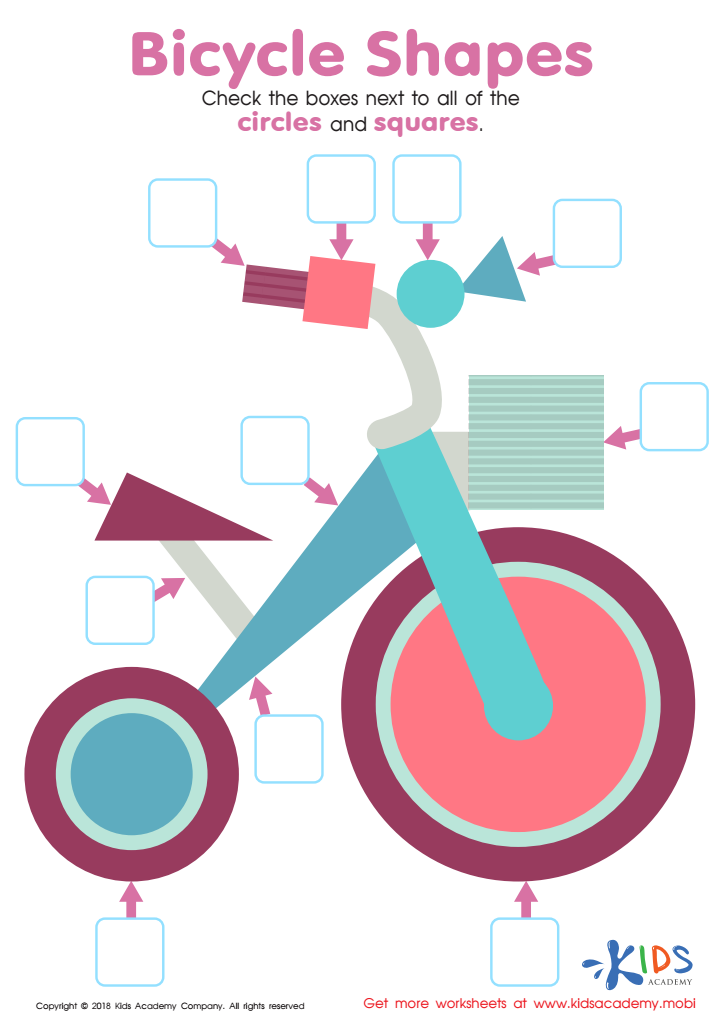
Bicycle Shapes Worksheet
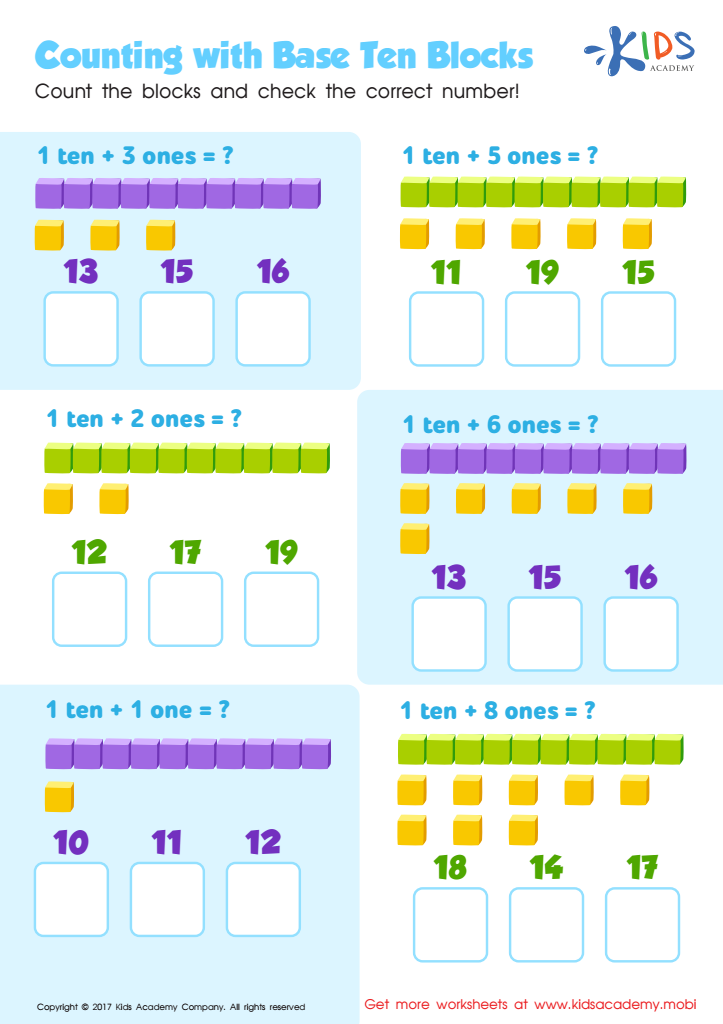
Counting with Base Ten Blocks Worksheet
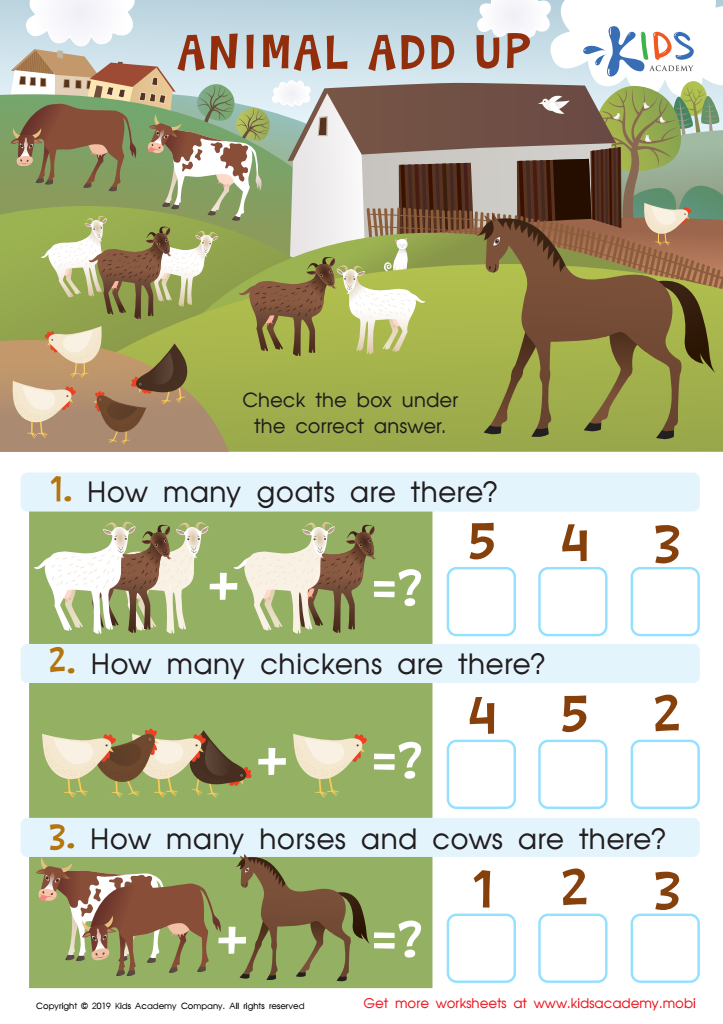
Animal Add Up Worksheet
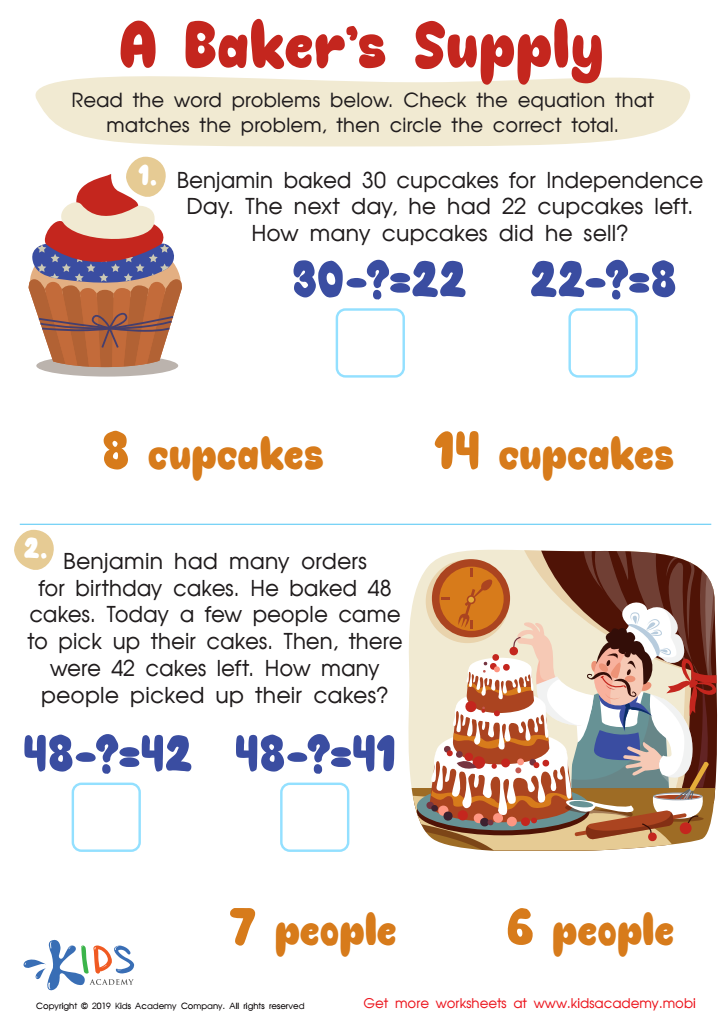
A Baker's Supply Worksheet
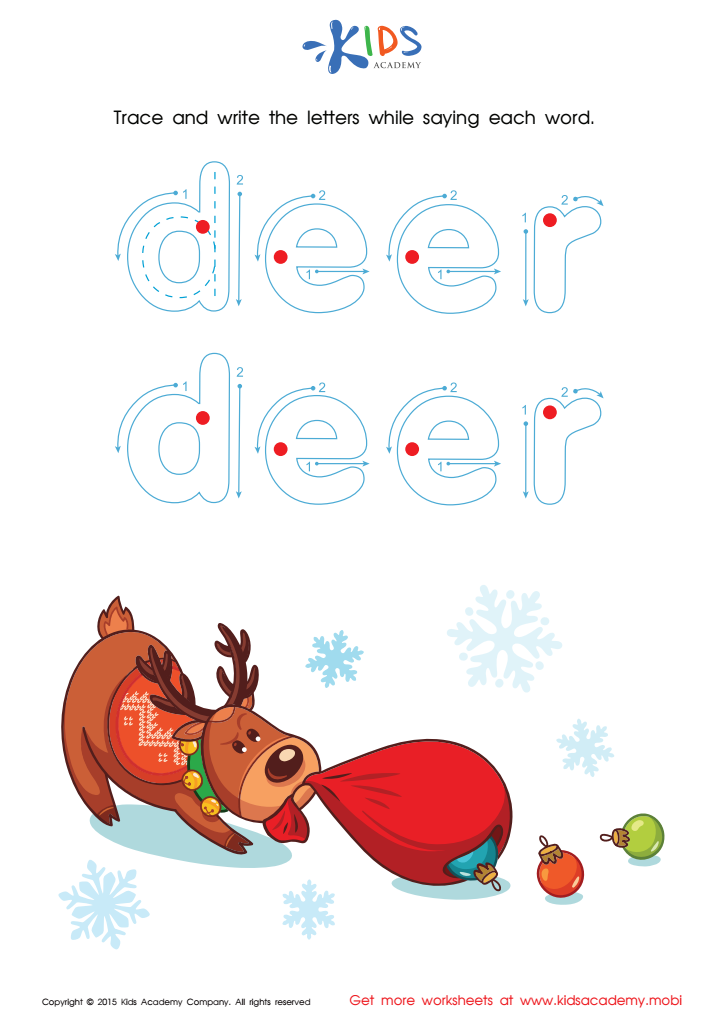
Deer Tracing Winter Words Worksheet
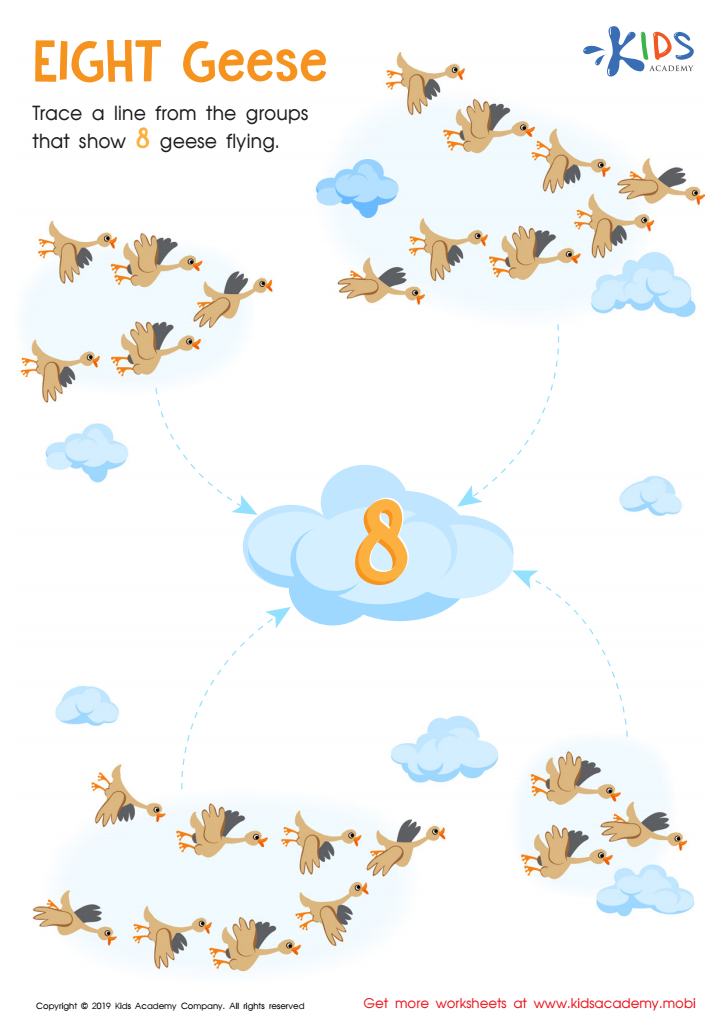
Eight Geese Worksheet
Christmas: Snowman Printable
Assign to My Students
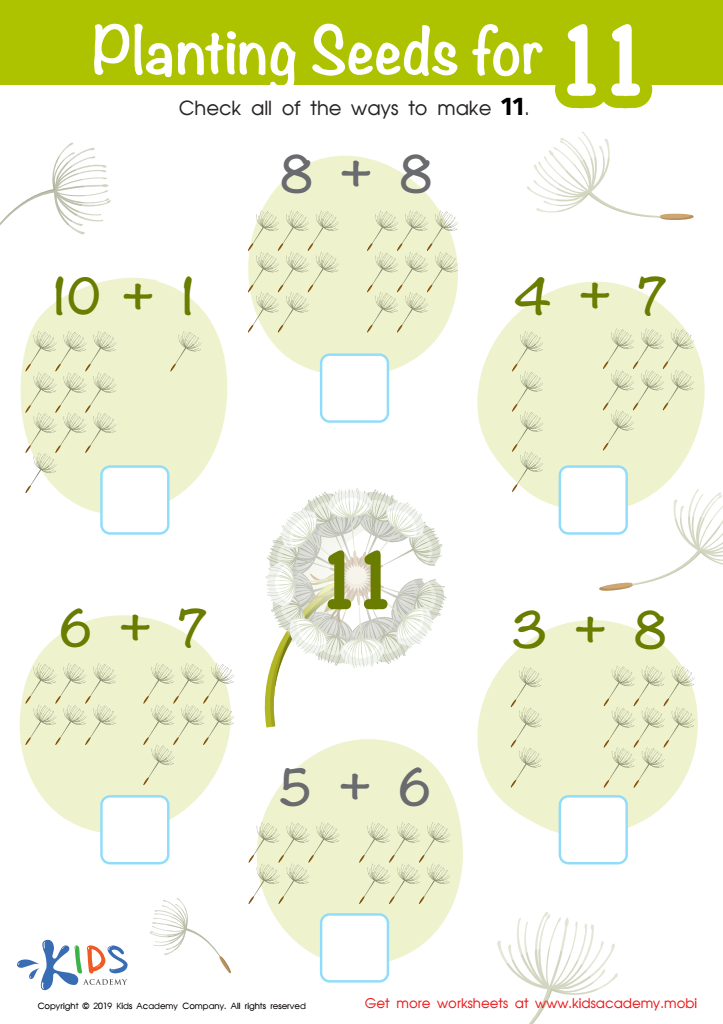
Planting Seeds for 11 Worksheet
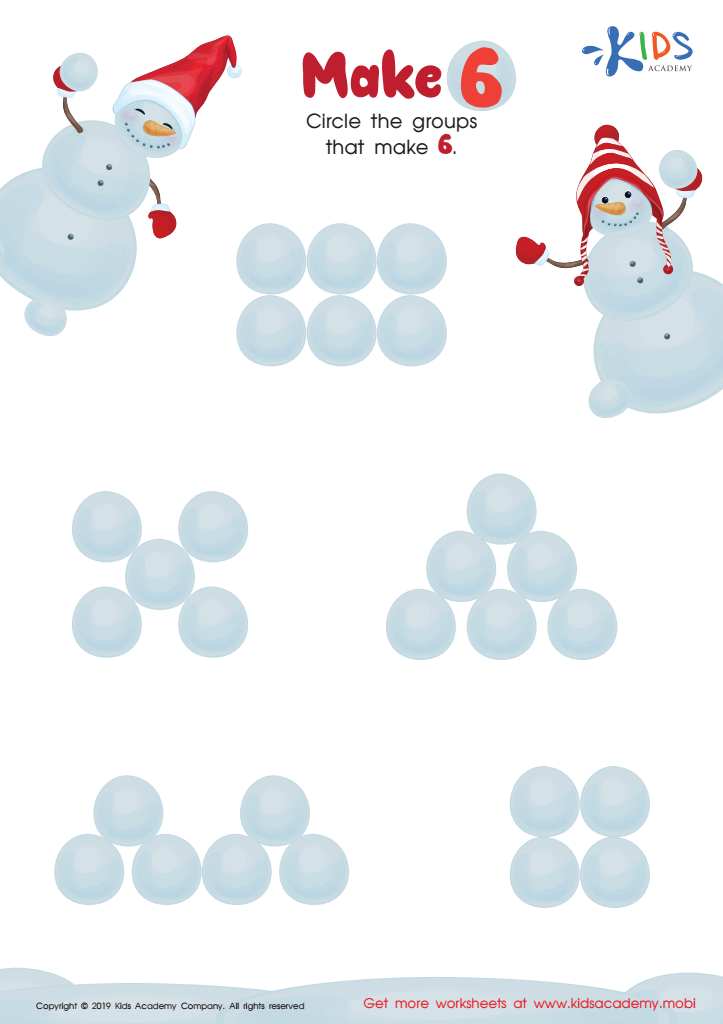
Make 6 Worksheet
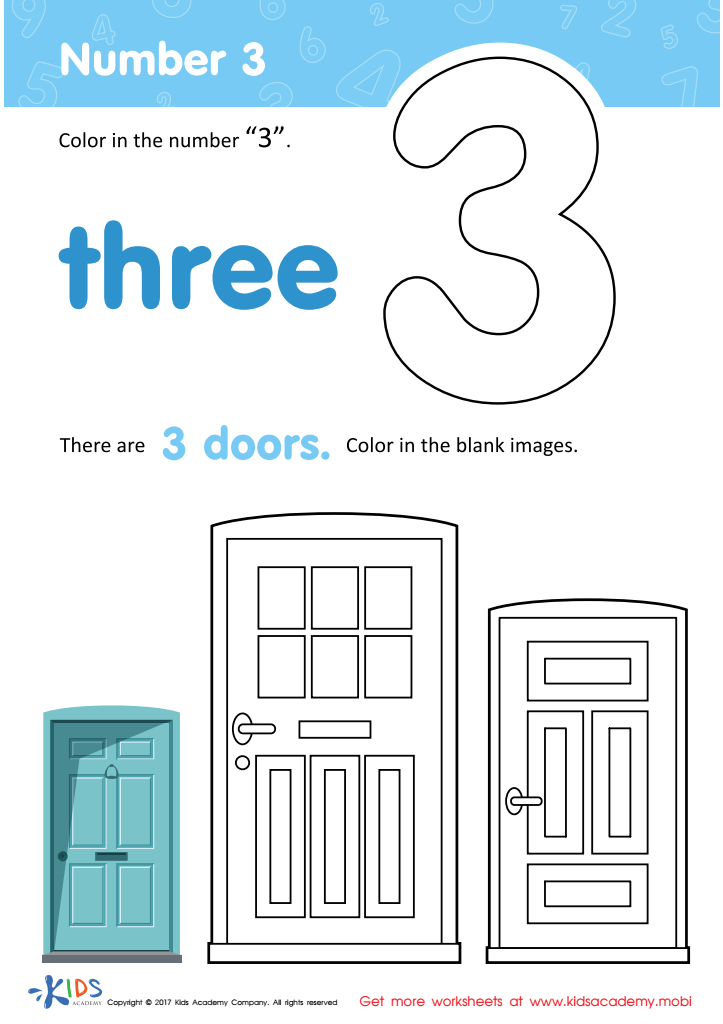
Number 3 Worksheet
Assign to My Students

Counting on the City Skyline: Dot-to-Dot Worksheet






Counting practice is critically important for 5-year-olds as it forms the foundation for all future mathematical learning and cognitive development. At this age, children are developing their numeracy skills, and engaging in counting activities helps solidify their understanding of numbers and their sequence. This early exposure is crucial because it not only aids in number recognition but also fosters an intuitive grasp of basic arithmetic concepts such as addition and subtraction.
For parents and teachers, facilitating easy counting practice promotes a child’s confidence and enthusiasm towards math-related tasks. When children engage in counting games or activities, they are also developing fine motor skills, pattern recognition, and problem-solving abilities, which are essential across various areas of learning. A strong grasp of counting will ease their transition into more complex mathematical concepts in school, making future learning experiences more enjoyable and less intimidating.
Moreover, early counting practice supports language development as children learn number words, engage in conversations about quantities, and follow instructions related to counting tasks. It helps young children develop the ability to concentrate and persevere, enhancing overall academic readiness.
In conclusion, counting practice is a fundamental building block that significantly benefits cognitive development, mathematical proficiency, and academic success for young children. Parents and teachers play a pivotal role in making this learning experience engaging and effective, setting the stage for lifelong educational achievements.








