Color recognition Easy Worksheets for Ages 6-7
37 filtered results
-
From - To
Introduce young learners to the vibrant world of colors with our "Color Recognition Easy Worksheets for Ages 6-7." Designed specifically for Kindergarten and 1st grade students, these fun and engaging worksheets help children identify, name, and categorize various colors. Our expertly crafted activities include coloring tasks, matching exercises, and simple puzzles, making learning a delightful experience. Perfect for classroom use or at-home practice, these worksheets enhance kids' visual perception and cognitive abilities while keeping them entertained. Spark your child's creativity and strengthen their color recognition skills with our easy and enjoyable educational resources.
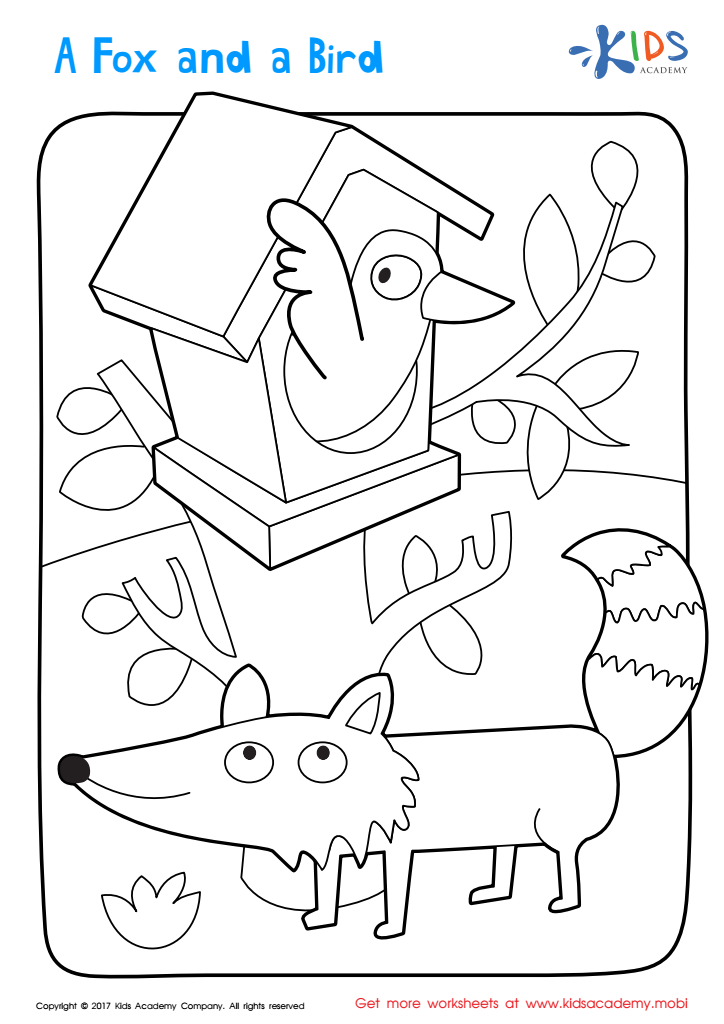
A Fox and Bird Coloring Page
 Assign to My Students
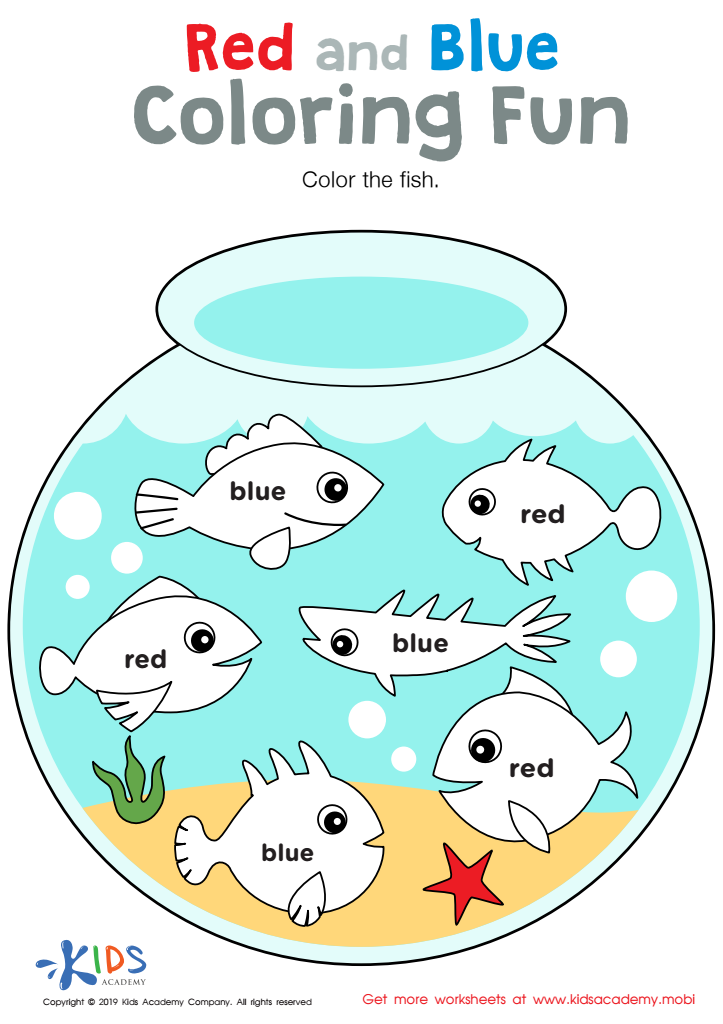
Red and Blue Coloring Fun Worksheet
Assign to My Students
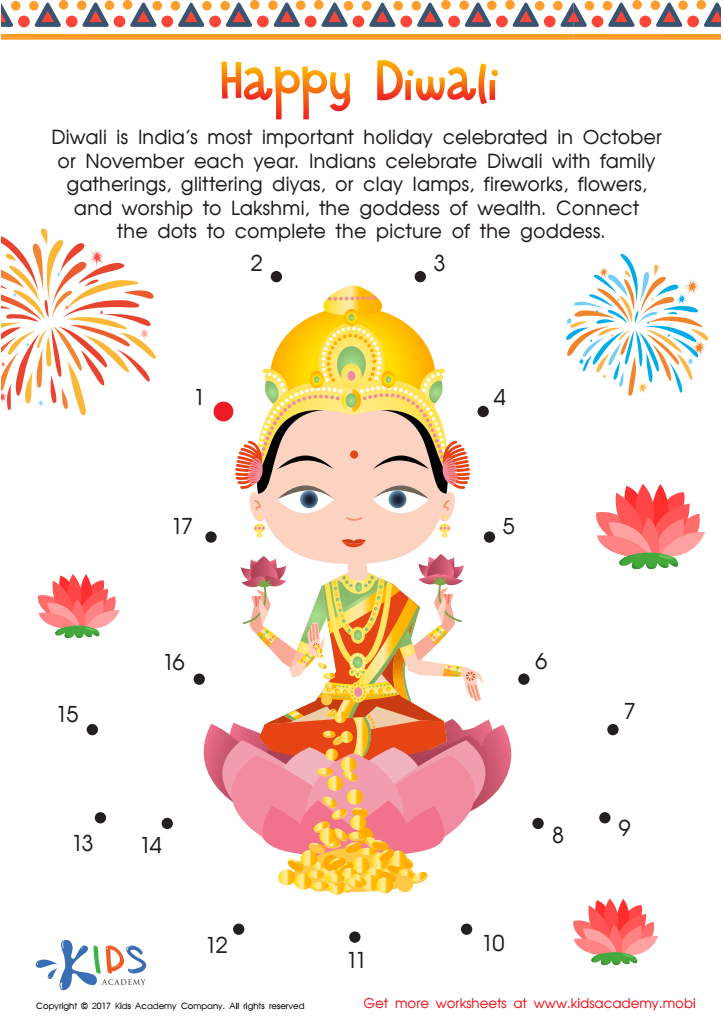
Happy Diwali Printable
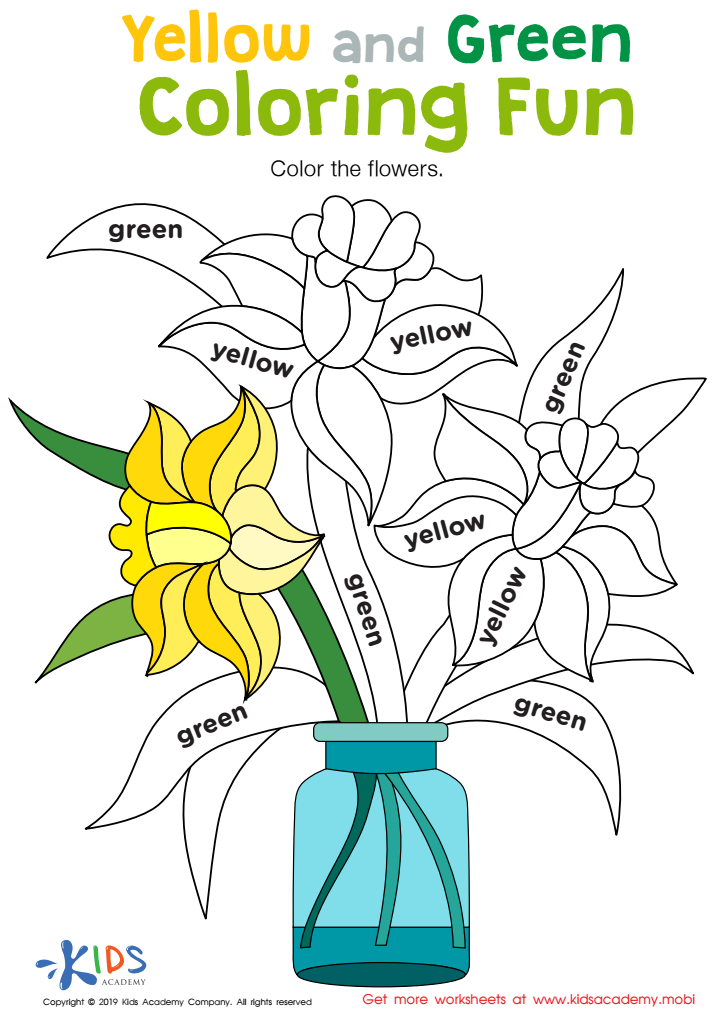
Yellow and Green Coloring Fun Worksheet
Assign to My Students

Pegasus Printable
Assign to My Students
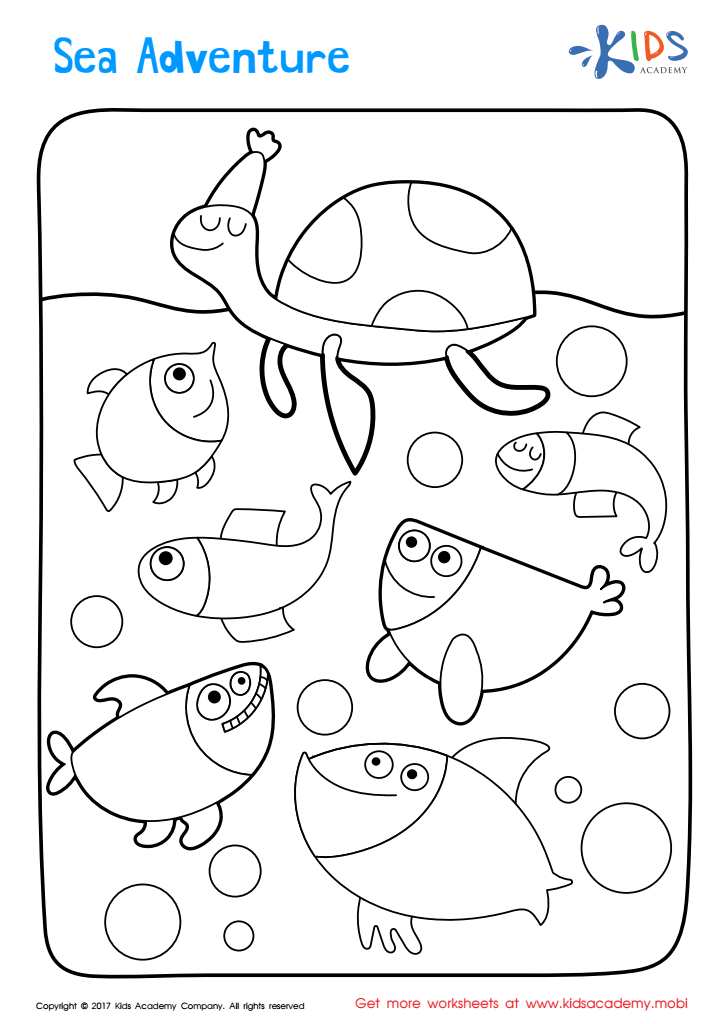
Sea Adventure Coloring Page
Assign to My Students
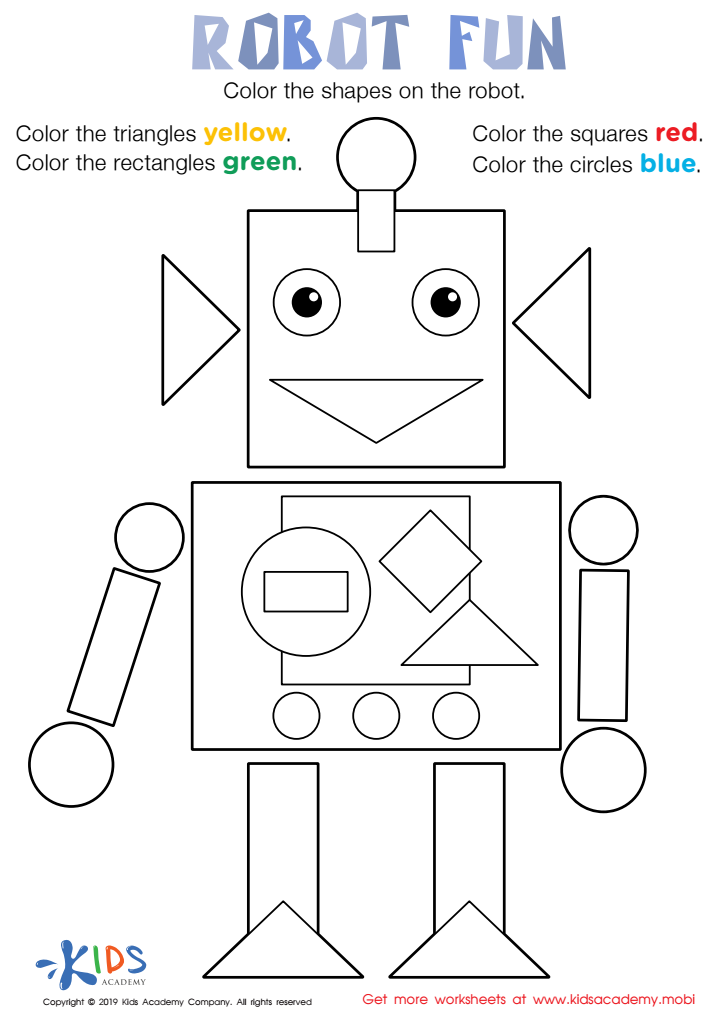
Robot Fun Worksheet
Assign to My Students
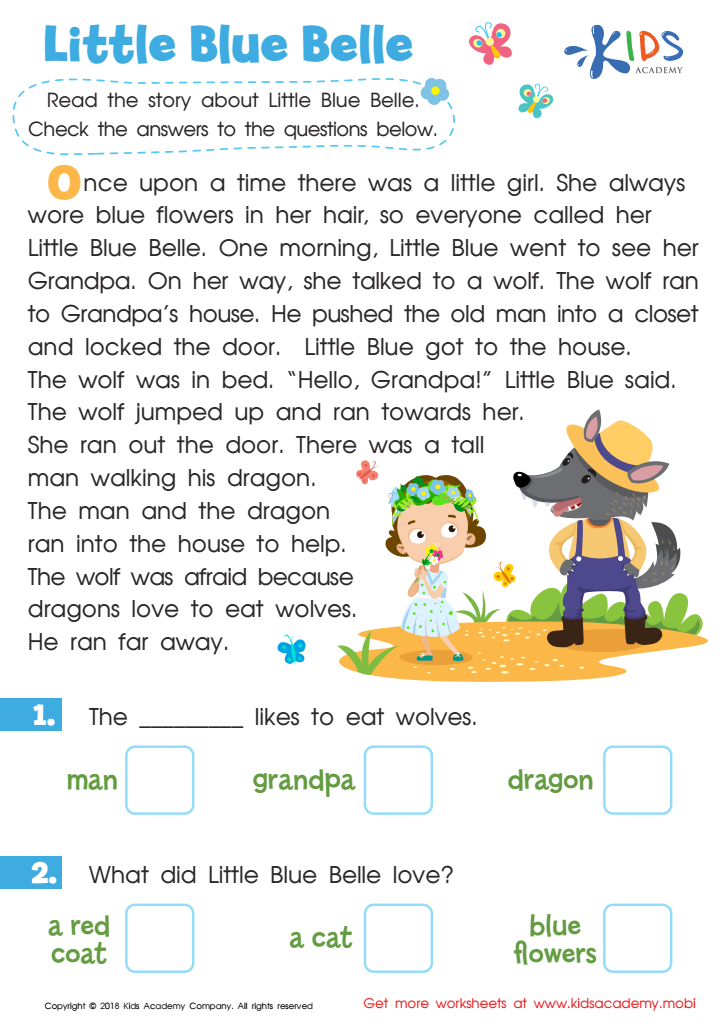
Little Blue Belle Worksheet
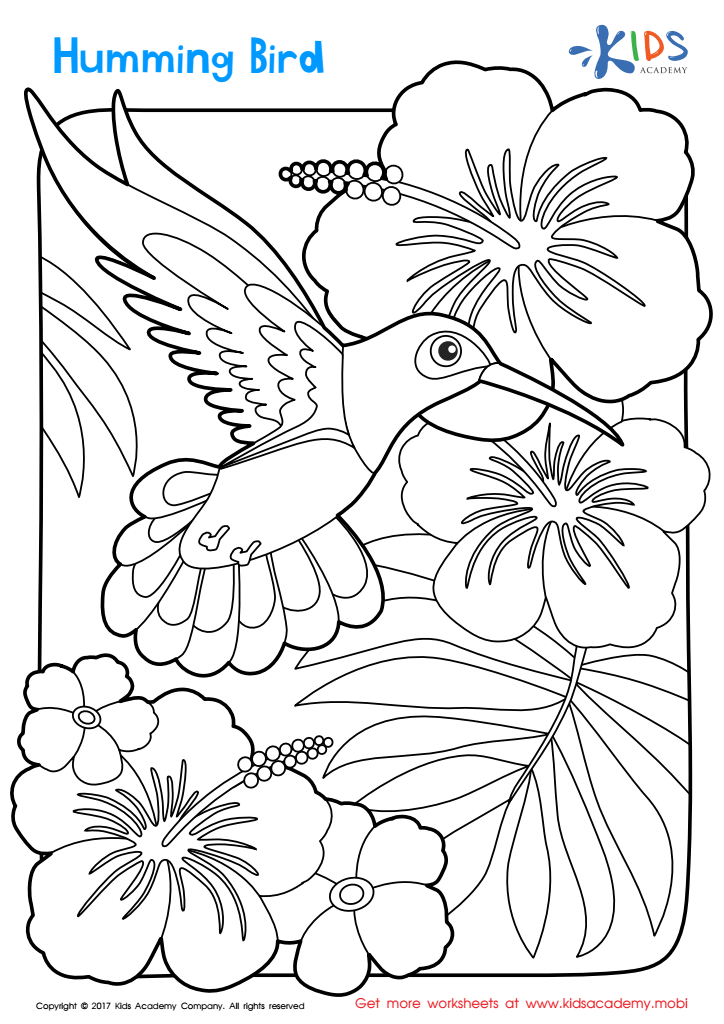
Humming Bird Worksheet
Assign to My Students
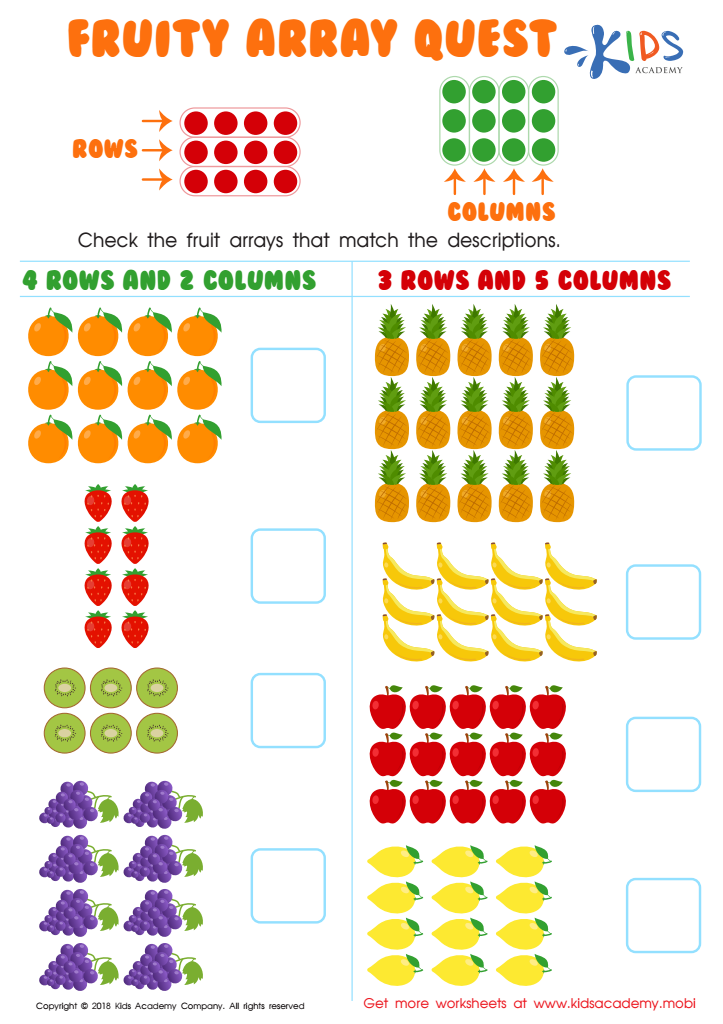
Fruity Array Quest Worksheet
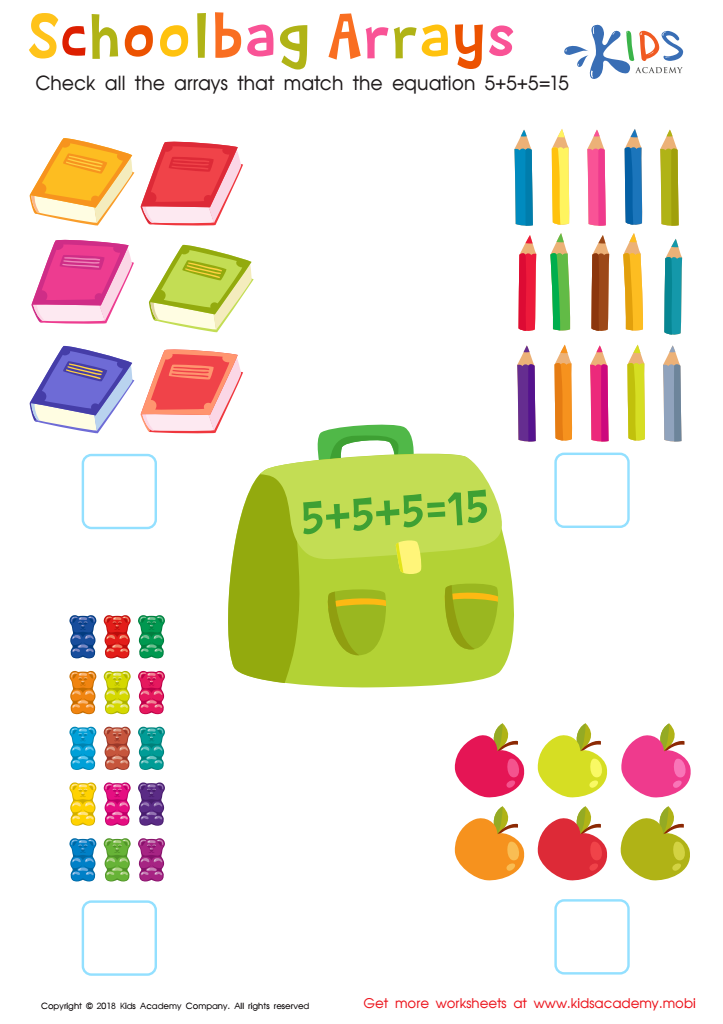
Schoolbag Arrays Worksheet
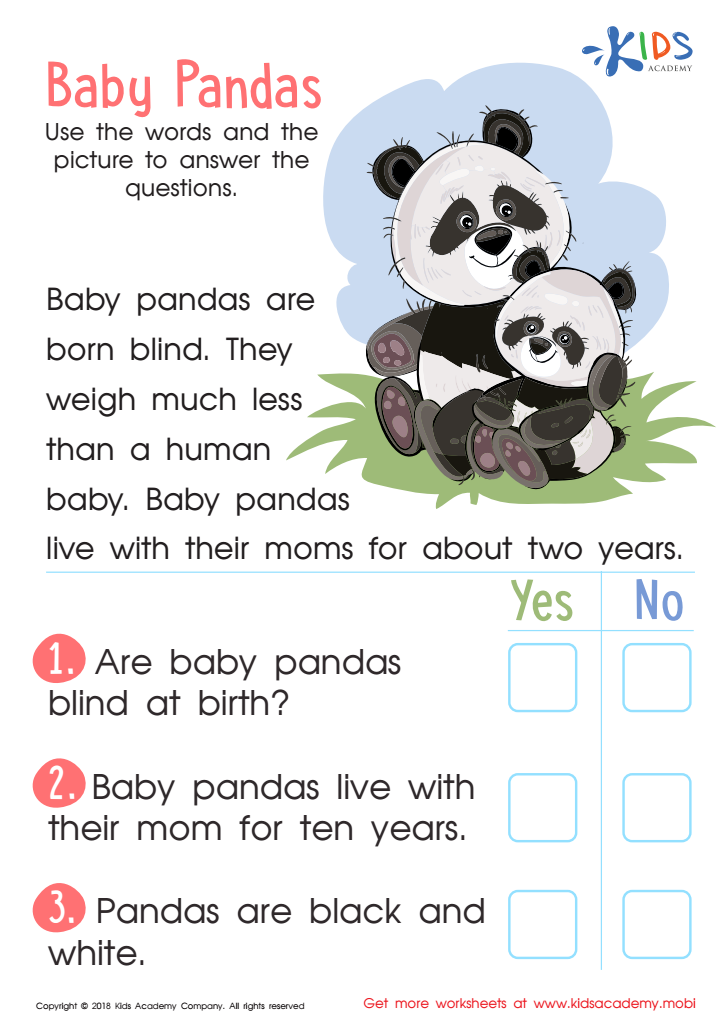
Baby Pandas Worksheet
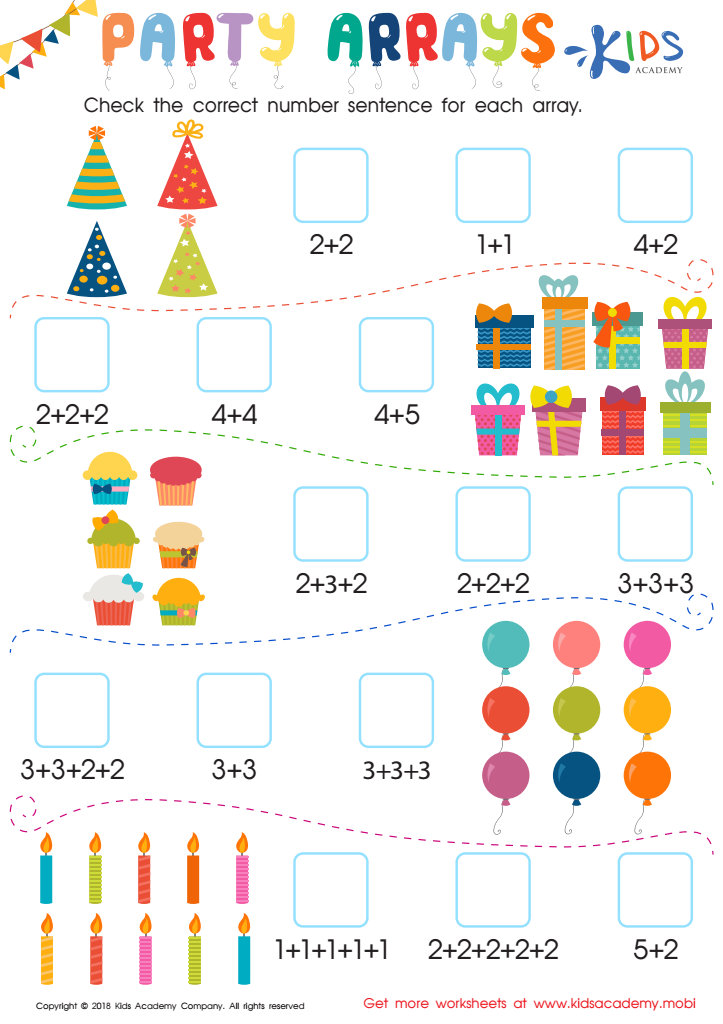
Party Arrays Worksheet

Halloween: A Bat Printable
Assign to My Students
Little Mermaid Coloring Page
Assign to My Students
Purple and Orange Coloring Fun Worksheet
Assign to My Students
Colors: Assessment 2 Worksheet
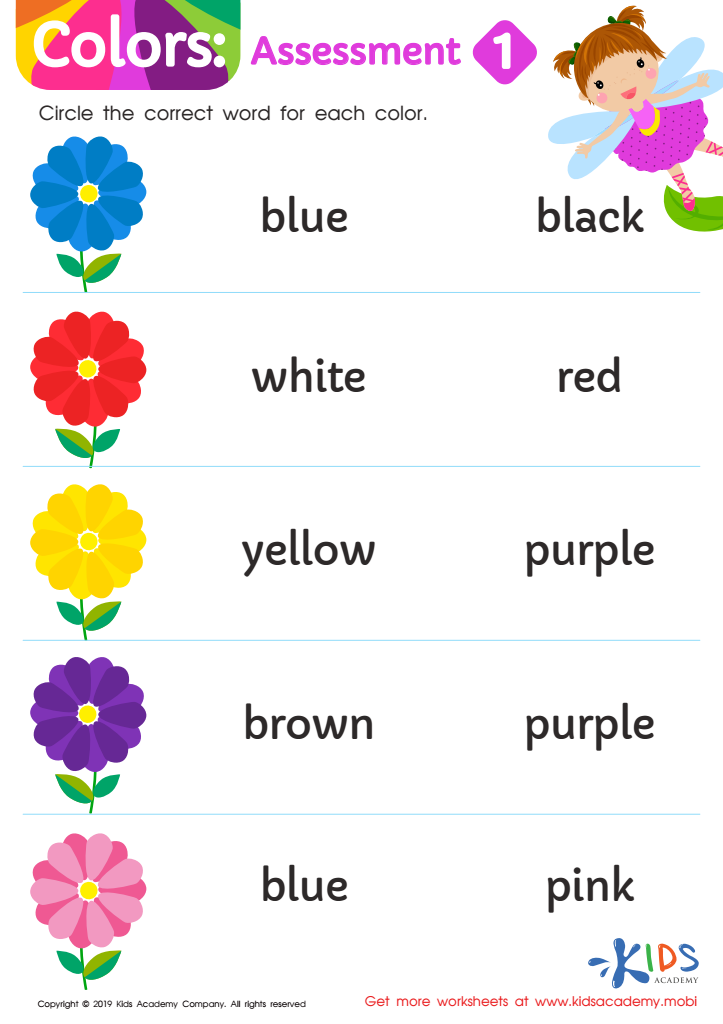
Colors: Assessment 1 Worksheet
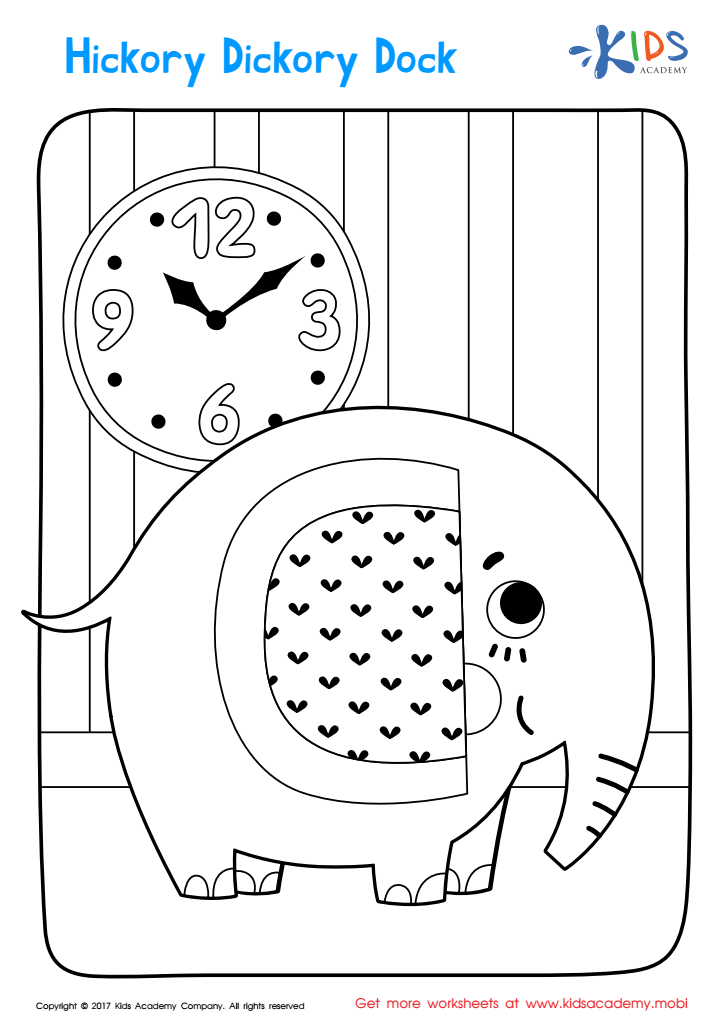
Hickory Dickory Dock Coloring Page
Assign to My Students
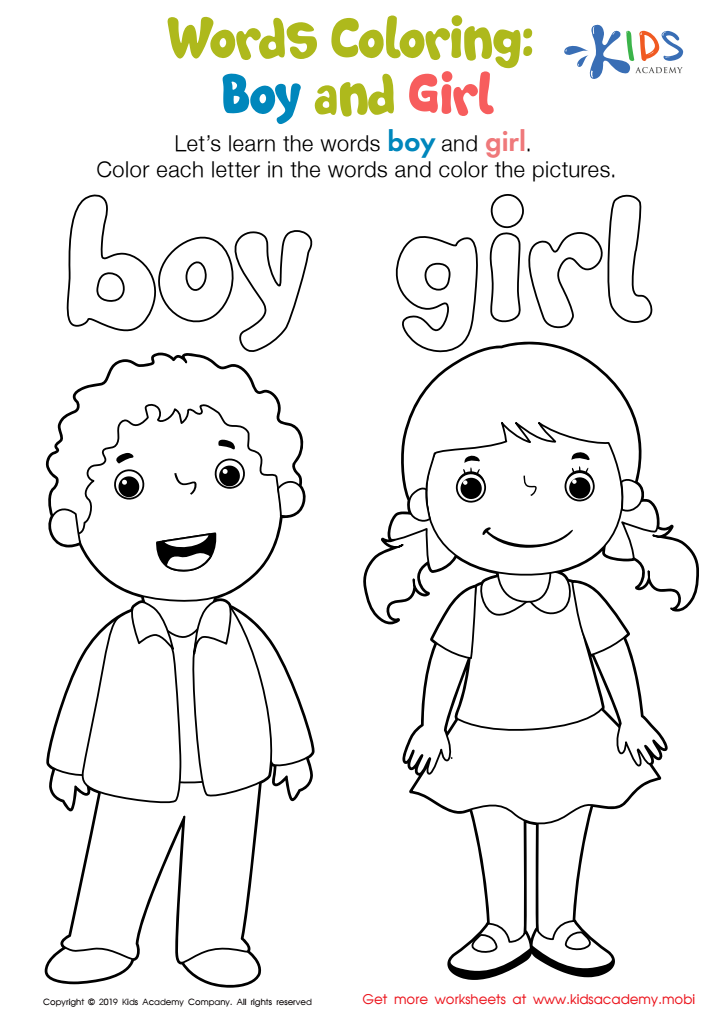
Boy and Girl Words Coloring Worksheet
Assign to My Students
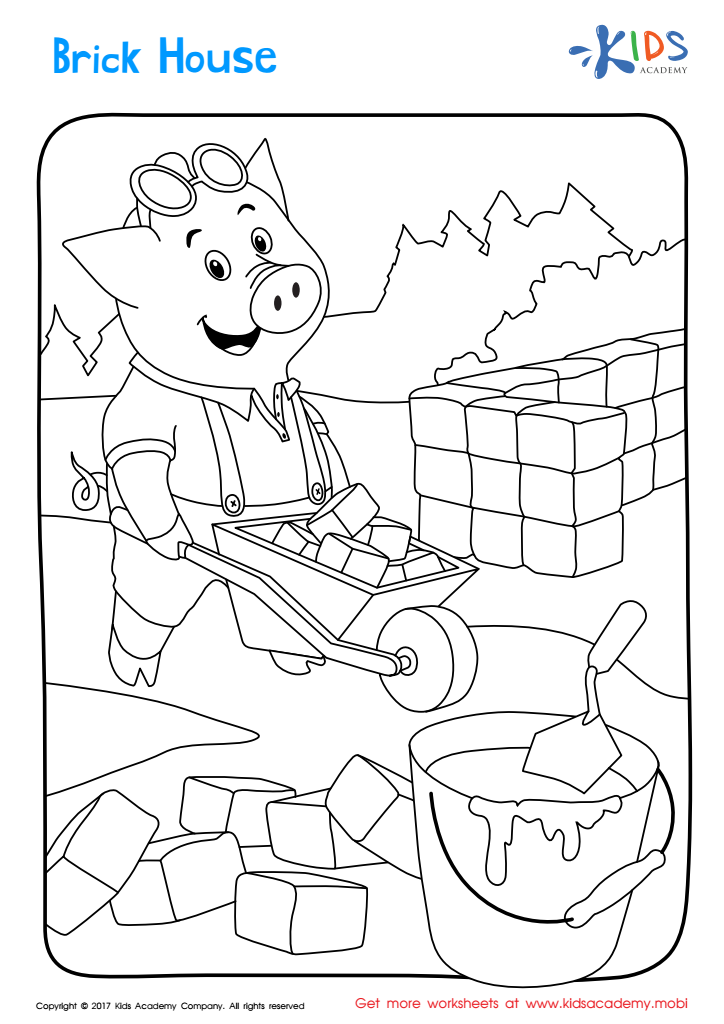
Brick House Printable Coloring Page
Assign to My Students
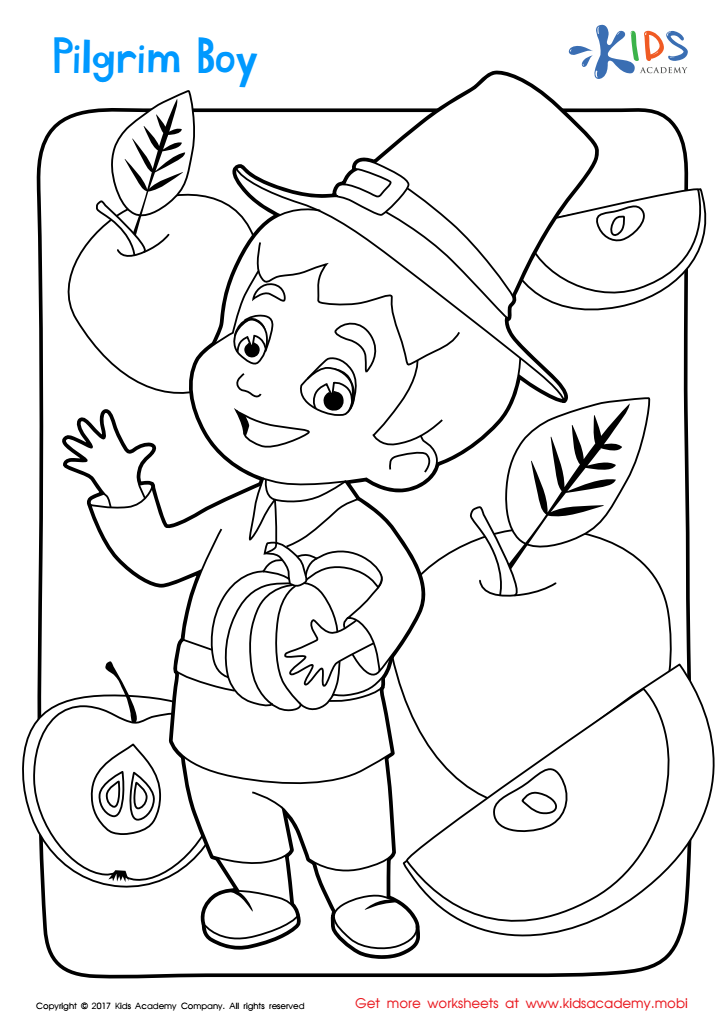
Pilgrim Boy Printable
Assign to My Students

Japan Printable
Assign to My Students








Color recognition is a critical skill for children aged 6-7, and parents and teachers should prioritize it for several key reasons. First, mastering color recognition enhances cognitive development. Young children learn to categorize and differentiate objects, which sharpens their sorting and classifying skills—a foundation for mathematical concepts like grouping and patterns.
Second, color recognition significantly bolsters language development. By learning the names and various shades of colors, children expand their vocabulary and improve their descriptive skills. This aids in effective communication and comprehension, which are crucial for academic success.
Third, color recognition is integral in developing perceptual and motor skills. As children identify and use different colors in activities such as drawing or craftwork, they refine their hand-eye coordination and fine motor skills, which are essential for writing and other sequential tasks.
Moreover, color can be deeply connected to emotion and environment. For instance, recognizing and discussing colors can help children express their feelings and reactions to various stimuli, thereby supporting emotional intelligence and well-being.
Lastly, color recognition aids in safety and navigation. Recognizing colors like red for "stop" or green for "go" is essential for understanding signs and signals in everyday life, ensuring children’s safety. Therefore, parents and teachers play a crucial role in fostering this fundamental skill, making learning vibrant, engaging, and meaningful.








