Comprehension skills Easy Worksheets for Ages 6-7
4 filtered results
-
From - To
Boost your child's reading comprehension with our easy worksheets designed for ages 6-7! At this critical stage, our specially crafted activities are tailored to develop young learners' understanding and interpretation of texts. These engaging worksheets cover fundamental skills like identifying main ideas, key details, and sequencing events, ensuring a solid foundation for future learning. Each worksheet features age-appropriate content and fun exercises that captivate young minds, encouraging curiosity and a love for reading. Perfect for both classroom and at-home practice, these comprehension worksheets provide the tools needed for your child's reading success. Explore now at Kids Academy!
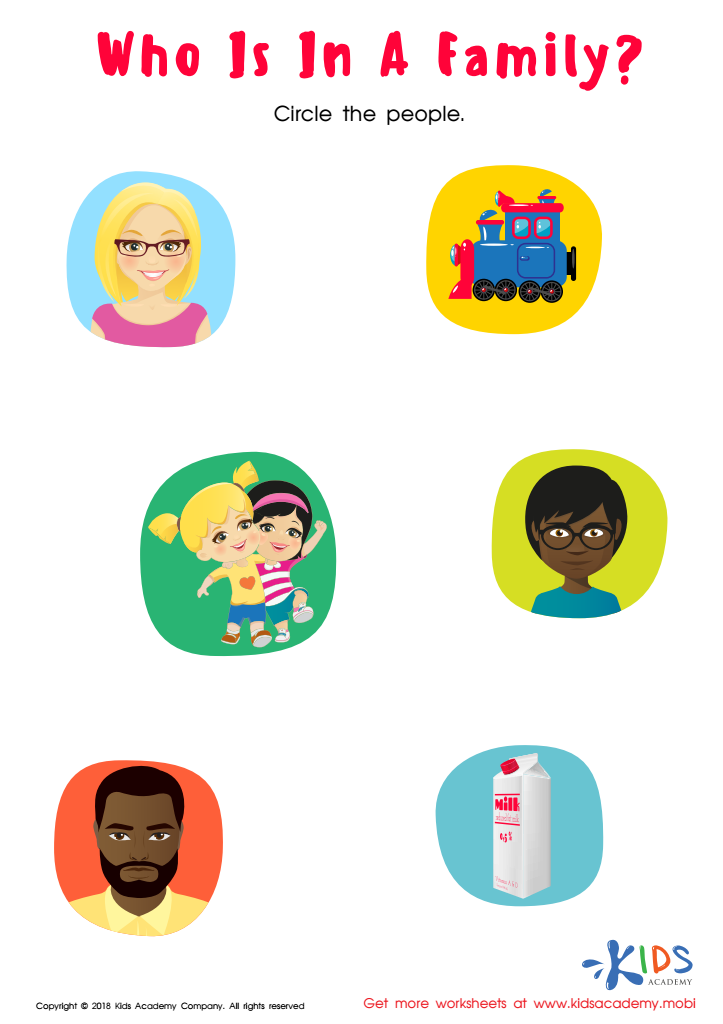
Who Is in a Family? Worksheet
 Assign to My Students
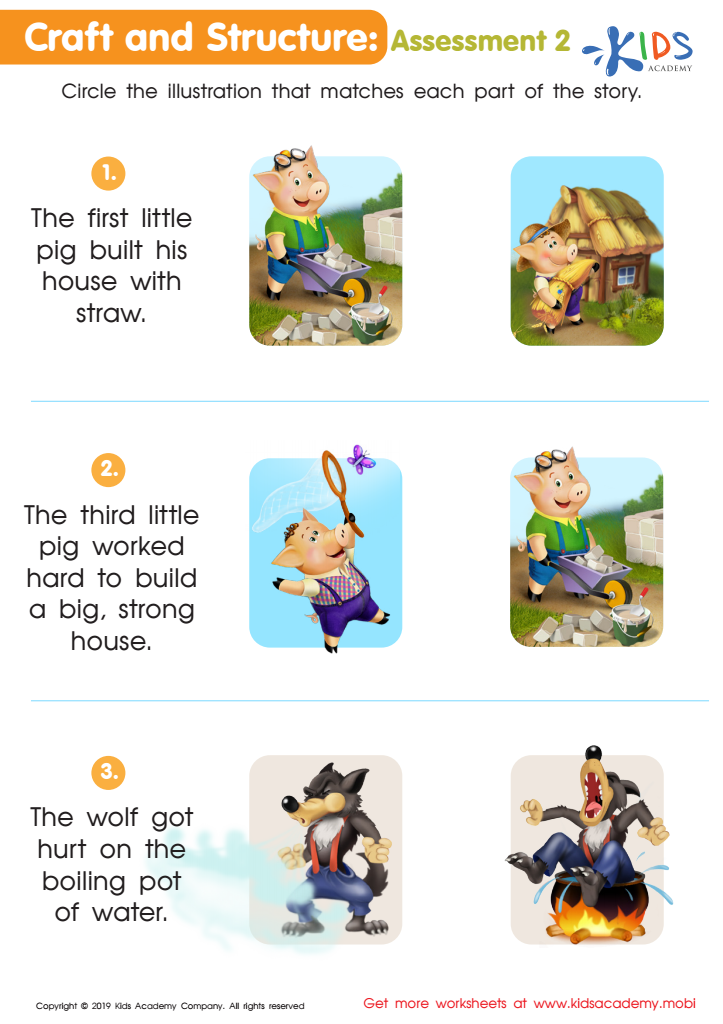
Craft and Structure: Assessment 2 Worksheet 2
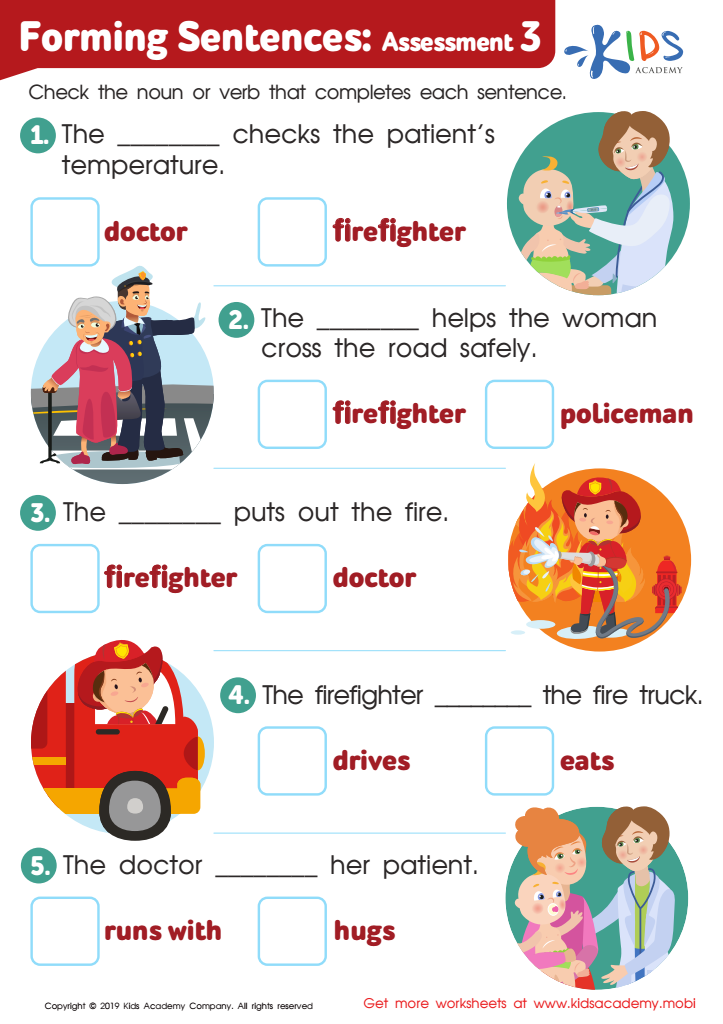
Forming Sentences: Assessment 3 Worksheet
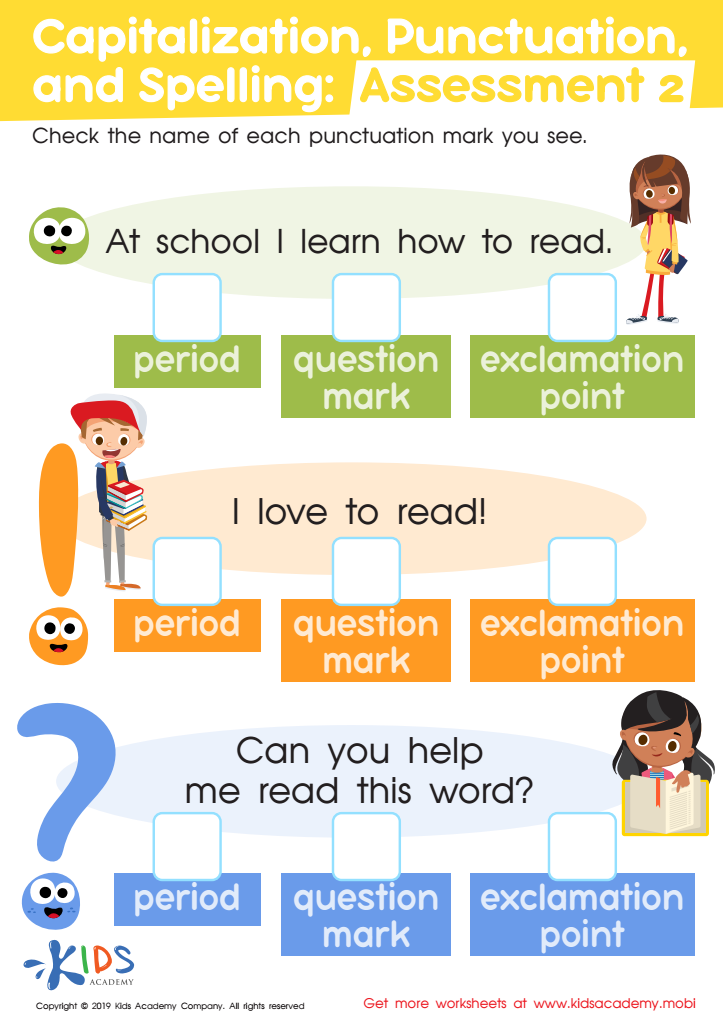
Capitalization. Punctuation. Spelling: Assessment 2 Worksheet






Comprehension skills are fundamental for children aged 6-7 as they transition from learning to read to reading to learn. At this age, developing strong comprehension skills helps children understand the material they read, which is essential for their overall academic success and lifelong learning.
Firstly, good comprehension improves vocabulary, since children who understand what they read are more likely to pick up new words and use them accurately. Additionally, comprehension skills enable children to follow instructions better and grasp concepts in subjects such as math, science, and social studies.
Parents and teachers should care because early mastery of comprehension can boost a child's confidence and foster a love for reading, making them more eager to learn and explore new topics. It also improves critical thinking and problem-solving skills as children learn to infer, summarize, and predict outcomes based on the information they read.
By prioritizing comprehension skills, parents and teachers provide a solid foundation for future learning, helping children transition smoothly into more complex tasks and subjects. Engaging children in discussions about stories, asking questions about their reading, and encouraging them to express their understanding and opinions are practical steps to enhance these crucial skills. Investing time in nurturing comprehension at this early stage can lead to significant academic and personal growth for young learners.








