Number comparison Easy Worksheets for Ages 6-7
4 filtered results
-
From - To
Explore our engaging "Number Comparison Easy Worksheets" designed specifically for children aged 6-7. These thoughtfully crafted worksheets help young learners master the foundational skill of comparing numbers through fun and interactive exercises. Each worksheet is tailored to foster numeracy skills, encouraging kids to identify greater than, less than, and equal to concepts while boosting their confidence in math. With colorful illustrations and easy-to-follow instructions, these resources provide an enjoyable learning experience. Perfect for both classroom use and home practice, our worksheets make number comparisons exciting, ensuring that students build a solid grasp of essential math concepts with ease!
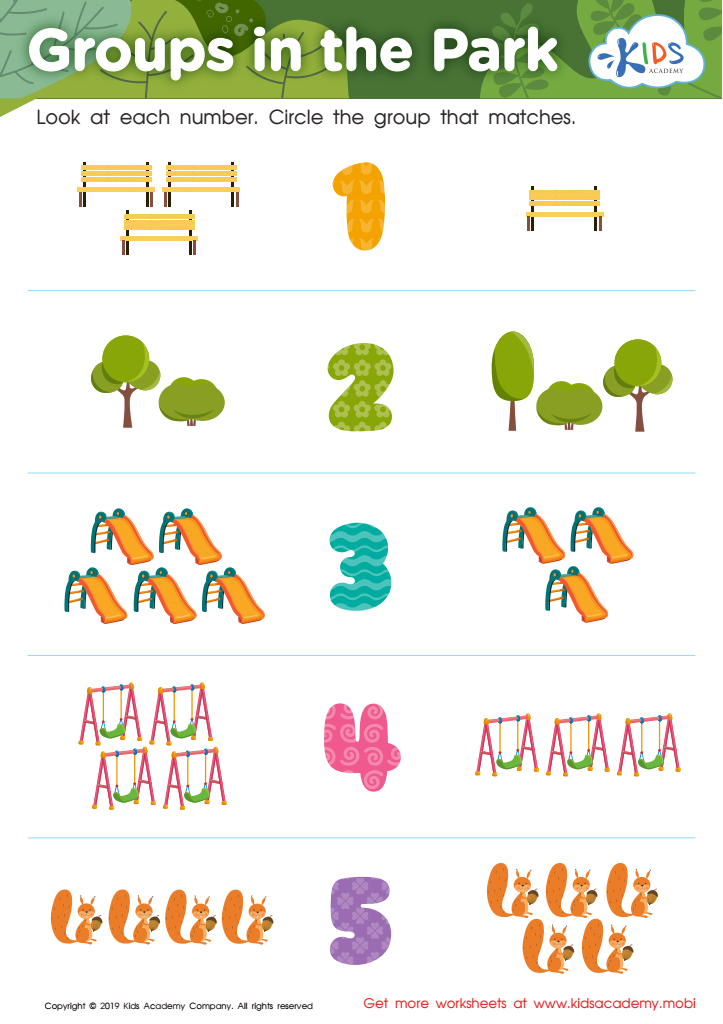
Groups in the Park Worksheet
 Assign to My Students
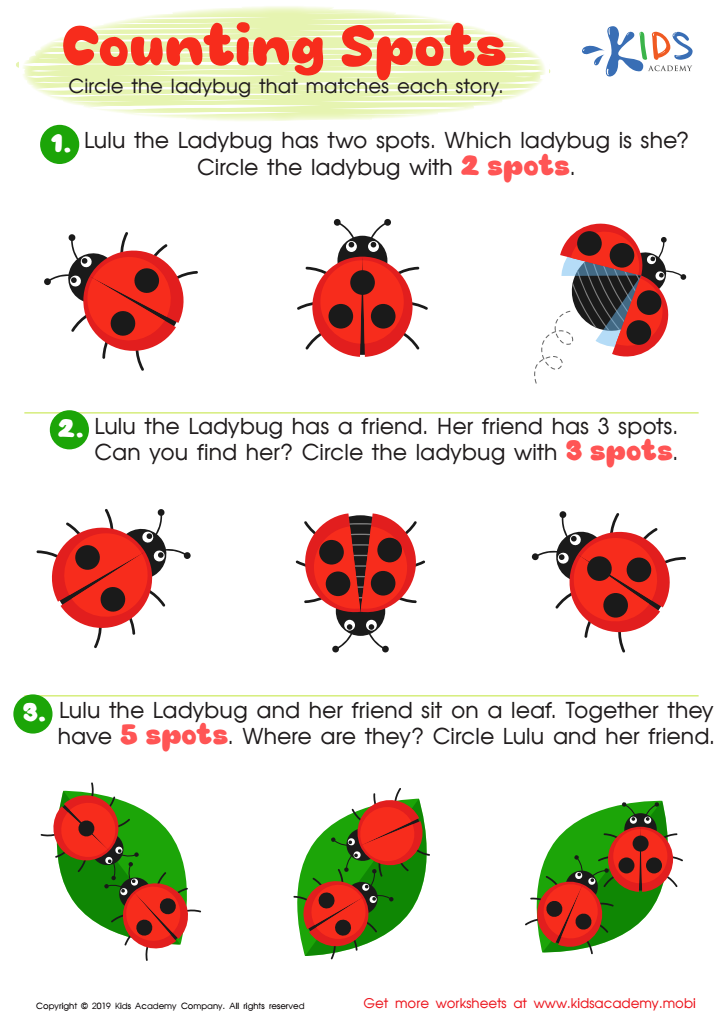
Counting Spots Worksheet
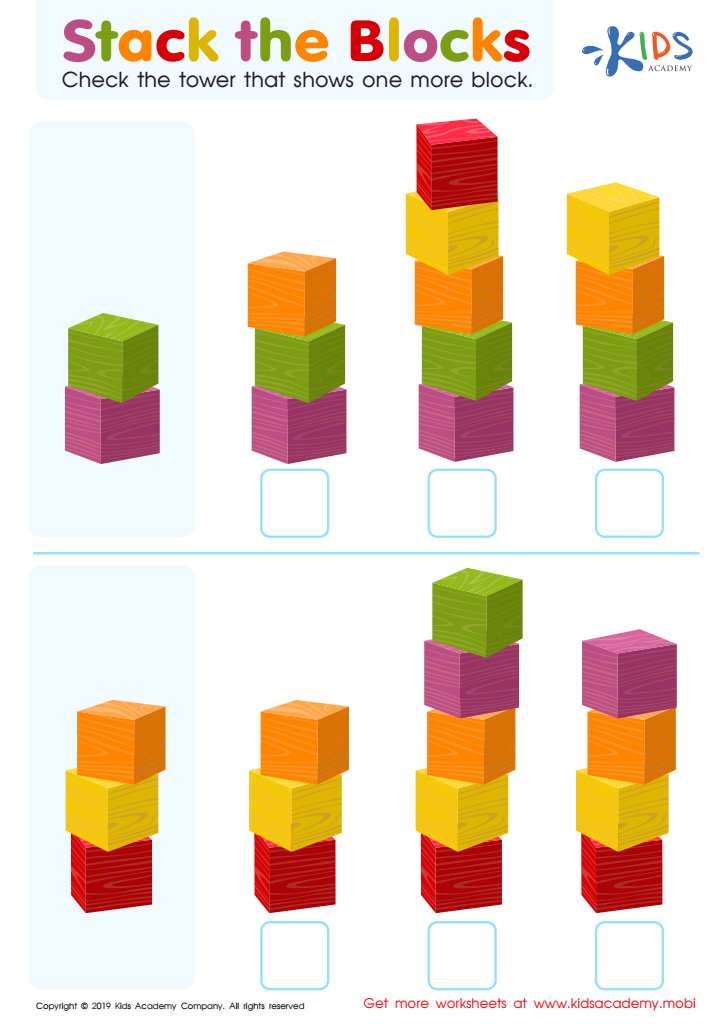
Stack the Blocks Worksheet
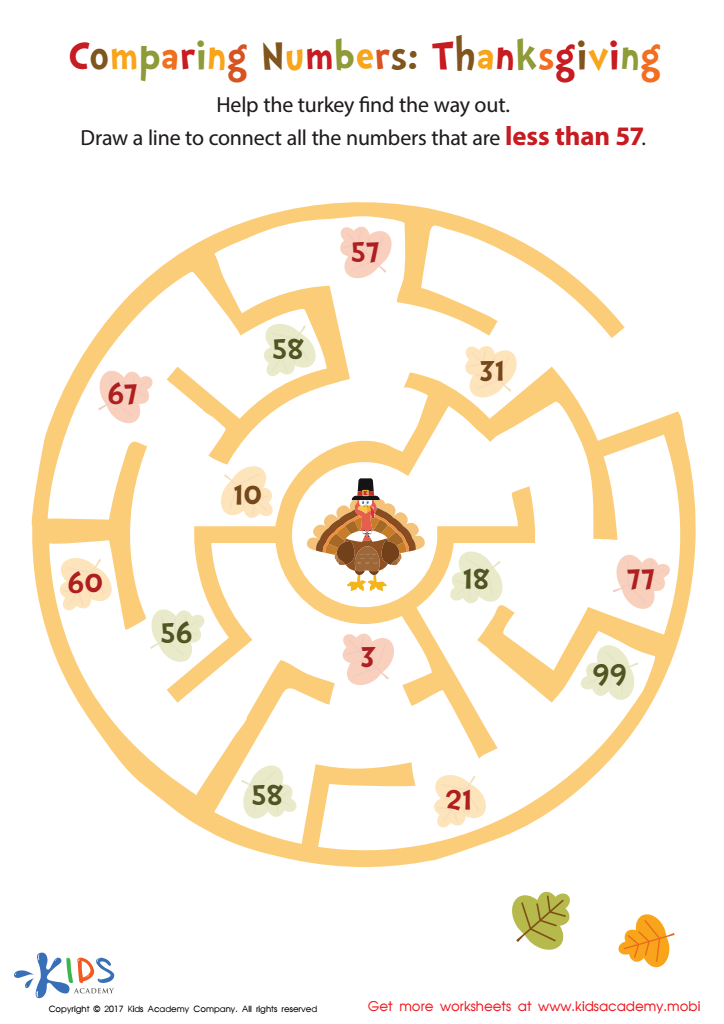
Comparing Numbers Printable








Number comparison is a fundamental skill crucial for children aged 6-7, as it lays the groundwork for their mathematical understanding and critical thinking. At this age, children are beginning to grasp abstract concepts, and mastering number comparison helps them develop number sense—a vital skill for everyday problem-solving and future mathematical learning.
By comparing numbers, children learn how to identify greater or lesser values, which is essential for concepts like addition, subtraction, and understanding place value. This skill fosters reasoning abilities, allowing children to make logical deductions based on their observations. Additionally, engaging in number comparison enhances their confidence in math, encouraging a positive attitude toward the subject.
For teachers and parents, utilizing age-appropriate activities to teach number comparison can create enjoyable learning experiences that stimulate a child’s curiosity and desire to learn. As they explore numbers, they improve not only their mathematical skills but also their ability to categorize, classify, and make informed choices.
Overall, number comparison is not merely an academic skill but a building block for life skills, making it vital for parents and teachers to prioritize and support this learning process. Emphasizing its importance ensures children develop a strong foundation for more complex mathematical concepts in the future.








