Counting skills Easy Numbers Worksheets for Ages 6-7 - Page 3
63 filtered results
-
From - To
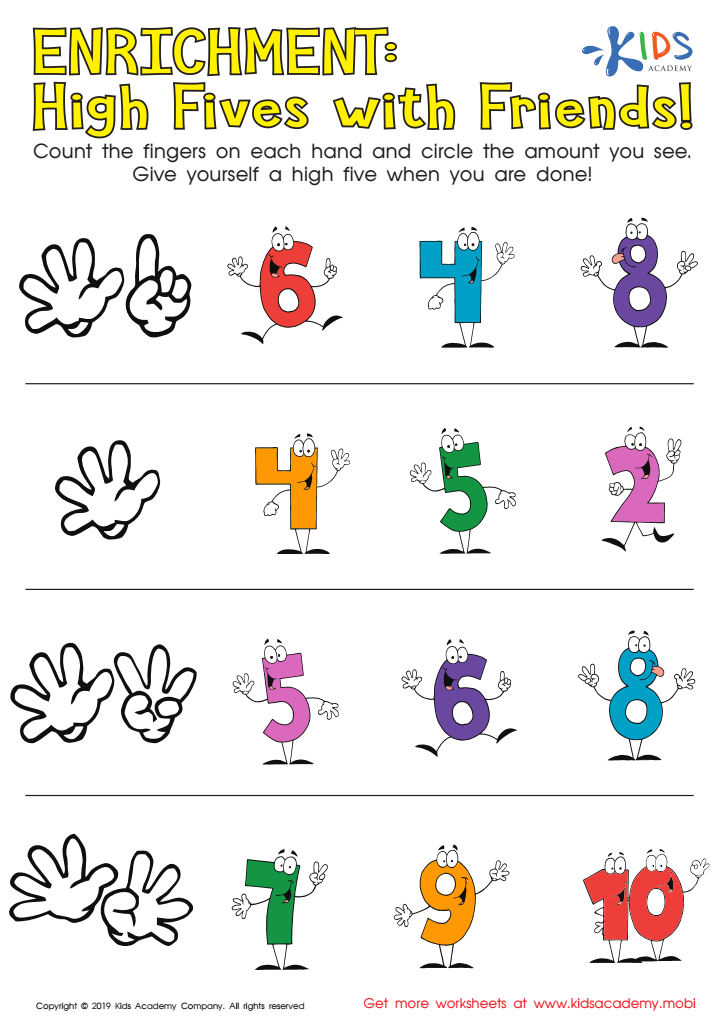
Enrichment: High Fives with Friends! Worksheet
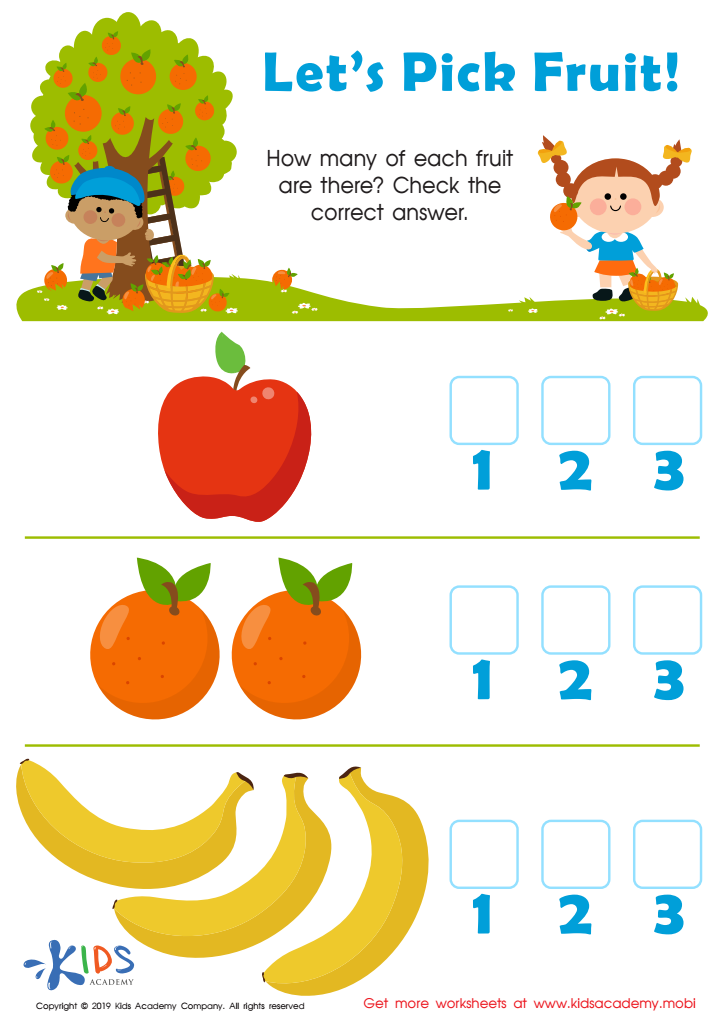
Let's Pick Fruit Worksheet
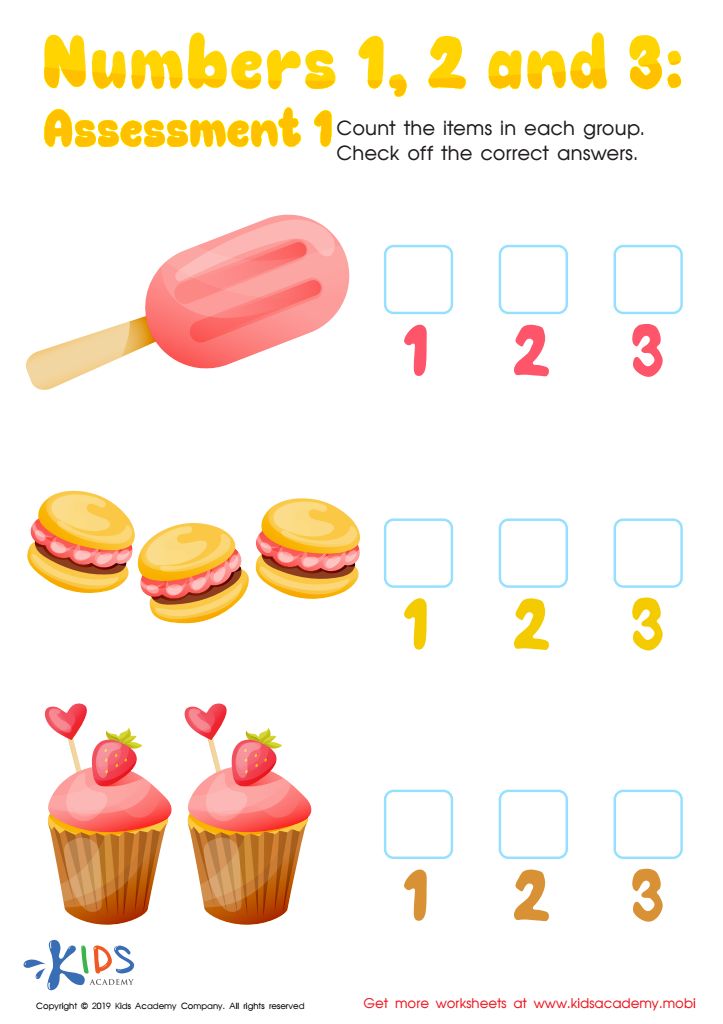
Numbers 1, 2 and 3: Assessment 1 Worksheet
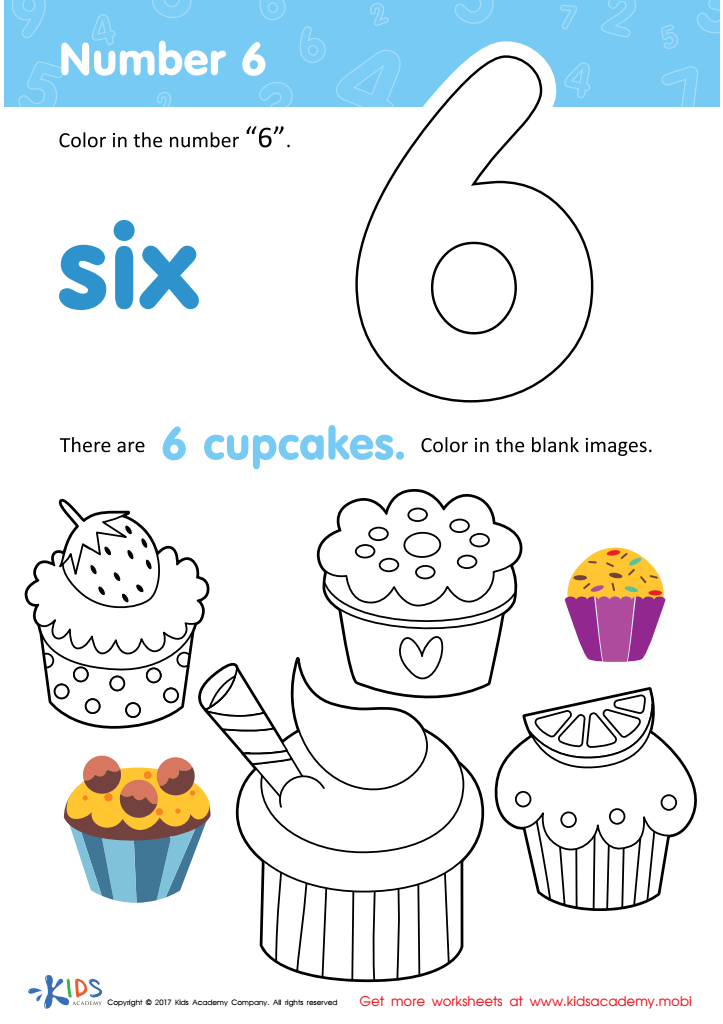
Number 6 Worksheet
 Assign to My Students
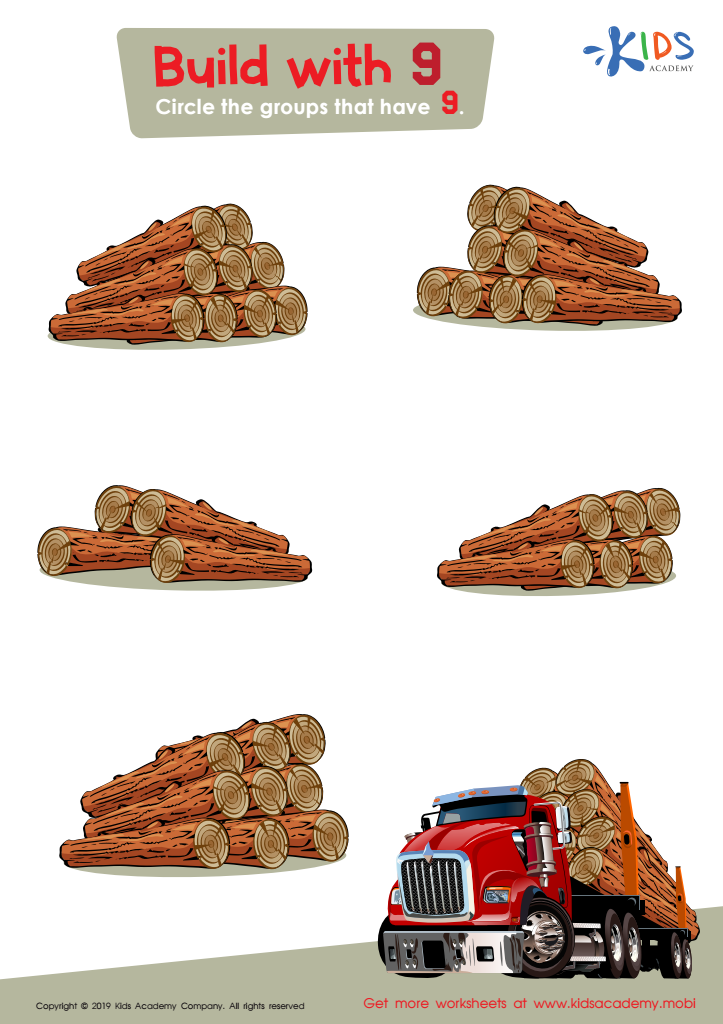
Build with 9 Worksheet
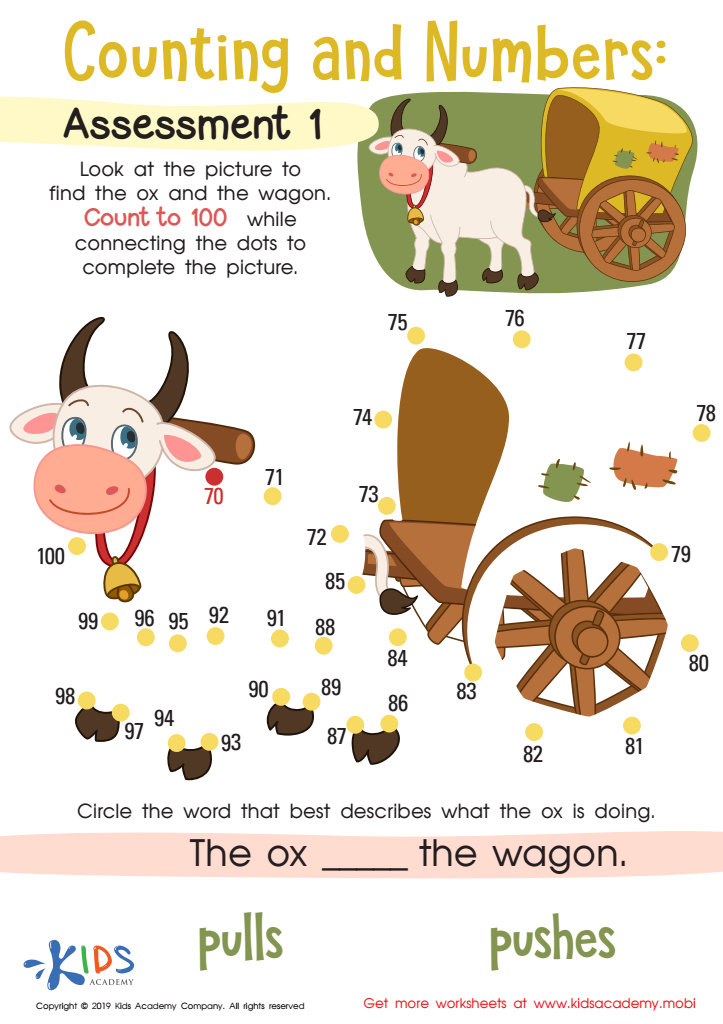
Counting and Numbers: Assessment 1 Worksheet
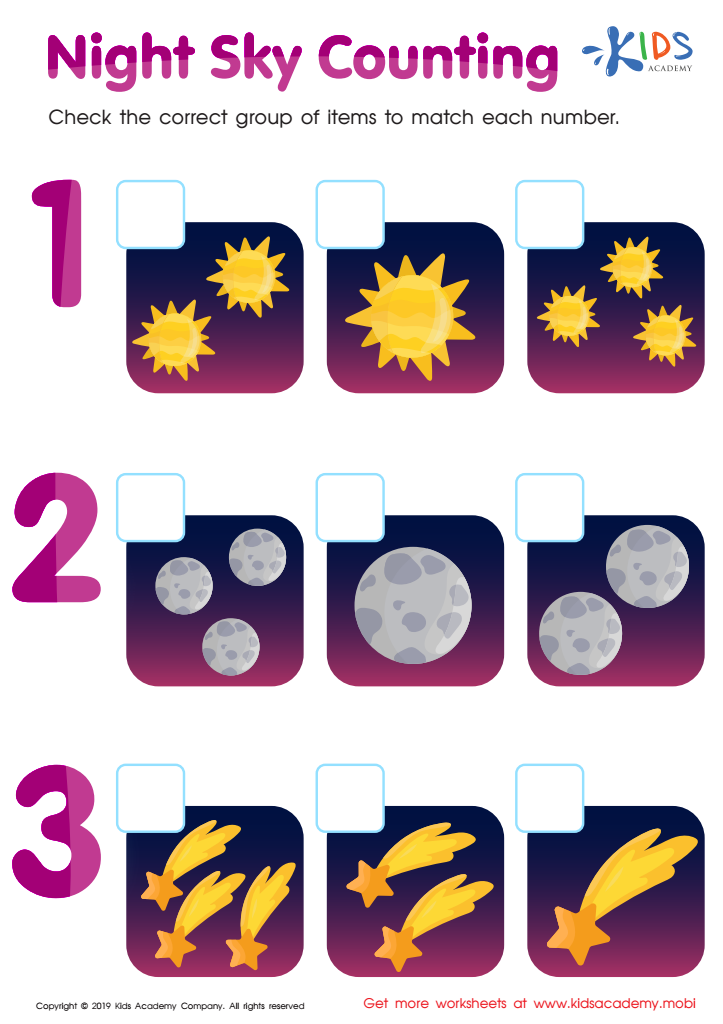
Night Sky Counting Worksheet
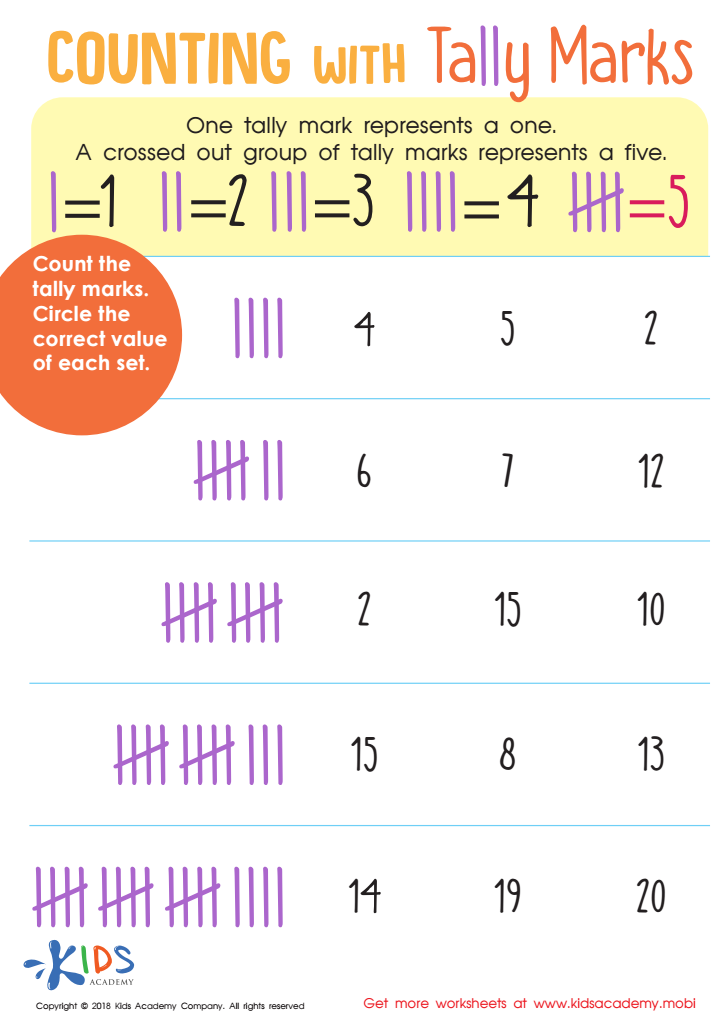
Counting with Tally Marks Worksheet
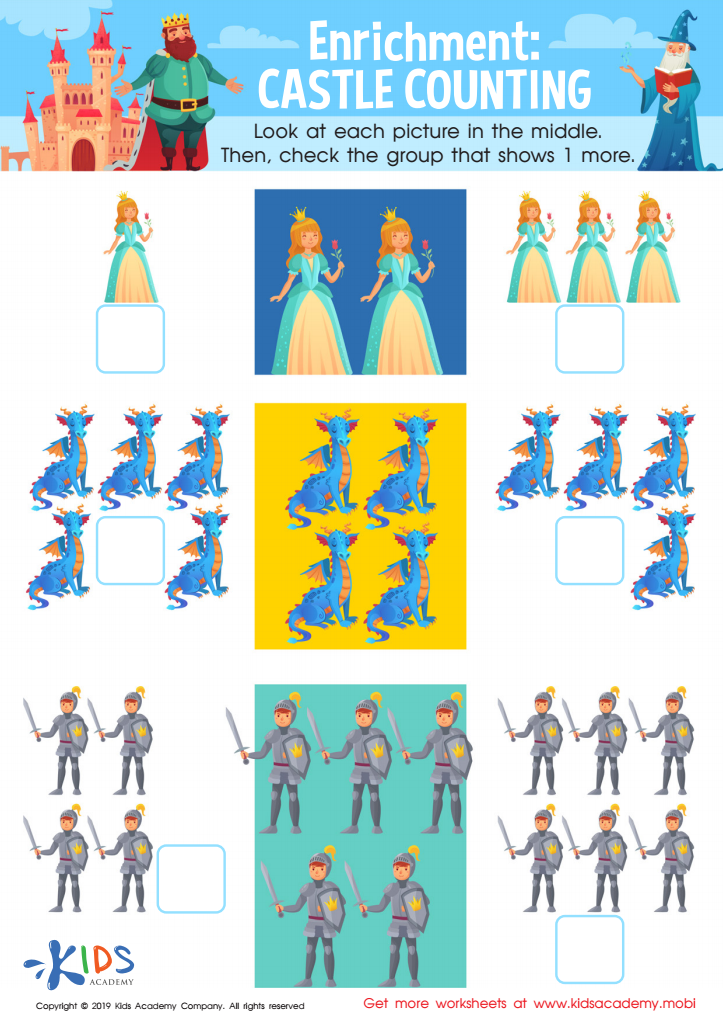
Enrichment: Castle Counting Worksheet
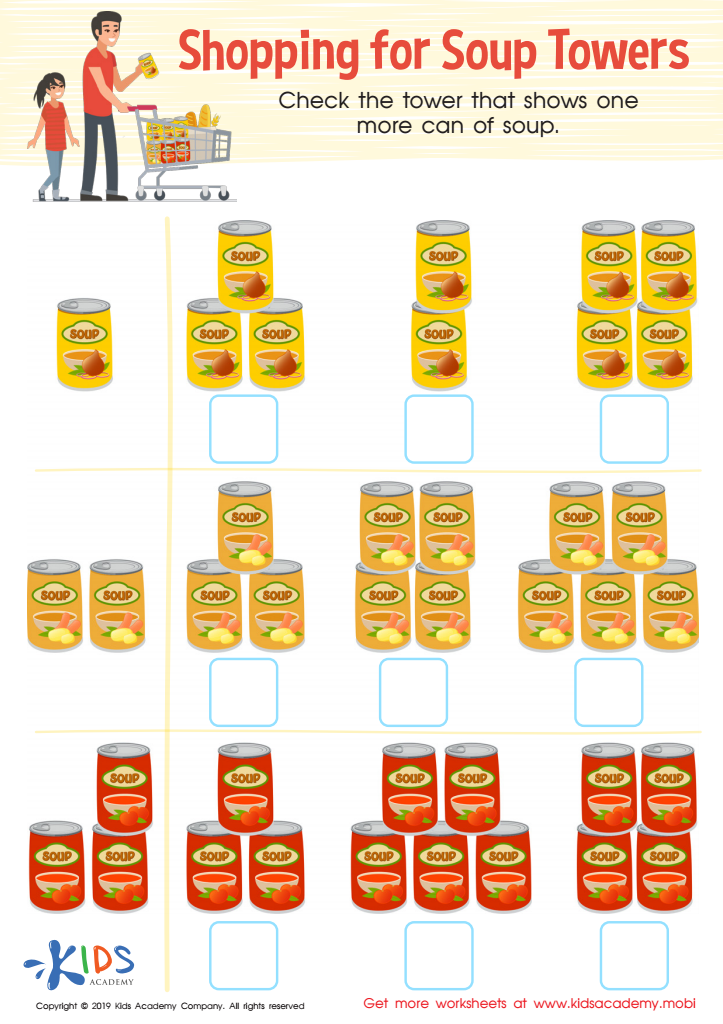
Soup Towers Worksheet
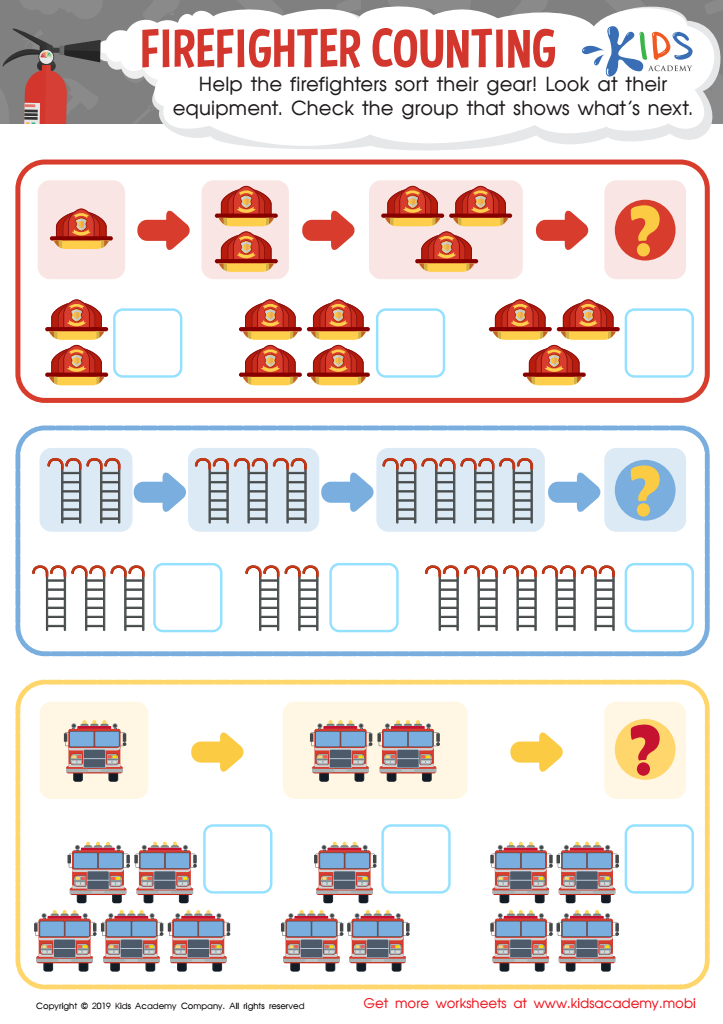
Firefighter Counting Worksheet
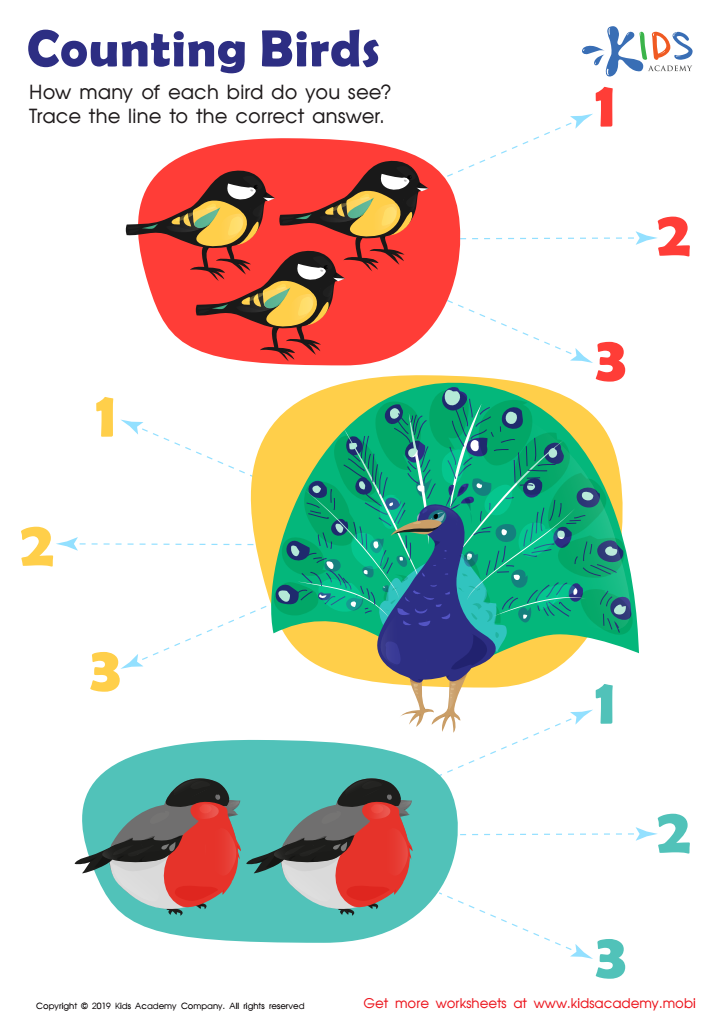
Counting Birds Worksheet
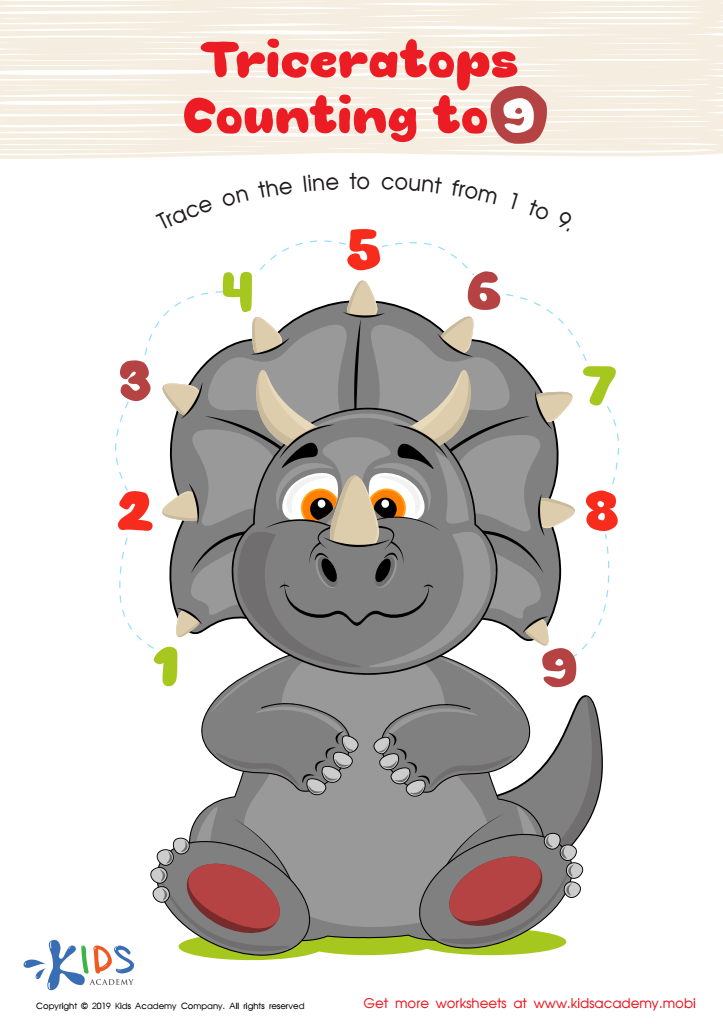
Triceratops Counting to 9 Worksheet
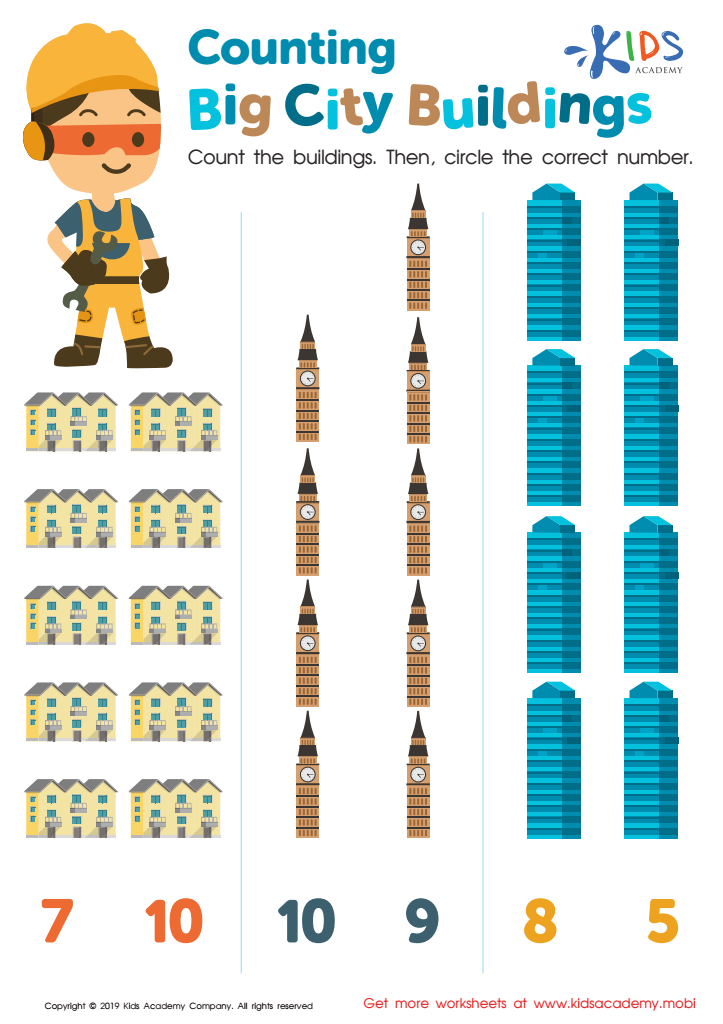
Counting Big City Buildings Worksheet

Night Sky Numbers Worksheet








Counting skills are foundational for children's mathematical development, particularly for ages 6-7, when they transition from simple counting to more complex numerical concepts. Parents and teachers should prioritize these skills as they form the basis for a variety of academic abilities. Mastering counting helps children understand the relationships between numbers, fosters their ability to solve basic arithmetic problems, and equips them with problem-solving skills they will need in everyday life.
Furthermore, counting skills enhance cognitive development by promoting logical thinking and enhancing memory. By engaging children in counting activities, such as counting objects during play or using everyday scenarios, adults can make learning fun and relatable. Additionally, proficiency in counting boosts children's confidence in their mathematical abilities, preparing them for more advanced topics as they progress in school.
Neglecting counting practice at this age can lead to gaps in understanding larger concepts, such as addition and subtraction, which can persist and cause challenges in later grades. By investing time and resources into developing counting skills early on, parents and teachers can ensure that children build a strong mathematical foundation that supports their ongoing education and future academic success.








