Fine Motor Skills Easy Alphabet Worksheets for Ages 6-8
6 filtered results
-
From - To
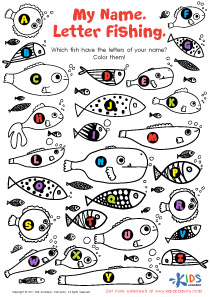
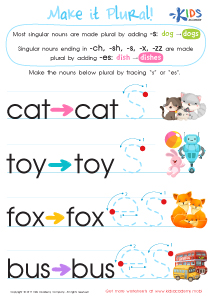
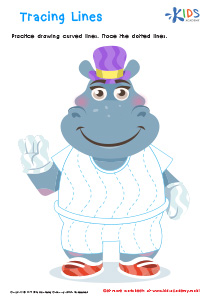
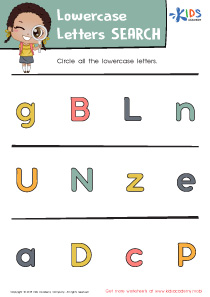
Discover our "Fine Motor Skills Easy Alphabet Worksheets" designed for kids aged 6-8. Perfectly tailored to young learners, these engaging worksheets focus on enhancing fine motor skills while reinforcing alphabet knowledge. Each worksheet includes fun, educational activities that help children improve their handwriting, dexterity, and letter recognition. Created by educational experts, these printable worksheets make learning enjoyable and effective. From tracing letters to simple drawing exercises, our resources support your child's development in a playful and interactive way. Perfect for classroom use or home practice, pave the way to academic success with our fine motor skills alphabet worksheets.
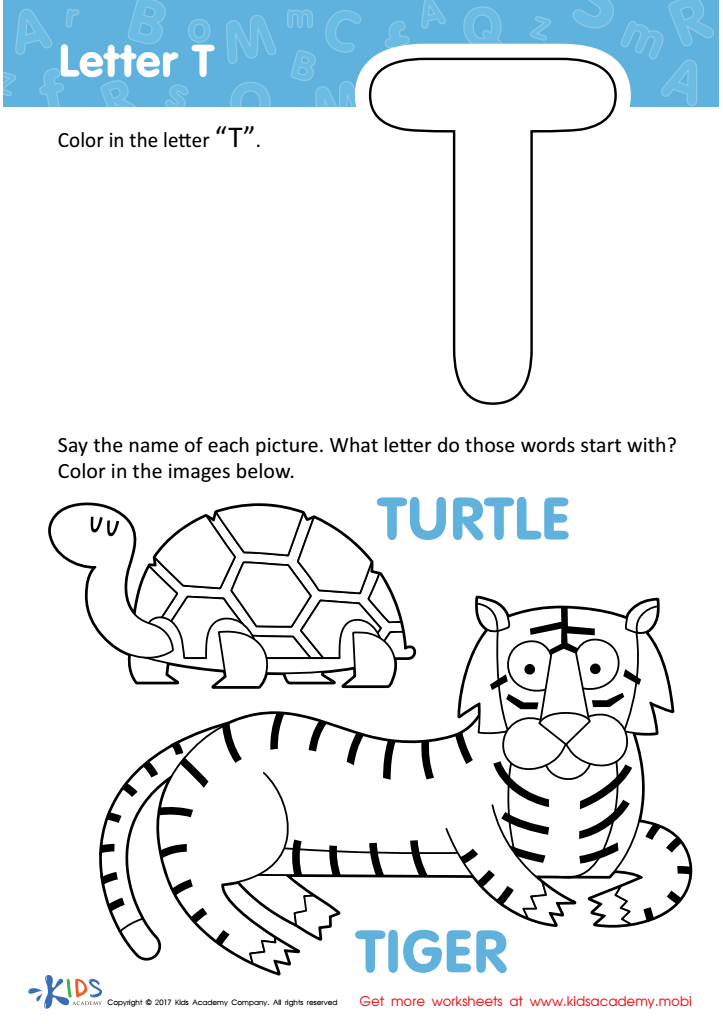
Letter T Coloring Sheet
 Assign to My Students
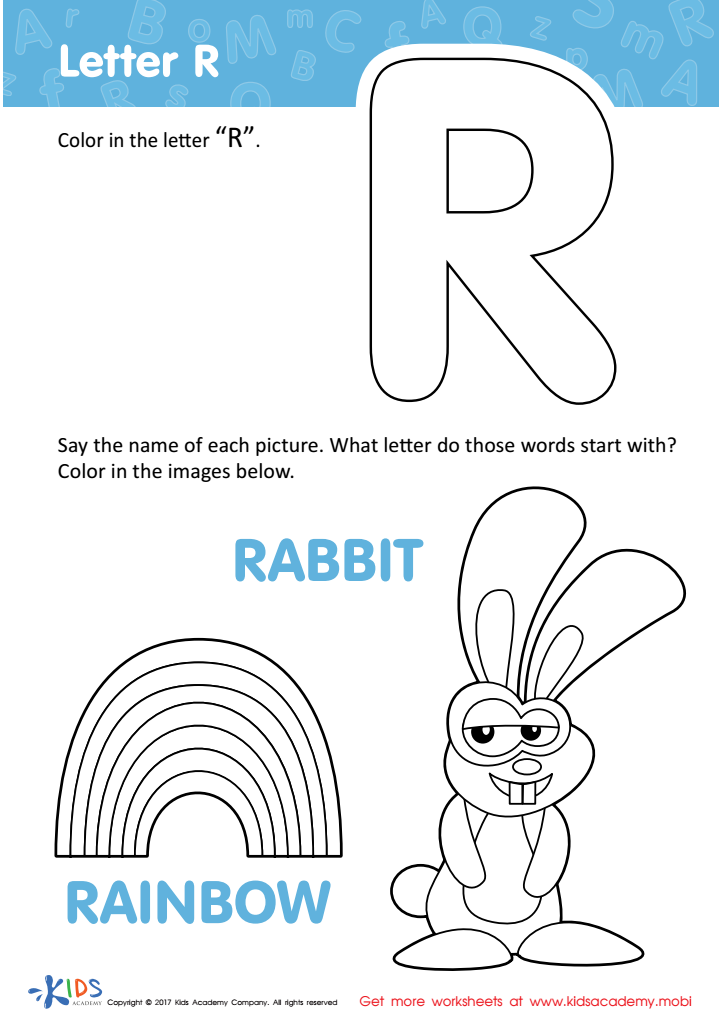
Letter R Coloring Sheet
Assign to My Students
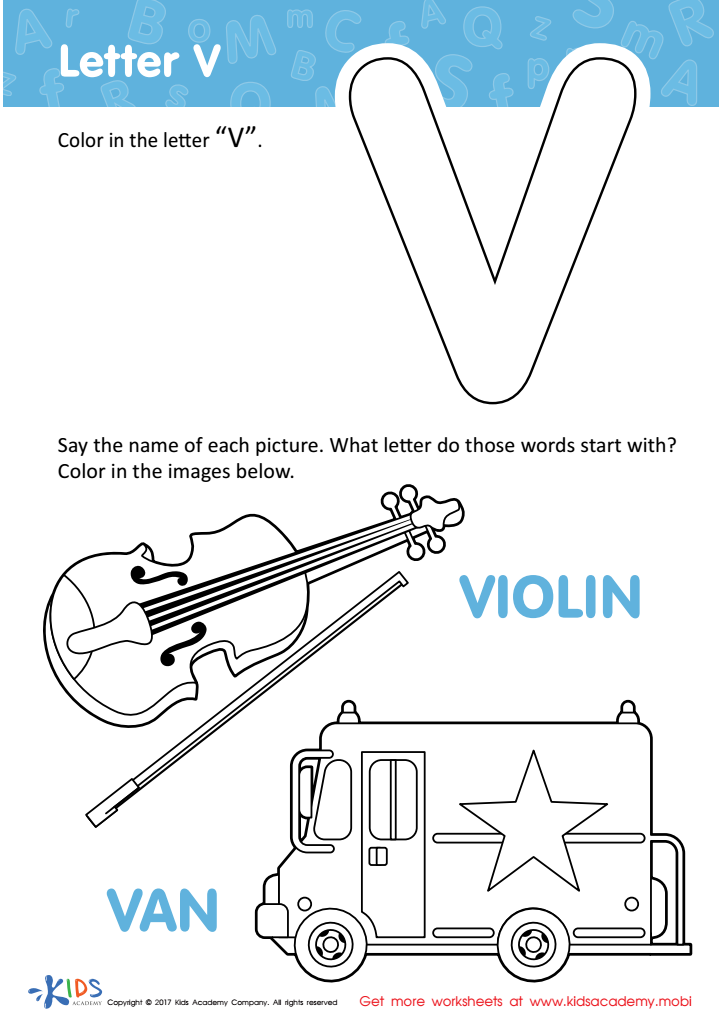
Letter V Coloring Sheet
Assign to My Students
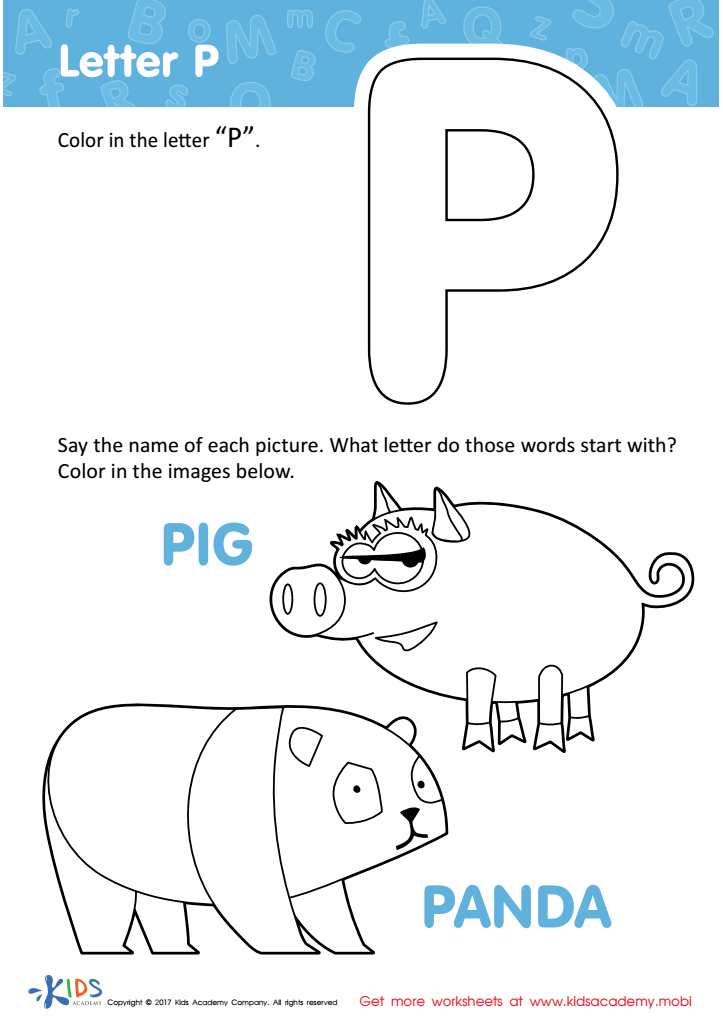
Letter P Coloring Sheet
Assign to My Students
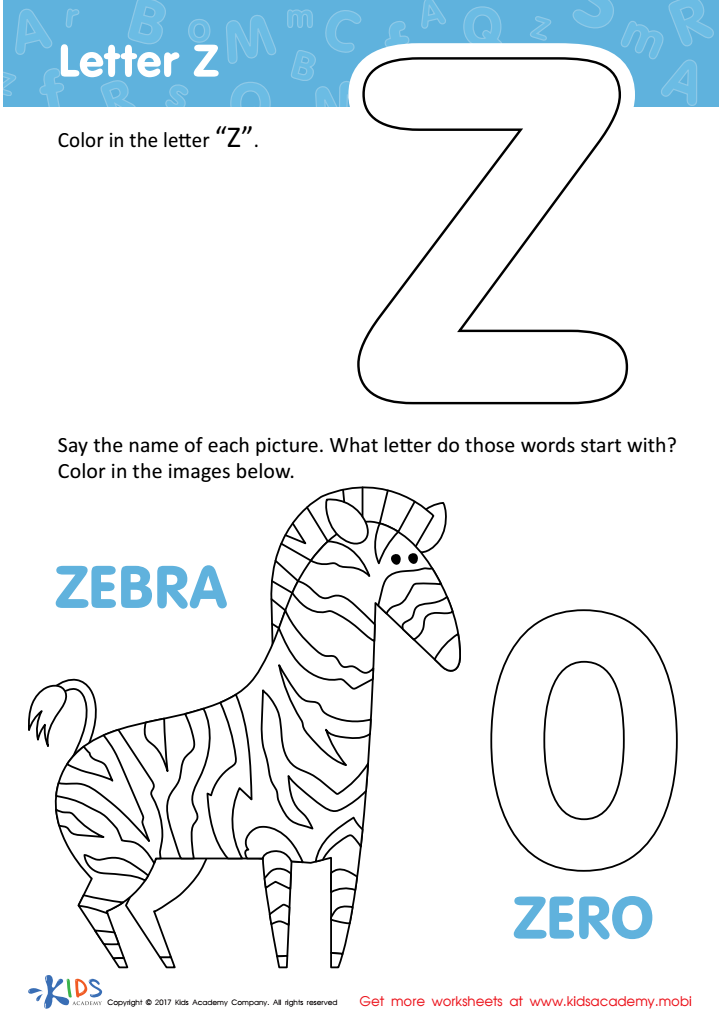
Letter Z Coloring Sheet
Assign to My Students
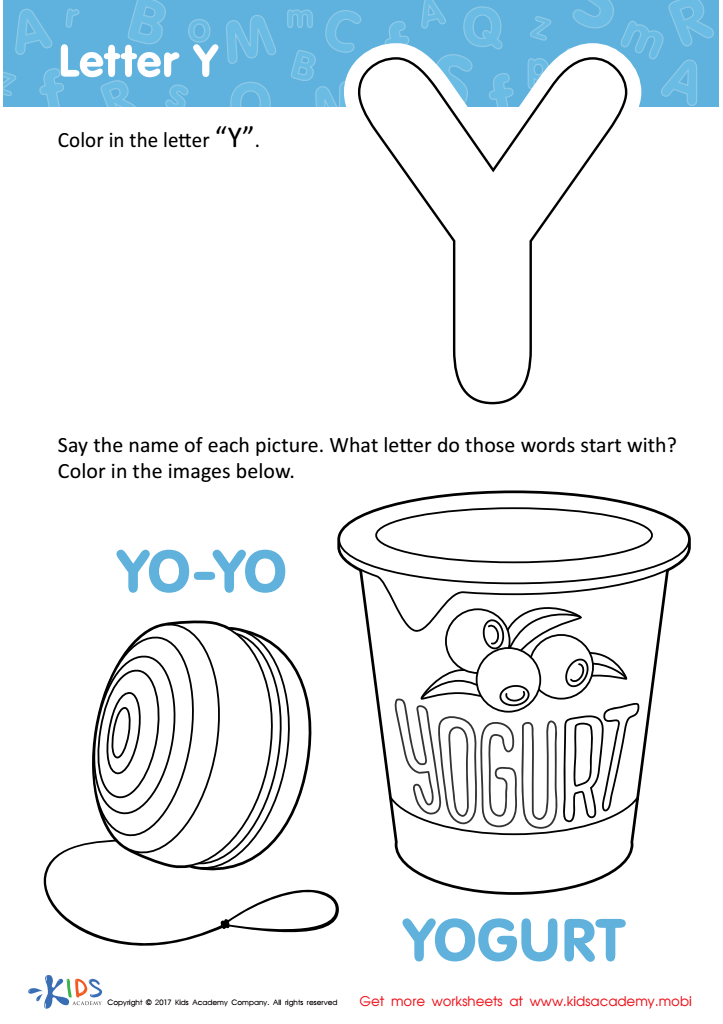
Letter Y Coloring Sheet
Assign to My Students







Parents and teachers should prioritize the development of fine motor skills in children ages 6-8, not just for academic reasons but also for the foundational life skills they foster. Fine motor skills involve the coordination of small muscles, particularly in the hands and fingers, which are essential for performing everyday tasks.
For academic success, children in this age range are at a critical stage for learning to write legibly. Activities like the Fine Motor Skills Easy Alphabet—whether through tracing, coloring, or writing letters—can vastly improve a child's pencil grip, hand-eye coordination, and control, thereby enhancing their writing abilities. Clear and efficient writing not only bolsters their confidence but also allows them to focus on composing thoughts rather than struggling with letter formation.
These skills also translate to numerous everyday activities: tying shoelaces, using utensils, and even dressing themselves. Successfully mastering these early builds independence and practical life skills. Additionally, fine motor tasks can improve concentration, problem-solving abilities, and patience, which are beneficial both in schooling and life.
Initiatives like focused fine motor skill alphabet exercises recognize that fostering strength and agility in a child's hands has far-reaching effects. By investing time in these activities, parents and teachers essentially set the stage for both academic and personal proficiency.