Basic counting skills Easy Worksheets for Ages 6-8
6 filtered results
-
From - To
Discover our "Basic Counting Skills Easy Worksheets" perfect for ages 6-8! Designed to make learning fun and engaging, these worksheets help young learners master counting essentials through a variety of activities. Each worksheet emphasizes basic counting principles with visual aids and simple exercises, ensuring children develop a strong numerical foundation. Whether it's counting objects, numbers, or patterns, our easy worksheets foster confidence and interest in math. Ideal for classroom or home use, these resources support your child's early math education in an enjoyable and interactive way. Start building your child's counting skills today with our expertly crafted materials!
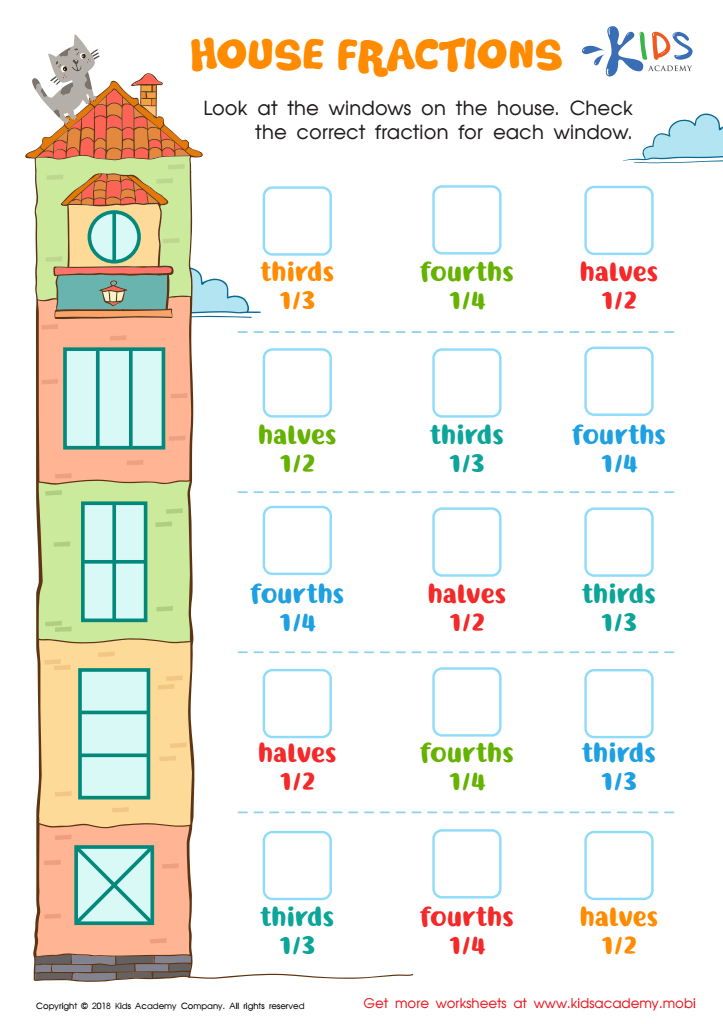
House Fractions Worksheet
 Assign to My Students
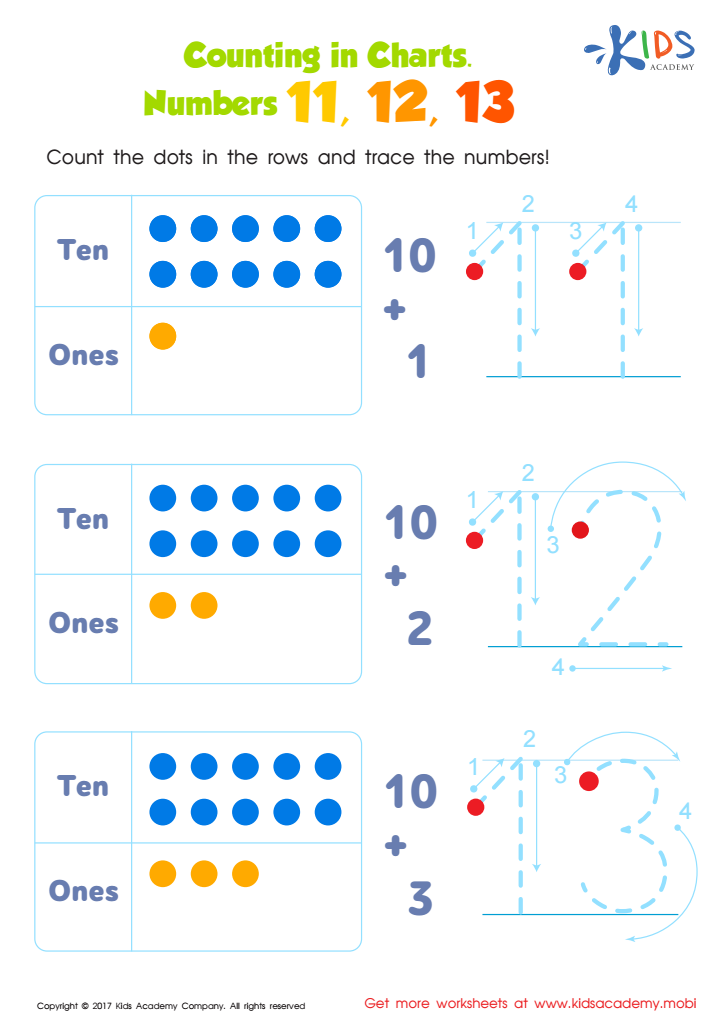
Number Tracing Worksheet For Kindergarten
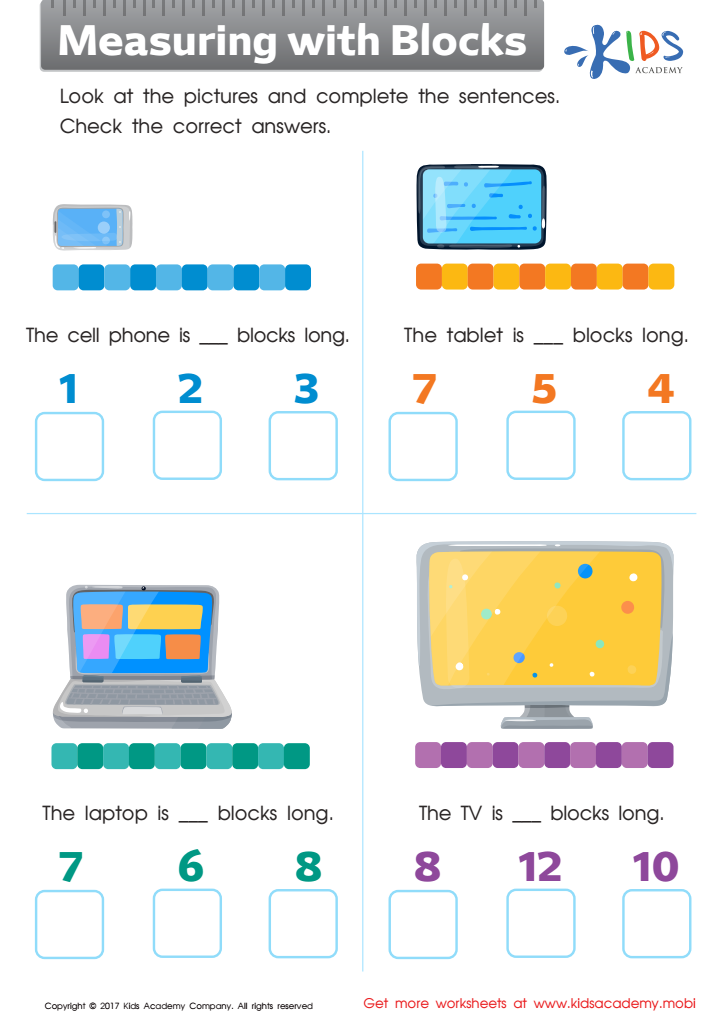
Measuring with Blocks Worksheet
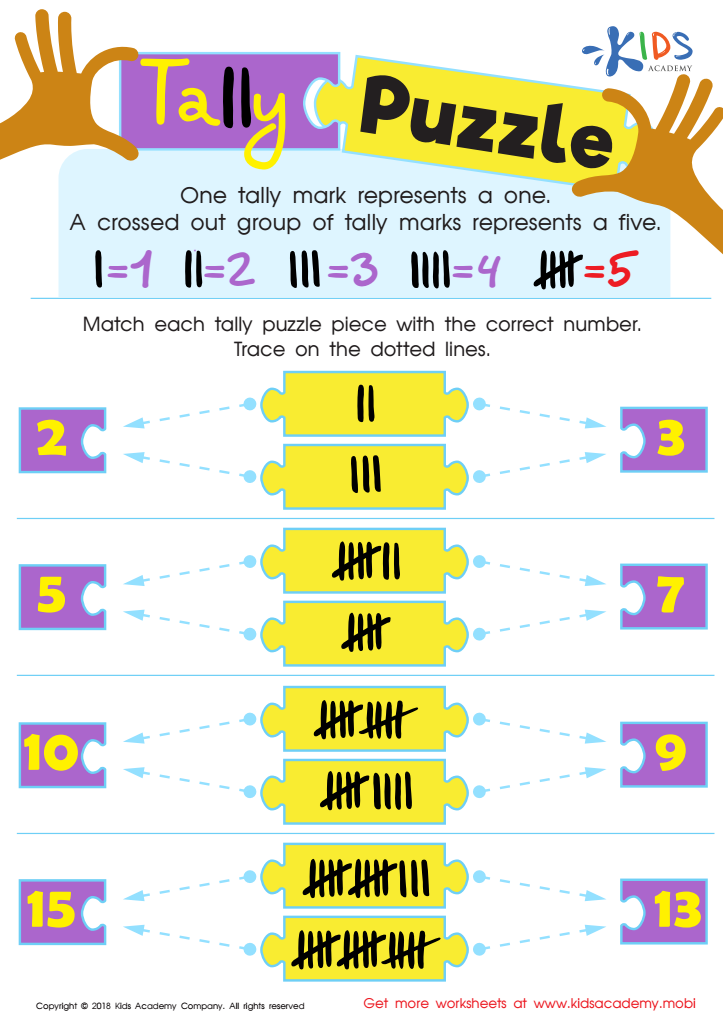
Tally Puzzle Worksheet
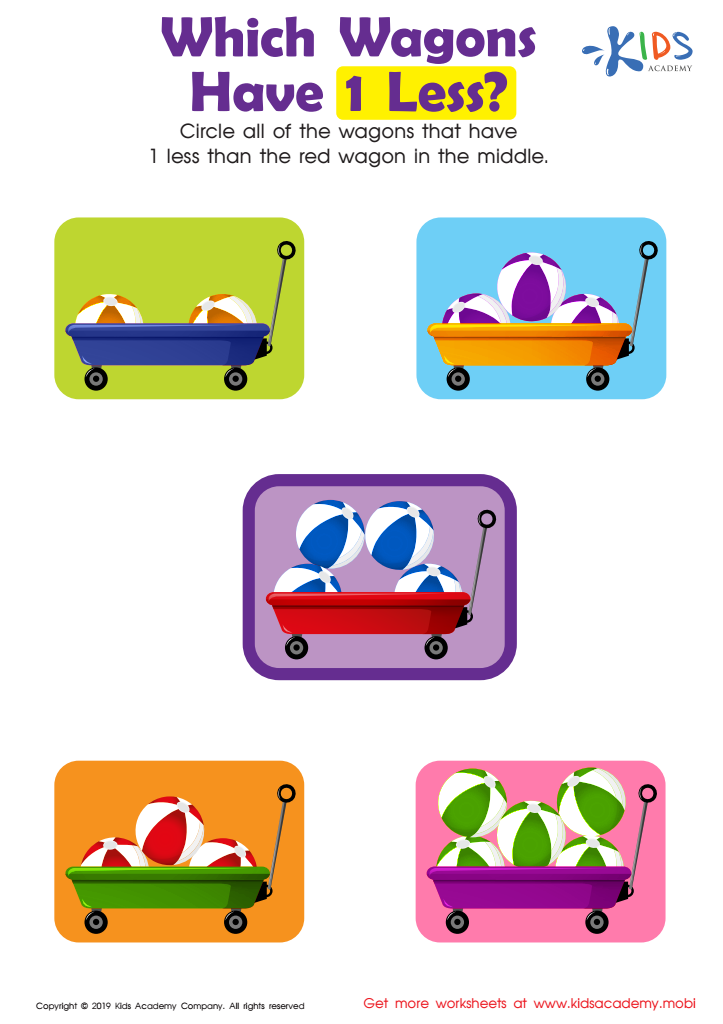
Which Wagons Have 1 Less? Worksheet







Basic counting skills are fundamental building blocks for children's mathematical development. For children aged 6-8, mastering these skills early lays the groundwork for more complex mathematical concepts. When parents and teachers emphasize counting, they offer children the tools to navigate the world with confidence. Imagine counting the number of apples in a grocery bag or the number of steps to a playground; these everyday situations require a solid understanding of numbers.
Teaching counting also promotes problem-solving and critical thinking skills. Children start to recognize patterns and sequences, such as knowing what comes before or after a specific number. This skill is not just about rote memorization but understanding numerical relationships, which is crucial for future math topics like addition, subtraction, multiplication, and division.
Moreover, counting fosters a sense of accomplishment. As children become proficient, they gain confidence, setting a positive tone for their educational journey. Counting can also be made fun through songs, games, or hands-on activities, making learning an enjoyable experience.
Therefore, equipping children with basic counting skills is more than just a mathematical exercise; it’s about preparing them for everyday life and fostering a lifelong love for learning. For these reasons, parents and teachers should prioritize early counting skills development.








