Comprehension skills Easy Worksheets for Ages 6-8
5 filtered results
-
From - To
Discover our "Comprehension Skills Easy Worksheets" designed specifically for children aged 6-8! These engaging worksheets aim to enhance reading comprehension through fun activities and relatable content. Tailored to fit early learners, our resources focus on key skills such as identifying main ideas, capturing details, and making inferences. Each worksheet is crafted to captivate young minds, promoting both independence and critical thinking. Parents and educators can effectively track progress while making learning enjoyable. Unlock your child's potential in understanding stories and texts with our easy-to-use worksheets, ensuring a joyful journey to literacy mastery! Explore our selection and start enhancing comprehension today!
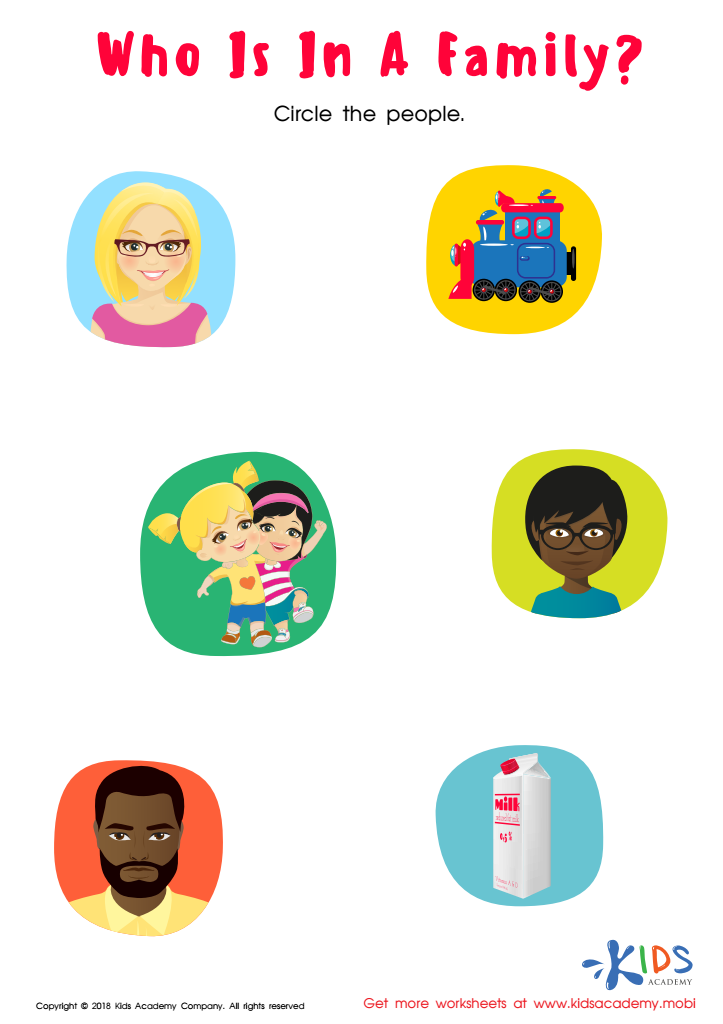
Who Is in a Family? Worksheet
 Assign to My Students
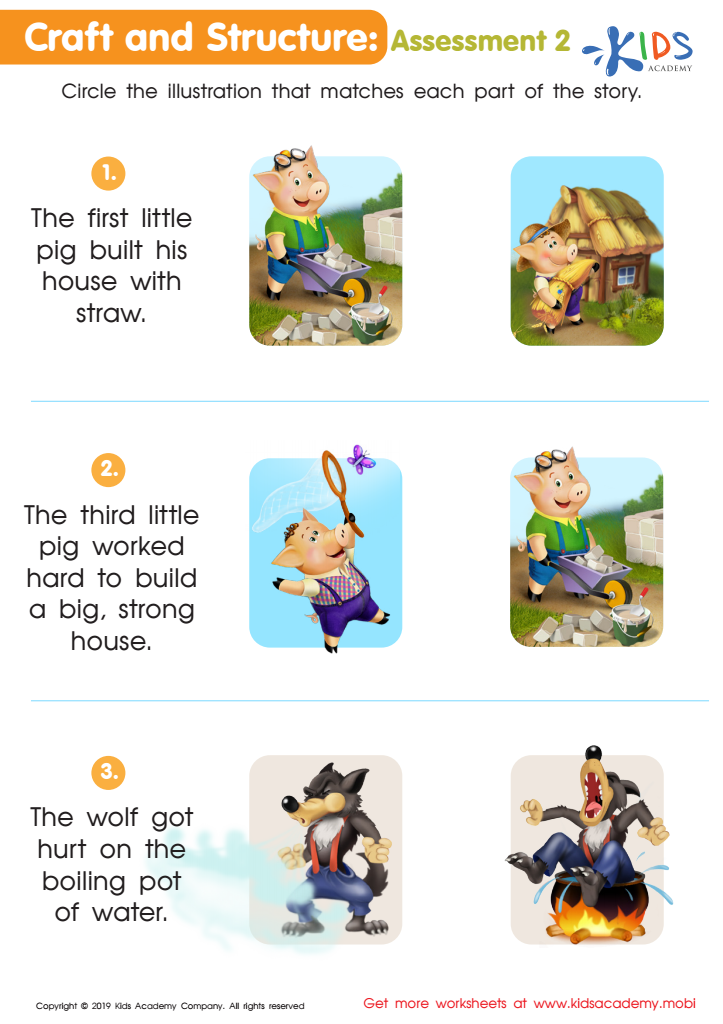
Craft and Structure: Assessment 2 Worksheet 2
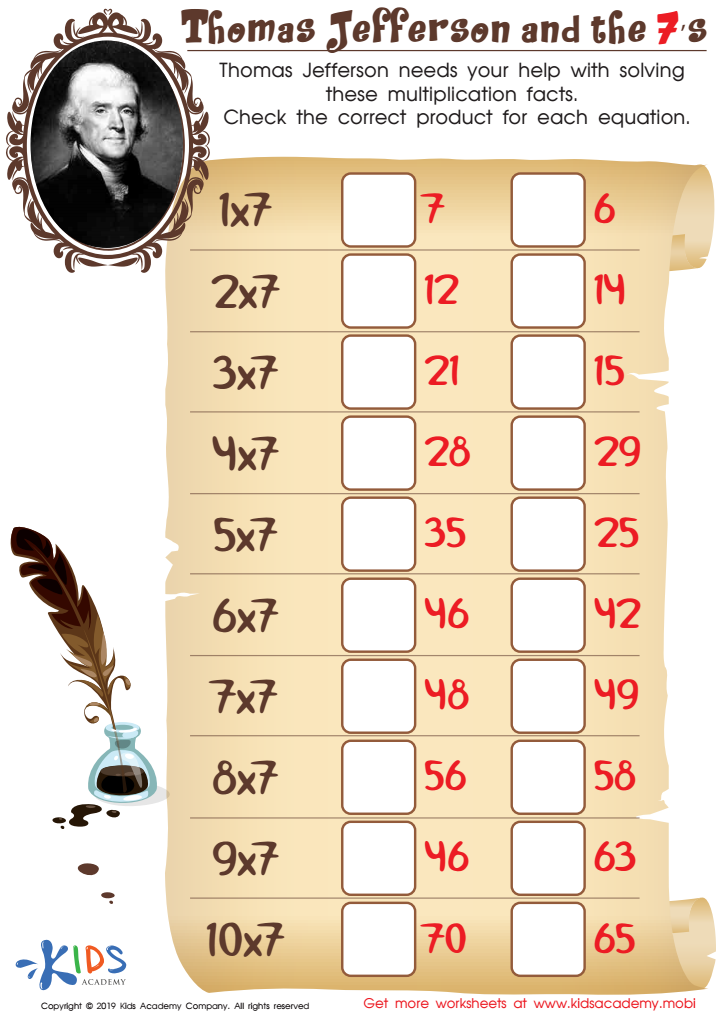
Thomas Jefferson and the 7’s Worksheet
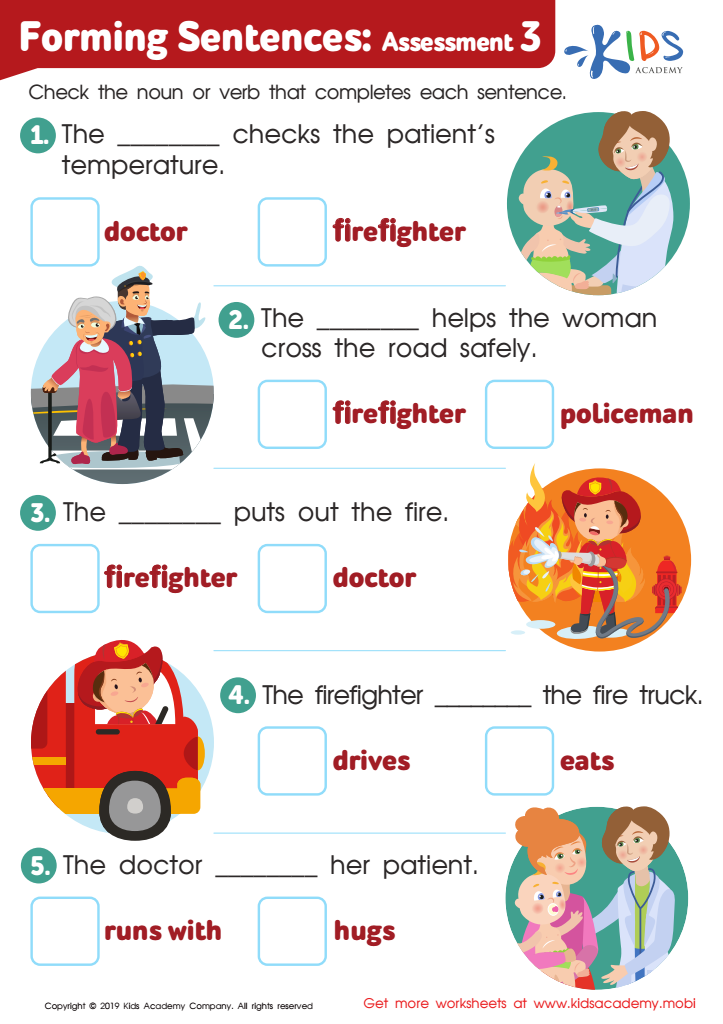
Forming Sentences: Assessment 3 Worksheet
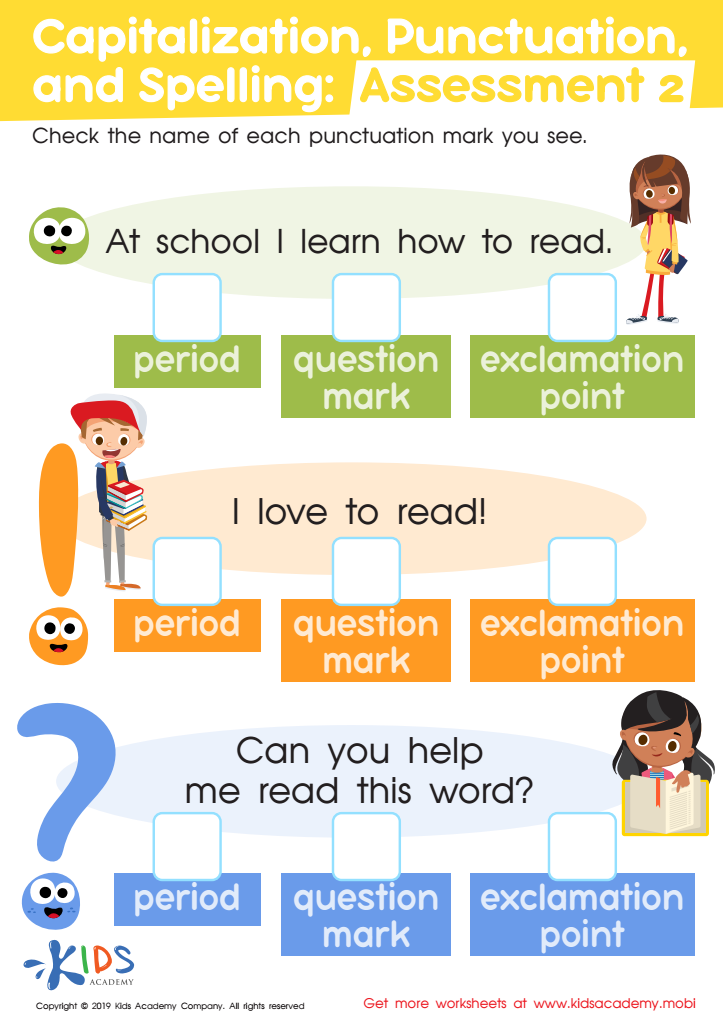
Capitalization. Punctuation. Spelling: Assessment 2 Worksheet





.jpg)

Comprehension skills are crucial for children aged 6-8, as they form the foundation for effective reading and learning. At this stage, children start to transition from learning to read to reading to learn. If they can’t understand what they’re reading, it can lead to frustration and disinterest in books, impacting their overall academic performance.
Parents and teachers should prioritize comprehension skills because they promote critical thinking and the ability to make connections with other knowledge. When kids understand a story or text, they begin to engage with its ideas, ask questions, and express opinions, fostering their confidence and communication abilities.
Moreover, strong comprehension skills enhance vocabulary and fluency, allowing children to tackle more complex texts as they progress in school. It also nurtures a love for reading, which is essential for lifelong learning.
In summary, supporting the development of comprehension skills in kids aged 6-8 leads to improved academic outcomes and a positive attitude towards reading. By actively engaging children in discussions about stories and encouraging them to think critically, parents and teachers can help them build a strong foundation for future success.








