Hand-eye Coordination Easy Worksheets for Ages 6-8 - Page 2
27 filtered results
-
From - To
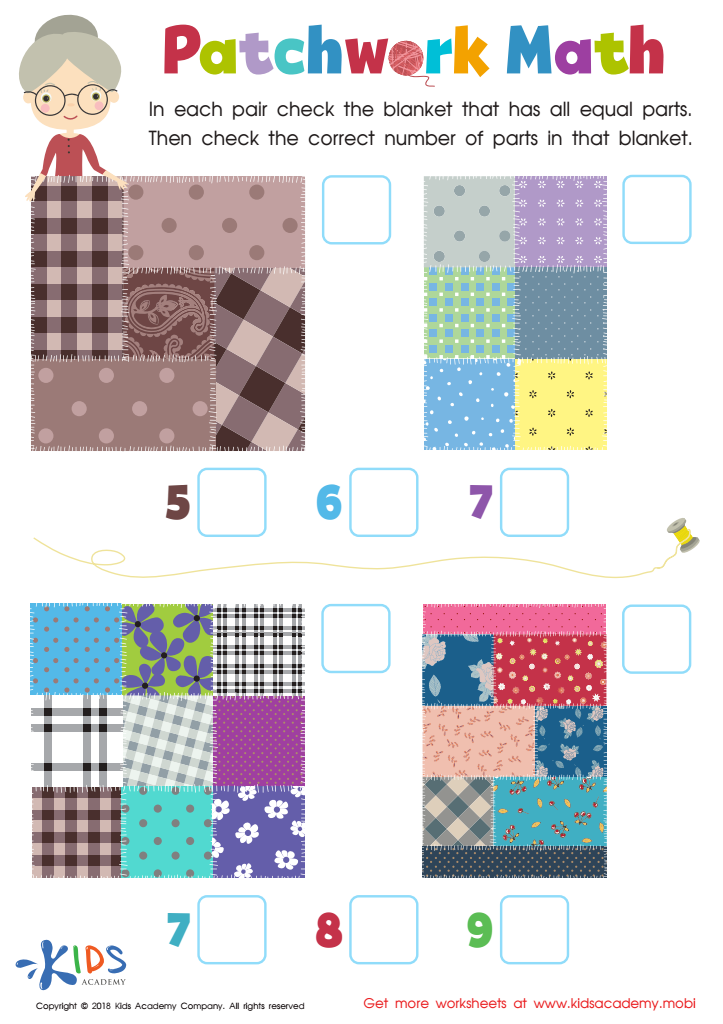
Patchwork Math Worksheet
 Assign to My Students
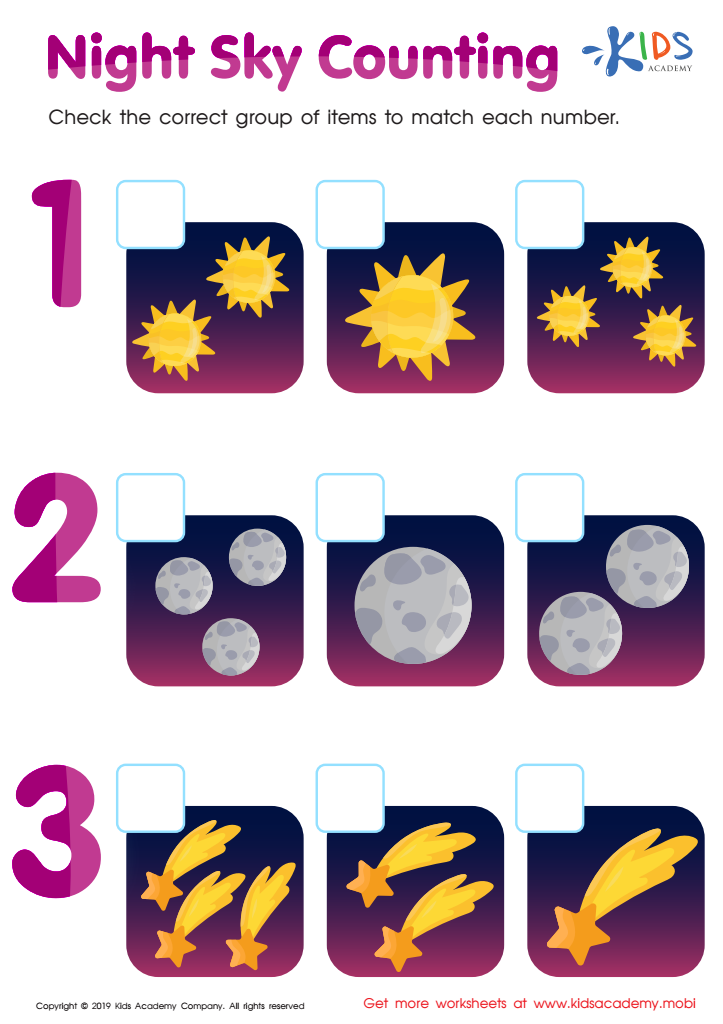
Night Sky Counting Worksheet
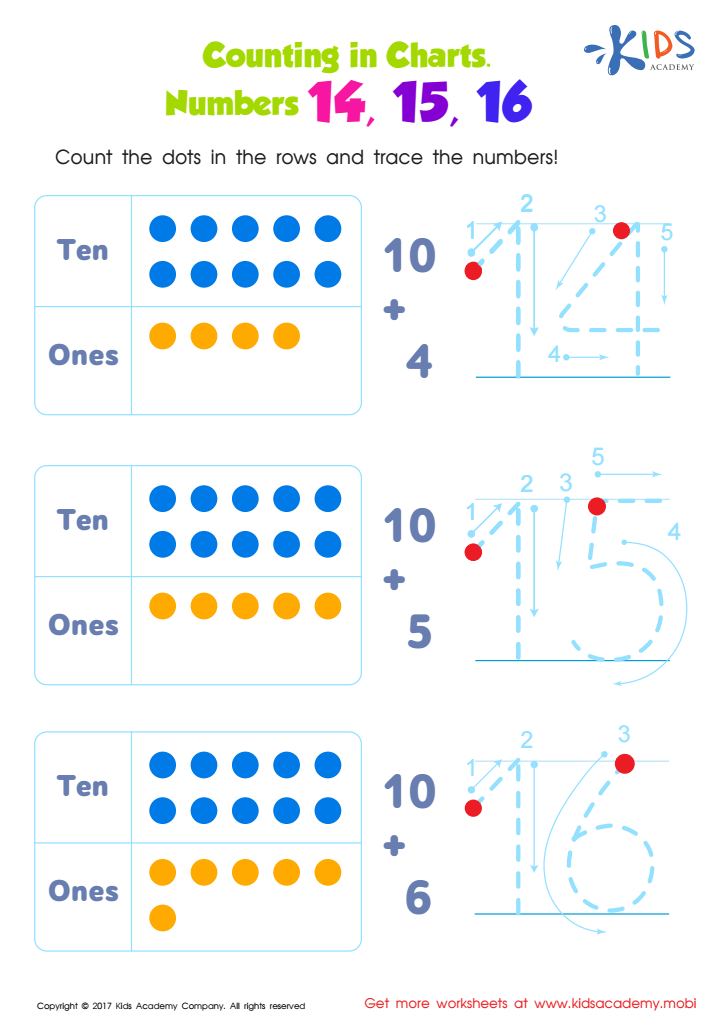
Number Tracing Worksheet






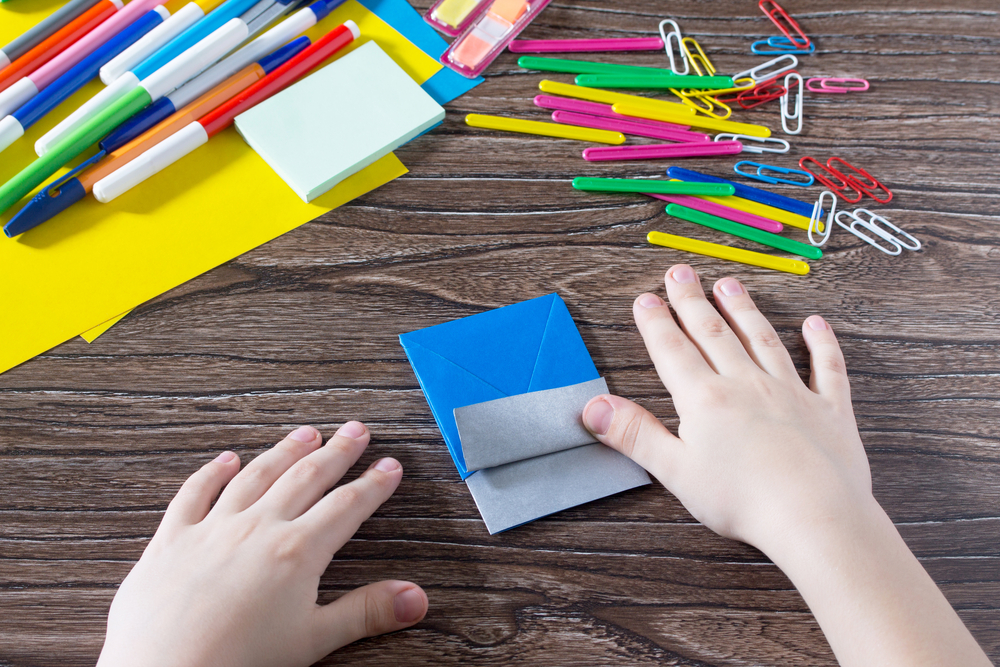
Hand-eye coordination is an essential skill for children aged 6-8, as it significantly impacts their daily activities and overall development. This skill allows children to coordinate their visual input with physical movement, which is crucial for tasks such as writing, drawing, playing sports, and even everyday activities like buttoning a shirt or tying shoelaces. When parents and teachers prioritize hand-eye coordination, they help enhance a child's fine motor skills, which are important for academic success.
Improving hand-eye coordination also boosts a child’s confidence. Mastering challenging tasks fosters a sense of achievement, encouraging them to tackle new challenges with a positive mindset. Furthermore, strong hand-eye coordination is linked to better academic performance, particularly in subjects like math and reading, where visual tracking and spatial awareness are required.
Practicing activities that promote this skill—such as playing catch, building with blocks, or engaging in arts and crafts—can benefit children physically and mentally. Encouraging development in these areas during early childhood enhances their overall growth, making hand-eye coordination a vital aspect of parenting and teaching. By providing opportunities for practice and growth, adults play a key role in nurturing confident, capable, and successful young learners.








