Problem-Solving Skills Easy Science Worksheets for Ages 6-8
5 filtered results
-
From - To
Foster critical thinking and creativity in children with our "Problem-Solving Skills Easy Science Worksheets for Ages 6-8." These engaging resources are specially designed to immerse young minds in fun, interactive activities that develop their analytical abilities. Each worksheet introduces captivating scenarios and practical challenges, encouraging children to ask questions, make predictions, and experiment with solutions. Perfect for classroom use or at-home practice, our science worksheets are an excellent way to nurture a love for learning while building foundational problem-solving skills. Empower your child to tackle problems efficiently and confidently with our expertly crafted materials.
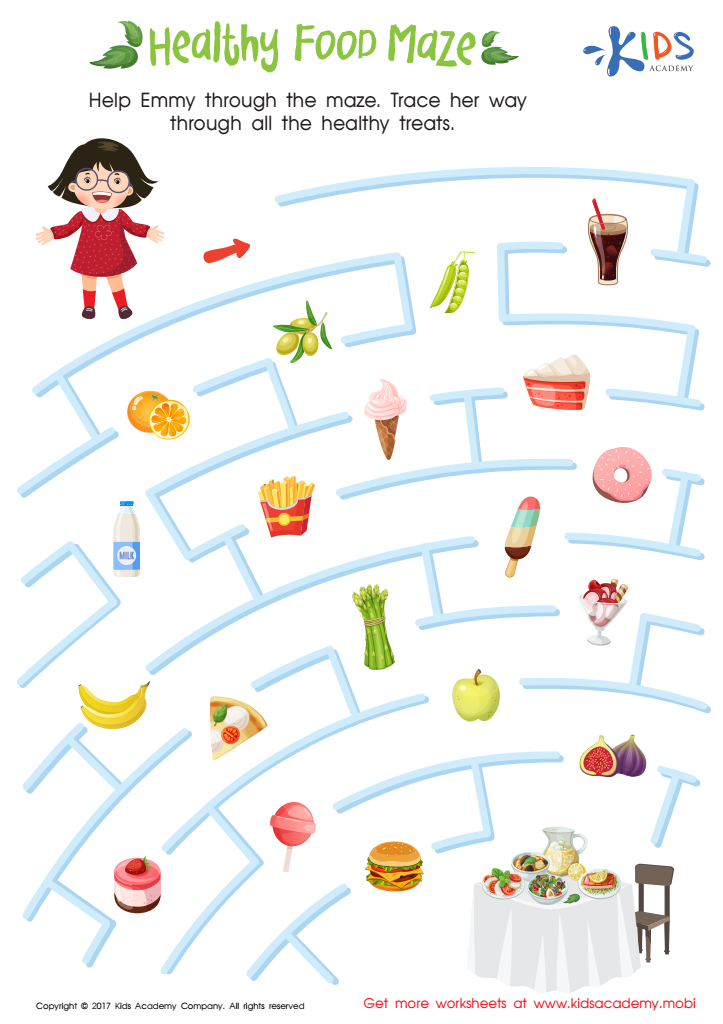
Healthy Food Maze Printable
 Assign to My Students
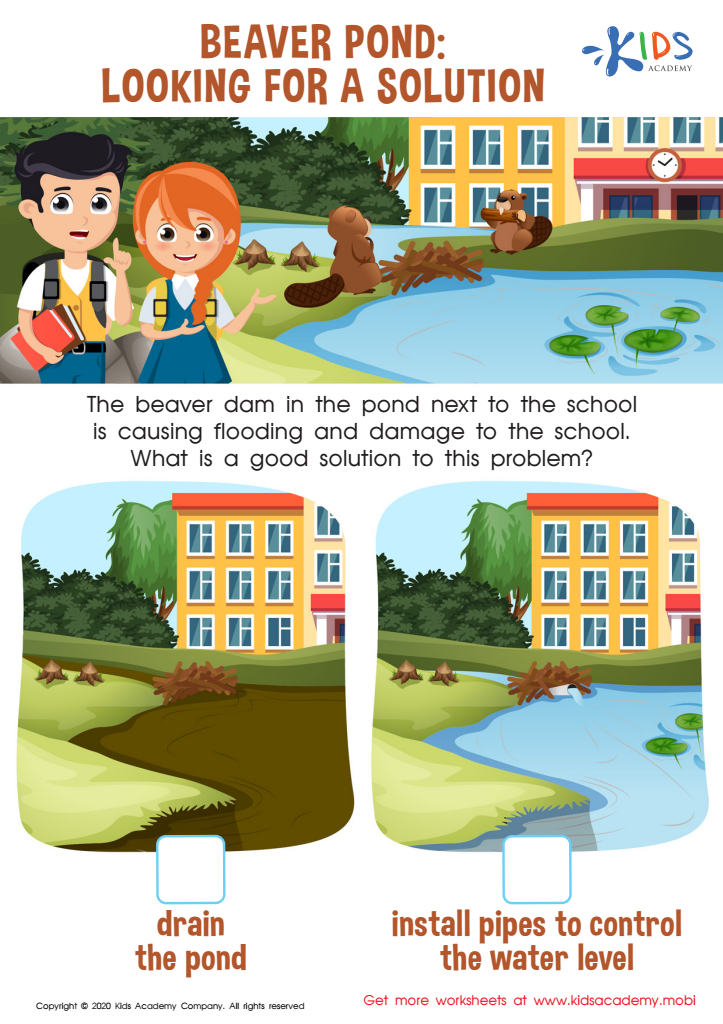
Beaver Pond: Looking for a Solution Worksheet
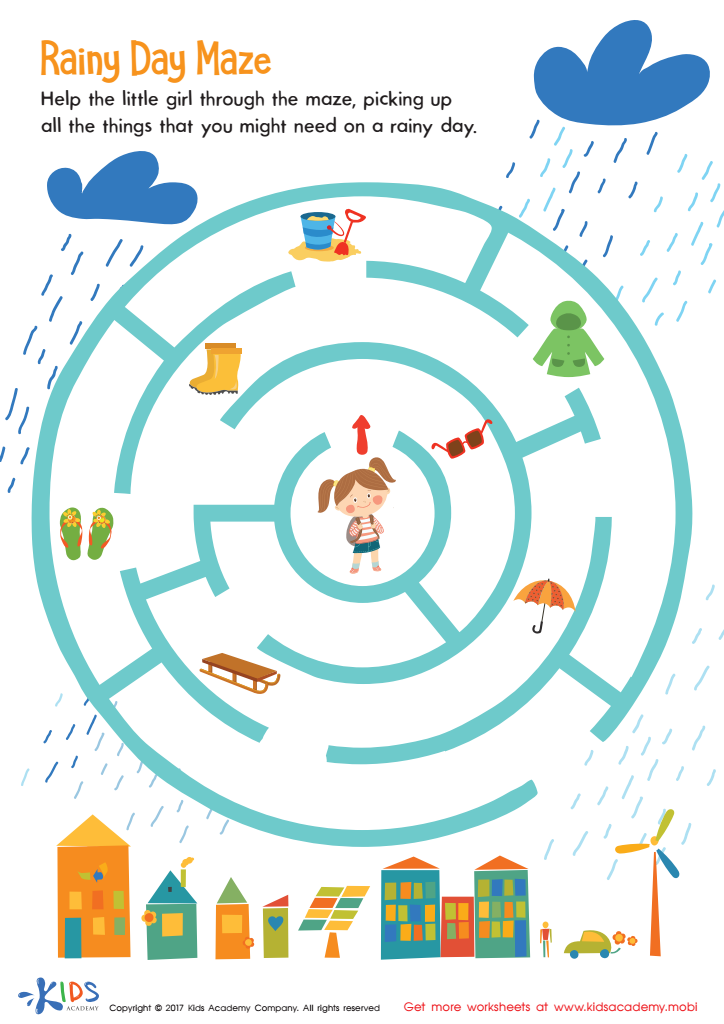
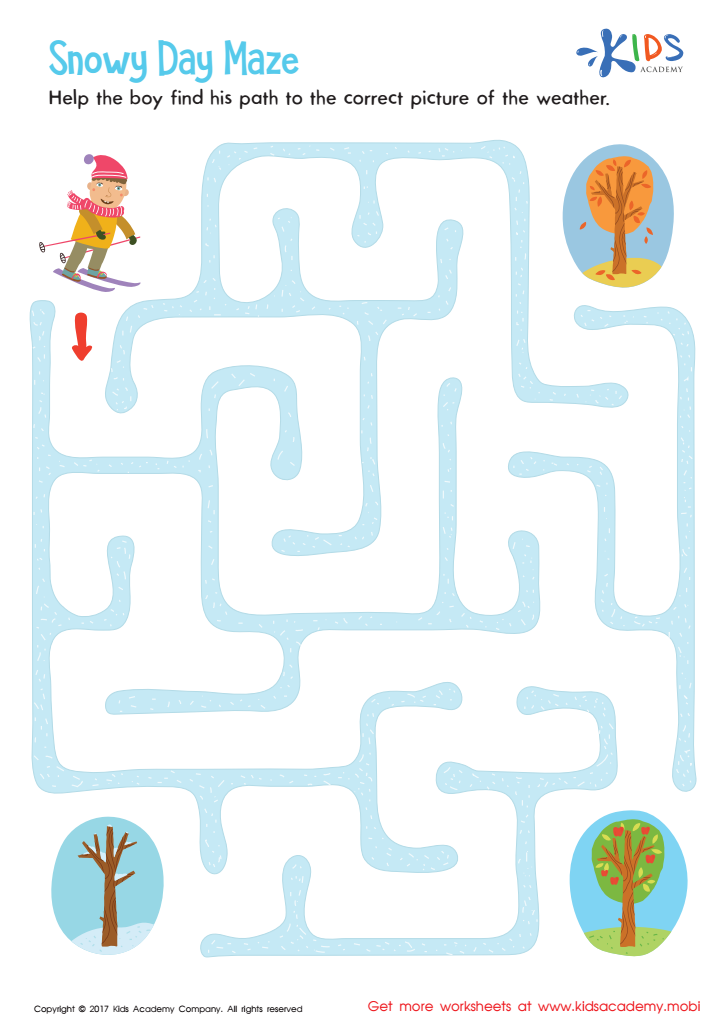
Rainy Day Maze Worksheet
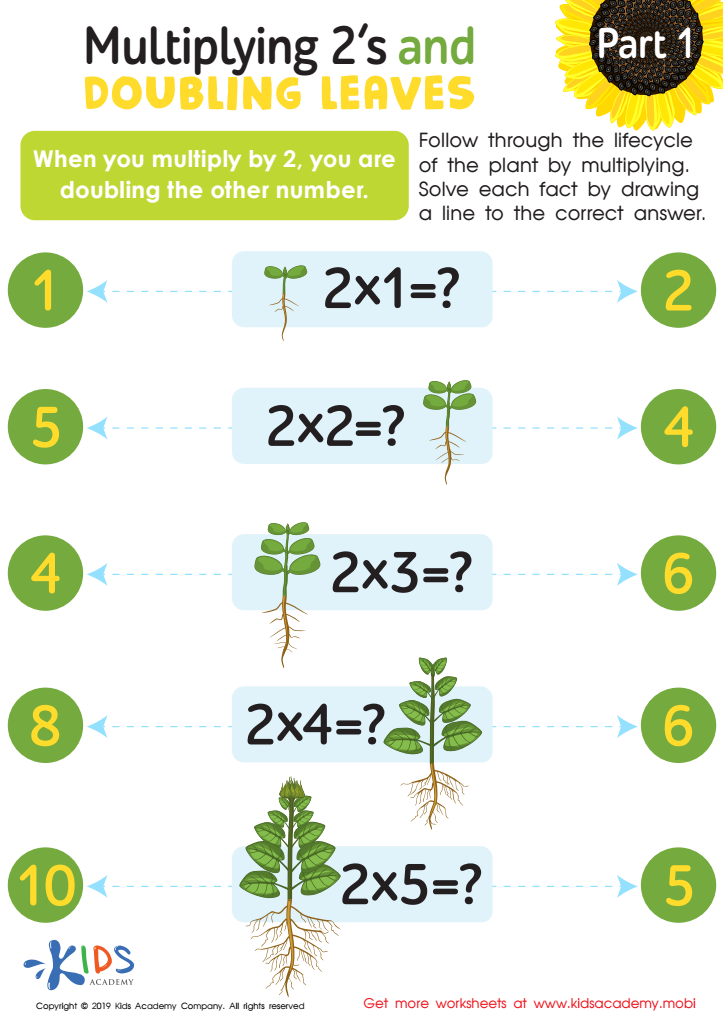
Multiplying 2’s and Doubling Leaves Part 1 Worksheet








Problem-solving skills are crucial for children aged 6-8, as these formative years lay the foundation for future learning and development. Parents and teachers should prioritize fostering these skills through accessible and engaging science activities for several reasons.
Firstly, problem-solving skills enhance critical thinking. When kids engage in easy science experiments, they learn to observe, hypothesize, test, and draw conclusions. This systematic approach trains their brains to tackle challenges logically, an invaluable skill in everyday life and academic pursuits.
Secondly, early exposure to problem-solving boosts confidence and independence. When children solve problems independently or in groups, they realize their capabilities and learn to trust their judgment. These experiences can instill a lifelong love for learning and curiosity about the world.
Moreover, problem-solving activities often require teamwork and communication. Kids develop social skills as they articulate their ideas and listen to others, fostering a cooperative spirit.
Lastly, early science problem-solving can ignite a passion for STEM (Science, Technology, Engineering, and Mathematics) fields. As these areas are pivotal in modern society, developing an early interest can open doors to future educational and career opportunities.
By prioritizing problem-solving skills in early science education, parents and teachers can help children develop into well-rounded, capable, and curious individuals.