Understanding patterns Easy Worksheets for Ages 6-9
7 filtered results
-
From - To
Discover our “Understanding Patterns Easy Worksheets” designed for children aged 6-9! This resource offers engaging and interactive activities to help young learners identify, create, and extend patterns in a fun, hands-on way. Our worksheets encourage critical thinking and enhance essential cognitive skills while making learning enjoyable. From visual patterns using shapes and colors to numerical sequences, these printable worksheets are perfect for at-home learning or classroom use. Foster your child's analytical abilities and creativity as they explore diverse pattern concepts. Visit us to access these resources and inspire a love for learning through patterns! Ideal for parents and educators alike!
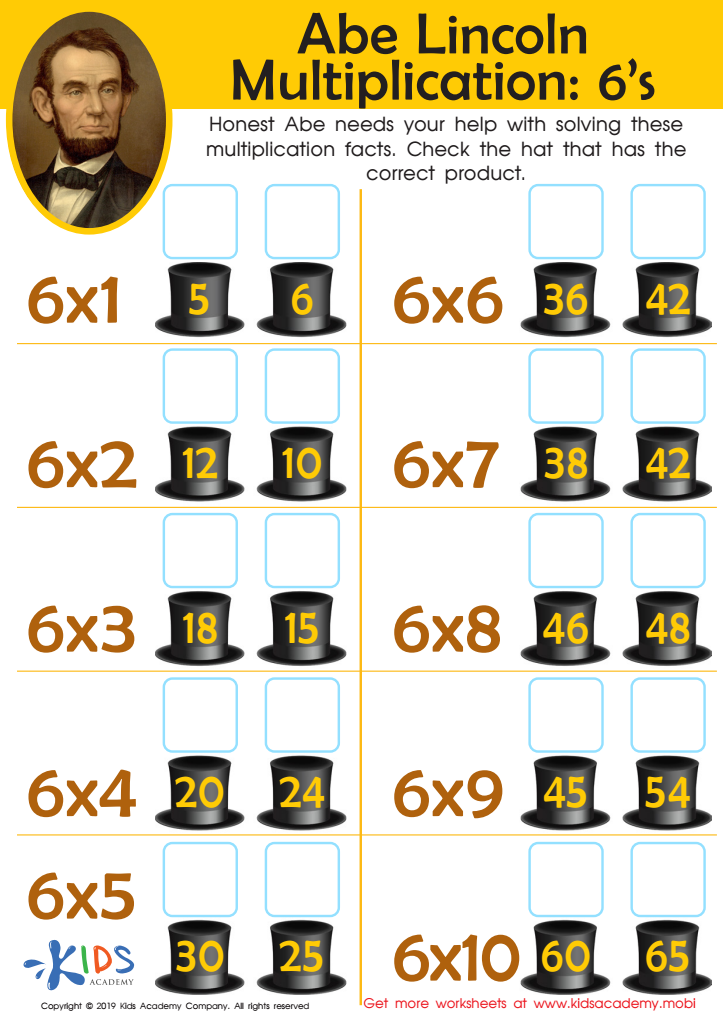
Abe Lincoln Multiplication: 6’s Worksheet
 Assign to My Students
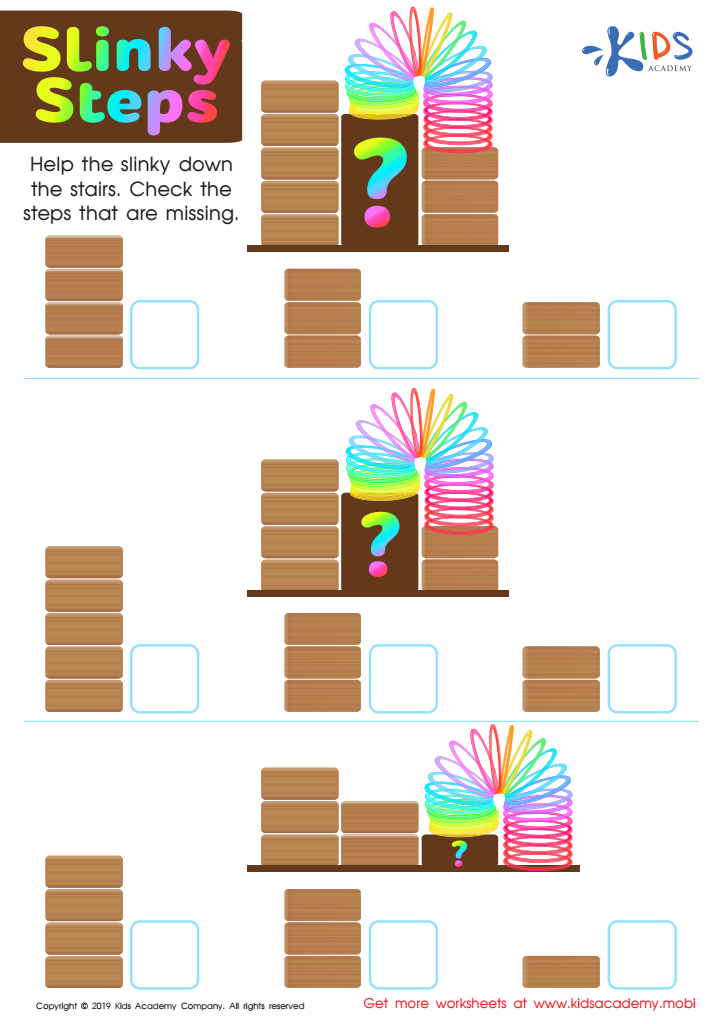
Slinky Steps Worksheet
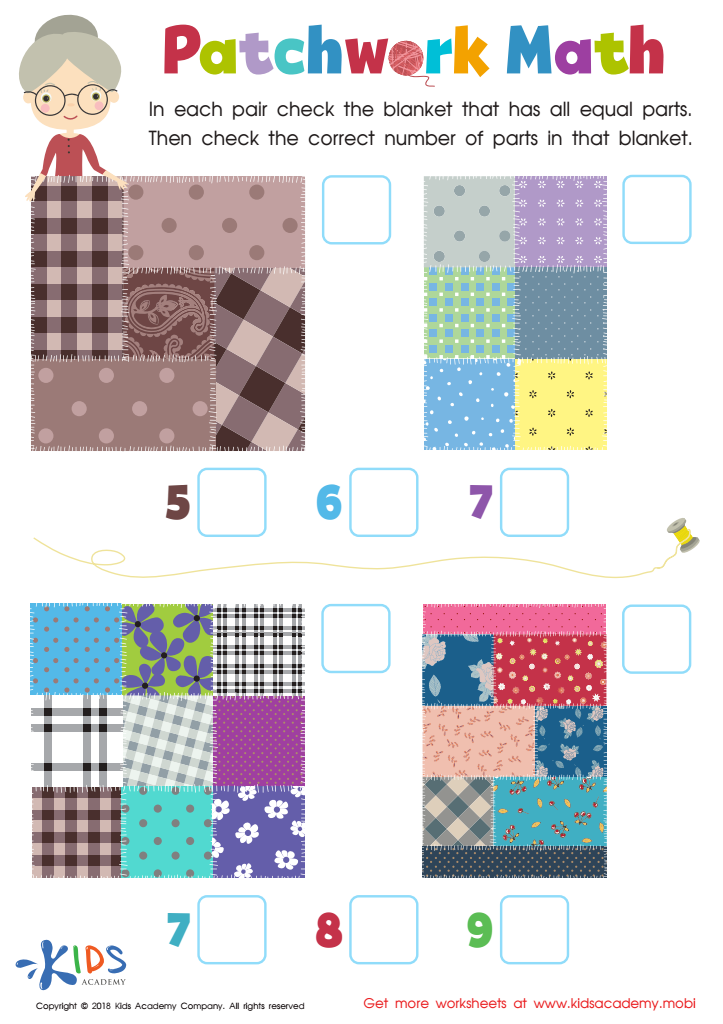
Patchwork Math Worksheet
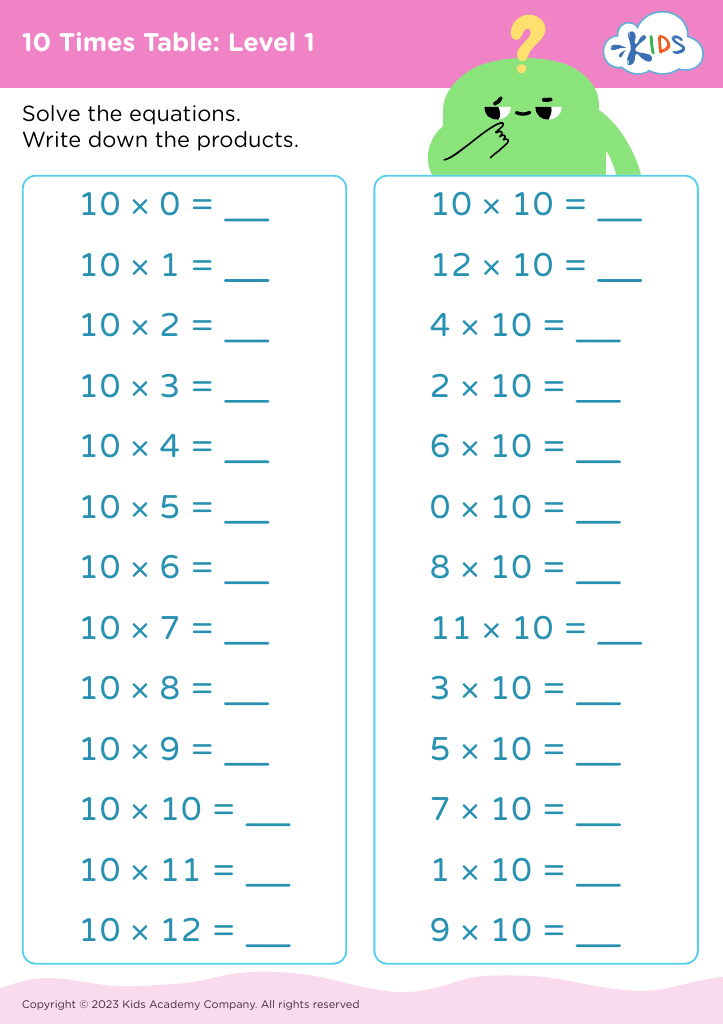
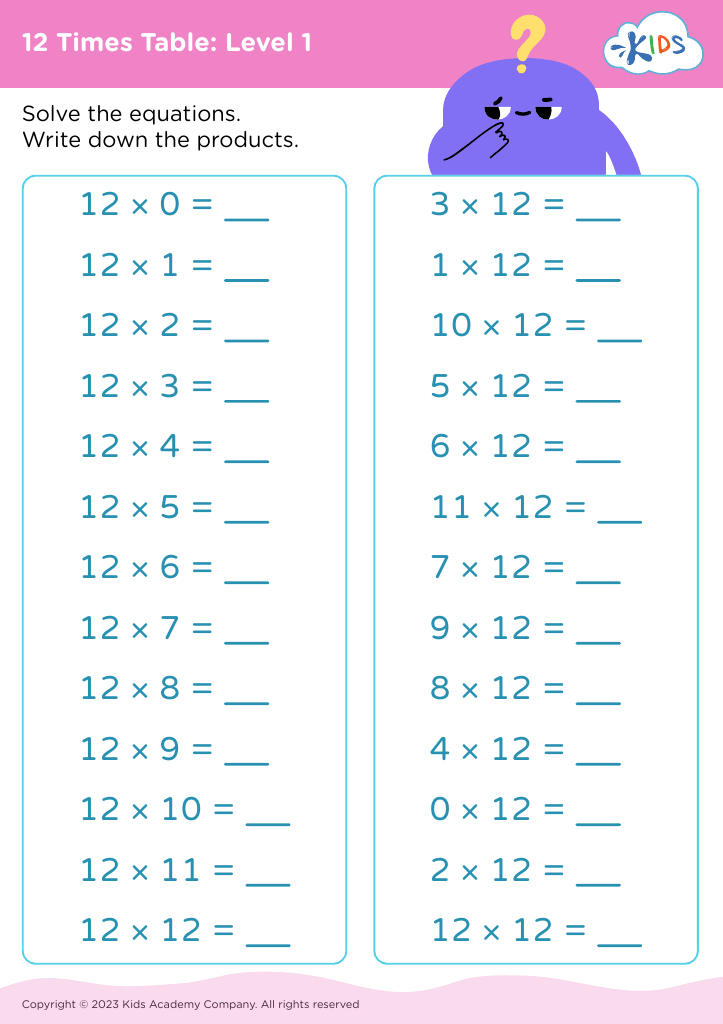
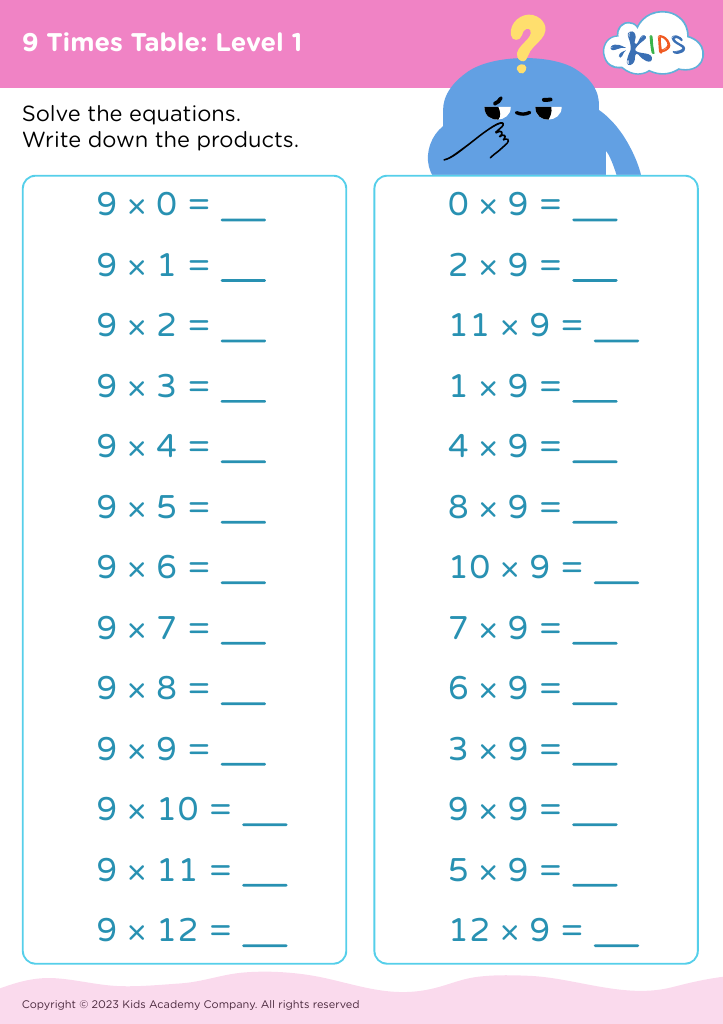








Understanding patterns is crucial for children aged 6-9 because it lays the foundation for critical thinking and problem-solving skills. At this age, children engage in various subjects like math, science, and art, all of which involve identifying, creating, and interpreting patterns. When children recognize patterns, they begin to make connections between different concepts, enhancing their overall learning experience.
For parents and teachers, introducing patterns in engaging and enjoyable ways can stimulate a child's curiosity and creativity. For instance, activities like sorting objects, playing musical instruments, or creating art can all highlight the importance of patterns in everyday life. This understanding encourages students to think logically and develop reasoning skills, which are essential not just in academics but in daily situations.
Furthermore, recognizing patterns can boost a child's confidence in their abilities. As they master this skill, they become more adept at tackling complex problems and develop a growth mindset. Engaging children in discussions about patterns also encourages language development and communication skills, allowing them to articulate their thoughts and ideas effectively. In short, nurturing an understanding of patterns equips children with tools to succeed academically and socially, making it a vital area of focus for parents and educators alike.








