Fine Motor Skills Easy Numbers Worksheets for Ages 6-9 - Page 2
29 filtered results
-
From - To
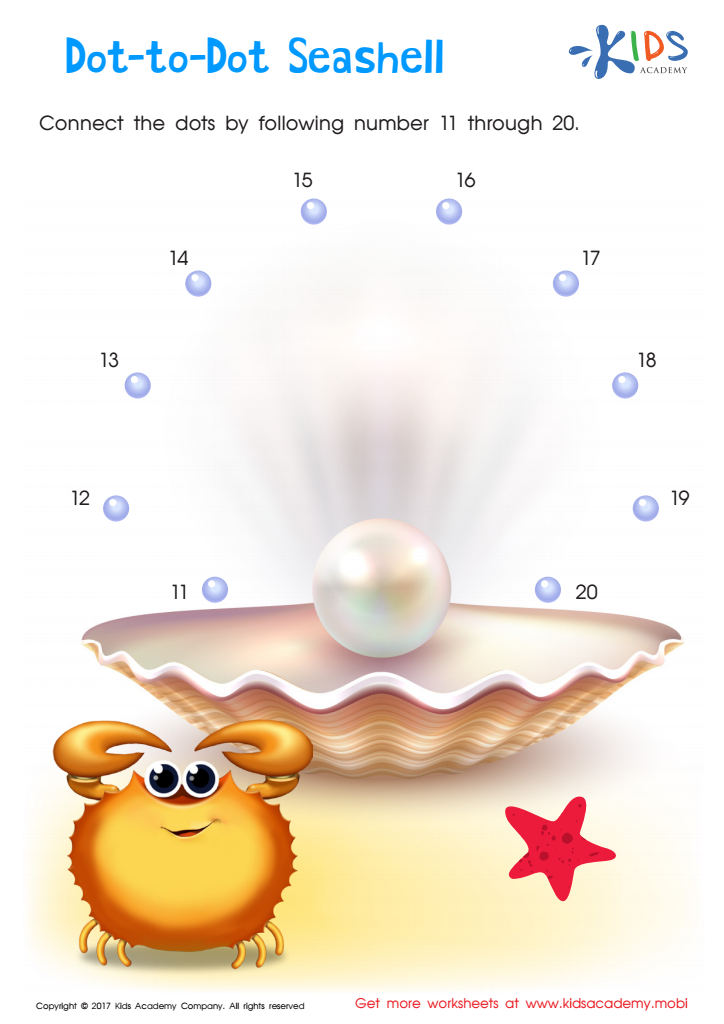
Ordering 11–20: Dot–to–dot Seashell Printable
 Assign to My Students
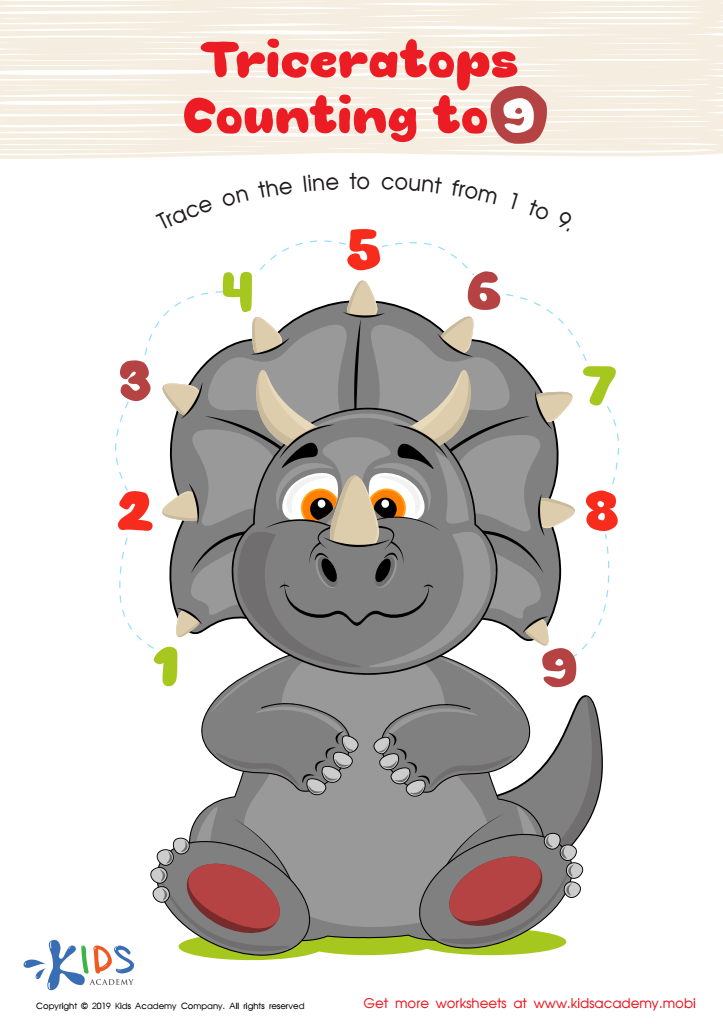
Triceratops Counting to 9 Worksheet

Counting on the City Skyline: Dot-to-Dot Worksheet
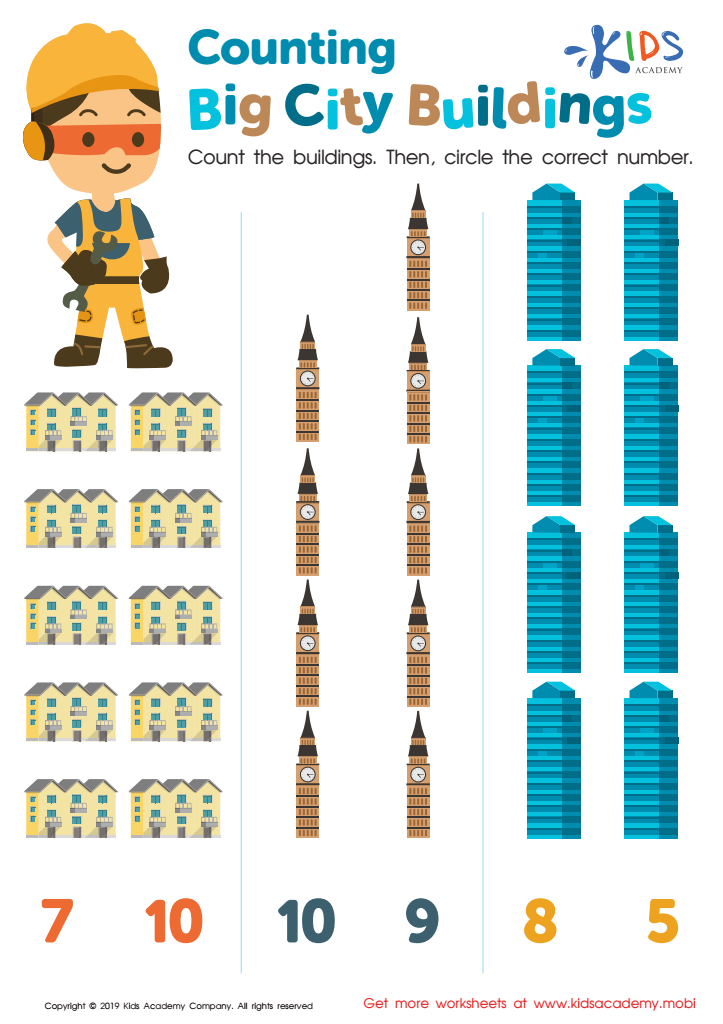
Counting Big City Buildings Worksheet

Night Sky Numbers Worksheet








Fine motor skills are crucial for children aged 6-9, as they play a pivotal role in their overall development and everyday activities. These skills involve the coordination of small muscles in the hands and fingers, impacting tasks like writing, drawing, and using utensils. Parents and teachers should prioritize fine motor skills for several reasons.
Firstly, strong fine motor skills enhance academic performance. For example, children who can grip pencils properly are more likely to write legibly and express their thoughts clearly. Secondly, these skills foster independence. Mastery of self-care tasks, such as buttoning shirts or tying shoelaces, boosts a child's confidence and self-reliance.
Moreover, engaging in activities that promote fine motor skills, like crafting, playing with clay, or practicing easy numbers through games, can make learning enjoyable and interactive. It transforms a child’s approach to education, laying a foundation for critical thinking and problem-solving abilities.
In addition, well-developed fine motor skills facilitate effective social interactions. Children adept at cooperative play through building tools or sharing art supplies are more likely to develop strong friendships. Overall, nurturing fine motor skills from ages 6-9 is a significant step in fostering a child's growth, creativity, and confidence.








