Problem-Solving Skills Easy Math Worksheets for Ages 6-9 - Page 2
45 filtered results
-
From - To
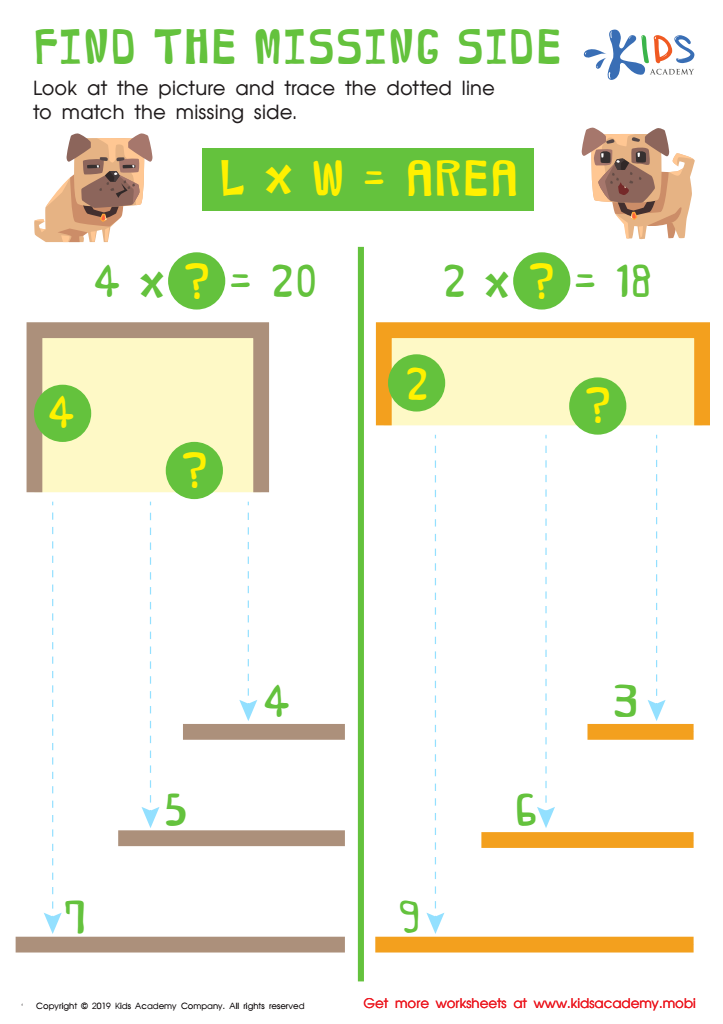
Find the Missing Side Worksheet
 Assign to My Students
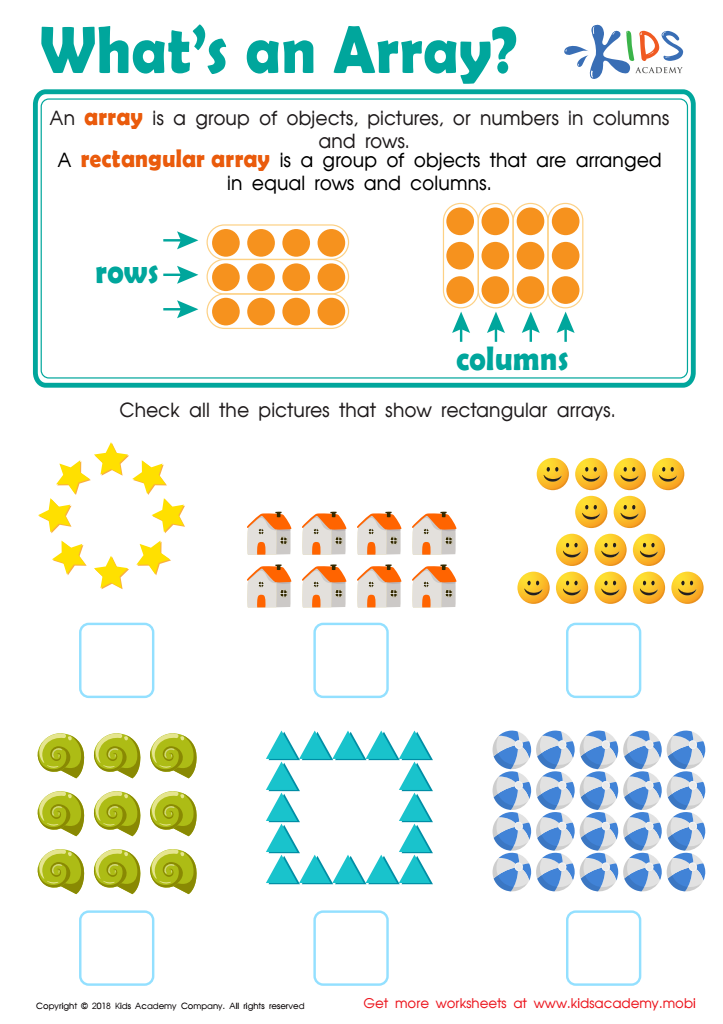
What's an Array? Worksheet
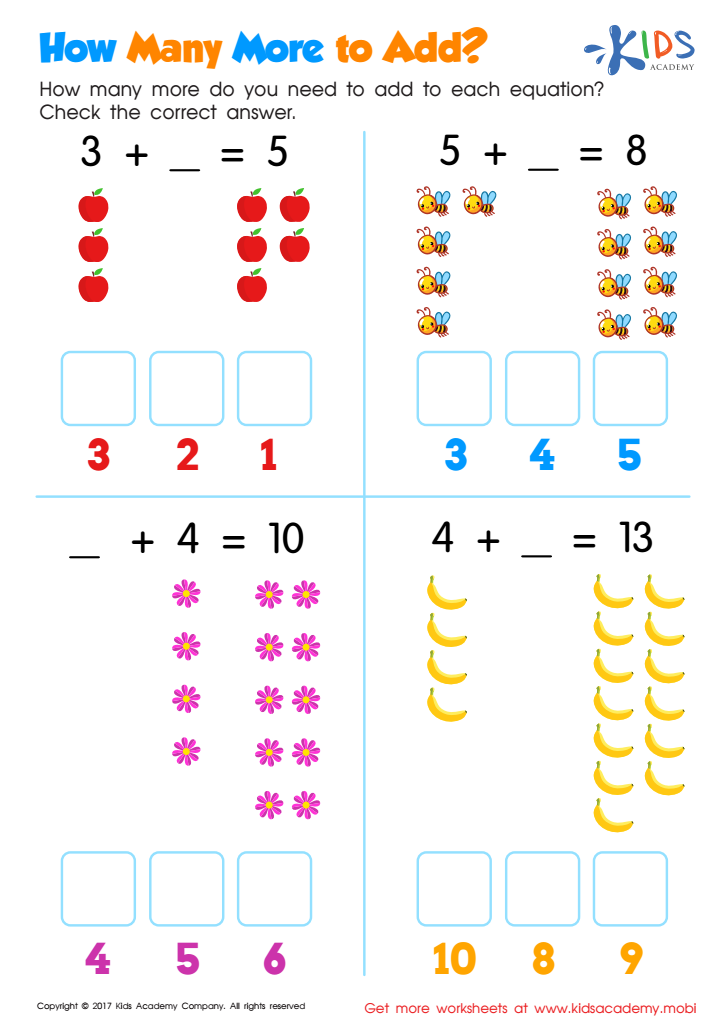
How Many More to Add Worksheet
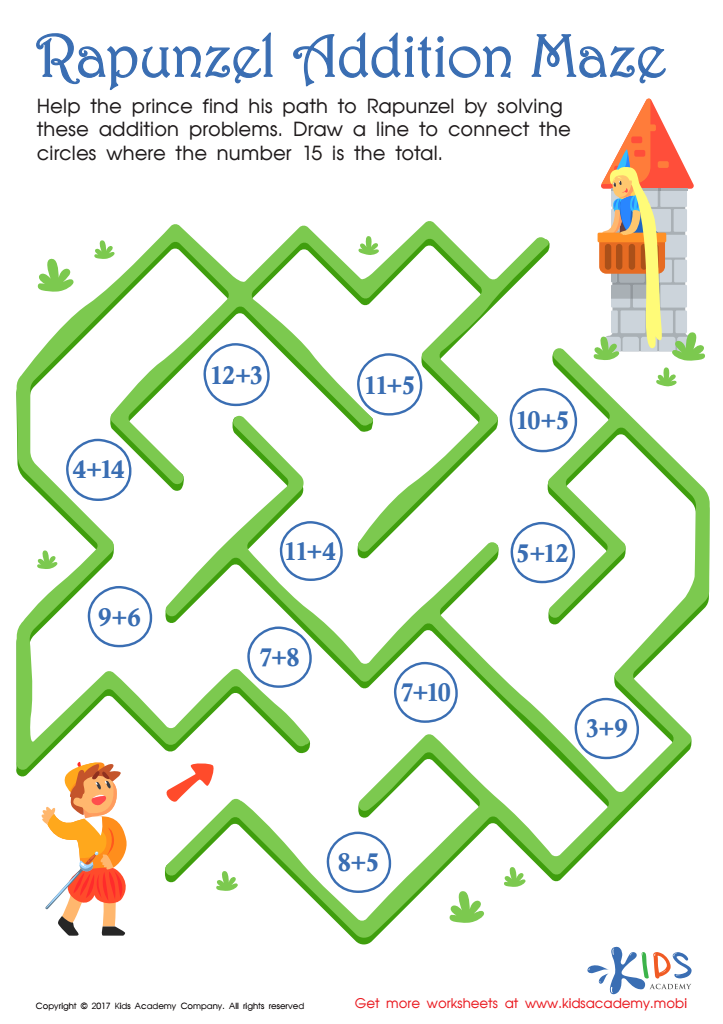
Rapunzel Addition Maze Worksheet
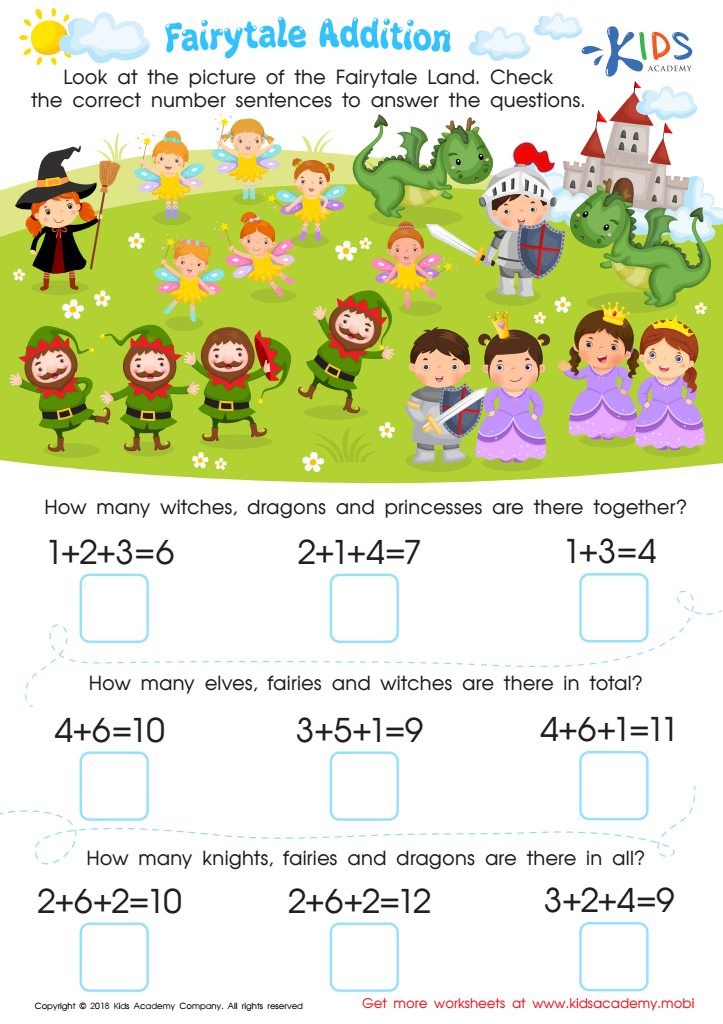
Fairytale Addition Worksheet
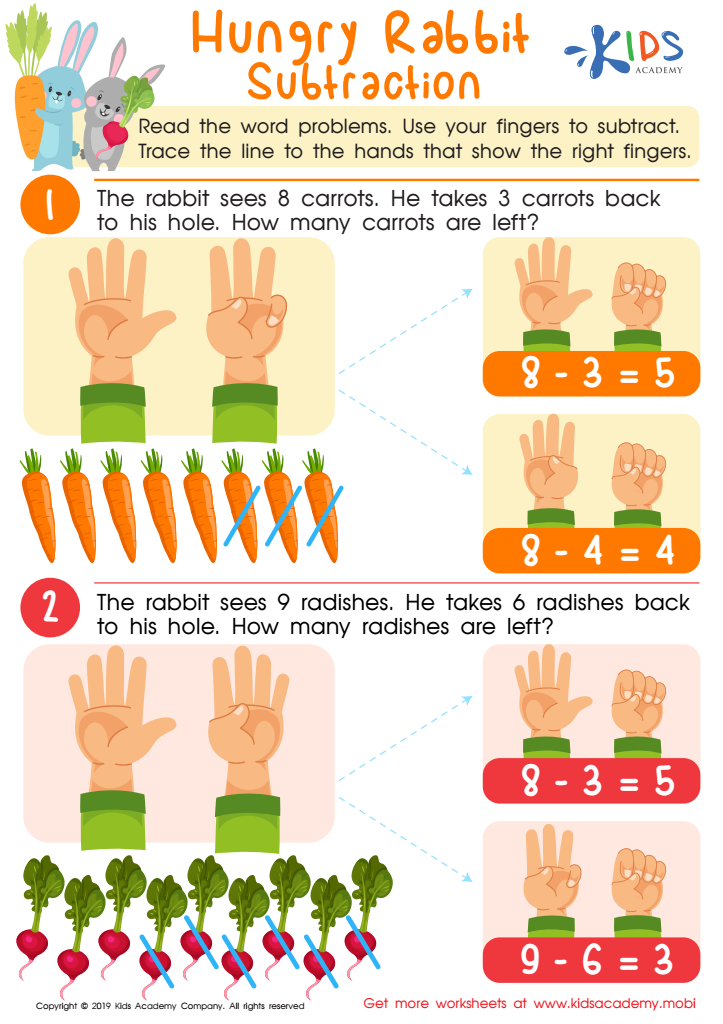
Hungry Rabbit Subtraction Worksheet
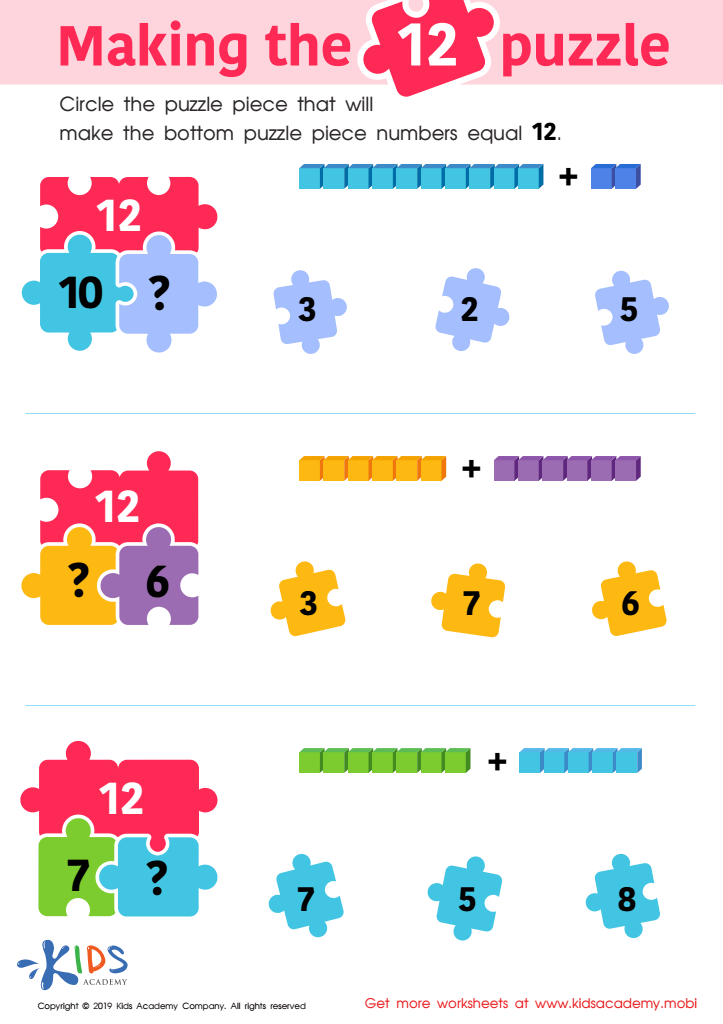
Making the 12 Puzzle Worksheet

Picking Carrots Worksheet
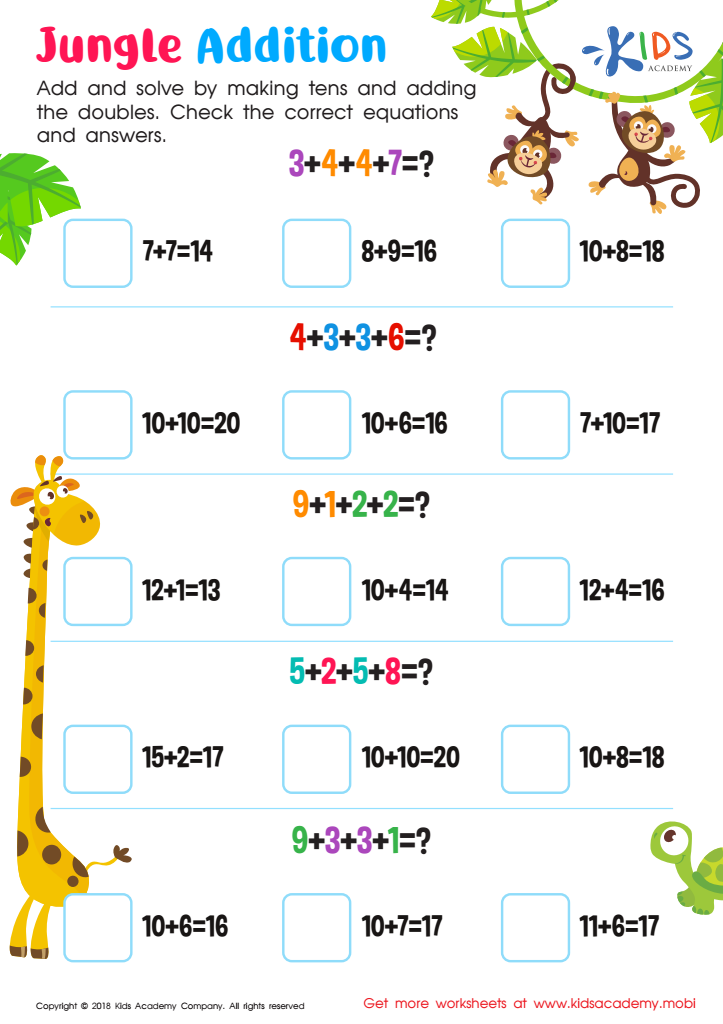
Jungle Addition Worksheet

Subtracting: Groceries with Georgio Worksheet
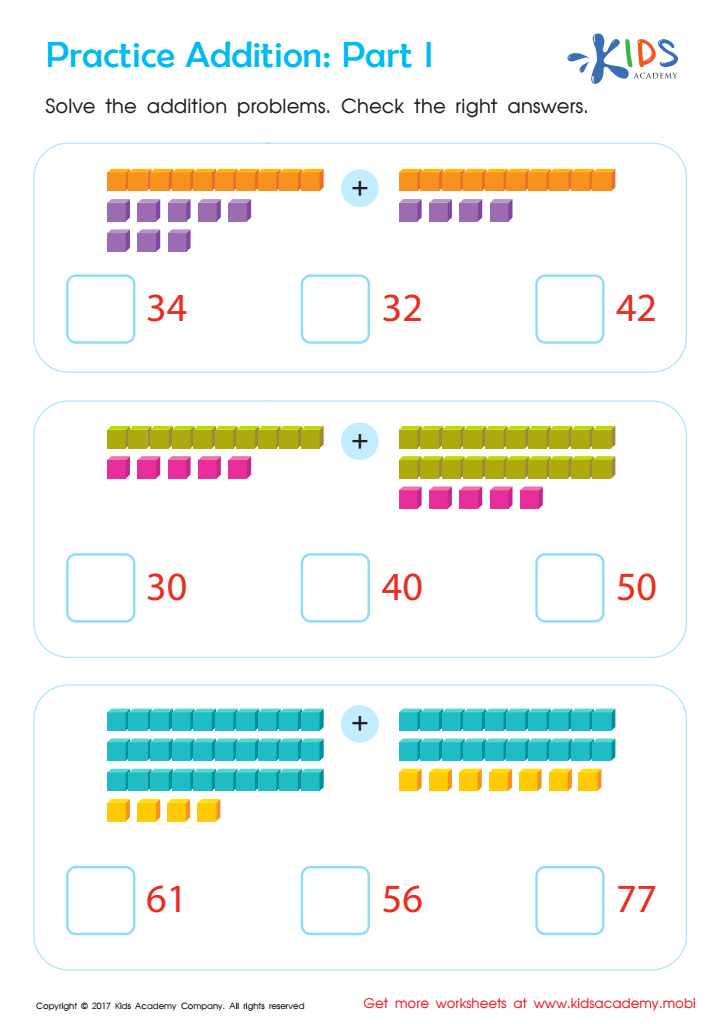
Practice Addition: Part 1 Worksheet
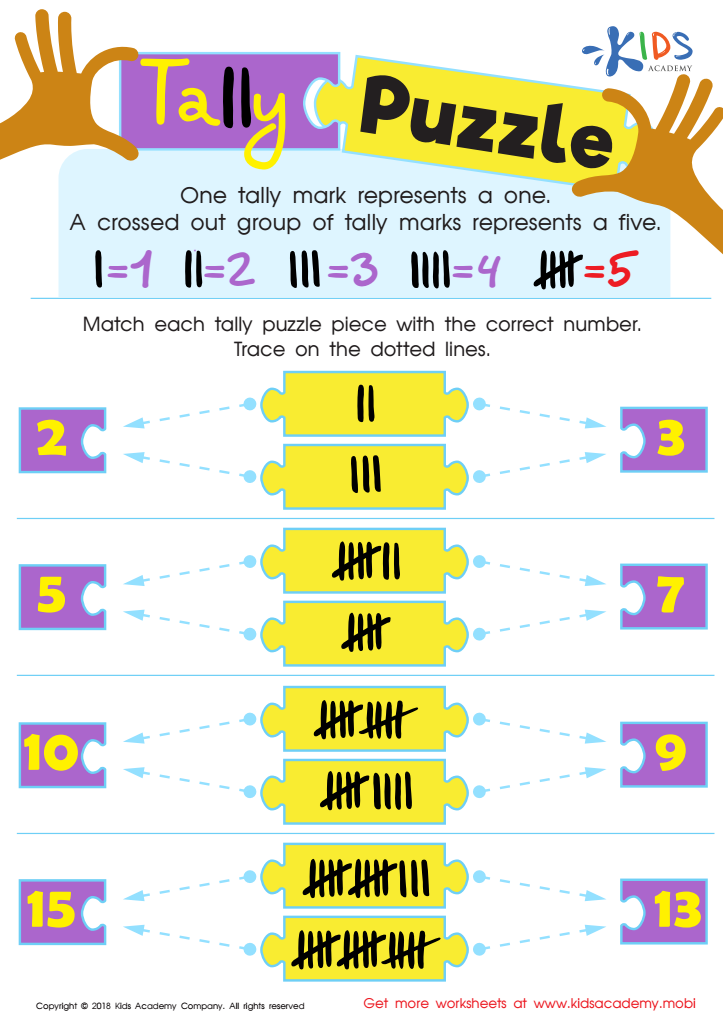
Tally Puzzle Worksheet
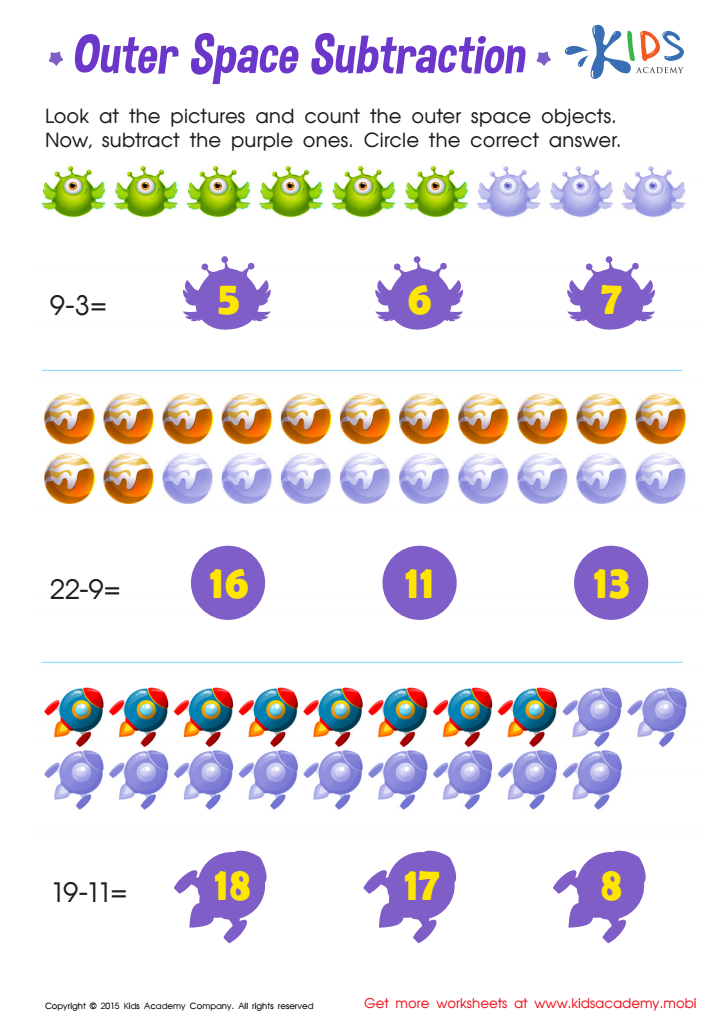
Outer Space Substraction Worksheet

Haystack Steps Worksheet
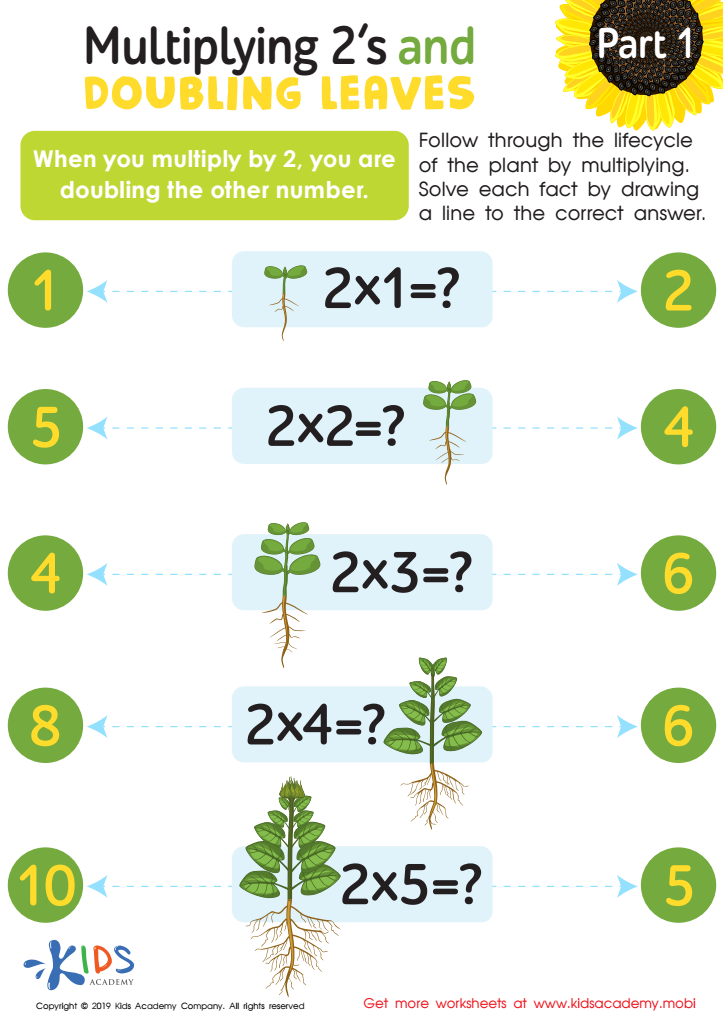
Multiplying 2’s and Doubling Leaves Part 1 Worksheet
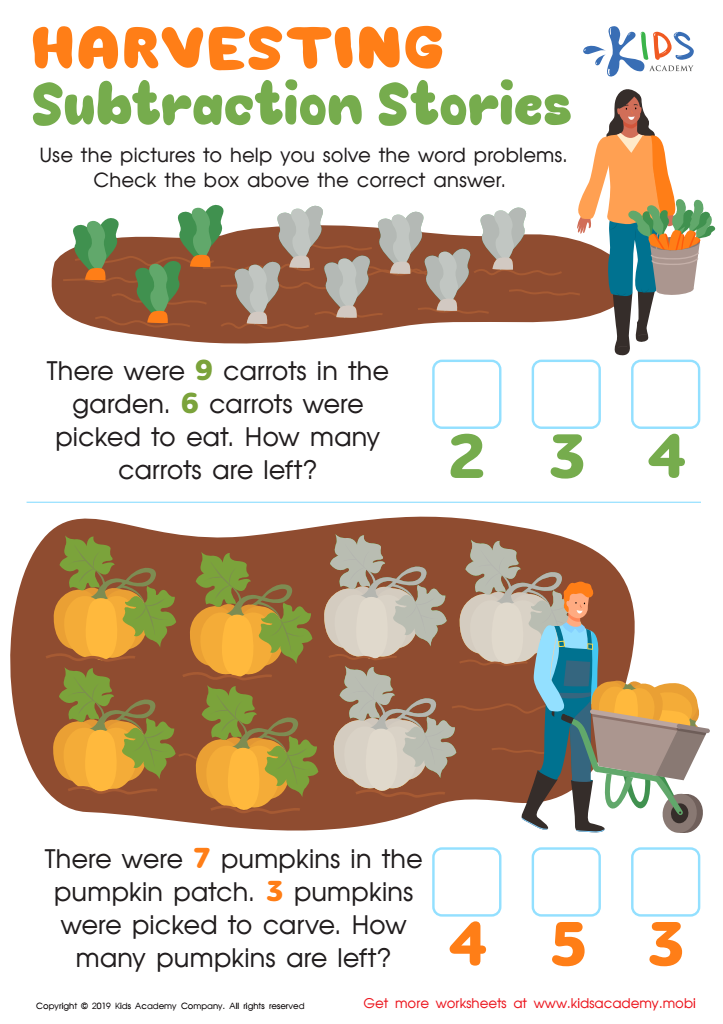
Harvesting Subtraction Stories Worksheet
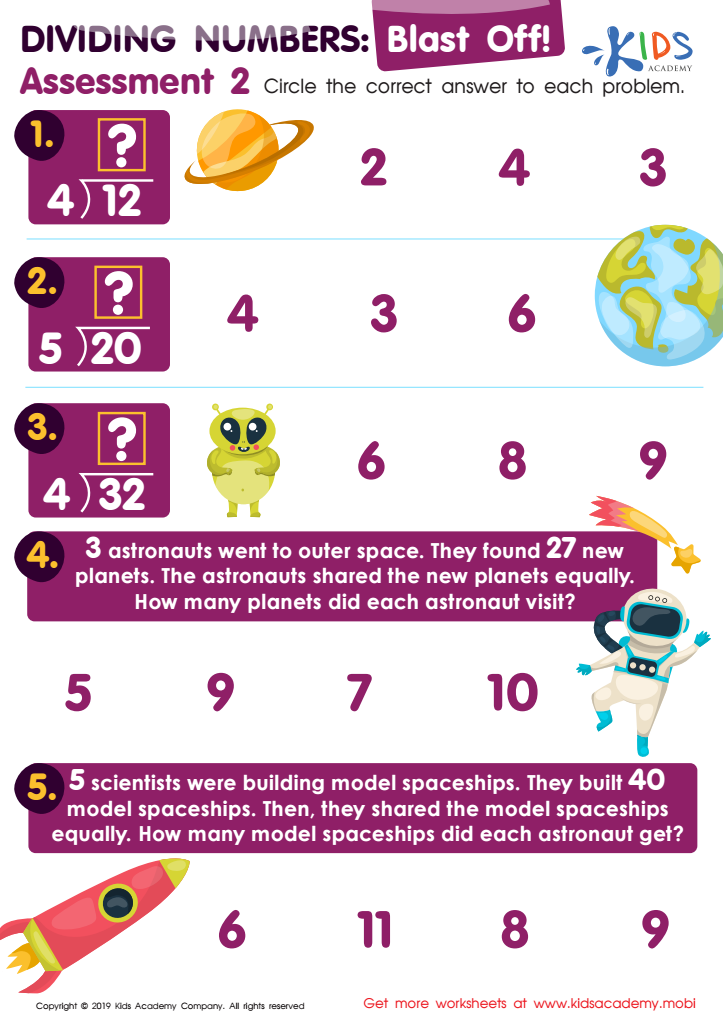
Dividing Numbers Assessment 2 Worksheet
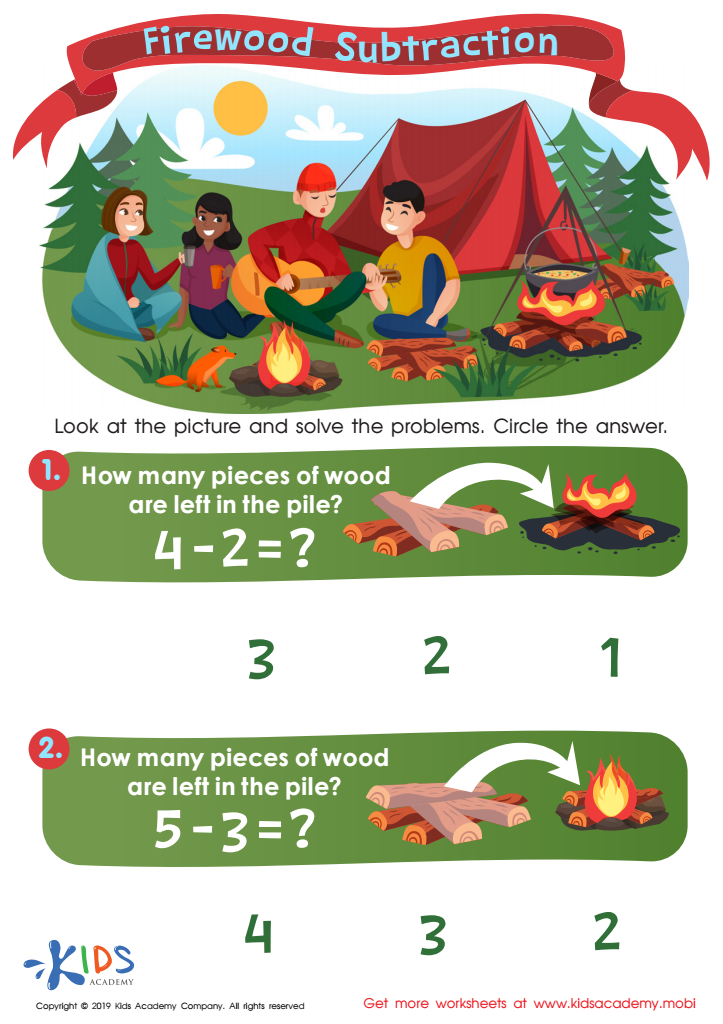
Firewood Subtraction Worksheet
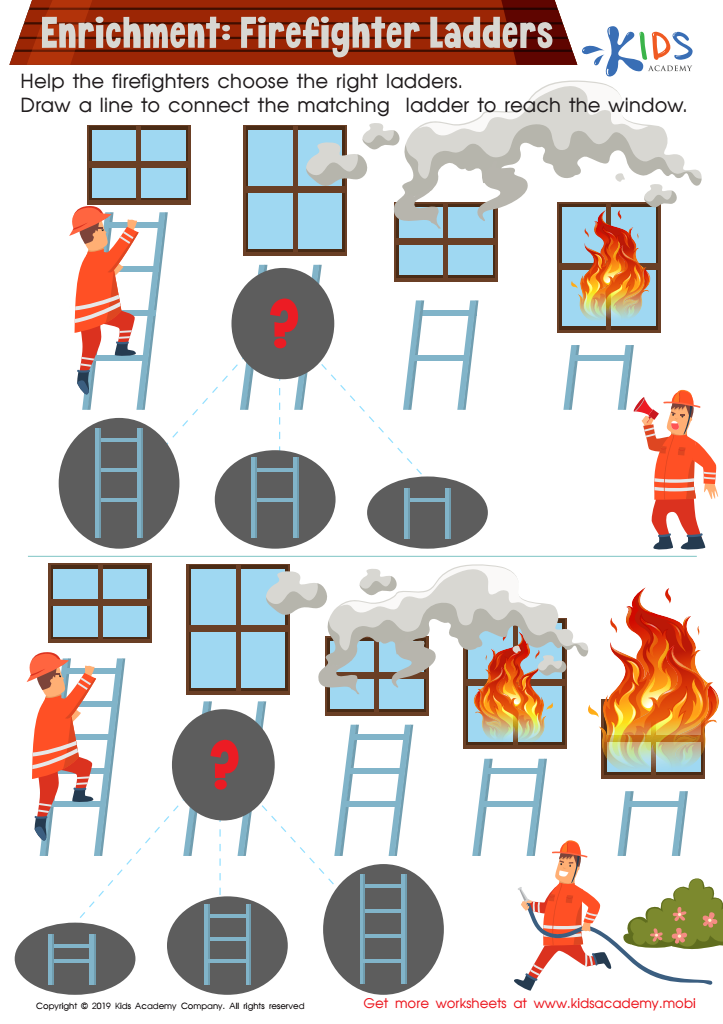
Enrichment: Firefighter Ladders Worksheet

Piece it together Worksheet
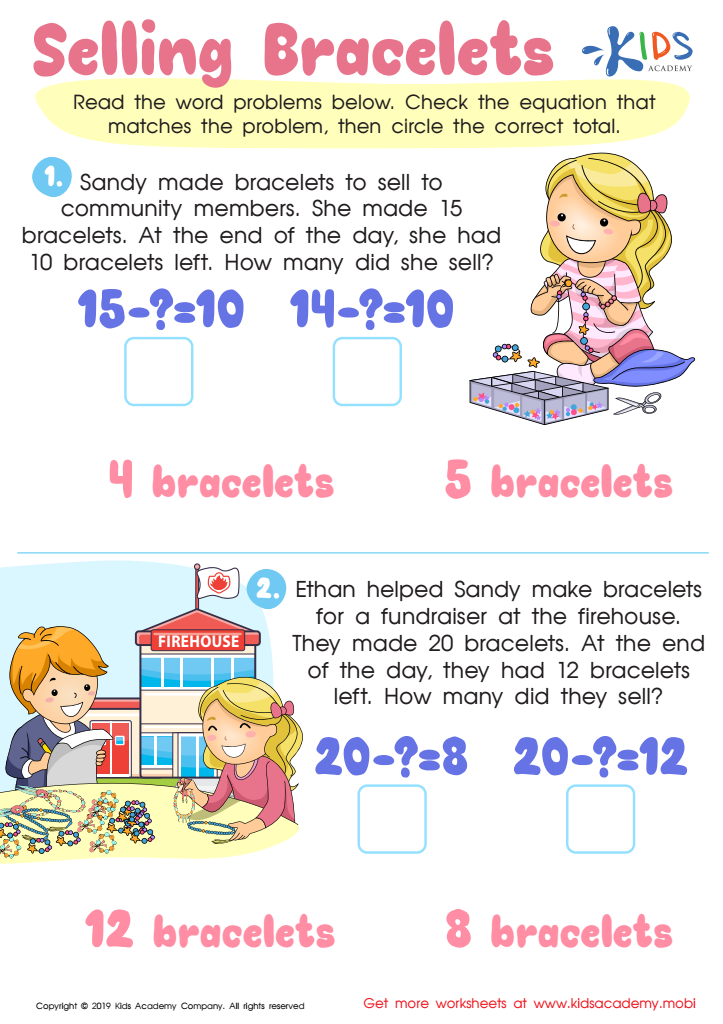
Selling the Bracelets Worksheet








Parents and teachers should care about problem-solving skills in math for children ages 6-9 because these skills are foundational for overall academic success and real-life application. At this age, children are developing critical cognitive abilities, making it an ideal time to cultivate their capacity for analytical thinking and reasoning. Problem-solving in math teaches students how to approach challenges systematically, break them down into manageable parts, and evaluate their options—skills that are increasingly crucial in our rapidly evolving world.
Furthermore, engaging children in easy math problem-solving activities helps instill a positive attitude toward mathematics early on. When children experience success in solving math problems, it boosts their confidence and encourages a growth mindset, enabling them to tackle more complex problems in the future.
Moreover, effective problem-solving techniques are transferable skills that extend beyond math. They foster creativity, persistence, and patience, which are invaluable in everyday life situations. By emphasizing these skills in young learners, parents and teachers not only enhance their math capabilities but also prepare them for much larger challenges they will face in academics and beyond. Ultimately, strong problem-solving skills lay the foundation for lifelong learning and success.








