Comprehension skills Easy Worksheets for 6-Year-Olds
4 filtered results
-
From - To
Enhance your 6-year-old's reading comprehension with our easy worksheets designed to empower young learners! Our engaging materials focus on essential skills to help children understand and analyze texts more effectively. Each worksheet is crafted to stimulate critical thinking through fun and interactive activities that encourage children to explore characters, settings, and story plots. By incorporating colorful illustrations and simple questions, these worksheets make learning enjoyable and accessible. Perfect for use at home or in the classroom, our comprehension skills worksheets provide the ideal tools for guiding young minds in developing a strong foundation in reading. Start fostering a lifelong love of learning today!
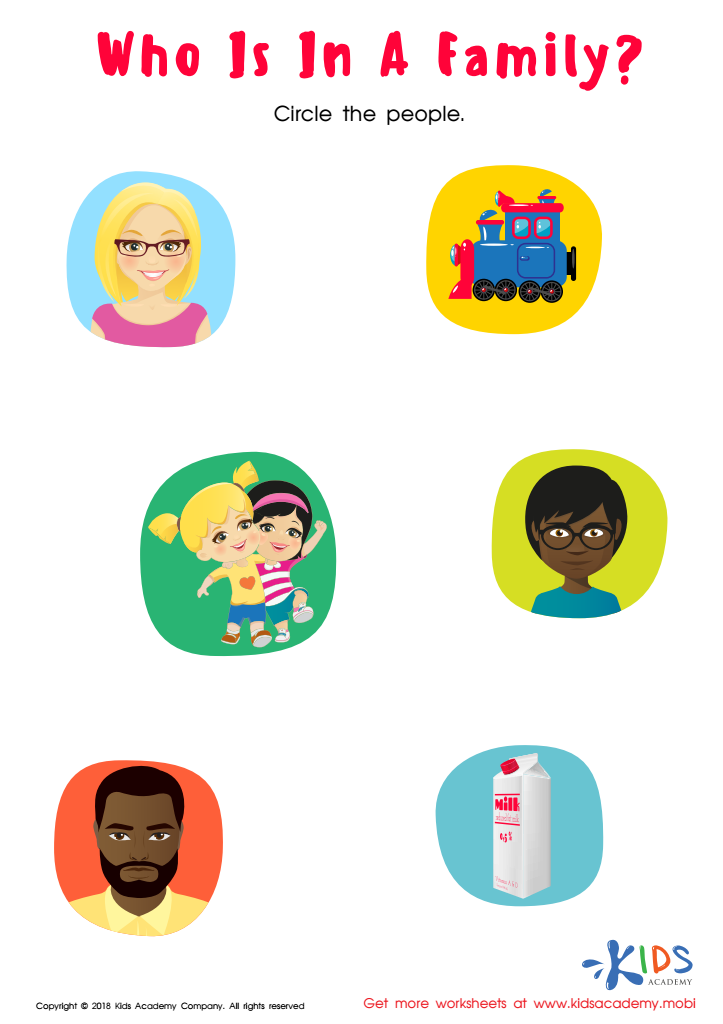
Who Is in a Family? Worksheet
 Assign to My Students
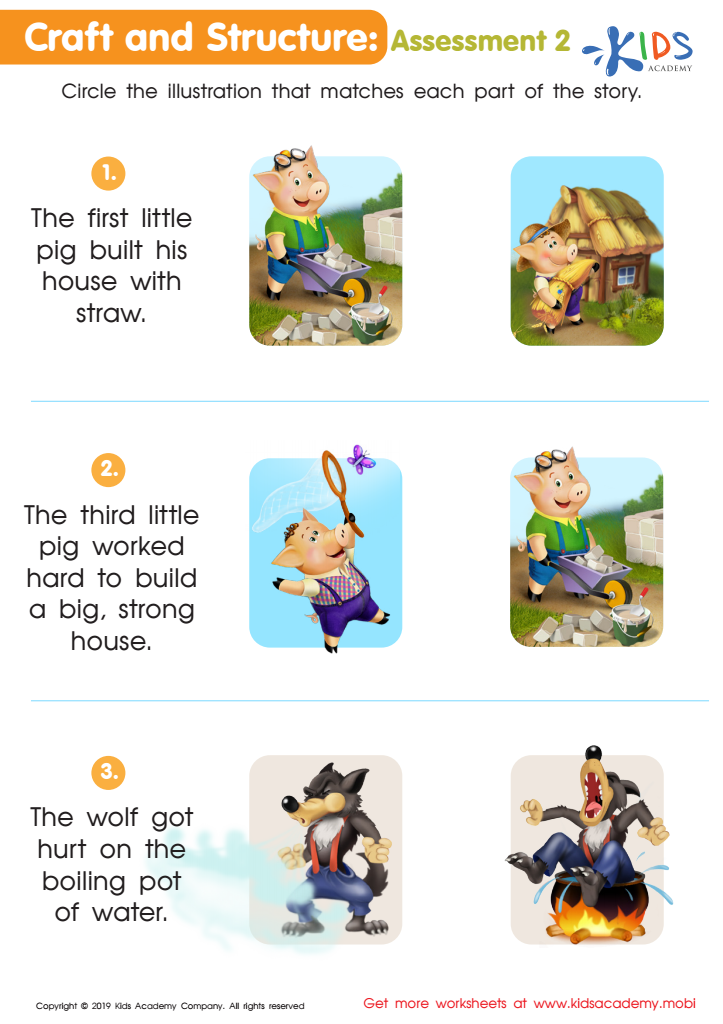
Craft and Structure: Assessment 2 Worksheet 2
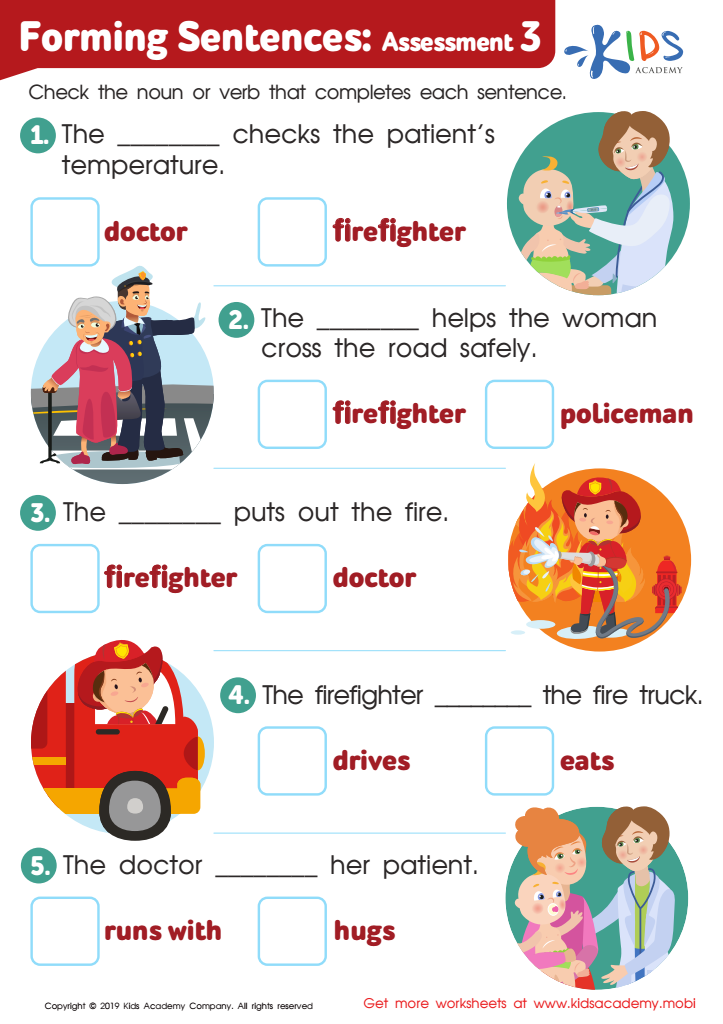
Forming Sentences: Assessment 3 Worksheet
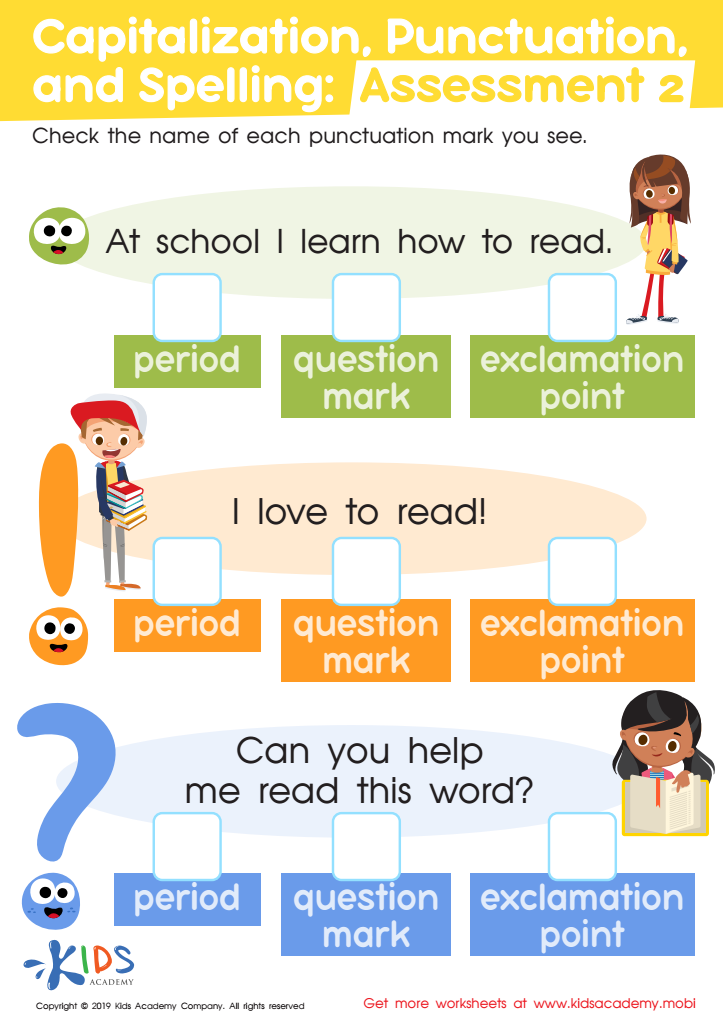
Capitalization. Punctuation. Spelling: Assessment 2 Worksheet







Comprehension skills are essential for 6-year-olds as they form the foundation of effective reading and learning. When children understand what they read, they can engage with stories, grasp concepts, and expand their vocabulary. Parents and teachers should prioritize comprehension skills because they directly impact a child’s confidence and eagerness to learn.
By developing these skills early, children become capable of predicting outcomes, answering questions, and relating to the material, fostering a love for reading. Comprehension also supports critical thinking, helping children make connections between ideas and enhancing problem-solving abilities.
Moreover, strong comprehension skills benefit social skills; children who understand narratives can share their thoughts and feelings better, enhancing peer interactions. Parents and teachers can nurture these skills by asking questions during reading sessions, encouraging discussions about stories, and using visuals to aid understanding.
In essence, fostering strong comprehension abilities at this young age will not only aid academic success but also help cultivate a lifelong love of learning, setting the groundwork for a child’s educational journey. Investing time and energy into developing comprehension now will yield significant long-term benefits in a child's reading, writing, and overall cognitive development.








