Color recognition Easy Animals Worksheets for Ages 7-9
7 filtered results
Difficulty Level
Grade
Age
-
From - To
Subject
Activity
Standards
Discover our "Color Recognition Easy Animals Worksheets" designed specifically for ages 7-9! These engaging worksheets help young learners enhance their color identification skills through fun and relatable animal-themed activities. Each worksheet features charming illustrations of various animals, encouraging kids to practice color recognition while igniting their creativity. Ideal for home or classroom use, these resources promote active learning and make mastering colors enjoyable. Perfect for reinforcing concepts in a playful way, our worksheets cater to different learning styles and keep children motivated. Explore the world of colors with adorable animals and watch your child's skills flourish! Download your free worksheets today!
Favorites
With answer key
Interactive
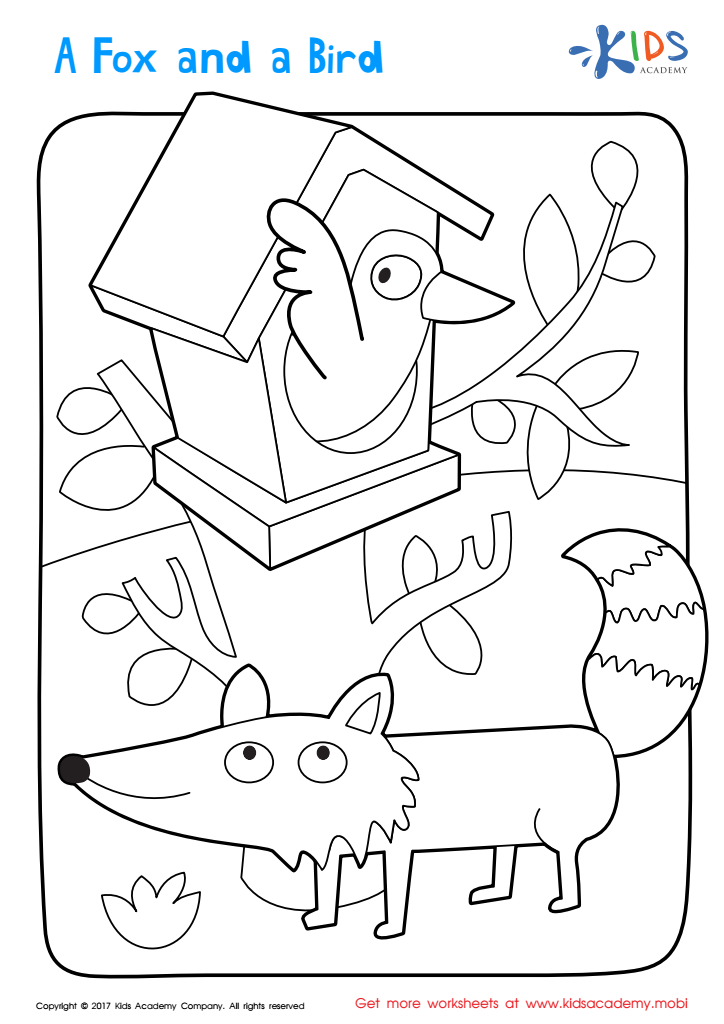
A Fox and Bird Coloring Page
Flex their creativity with this fun-filled coloring page: A Fox and Bird! Let kids express themselves through colors, allowing them to make each scene their own. This picture will bring joy to their art routine!
Download (PDF)
 Assign to My Students
Assign to My Students
A Fox and Bird Coloring Page
Worksheet
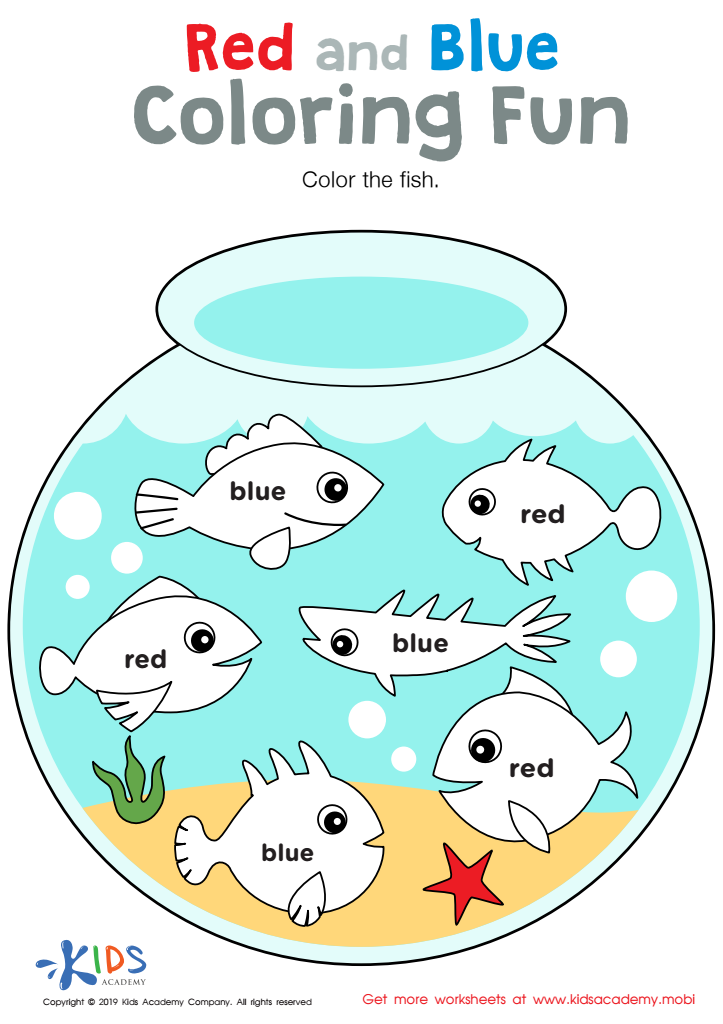
Red and Blue Coloring Fun Worksheet
Kids know colors like red and blue. But can they read these words? Give them practice with this fun fish bowl coloring sheet. They'll look at the fish, then color them the corresponding hue. Home or classroom, they'll be sure to get a kick out of learning colors in this creative way!
Download (PDF)
Assign to My Students
Assign to My Students
Red and Blue Coloring Fun Worksheet
Worksheet
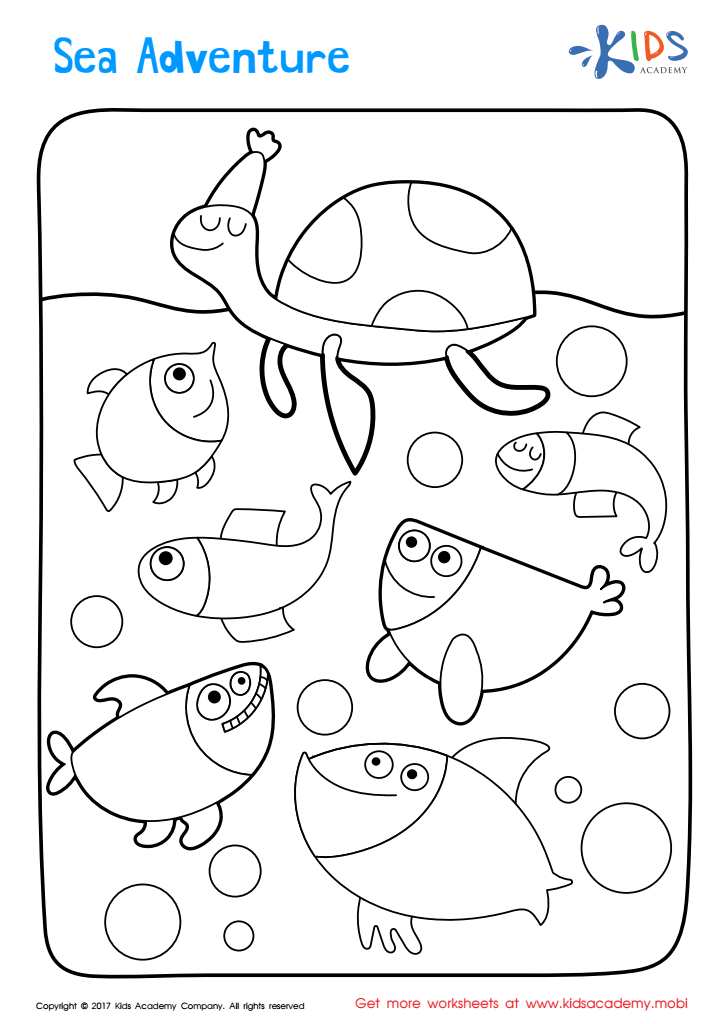
Sea Adventure Coloring Page
Explore the sea with a turtle and color the Sea Adventure printable! Let the turtle lead the way and let the fish watch and follow as kids unleash their creative side and pick the best colors. Have fun!
Download (PDF)
Assign to My Students
Assign to My Students
Sea Adventure Coloring Page
Worksheet
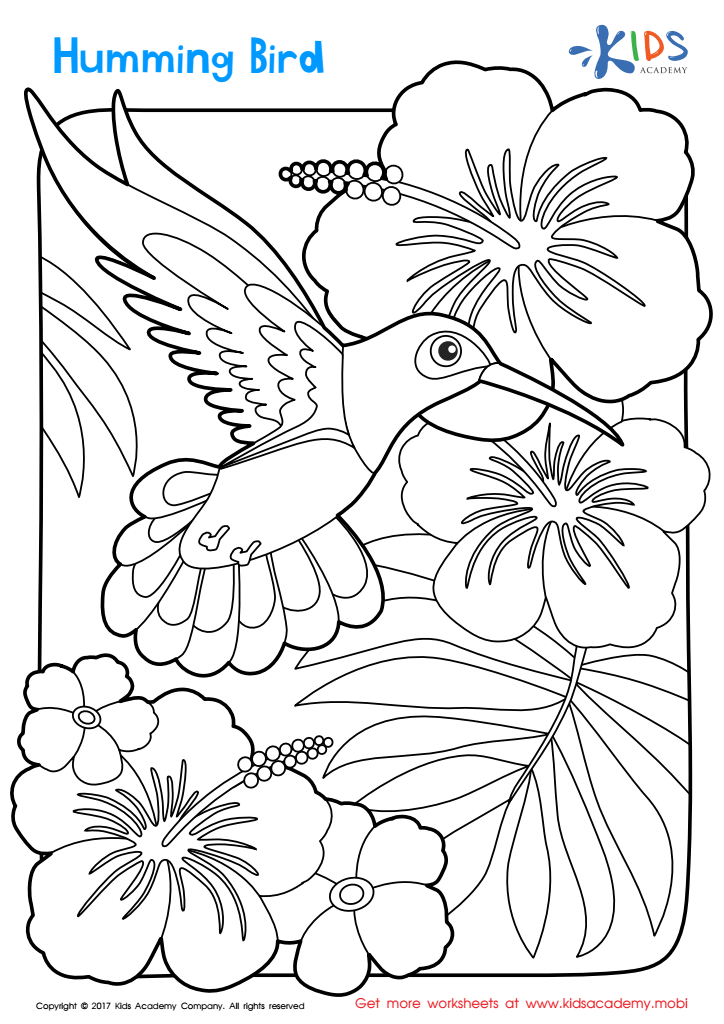
Humming Bird Worksheet
Encourage your child to explore nature with this lovely hummingbird coloring page! Use pictures to learn about the bird and extend the experience with a hummingbird feeder. See the beautiful creature in your own backyard!
Download (PDF)
Assign to My Students
Assign to My Students
Humming Bird Worksheet
Worksheet
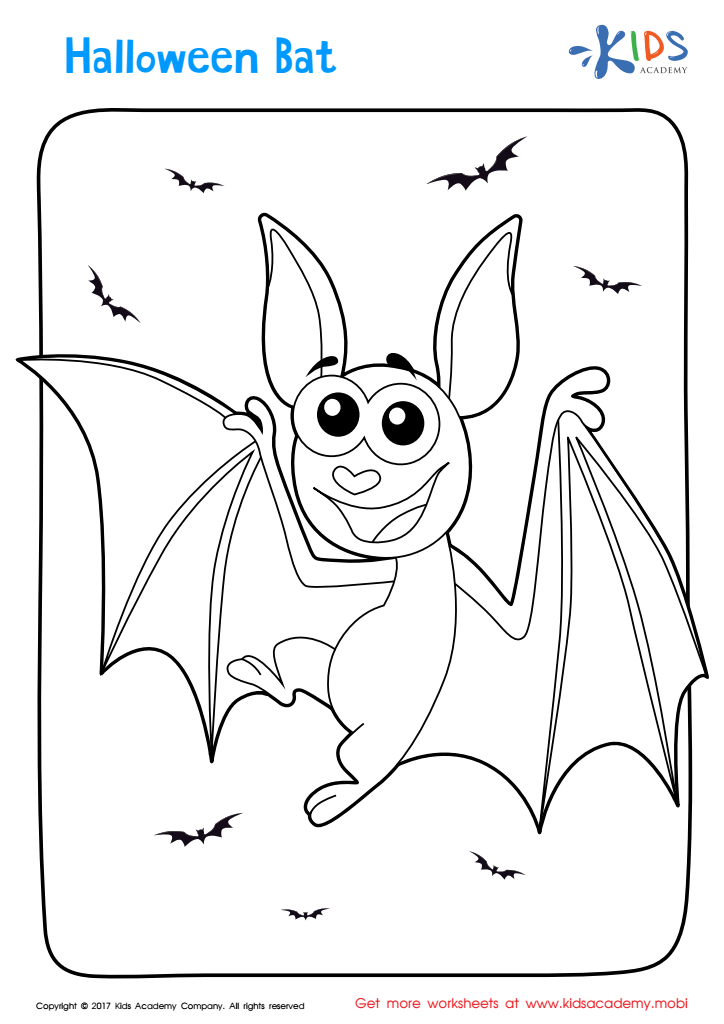
Halloween: A Bat Printable
Give your child a Halloween boost with our free coloring page. They'll have a blast adding their own decorations and creating a spooky scene!
Download (PDF)
Assign to My Students
Assign to My Students
Halloween: A Bat Printable
Worksheet
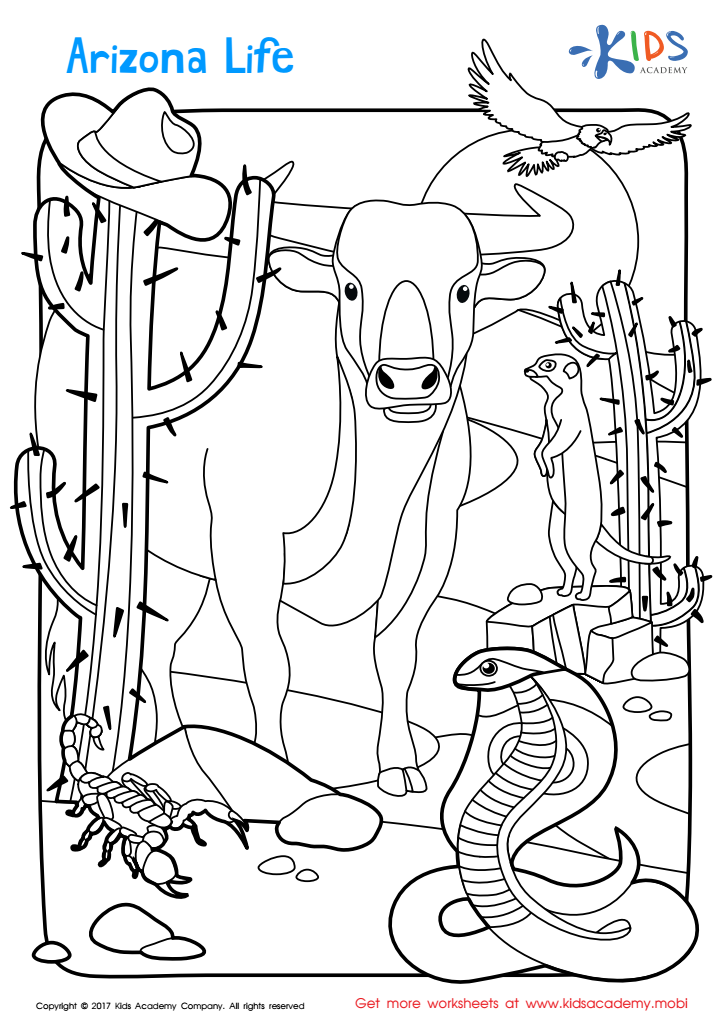
Arizona Coloring Page Worksheet
Heading to Arizona with this fun coloring page! Your kid will have a great time coloring the rattle snake and cacti, and learn about Arizona's distinct climate and wildlife along the way.
Download (PDF)
Assign to My Students
Assign to My Students
Arizona Coloring Page Worksheet
Worksheet
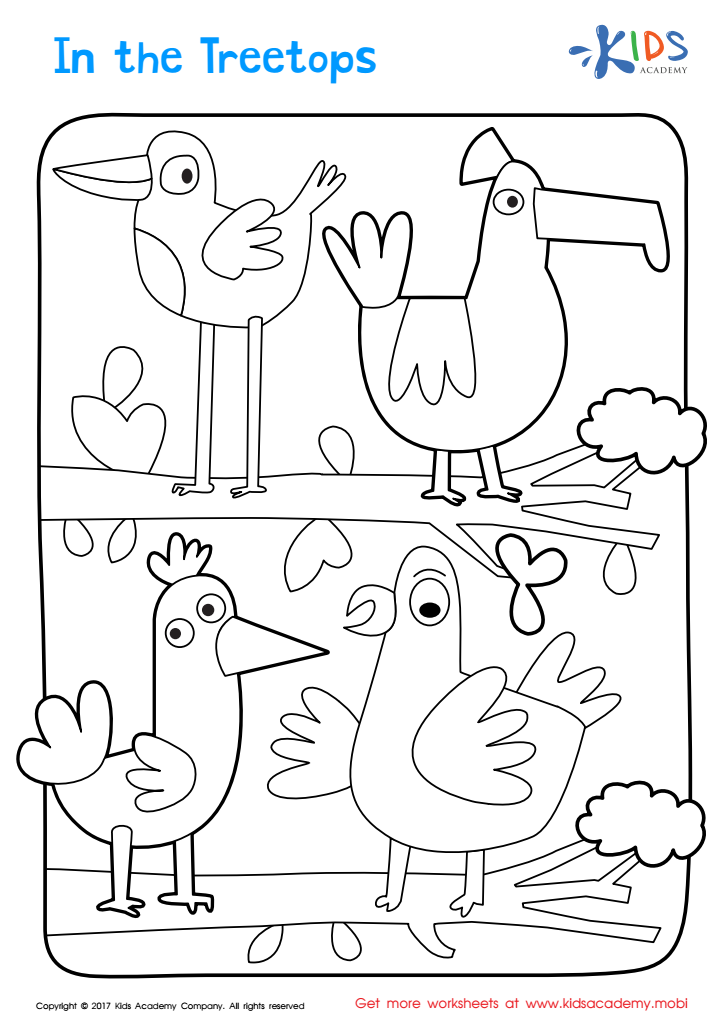
In the Treetops Coloring Page
Let your child soar by coloring this adorable printable page - In the Treetops. They can pick colors to make the birds lively and bright. It's a great way to encourage your child's creativity!
Download (PDF)
Assign to My Students
Assign to My Students
In the Treetops Coloring Page
Worksheet
Join Kids Academy for Free
Who is primarily going to use this learning content?





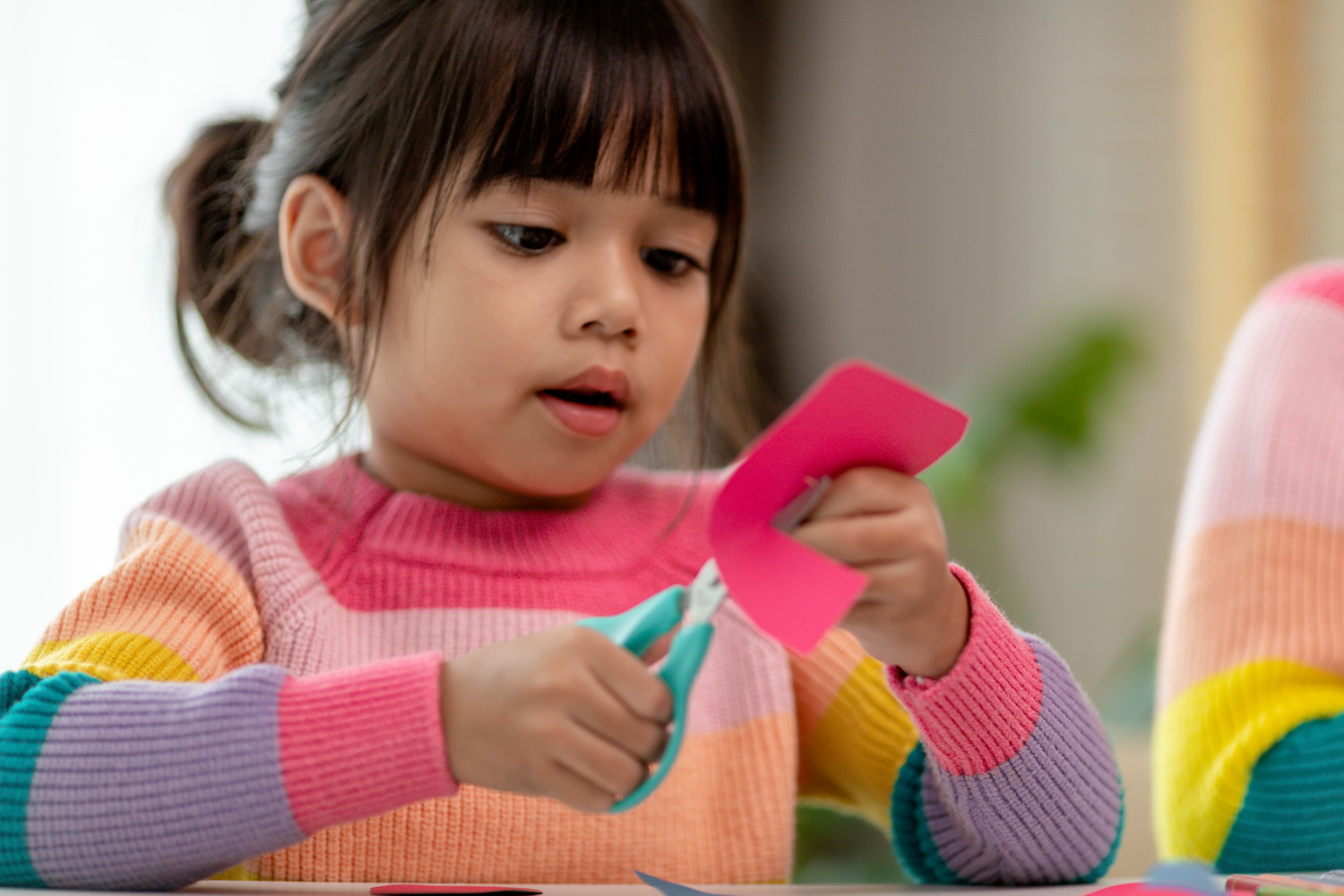


Color recognition is a fundamental skill that significantly impacts cognitive development in children aged 7-9. For teachers and parents, incorporating tools like "Color Recognition Easy Animals" can foster engagement and make learning fun. At this age, children already have a basic grasp of colors, but enhancing this knowledge with associational learning—linking colors with animals—helps solidify their understanding.
Understanding colors can improve children's language skills, as it expands their vocabulary. When children articulate the differences between colors and the animals that represent them, they build communication proficiency. Furthermore, recognizing colors supports critical thinking; for example, children learn to categorize animals based on color, enhancing their analytical abilities.
Additionally, using animals as a context makes the learning process relatable and enjoyable for children. This approach can reduce anxiety in learning, making it feel like play rather than a chore. It also encourages curiosity and observation skills, essential traits for lifelong learning.
Ultimately, color recognition through engaging tools shapes a child's creativity and problem-solving abilities, making it not just fun but vital for their overall development. Supporting this practice will enable children to communicate, categorize, and conceptualize effectively as they navigate their educational journeys.