Cognitive Development Easy Worksheets for Ages 7-9
15 filtered results
-
From - To
Explore our engaging collection of cognitive development worksheets designed specifically for children aged 7-9. These easy-to-use resources promote critical thinking, problem-solving, and analytical skills, all while making learning fun! Each worksheet features age-appropriate activities that encourage students to explore concepts such as classification, sequencing, and pattern recognition. Our printable worksheets are perfect for at-home practice or as a supplement to classroom learning. Foster your child's cognitive growth and prepare them for future academic success with these interactive and educational tools. Dive into a world of discovery and enhance your child's learning experience today!

Red and Blue Coloring Fun Worksheet
 Assign to My Students

Matching Halves Worksheet
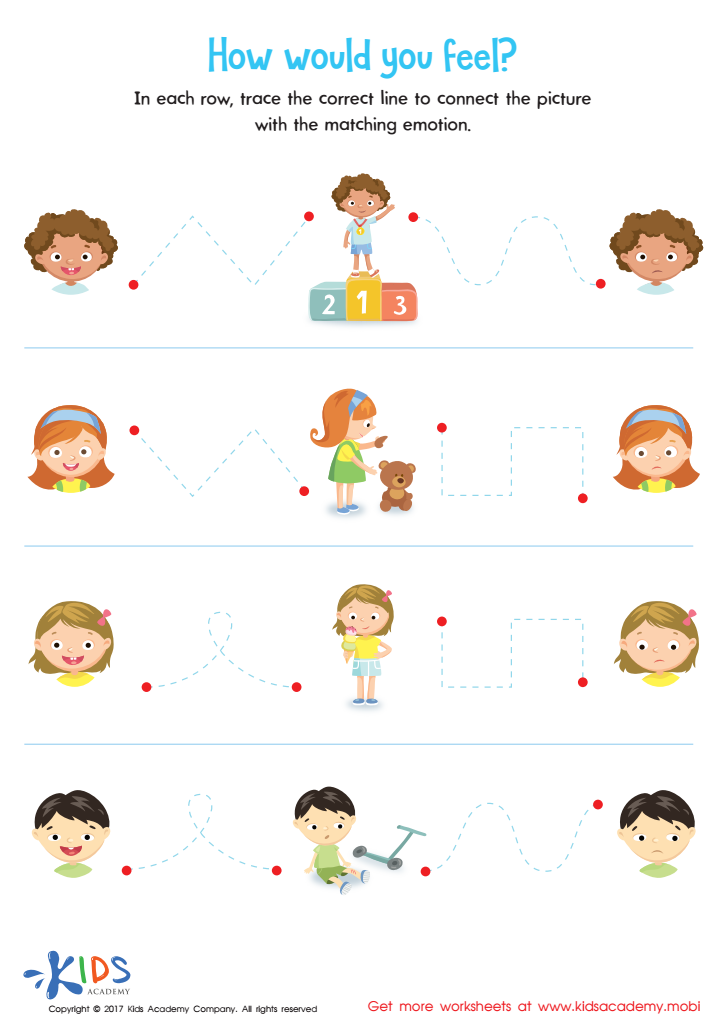
Feelings and Emotions Worksheet
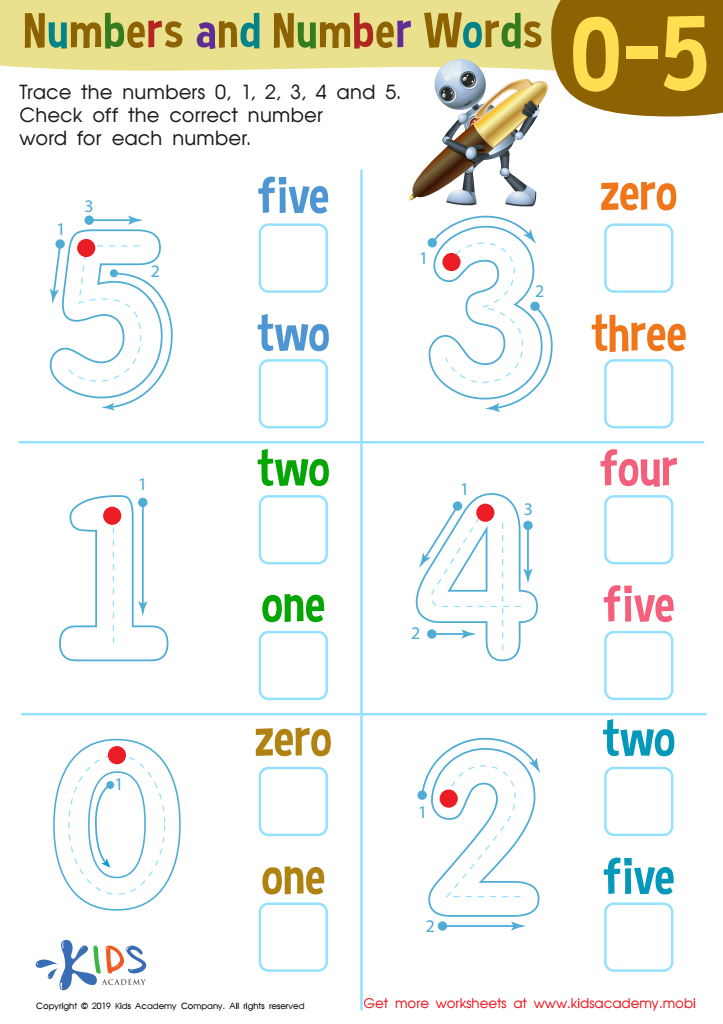
Numbers and Number Words Worksheet
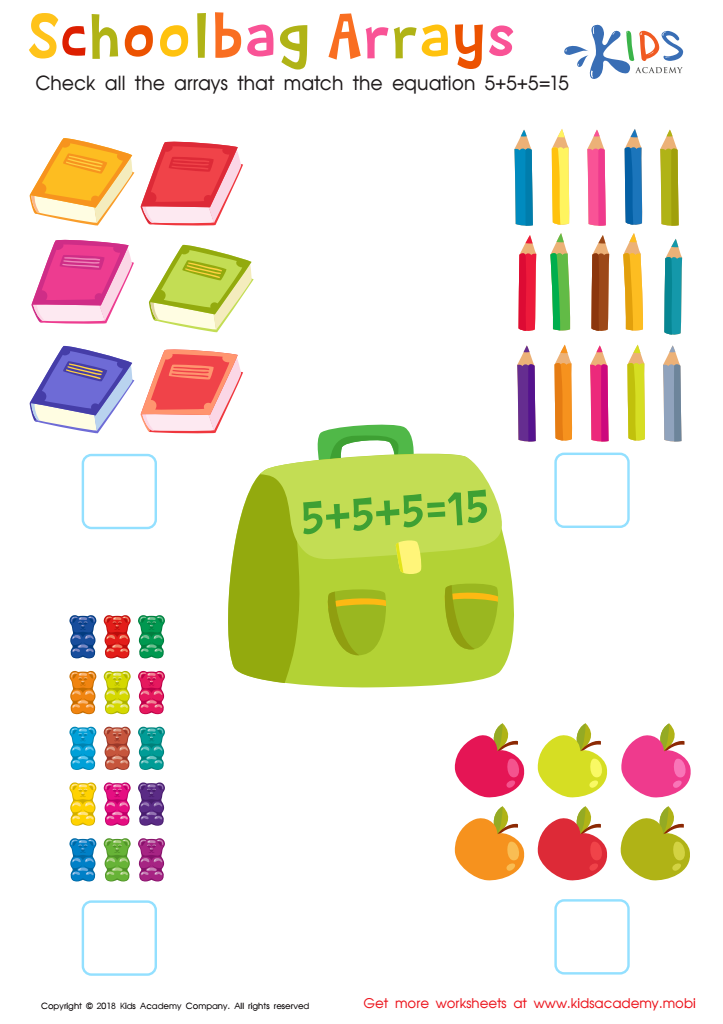
Schoolbag Arrays Worksheet
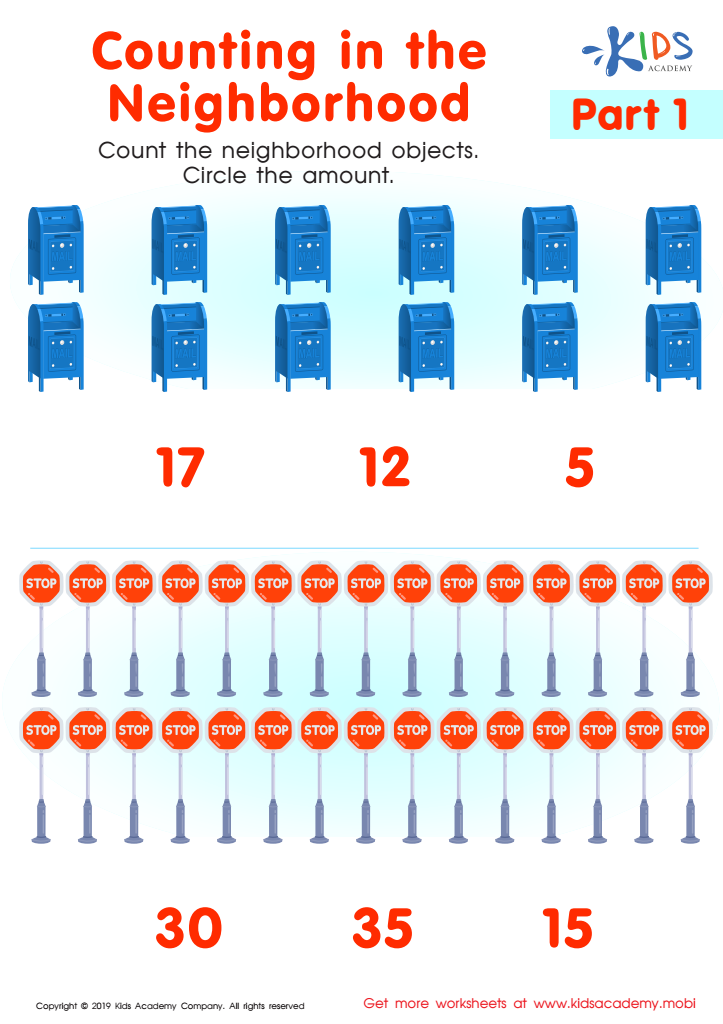
Counting in the Neighborhood Part1 Worksheet
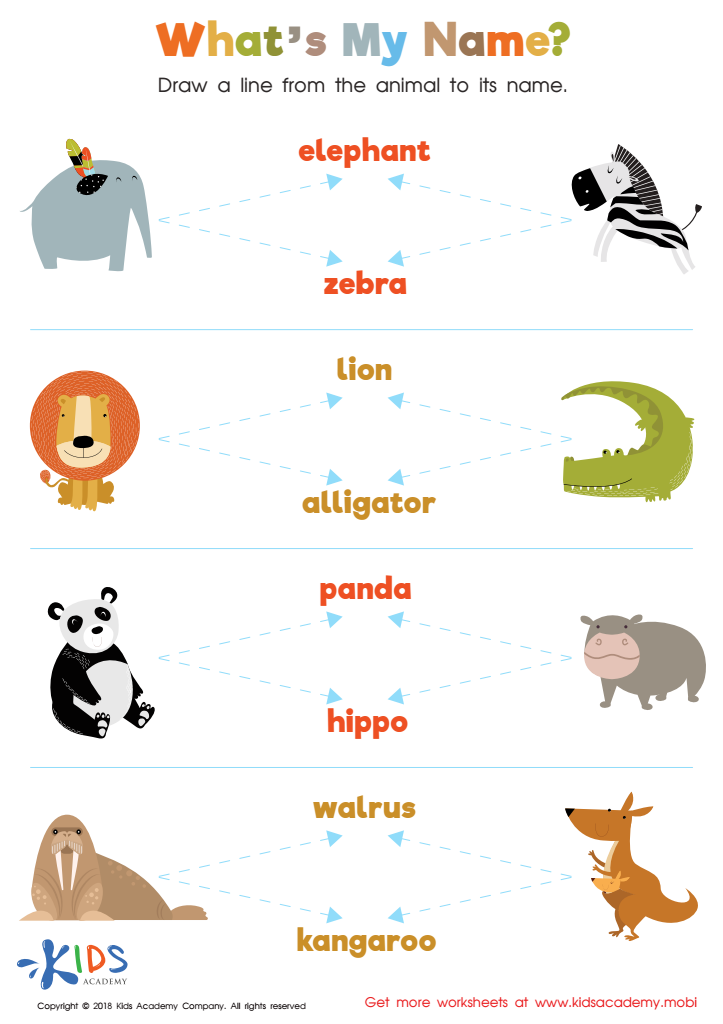
Animals and Their Names Worksheet
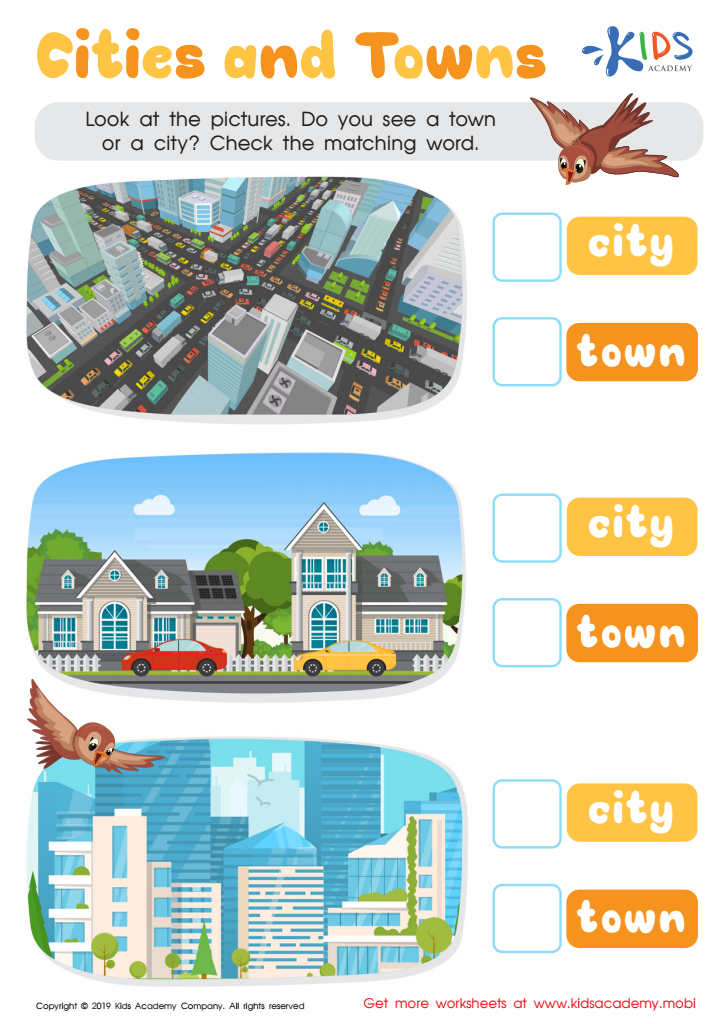
Cities and Towns Worksheet
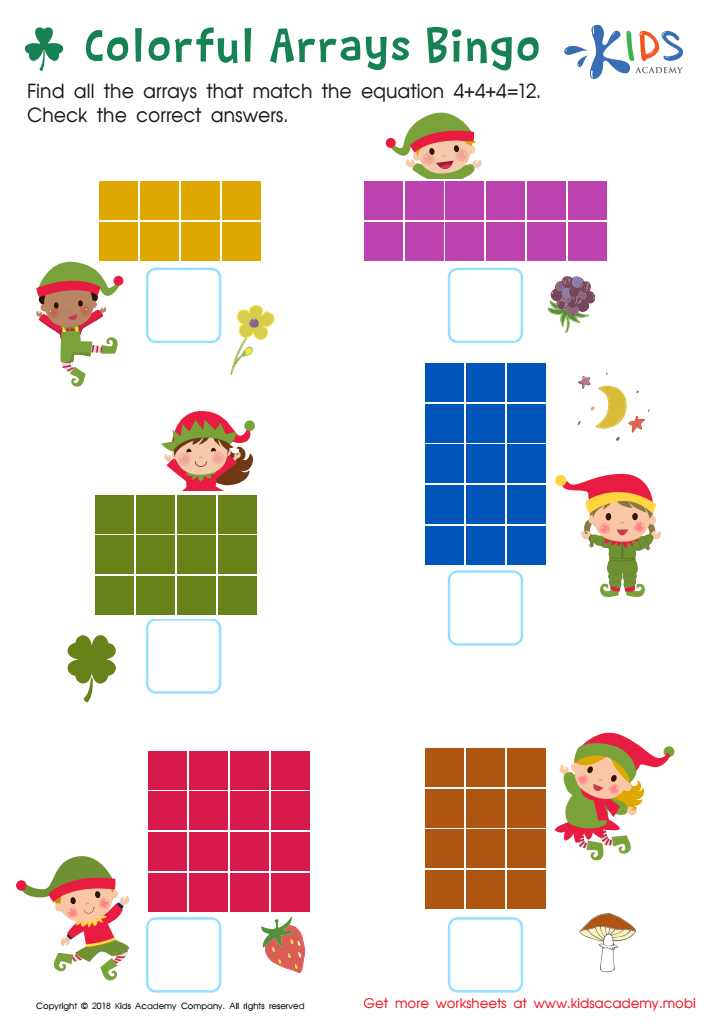
Colorful Arrays Bingo Worksheet
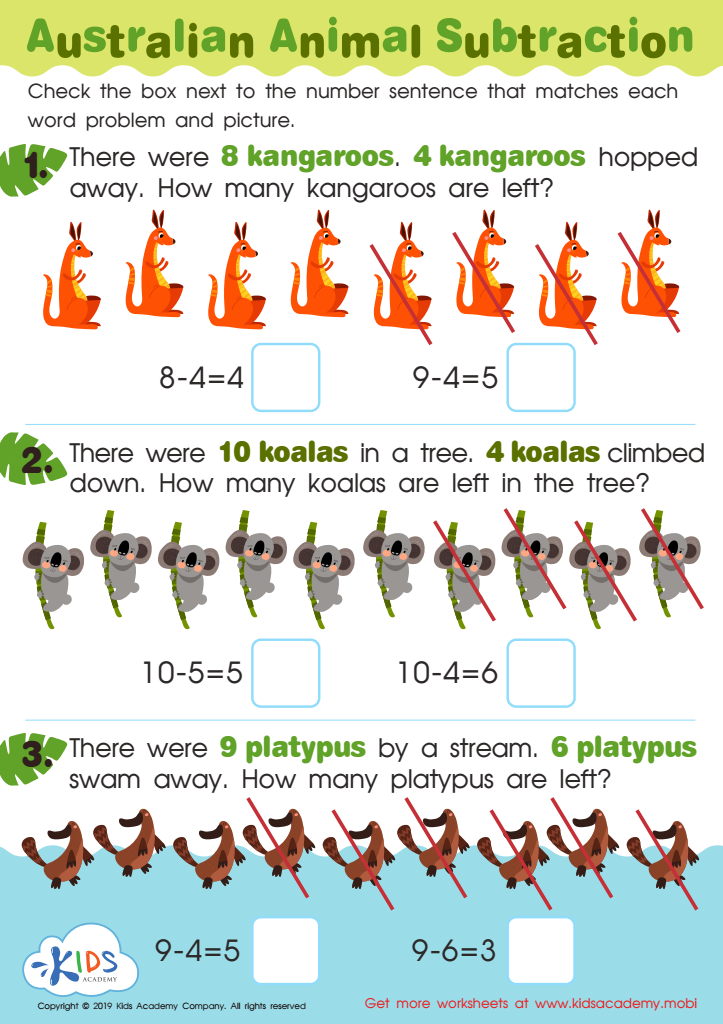
Australian Animal Subtraction Worksheet

Number 9 Printable
Assign to My Students
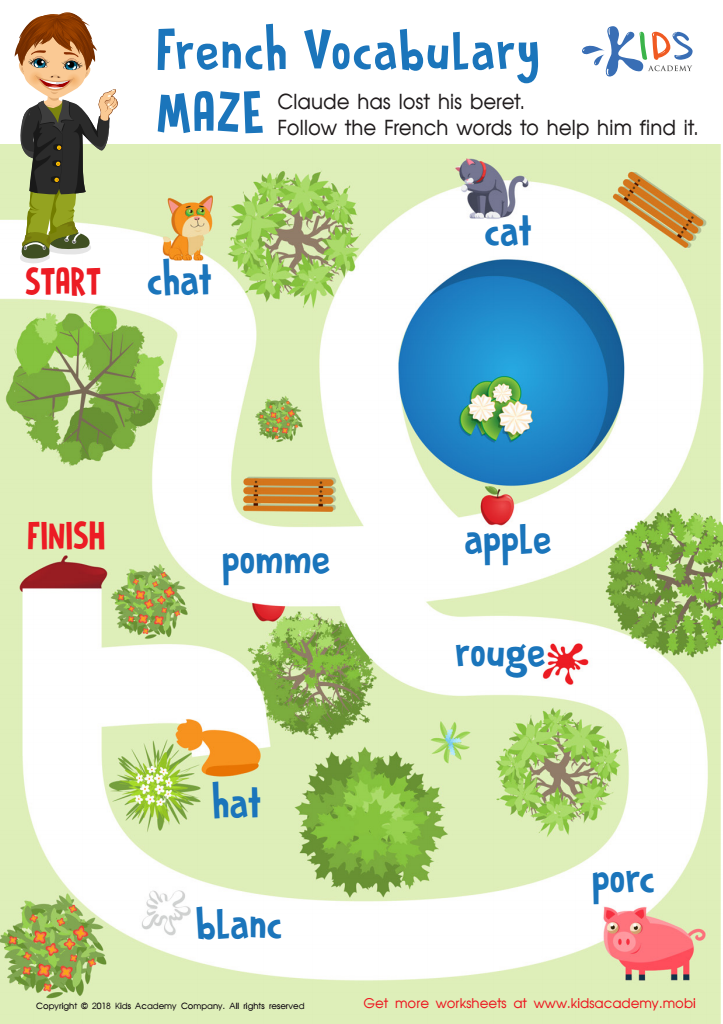
French Vocabulary Maze Worksheet
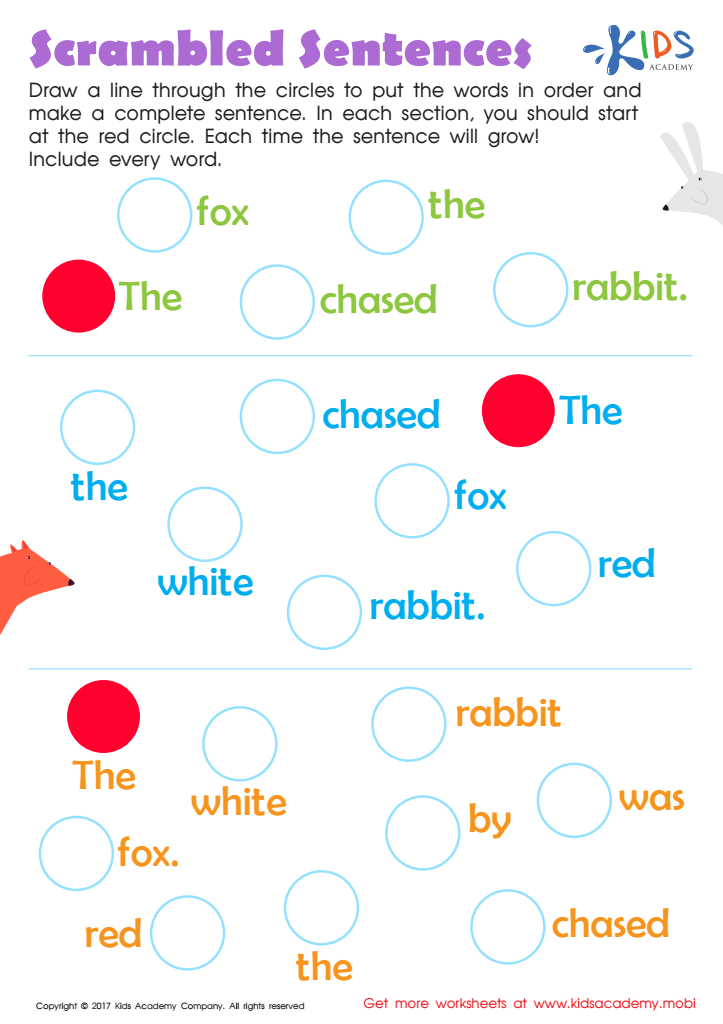
Scrambled Sentences Worksheet
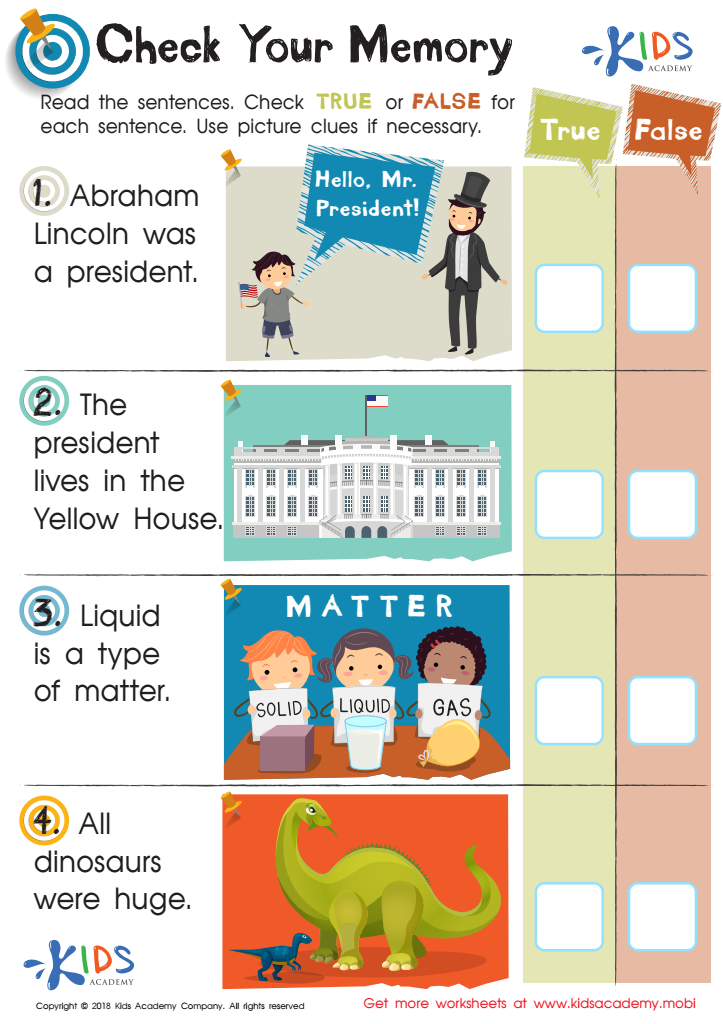
Check Memory Worksheet
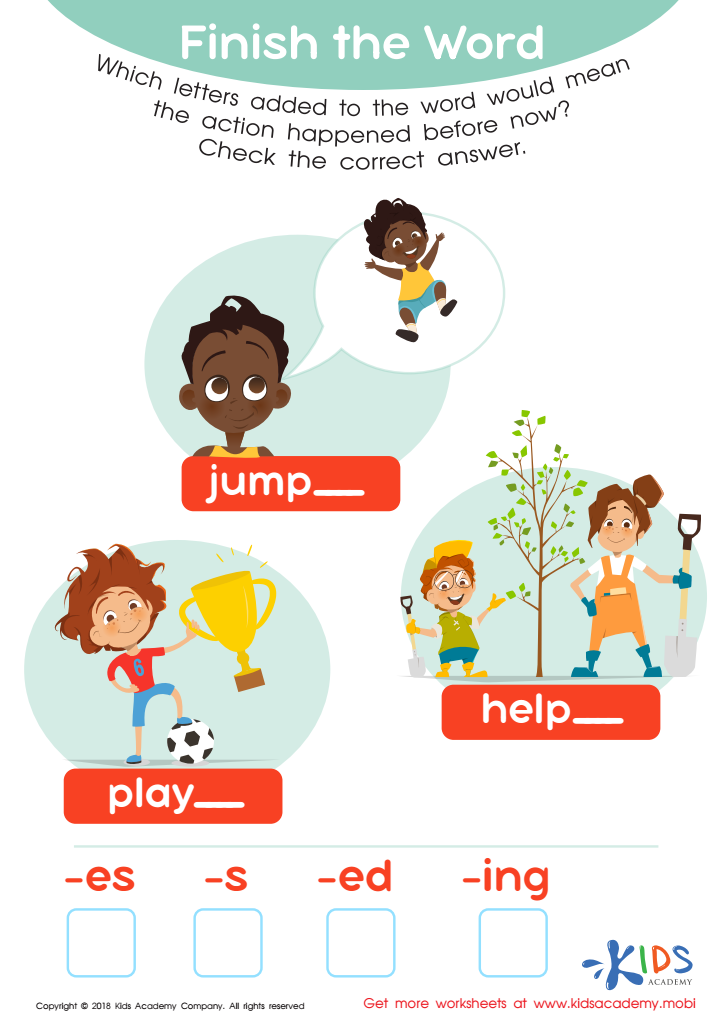
Finish the Word Worksheet






Cognitive development is a crucial aspect of a child's growth, especially for ages 7-9, as it lays the foundation for future learning and problem-solving skills. During this stage, children transition from concrete thinking to more abstract reasoning, making it essential for parents and teachers to nurture this growth.
First, children begin to develop critical thinking and reasoning abilities, which helps them understand complex concepts in subjects like math and science. Supporting cognitive development encourages curiosity and a love for learning, prompting children to engage in exploration and discovery.
Second, as children learn to focus, remember, and process information better, they build essential social skills. These skills help them communicate effectively, collaborate in groups, and develop empathy, laying groundwork for positive relationships.
Moreover, understanding cognitive development allows parents and teachers to provide age-appropriate challenges and support. Activities tailored to their developmental stage can enhance their academic performance and build confidence.
In sum, caring about cognitive development in ages 7-9 promotes lifelong learning skills and social competence, ensuring children are better prepared for future challenges. By fostering this growth, adults play an essential role in shaping their children's emotional and intellectual futures.








