Color recognition Easy Worksheets for Ages 7-9 - Page 2
33 filtered results
-
From - To

Arizona Coloring Page Worksheet
 Assign to My Students
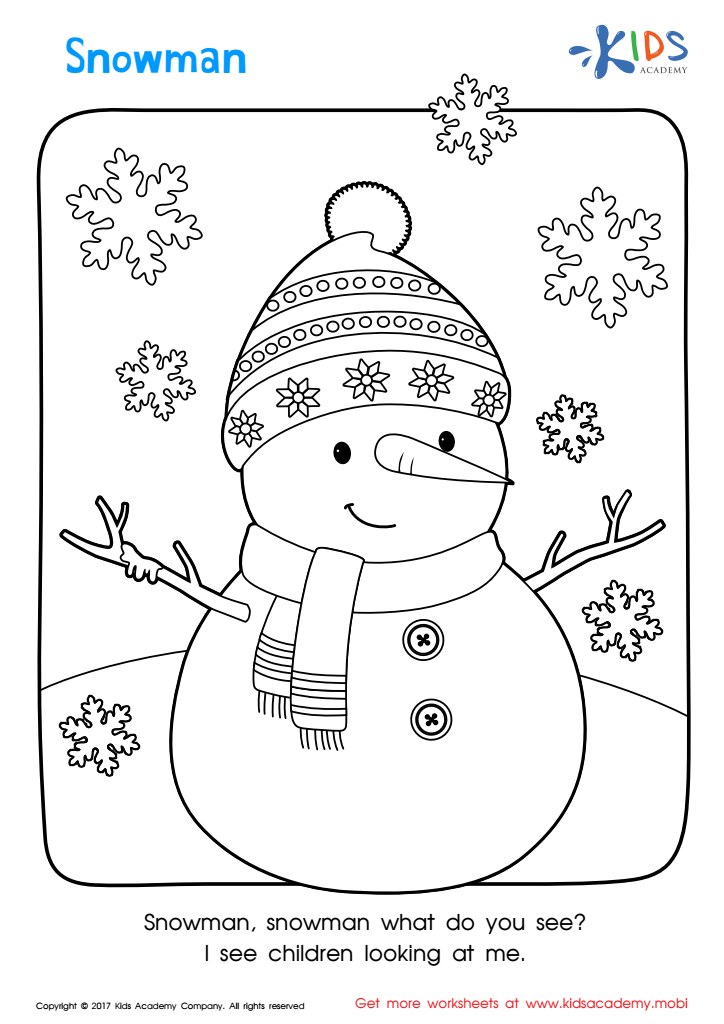
Christmas: Snowman Printable
Assign to My Students
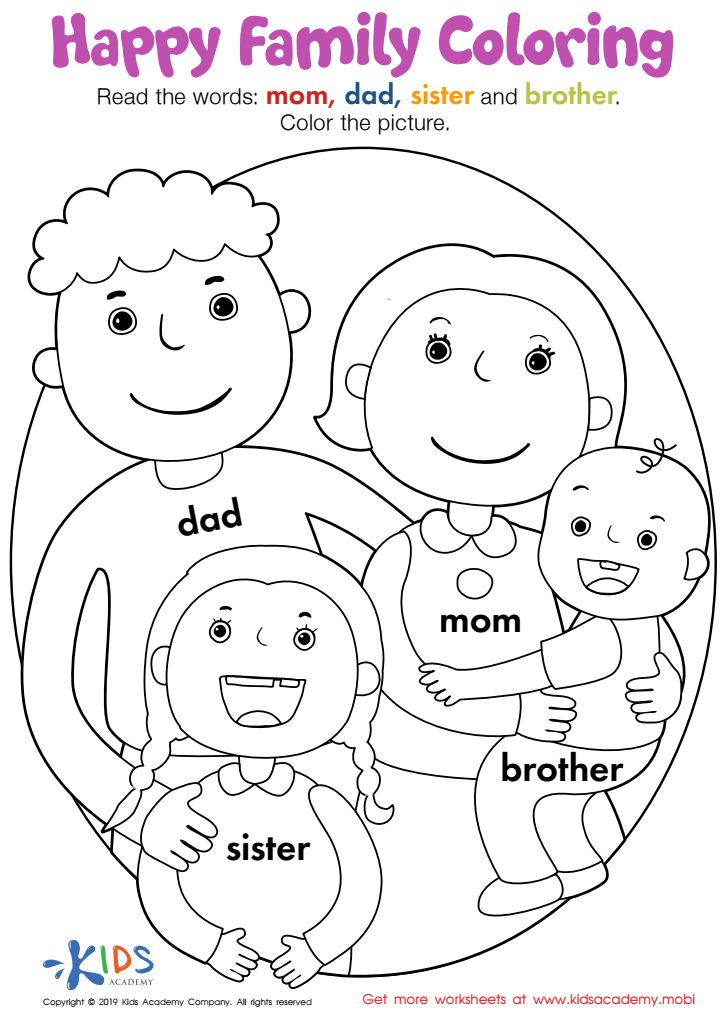
Happy Family Coloring Worksheet
Assign to My Students
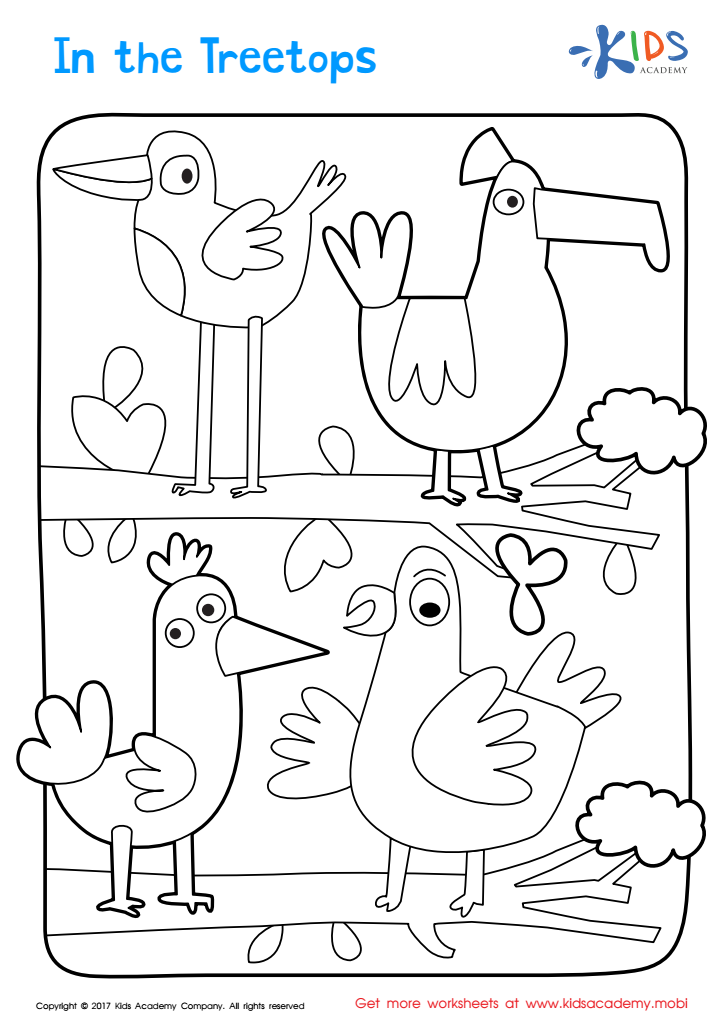
In the Treetops Coloring Page
Assign to My Students
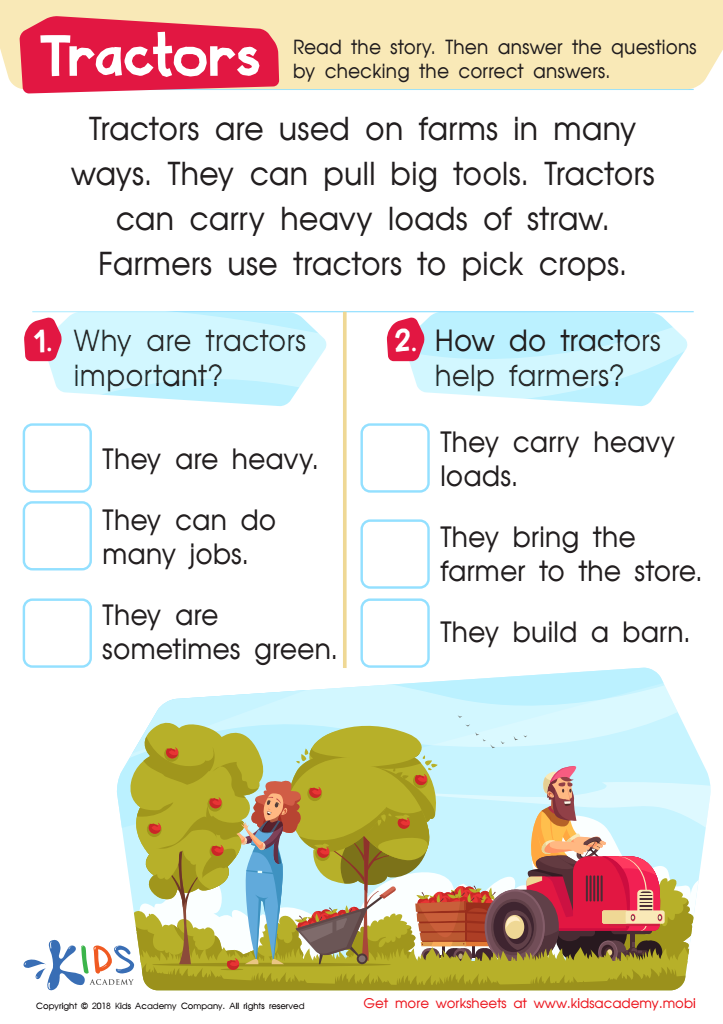
Tractors Worksheet
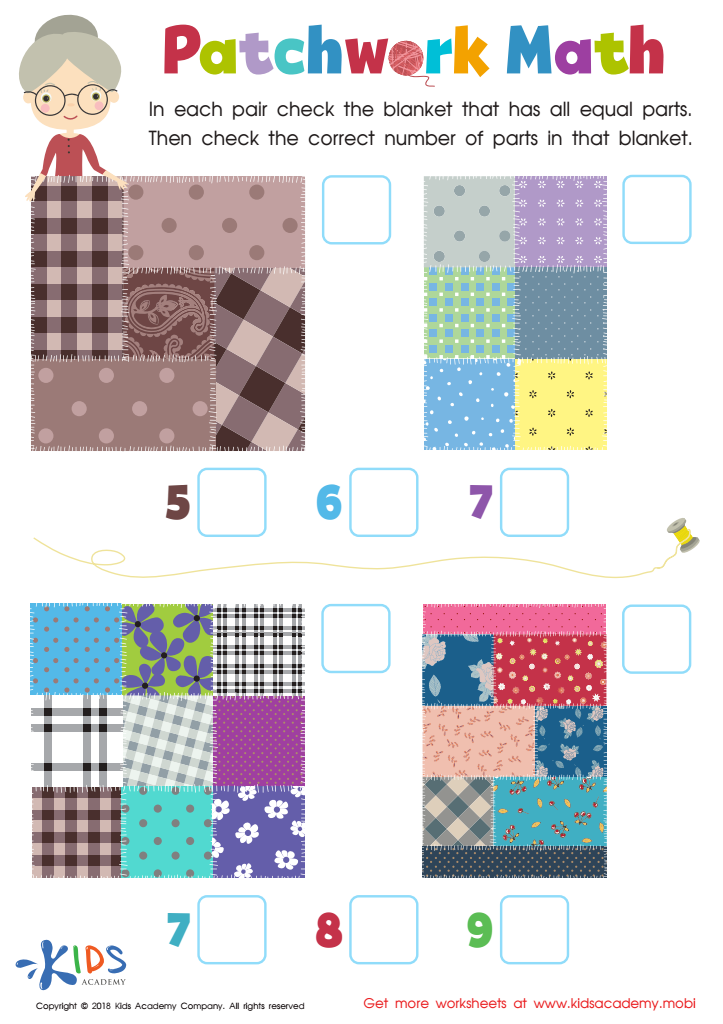
Patchwork Math Worksheet
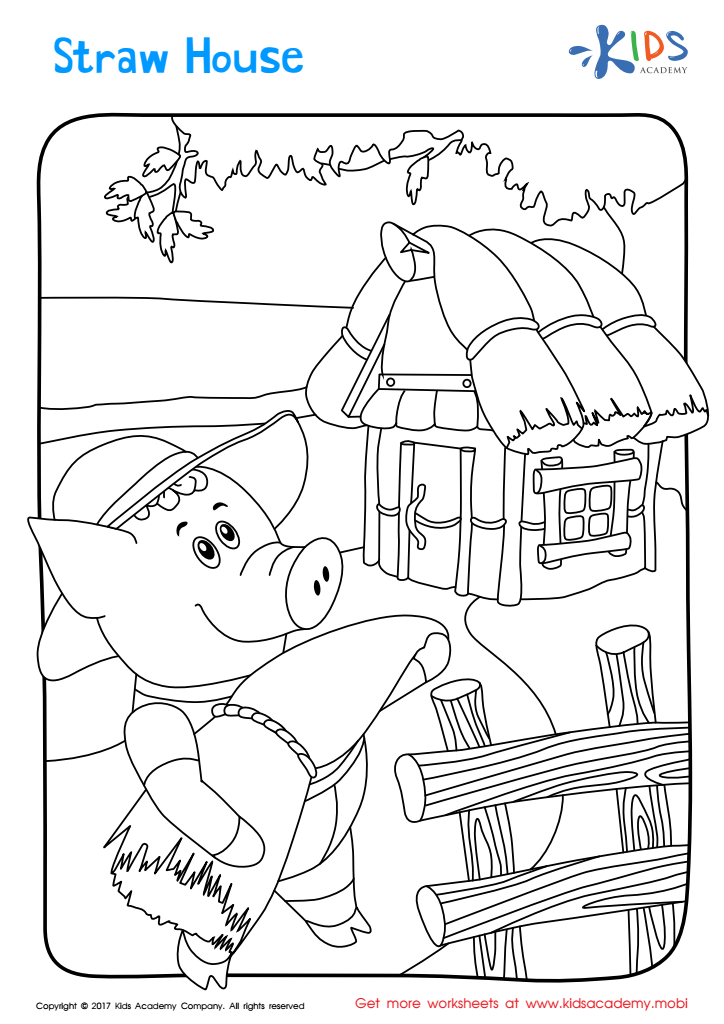
Straw House Printable Coloring Page
Assign to My Students
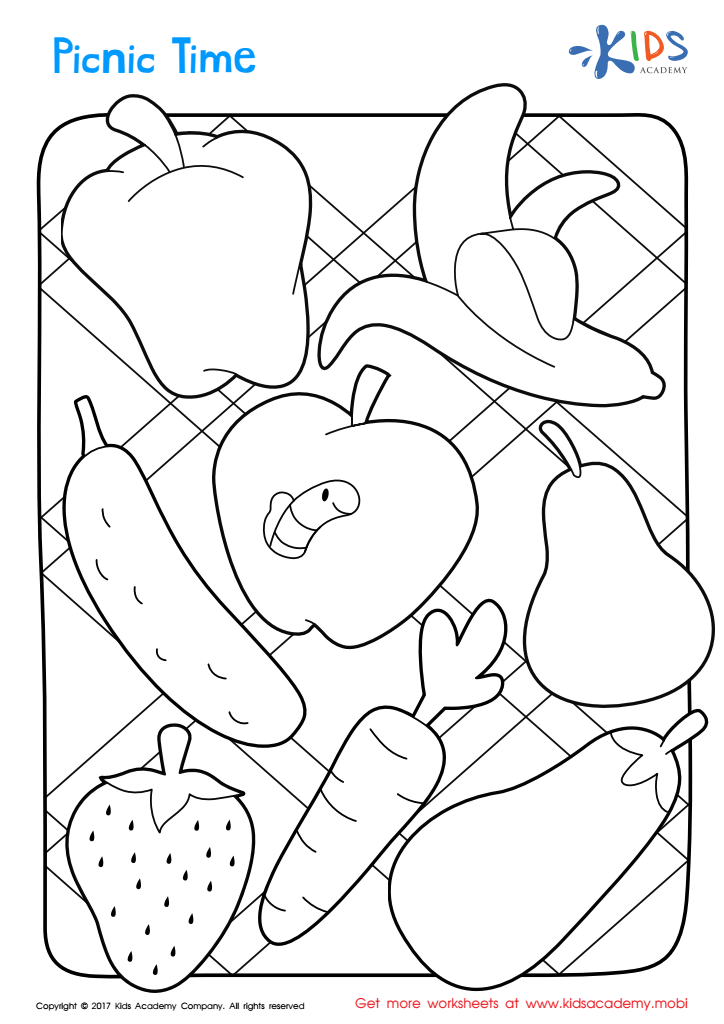
Picnic Time Coloring Page
Assign to My Students
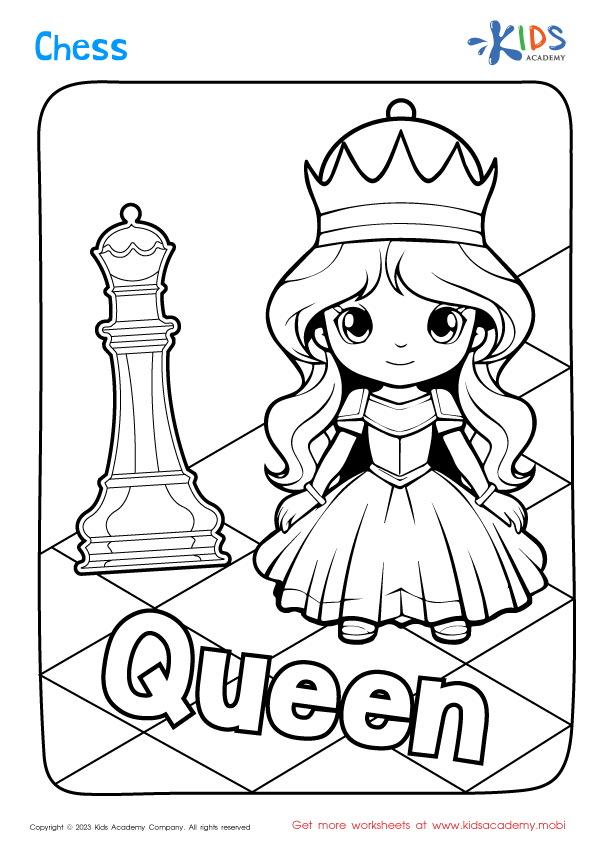







.jpg)
Color recognition is a fundamental skill for children aged 7-9 that extends beyond merely identifying color names. Understanding colors helps foster cognitive development, language skills, and creativity. First, it enhances observational skills—children learn to notice details in their environment, which is pivotal in engaging in activities like science experiments or art projects.
Moreover, color recognition lays the groundwork for more complex learning. In subjects like math, understanding graph colors can aid in data interpretation, while reading may involve recognizing colored text or illustrations that convey meaning. This reinforces comprehension and critical thinking.
For social development, colors can be a way for children to express emotions and preferences, fostering communication skills. When they discuss their favorite colors, they are inherently practicing speaking and listening skills.
Additionally, colors play a huge role in cultural literacy; many colors carry symbolic meanings that vary by culture. Teaching color recognition can deepen a child's understanding of diversity and promote inclusivity.
Ultimately, caring about and supporting color recognition equips children with valuable skills that support their overall development, making it essential for parents and teachers to engage with this aspect of learning.








