Mathematical reasoning Easy Worksheets for Ages 7-9
4 filtered results
-
From - To
Welcome to our "Mathematical Reasoning Easy Worksheets" designed specifically for children aged 7-9! Our engaging and interactive worksheets help young learners develop critical problem-solving skills through fun and enjoyable activities. Covering essential concepts such as addition, subtraction, fractions, and basic geometry, our worksheets cater to different learning styles, ensuring each child can grasp and apply mathematical reasoning effectively. With clear instructions and vibrant visuals, these resources are perfect for both classroom use and at-home practice. Foster a love for math and build foundational skills with our expertly crafted worksheets, making learning both accessible and delightful for your little ones!
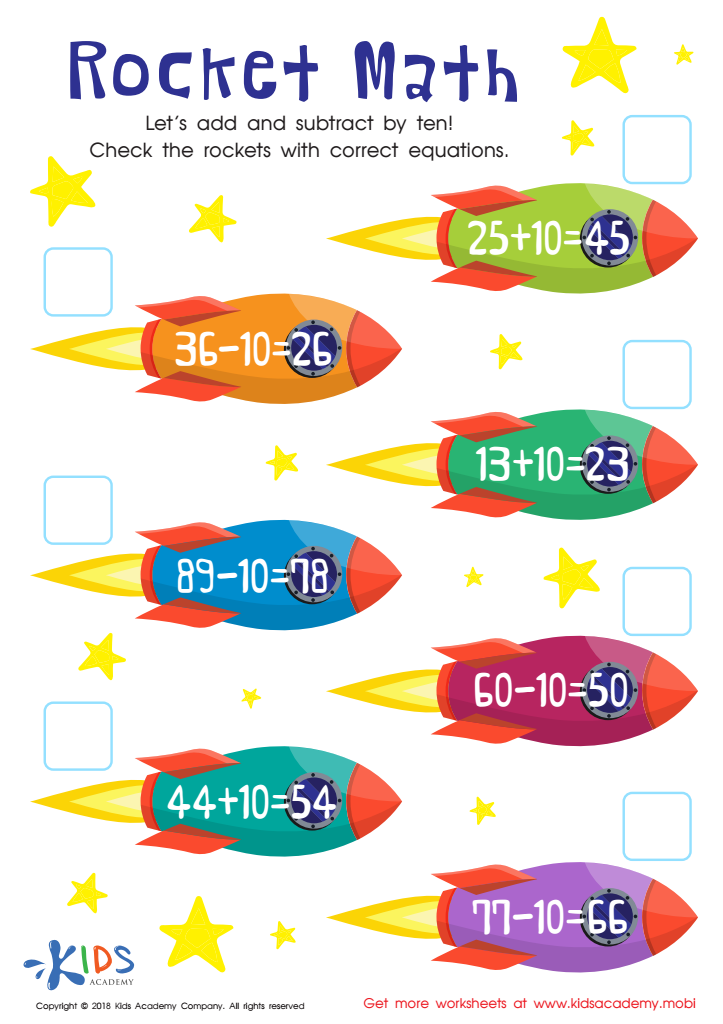
Rocket Math Worksheet
 Assign to My Students
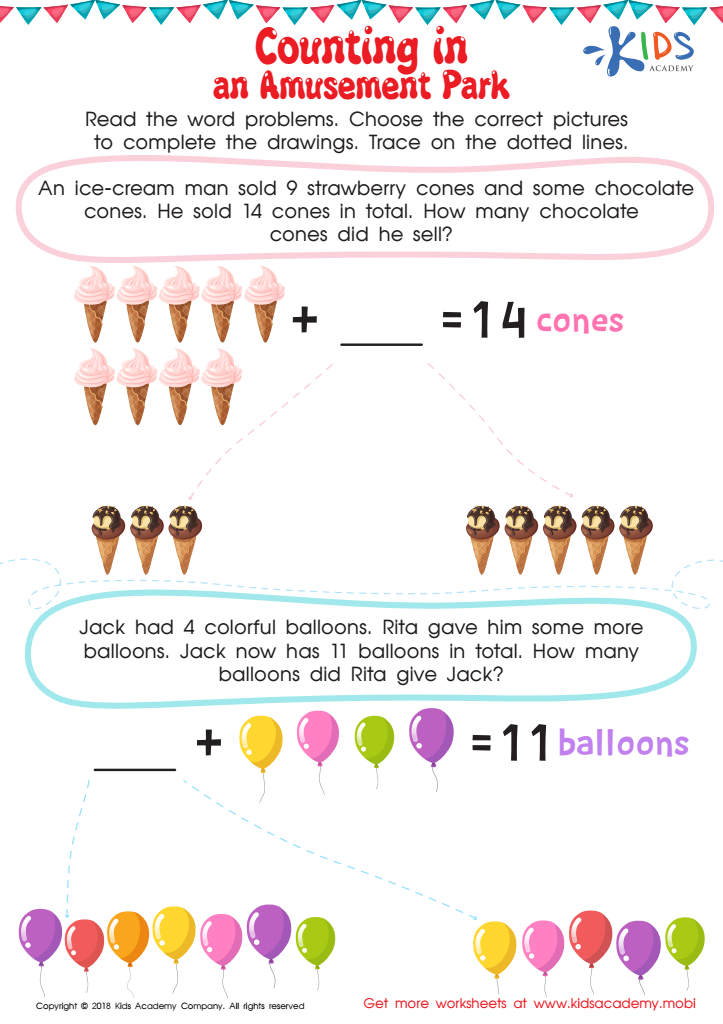
Counting in an Amusement Park Worksheet
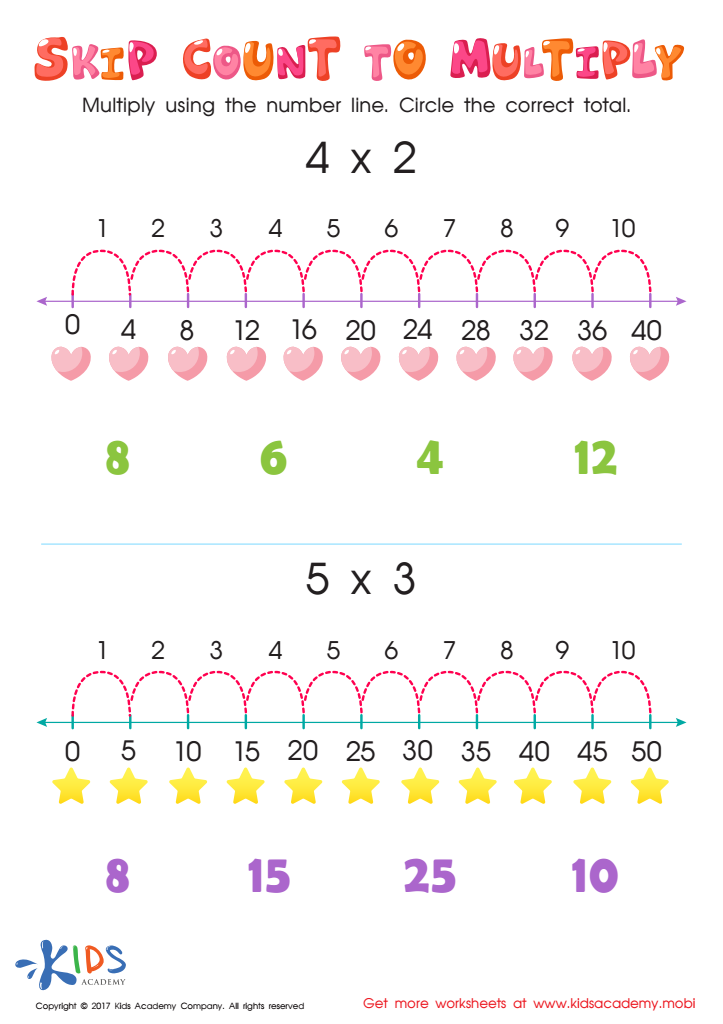
Skip Count Multiplication Worksheet
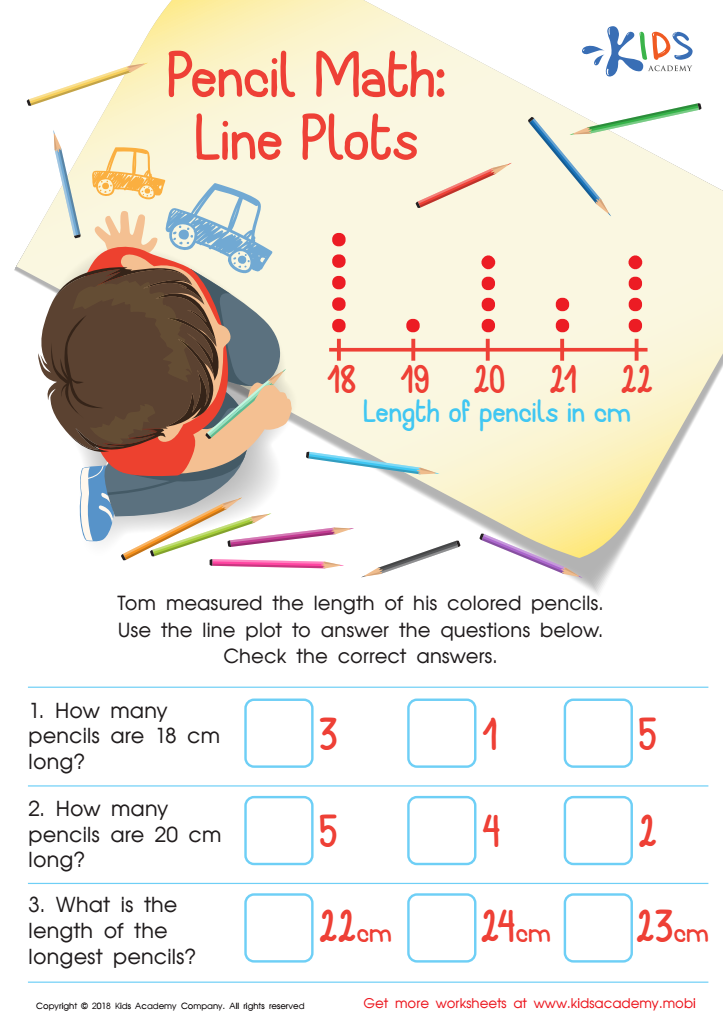
Pencil Math: Line Plots Worksheet








Mathematical reasoning is crucial for children ages 7-9 as it lays the foundation for their critical thinking and problem-solving skills. At this age, children are transitioning from basic arithmetic to more complex concepts that require them to understand relationships, patterns, and logical connections. By nurturing their mathematical reasoning, parents and teachers help children become confident learners who can tackle challenges both in math and other subjects.
When children develop strong reasoning skills, they learn to make sense of mathematical concepts rather than just memorizing procedures. This understanding allows them to apply math in real-life situations, fostering a love for learning and exploration. It encourages them to ask questions, reason through problems, and not shy away from challenges.
Moreover, mathematical reasoning promotes collaboration. Through group activities, children learn to share their ideas, listen to others, and consider different viewpoints, enhancing their communication skills. Such collaboration mimics real-world problem-solving scenarios, preparing them for future academic and career paths.
In summary, focusing on mathematical reasoning helps children build essential life skills, making learning engaging and enjoyable. Parents and teachers should prioritize nurturing this ability to empower children for lifelong success.








