Fine Motor Skills Easy Grade 1 Worksheets - Page 2
40 filtered results
-
From - To
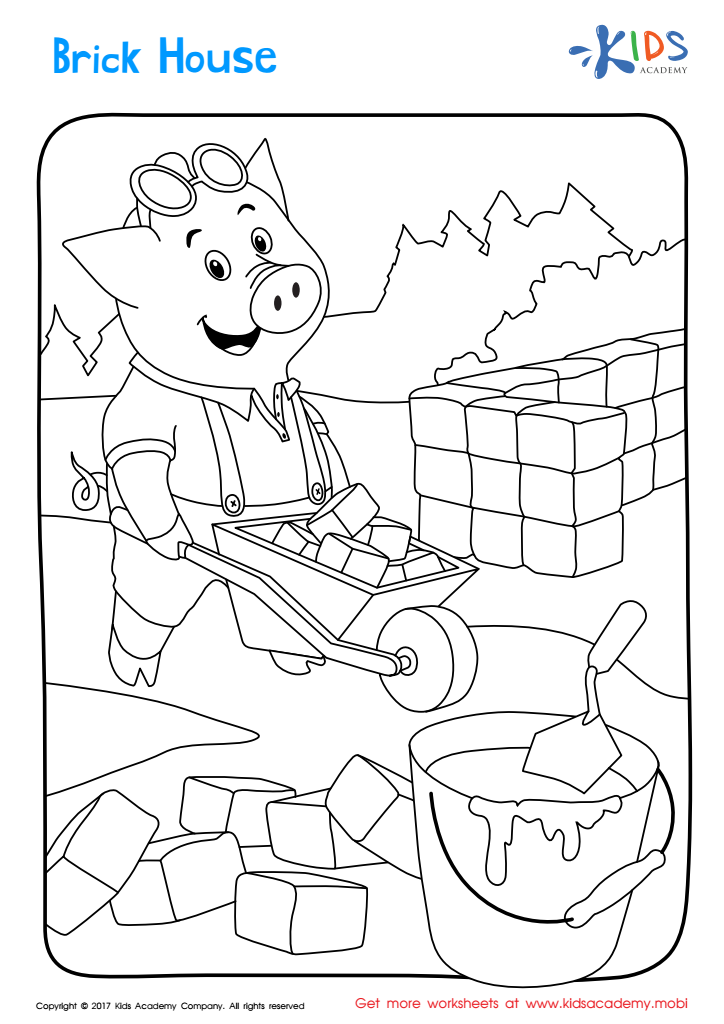
Brick House Printable Coloring Page
 Assign to My Students
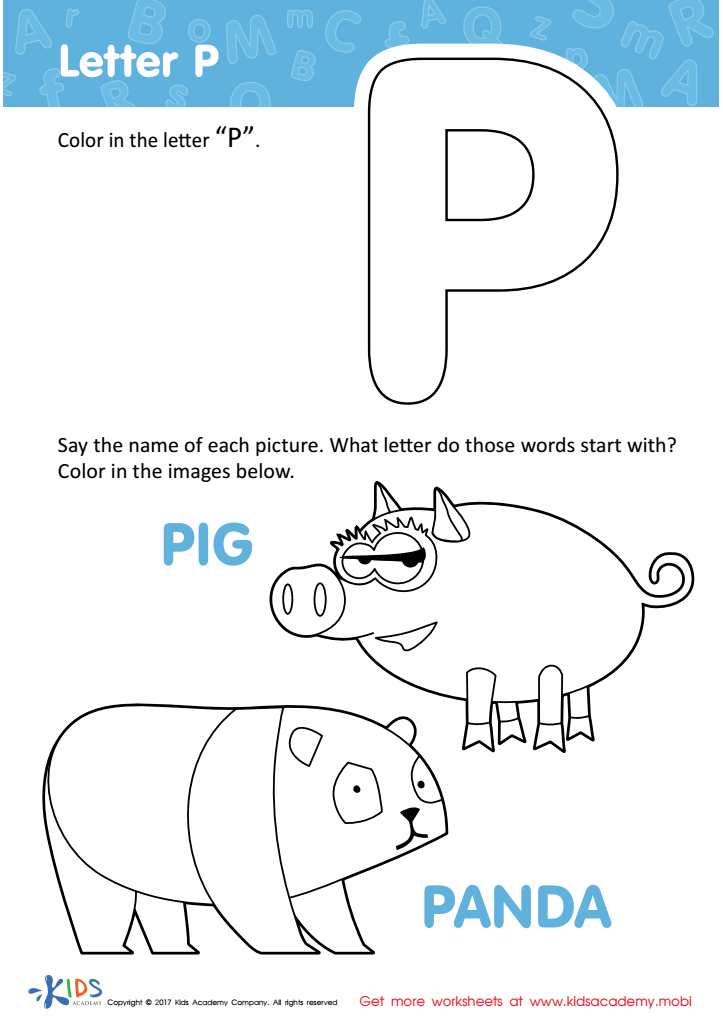
Letter P Coloring Sheet
Assign to My Students

Japan Printable
Assign to My Students
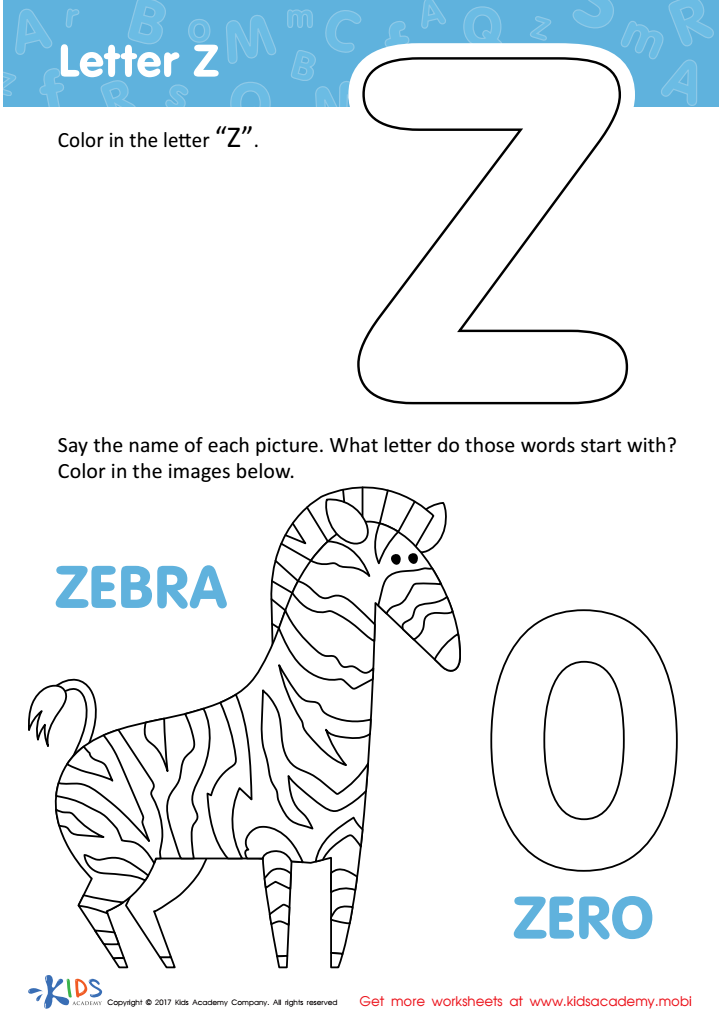
Letter Z Coloring Sheet
Assign to My Students
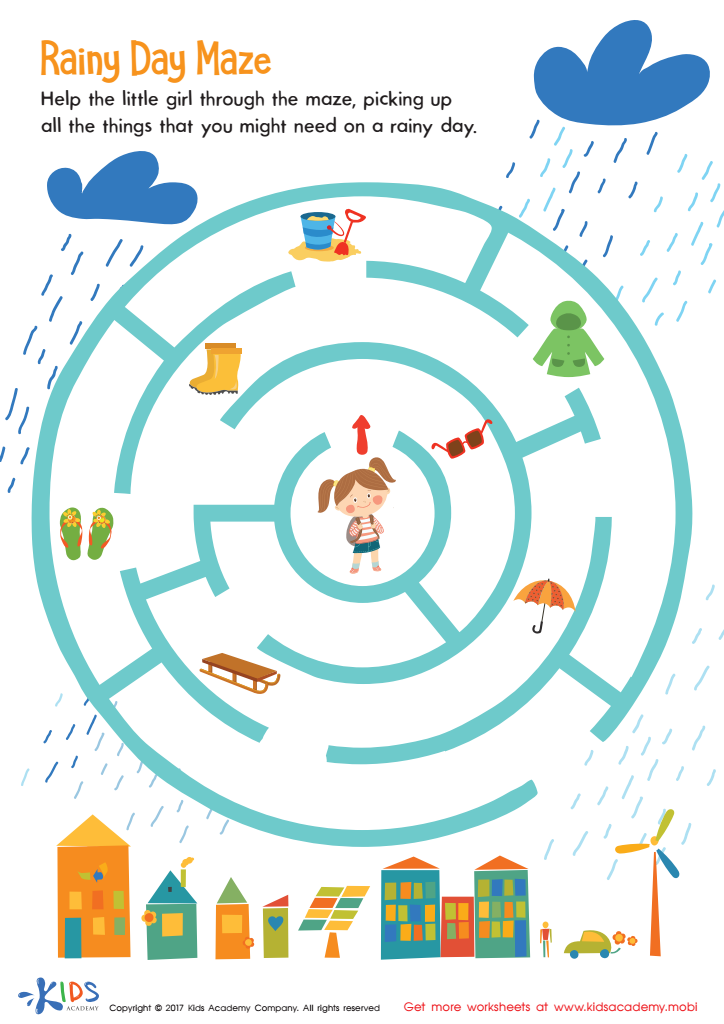
Rainy Day Maze Worksheet
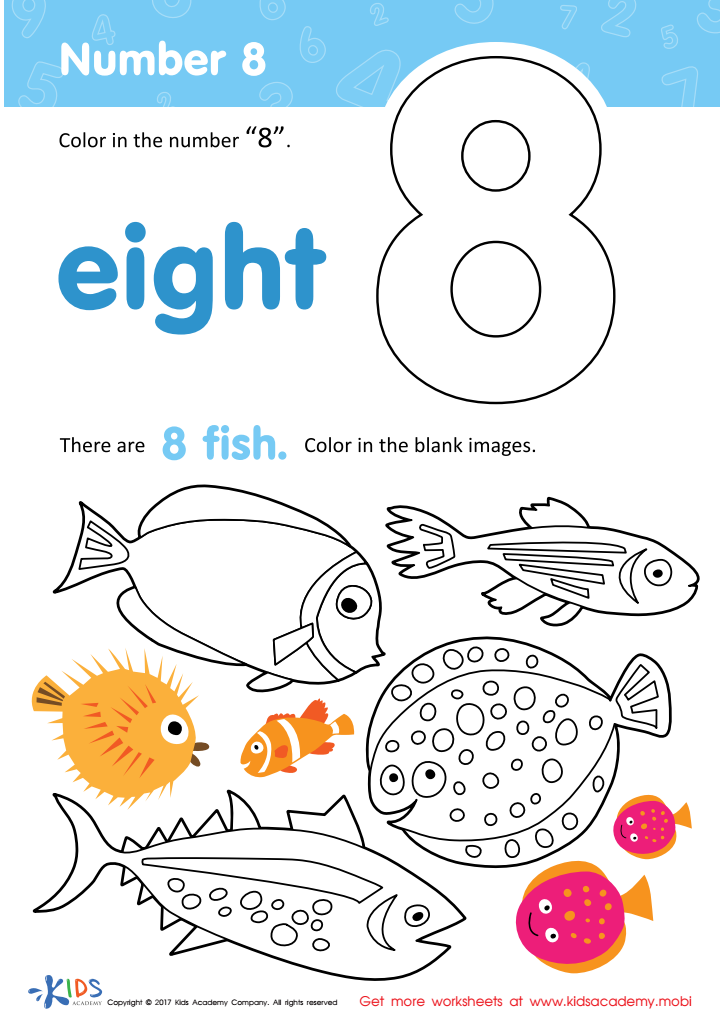
Number 8 Printable
Assign to My Students

Happy Family Coloring Worksheet
Assign to My Students
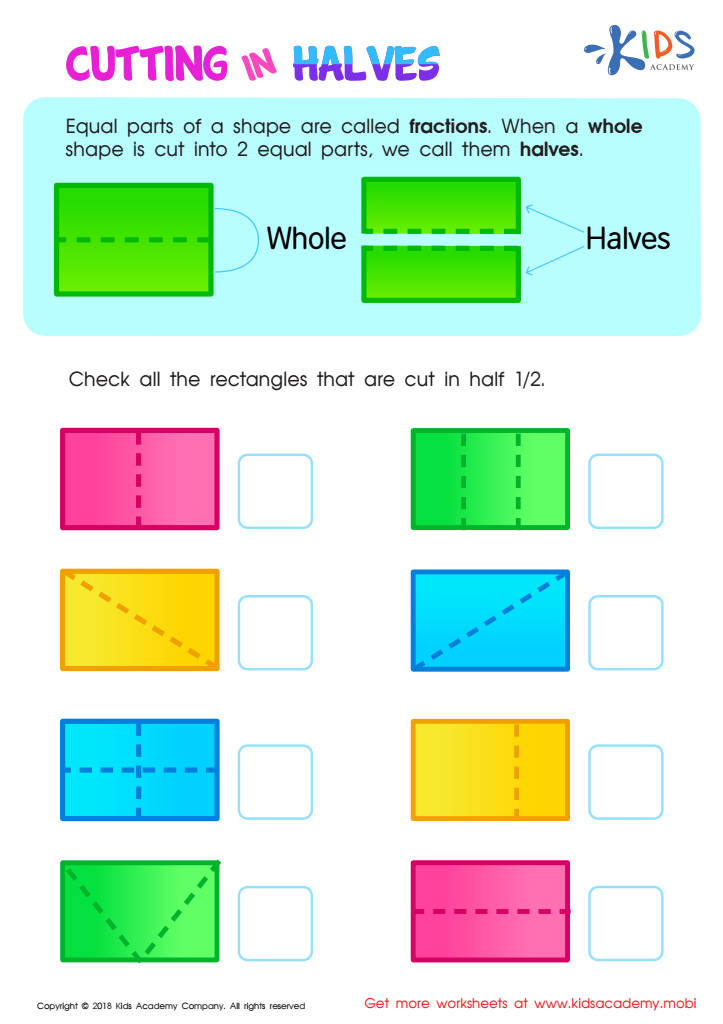
Cutting in Halves Worksheet
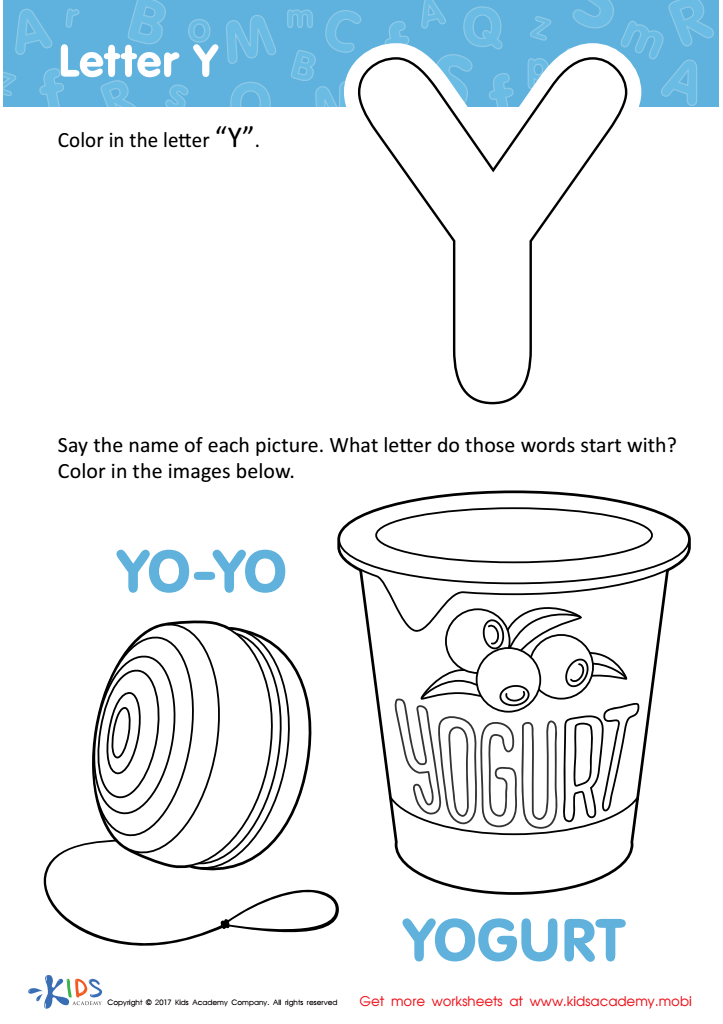
Letter Y Coloring Sheet
Assign to My Students
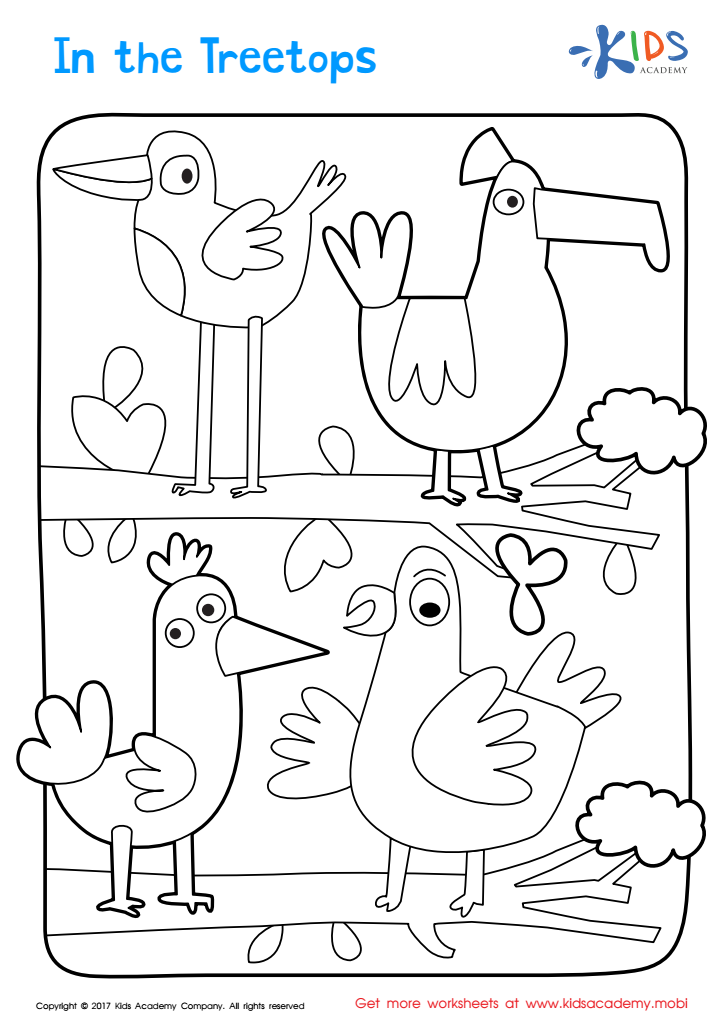
In the Treetops Coloring Page
Assign to My Students
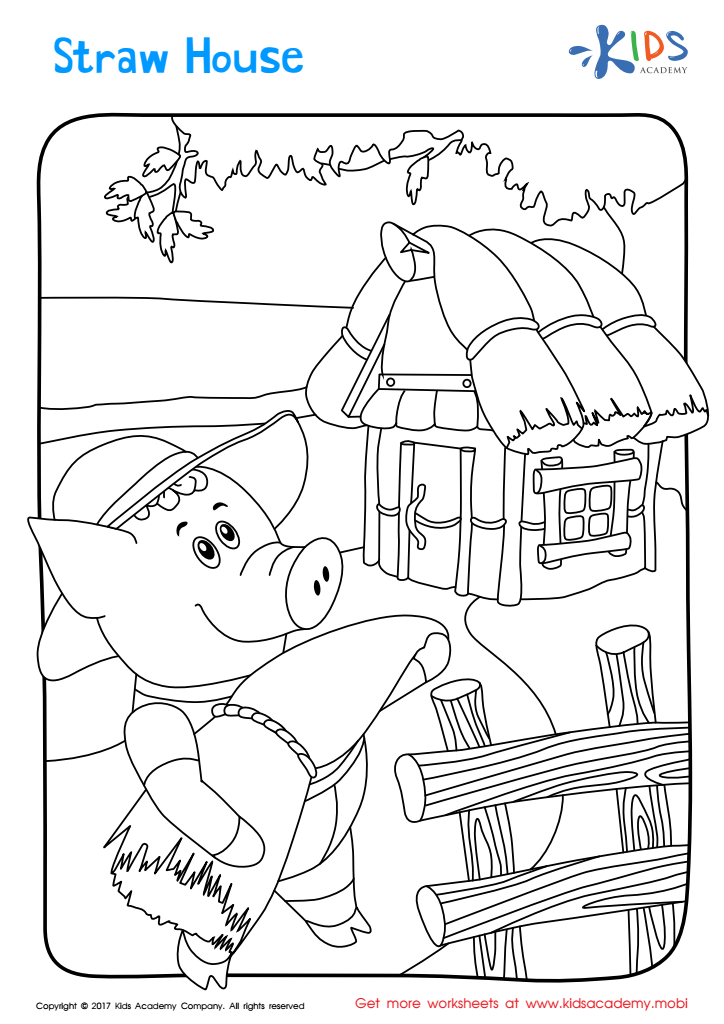
Straw House Printable Coloring Page
Assign to My Students
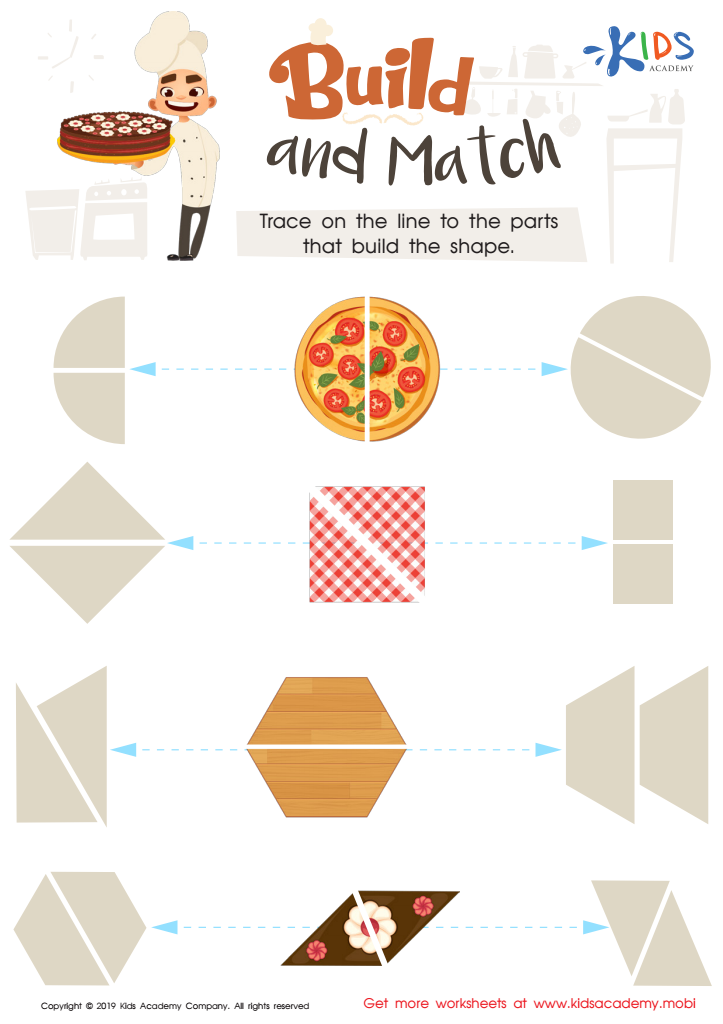
Build and Match Worksheet

Counting on the City Skyline: Dot-to-Dot Worksheet
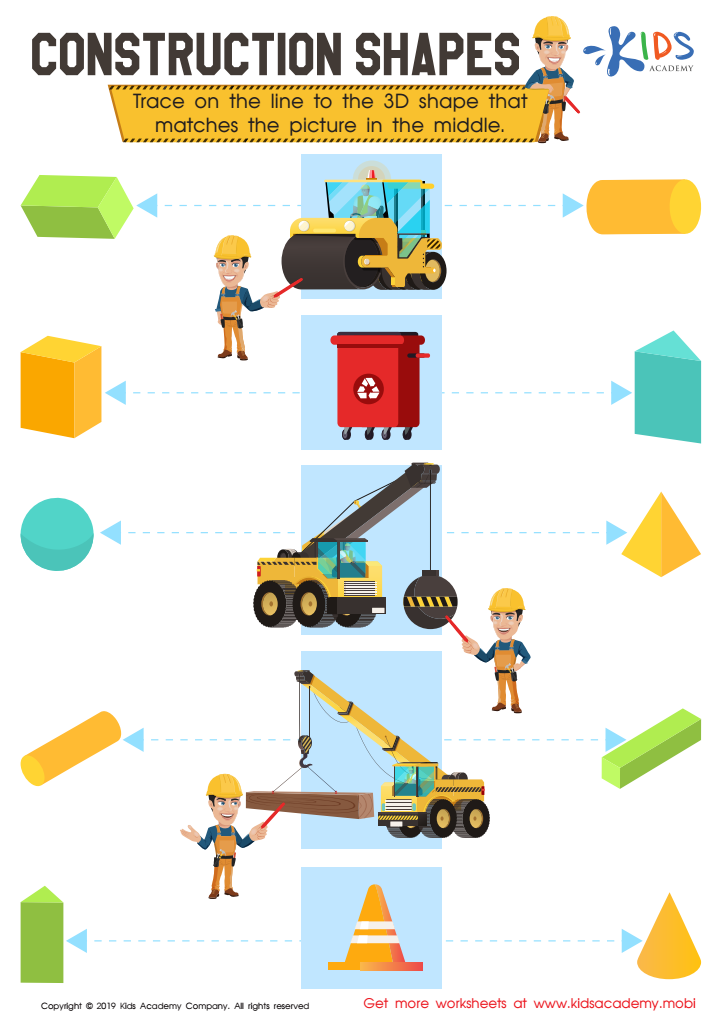
Construction Shapes Worksheet






Fine motor skills are essential for young learners, particularly in Grade 1, as they form the foundation for many everyday tasks. These skills involve the use of small muscles in the hands and fingers, which are crucial for writing, drawing, cutting, and manipulating objects. When children develop strong fine motor skills, they gain confidence in their ability to handle tasks that involve precision and control.
Parents and teachers should care about fostering these skills because they directly impact a child’s academic success and overall development. For instance, good fine motor skills help students master handwriting, an important aspect of communication and expression in school. As children progress in their education, the ability to manipulate tools for arts and crafts, science experiments, and projects becomes vital.
Moreover, fine motor skills are linked to cognitive development, as they encourage problem-solving and critical thinking. Engaging activities like threading beads, playing with clay, or building with blocks can be both fun and effective in promoting these skills. By supporting fine motor skill development, parents and teachers help ensure that children are better prepared for future learning experiences and gain the independence they need for everyday life.