Fine Motor Skills Easy Kindergarten Worksheets - Page 2
62 filtered results
-
From - To
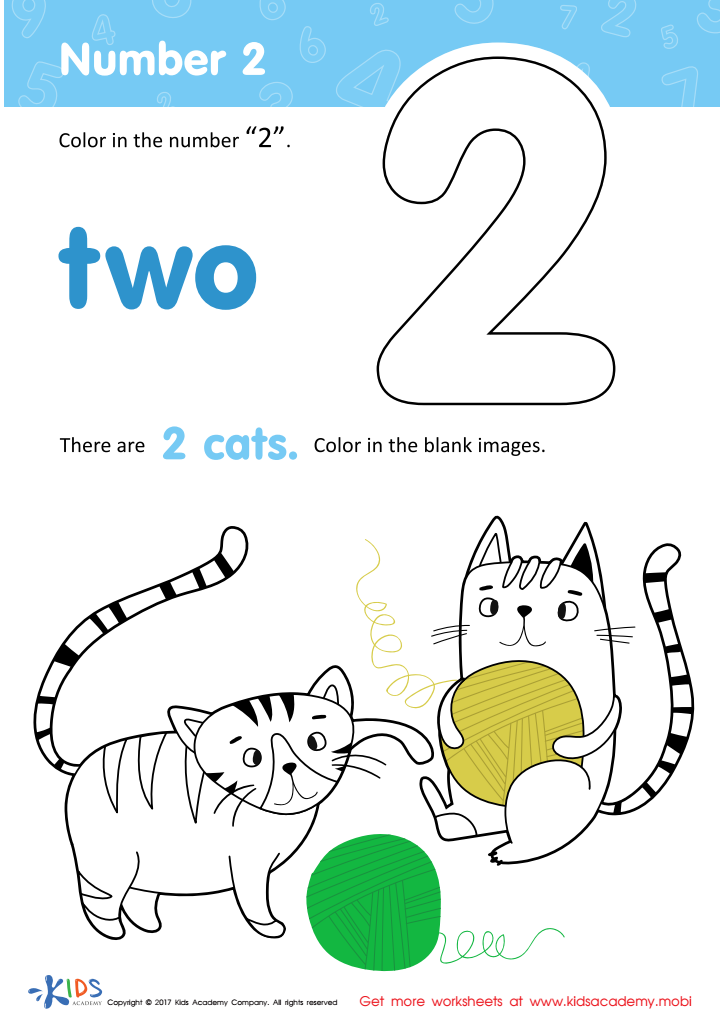
Number 2 Printable
 Assign to My Students
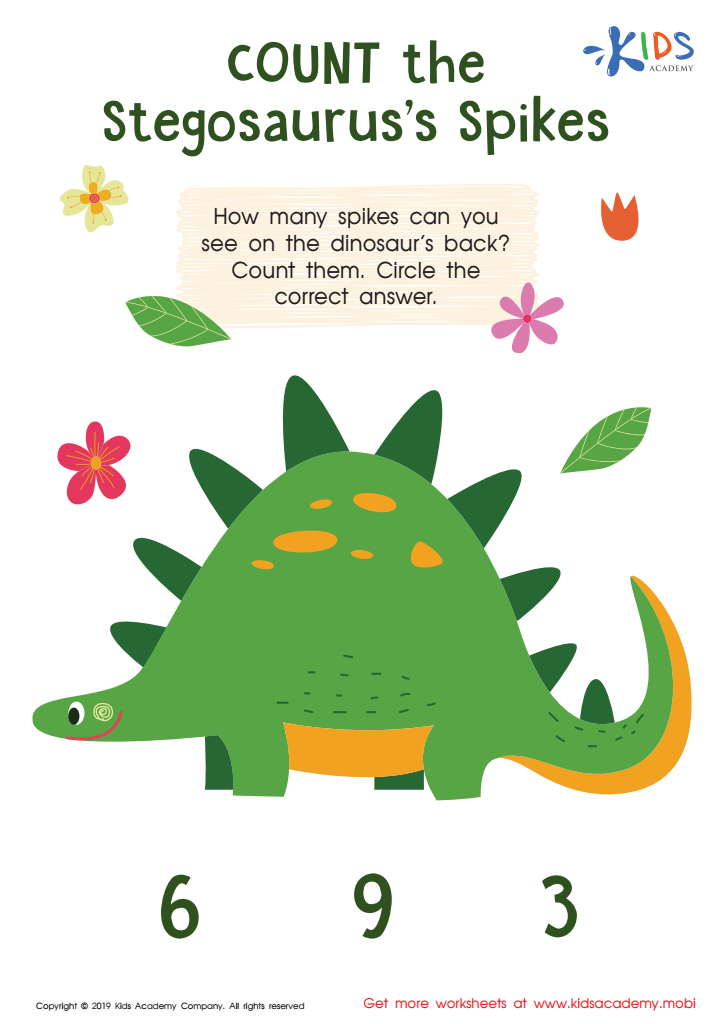
Count the Stegosaurus's Spikes Worksheet
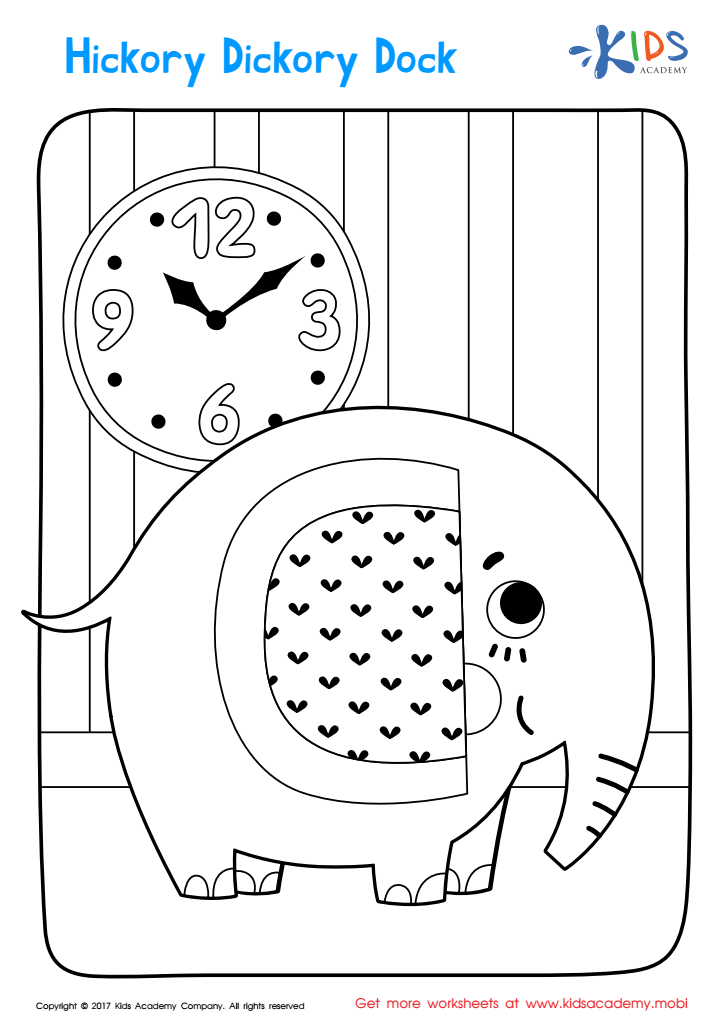
Hickory Dickory Dock Coloring Page
Assign to My Students
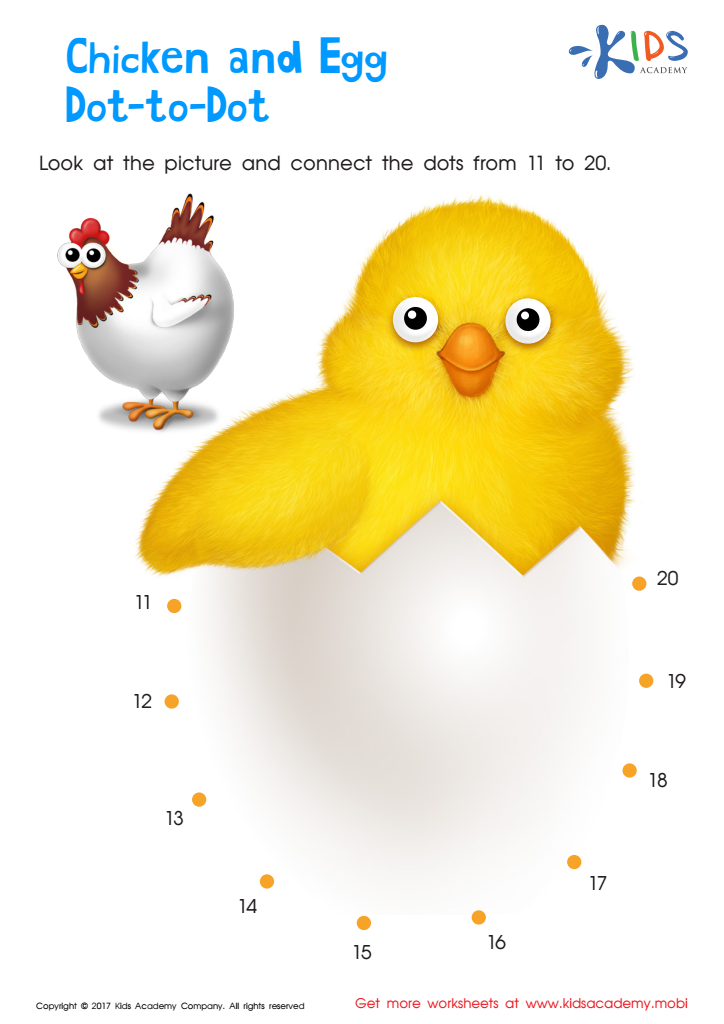
Ordering 11–20: Chicken & Egg Dot–to–dot Worksheet
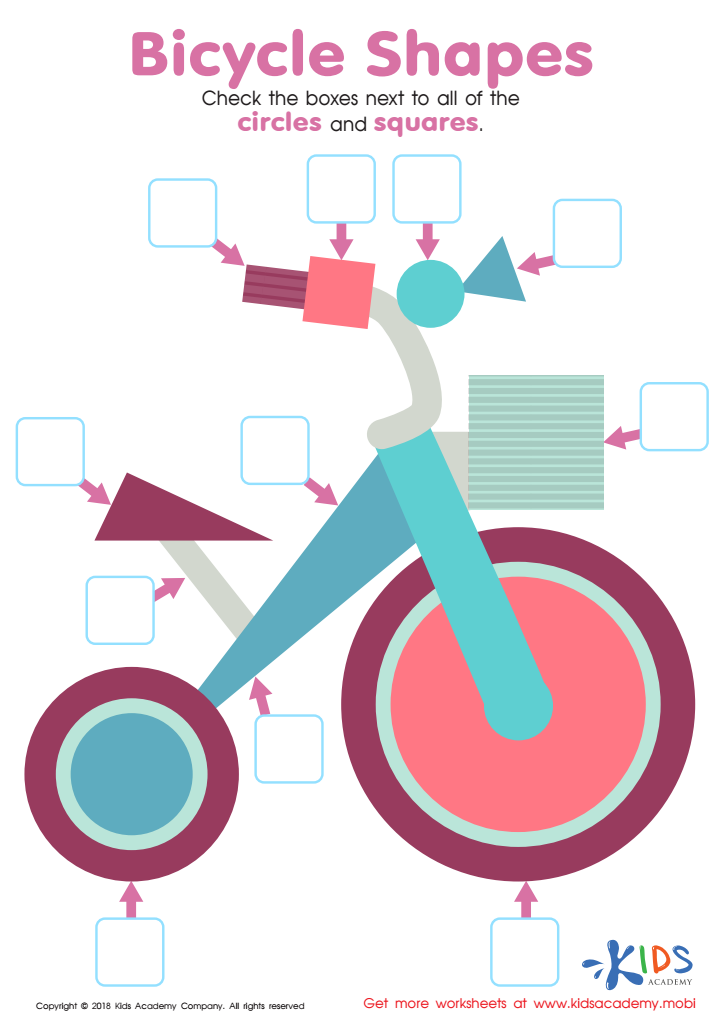
Bicycle Shapes Worksheet
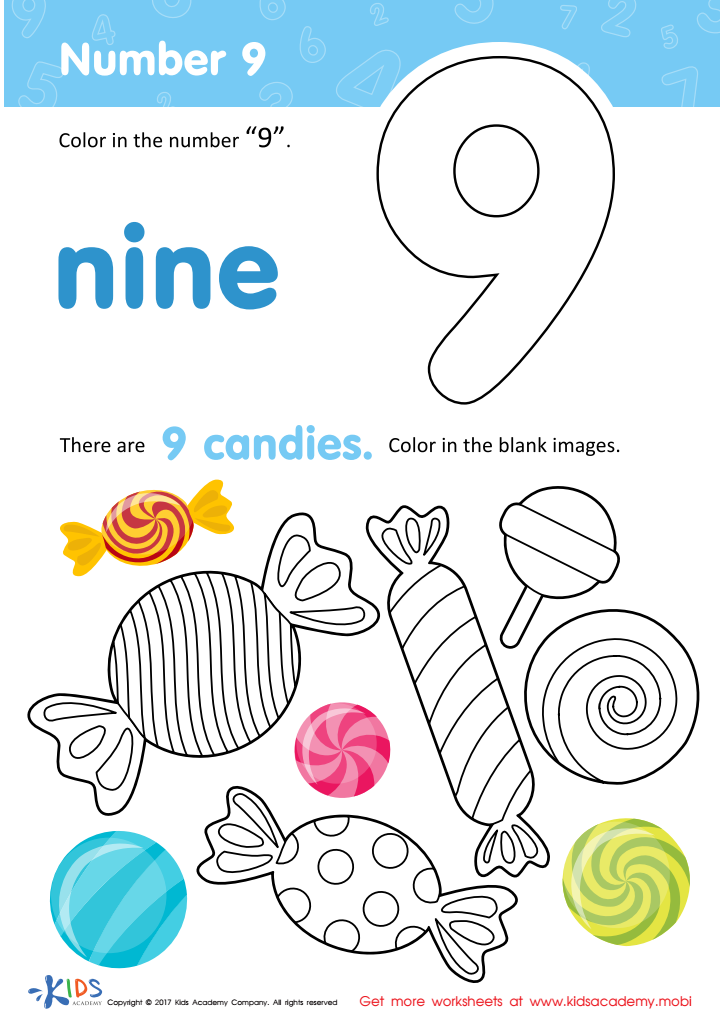
Number 9 Printable
Assign to My Students
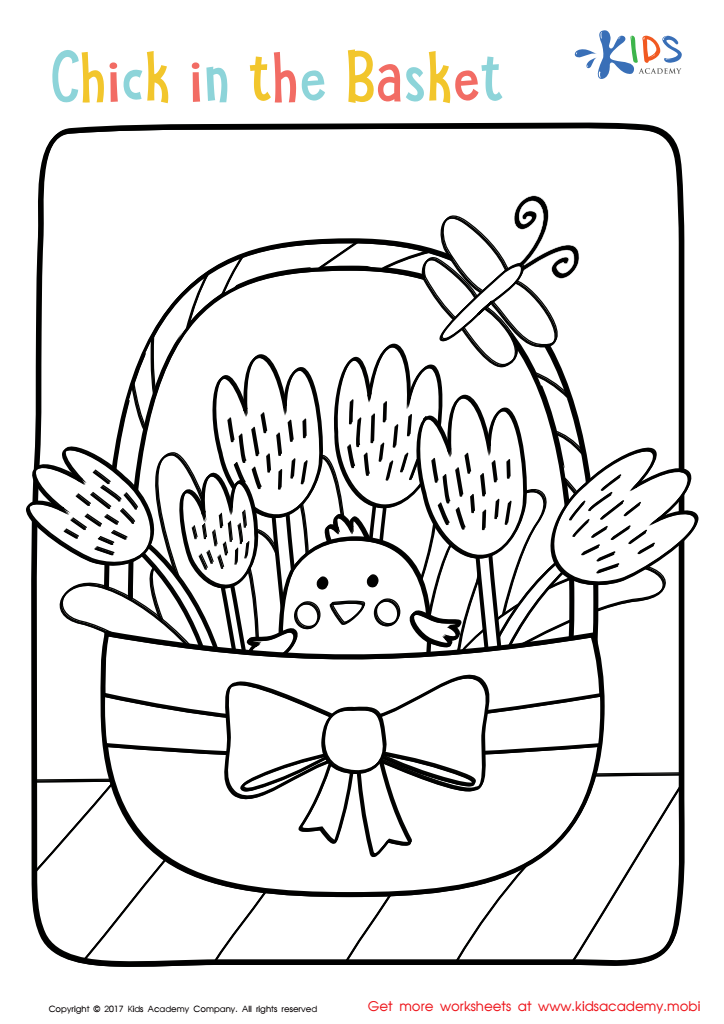
Easter: Chick in the Basket Worksheet
Assign to My Students
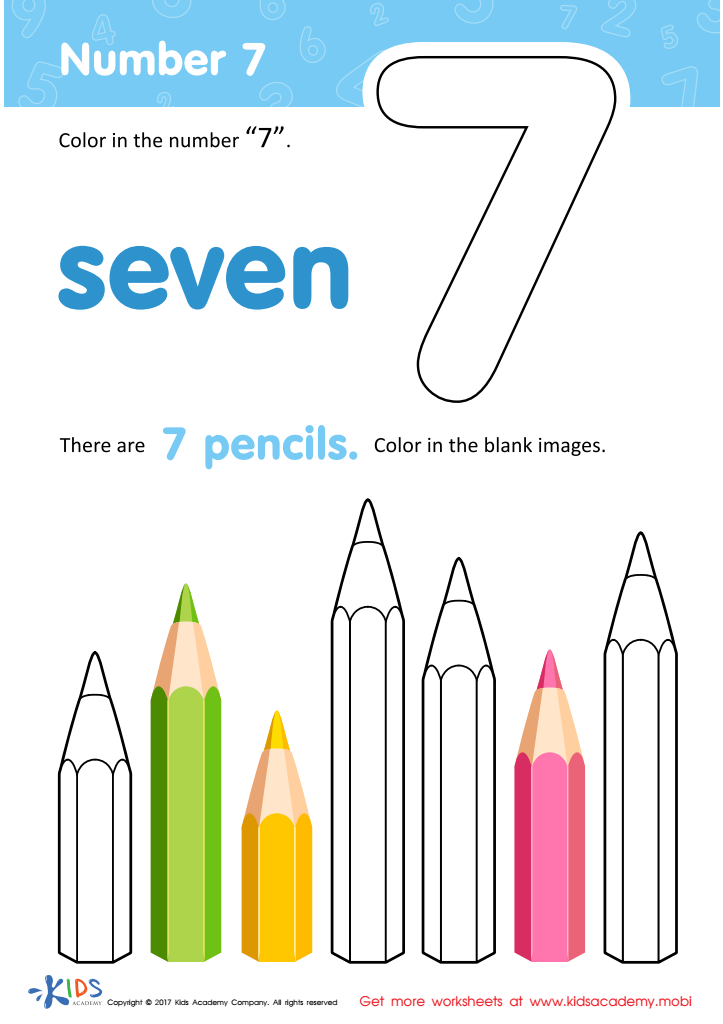
Number 7 Worksheet
Assign to My Students
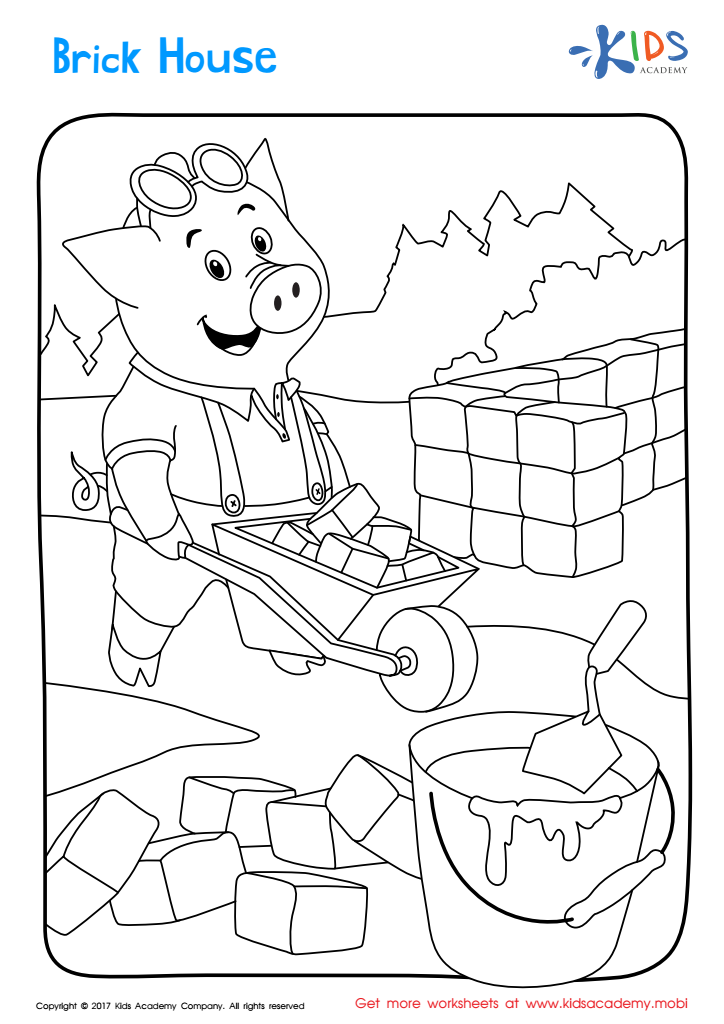
Brick House Printable Coloring Page
Assign to My Students
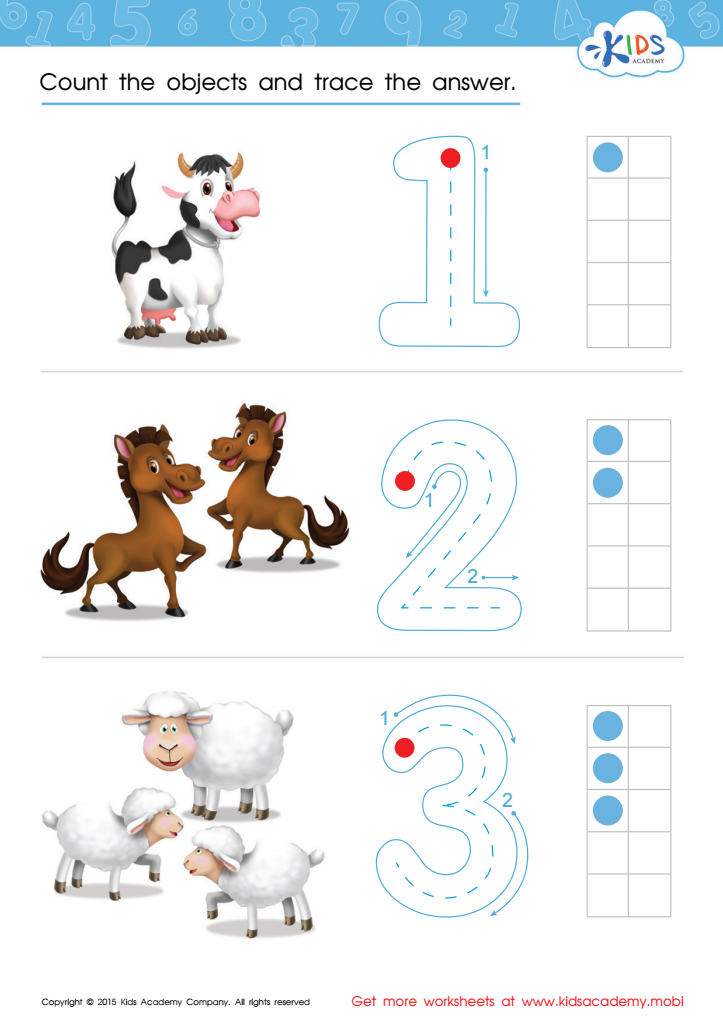
Count and Trace 1 – 3 Worksheet
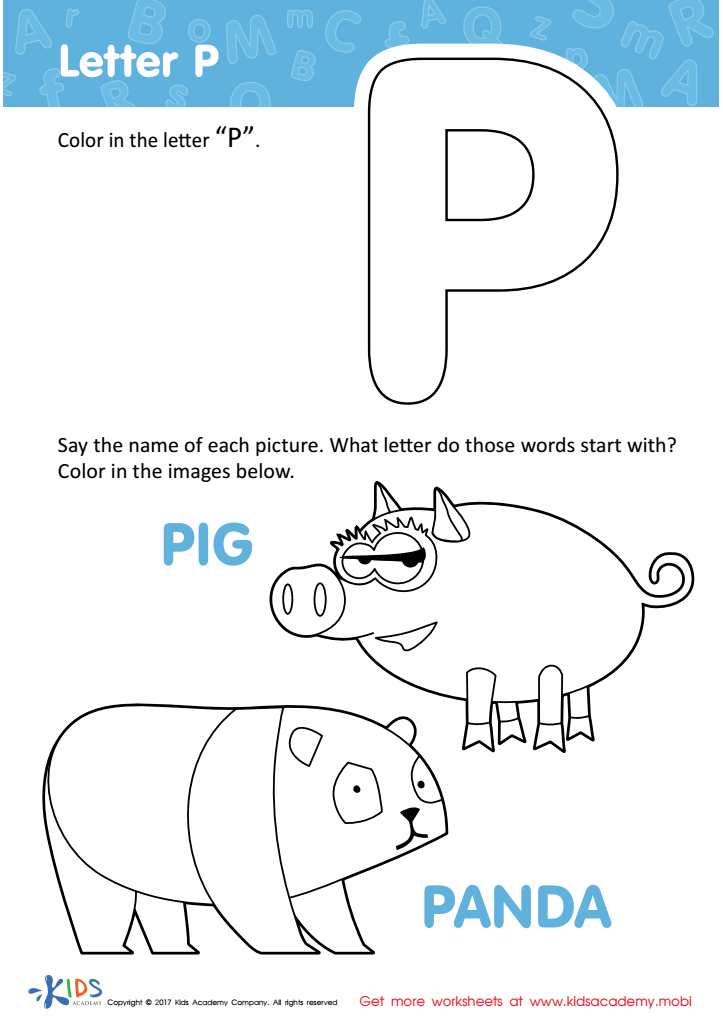
Letter P Coloring Sheet
Assign to My Students
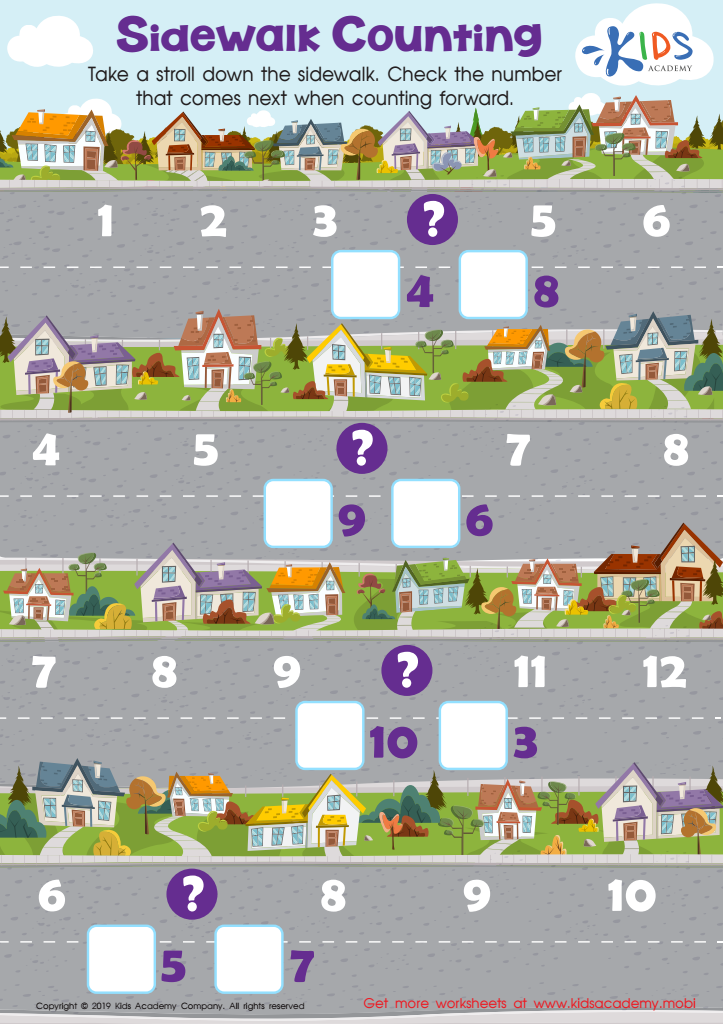
Sidewalk Counting Worksheet

Deer Tracing Winter Words Worksheet
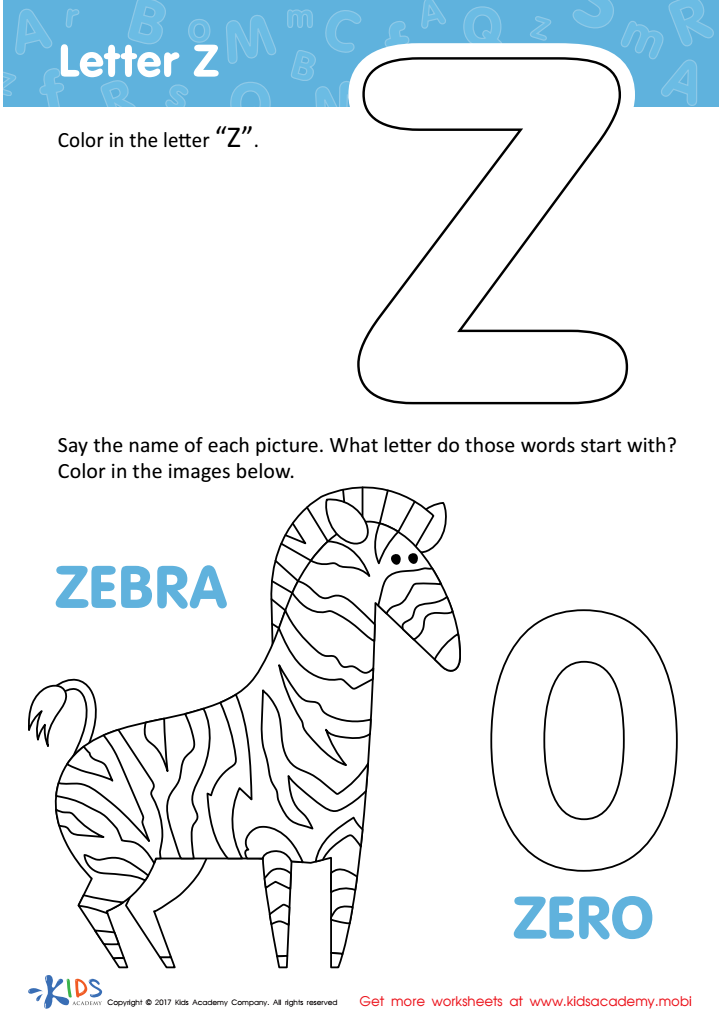
Letter Z Coloring Sheet
Assign to My Students
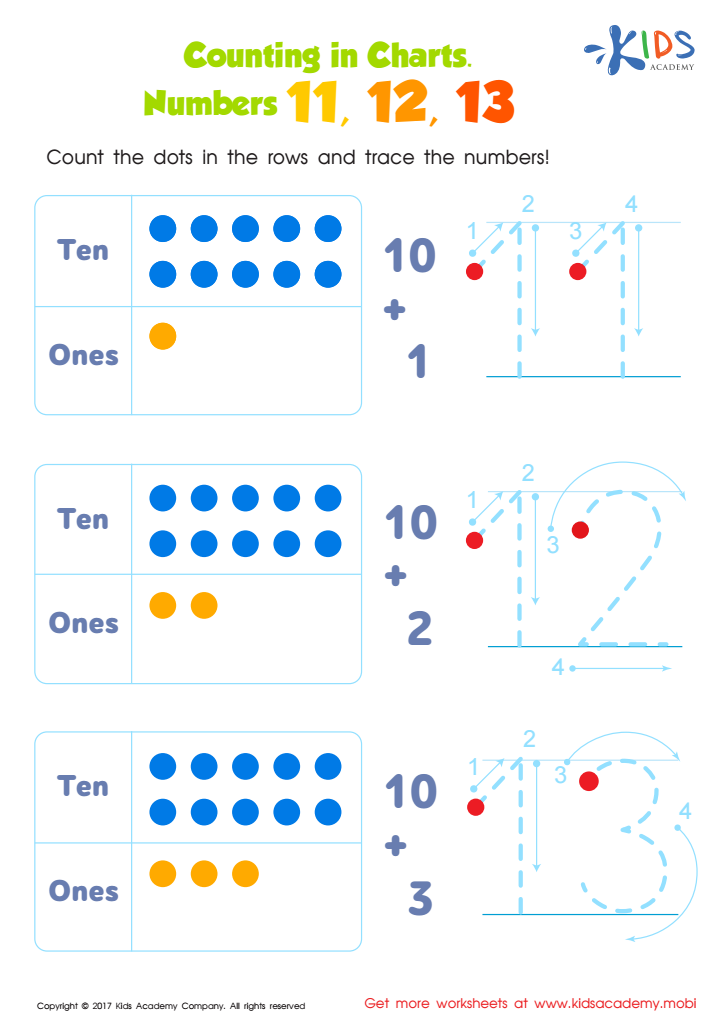
Number Tracing Worksheet For Kindergarten
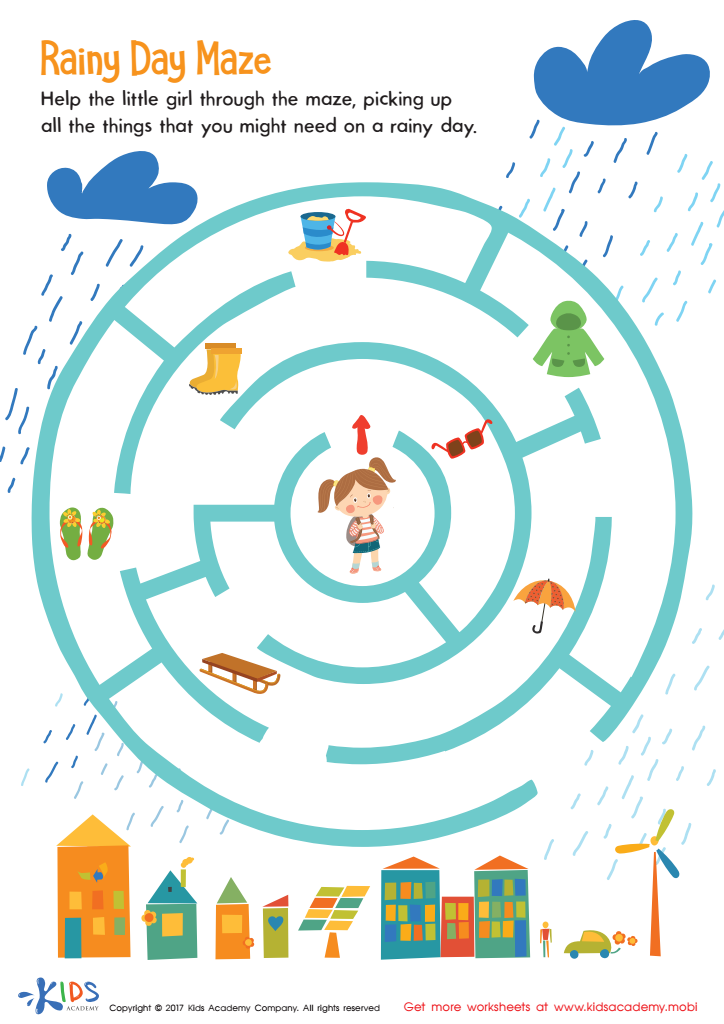
Rainy Day Maze Worksheet

Eight Geese Worksheet

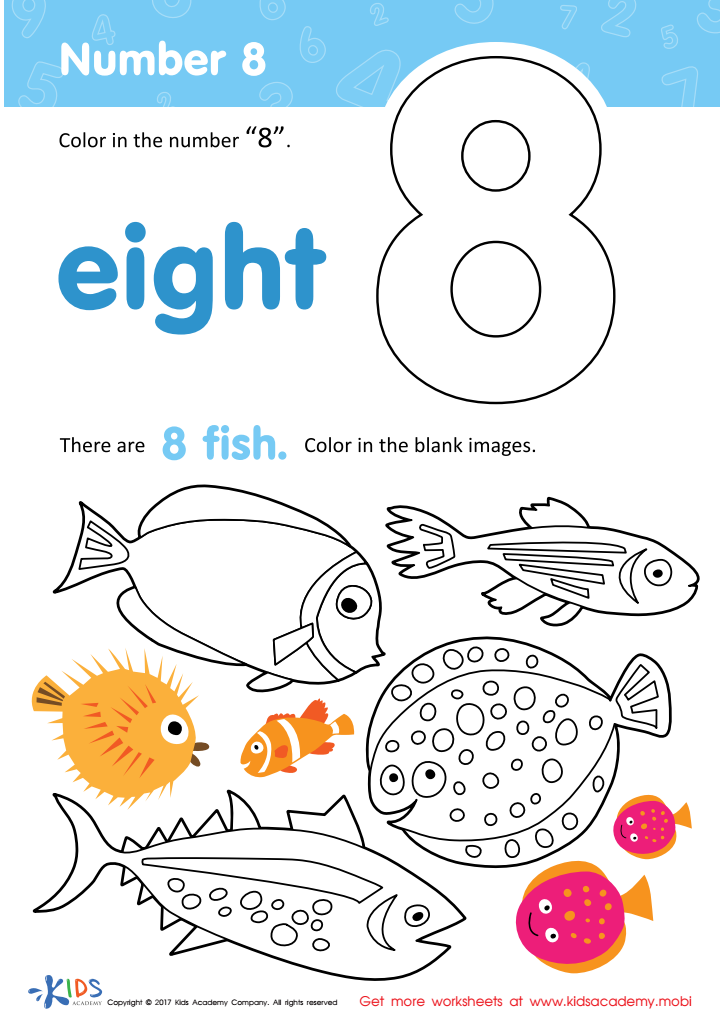
Number 8 Printable
Assign to My Students
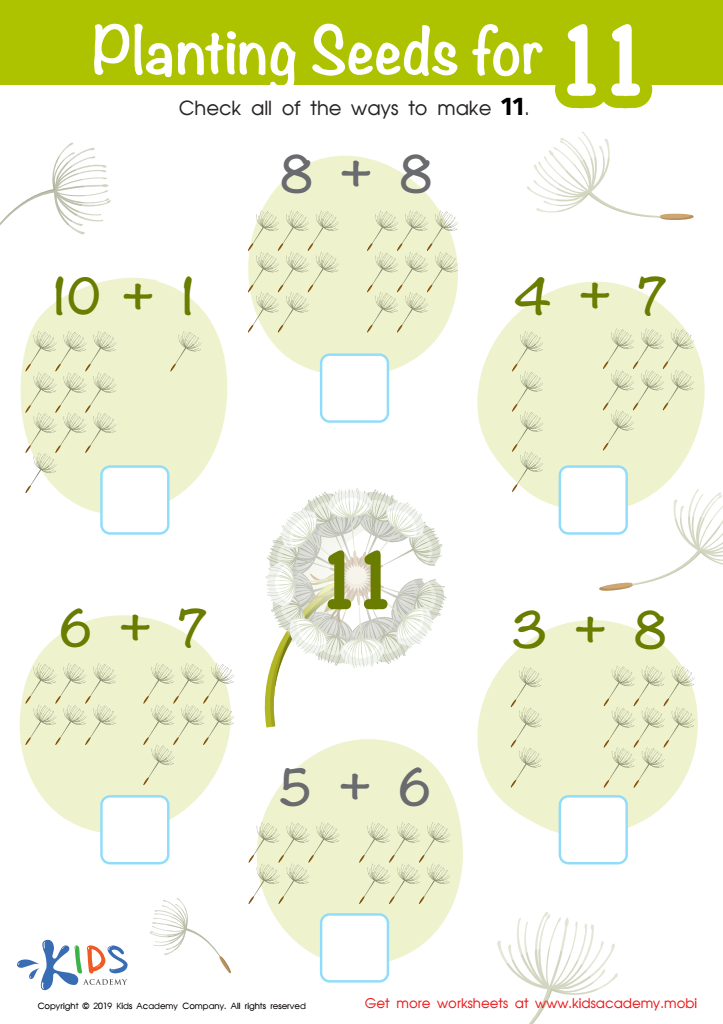
Planting Seeds for 11 Worksheet
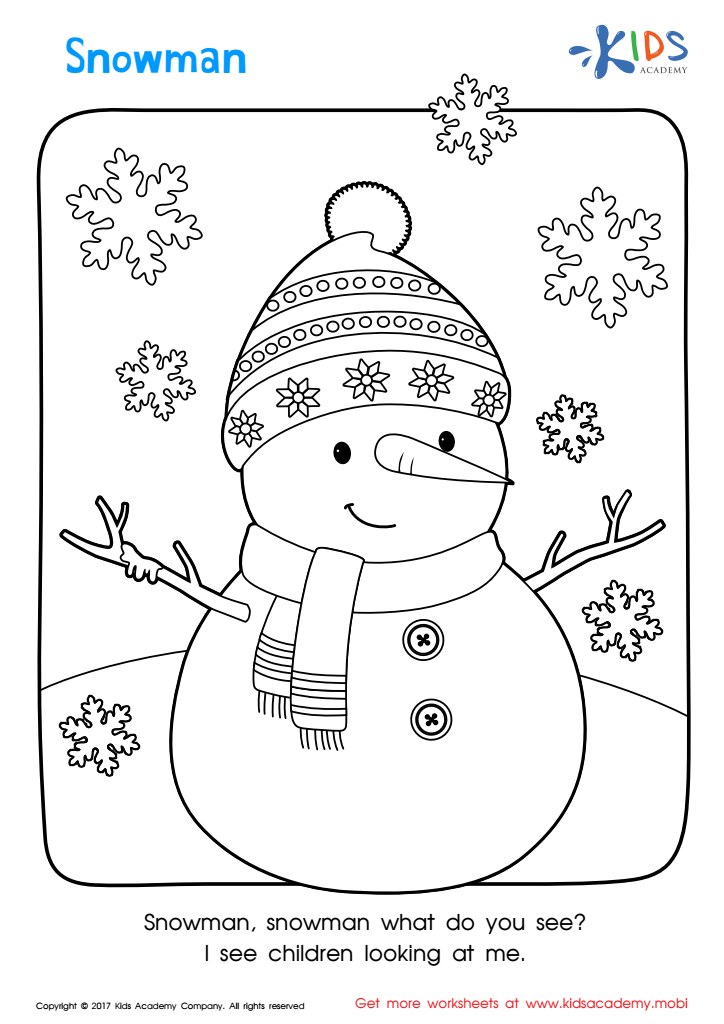
Christmas: Snowman Printable
Assign to My Students
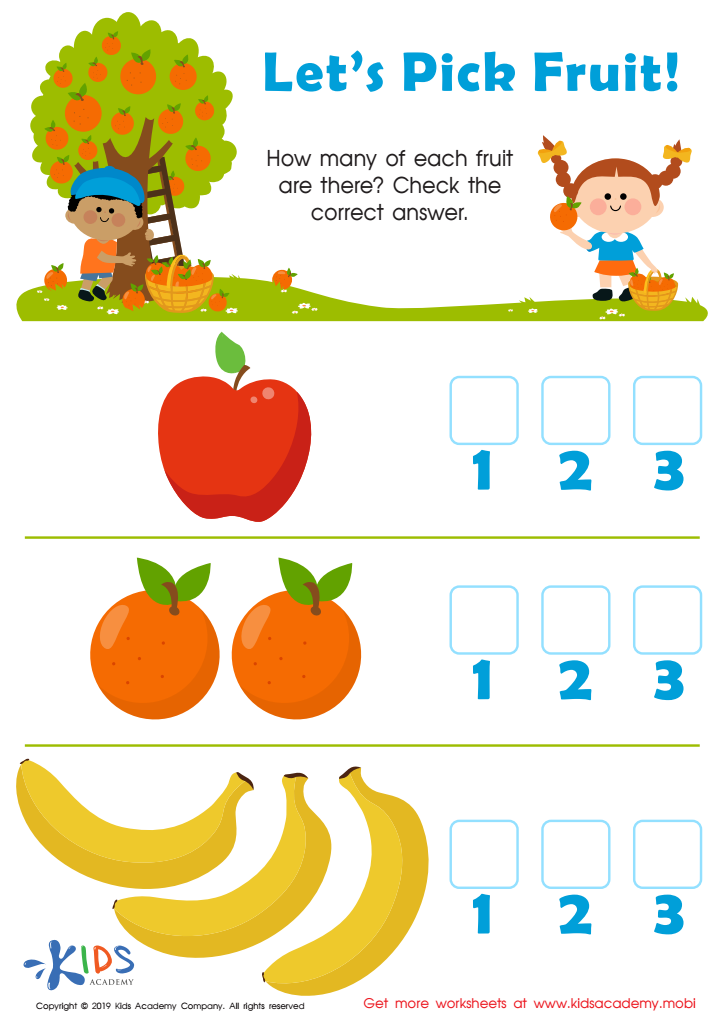
Let's Pick Fruit Worksheet
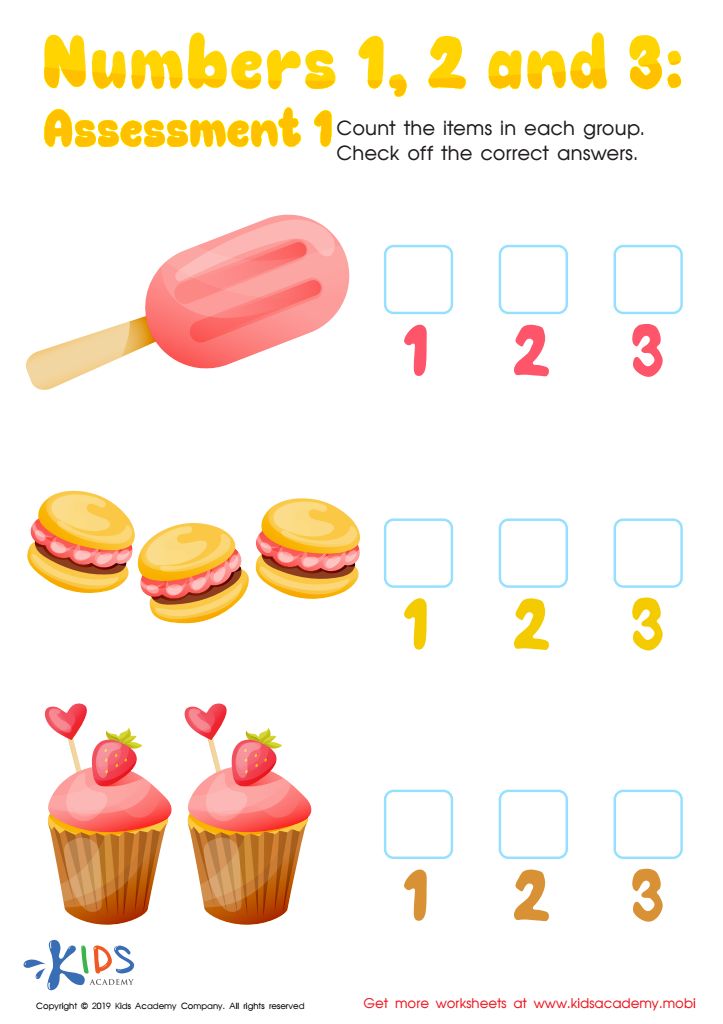
Numbers 1, 2 and 3: Assessment 1 Worksheet





.jpg)


Fine motor skills are crucial for young children's overall development, particularly in kindergarten settings. These skills involve the coordination of small muscles in the hands and fingers, allowing children to engage in activities such as writing, cutting, and manipulating small objects. Parents and teachers should prioritize fostering these abilities because they are foundational for children's educational success and personal independence.
Firstly, strong fine motor skills enhance children's ability to perform everyday tasks, such as buttoning their clothes, zipping jackets, or using utensils—skills necessary for their self-help and confidence. Academically, children with well-developed fine motor skills tend to have an easier time with writing and art projects, aiding in their self-expression and learning.
Moreover, fine motor skill development is linked to cognitive growth. Engaging in activities that promote these skills, such as cutting, drawing, or playing with building blocks, stimulates brain development and improves concentration, creativity, and problem-solving abilities.
In summary, nurturing fine motor skills in young children sets a solid foundation for their independence, academic success, and confidence, making it vital for parents and teachers to recognize and support these abilities early on.