Fine Motor Skills Easy Worksheets - Page 4
82 filtered results
-
From - To
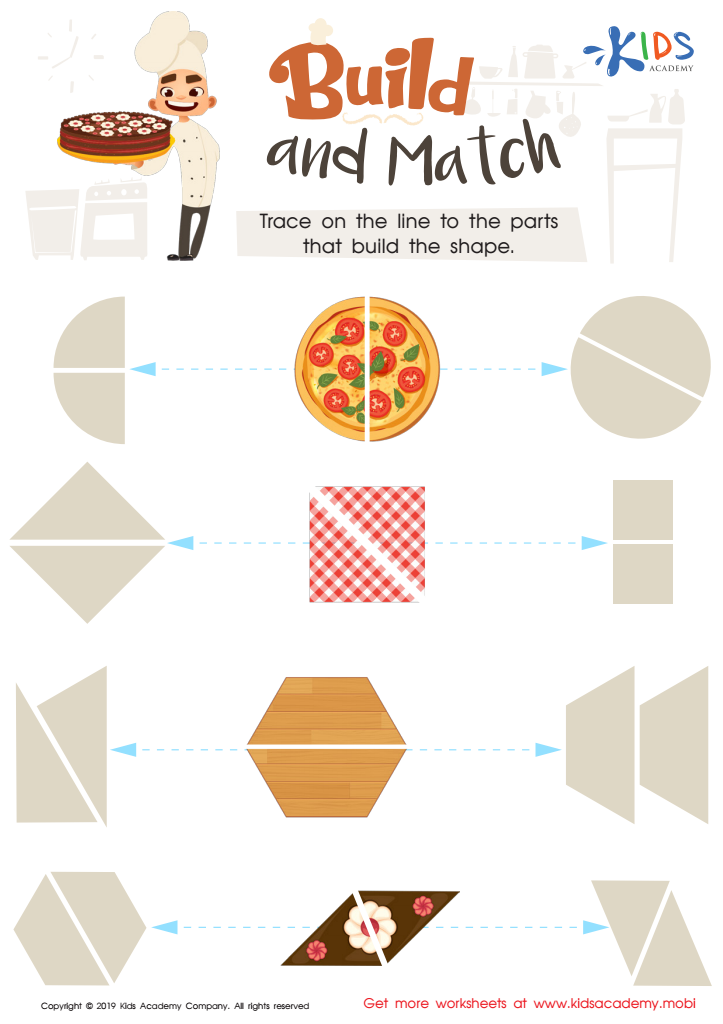
Build and Match Worksheet
 Assign to My Students
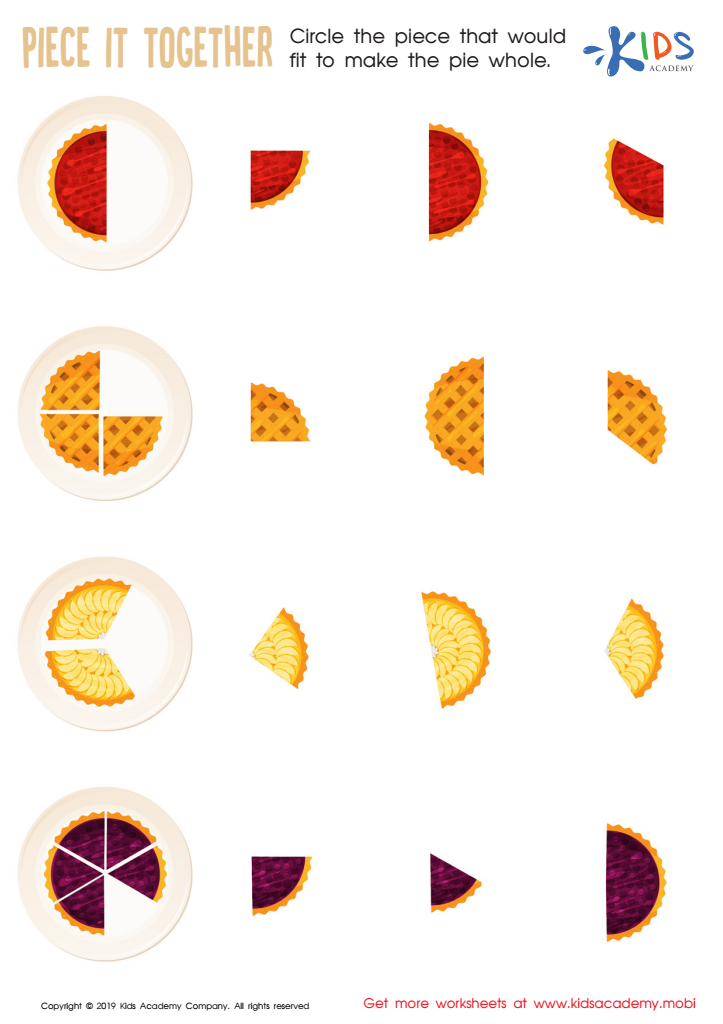
Piece it together Worksheet
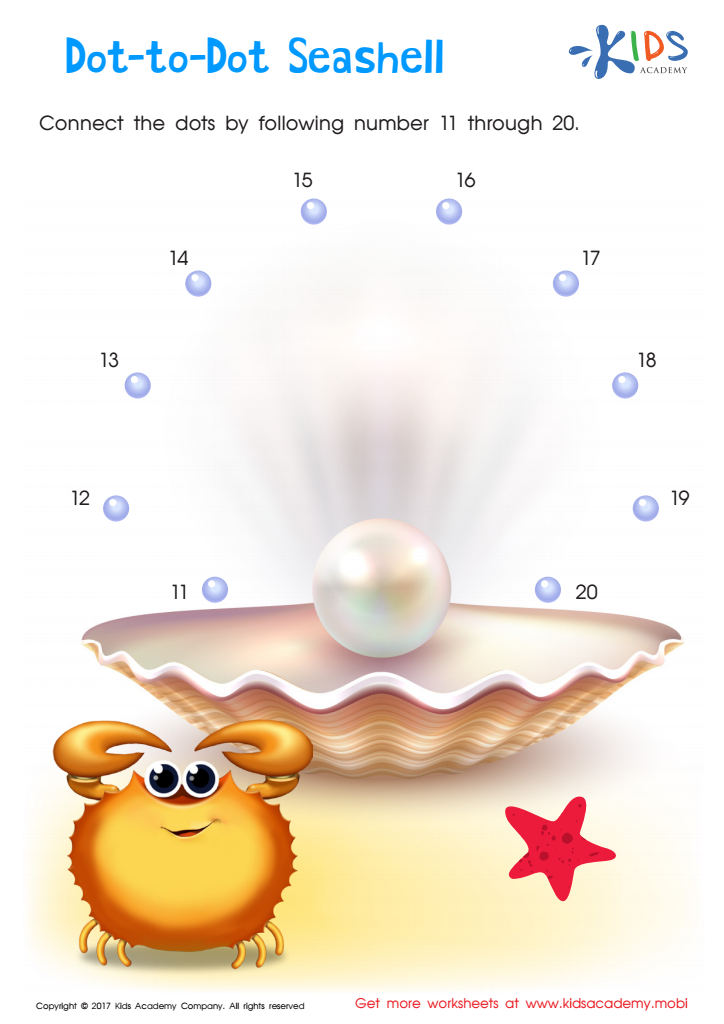
Ordering 11–20: Dot–to–dot Seashell Printable
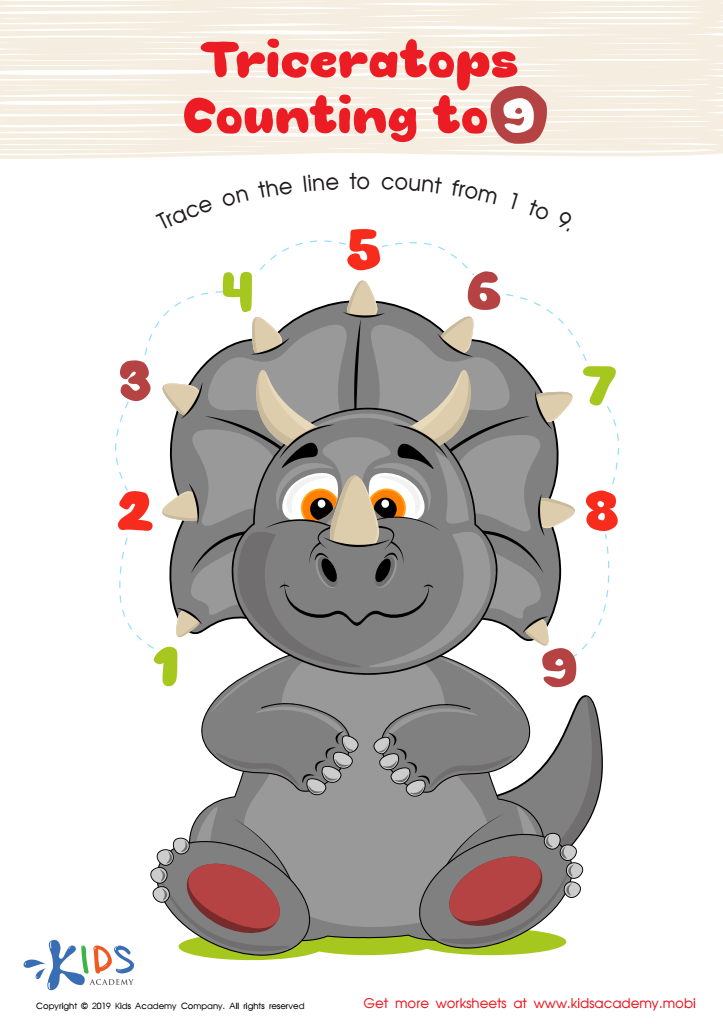
Triceratops Counting to 9 Worksheet

Counting on the City Skyline: Dot-to-Dot Worksheet
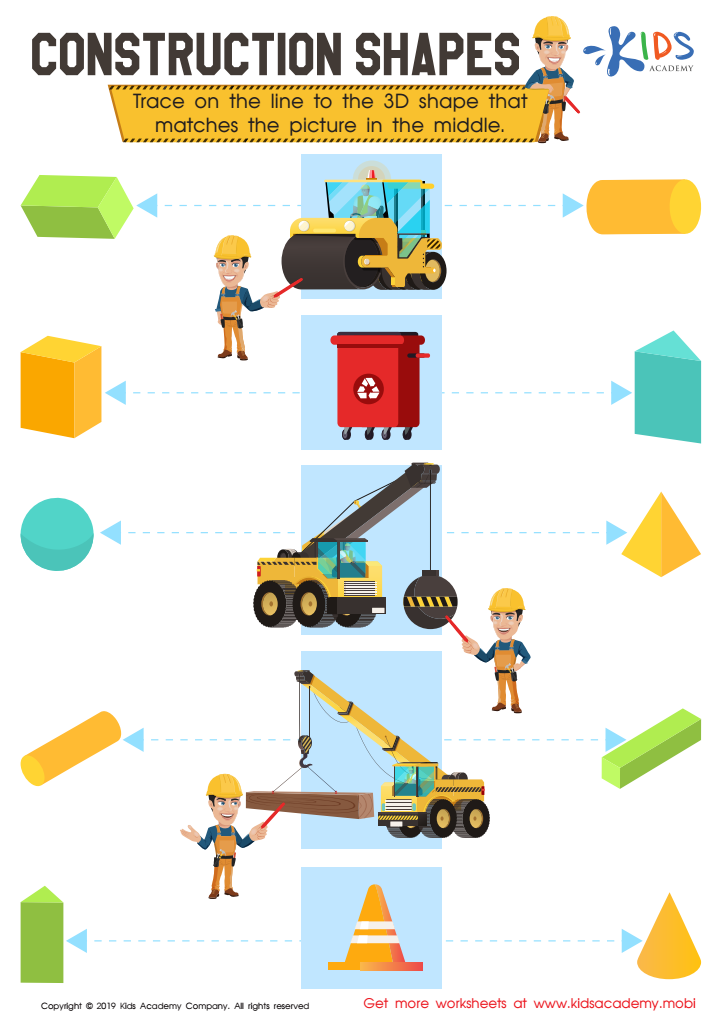
Construction Shapes Worksheet
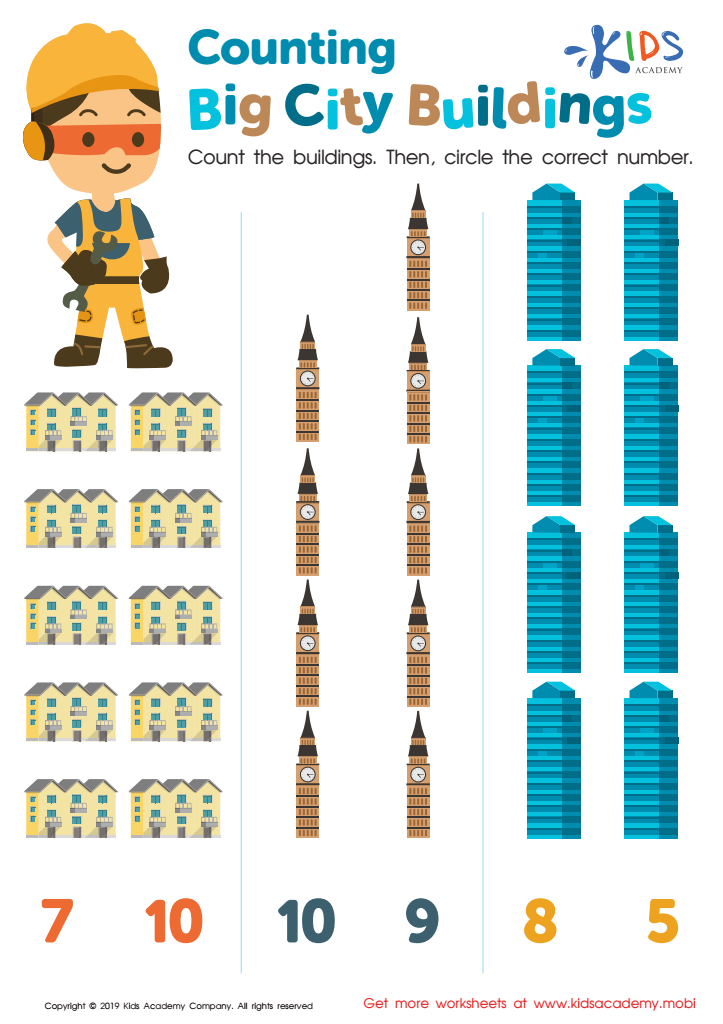
Counting Big City Buildings Worksheet

Night Sky Numbers Worksheet
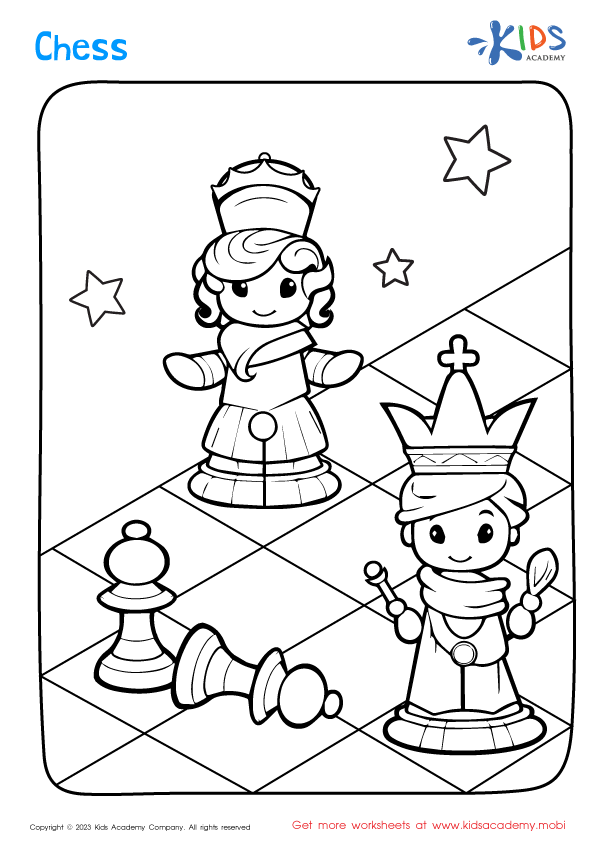
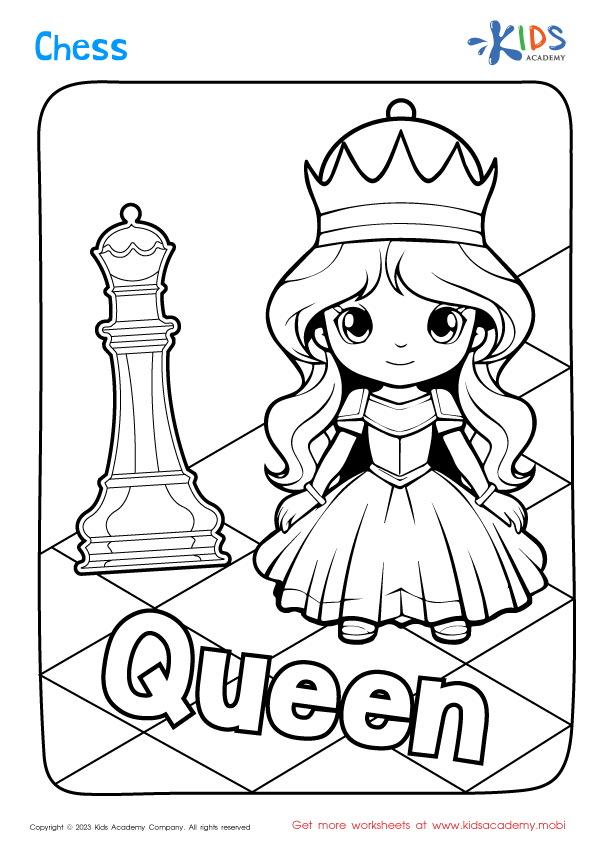


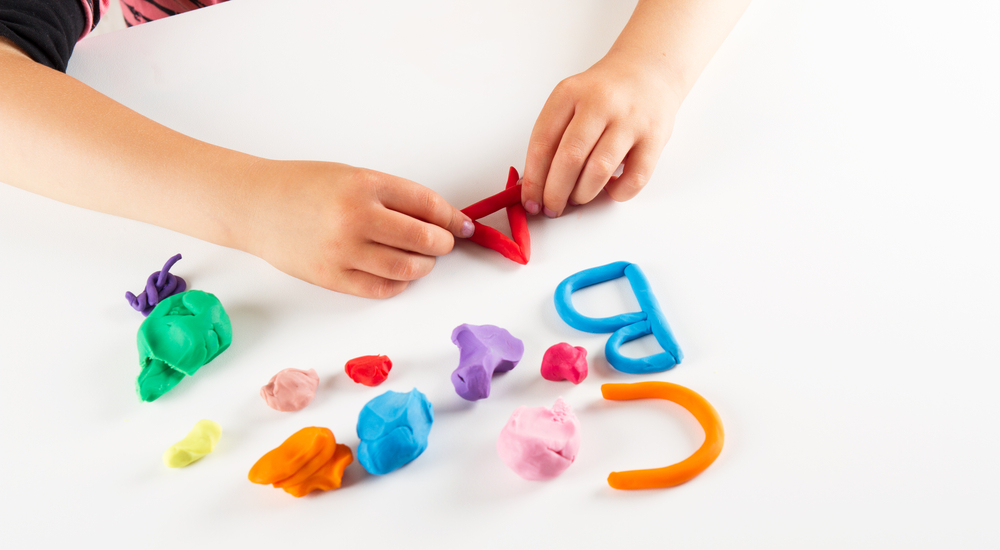





Fine motor skills are essential because they play a crucial role in a child's overall development and everyday functioning. These skills involve the use of small muscles in the hands and fingers, enabling tasks such as writing, buttoning shirts, and using utensils. For parents and teachers, nurturing fine motor skills is vital for several reasons.
Firstly, fine motor skills are foundational for academic success. Skills like writing, drawing, and cutting require coordination and precision, which are developed through practice. Children with strong fine motor skills tend to show greater confidence in school-related tasks.
Secondly, these skills are vital for independence. As children become more capable with their hands, they can complete everyday tasks on their own, boosting their self-esteem and encouraging autonomy.
Moreover, engaging in activities that refine fine motor skills—such as drawing, crafting, and playing with building blocks—enhances cognitive development and creativity.
Ultimately, fostering fine motor skills sets the stage for lifelong learning, self-sufficiency, and an enriched quality of life. By encouraging activities that promote these skills, parents and teachers can help children thrive both academically and personally.








