Fine Motor Skills Grade 1 Math Worksheets - Page 2
47 filtered results
-
From - To
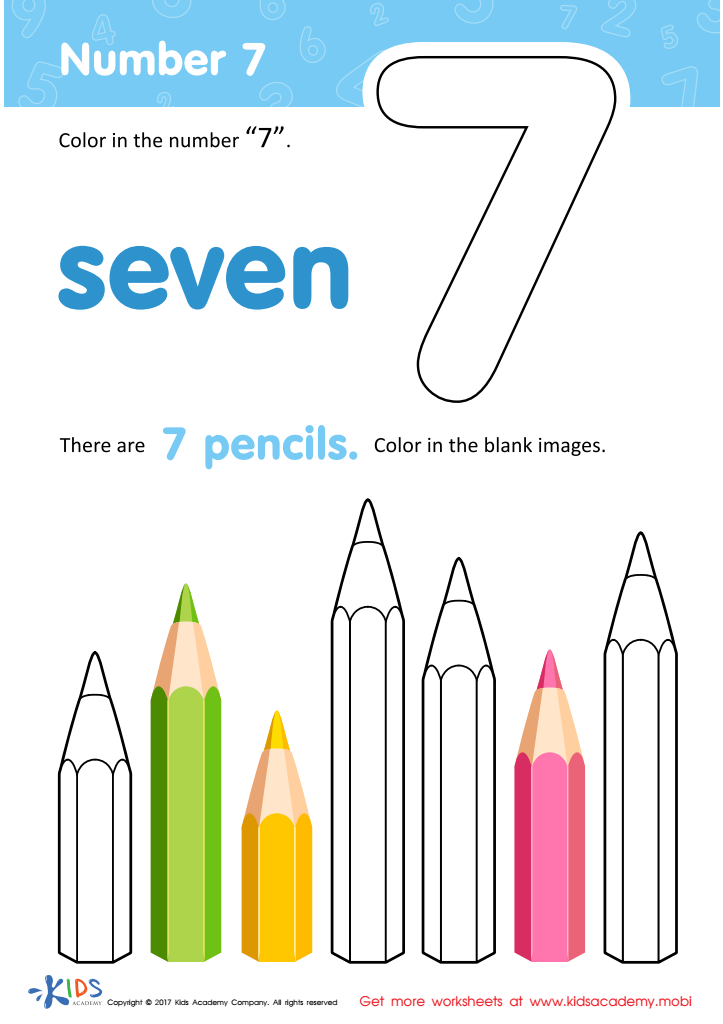
Number 7 Worksheet
 Assign to My Students
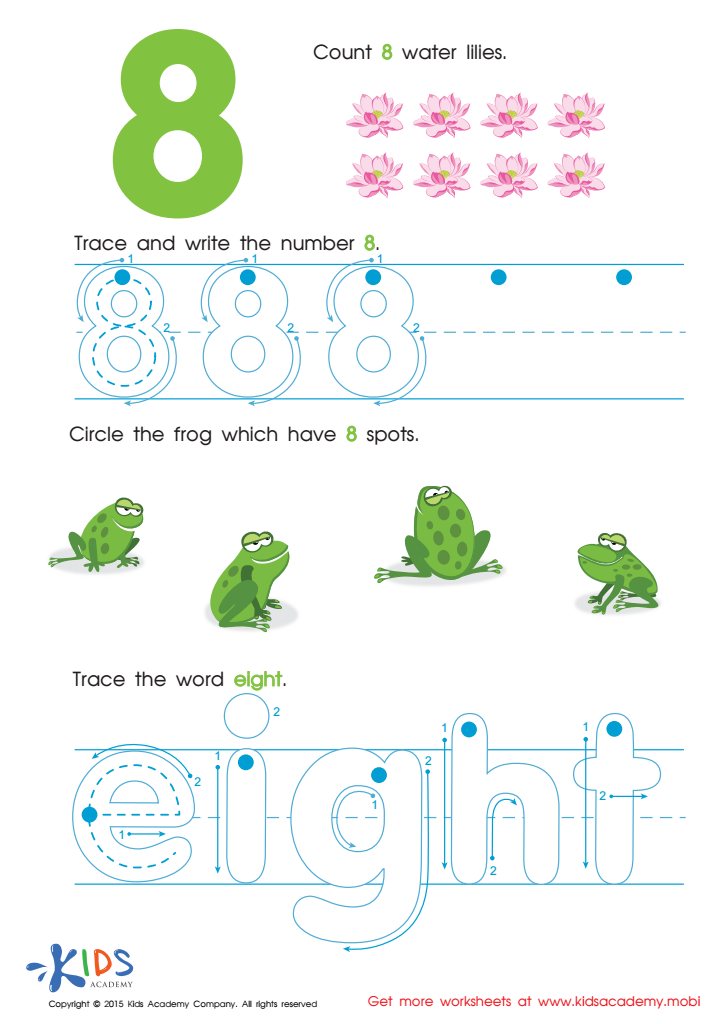
Learn Number 8 Easily Worksheet
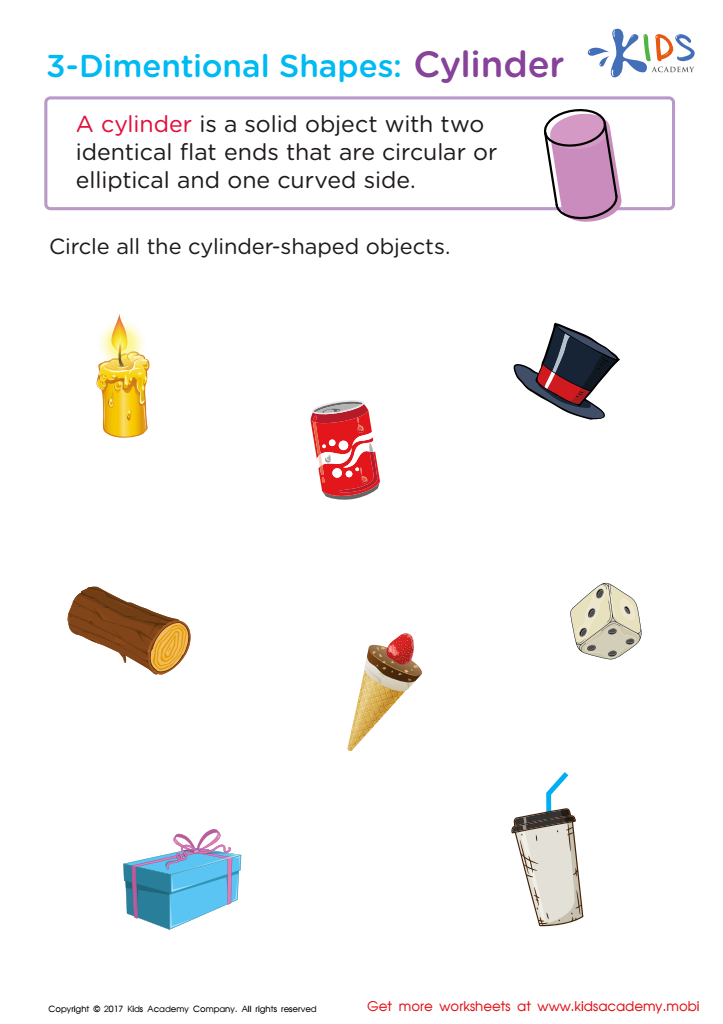
Three–Dimensional Shapes: Cylinder Worksheet
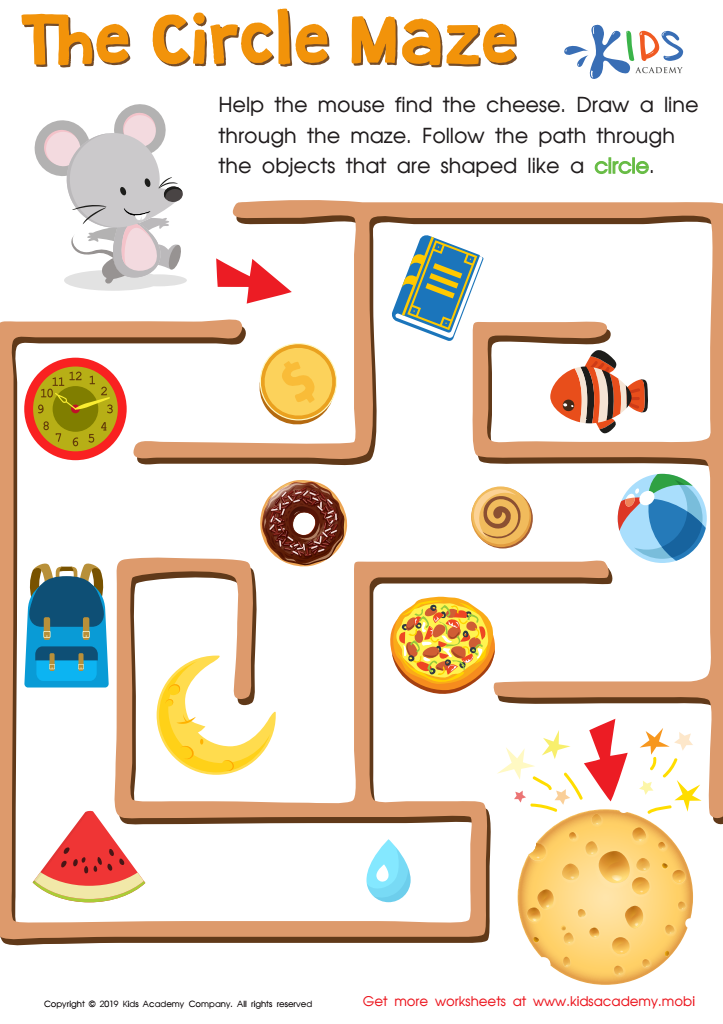
The Circle Maze Worksheet
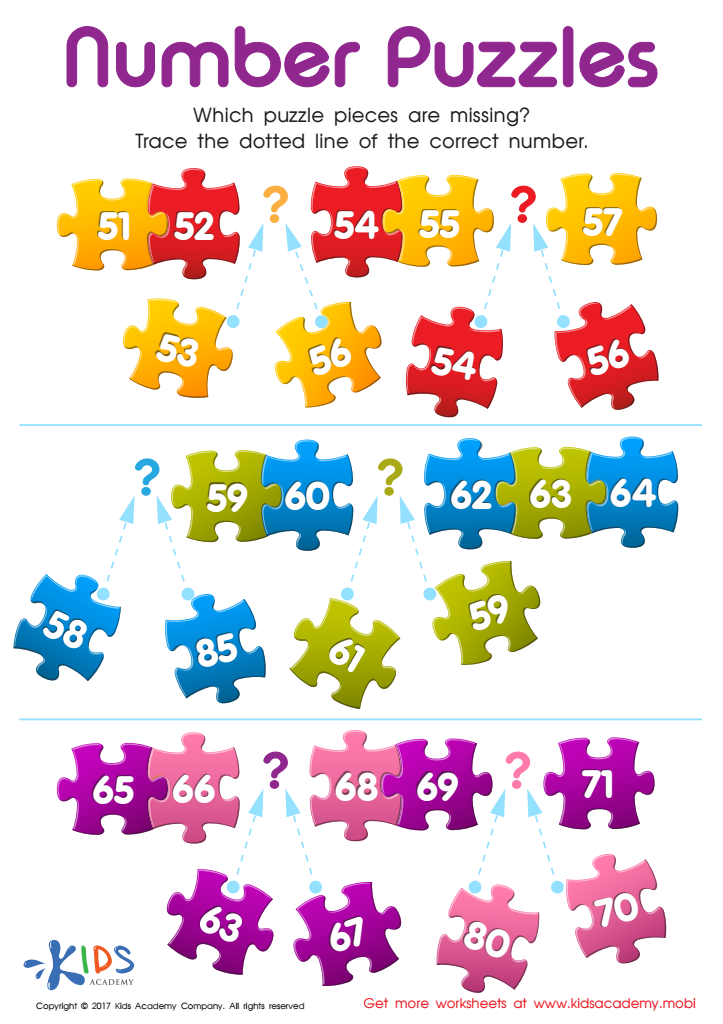
Number Puzzles Worksheet
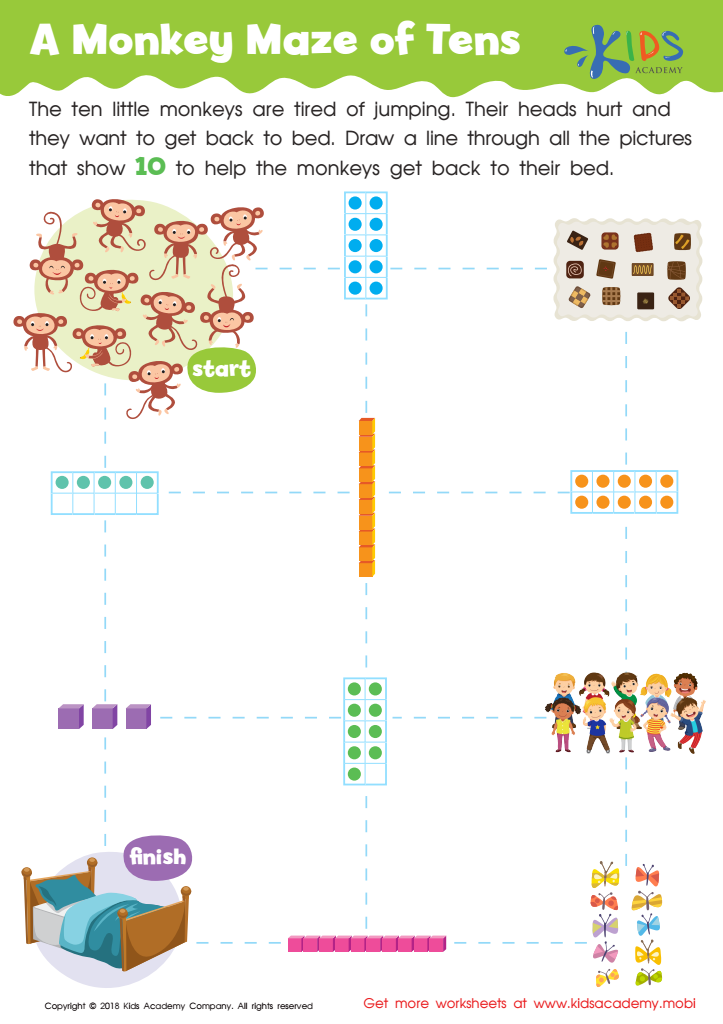
A Monkey Maze of Tens Worksheet
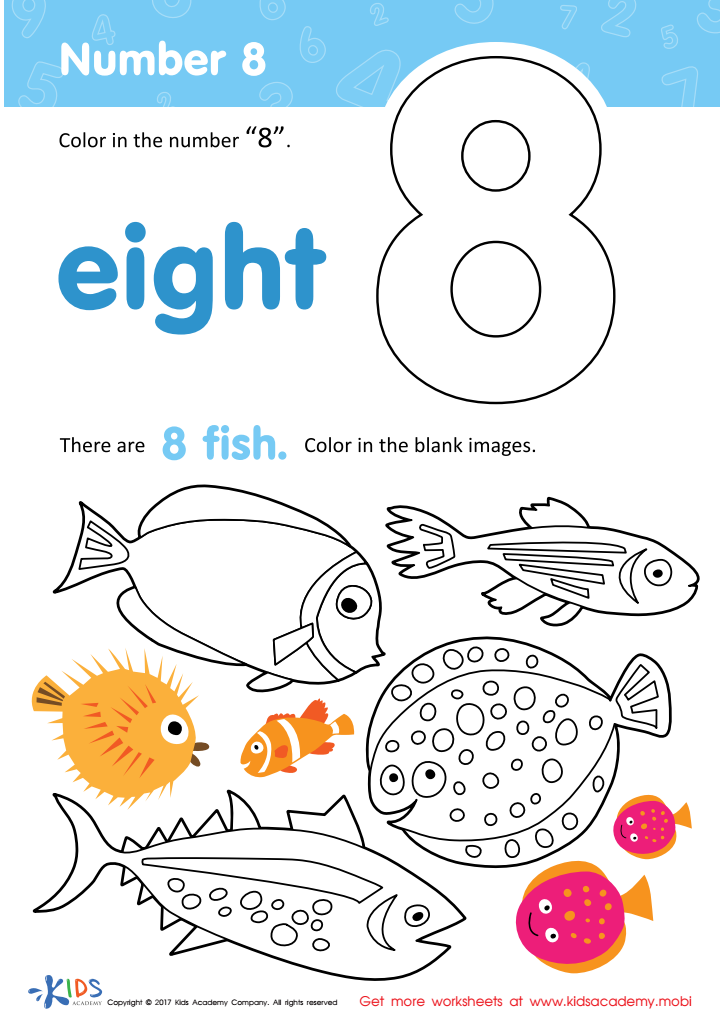
Number 8 Printable
Assign to My Students
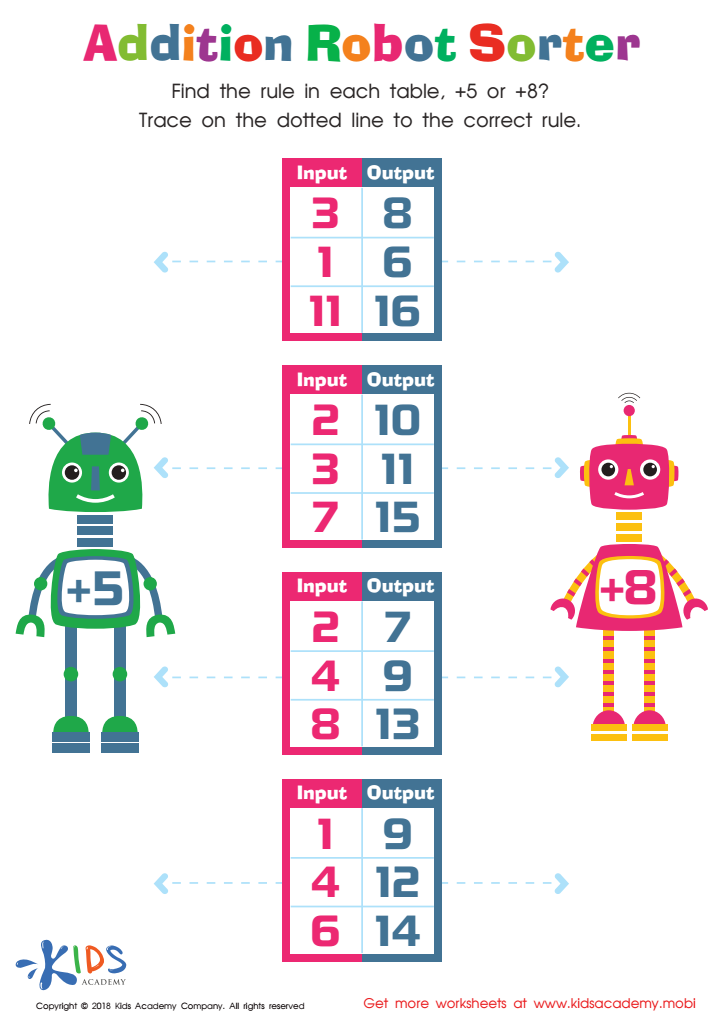
Addition Robot Sorter Worksheet
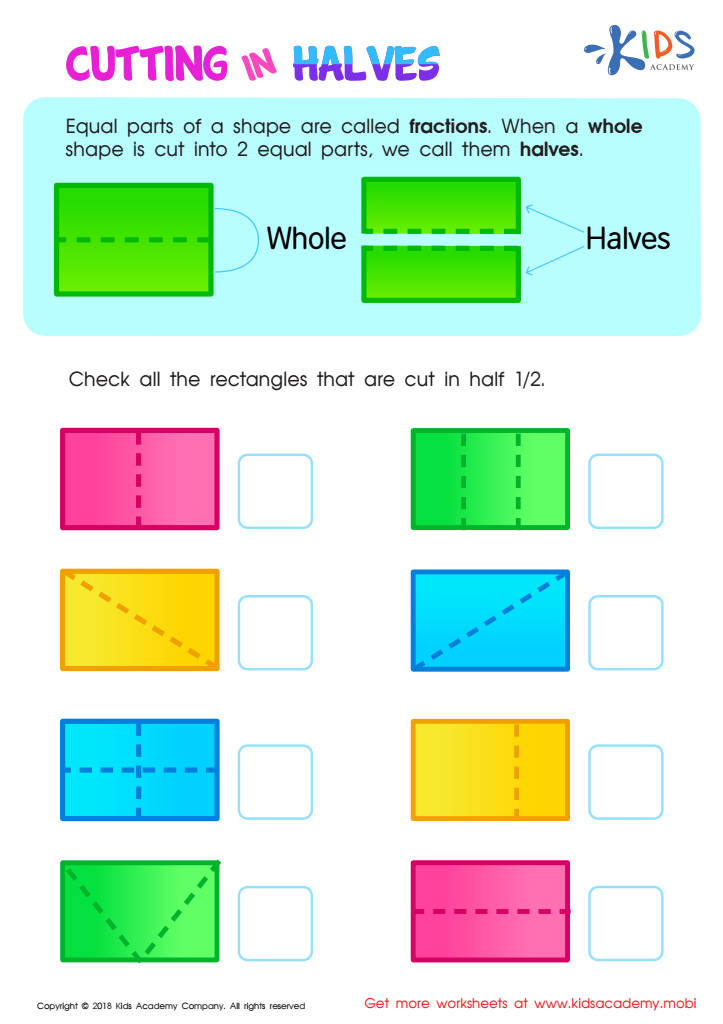
Cutting in Halves Worksheet
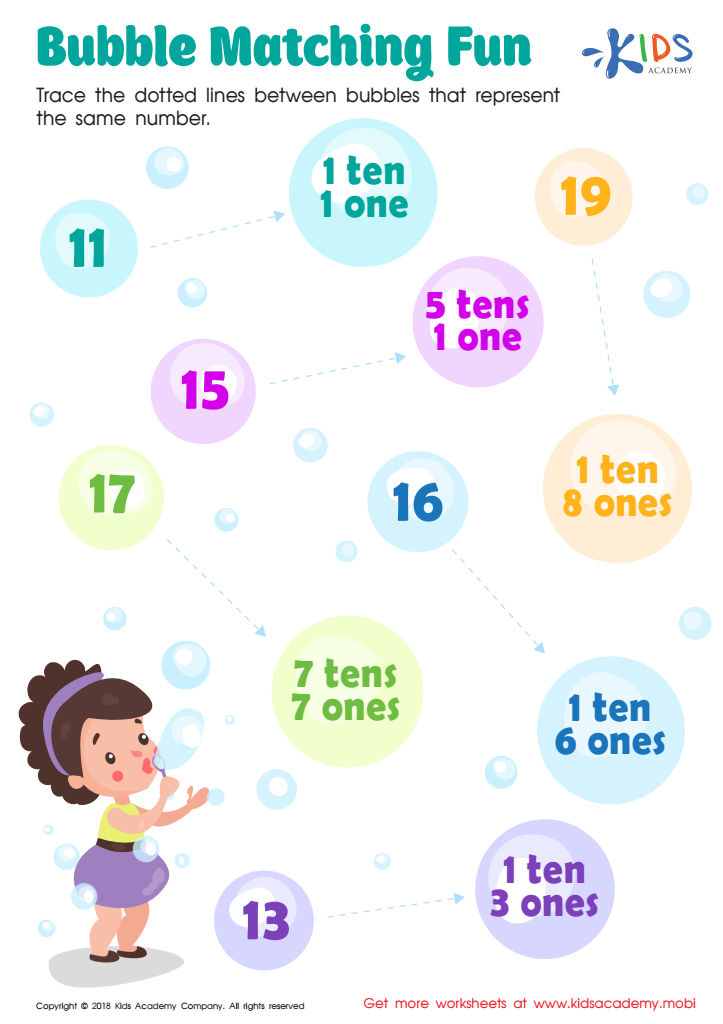
Bubble Matching Fun Worksheet
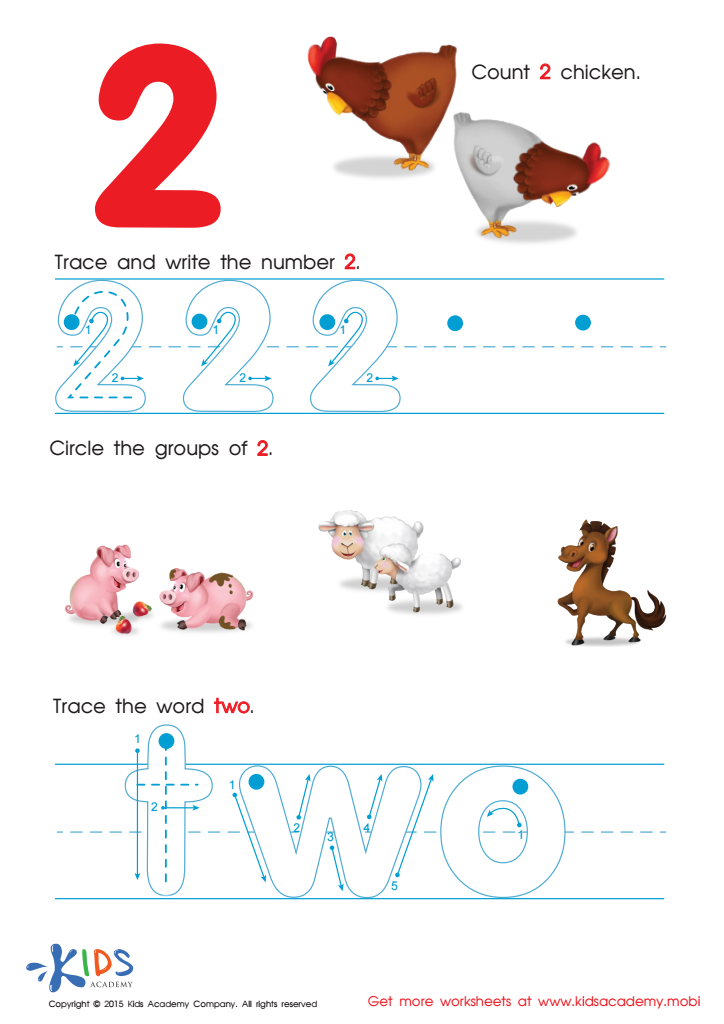
Learn to Write the Number 2 Worksheet
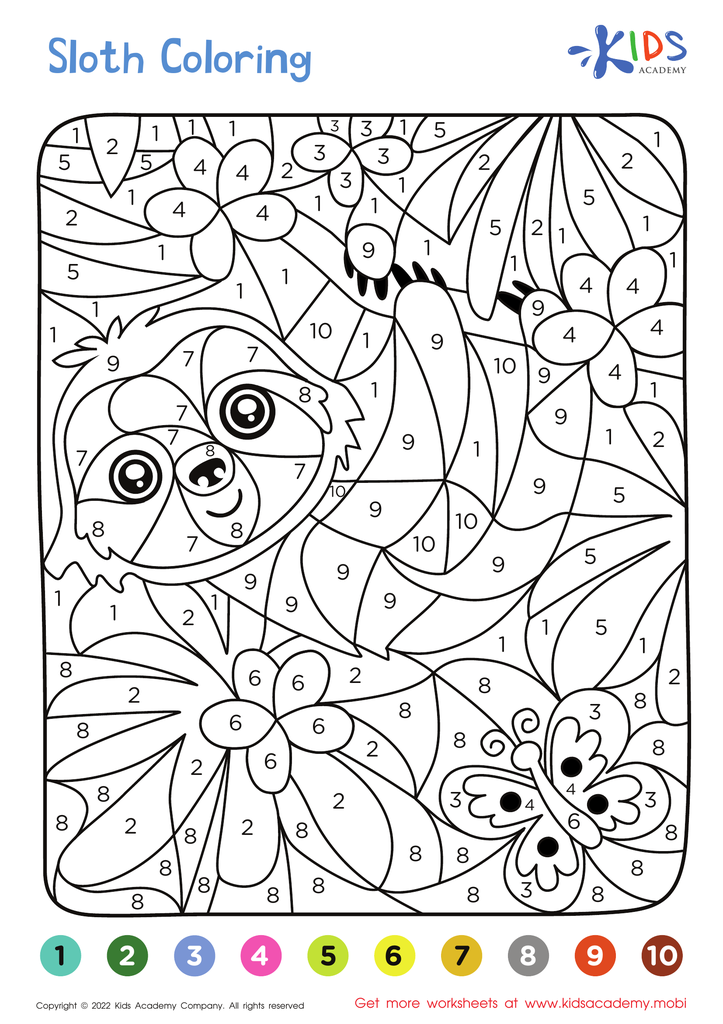
Sloth – Coloring by Numbers
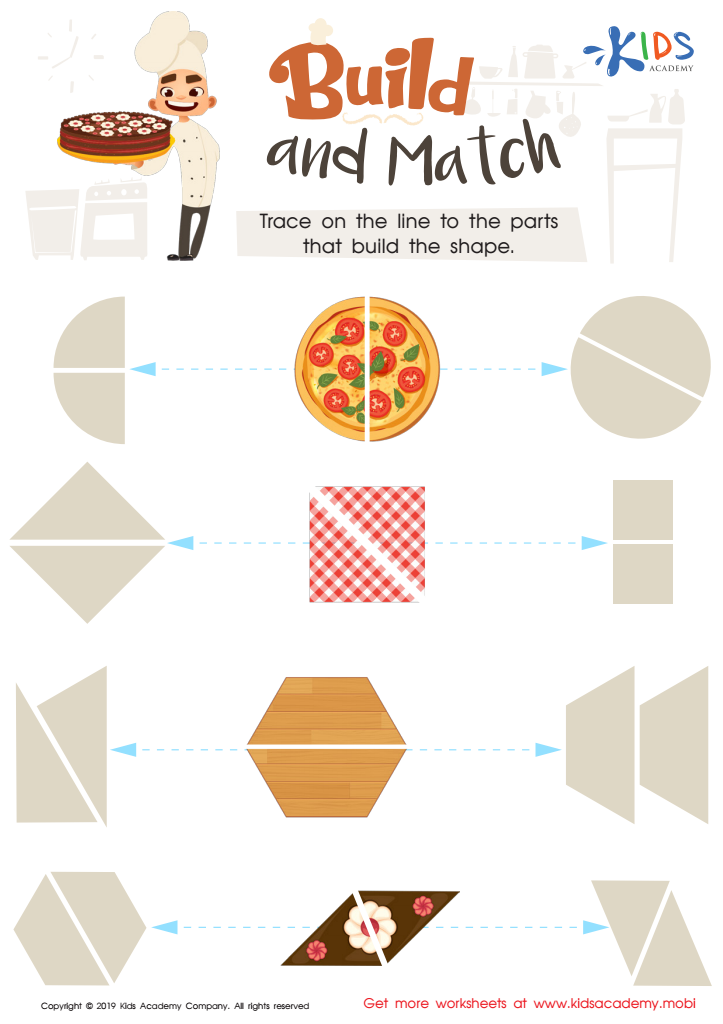
Build and Match Worksheet
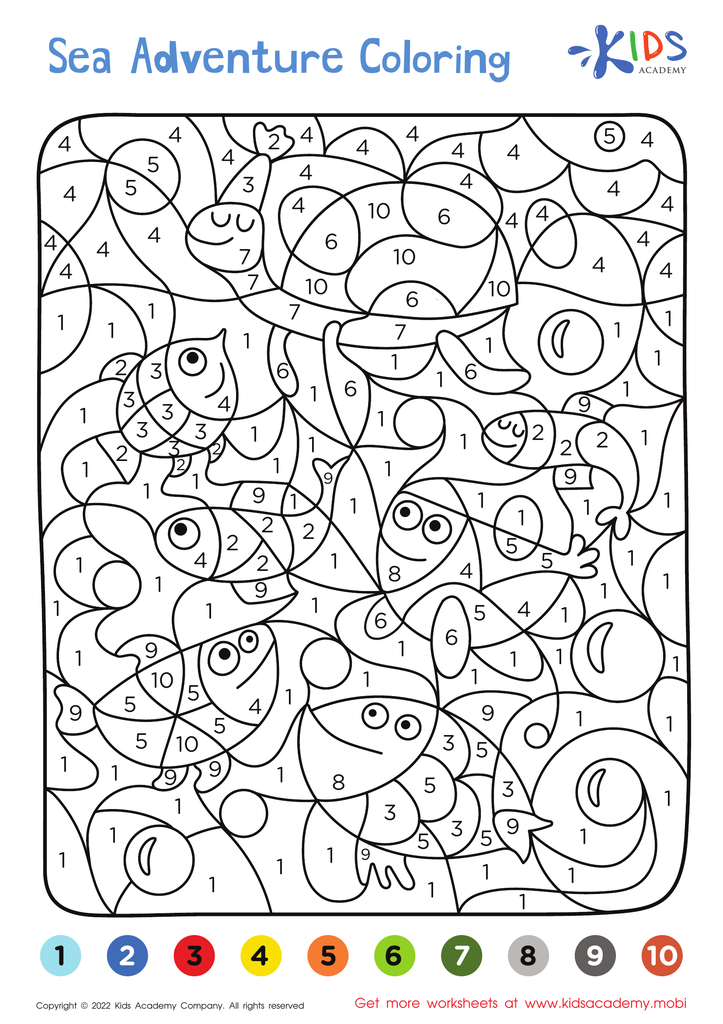
Sea Adventure – Coloring by Numbers
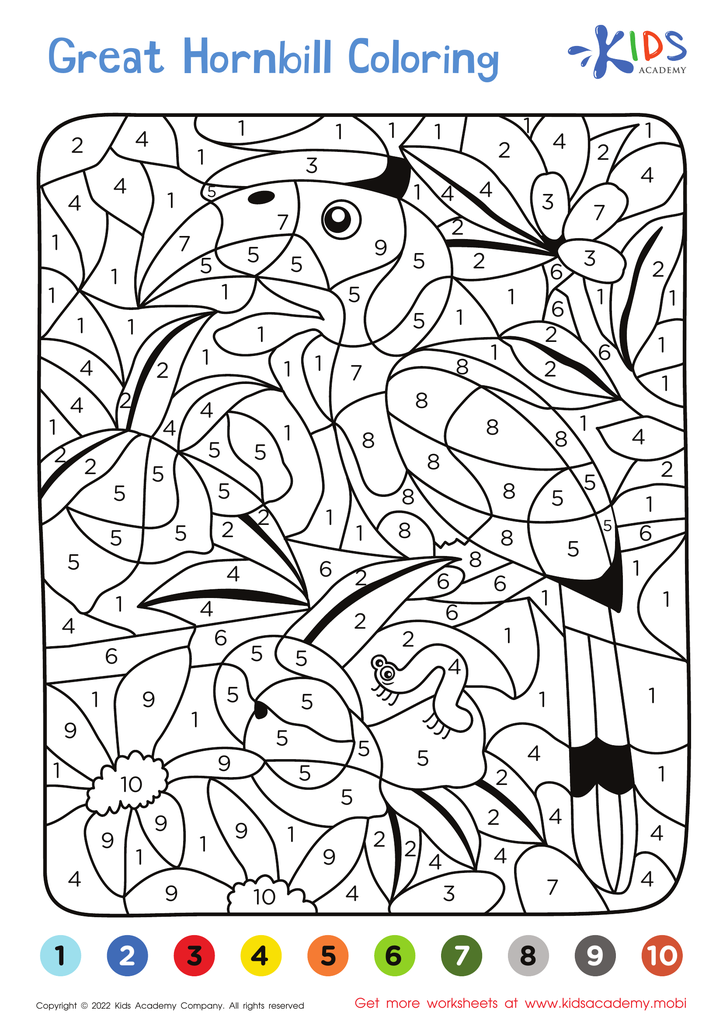
Great Hornbill – Coloring by Numbers

Counting on the City Skyline: Dot-to-Dot Worksheet
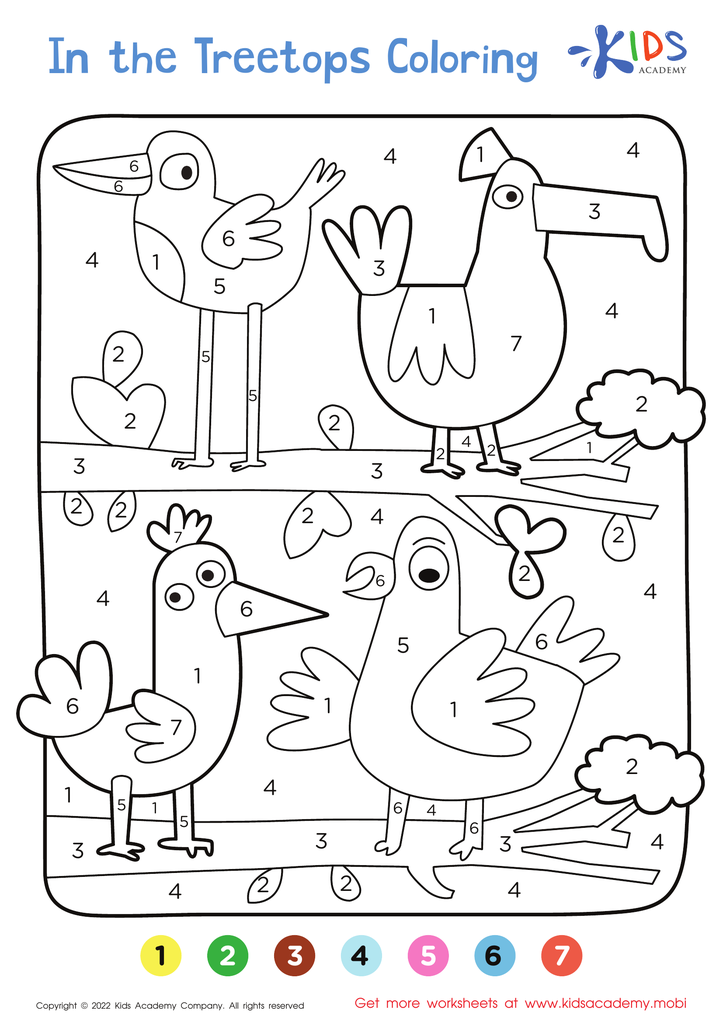
In the Treetops – Coloring Page
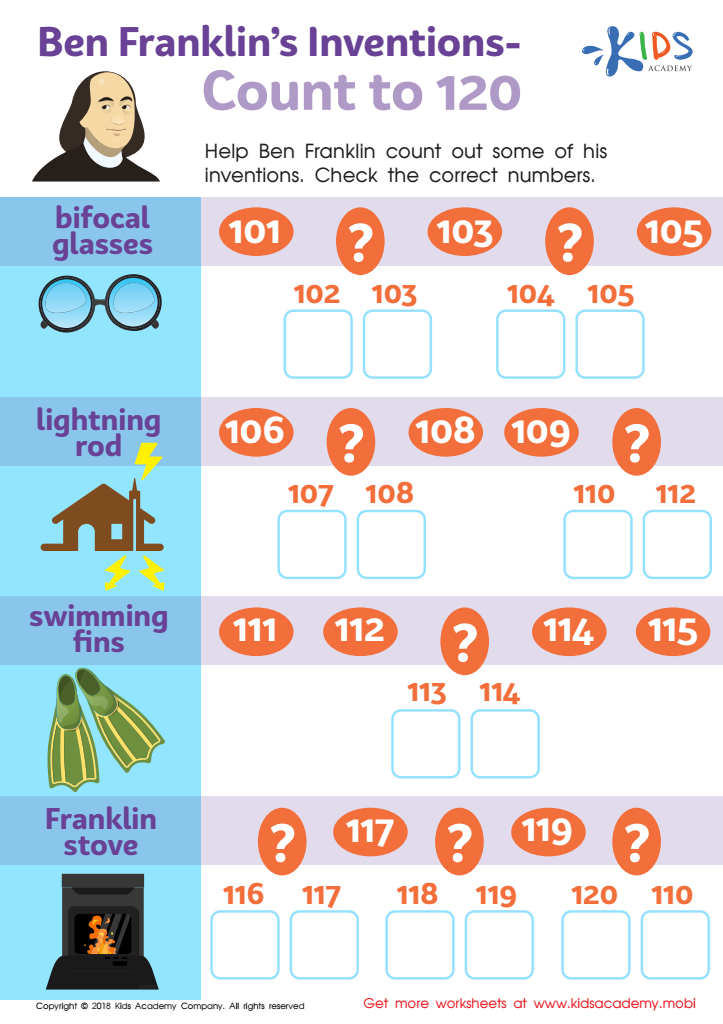
Ben Franklin’s Inventions – Count to 120 Worksheet
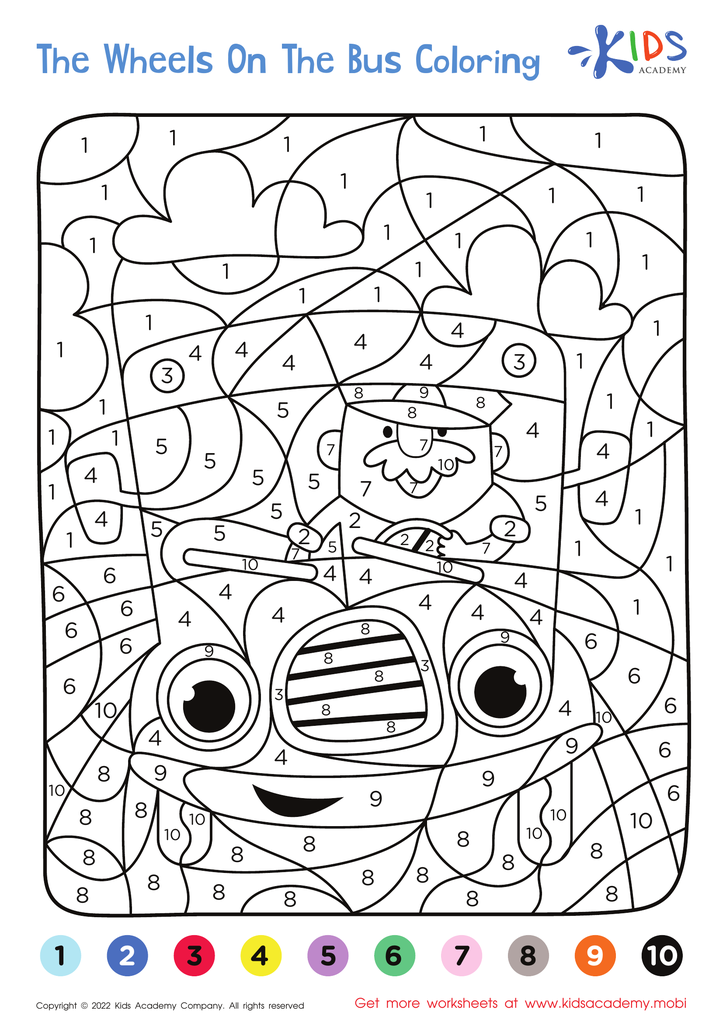
Wheels on the Bus – Coloring by Numbers
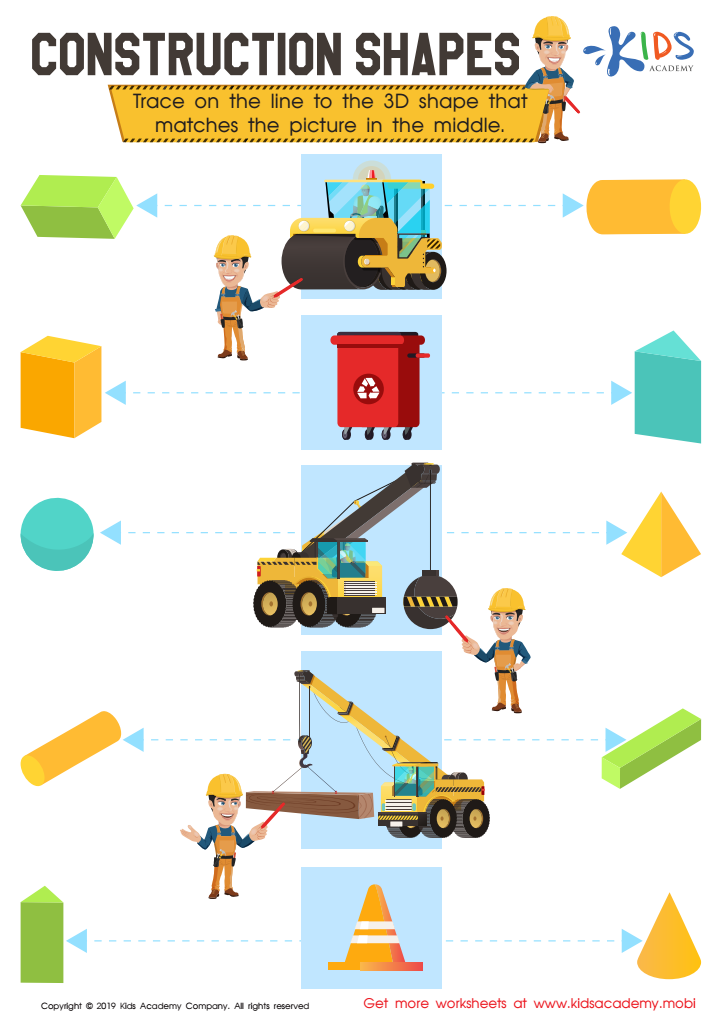
Construction Shapes Worksheet
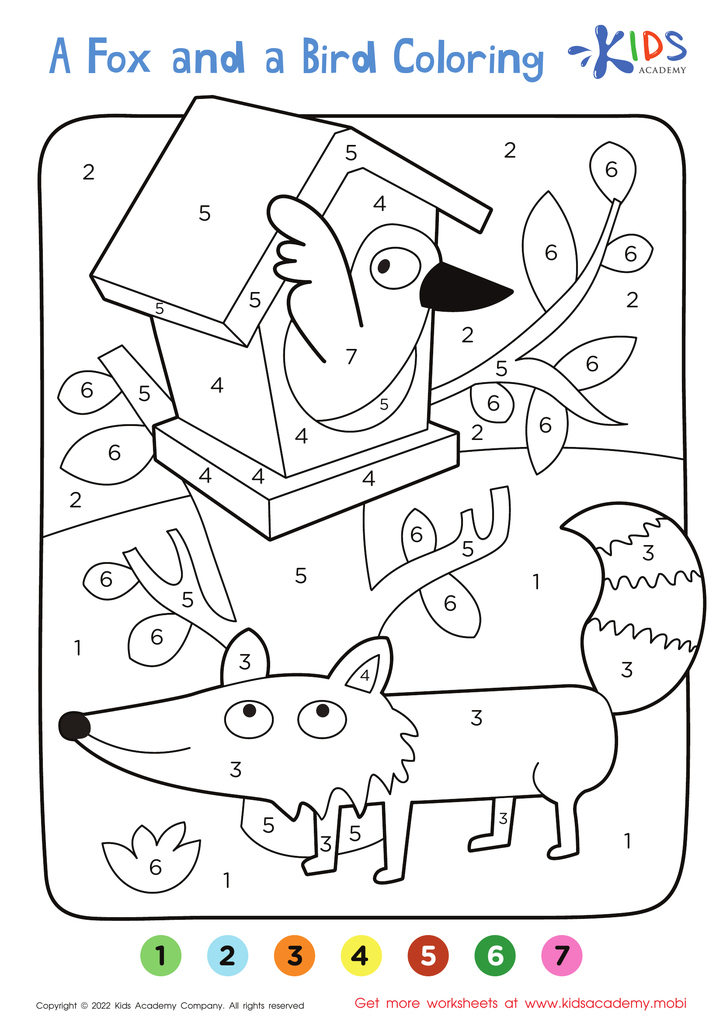
A Fox and a Bird – Coloring by Numbers
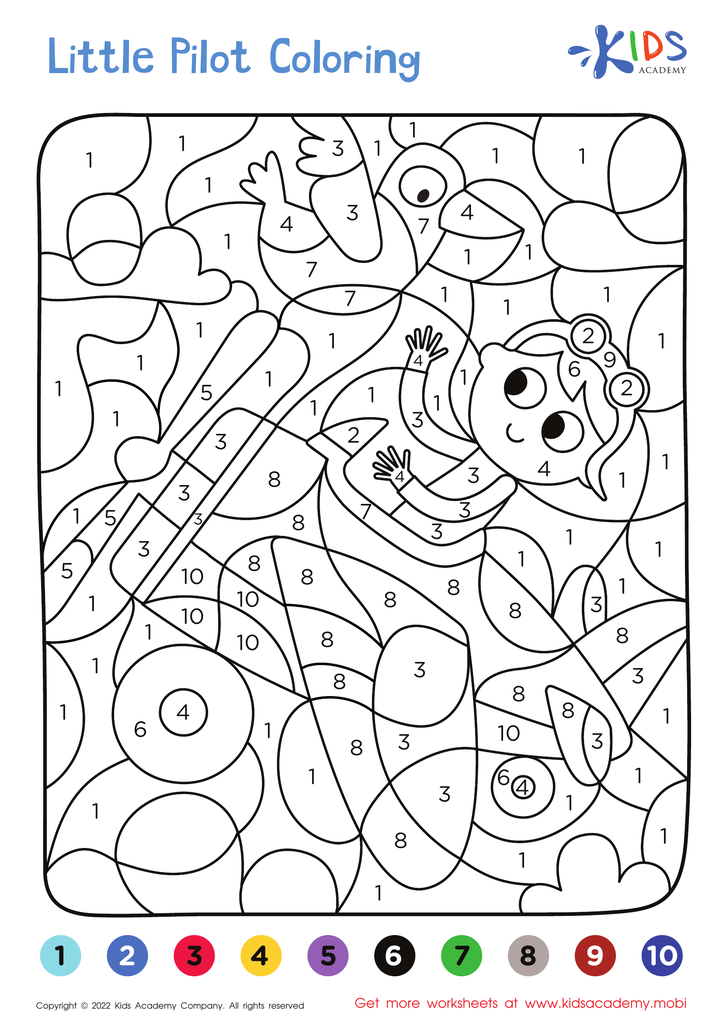
Little Pilot – Coloring by Numbers
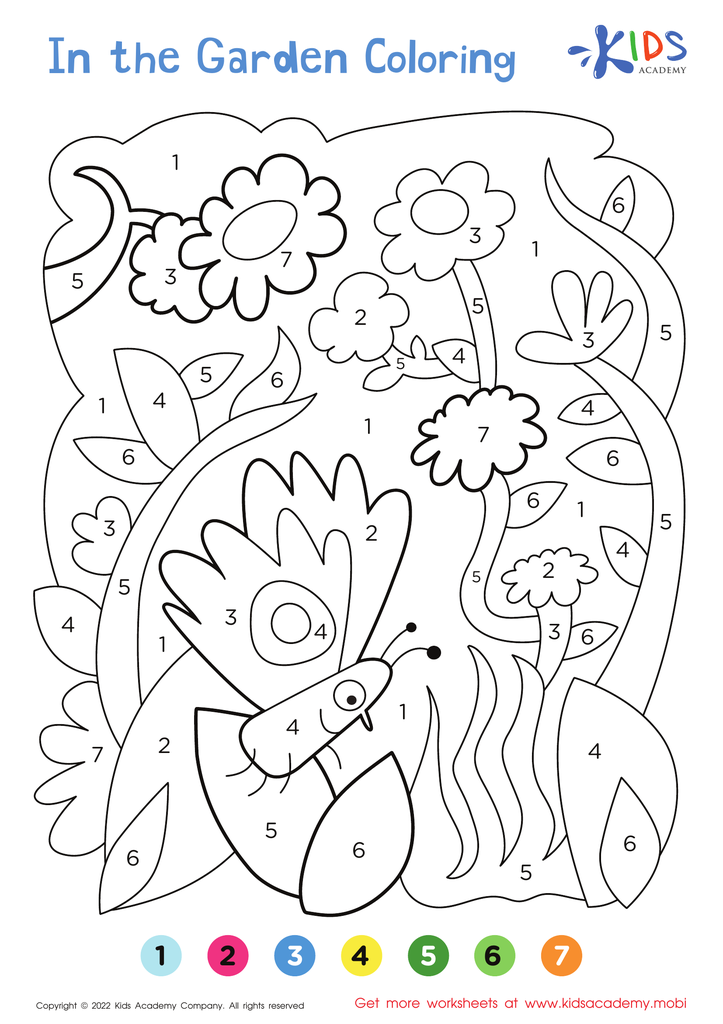
In the Garden – Coloring by Numbers








Fine motor skills are essential for Grade 1 math because they form the foundation for many academic and daily life tasks. These skills involve the coordination of small muscle movements, particularly in the hands and fingers, which are crucial for activities such as writing, drawing, and manipulating small objects.
In math, fine motor skills enable young learners to effectively use tools like pencils, rulers, and manipulatives, all of which are vital for grasping mathematical concepts. Improved fine motor control allows students to engage more confidently with hands-on learning activities such as measuring, sorting, and constructing shapes.
Moreover, fostering fine motor skills also enhances cognitive development. As children practice tasks that require precision, they develop problem-solving abilities and spatial awareness, both of which are integral for mathematical reasoning.
For parents and teachers, prioritizing fine motor skill development signifies a commitment to building a solid foundation for children's learning. Activities like cutting, pasting, and playing with small blocks not only provide practice but also make learning engaging and enjoyable. By valuing fine motor skills in Grade 1 math, adults empower students to succeed in school and beyond, laying the groundwork for lifelong skills and confidence in their abilities.