Fine Motor Skills Extra Challenge Worksheets for Ages 3-4 - Page 2
40 filtered results
-
From - To

Count Santa's Presents Worksheet
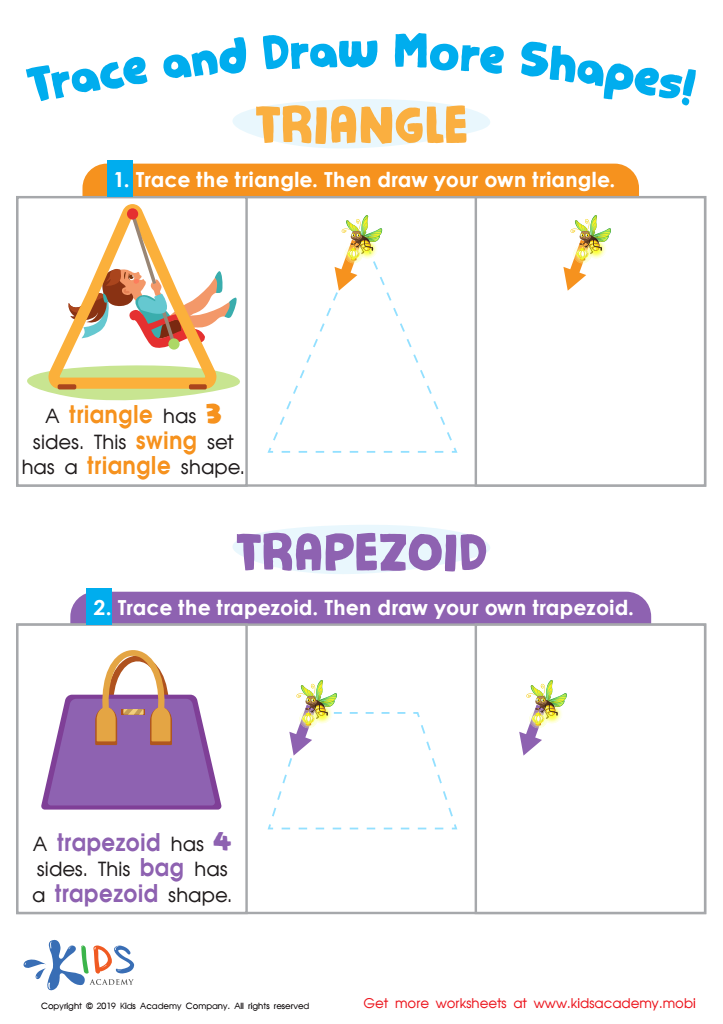
Trace and Draw More Shapes Worksheet
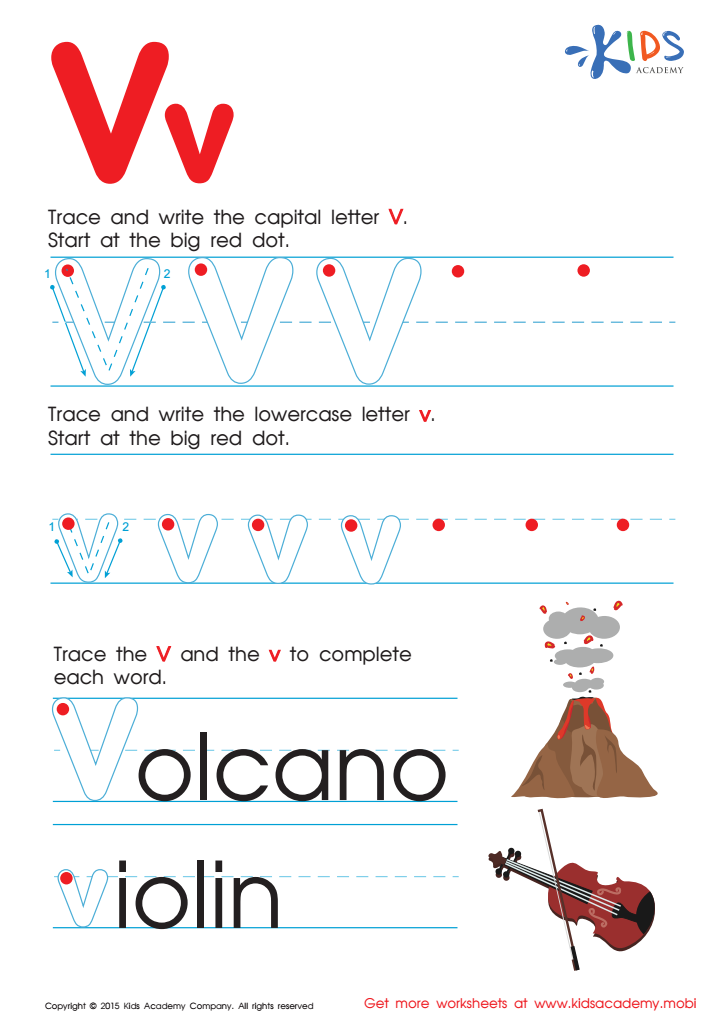
Letter V Tracing Page
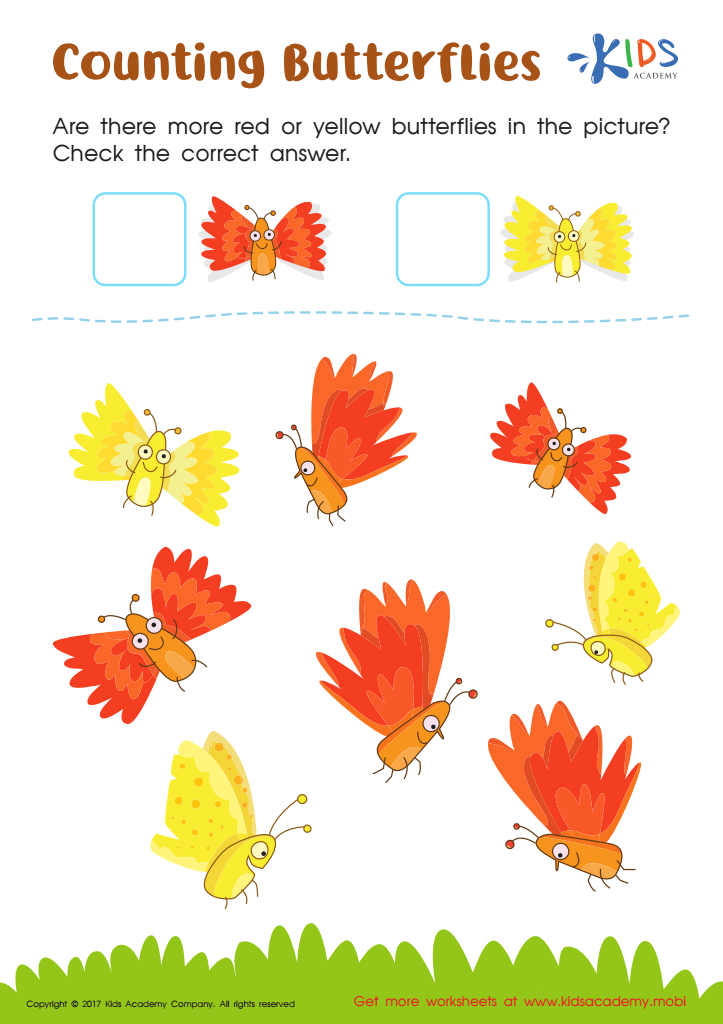
Counting Butterflies Worksheet
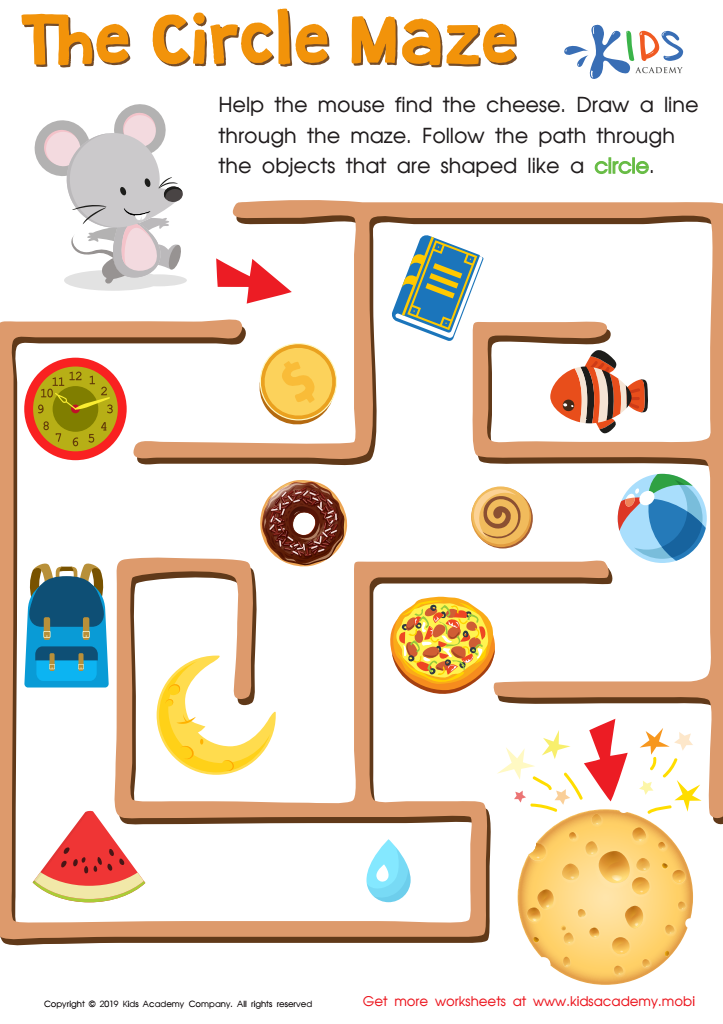
The Circle Maze Worksheet

Santa Claus Tracing Winter Words Worksheet

Pirate Ship Connect Dots Worksheet
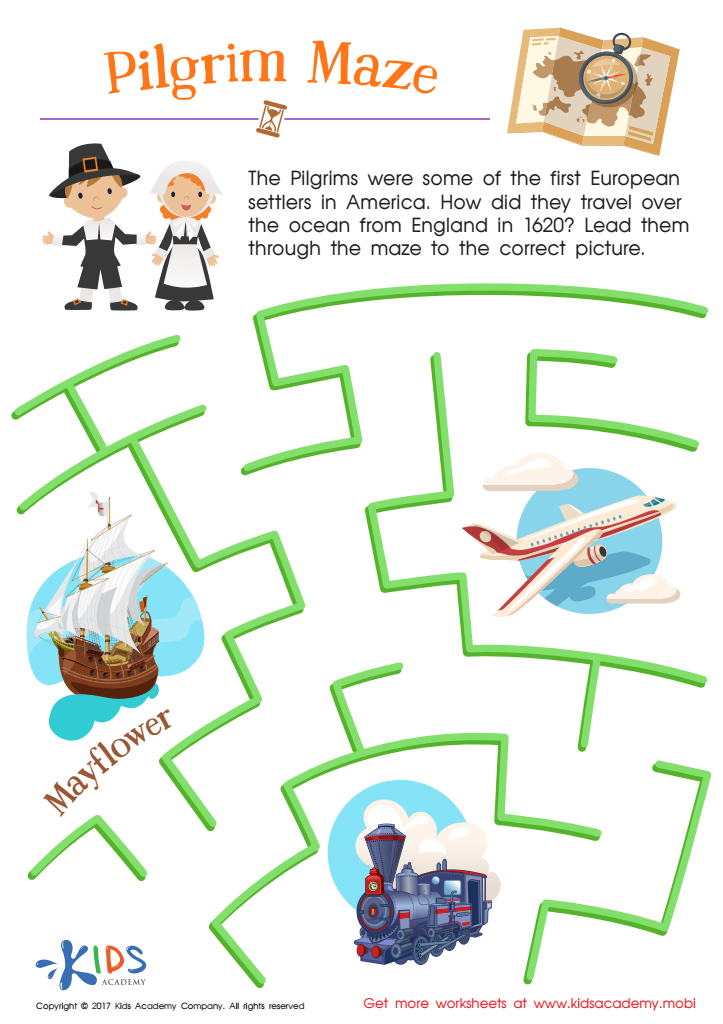
Pilgrim Maze Worksheet
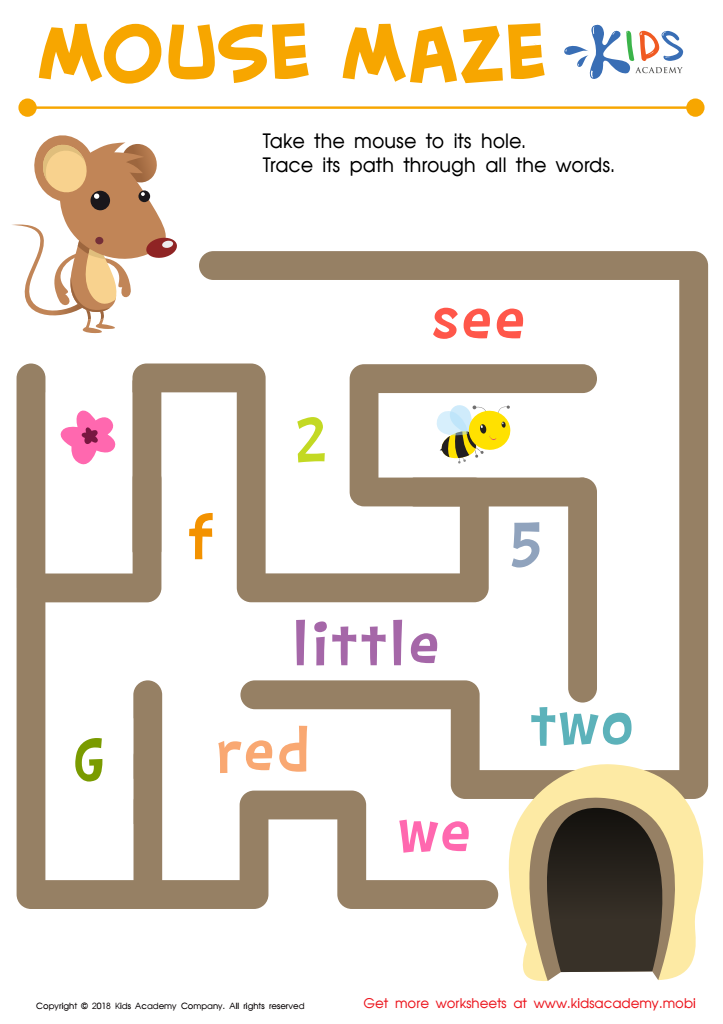
Find Words Mouse Maze Worksheet
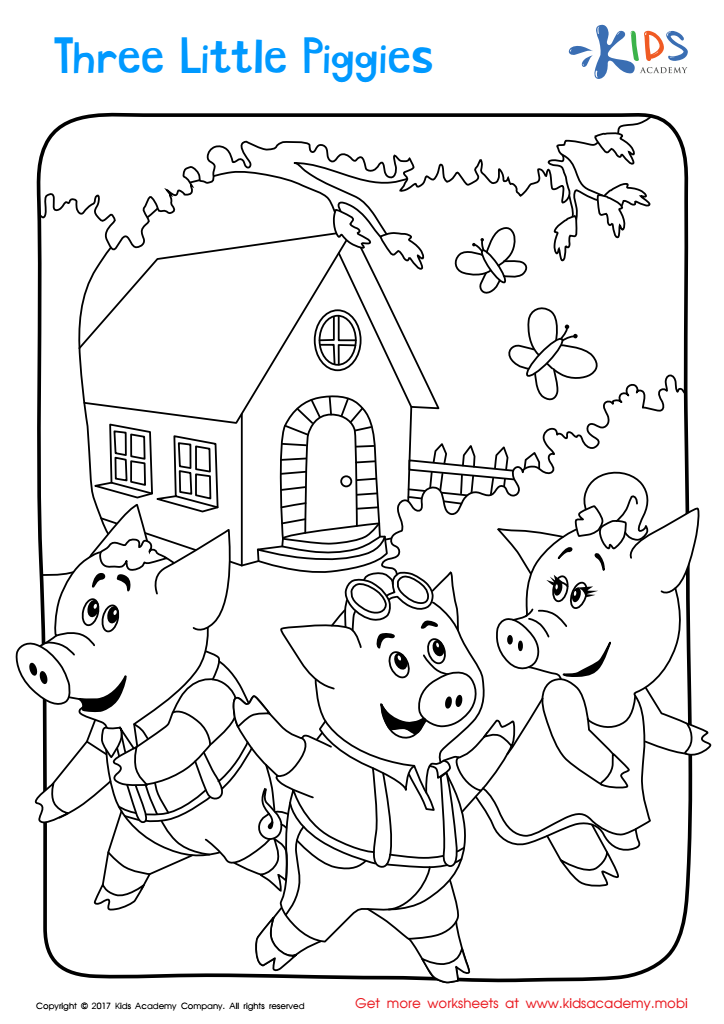
Three Little Piggies Printable Coloring Page
 Assign to My Students
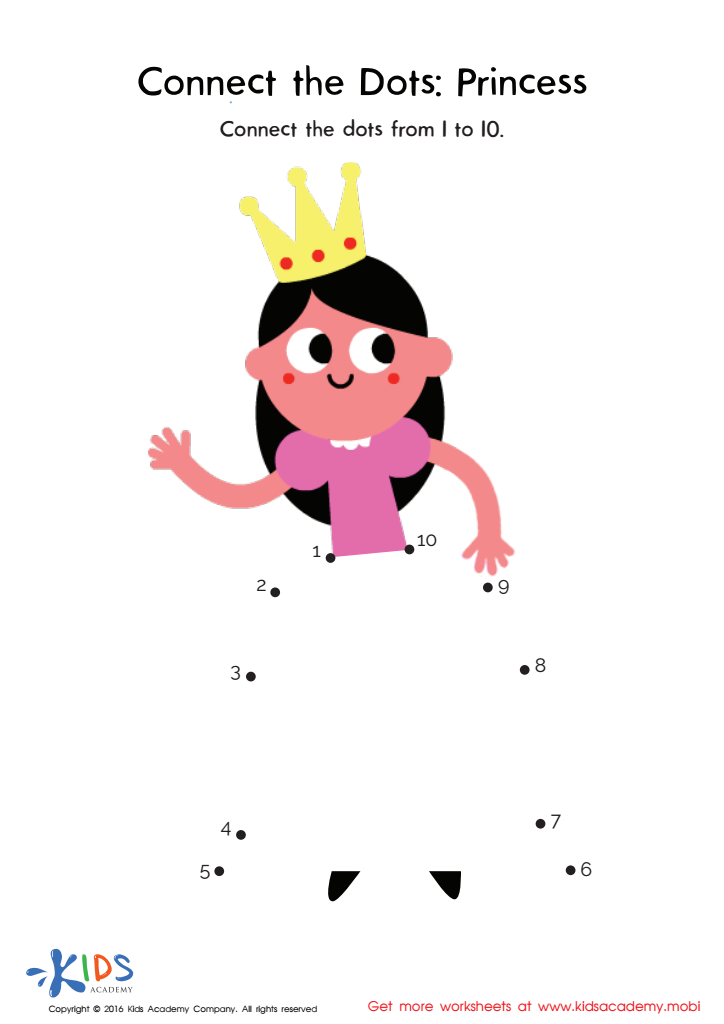
Princess Connect Dots Worksheet
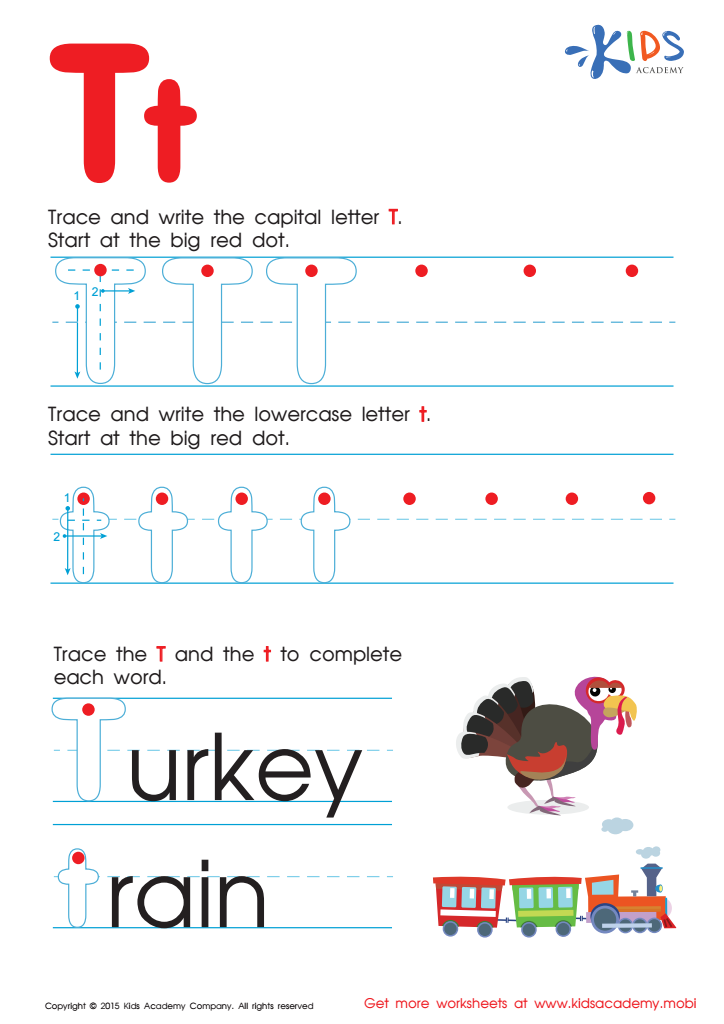
Letter T Tracing Page
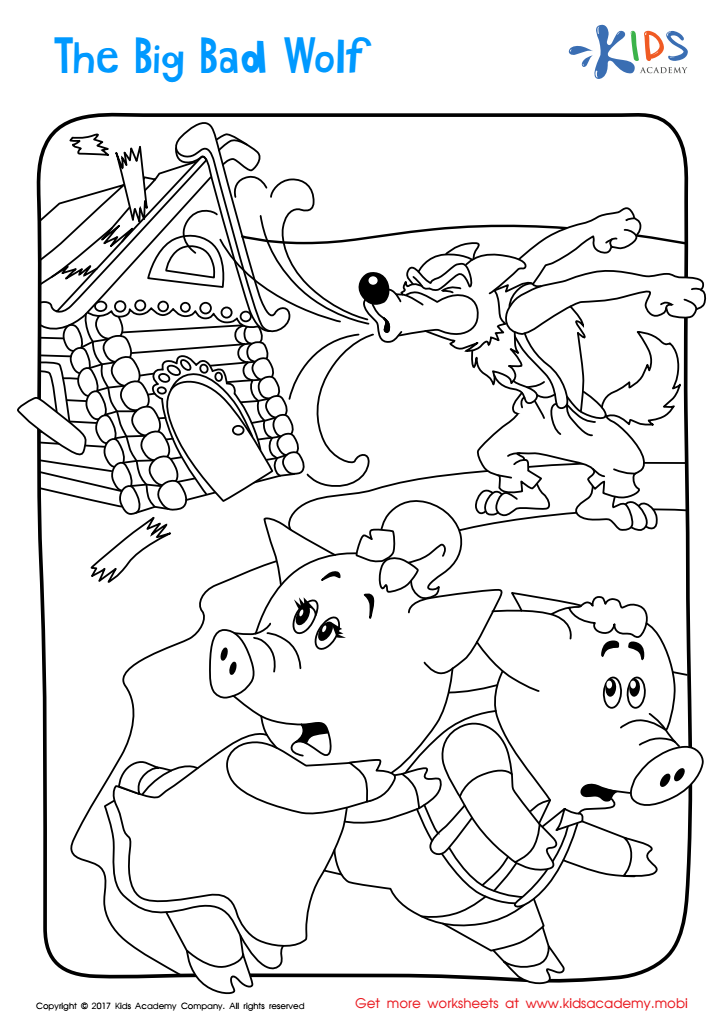
Big Bad Wolf Printable Coloring Page
Assign to My Students
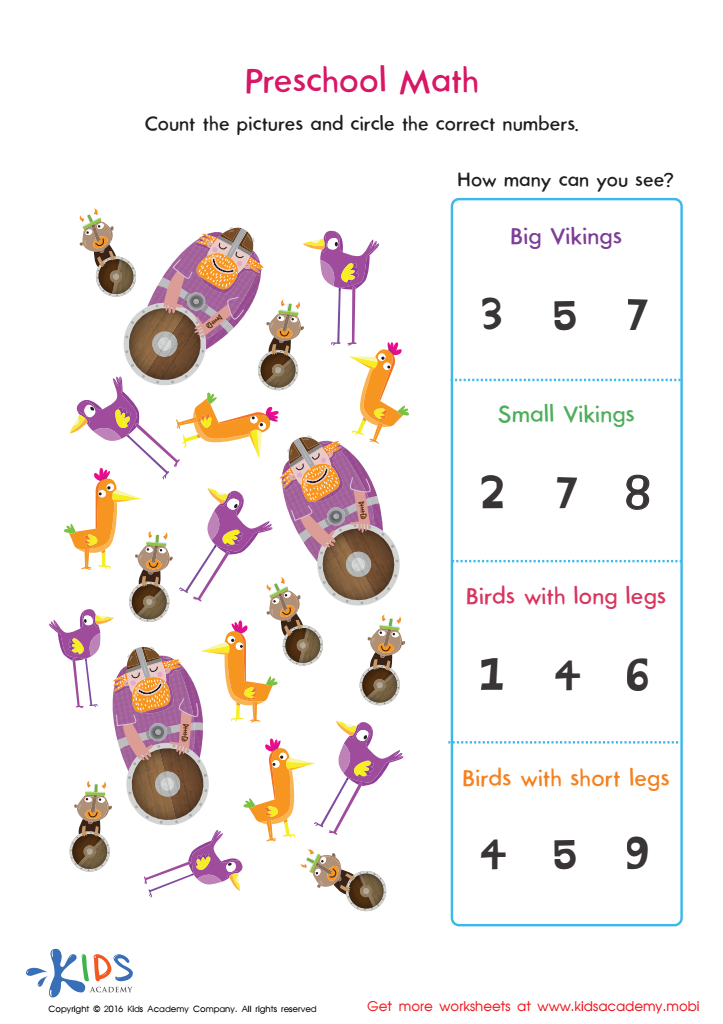
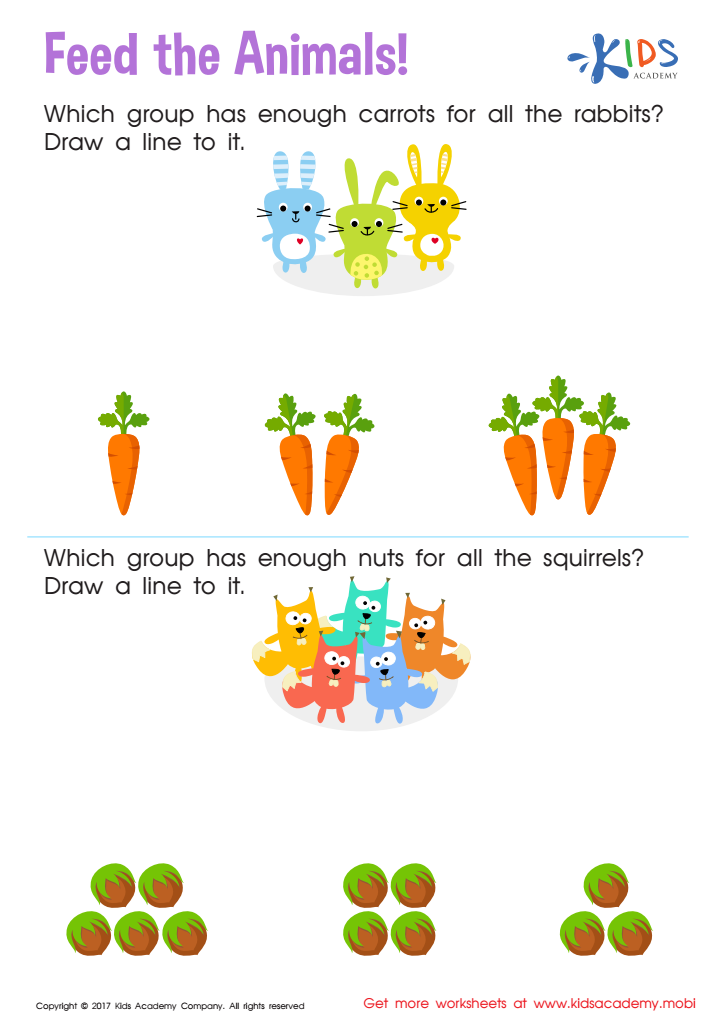
Count and Match: Feed the Animals Worksheet








Fine motor skills are crucial for young children's development, particularly at ages 3-4, as they lay the foundation for essential tasks such as writing, self-feeding, and other daily activities. Focusing on these skills early on can significantly boost children's confidence and independence. Fine motor challenges help enhance hand-eye coordination, dexterity, and control, which are necessary for later academic success.
Parents and teachers should care about providing fine motor skills extra challenges because they promote cognitive development in tandem with physical growth. Engaging in activities such as bead threading, cutting with safety scissors, or manipulating clay can stimulate children's problem-solving and critical thinking abilities. Furthermore, these activities can be tailored to suit individual needs, ensuring all children can participate and benefit.
Supporting the development of fine motor skills also fosters social skills as children often work together in groups or during play, enhancing their communication abilities. By prioritizing these challenges, we equip children with the skills they need to navigate their world effectively, setting them up for success in school and beyond. Ultimately, attention to fine motor development can result in a well-rounded foundation for a child's future learning experiences.








