Number Sequencing Extra Challenge Numbers Worksheets for Ages 3-5
5 filtered results
-
From - To
Unlock your child's potential with our Number Sequencing Extra Challenge Worksheets designed for ages 3-5! These engaging printable activities foster foundational math skills by introducing young learners to the concept of number order and sequencing in a fun, interactive way. Each worksheet features vibrant illustrations and age-appropriate challenges that ensure kids stay motivated and excited about learning. Perfect for parents and educators, these resources help reinforce key skills while boosting confidence and numerical understanding. Explore the joy of learning and watch your child thrive as they master number sequencing through hands-on practice, creativity, and critical thinking! Suitable for home and classroom use.
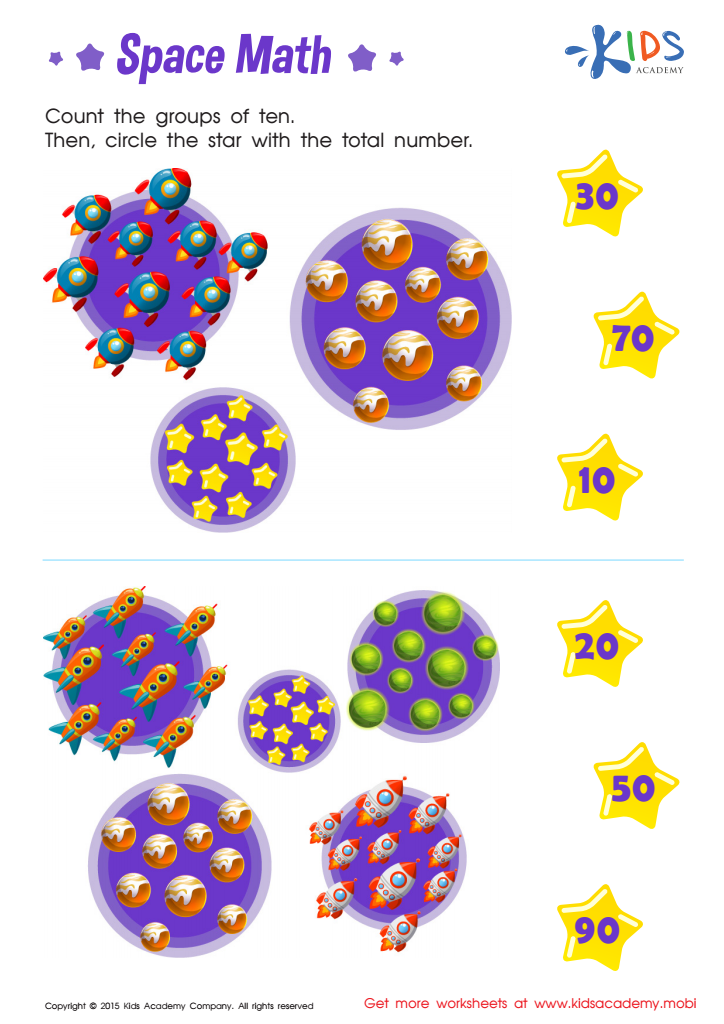
Learn dozens: Space math Worksheet
 Assign to My Students
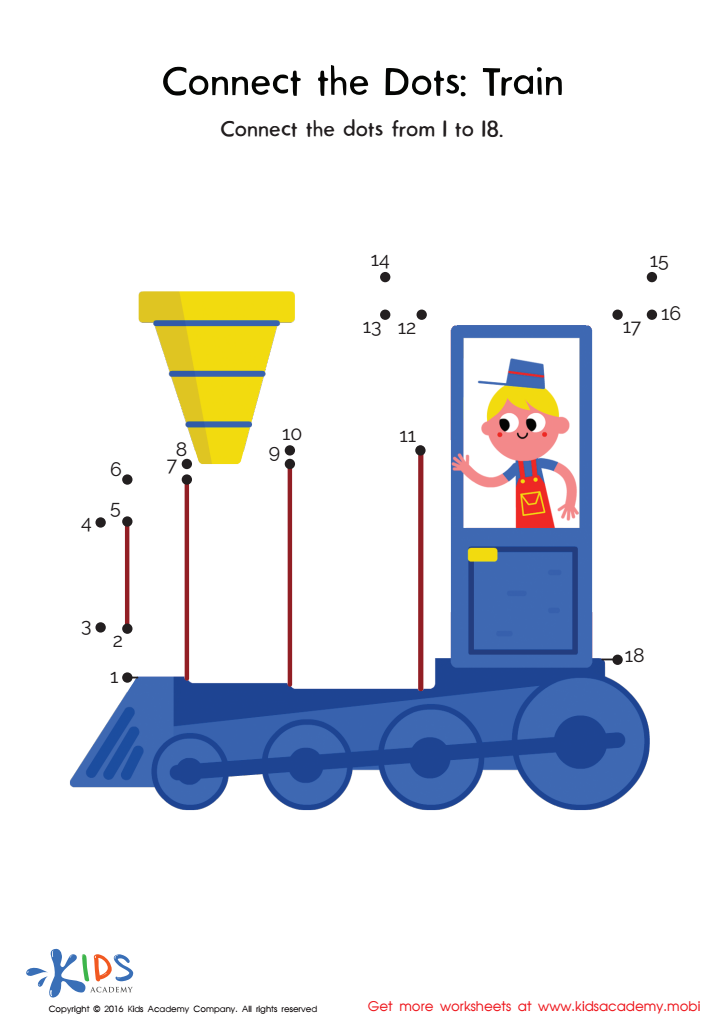
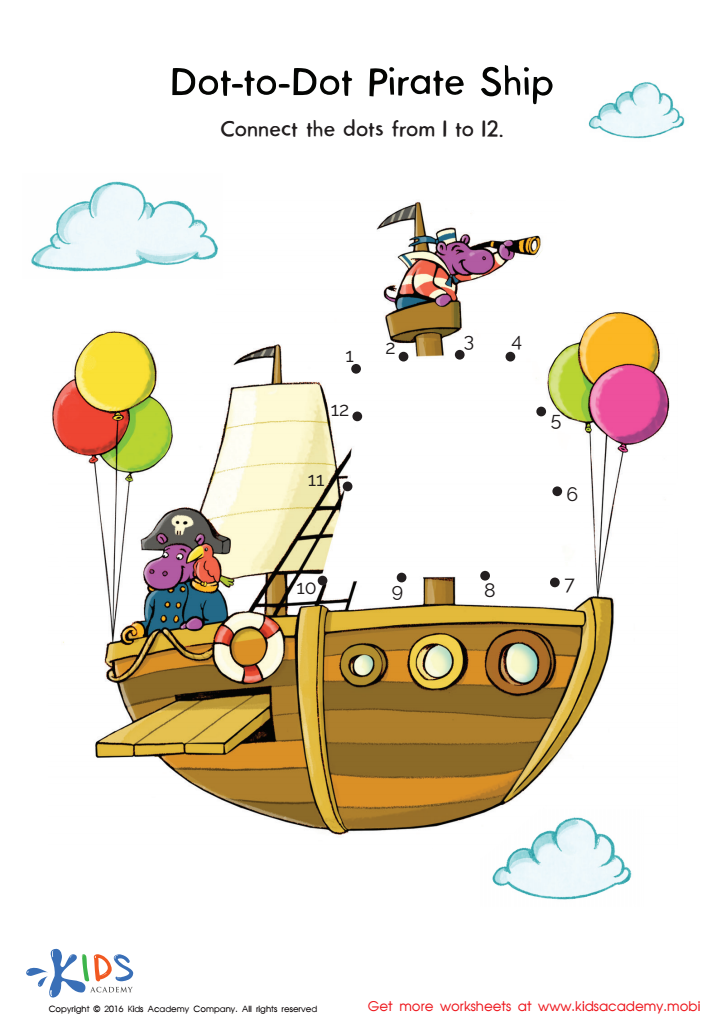
Pirate Ship Connect Dots Worksheet
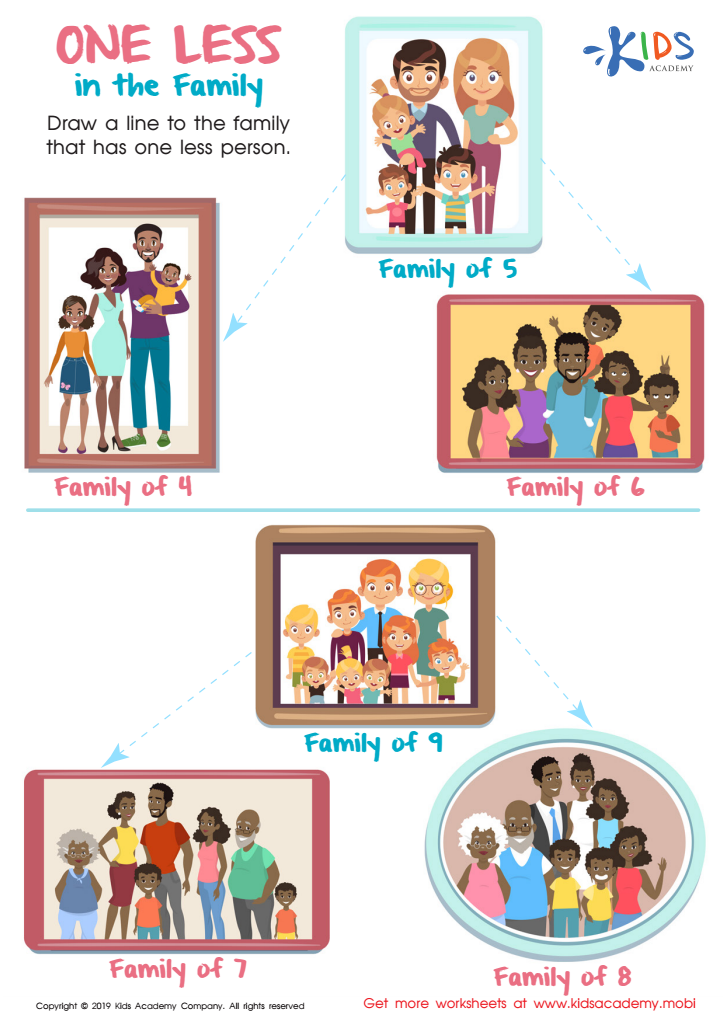
One Less in the Family Worksheet
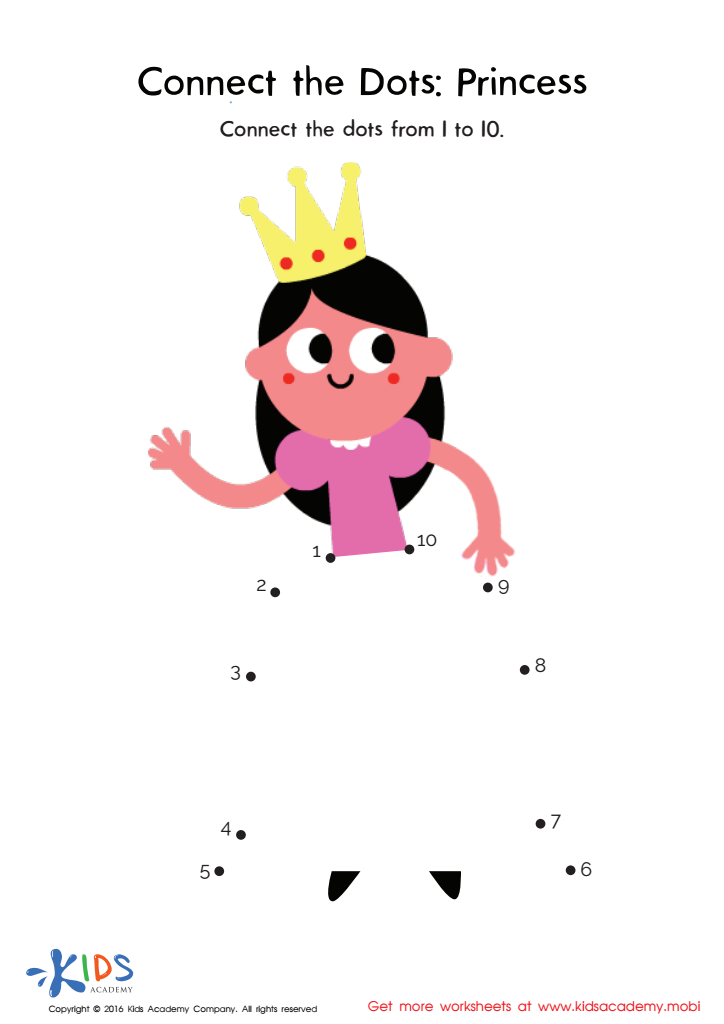
Princess Connect Dots Worksheet








Number Sequencing Extra Challenge Numbers for ages 3-5 is crucial for the cognitive development of young learners. During this formative age, children are developing foundational mathematics skills, and understanding number sequencing is key to building their number sense. Engaging with number sequences helps children recognize patterns, establish an understanding of quantity, and prepare them for more complex mathematical concepts later on.
Furthermore, sequencing numbers fosters critical thinking and problem-solving abilities. It challenges children to think logically about how numbers relate to one another, boosting their analytical skills. It also encourages practice in counting, which is essential for mastery of early math concepts. The collaborative nature of number games can nurture social skills, as children often experience learning in group settings.
Parents and teachers should also value the opportunity for real-life connections that number sequencing activities create. By incorporating everyday situations, such as sorting items or counting steps, these activities can make learning feel relevant and engaging.
Ultimately, focusing on Number Sequencing Extra Challenges ensures that young children develop a strong mathematical foundation, enhancing their future academic endeavors and cultivating a lifelong appreciation for numeracy. Investing in these skills early promotes confidence and fluency in mathematics as children continue their educational journey.