Matching skills Extra Challenge Worksheets for Ages 3-6
6 filtered results
-
From - To
Boost your child's cognitive development with our "Matching Skills Extra Challenge Worksheets" for ages 3-6. Tailored to engage young minds, these worksheets make learning fun and interactive. Children will sharpen their visual discrimination, critical thinking, and problem-solving skills through engaging matching activities. Perfect for preschool to kindergarten-aged kids, our worksheets help little learners improve pattern recognition, memory recall, and logical reasoning. Designed by educational experts, each worksheet is a delightful and effective way to advance early learning at home or in the classroom. Witness your child's confidence soar as they achieve new matching skill milestones!
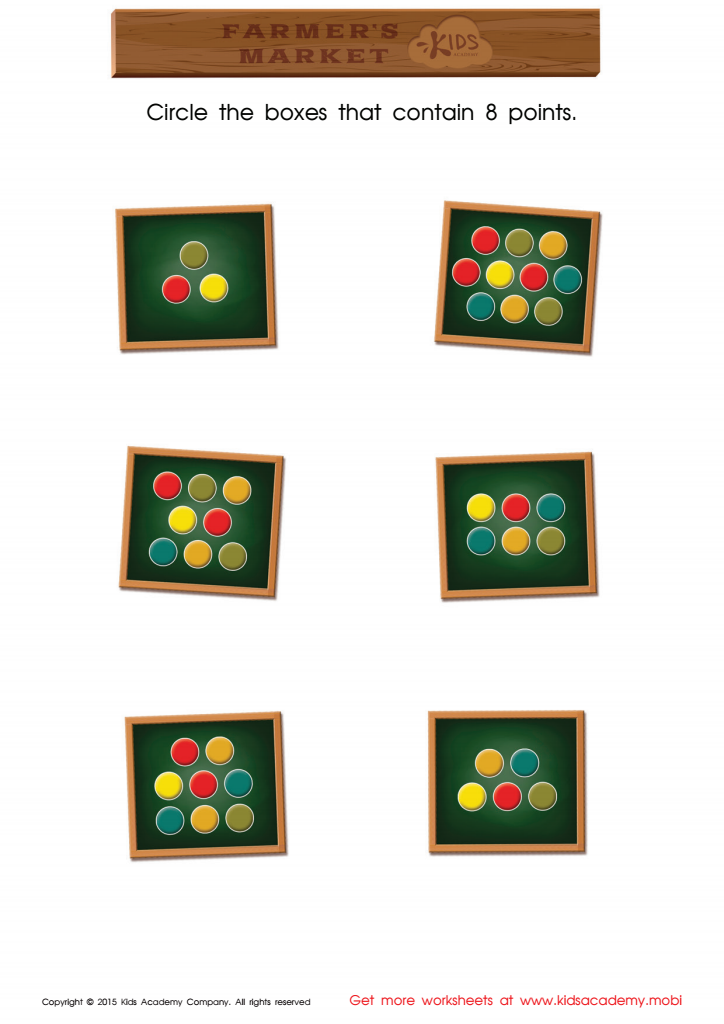
Count and Match Points 8 Math Worksheet
 Assign to My Students
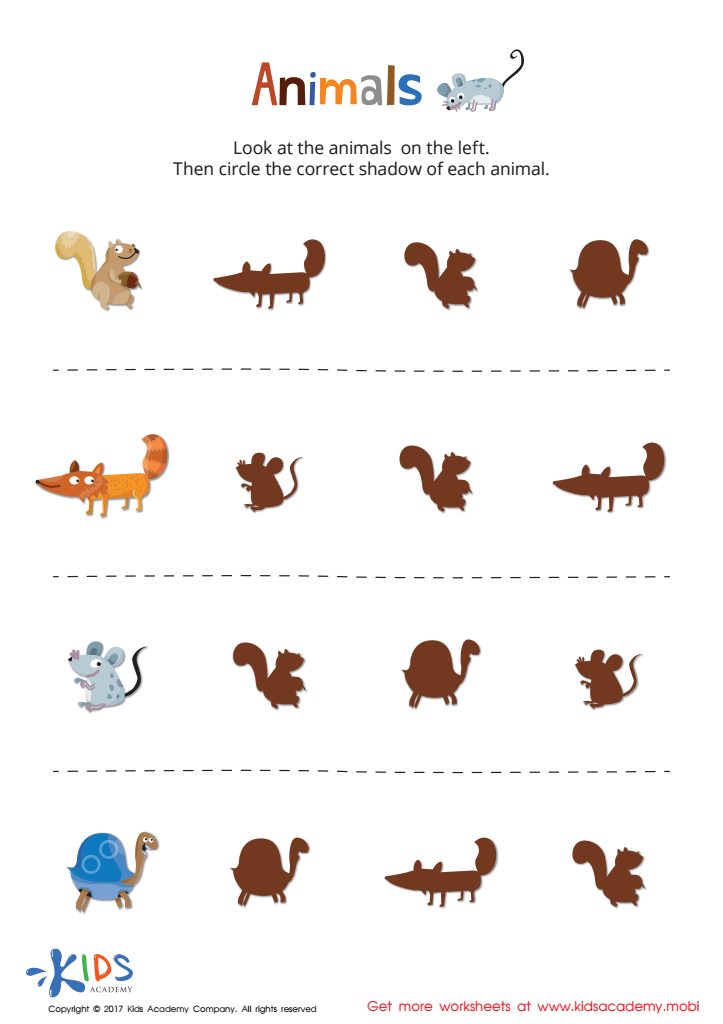
Animal Shadows Sorting Worksheet
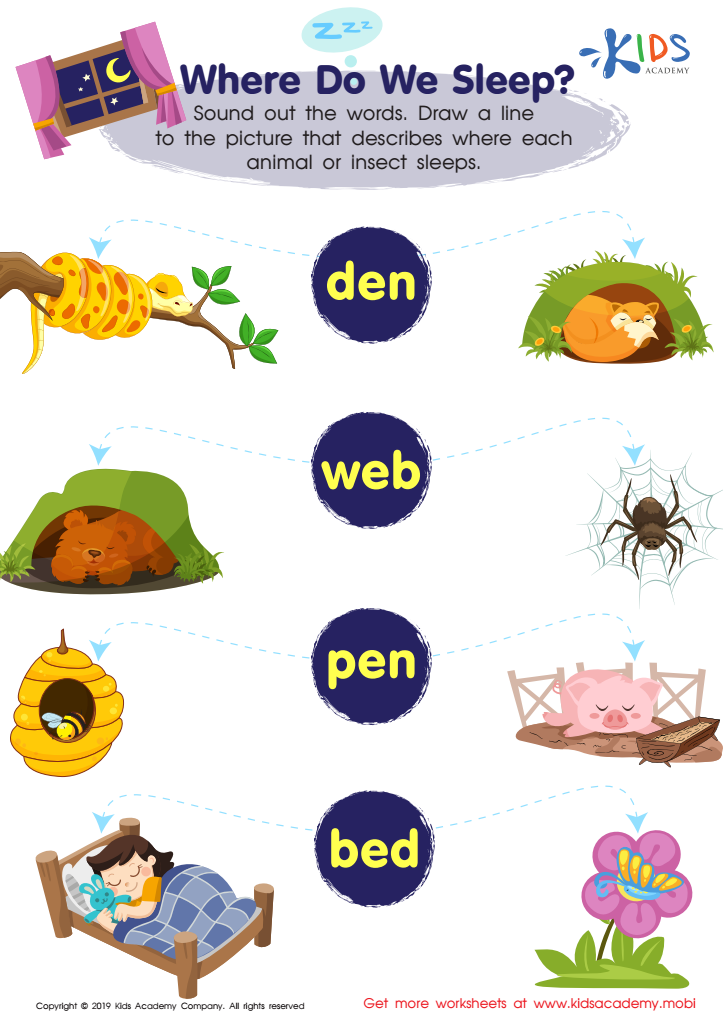
Where Do We Sleep Worksheet
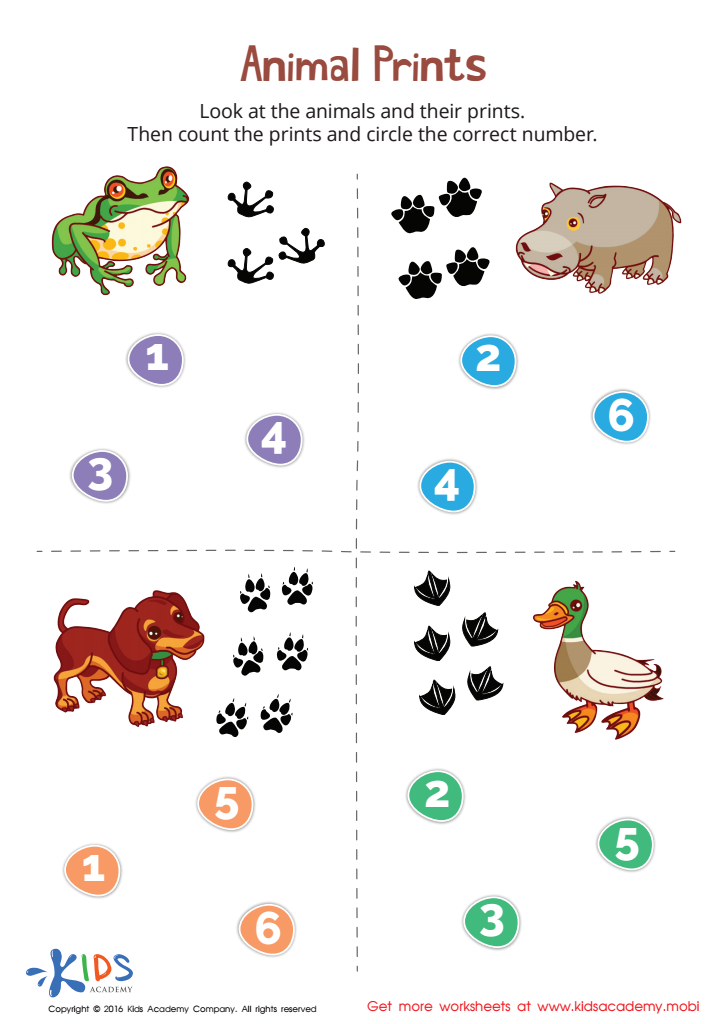
Animal Prints Match-Up Worksheet
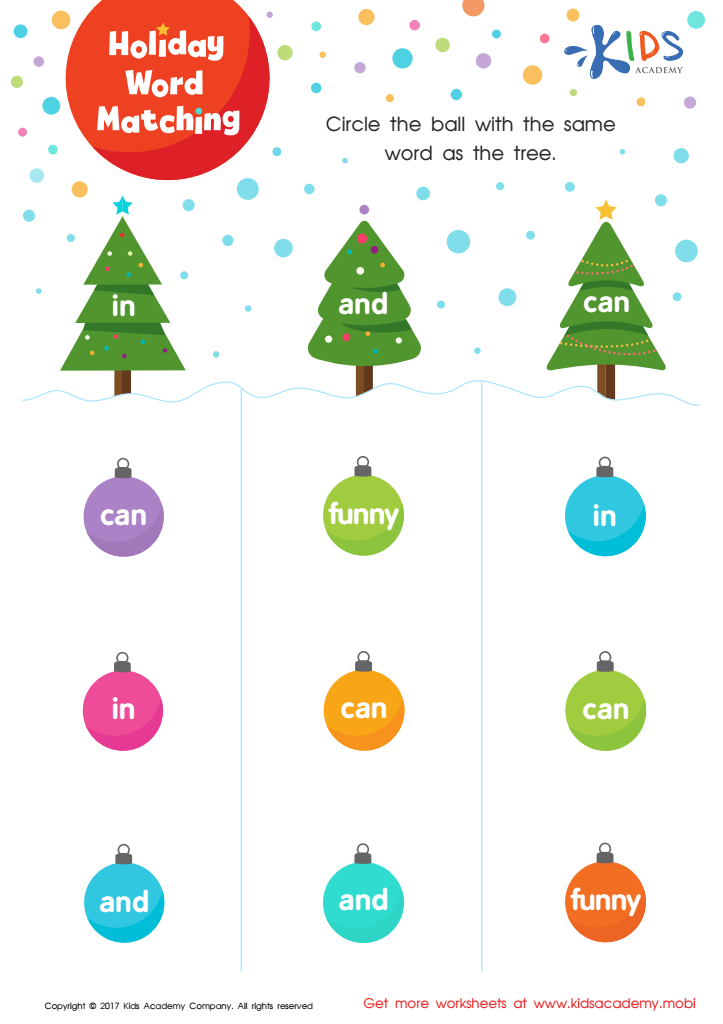
Holiday Word Matching Worksheet
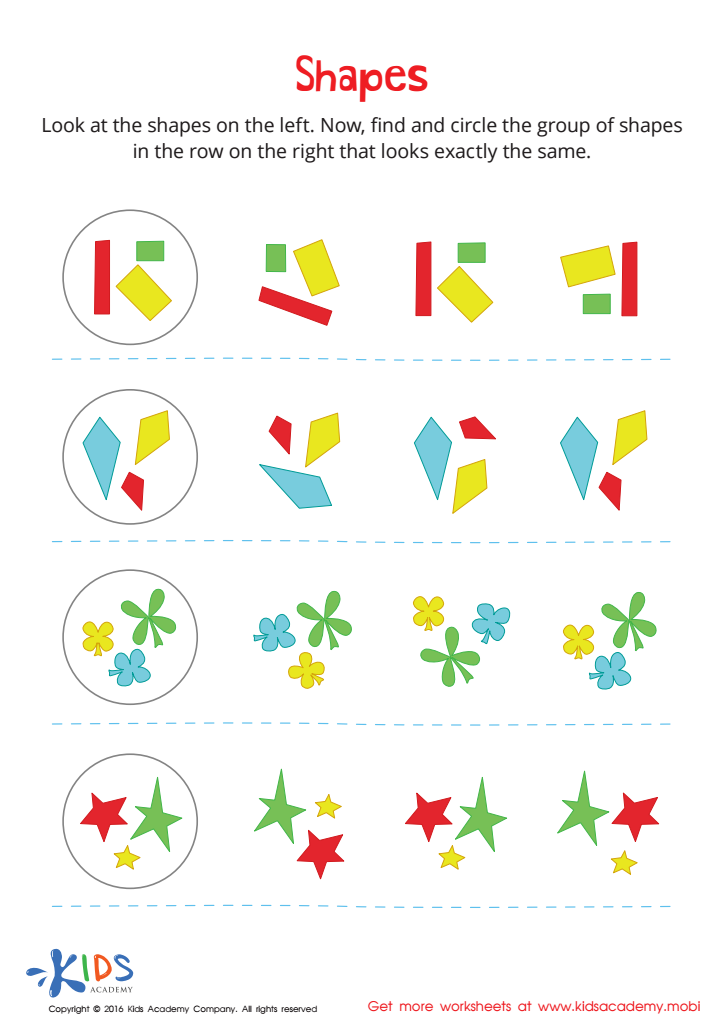
Shapes Worksheet






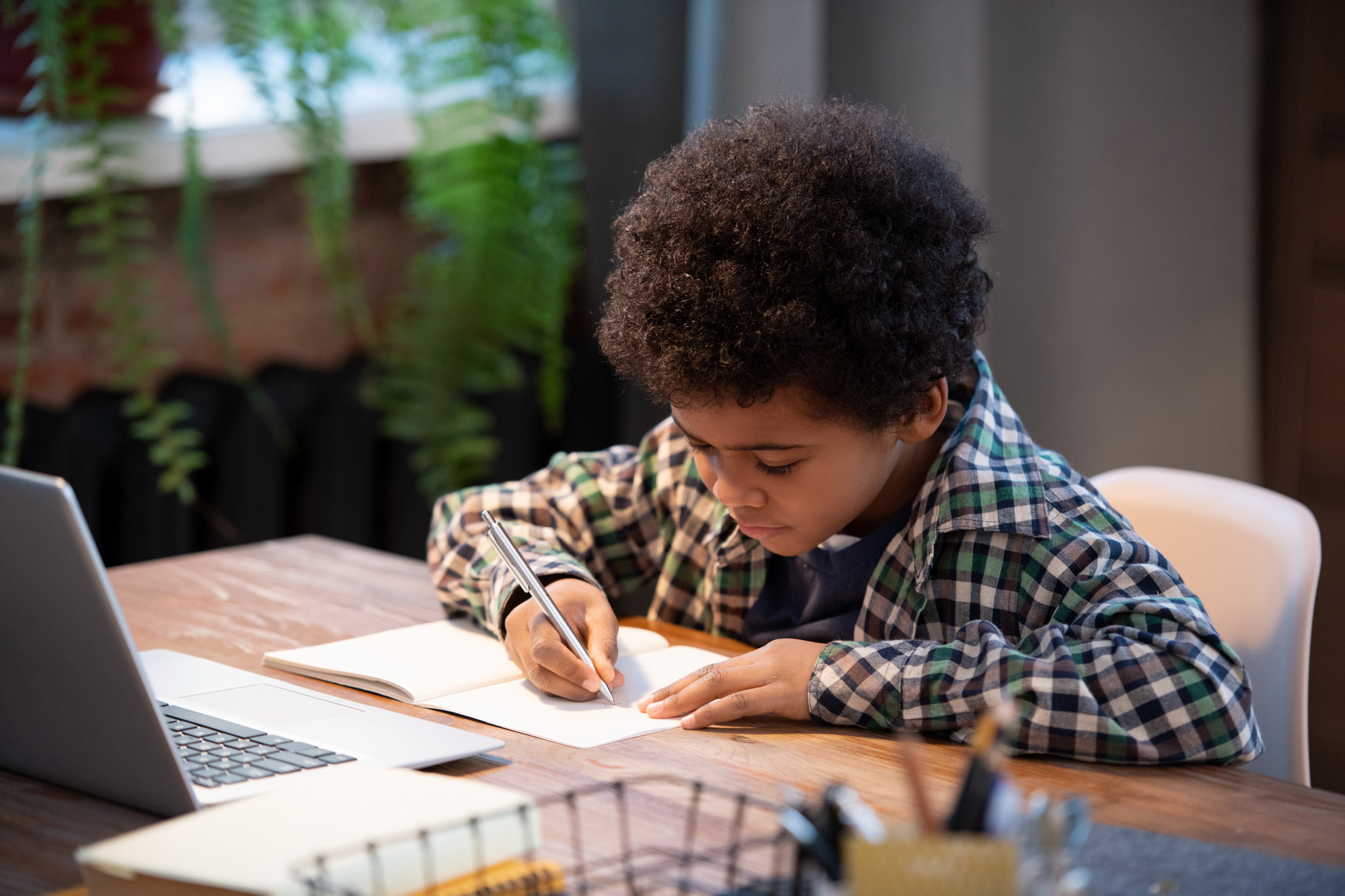

Parents and teachers play a critical role in early childhood development, and matching skills activities offer significant benefits for young children aged 3-6. These activities, which involve pairing similar items based on color, shape, size, or other attributes, are not only fun but also highly educational.
First and foremost, matching exercises help hone children’s cognitive abilities, particularly memory and attention span. Matching tasks require kids to recognize patterns and remember details, which lays the groundwork for more complex problem-solving skills later on. Additionally, these activities enhance fine motor skills as children manipulate objects and develop hand-eye coordination.
Beyond cognitive and motor development, matching skills foster language growth. For instance, when children describe why two items match, they practice using descriptive language and build vocabulary. Moreover, these activities encourage social and emotional growth by offering opportunities for cooperative play. Working together to find matches helps children learn to share, take turns, and develop empathy.
Ensuring that children engage in matching activities can also help early detect any developmental delays, allowing for timely intervention. Therefore, incorporating matching skills into daily routines is not just playtime, but a strategic method to support well-rounded early development. As such, parents and teachers should prioritize these engaging and multi-faceted activities to enrich the preschool learning experience.








