Reading comprehension Extra Challenge Worksheets for Ages 3-6 - Page 2
54 filtered results
-
From - To
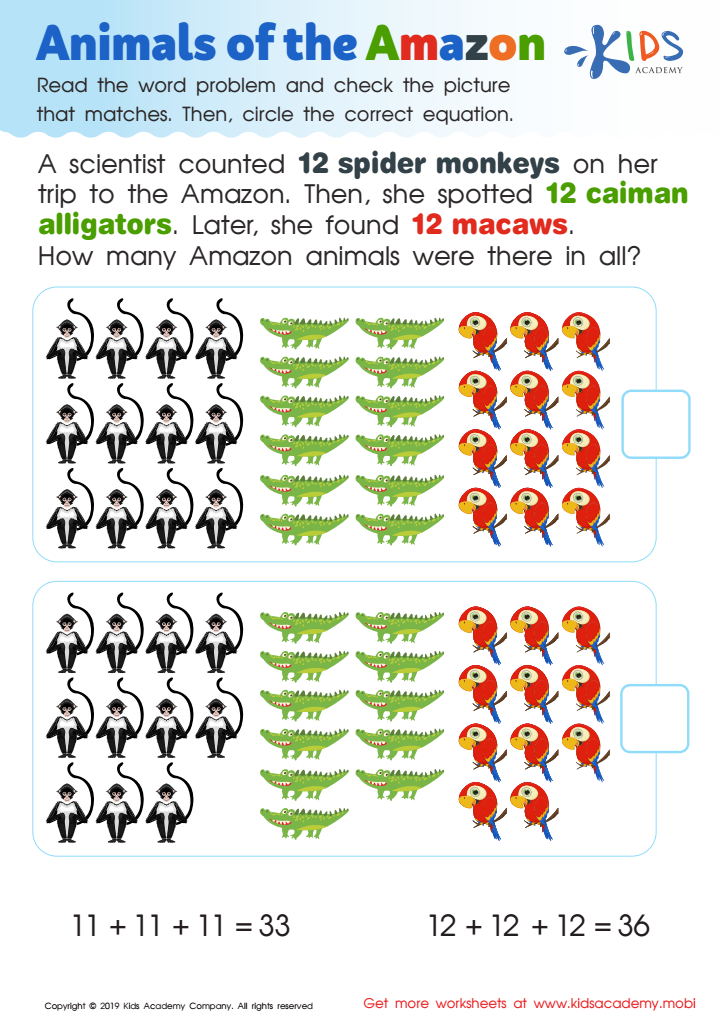
Animals of Amazon Worksheet
 Assign to My Students
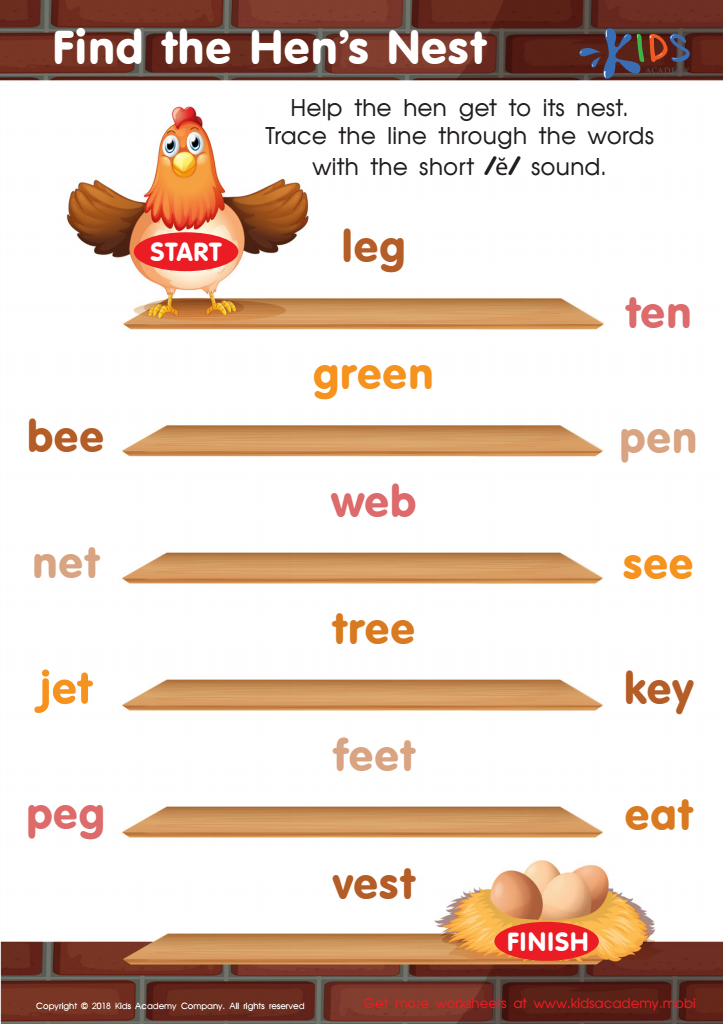
Find Hens Nest Reading Worksheet
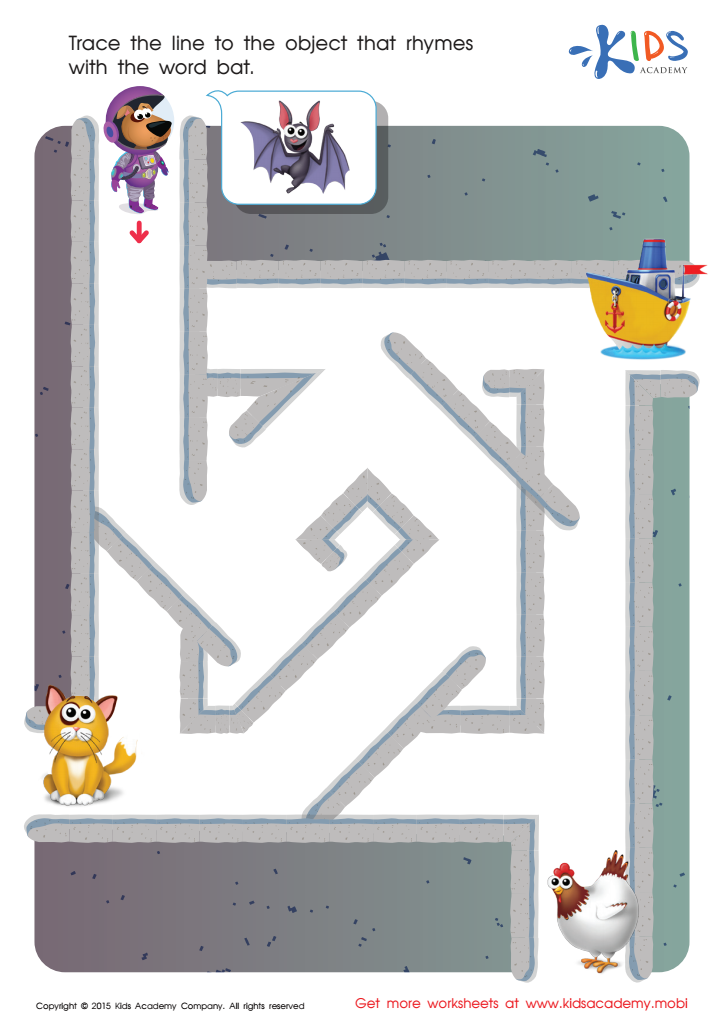
Bat Rhyming Words Worksheet
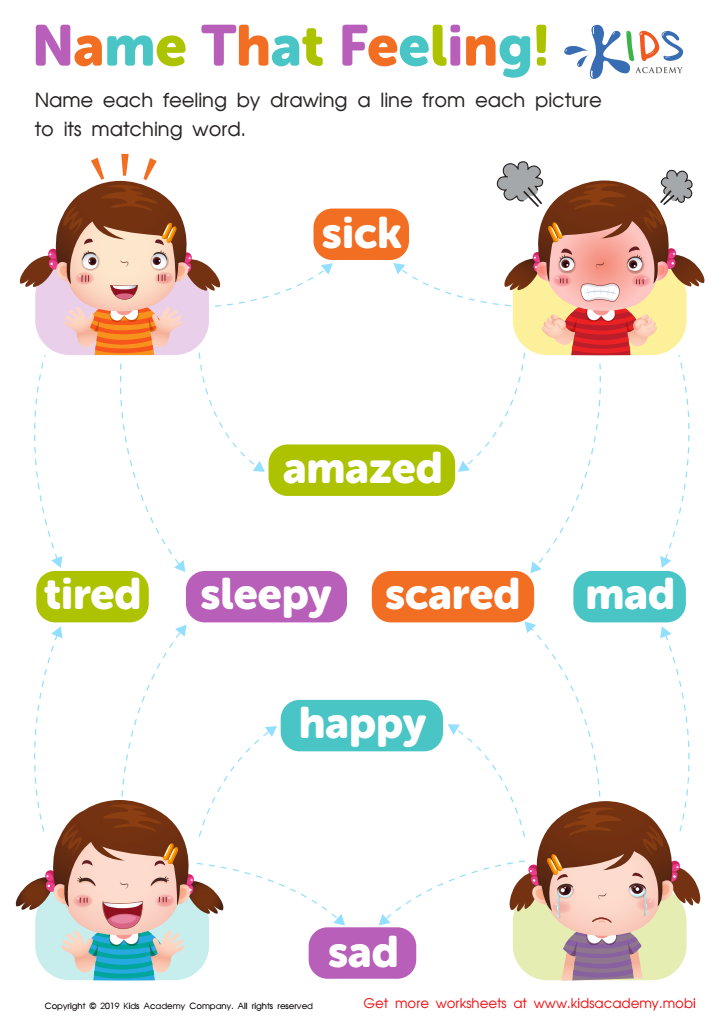
Name that Feeling Worksheet
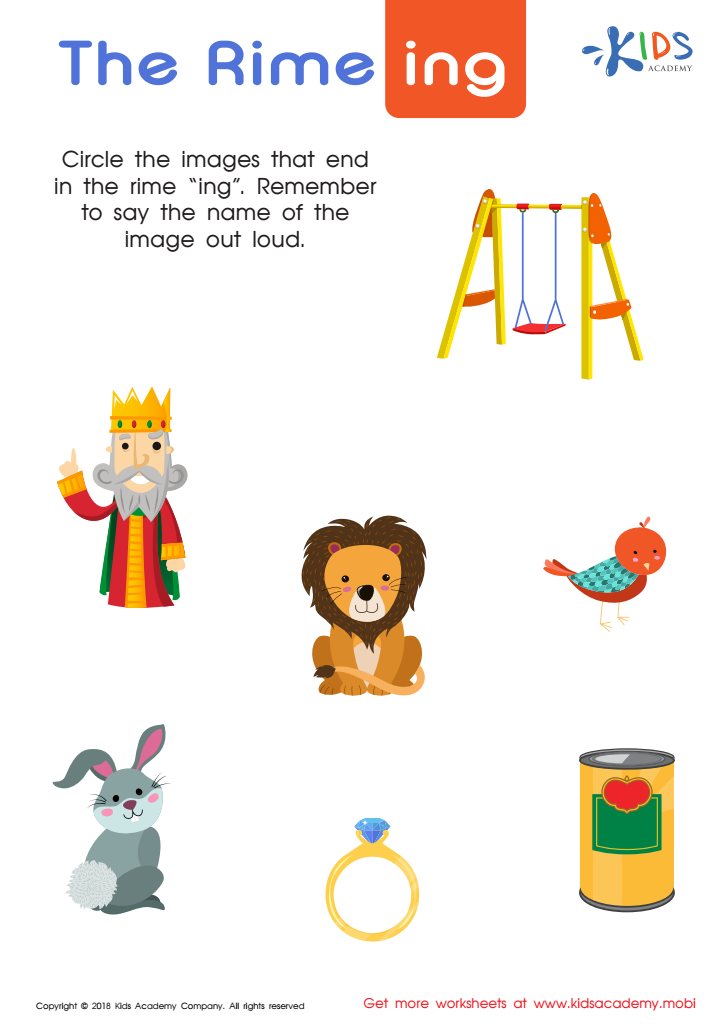
The Rime "ing" Worksheet
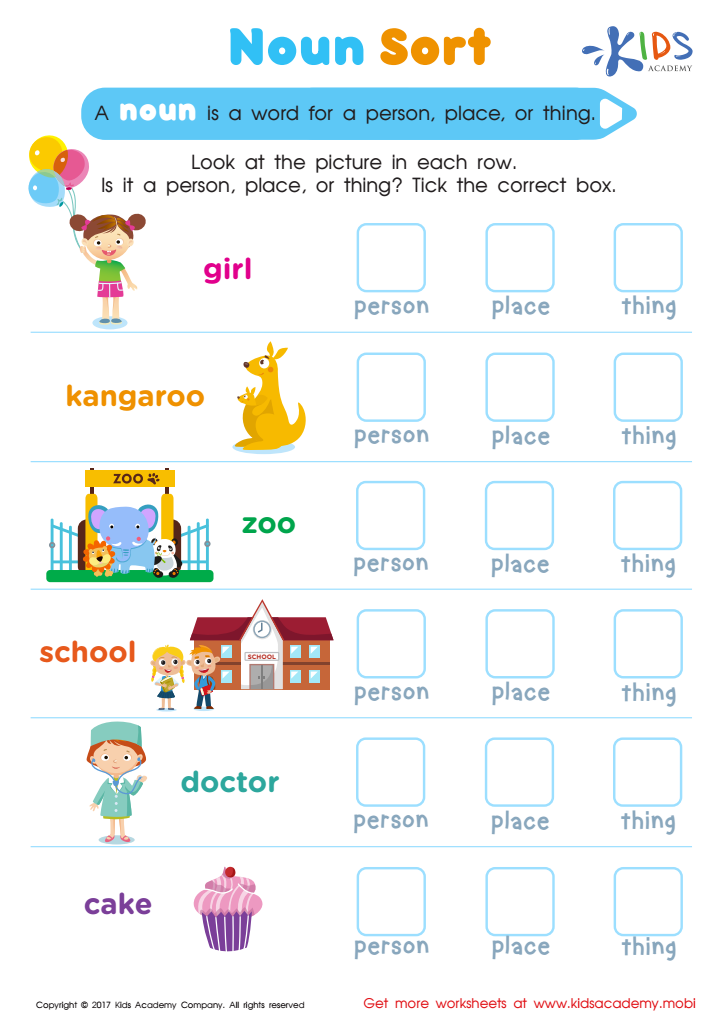
Noun Sort Printable
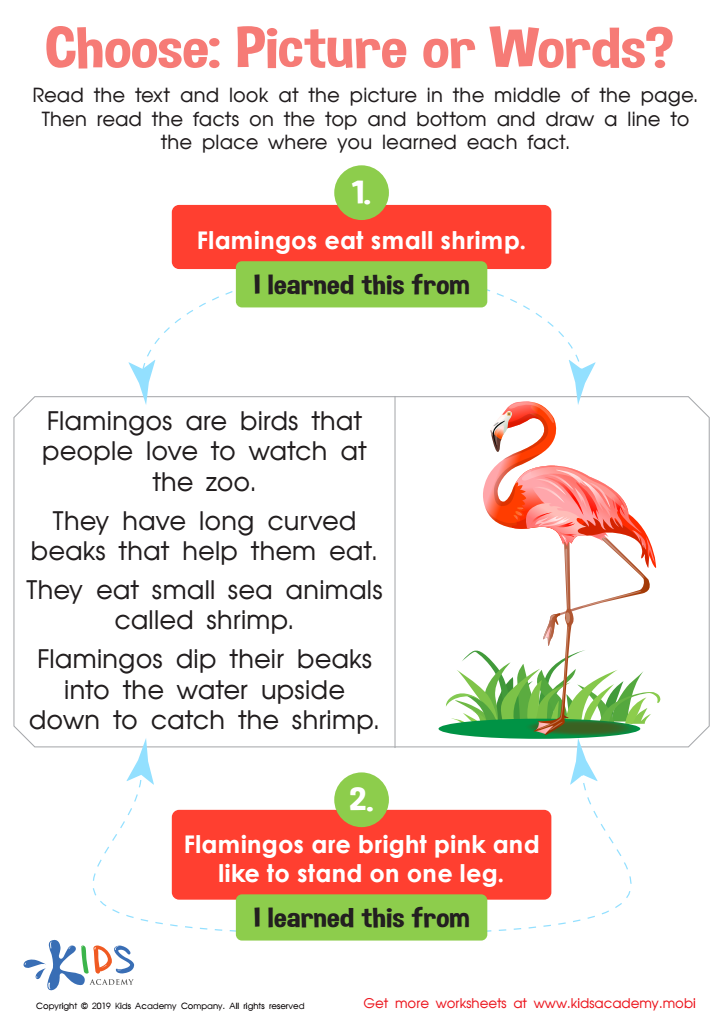
Choose Picture Words Worksheet
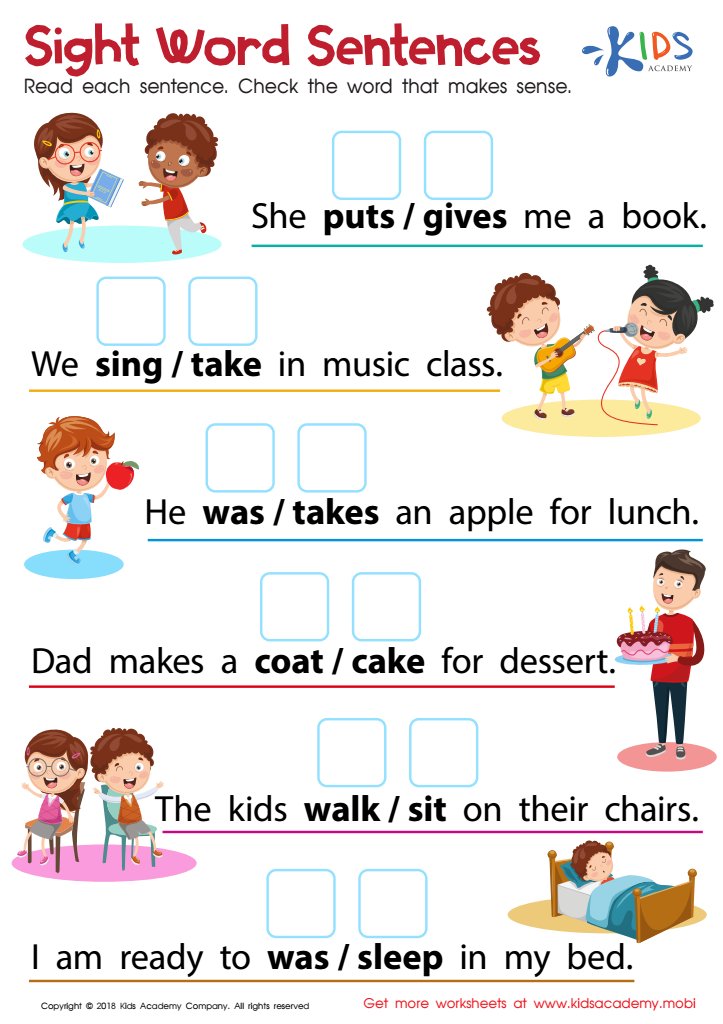
Sight Words Sentences Worksheet
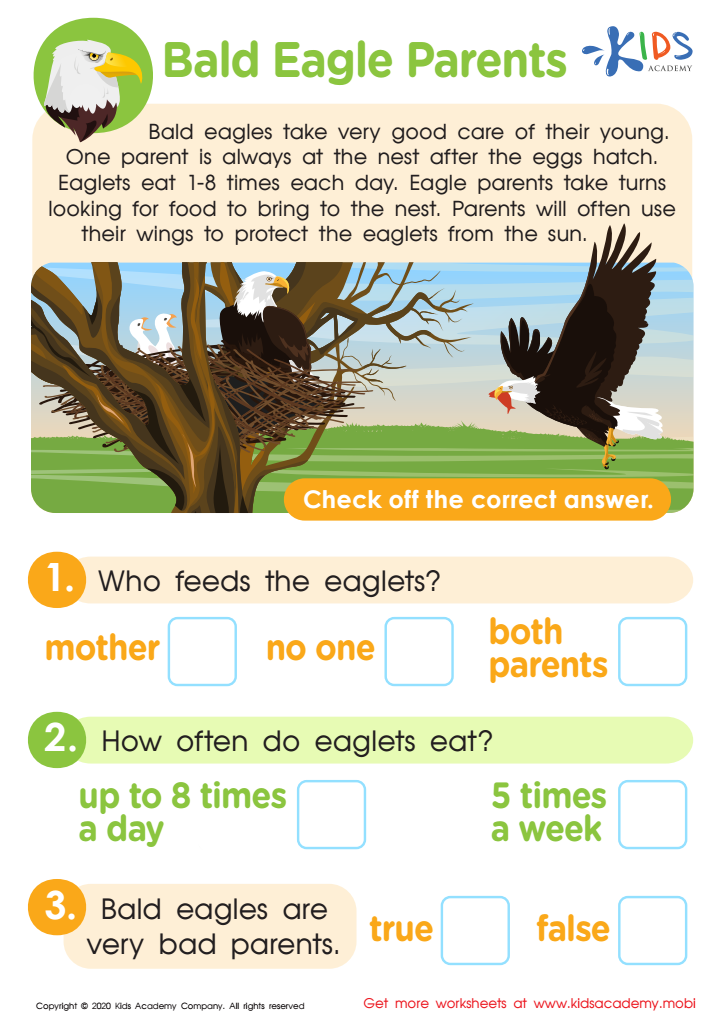
Bald Eagle Parents Worksheet
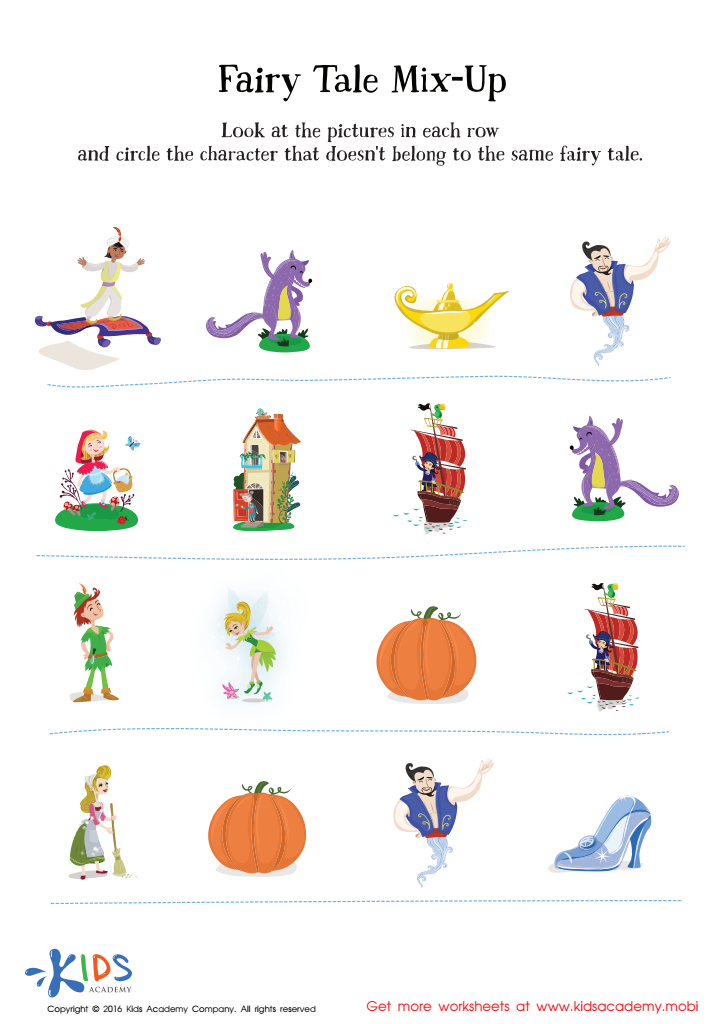
Fairy Tale Worksheet: Story Mix Up
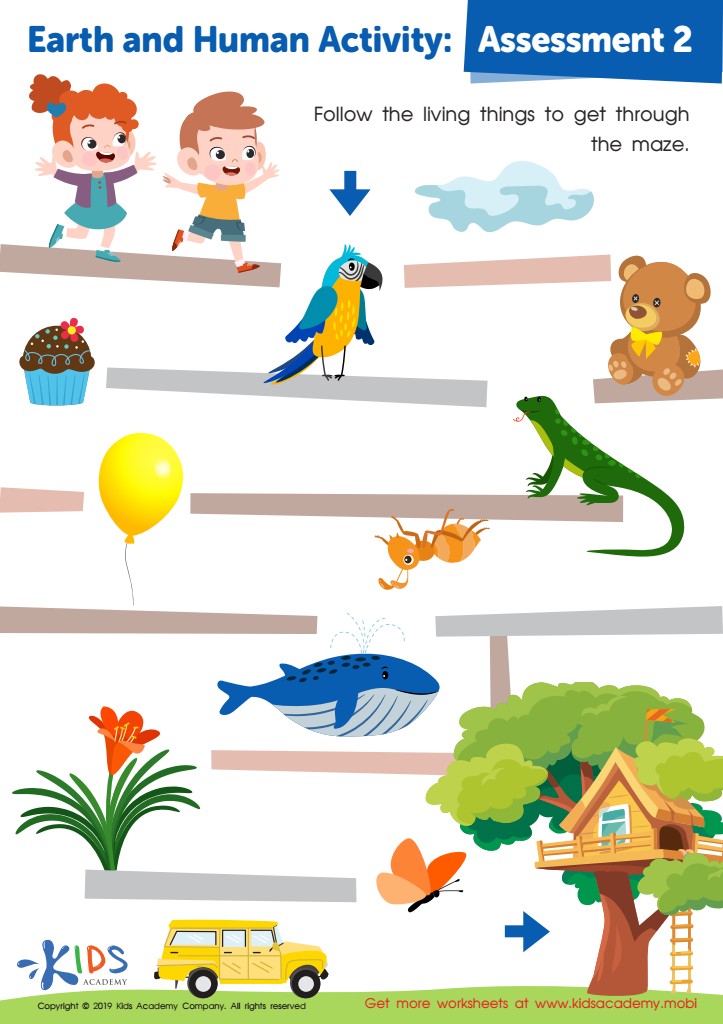
Earth and Human Activity: Assessment 2 Worksheet
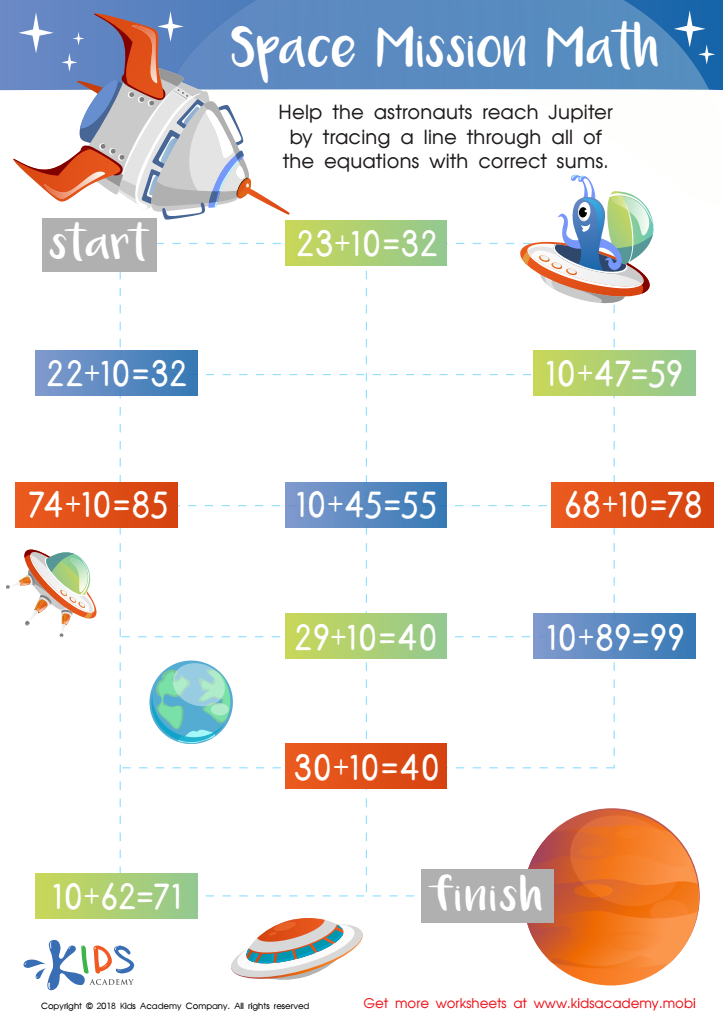
Space Mission Math Worksheet
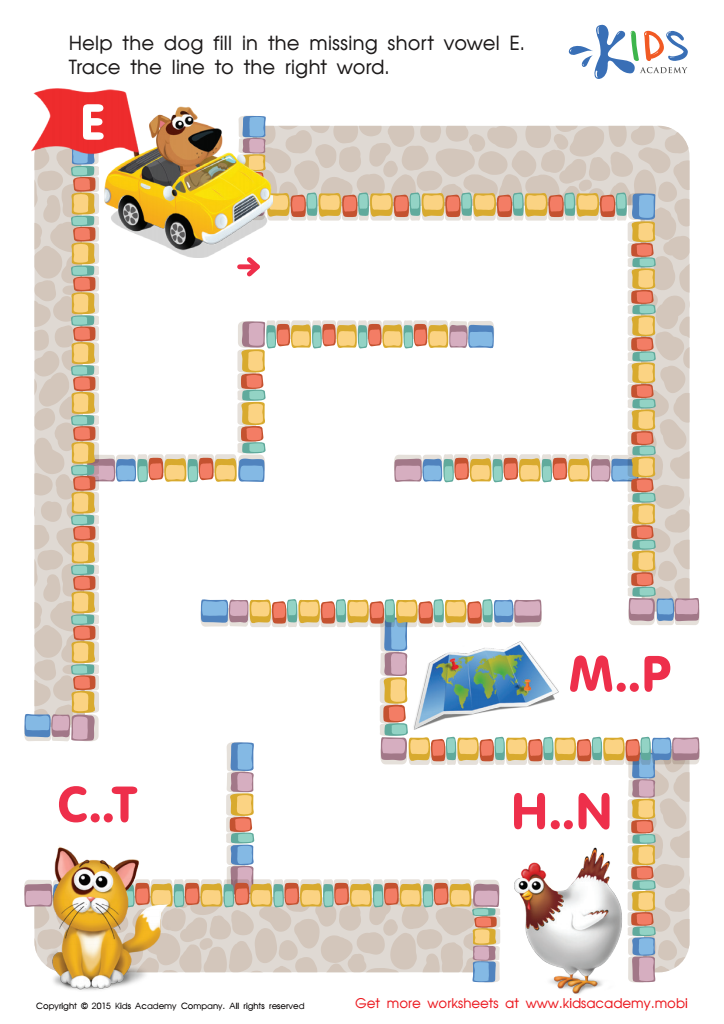
Short Vowel Sound E Worksheet
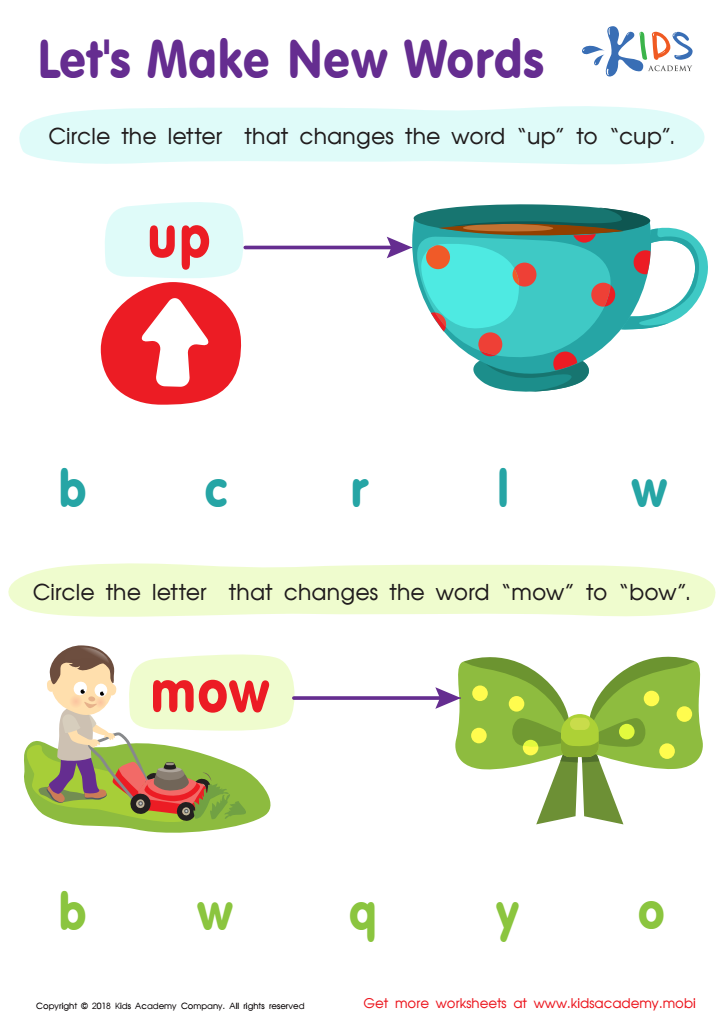
Let's Make New Words Worksheet
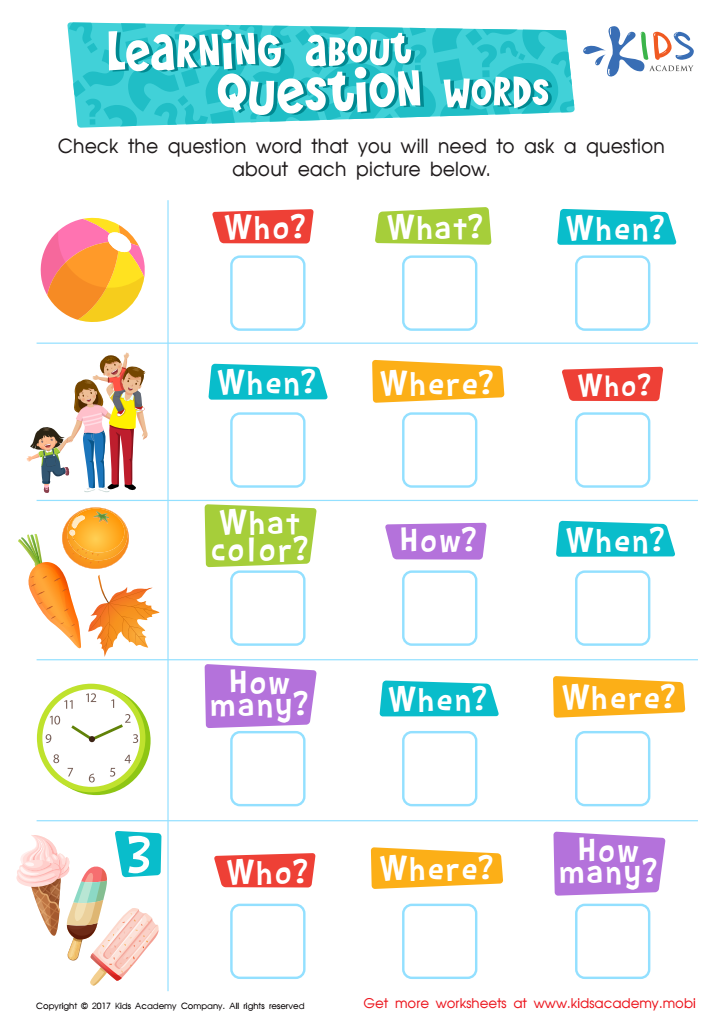
Learning about Question Words Worksheet
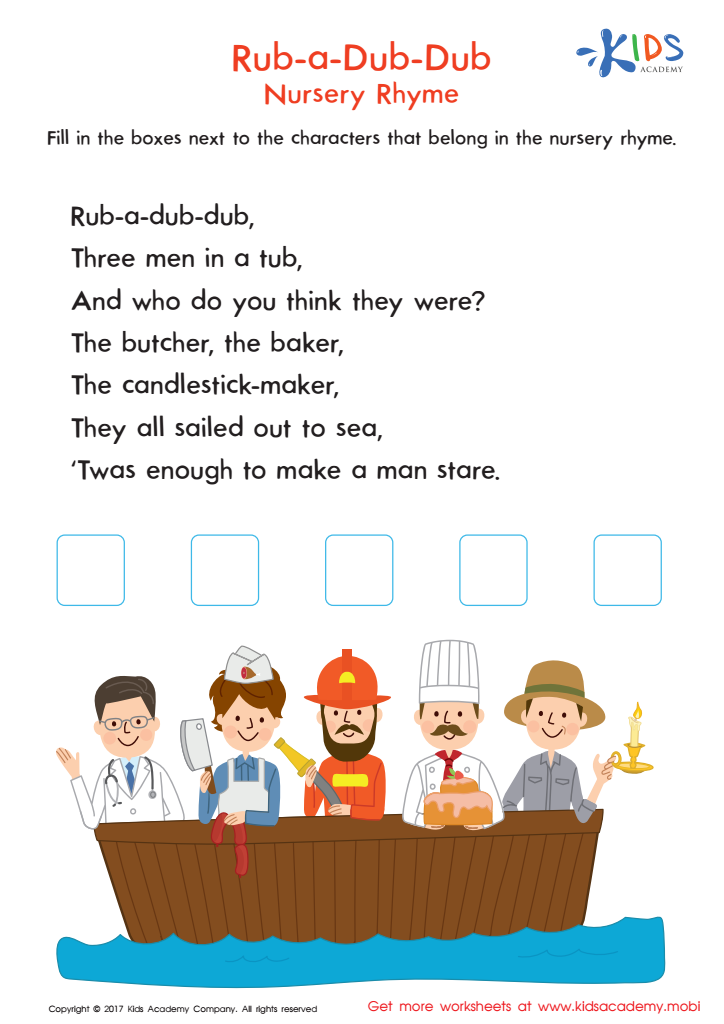
Rub a Dub Dub Printable
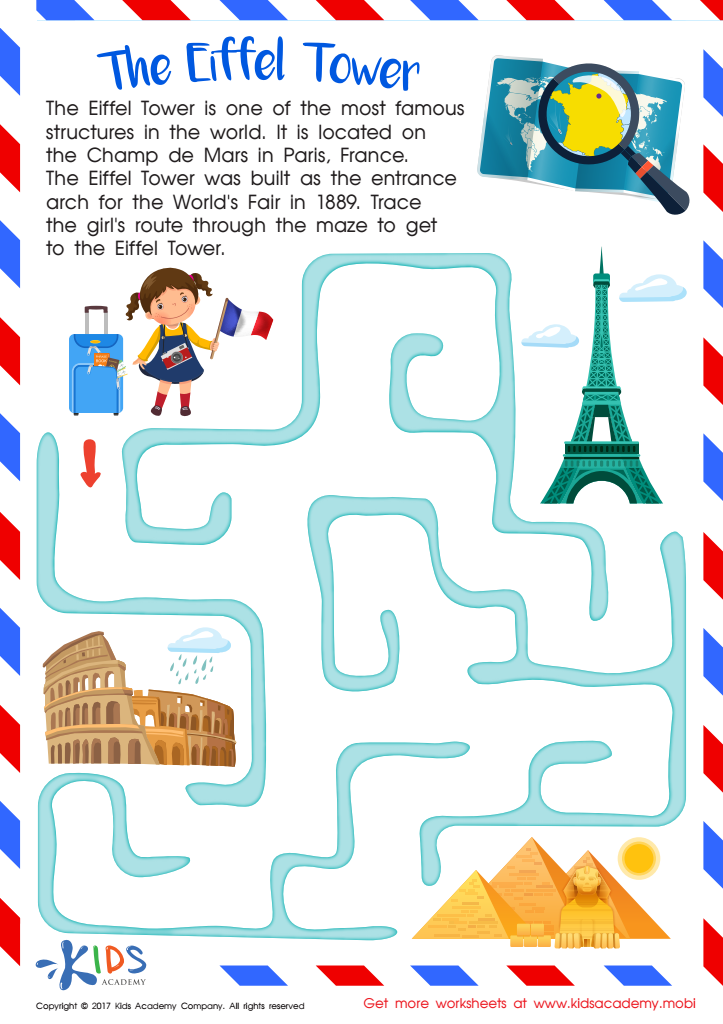
The Eiffel Tower Printable
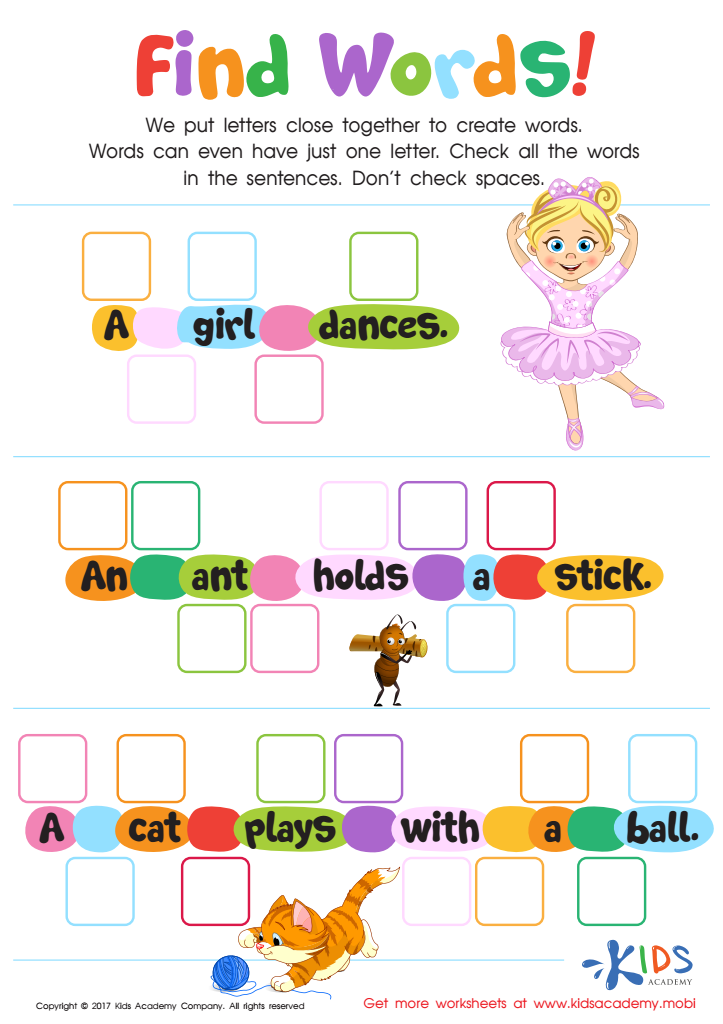
Find Words Worksheet
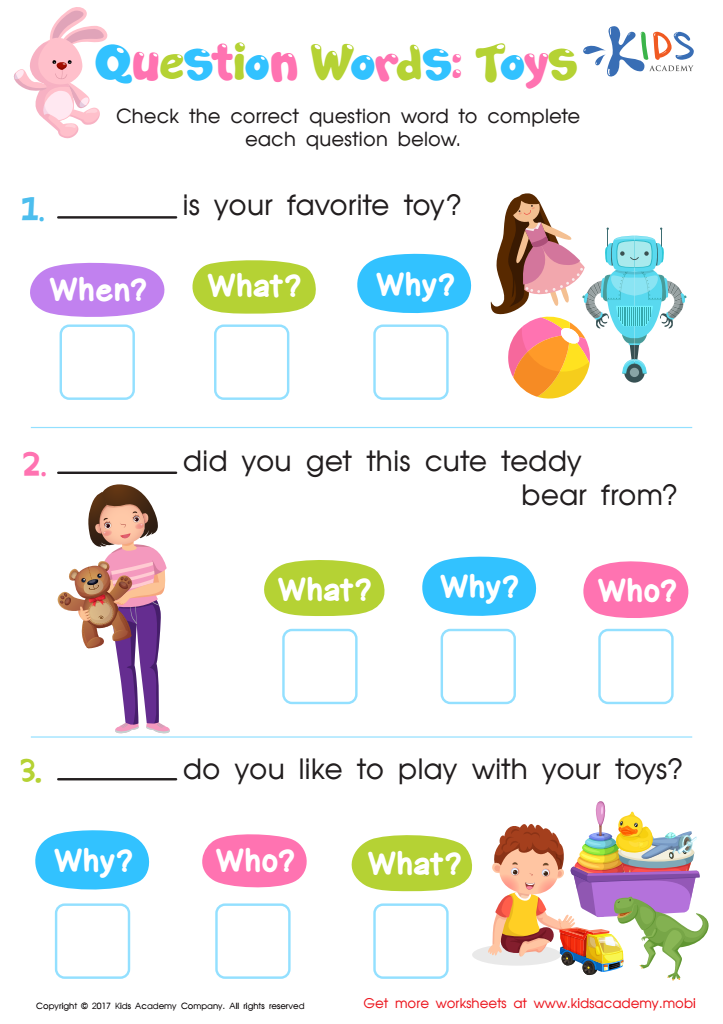
Question Words: Toys Worksheet
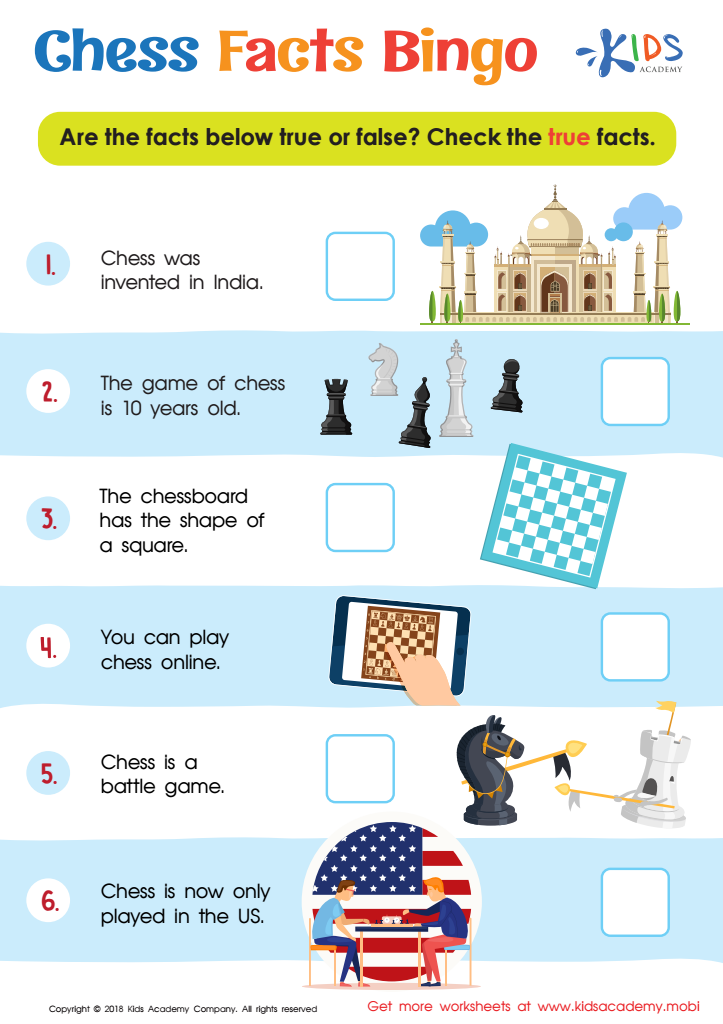
Chess Facts Bingo Worksheet
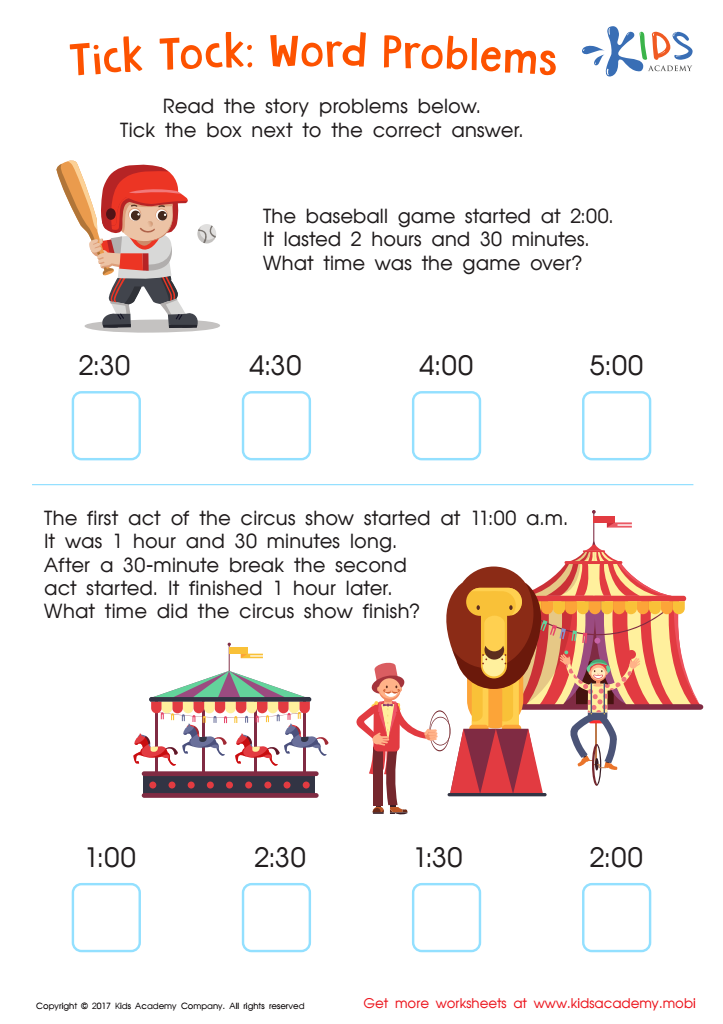
Tick Tock Word Problems Time Worksheet
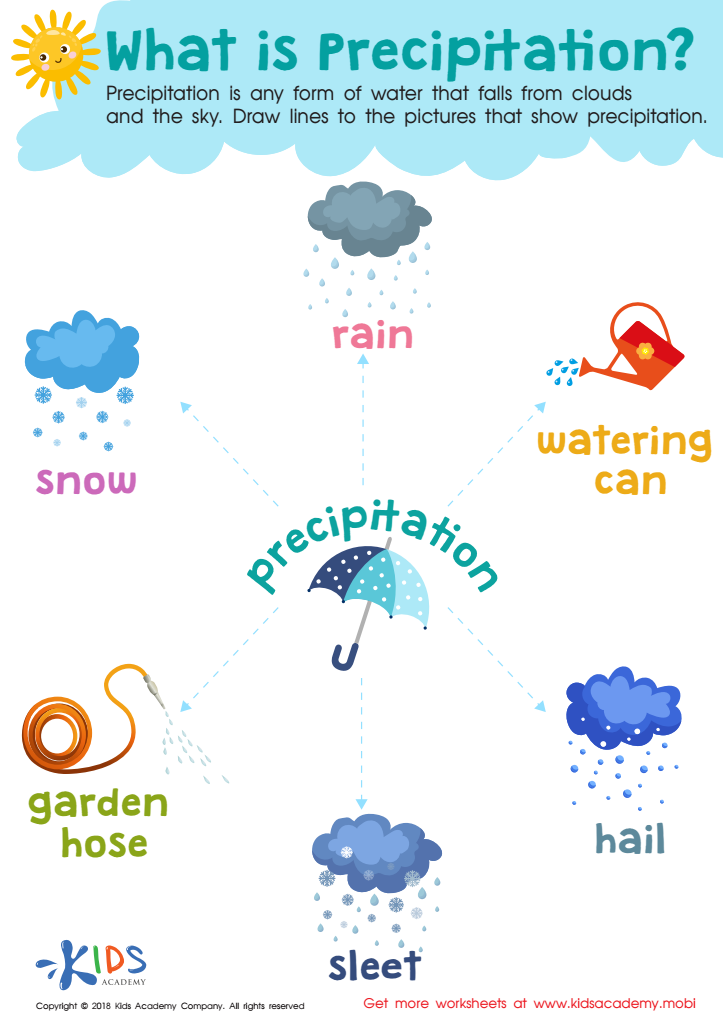
What Is Precipitation? Worksheet
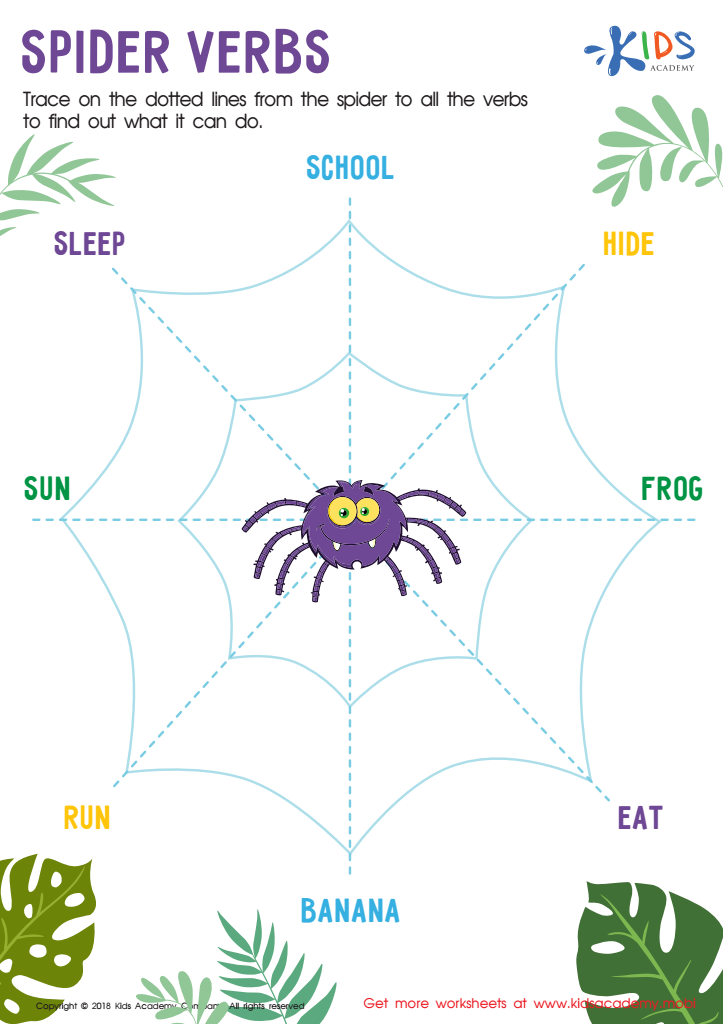
Spider Verbs Worksheet
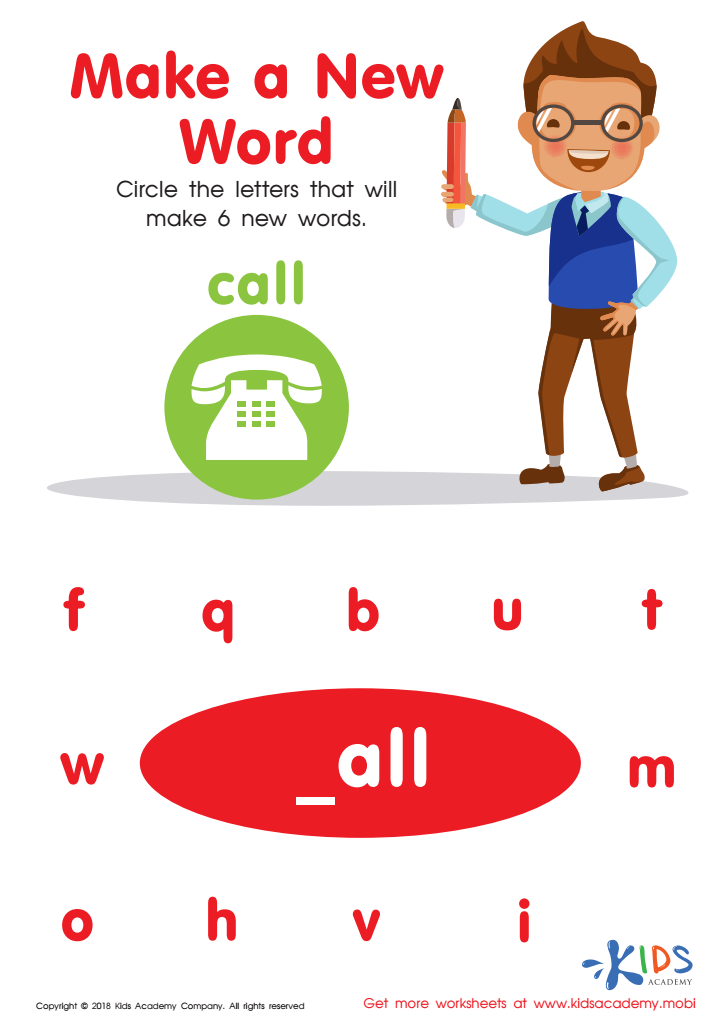
Make a New Word Worksheet








Reading comprehension extra challenges for children aged 3-6 hold significant value for parents and teachers. Early childhood is a critical period for brain development, and maximizing this phase can set a foundation for lifelong learning. By engaging in reading comprehension exercises, young children develop crucial language skills, including vocabulary, sentence structure, and an understanding of story elements.
These exercises foster critical thinking and analytical skills. When children have to think about why characters act a certain way or predict future events in the story, they learn to process and understand complex information. These skills are fundamental for academic success as they transition to more advanced subjects.
Additionally, reading comprehension challenges also cultivate emotional development and empathy. When children immerse themselves in stories, they experience various perspectives and emotions, helping them understand and relate to others better.
Parents and teachers should also care about these extra challenges because they can reveal early learning difficulties, allowing for timely interventions. This proactive approach ensures that children get the support they need before small issues become significant hurdles.
In summary, adding reading comprehension challenges to the routines of 3-6 year olds enriches their language skills, critical thinking abilities, and emotional intelligence, significantly contributing to their overall development and future academic success.








