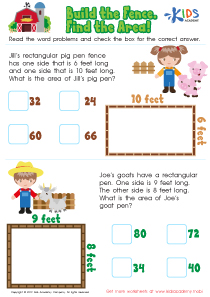
Number Sequencing Extra Challenge Numbers Worksheets for Ages 3-6
5 filtered results
-
From - To
Introducing our "Number Sequencing Extra Challenge Worksheets" designed for children ages 3-6! Enhance your child’s mathematical skills through engaging, developmentally appropriate activities that promote number recognition and sequencing. These fun worksheets feature vibrant illustrations and interactive tasks to keep young learners engaged while they practice arranging numbers in the right order. Tailored for both home and classroom use, our materials provide essential practice to help build a solid foundation in numeracy. Perfect for reinforcing classroom lessons or as additional homework! Unlock your child's potential in mathematics with ourExtra Challenge worksheets today and watch their confidence grow as they master number sequencing!
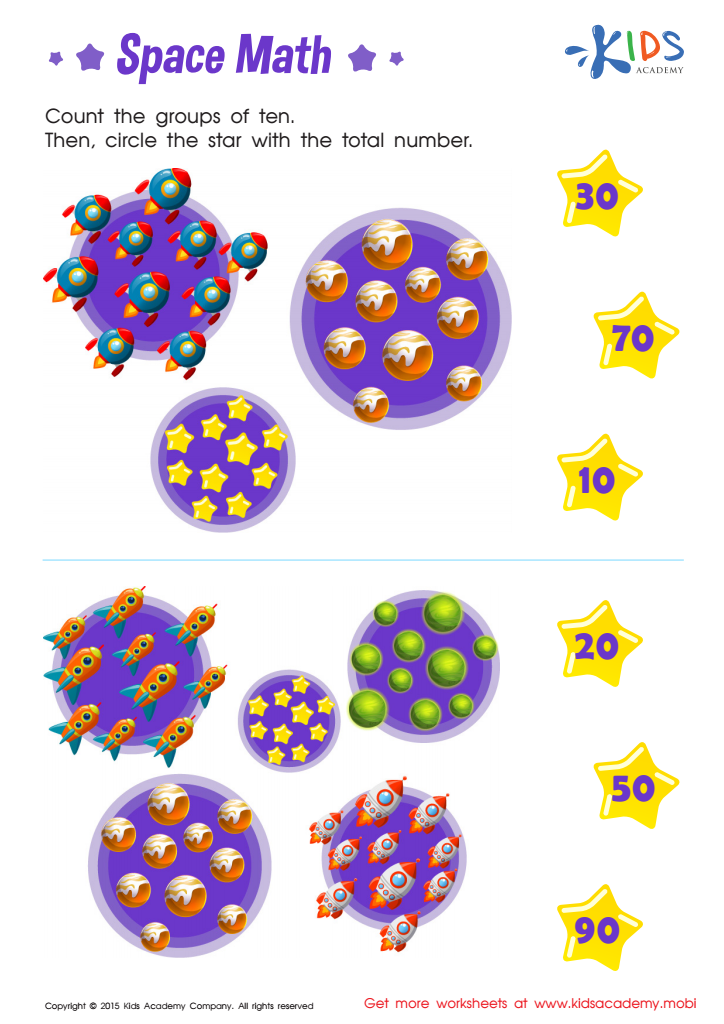
Learn dozens: Space math Worksheet
 Assign to My Students
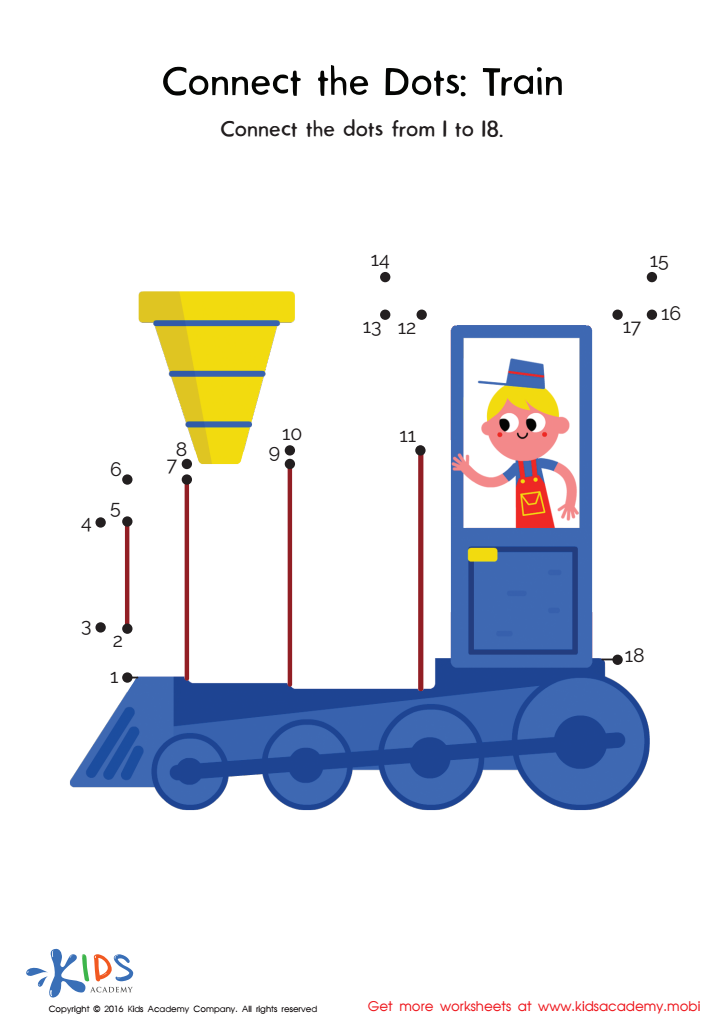

Pirate Ship Connect Dots Worksheet
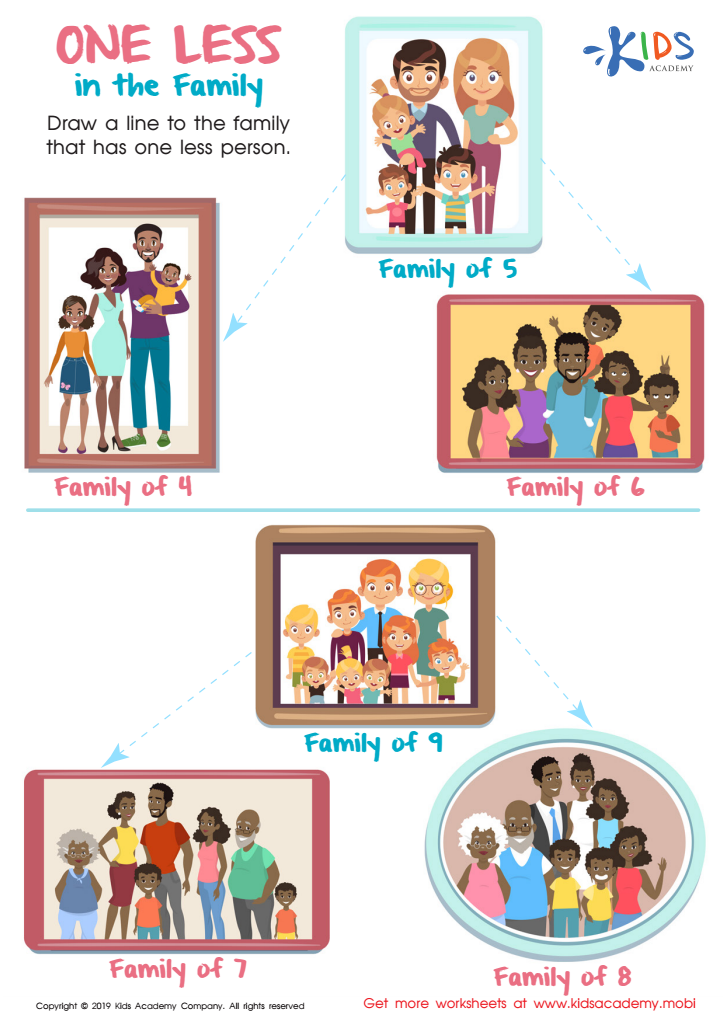
One Less in the Family Worksheet
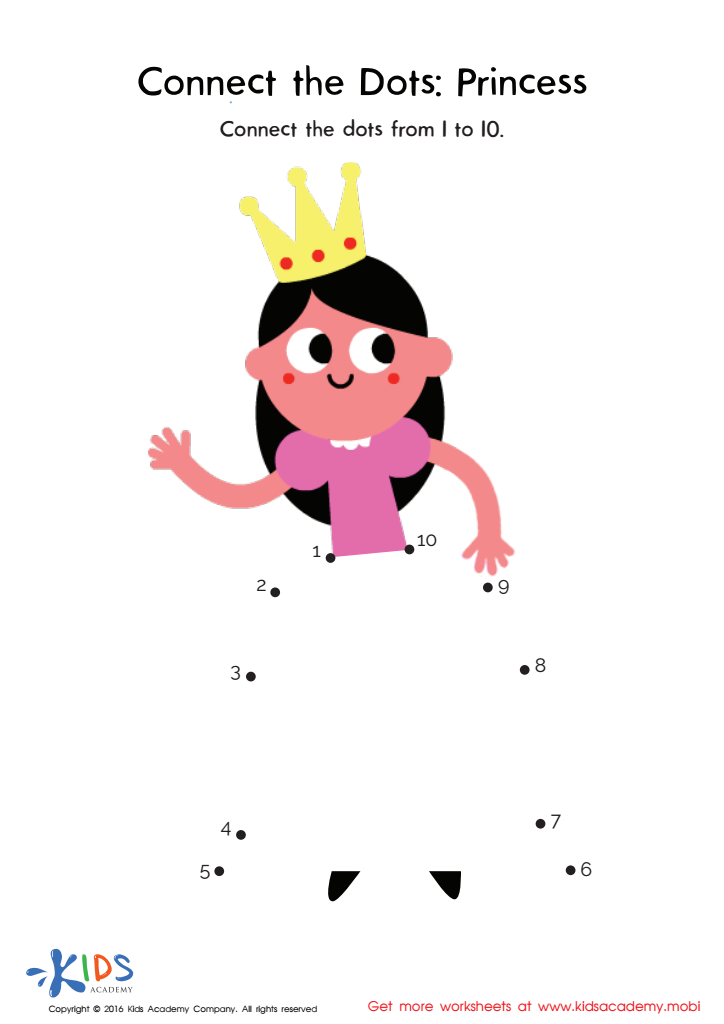
Princess Connect Dots Worksheet








Number sequencing is a crucial foundational skill in early childhood education, particularly for children aged 3-6. Parents and teachers should prioritize this extra challenge for several reasons.
Firstly, number sequencing enhances a child's cognitive development. As children engage with numbers, they learn to recognize patterns, which improves their analytical skills and fosters logical thinking. This ability to identify sequences lays the groundwork for more complex mathematical concepts encountered later in their education.
Secondly, mastering number sequences boosts a child’s confidence in their mathematical abilities. When children can recognize order and manipulate numbers freely, they are more likely to engage with math in a positive manner, setting the stage for lifelong learning.
Furthermore, number sequencing helps improve fine motor skills through hands-on activities like counting blocks or using number cards. As children physically engage with numbers, they enhance their coordination and dexterity.
Lastly, introducing extra challenges at this age encourages a growth mindset. Children learn that struggles can lead to improvement, fostering resilience and perseverance.
In summary, number sequencing is not just about numbers; it's integral to holistic early development, supporting cognitive growth, instilling confidence, developing essential skills, and promoting a positive learning attitude. Parents and teachers should actively participate in these activities to lay a strong foundation for future learning.