Fine Motor Skills Extra Challenge Math Worksheets for Ages 3-6
29 filtered results
-
From - To
At Kids Academy, we provide engaging Fine Motor Skills Extra Challenge Math Worksheets designed for ages 3-6 to boost both mathematical concepts and fine motor development. Each worksheet balances intricate math problems with activities that require precise hand movements, like tracing, cutting, and drawing. Carefully crafted by educational professionals, these worksheets aim to strengthen young children’s pencil control and dexterity while reinforcing early math skills such as counting, number recognition, and basic addition. Ideal for both home and classroom settings, our worksheets offer an enjoyable way to challenge young minds, fostering growth in both fine motor coordination and mathematical thinking.
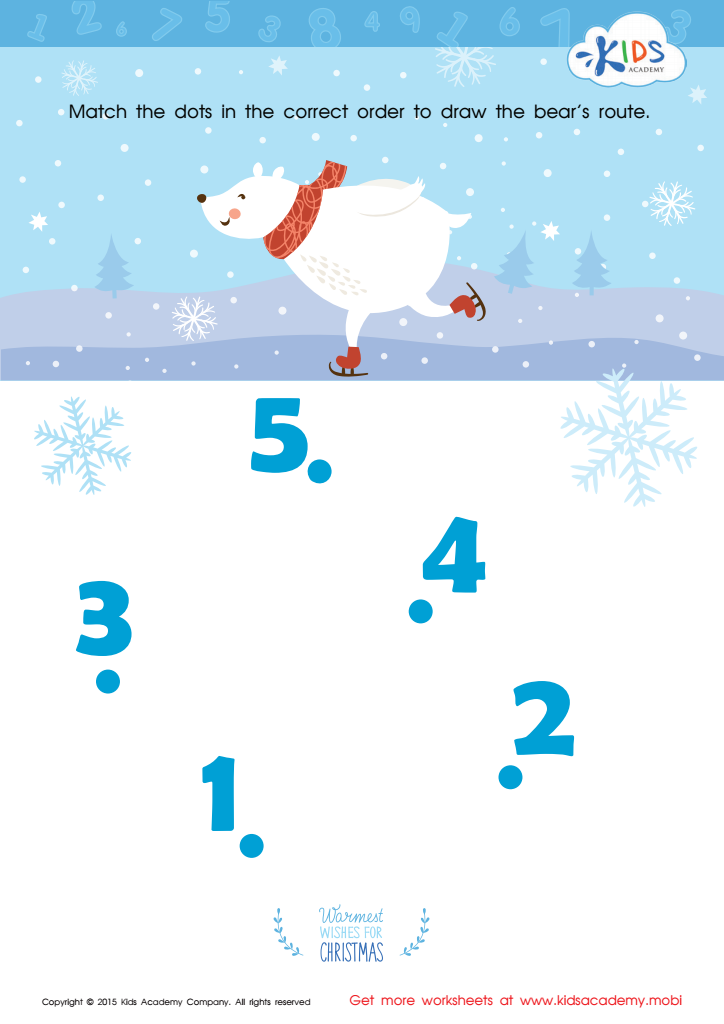
Drawing the Bear's Route by Number Worksheet
 Assign to My Students
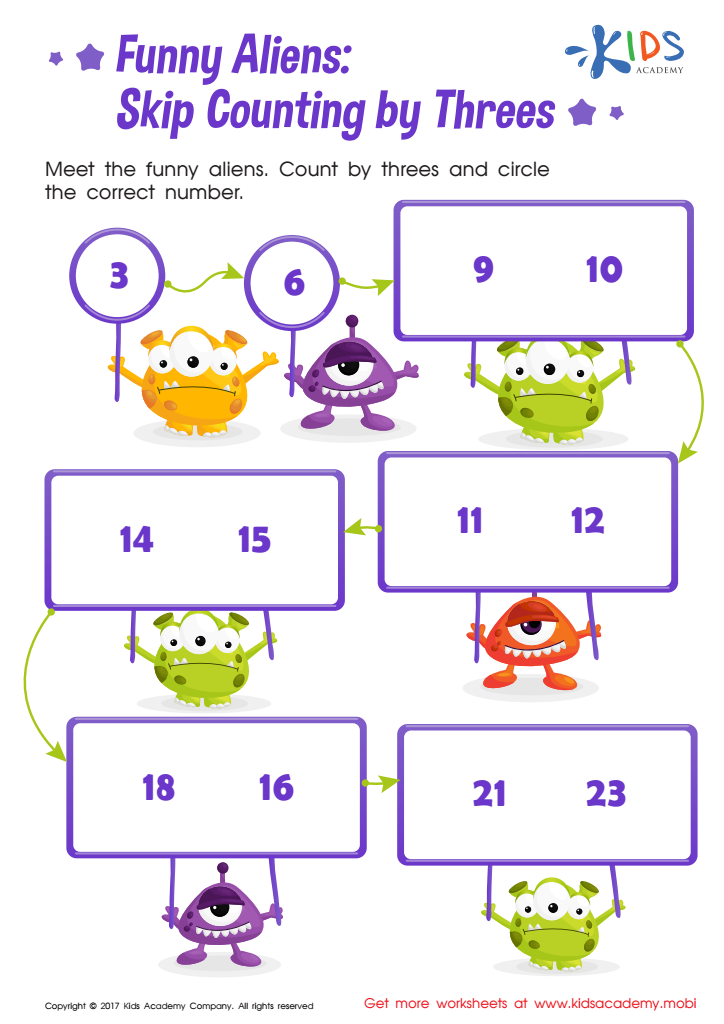
Skip Counting by 3s: Funny Aliens Printable
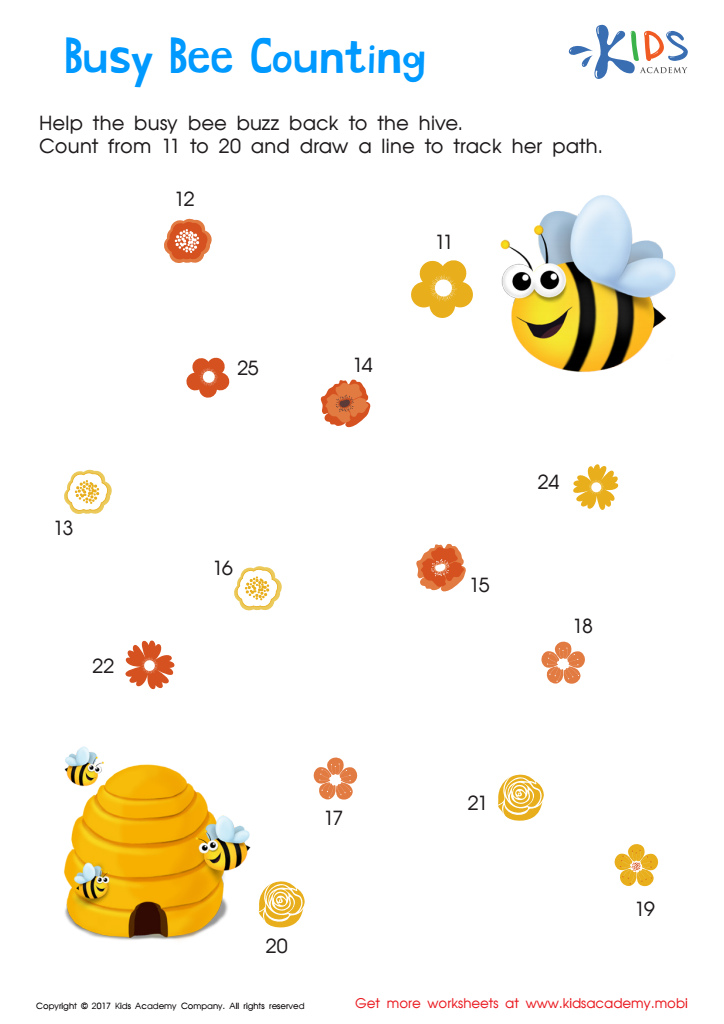
Ordering 11–20: Busy Bee Counting Worksheet
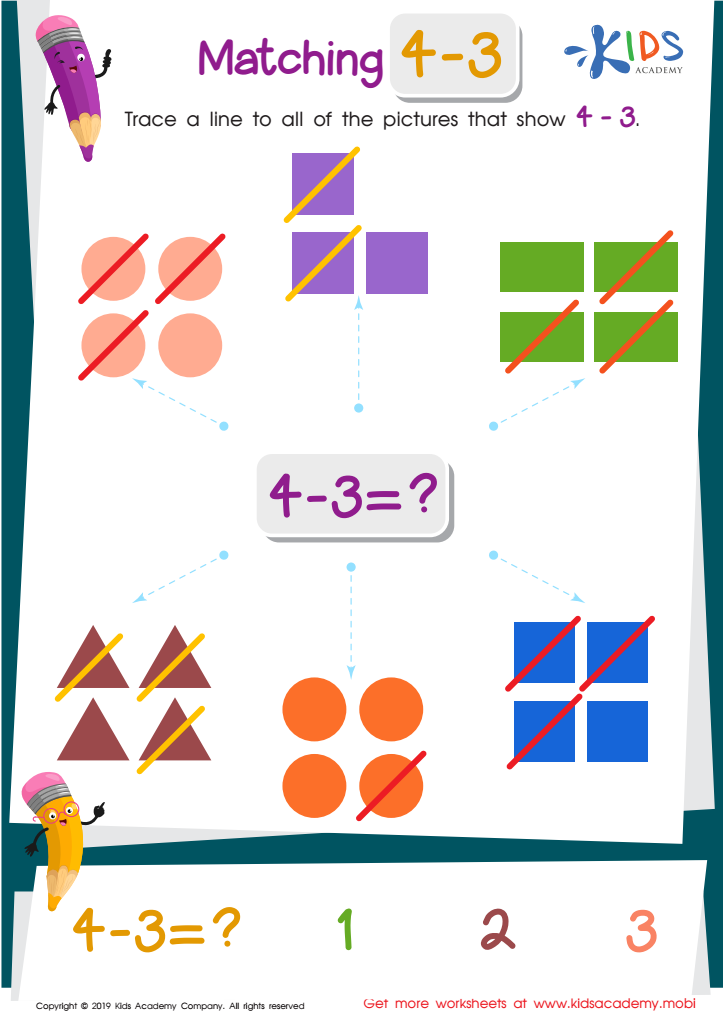
Matching 4 – 3 Worksheet
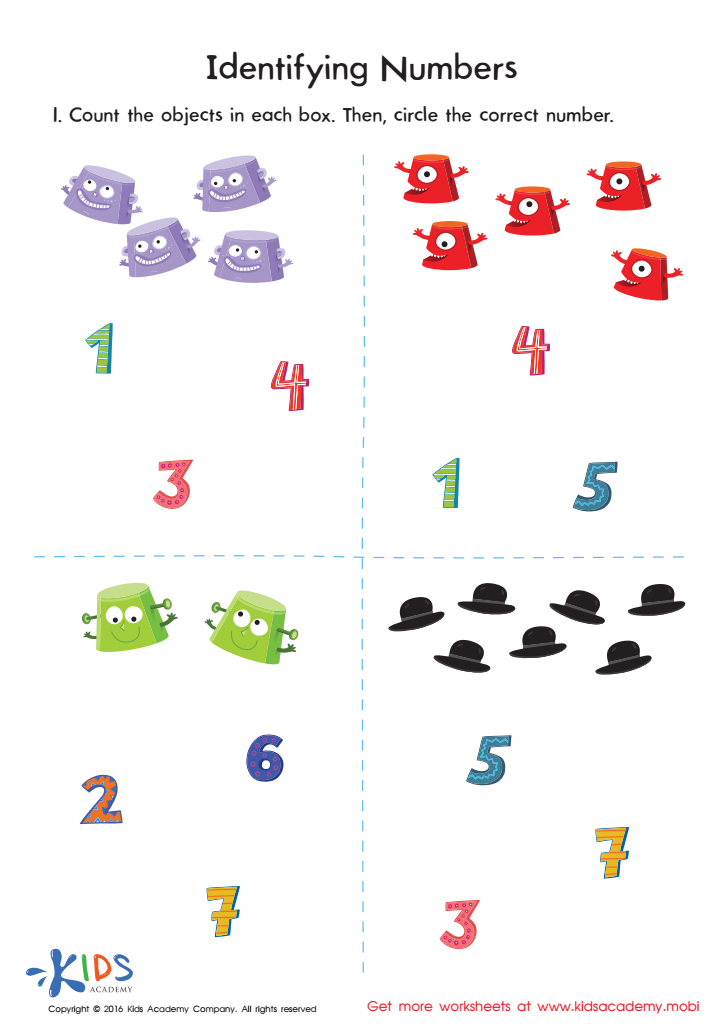
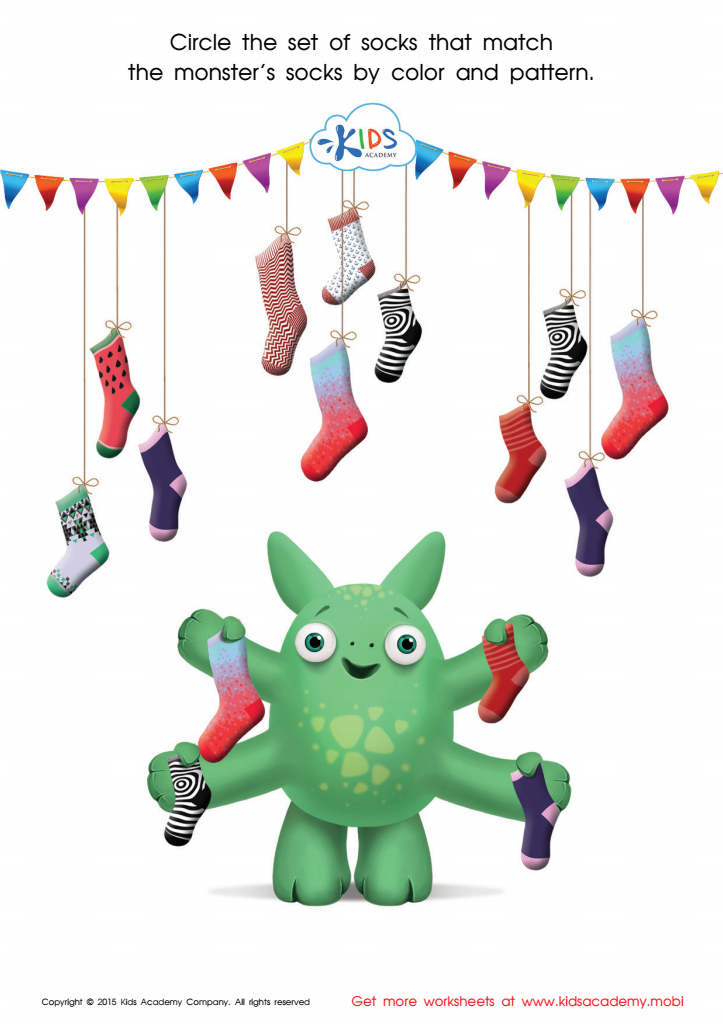
Sort the Monster's Socks Worksheet
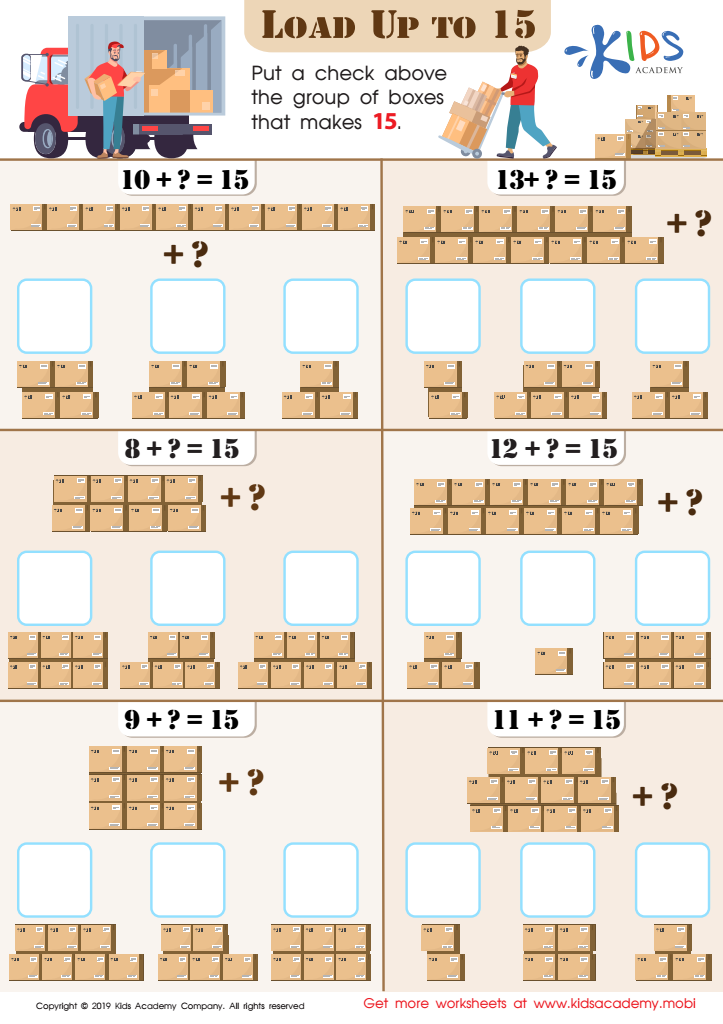
Load up to 15 Worksheet
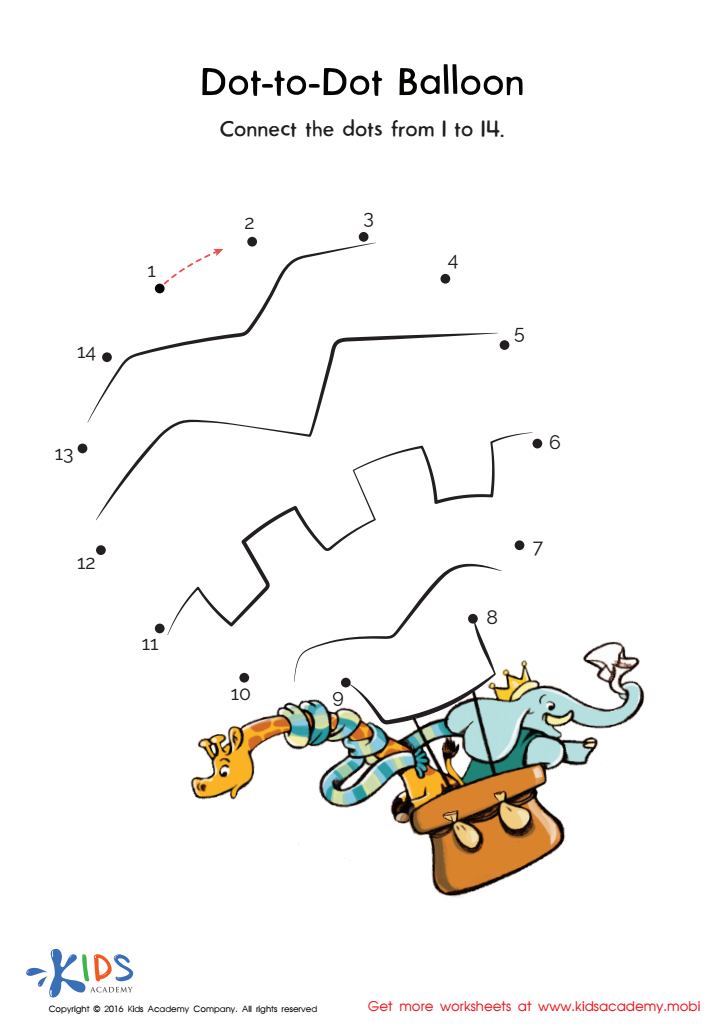
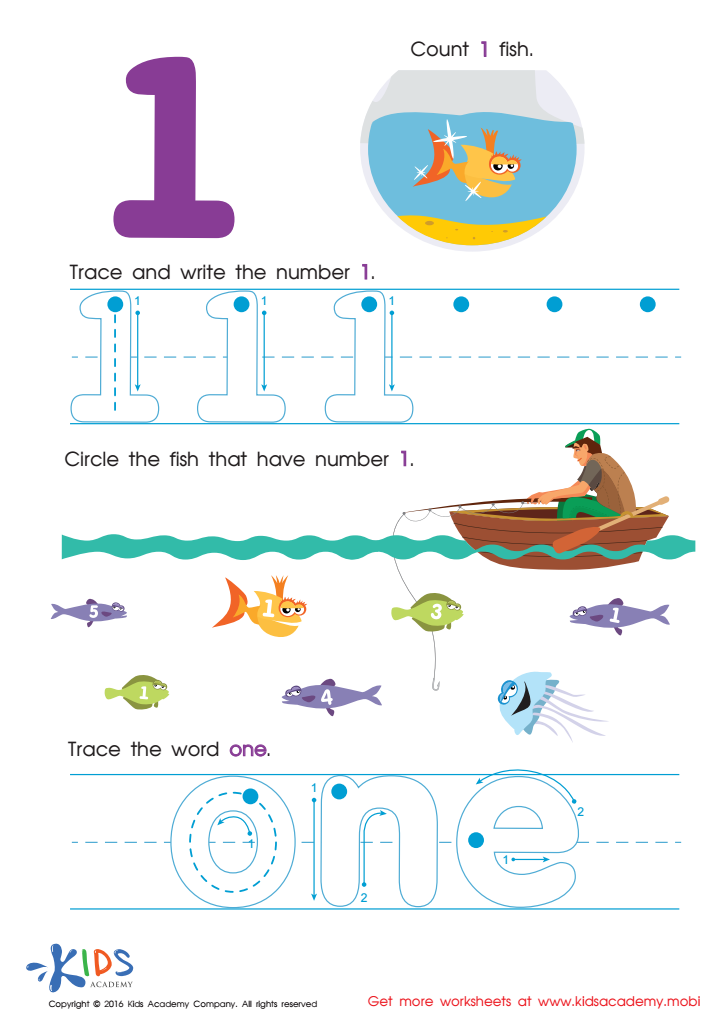
Learning to Write 1 Worksheet
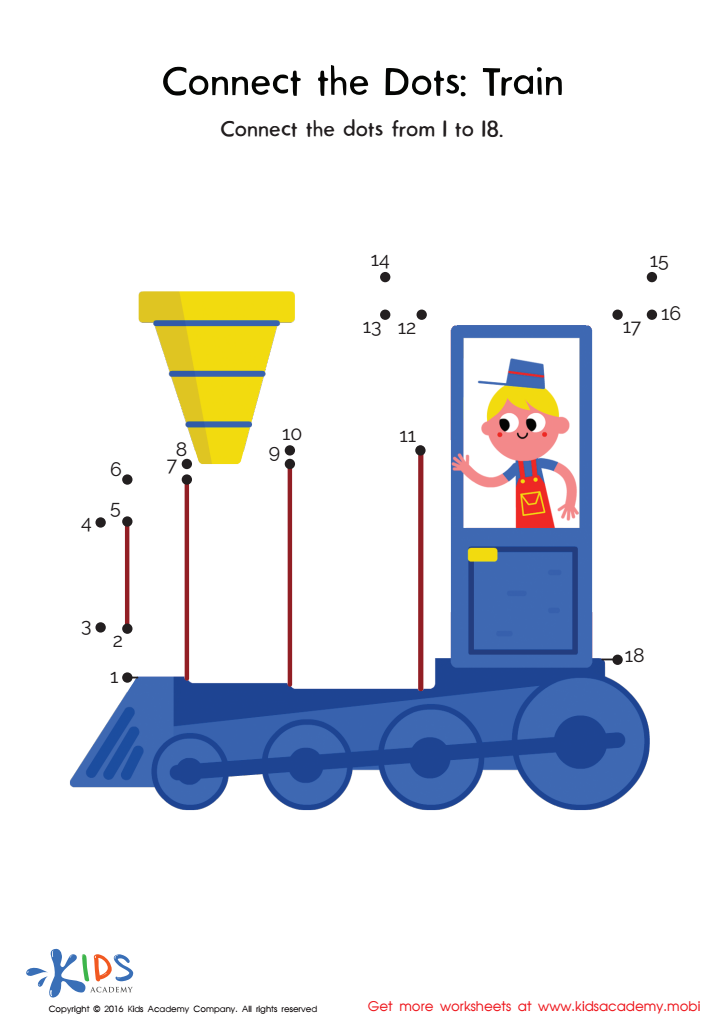
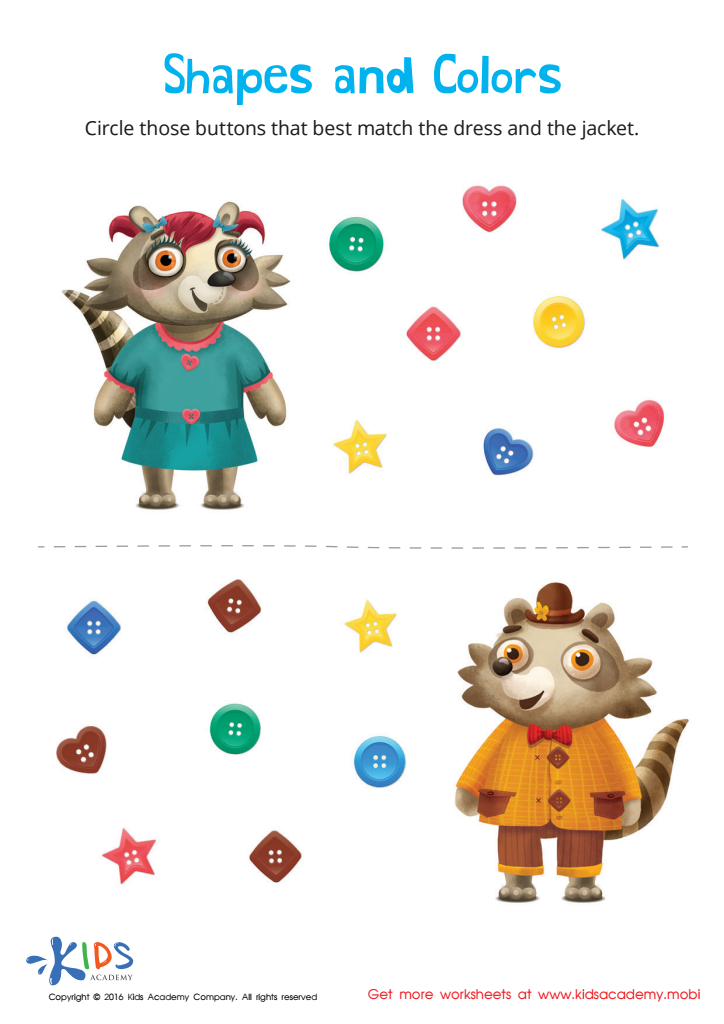
Matching: Shapes and Colors Worksheet

Apple Tree Counting Worksheet
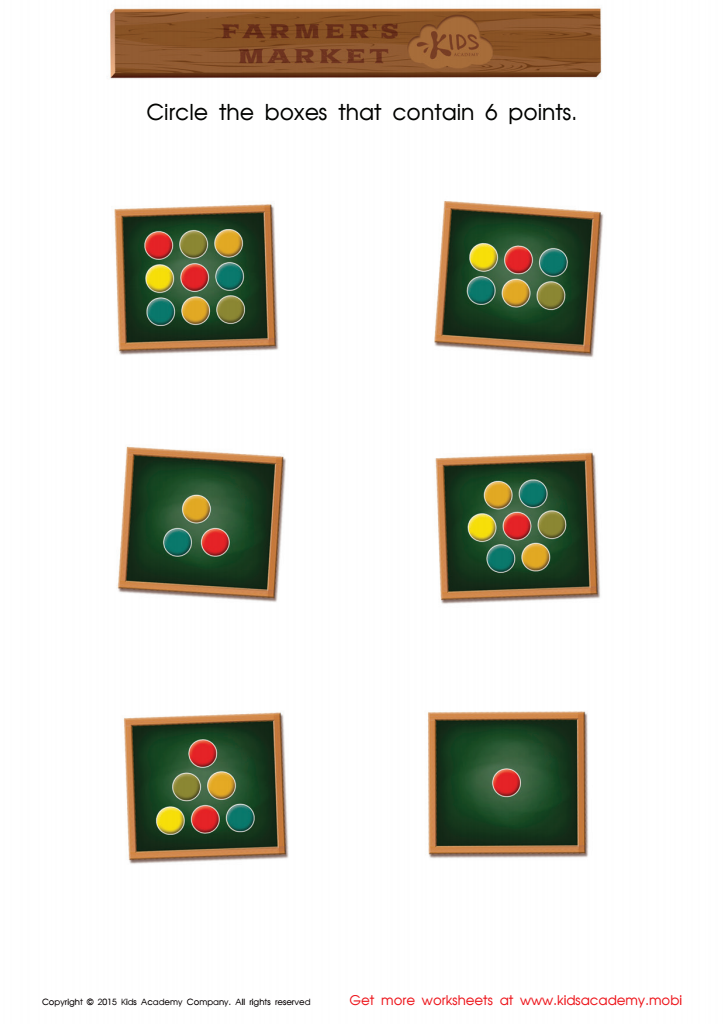
Count and Match Points 6 Math Worksheet
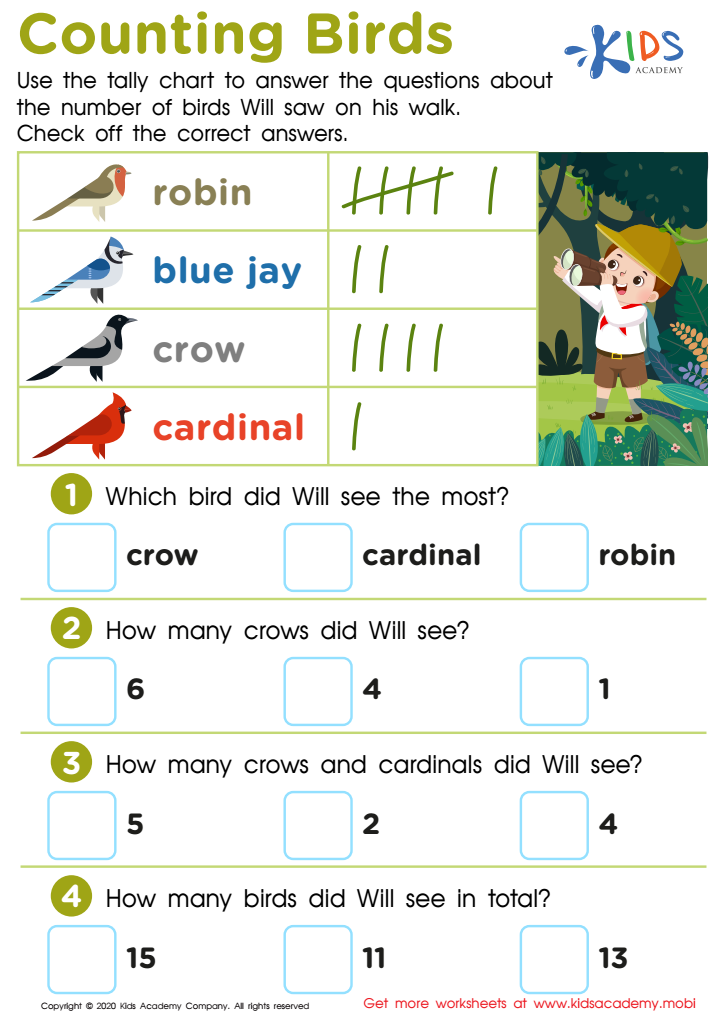
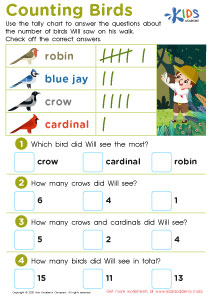
Counting Birds Worksheet
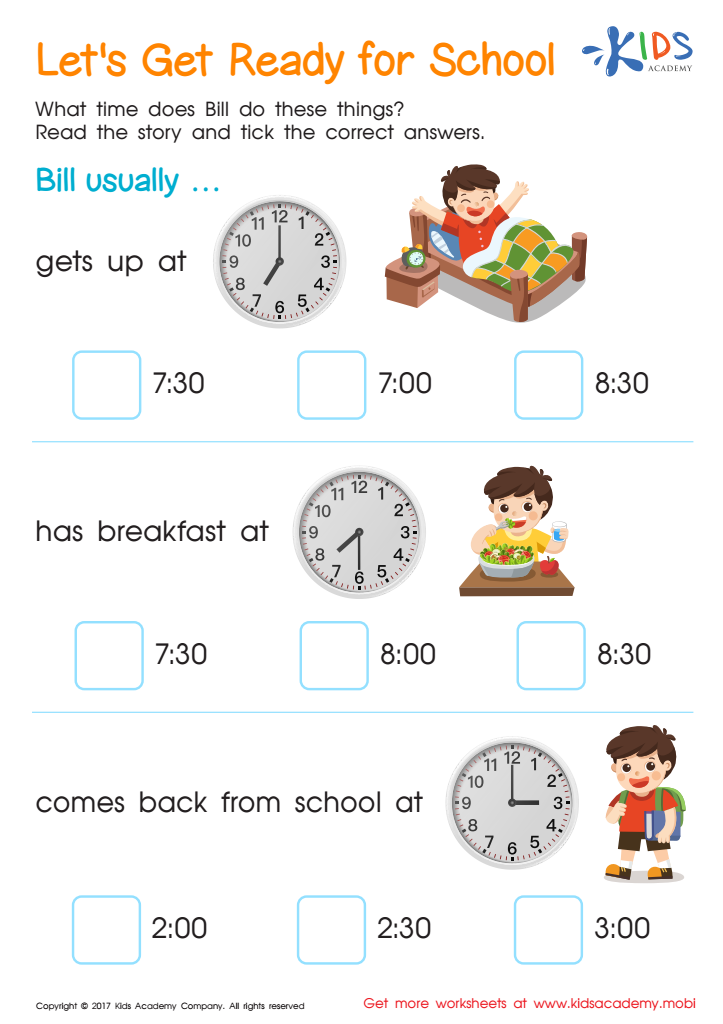
Lets Get Ready For School Time Printable
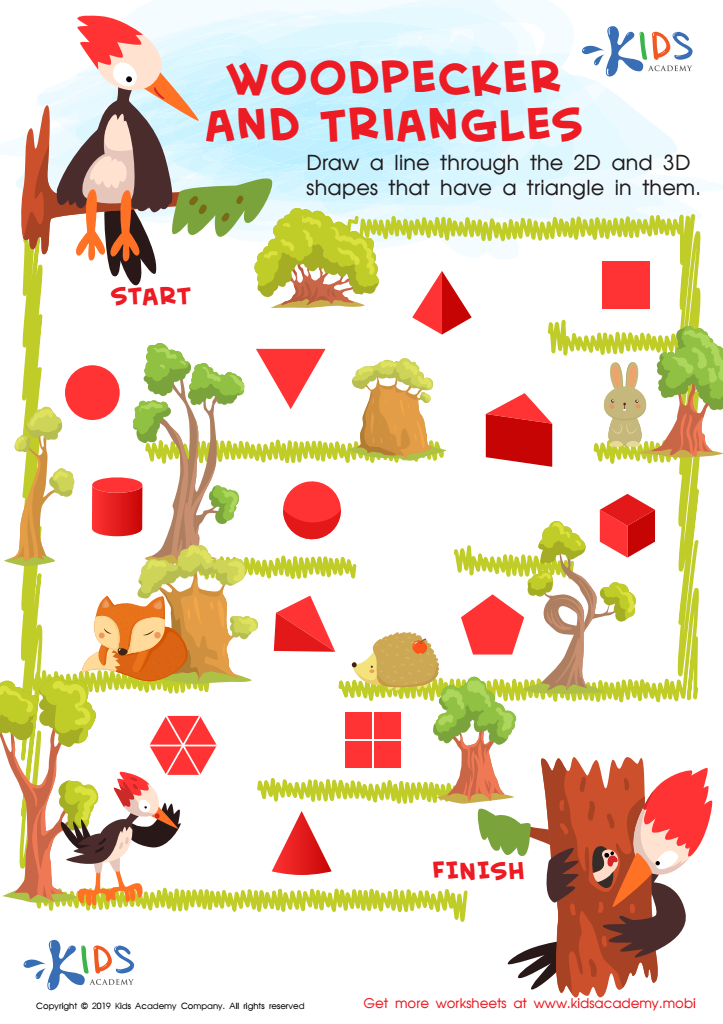
Woodpecker and Triangles Worksheet
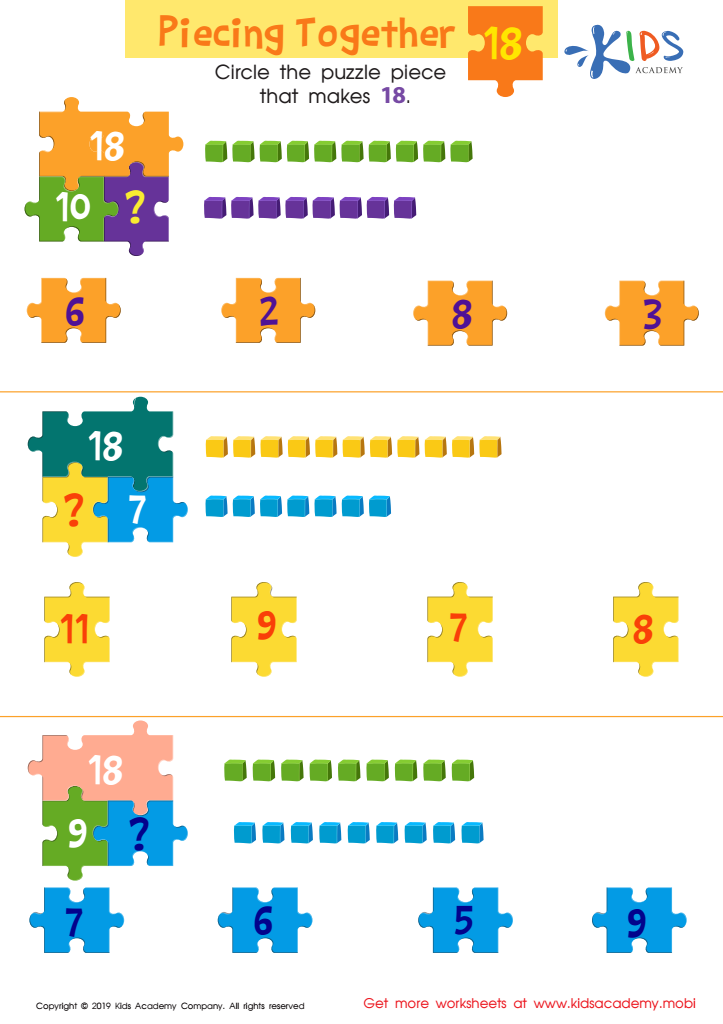
Piecing Together 18 Worksheet

Learn Number For Kindergarten Worksheet
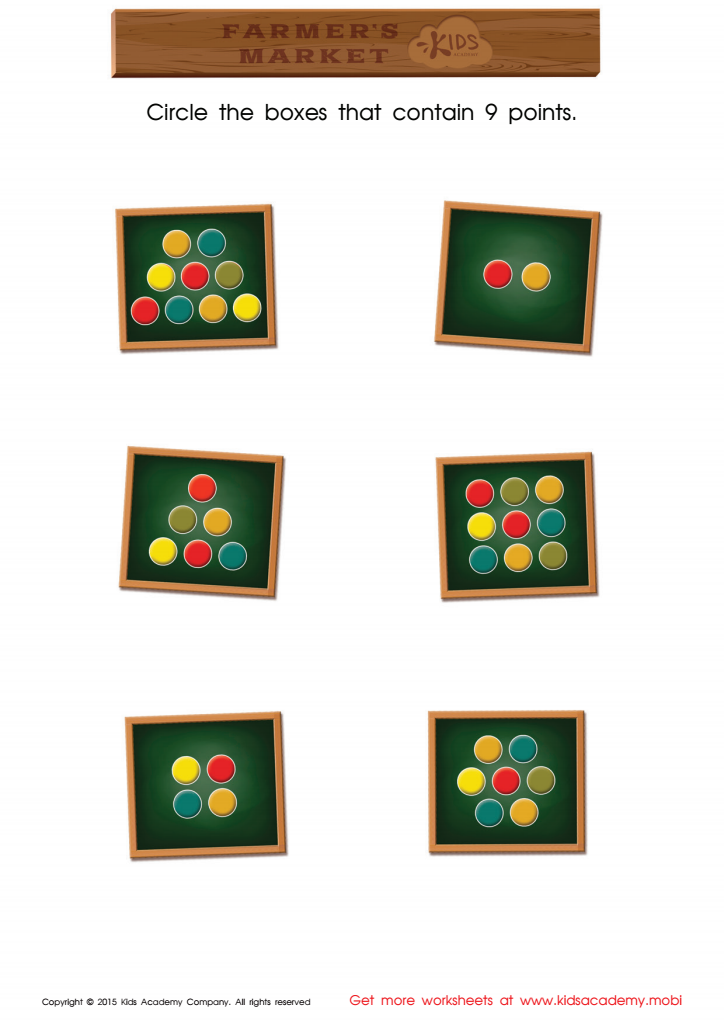
Count and Match Points 9 Math Worksheet
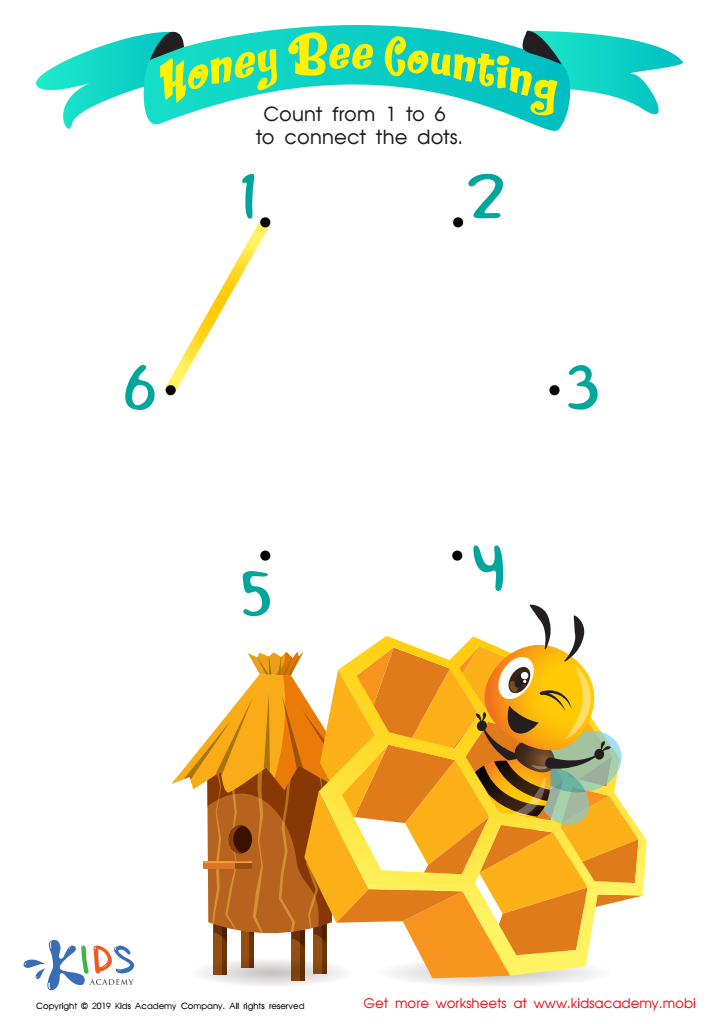
Honey Bee Counting Worksheet
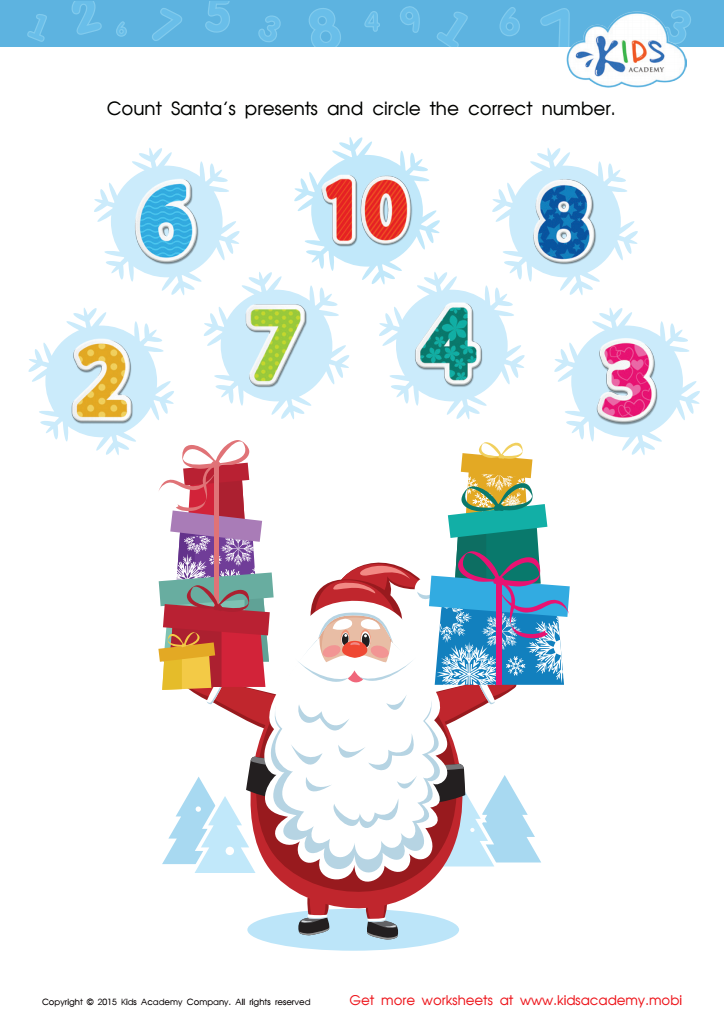
Count Santa's Presents Worksheet
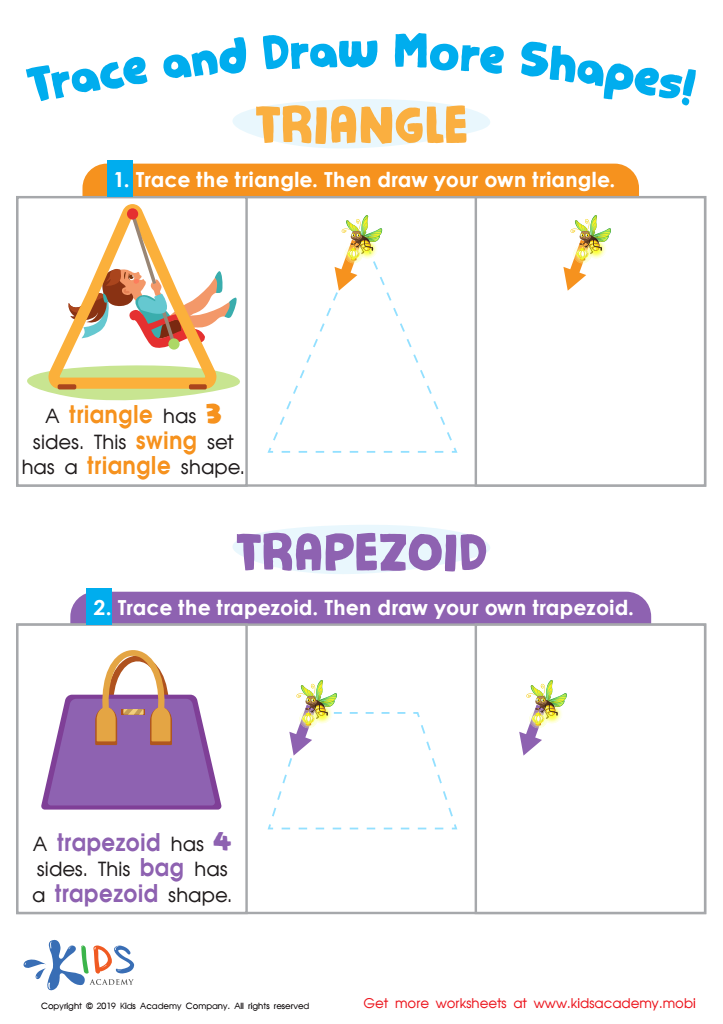
Trace and Draw More Shapes Worksheet
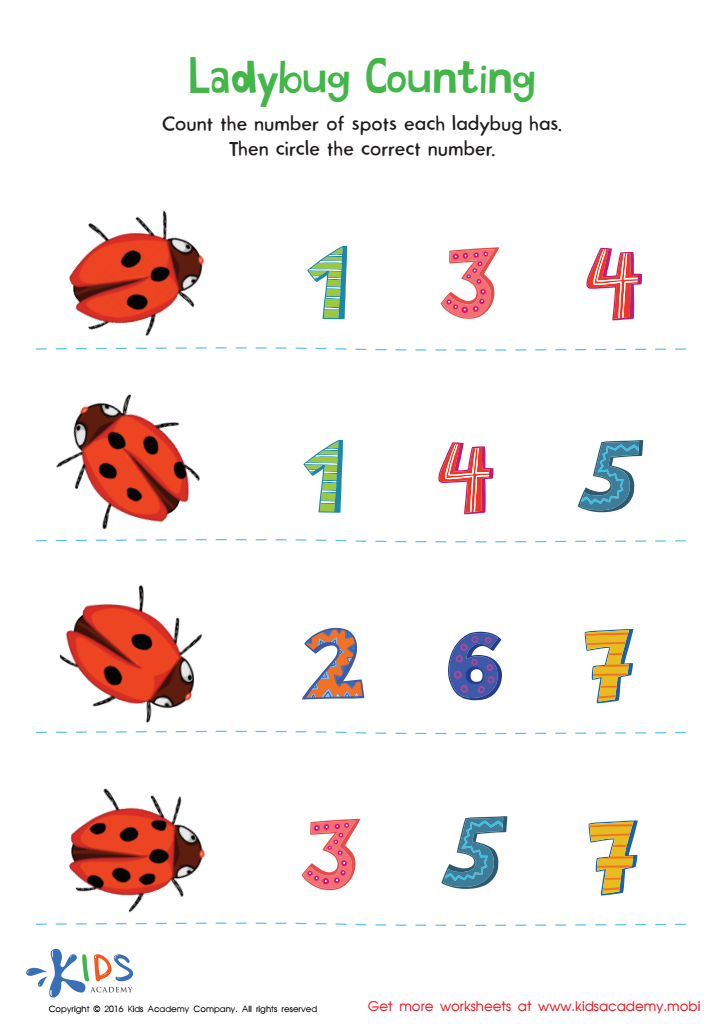
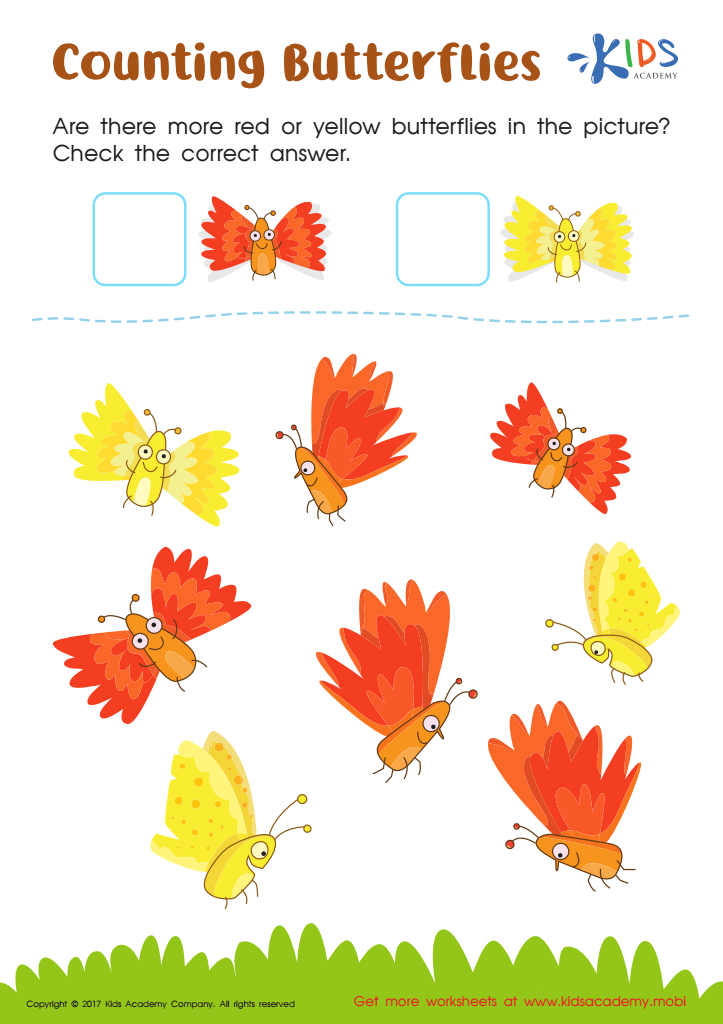
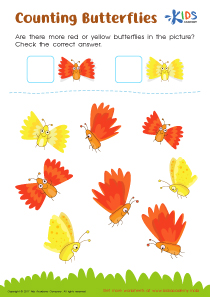
Counting Butterflies Worksheet








Certainly! Fine Motor Skills Extra Challenge Math activities are crucial for children ages 3-6 as they address multiple developmental areas simultaneously. Firstly, they support fine motor skill development, essential for tasks like writing, dressing, and feeding. The intricate movements required for these activities enhance hand-eye coordination, dexterity, and precision.
For parents and teachers, incorporating math challenges within these fine motor tasks is equally beneficial academically. Young children develop cognitive abilities through problem-solving, pattern recognition, and counting, which form the foundation for future mathematical competence. These integrated activities offer an engaging, hands-on approach, which is particularly effective for young learners.
Moreover, the combination of fine motor practice with math reinforces dual learning domains, making learning more robust and interrelated. This not only enhances cognitive development but also keeps young minds engaged and curious, fostering a positive attitude towards learning from an early age. Socially, children gain confidence as they master these skills, contributing to their overall well-being and classroom participation.
In summary, Fine Motor Skills Extra Challenge Math for ages 3-6 is a multifaceted tool. It not only strengthens the essential physical skills required for daily activities but also lays down the foundational stones of academic success in mathematics, all through enjoyable and meaningful engagement.