Extra Challenge Addition Worksheets for Ages 3-7
22 filtered results
-
From - To
Introduce your young learner to the exciting world of numbers with our "Extra Challenge Addition Worksheets for Ages 3-7." Designed to engage and inspire, these worksheets are perfect for kids who are ready to move beyond basic addition and tackle more challenging problems. With vibrant visuals and age-appropriate exercises, our addition worksheets provide a stimulating way to strengthen your child's math skills. Every activity is crafted to boost confidence, encourage critical thinking, and promote a love for learning. From colorful illustrations to fun themes, make addition a fun adventure with our exceptional worksheets tailored just for early learners!
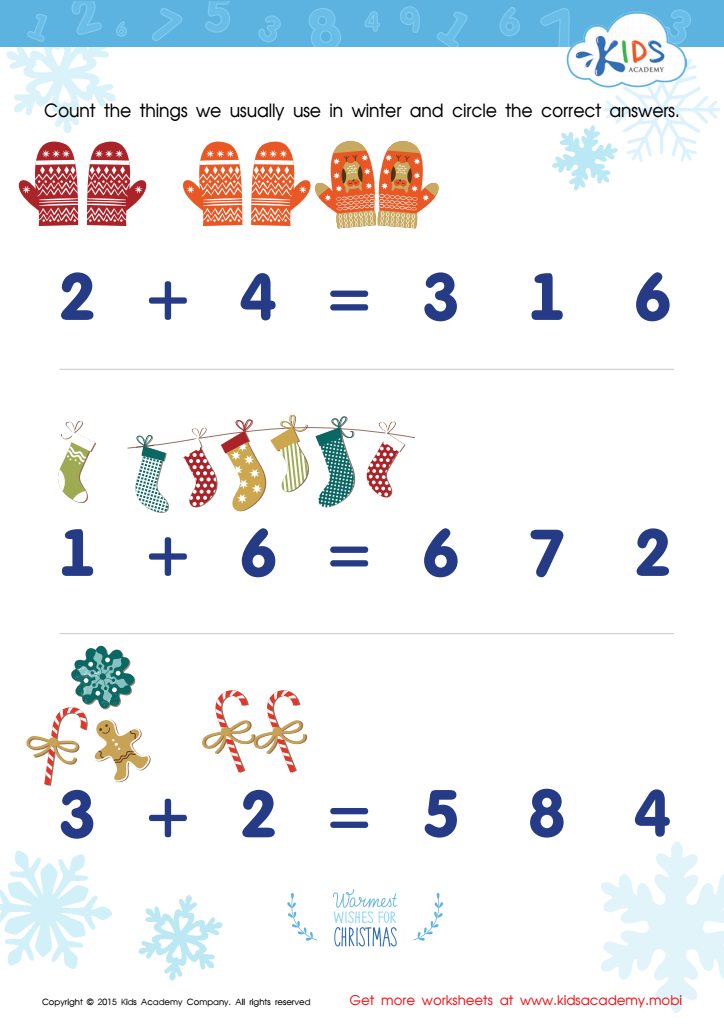
Count Winter Things Worksheet
 Assign to My Students
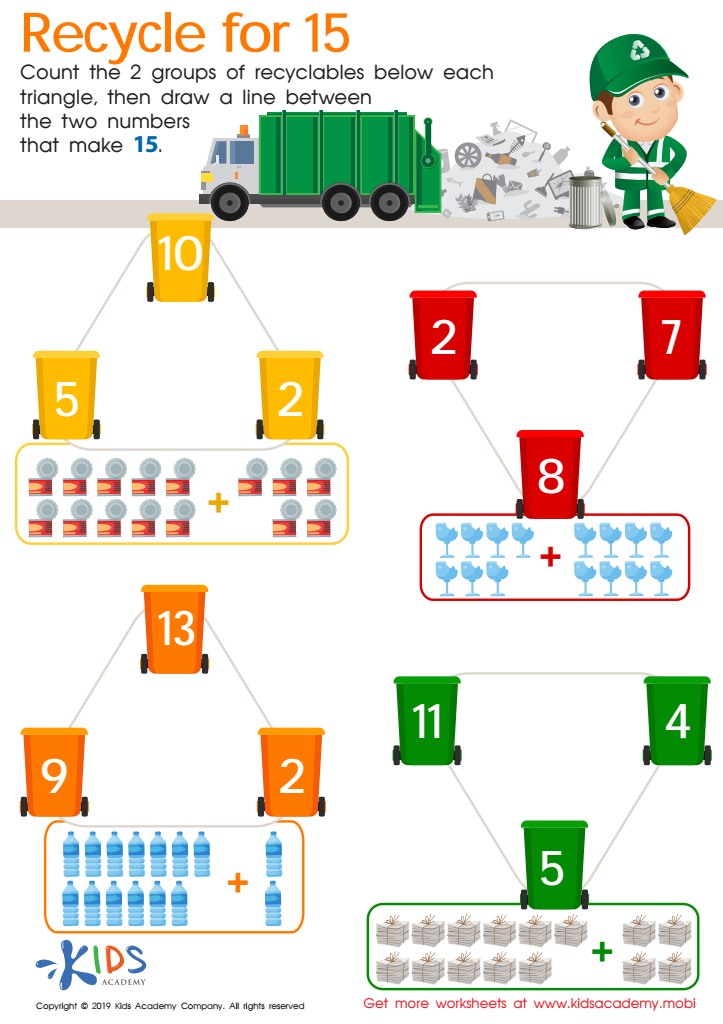
Recycle for 15 Worksheet
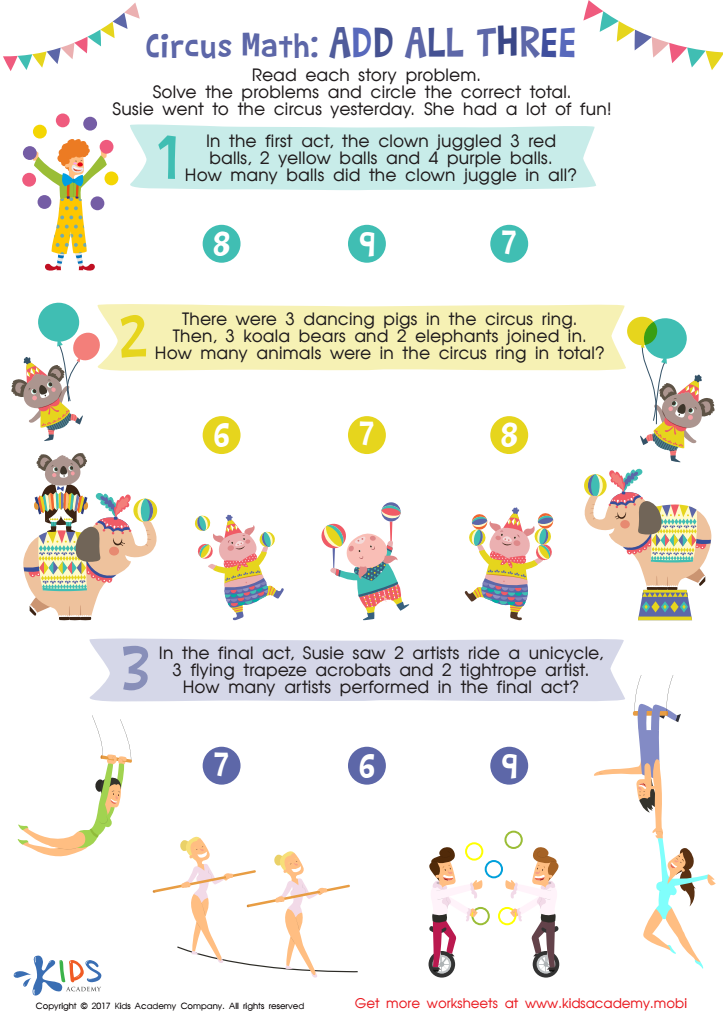
Circus Math Printable
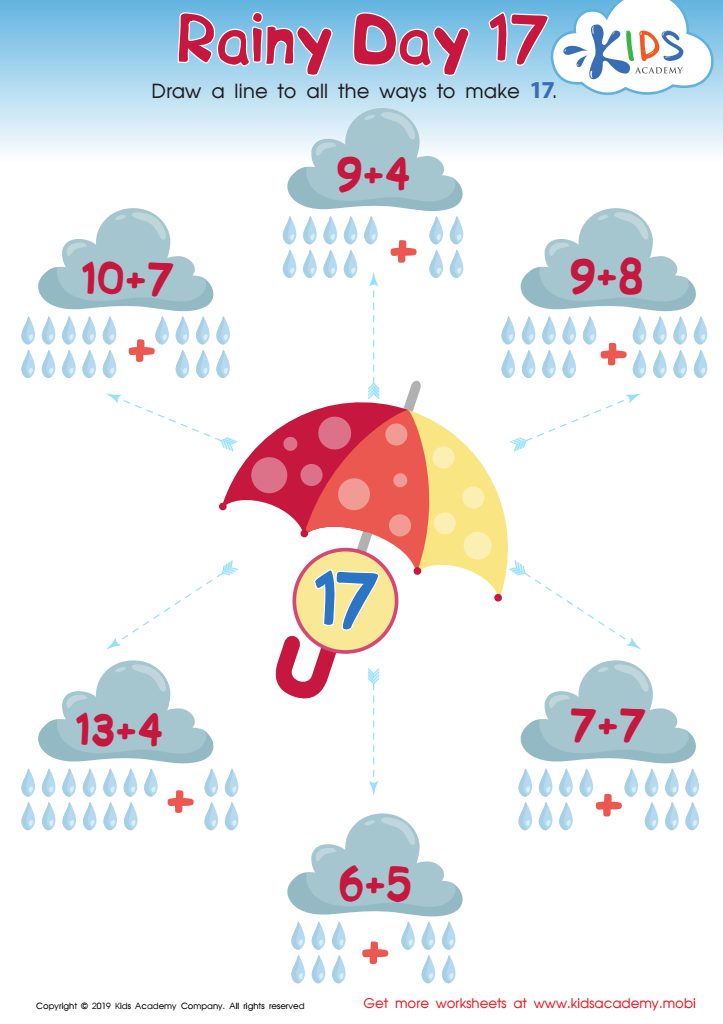
Rainy Day 17 Worksheet
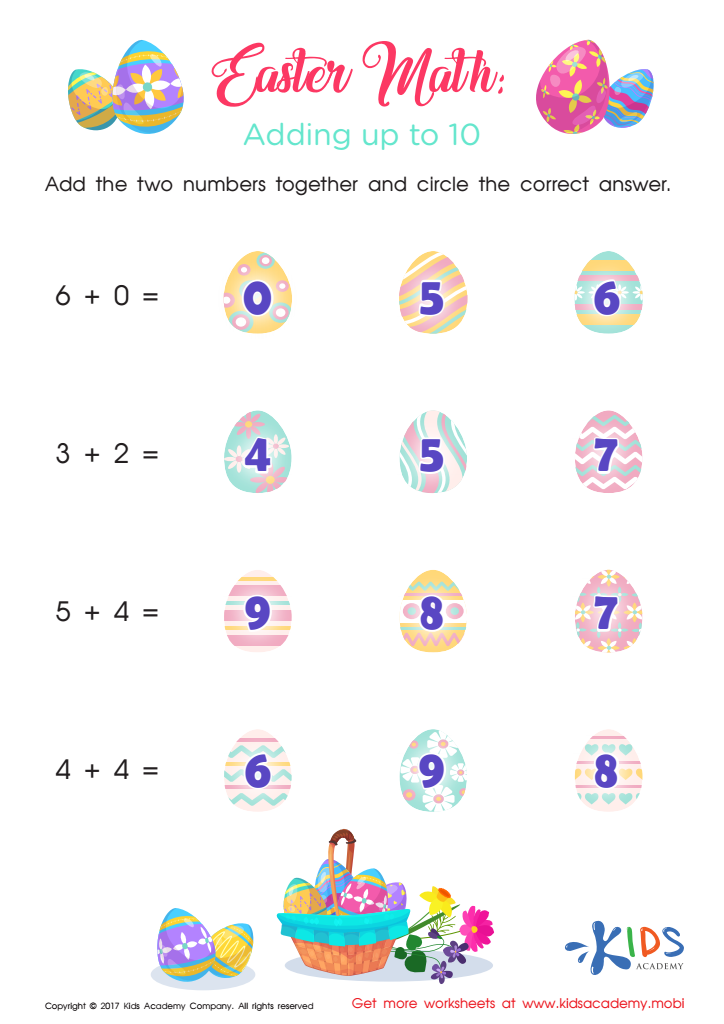
Addition Up To 10 Worksheet
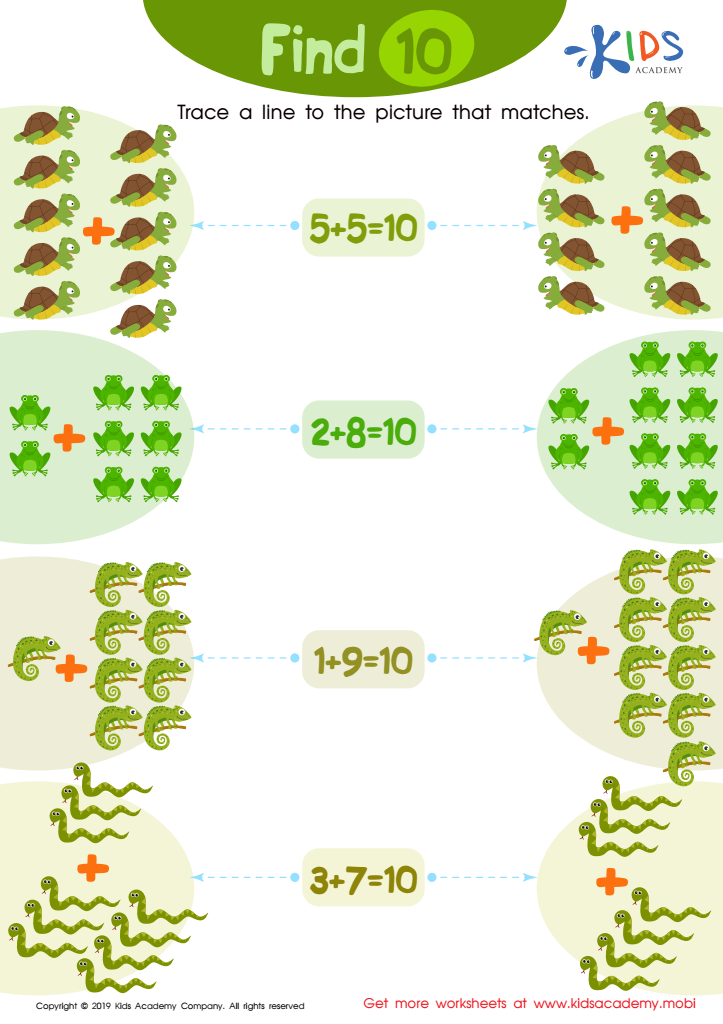
Find 10 Worksheet
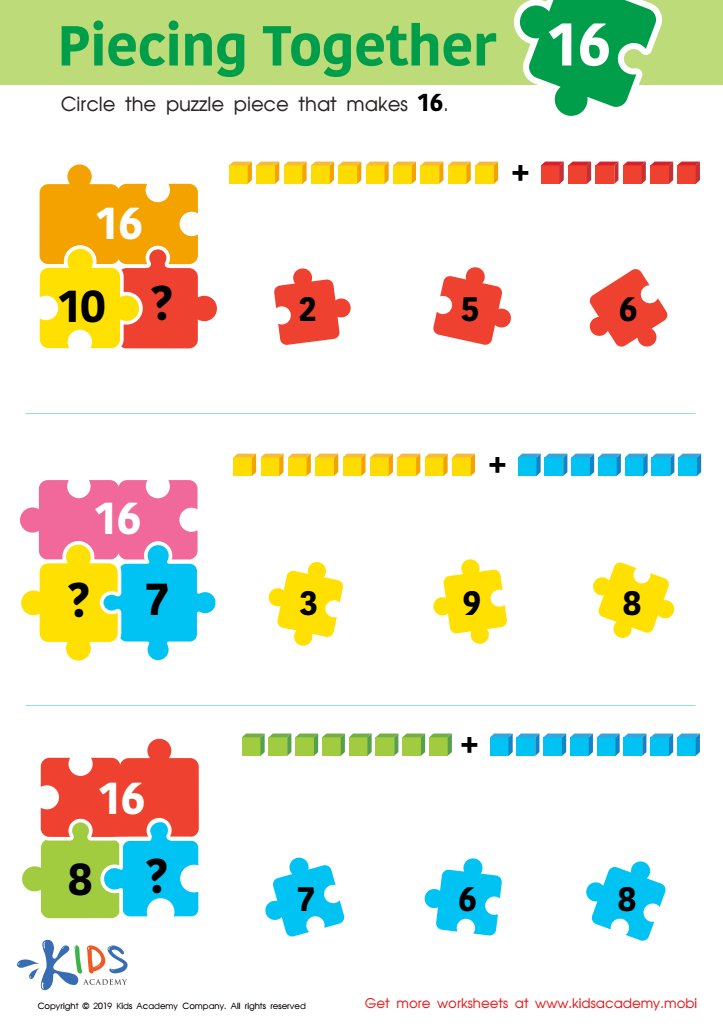
Piecing Together 16 Worksheet
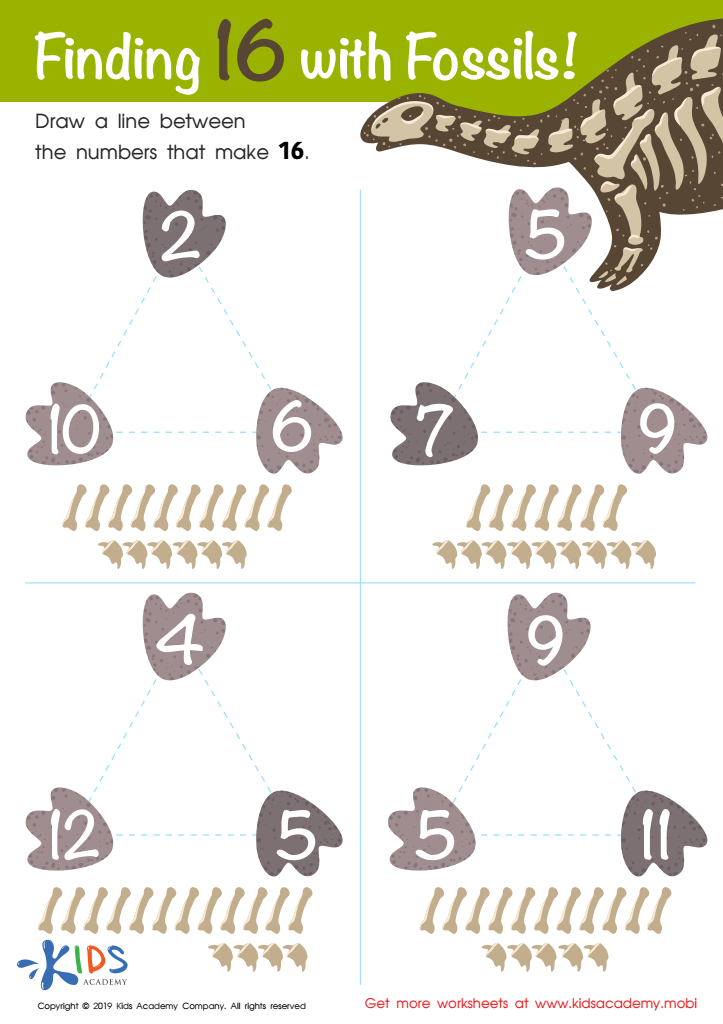
Finding 16 With Fossils Worksheet
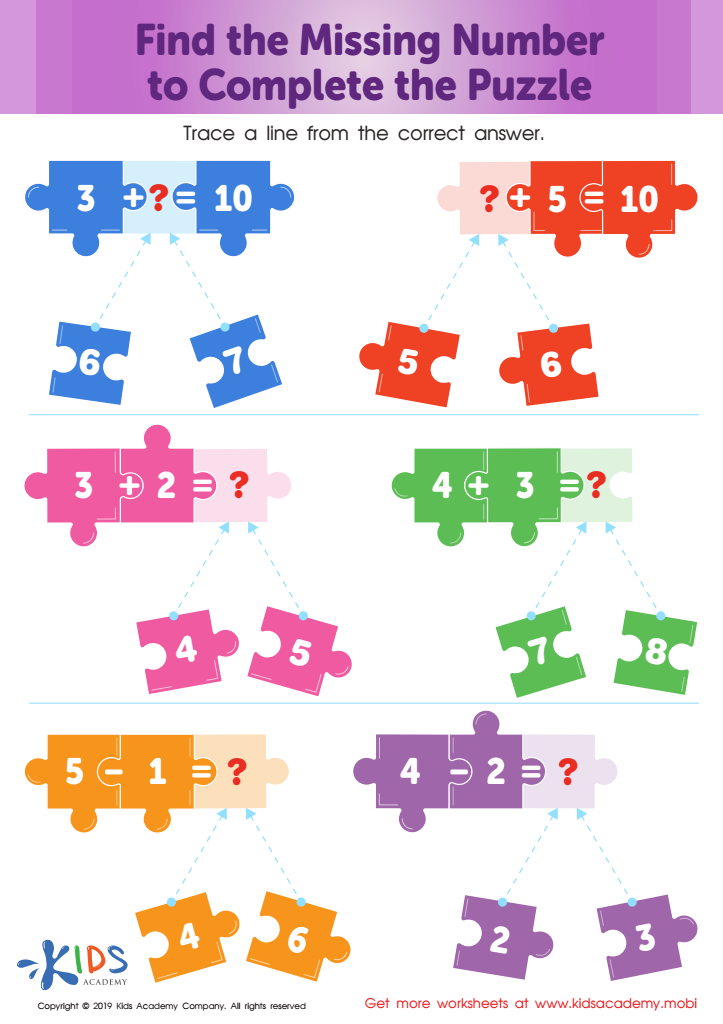
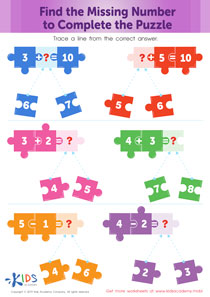
Find the Missing Number to Complete the Puzzle Worksheet
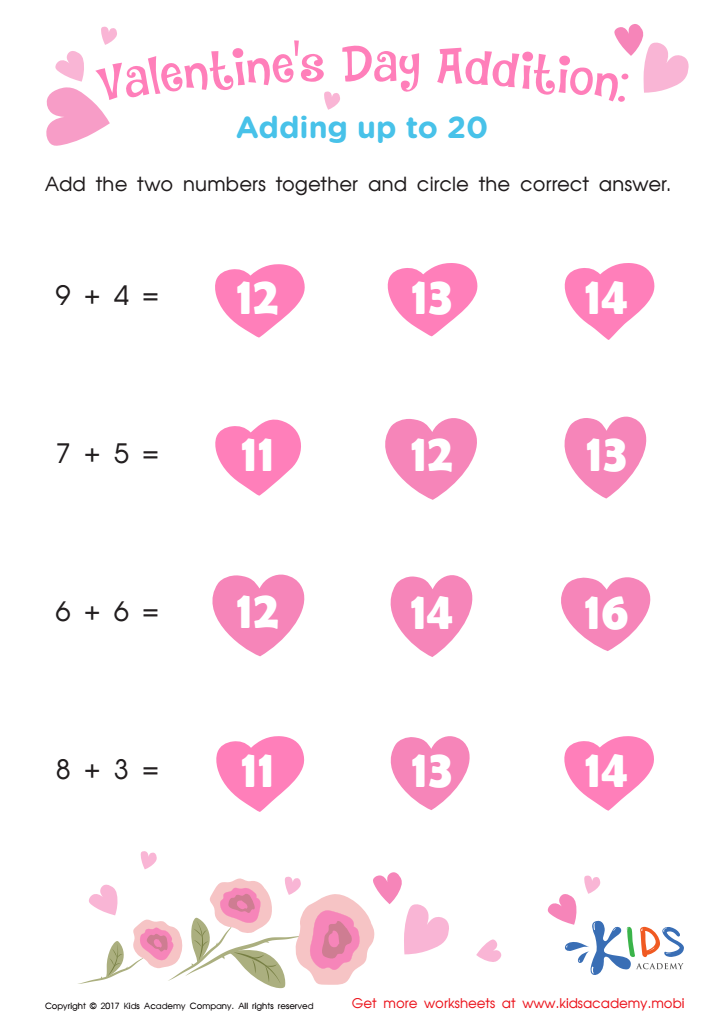
Valentine's Day Addition Worksheet
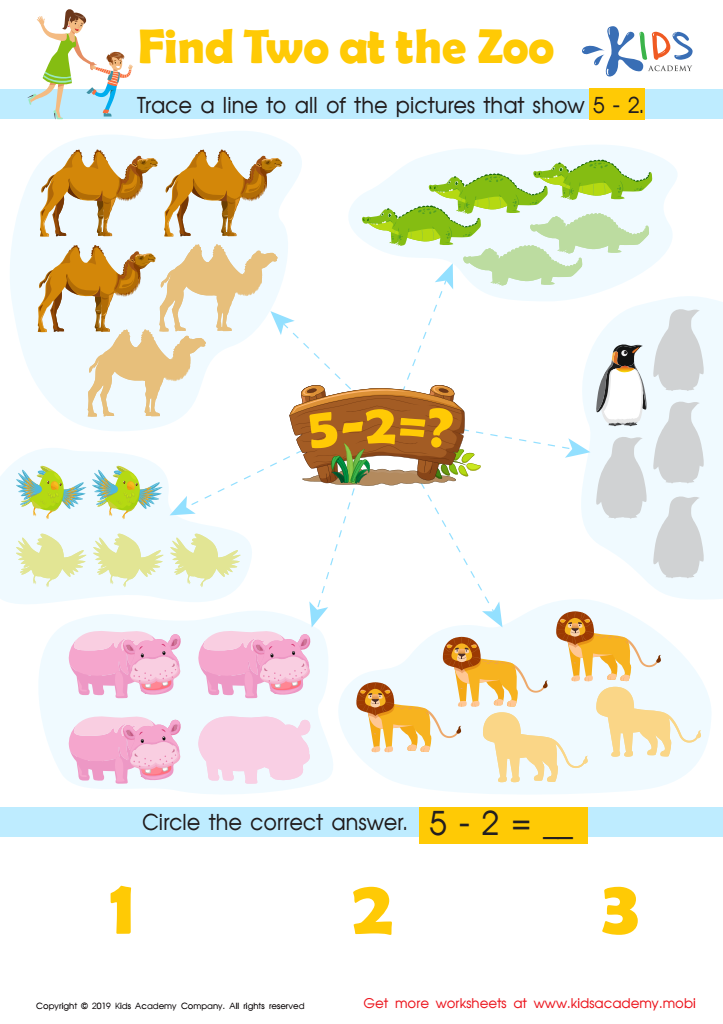
Find Two at the Zoo Worksheet
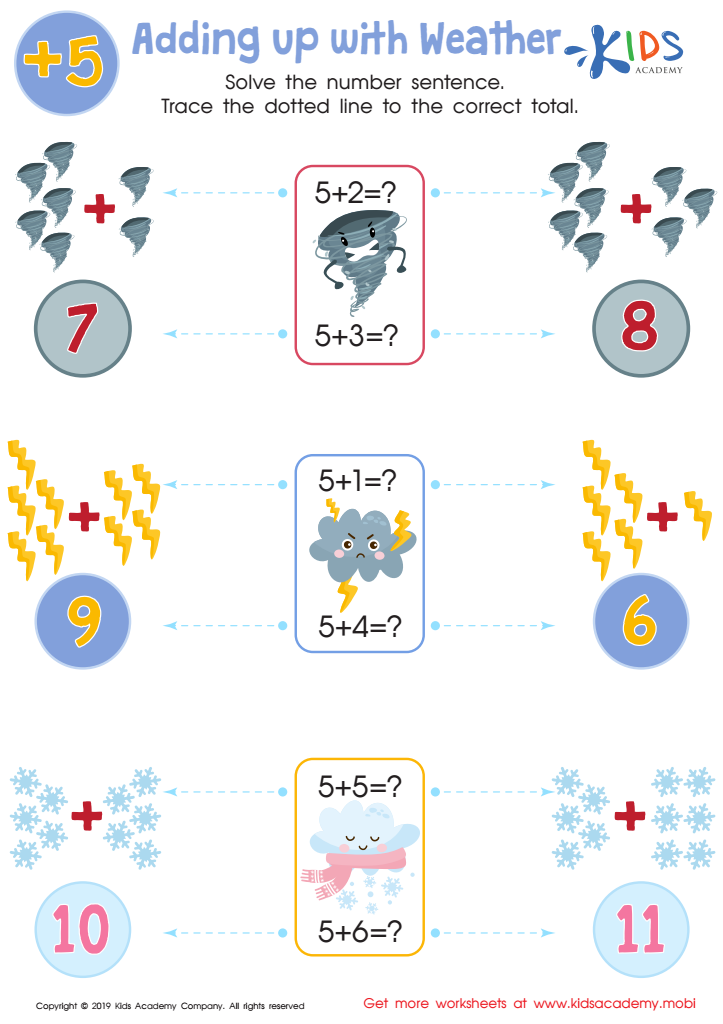
Adding up With Water Worksheet
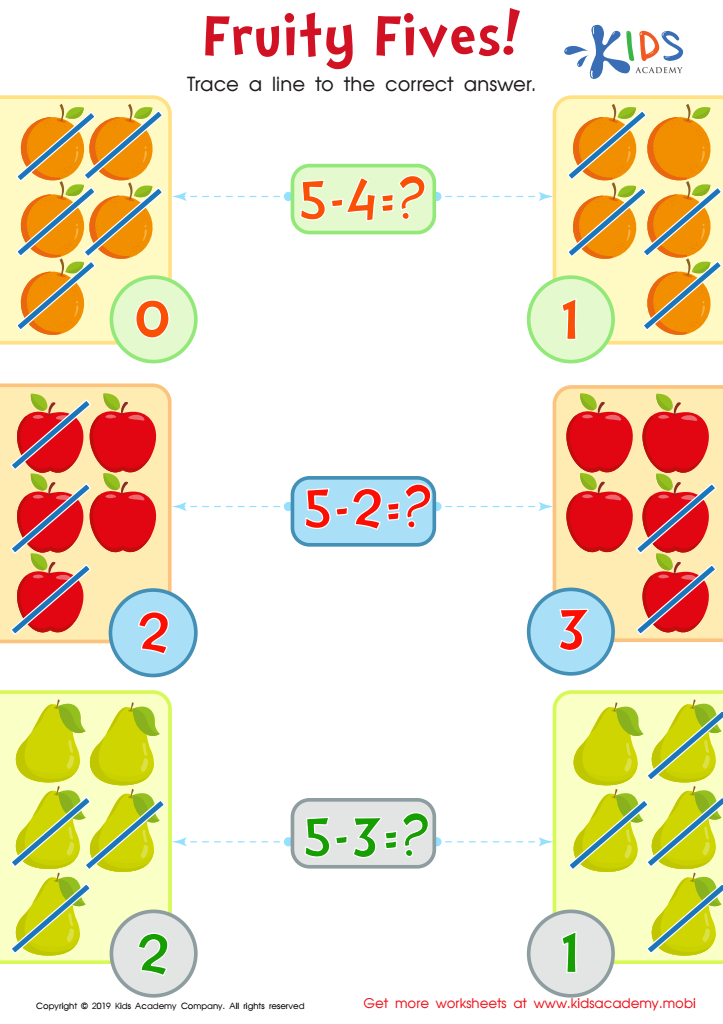
Fruity Fives! Worksheet
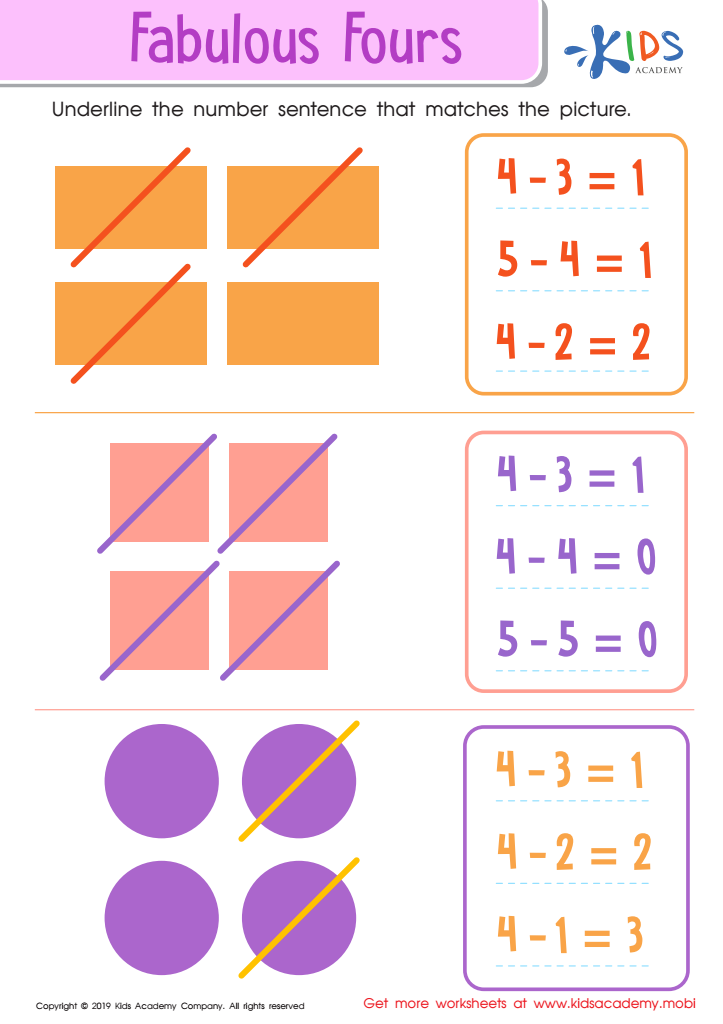
Fabulous Fours Worksheet
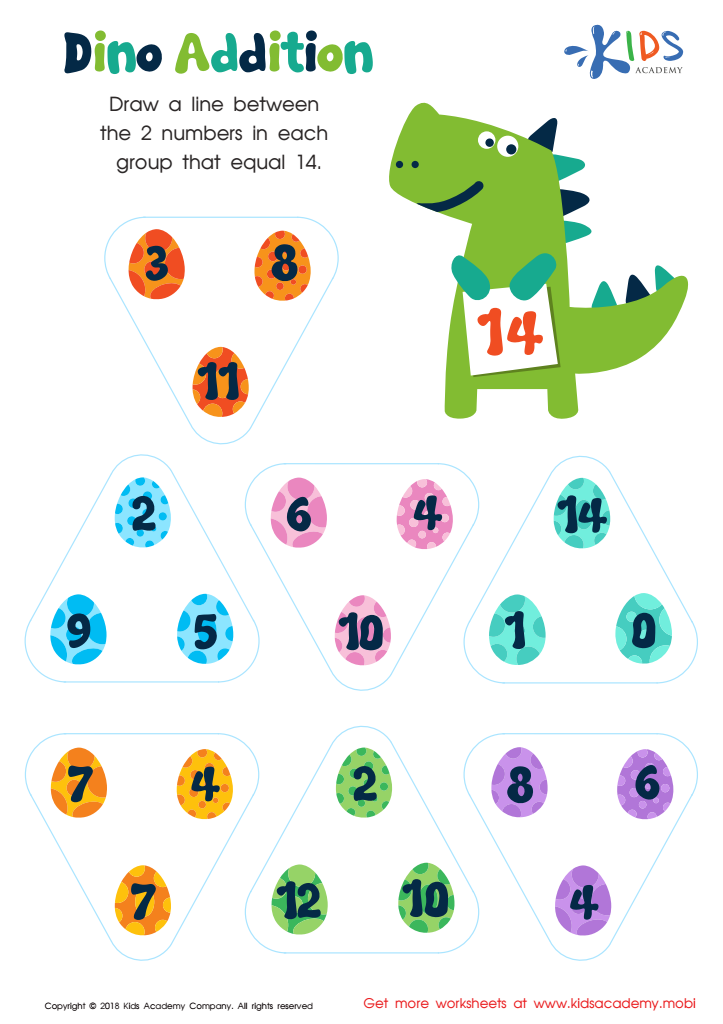
Dino Addition Worksheet
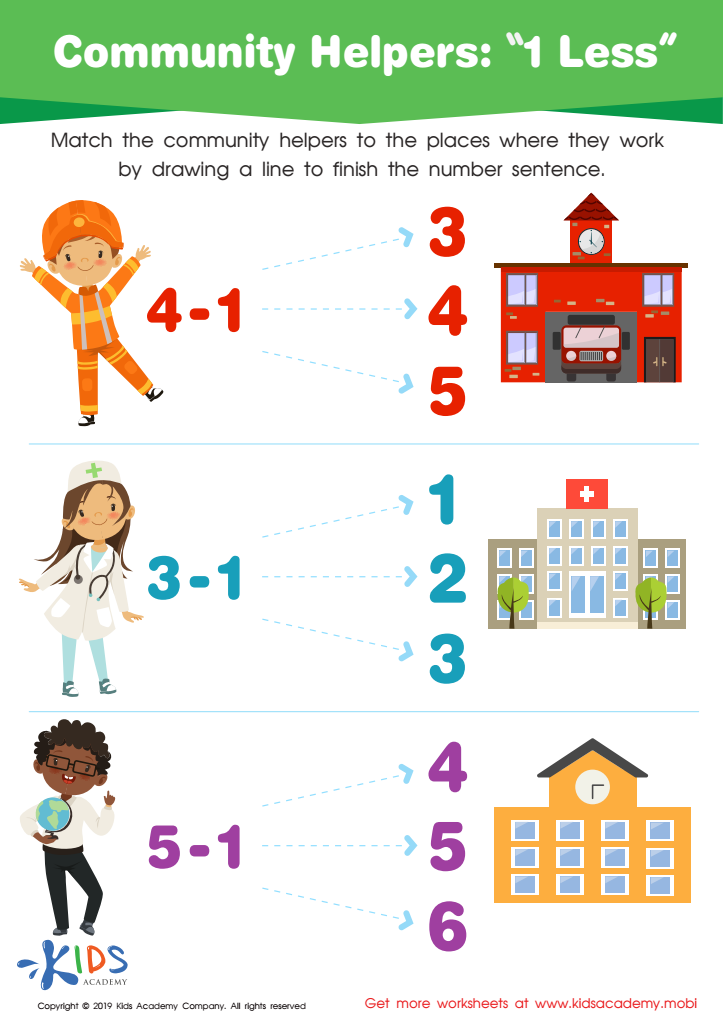
Community Helpers: 1 less Worksheet
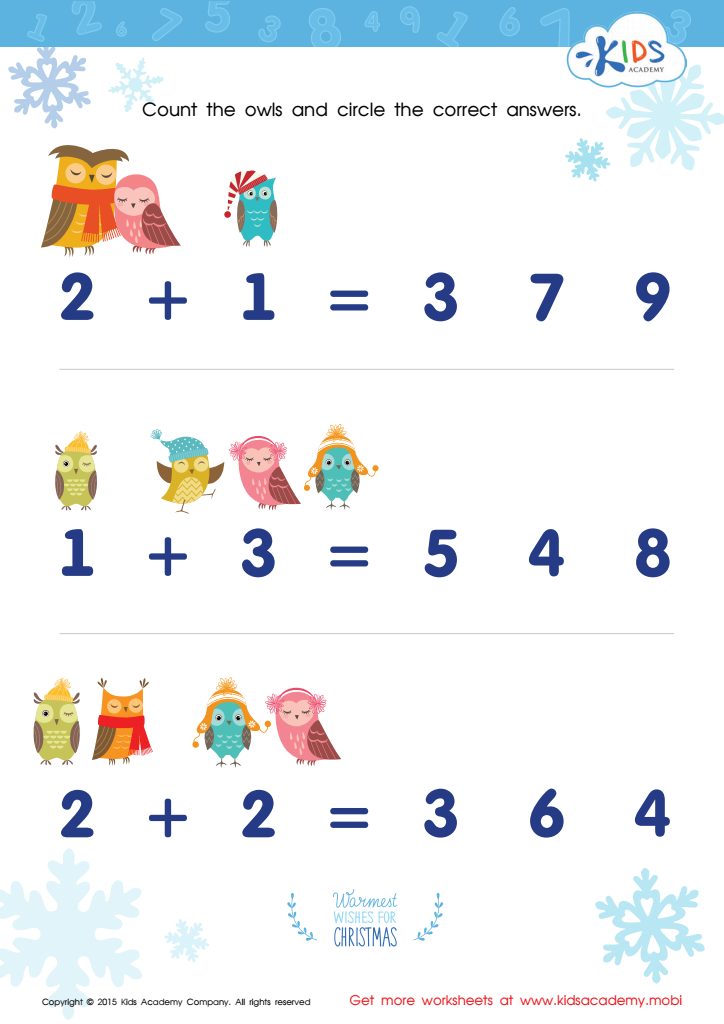
Count Little Owls Worksheet
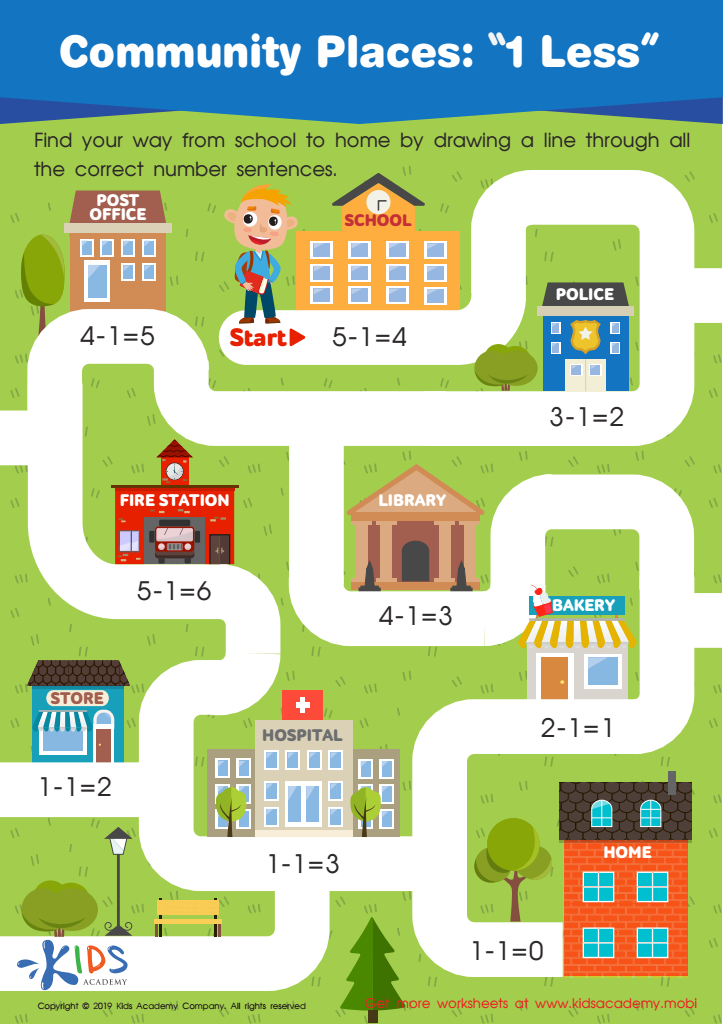
Community Places: 1 Less Worksheet
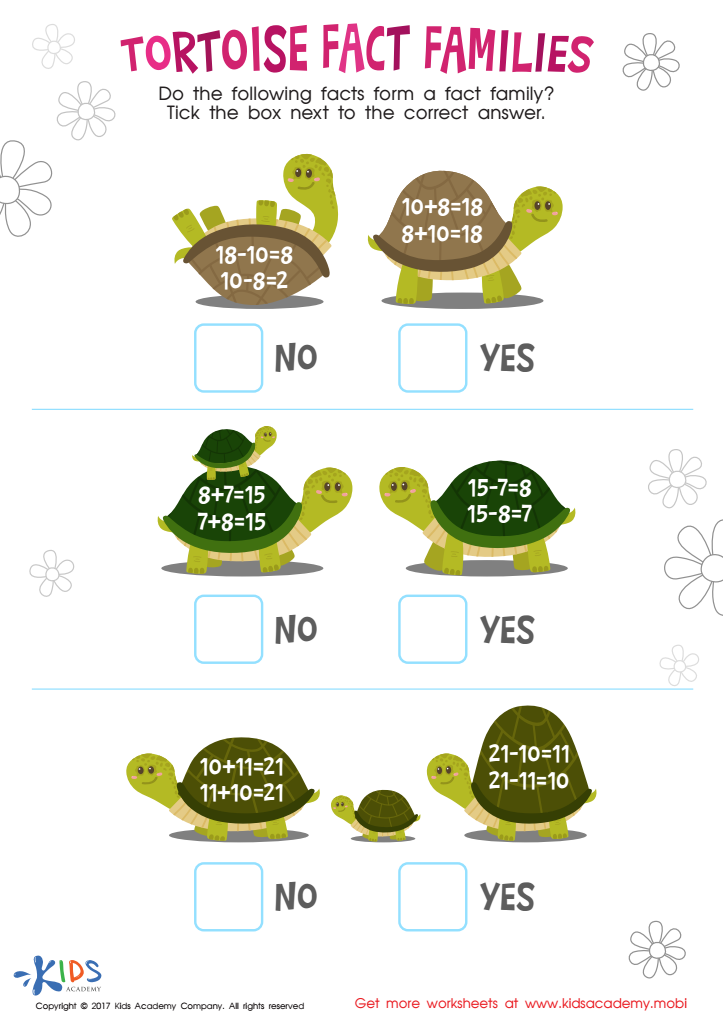
Tortoise Fact Families Printable
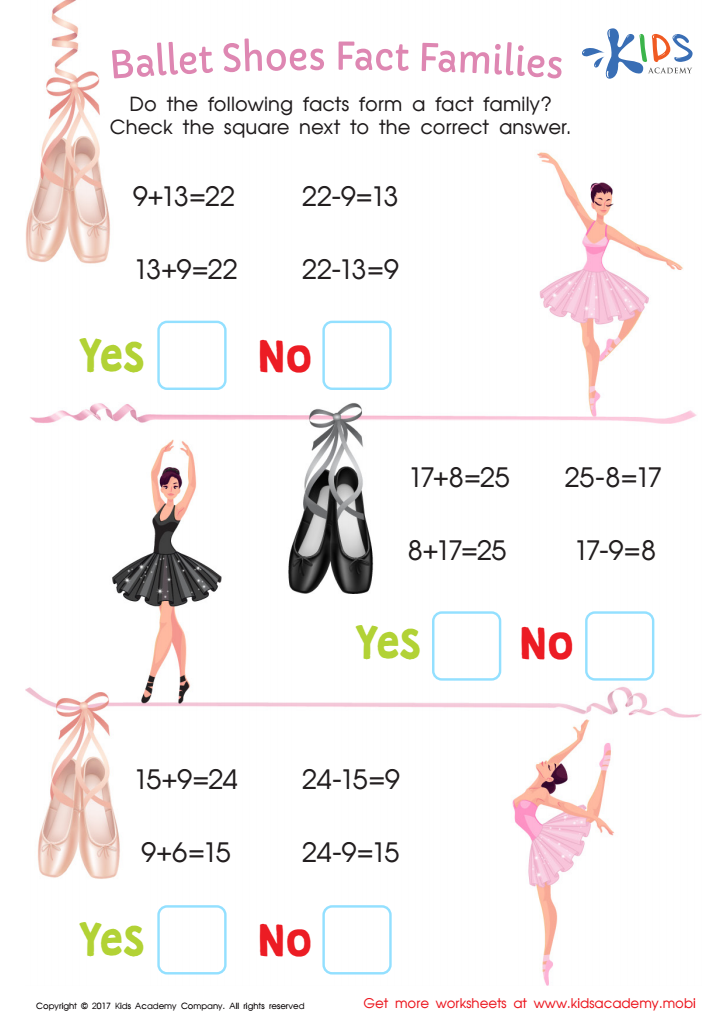
Ballet Shoes Fact Family Printable
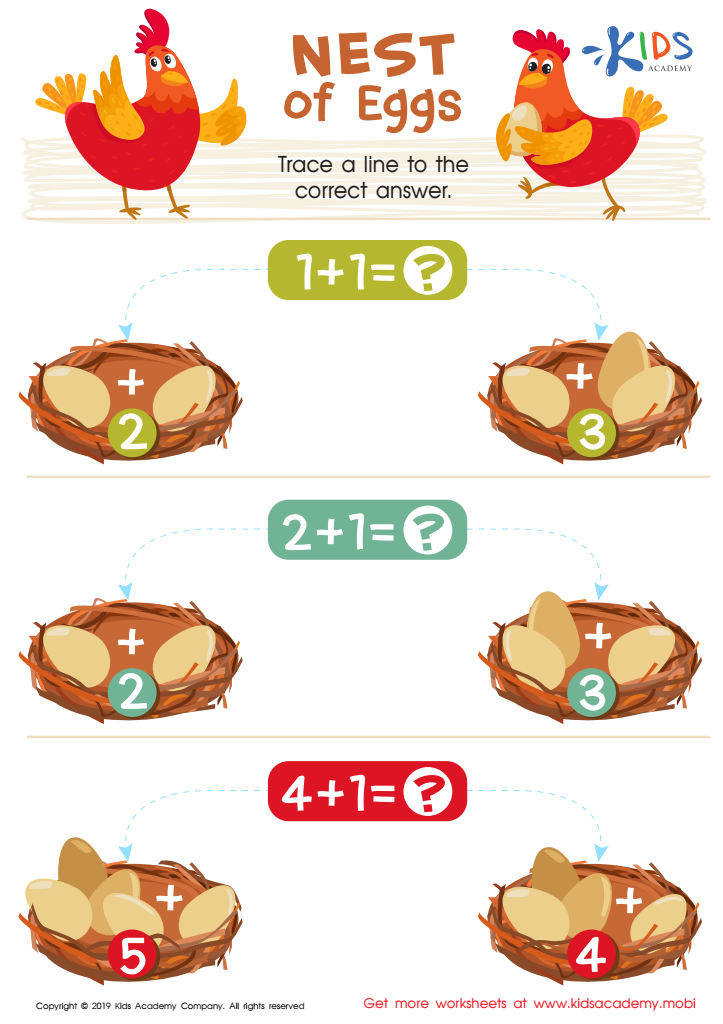
Nest of Eggs Worksheet
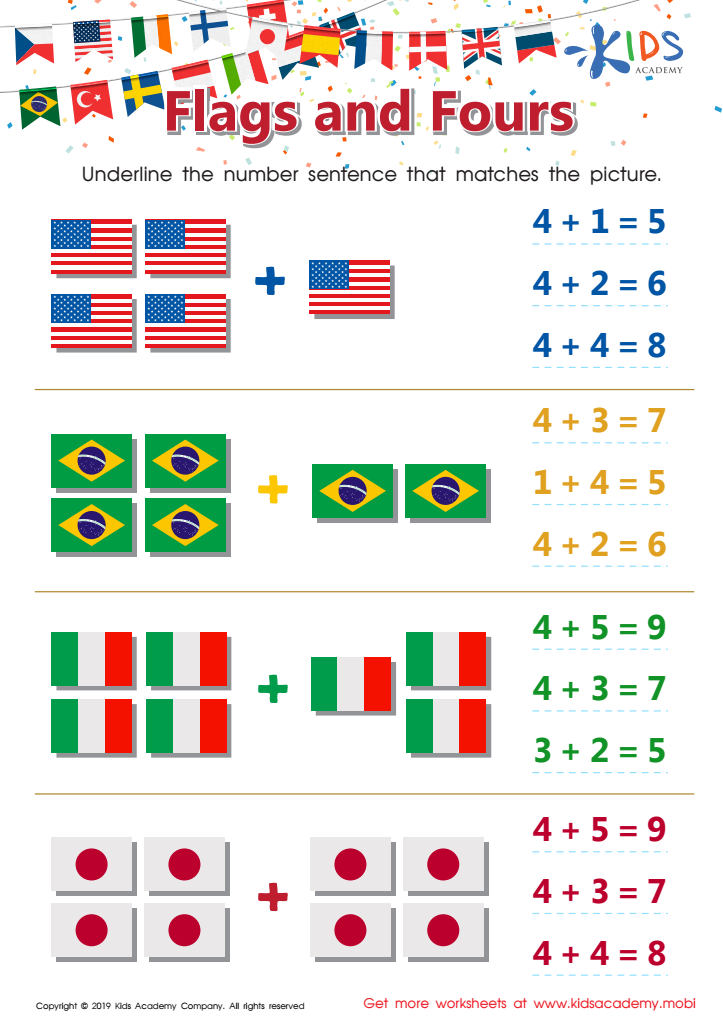
Flags and Fours Worksheet








Parents and teachers should care about extra challenge addition activities for children aged 3-7 because early mathematics education lays a crucial foundation for future learning and cognitive development. At this developmental stage, children's brains are rapidly forming neural connections, making it an optimal time to introduce mathematical concepts in an engaging and supportive manner. Extra challenge addition helps stimulate critical thinking, problem-solving skills, and numerical fluency.
Engaging young learners in extra challenge addition promotes familiarity and comfort with numbers, fostering a positive attitude toward mathematics. This can boost their confidence and willingness to tackle more complex mathematical concepts as they grow. Additionally, these activities are designed to be fun and interactive, making learning enjoyable and reducing any potential anxiety associated with math.
By incorporating extra challenge addition into early education, parents and teachers ensure children develop strong fundamental skills that are essential for their academic journey. Studies have shown that early mathematical competence is a predictor of later academic success, so giving children a head start with fun and challenging activities is a proactive approach to securing their educational future. Furthermore, these challenges can promote collaborative learning, as children often work together to solve problems, enhancing their social and communication skills.